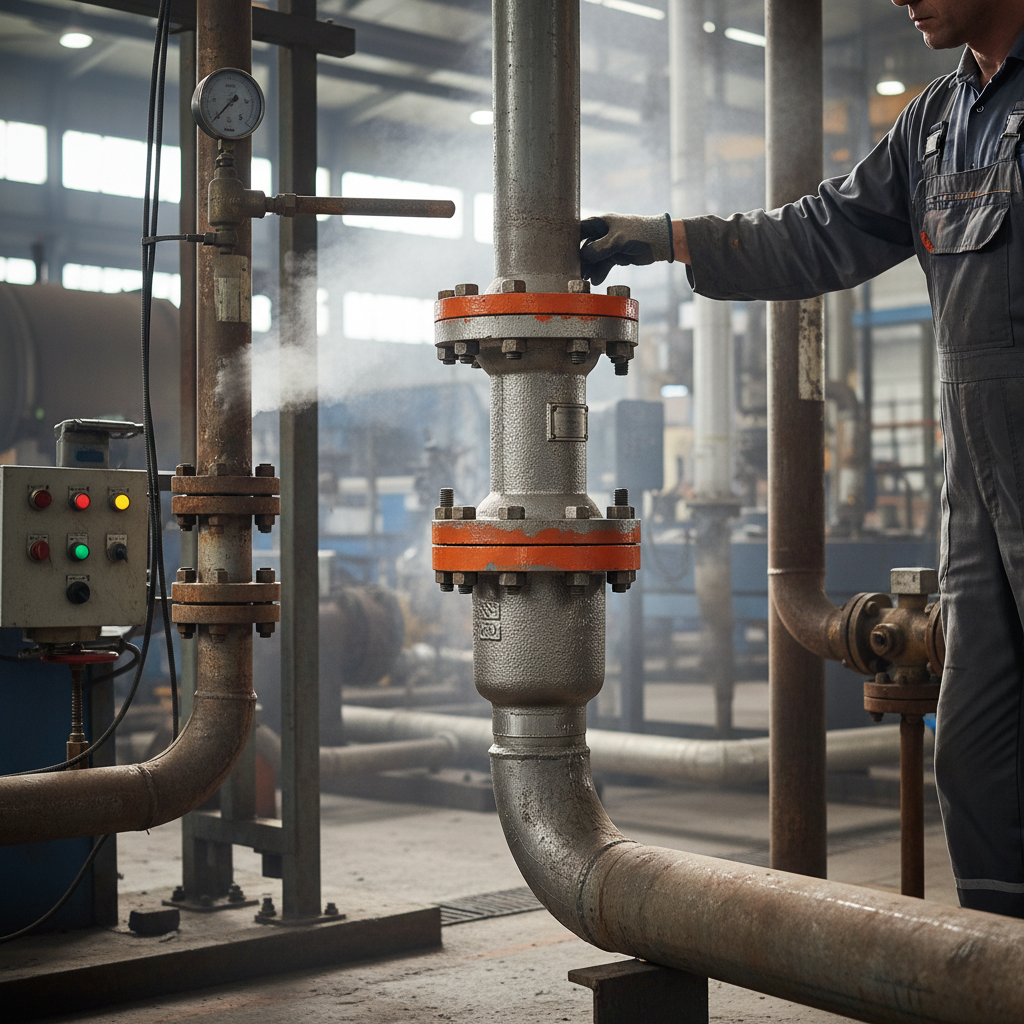
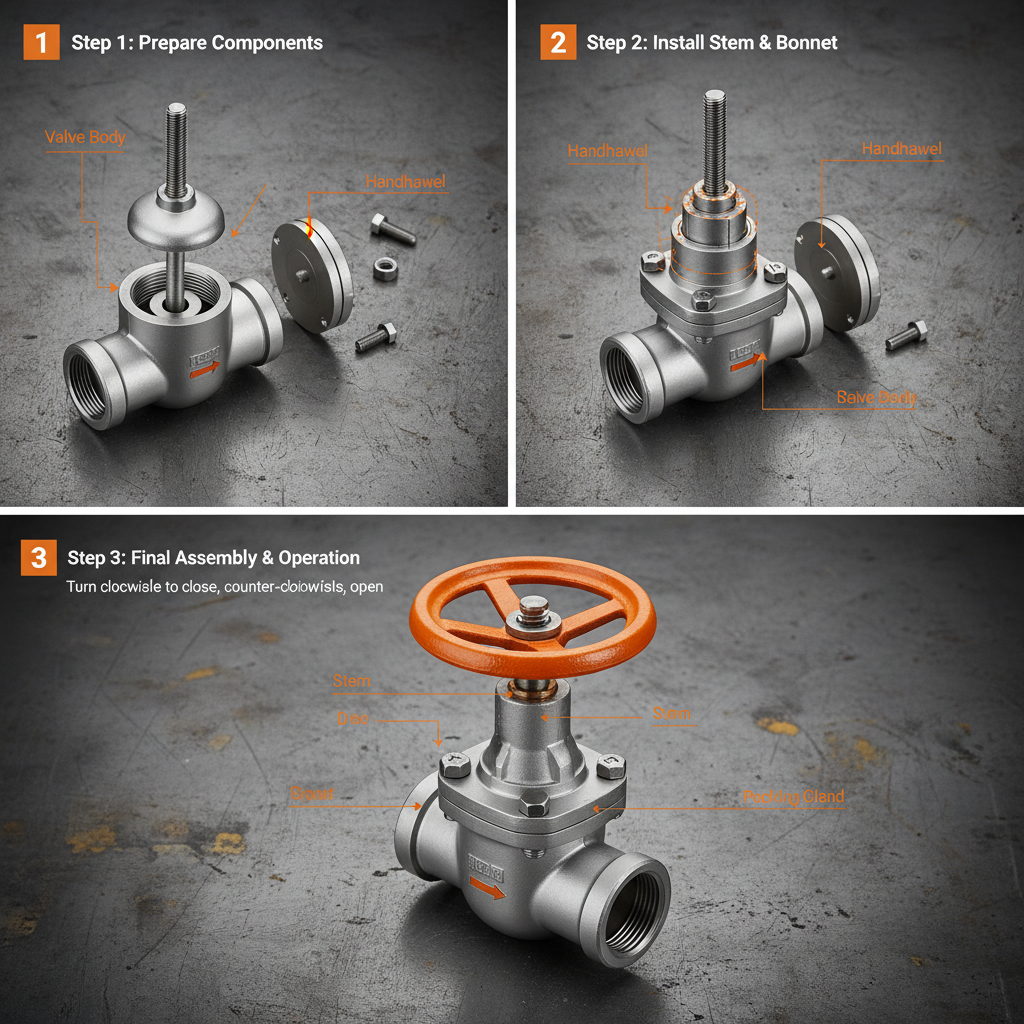
The world relies heavily on robust and reliable industrial components, and 2 stainless valve play a critical role in a vast array of applications. From ensuring the safe delivery of potable water to controlling processes in highly corrosive environments, the importance of these valves cannot be overstated. Understanding their properties, applications, and future trends is vital for engineers, procurement specialists, and anyone involved in industrial infrastructure. The global market for industrial valves is expanding, driven by infrastructure development in emerging economies and a growing demand for efficient and safe fluid control systems. 2 stainless valve, specifically, are gaining prominence due to their enhanced corrosion resistance and longevity, contributing to reduced lifecycle costs and improved operational reliability.
The demand for efficient and durable fluid control solutions is increasing across various industries, including oil and gas, chemical processing, pharmaceuticals, and water treatment. 2 stainless valve offer a compelling solution, balancing performance, cost-effectiveness, and longevity. Factors such as stringent environmental regulations, the need for sustainable infrastructure, and the increasing complexity of industrial processes are driving innovation in valve technology. Selecting the appropriate 2 stainless valve is crucial for optimizing system performance, minimizing downtime, and ensuring compliance with industry standards.
This exploration delves into the significance of 2 stainless valve, analyzing their defining characteristics, practical applications, advantages, and the challenges surrounding their implementation, while also touching on emerging technologies that will shape their future.
Introduction to 2 stainless valve
2 stainless valve are essential components in countless industrial and commercial systems, responsible for regulating and controlling the flow of fluids, gases, and slurries. The ‘2’ designation typically refers to the material grade, most commonly 304 or 316 stainless steel, renowned for their exceptional corrosion resistance and durability. These valves are engineered to withstand challenging operating conditions, maintaining consistent performance and minimizing the risk of failure.
Understanding the nuances of 2 stainless valve—their construction, operation, and material properties—is vital for ensuring optimal system performance and extending equipment lifespan. Proper selection and maintenance of these valves contribute significantly to safety, efficiency, and cost savings across diverse industries. 2 stainless valve are often a critical investment, and informed decision-making is paramount.
Global Relevance and Industry Context
The global industrial valve market is a multi-billion dollar industry, with a substantial portion dedicated to stainless steel valves. According to market research reports, the demand for valves is projected to grow steadily in the coming years, driven by expansion in end-use industries such as oil and gas, chemical processing, water and wastewater treatment, and power generation. Regions with rapidly developing infrastructure, such as Asia-Pacific and the Middle East, represent significant growth opportunities. The increasing emphasis on energy efficiency and sustainable practices is also contributing to the demand for high-performance valves like those constructed from 2 stainless valve.
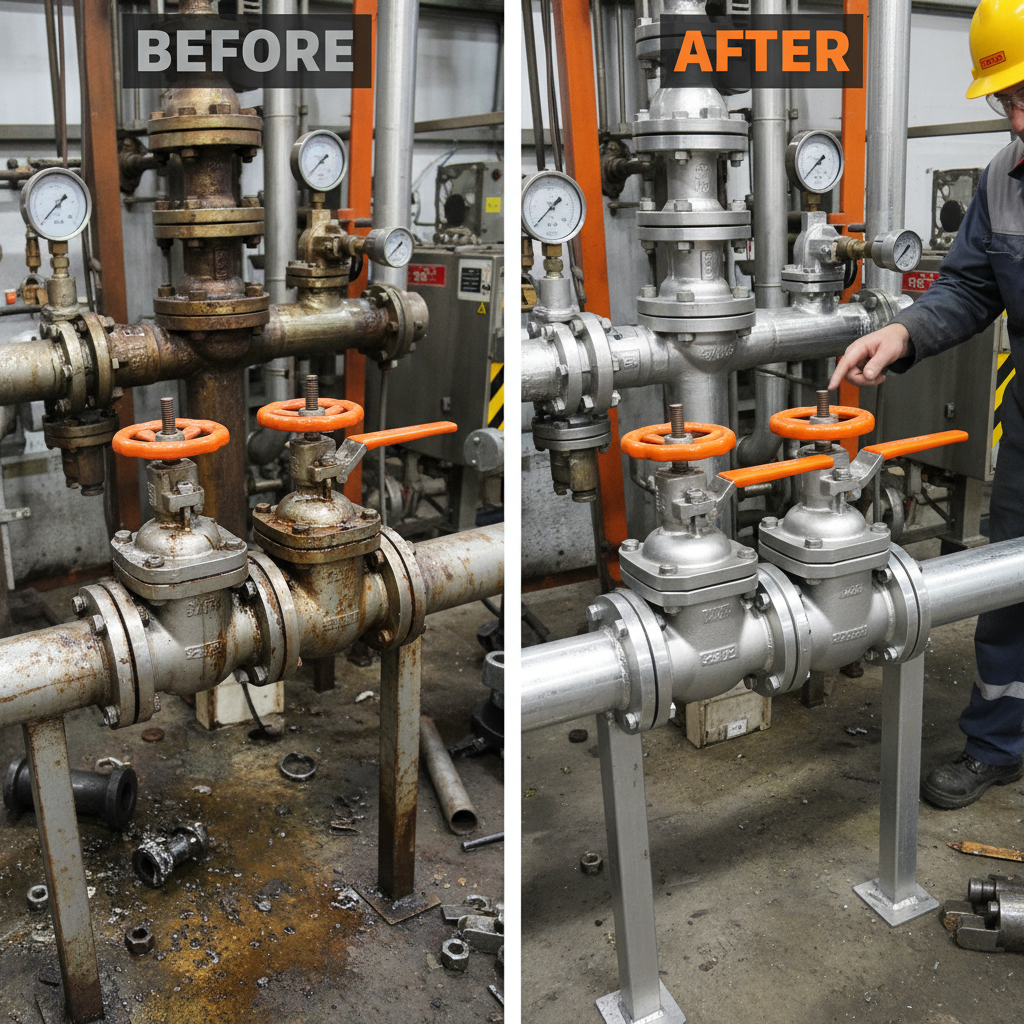
A significant challenge within the industry is the need to mitigate corrosion and ensure long-term reliability, especially in harsh environments. Traditional valve materials often require frequent replacement or costly repairs, leading to operational downtime and increased maintenance expenses. 2 stainless valve offer a viable solution, providing enhanced resistance to corrosive media and extending service life. This contributes to reduced lifecycle costs and improved environmental sustainability by minimizing waste.
Furthermore, international standards organizations like ISO and ASME play a critical role in setting quality and safety standards for industrial valves. Compliance with these standards is essential for manufacturers and end-users alike, ensuring that valves meet stringent performance requirements and minimizing the risk of accidents or environmental damage. The adoption of 2 stainless valve aligns with these standards, offering a reliable and safe solution for fluid control applications.
Defining 2 stainless valve
Simply put, a 2 stainless valve is a valve constructed primarily from stainless steel grades 304 or 316. These alloys are characterized by their high chromium content, which forms a passive layer of chromium oxide on the surface, preventing corrosion. The ‘2’ is shorthand for indicating the material composition. These valves are designed to control the flow of various fluids—liquids, gases, or slurries—by opening, closing, or partially obstructing passageways.
The connection to modern industry is profound. They are integral to almost every industrial process, from the refining of oil and gas to the production of pharmaceuticals and the delivery of clean water. Their reliability is critical in maintaining the efficiency and safety of these processes. Humanitarian needs are also met by 2 stainless valve; their corrosion resistance is particularly valuable in water purification systems and sanitation facilities deployed in challenging environments.
Unlike valves made from carbon steel or other less resistant materials, 2 stainless valve are able to maintain their structural integrity and functionality in the presence of corrosive substances, high temperatures, and extreme pressures. This makes them indispensable in applications where failure could have serious consequences. 2 stainless valve offer a combination of strength, durability, and corrosion resistance that is unmatched by many other materials.
Key Characteristics of 2 stainless valve
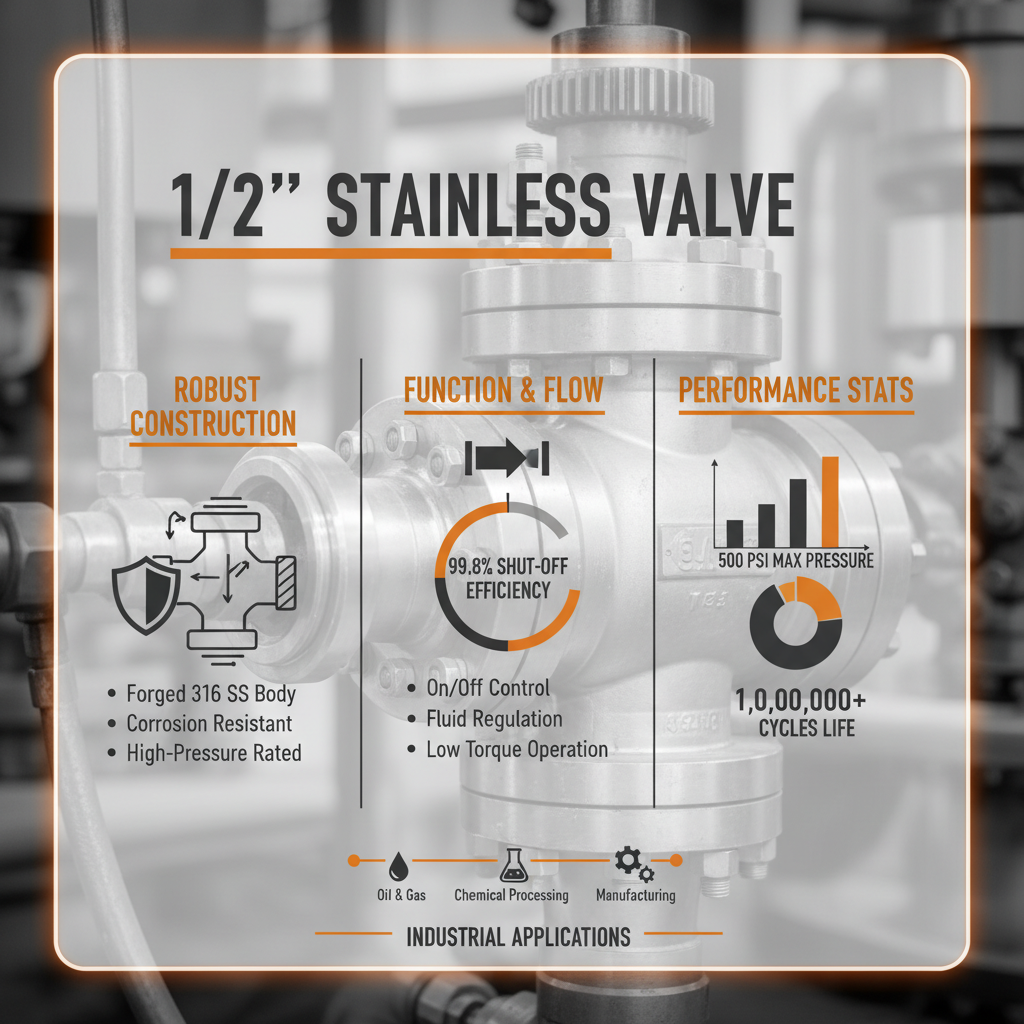
One of the most prominent characteristics of 2 stainless valve is their exceptional corrosion resistance. The chromium content in the stainless steel creates a passive layer that protects the underlying metal from oxidation and corrosion, even in harsh environments. Another key aspect is durability. The robust construction and high-quality materials used in these valves contribute to a long service life, reducing the need for frequent replacements.
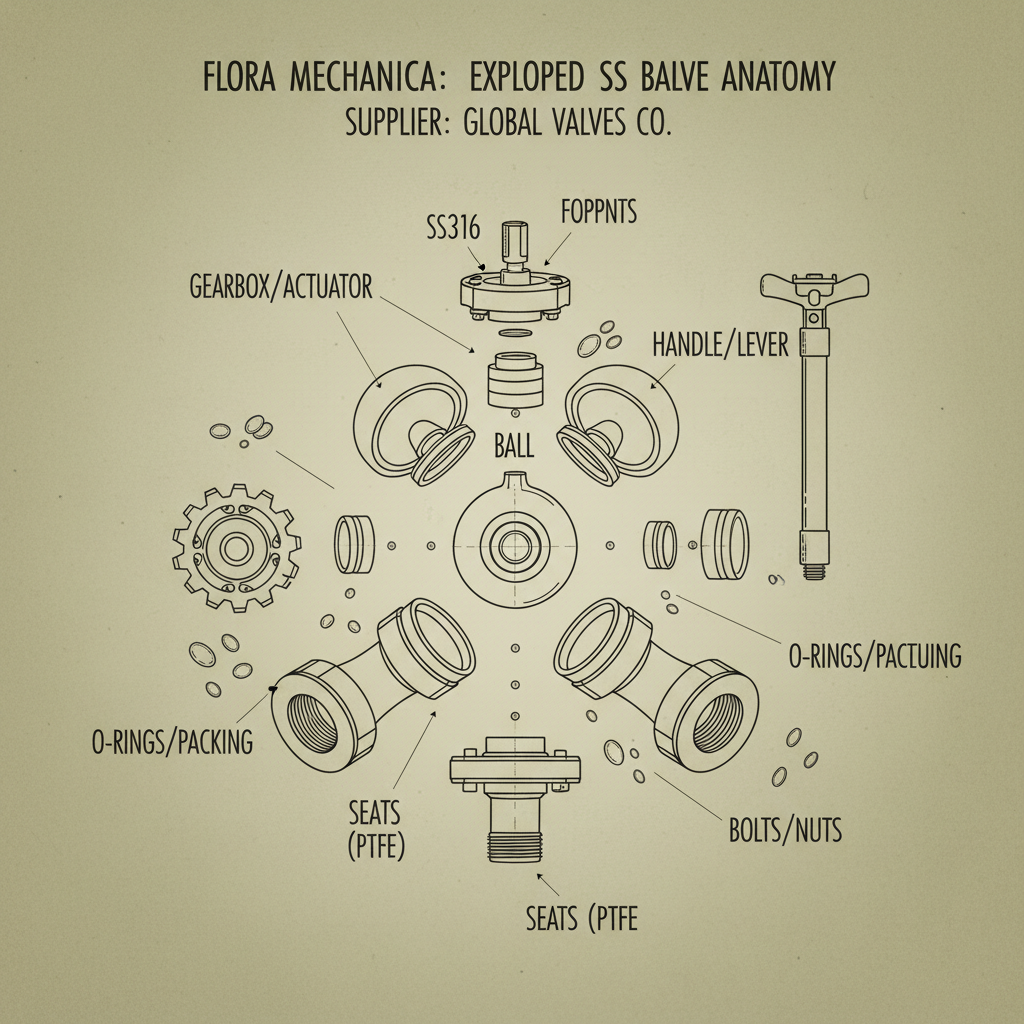
Versatility is another defining characteristic. 2 stainless valve are available in a wide range of types, including ball valves, gate valves, globe valves, check valves, and butterfly valves, making them suitable for diverse applications and fluid control requirements. Furthermore, they exhibit excellent temperature resistance, maintaining their structural integrity and functionality at both high and low temperatures. The hygienic properties of stainless steel also make these valves ideal for applications in the food, beverage, and pharmaceutical industries.
2 stainless valve Performance Metrics
Global Applications of 2 stainless valve
2 stainless valve are indispensable in the oil and gas industry, regulating the flow of crude oil, natural gas, and refined products in pipelines, refineries, and offshore platforms. They are also critical in the chemical processing industry, controlling the flow of corrosive chemicals and ensuring safe and efficient production processes. Furthermore, they play a vital role in water and wastewater treatment plants, managing the flow of water, chemicals, and sludge throughout the treatment process.
In the pharmaceutical industry, 2 stainless valve are used extensively in the production of drugs and medications, ensuring sterility and preventing contamination. In food and beverage processing, they are used to control the flow of liquids and gases in production lines, maintaining hygiene and ensuring product quality. Even in power generation plants, 2 stainless valve are used to control the flow of steam, water, and other fluids essential for power production.
Examples include their crucial role in post-disaster relief operations, where portable water purification systems utilizing 2 stainless valve provide access to clean drinking water in affected areas. Similarly, in remote industrial zones, where access to maintenance and repairs can be limited, the durability of 2 stainless valve minimizes downtime and ensures continuous operation. 2 stainless valve demonstrate broad applicability and contribute to global infrastructure resilience.
Advantages and Long-Term Value
The tangible benefits of utilizing 2 stainless valve are numerous. Firstly, the reduced lifecycle costs stemming from their durability and corrosion resistance translate into significant savings over time, minimizing replacement and repair expenses. Secondly, the enhanced sustainability achieved through reduced material consumption and waste generation aligns with growing environmental concerns. From a reliability standpoint, these valves provide consistent and dependable performance, minimizing downtime and ensuring operational efficiency.
The advantages extend beyond the purely practical. The inherent safety provided by reliable fluid control builds trust with stakeholders, while the innovative materials and designs reflect a commitment to innovation. The confidence in system integrity contributes to a sense of safety for operators and end-users. Furthermore, utilizing robust and long-lasting 2 stainless valve enhances the dignity of operations, reducing the need for constant intervention and repair.
Future Trends in 2 stainless valve Technology
The future of 2 stainless valve technology is intertwined with advancements in materials science, digital transformation, and sustainable practices. The development of new stainless steel alloys with enhanced corrosion resistance and mechanical properties is expected to further improve valve performance and longevity. The integration of smart sensors and IoT connectivity will enable remote monitoring, predictive maintenance, and real-time performance analysis. This data-driven approach will optimize valve operation and minimize downtime.
Automation and digital twin technology are also poised to revolutionize valve management, allowing for virtual testing, optimization, and control. The increasing focus on green energy and sustainable infrastructure will drive demand for valves designed for use in renewable energy systems, such as solar and wind power plants. These trends highlight the ongoing evolution of 2 stainless valve technology, driven by the need for increased efficiency, reliability, and sustainability.
Challenges and Solutions
Despite their numerous advantages, the implementation of 2 stainless valve isn't without challenges. One common limitation is the initial cost, which can be higher compared to valves made from less expensive materials. Another challenge is the potential for galling or seizing of valve components, particularly in applications involving abrasive fluids or high pressures. Additionally, ensuring proper installation and maintenance is crucial for maximizing valve lifespan and preventing failures.
Expert insights suggest that utilizing advanced coating technologies can mitigate galling and improve valve performance. Implementing robust preventative maintenance programs, including regular inspections and lubrication, can significantly extend valve lifespan and reduce the risk of failures. Furthermore, exploring alternative valve designs and materials, such as duplex stainless steel or super austenitic stainless steel, can provide enhanced corrosion resistance and mechanical properties for challenging applications. 2 stainless valve development continues to address these issues.
Table Summarizing Common 2 Stainless Valve Challenges and Solutions
| Challenge |
Impact on Operation |
Potential Solution |
Implementation Cost (1-10) |
| High Initial Cost |
Budget constraints, potential for opting for cheaper alternatives. |
Life Cycle Cost Analysis, emphasizing long-term savings. |
3 |
| Corrosion in Specific Environments |
Reduced valve lifespan, potential for leakage, safety hazards. |
Utilize higher grade stainless steel alloys (e.g., Super Austenitic). |
6 |
| Galling/Seizing |
Valve malfunction, flow disruption, costly repairs. |
Apply specialized coatings to reduce friction. |
5 |
| Improper Installation |
Leakage, premature failure, compromised system integrity. |
Strict adherence to manufacturer’s guidelines, qualified technicians. |
2 |
| Lack of Preventative Maintenance |
Reduced lifespan, increased risk of unexpected failures, downtime. |
Regular inspection and lubrication schedules. |
4 |
| Compatibility with Fluid Media |
Corrosion, erosion, degradation of valve materials. |
Material selection based on fluid composition and operating conditions. |
5 |
FAQs
2 stainless valve offer significantly superior corrosion resistance compared to carbon steel, making them ideal for applications involving corrosive fluids or harsh environments. While carbon steel is often less expensive initially, 2 stainless valve boast a longer lifespan, reduced maintenance costs, and improved reliability, ultimately leading to a lower total cost of ownership. They also maintain greater structural integrity under extreme temperatures and pressures, ensuring safer and more efficient operation.
Industries such as oil and gas, chemical processing, pharmaceuticals, food and beverage, and water treatment are frequent users of 2 stainless valve. This is due to the need for reliable fluid control in environments where corrosion, hygiene, and safety are paramount. For instance, in pharmaceuticals, the stainless steel construction ensures product purity, while in oil and gas, it withstands harsh offshore conditions and corrosive hydrocarbons. The durability and reliability are key factors driving adoption across these sectors.
The choice between 304 and 316 stainless steel depends on the specific operating environment and the fluid being handled. 304 stainless steel offers excellent corrosion resistance in many applications, while 316 contains molybdenum, which significantly enhances its resistance to chloride corrosion – making it preferable for marine environments, applications with saltwater exposure, or handling chlorides. Consider the pH of the fluid, temperature, and potential for pitting corrosion when making your decision.
Regular inspection is crucial for maintaining optimal performance. This includes checking for leaks, corrosion, and wear on valve components. Periodic lubrication of moving parts, such as stems and seals, is also recommended. Depending on the application, occasional cleaning to remove debris and buildup may be necessary. Implementing a preventative maintenance schedule based on manufacturer’s recommendations is highly advised to extend valve lifespan and prevent unexpected failures.
Look for certifications from reputable organizations such as ISO 9001 (quality management), ASME (valve standards), and API (petroleum and natural gas industries). These certifications demonstrate that the valve has been manufactured to meet stringent quality and safety standards. Compliance with relevant industry regulations and standards ensures that the valve will perform reliably and safely in your application. It’s essential to verify these certifications before making a purchase.
The lifespan of a well-maintained 2 stainless valve can vary depending on the application and operating conditions, but typically ranges from 10 to 20 years, or even longer. Factors such as fluid compatibility, temperature, pressure, and the frequency of use all play a role. Regular inspection and preventative maintenance can significantly extend the valve’s lifespan, maximizing return on investment and minimizing downtime. Choosing the right grade of stainless steel for the application is also critical for longevity.
Conclusion
In conclusion, 2 stainless valve represent a cornerstone of modern industrial infrastructure, offering a compelling combination of durability, corrosion resistance, and reliability. Their widespread application across diverse industries underscores their importance in maintaining efficient and safe operations. From the oil and gas sector to pharmaceutical production and water treatment, these valves play a critical role in controlling fluid flow and ensuring process integrity.
Looking ahead, the ongoing advancements in materials science, digital technologies, and sustainable practices will continue to shape the evolution of 2 stainless valve. Embracing these innovations will be essential for optimizing valve performance, minimizing environmental impact, and ensuring long-term operational efficiency. For reliable and high-quality 2 stainless valve solutions, visit our website today!