
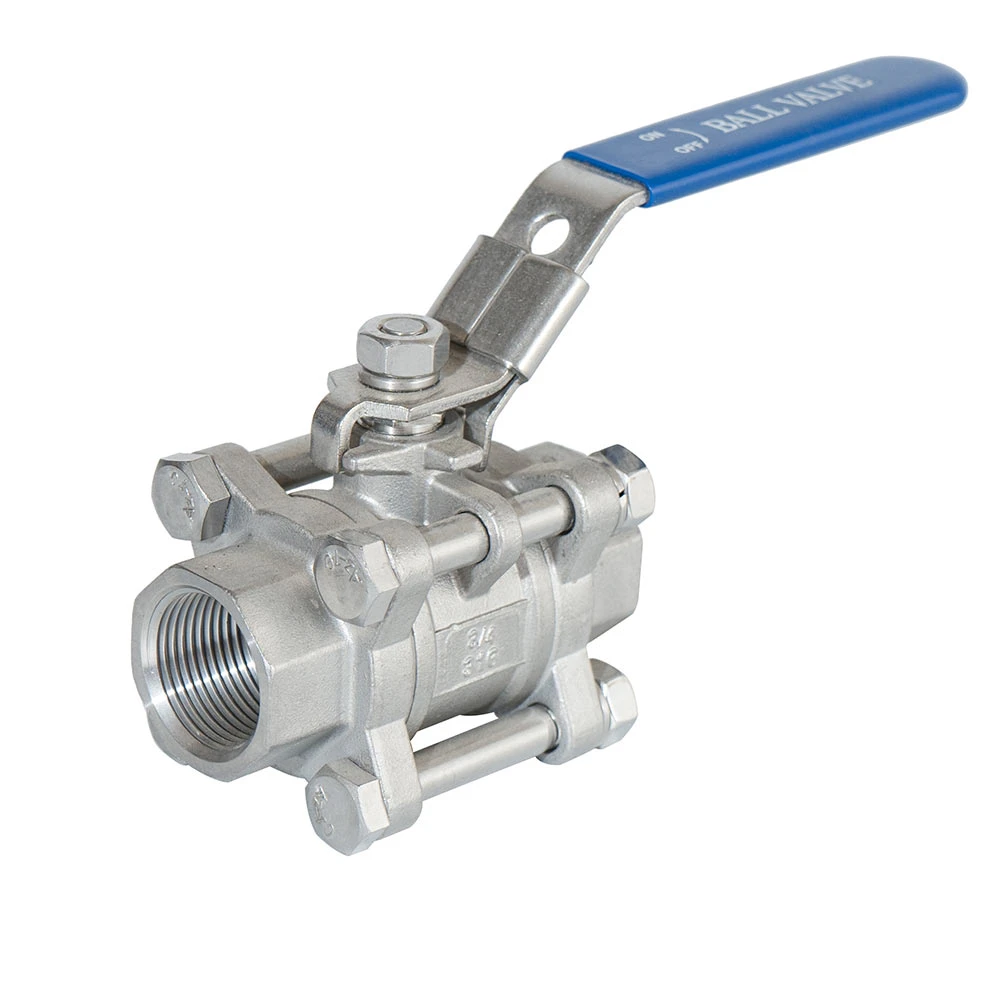
Industrial Piping Solutions featuring ss y strainer for North Korea

High-performance fluid control and filtration systems engineered for extreme industrial environments across the Korean Peninsula.

Industrial Piping Solutions featuring ss y strainer for North Korea

Providing robust, corrosion-resistant stainless steel valves and fittings tailored to the heavy industrial demands of North Korea's manufacturing sectors.

The State of Fluid Control in North Korea

Analyzing the resilience and requirements of the North Korean metallic products industry.

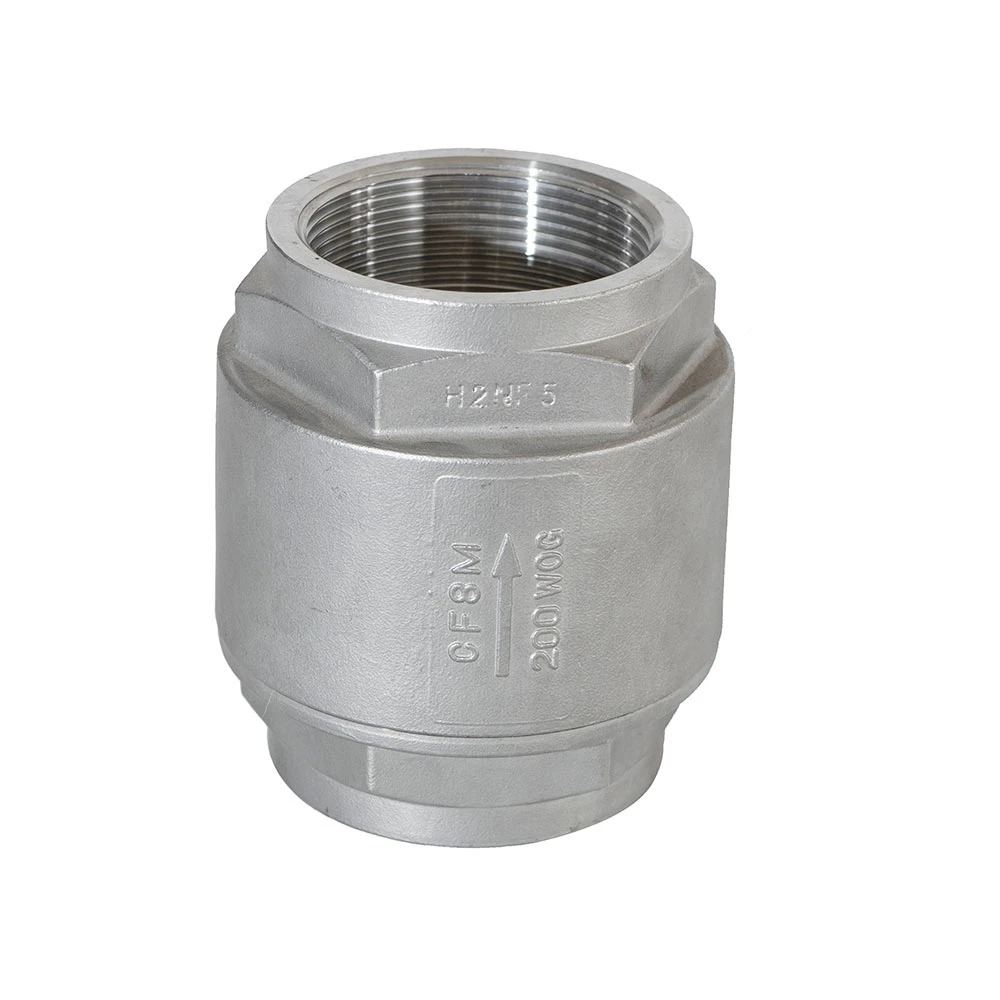
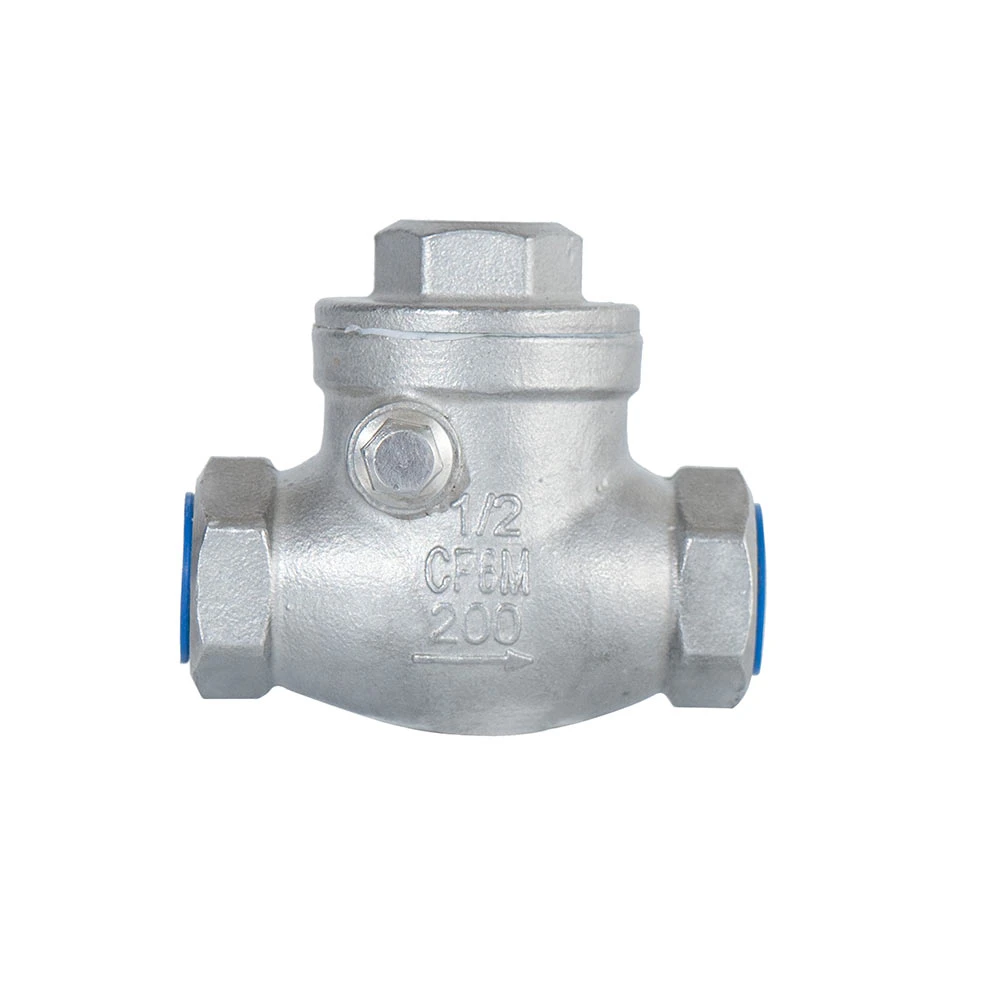
In North Korea, the manufacturing landscape is heavily concentrated on state-led heavy industry, where the demand for durable steel check valve components is critical for maintaining the integrity of mining and chemical processing plants. The region's extreme seasonal temperature fluctuations necessitate materials that can withstand thermal expansion and contraction without failure.

Due to the prevalence of legacy Soviet-era infrastructure, there is a growing urgency to replace outdated iron piping with high-grade stainless steel check valves to prevent backflow and ensure system safety in high-pressure environments. The localized focus on self-reliance has led to a specific need for standardized, easily maintainable fittings.

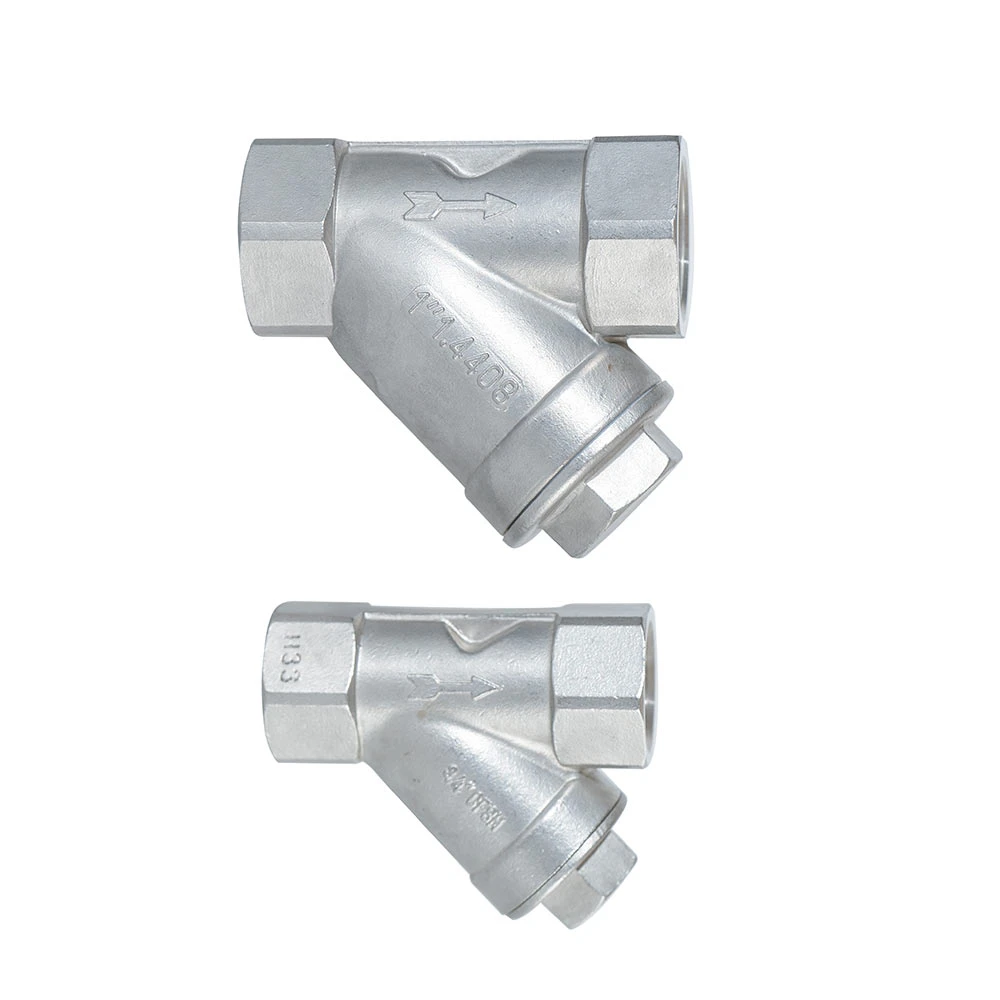
The adoption of stainless steel y strainer units has become essential in North Korean industrial water treatment and lubricant systems to protect downstream equipment from particulate contamination, reflecting a shift toward improving operational longevity.
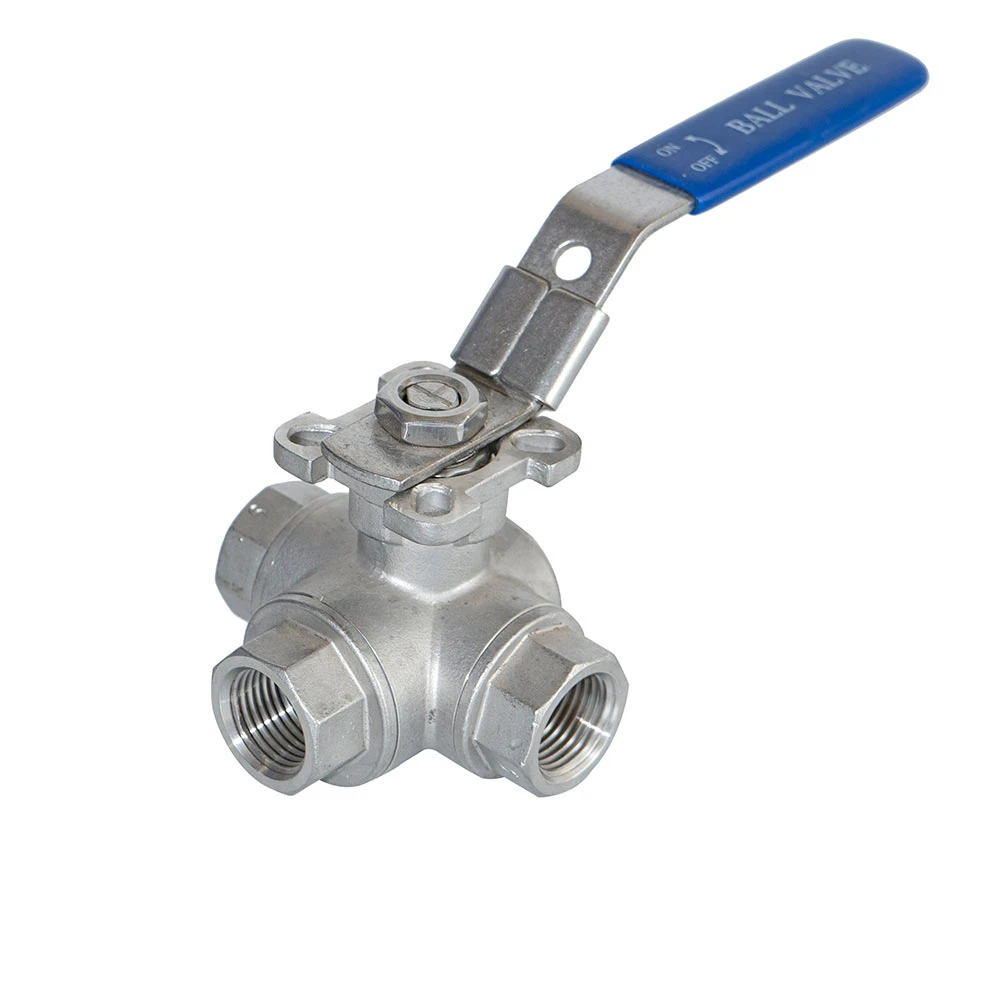
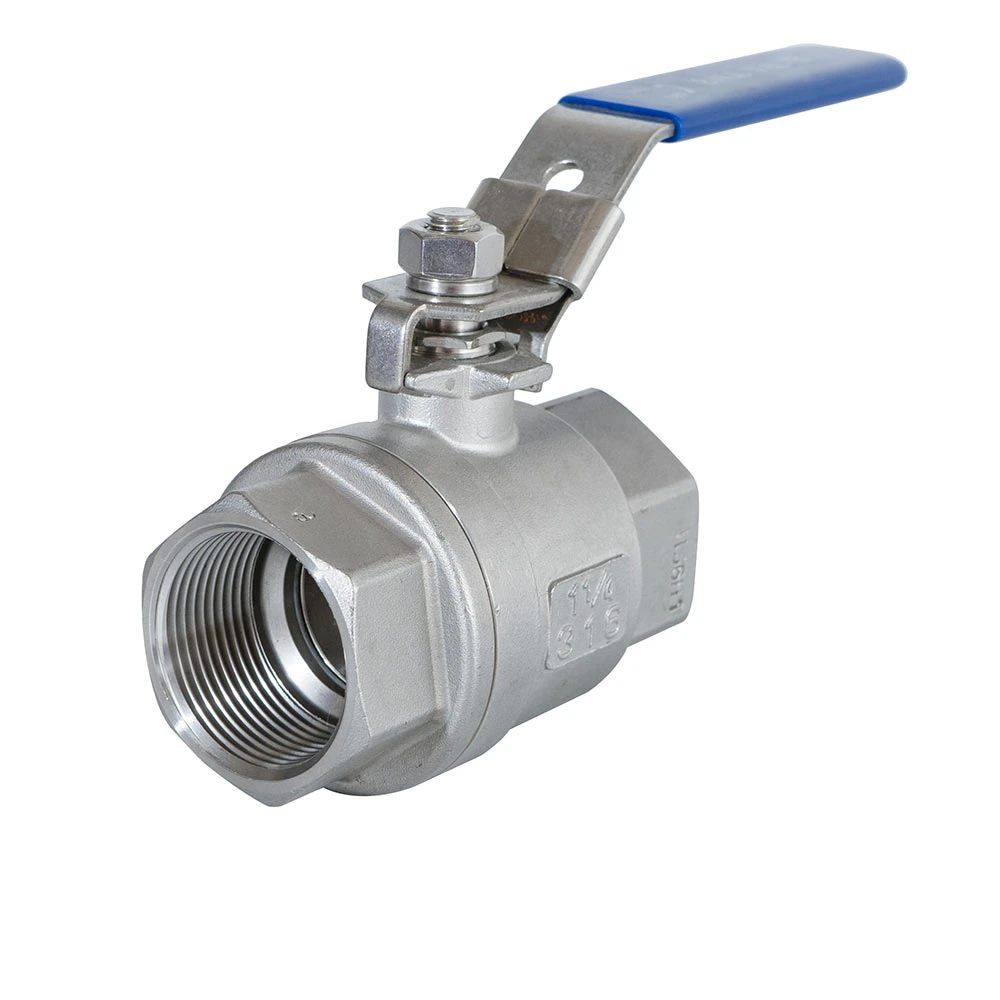
Evolution of Valve Technology in North Korea

From traditional casting to precision-engineered stainless steel solutions.

Market Development History

During the mid-20th century, the industry relied heavily on basic carbon steel and cast iron valves. These traditional systems suffered from rapid corrosion, especially in the coastal industrial zones of North Korea, leading to frequent unplanned shutdowns.

By the late 1990s and early 2000s, a transition toward alloy steels began. The introduction of basic steel check valve designs allowed for better pressure management in chemical plants, though precision and seal integrity remained challenges.

In the last decade, the shift toward 304 and 316L stainless steel has accelerated. The integration of precision stainless steel valves and fittings has enabled more complex industrial processes and reduced the total cost of ownership through decreased maintenance cycles.

Future Development Trends

High-Temperature Metallurgy

Integration of advanced nickel-alloys within stainless steel structures to handle the increasing heat loads in energy production plants.

Modular Filtration Systems

A move toward oversized ss y strainer configurations to handle higher debris loads in aging piping networks.

Digital Monitoring Integration

Transitioning from manual operation to sensors-enabled check valves to monitor flow direction and leakage in real-time.

Future Trends and Strategic Outlook

Predicting the trajectory of the metallic products sector over the next 5 years.

Corrosion Resistance Mastery
Increased adoption of Mo-enhanced stainless steel to combat saline air in coastal industrial hubs.
Precision Sealing Tech
Implementation of PTFE and Graphite seals in valves to prevent hazardous leaks in chemical plants.
Standardization Drive
Harmonizing local piping sizes with international DIN and ANSI standards for easier procurement.
Sustainable Materials
Utilizing recycled stainless steel scrap for non-critical fittings to reduce production costs.

Industry Outlook

Search trends indicate a rising interest in "long-life piping components" within the Asian industrial sector. For North Korea, the trend is moving toward "low-maintenance" hardware that can operate for decades without needing replacement parts, favoring thick-walled stainless steel designs.

The future landscape will likely see a convergence of traditional mechanical reliability and modern material science, where the emphasis shifts from sheer quantity to the precision engineering of stainless steel check valves to optimize flow efficiency.

Local Application Scenarios in North Korea

Real-world deployments of high-grade valve and strainer systems.

01. Mining Slurry Transport

Deployment of heavy-duty stainless steel check valves in mineral processing plants to prevent the backward flow of abrasive slurries, protecting pump systems from catastrophic damage.

02. Chemical Fertilizer Production

Installation of corrosion-resistant stainless steel valves and fittings in ammonia and phosphate lines to withstand highly corrosive reagents.

03. Urban Water Infrastructure

Use of large-bore ss y strainer units at the entrance of municipal water pumps to remove sediment and prevent impeller erosion.

04. Thermal Power Plant Cooling

Integration of steel check valve systems in condenser cooling loops to manage bidirectional flow and pressure surges during startup.

05. Food and Beverage Processing

Application of sanitary-grade stainless steel y strainer devices to ensure purity and prevent contamination in large-scale brewery and food processing facilities.

Brand Story

Global Development Journey of Cangzhou Houde Stainless Steel Products Co., Ltd.

Foundational Excellence

Established with a commitment to metallurgical purity, we began by solving the basic corrosion problems of industrial piping for local factories.

Technical Diversification

Expanded our portfolio to include complex precision components, mastering the art of high-pressure valve casting and machining.

Global Quality Certification

Achieved international standards compliance, allowing our products to enter the most demanding industrial markets worldwide.

Solving Industry Pain Points

Focused on eliminating the "leakage and wear" cycle in heavy industry through advanced 316L stainless steel engineering.

Sustainable Future

Leading the transition toward eco-friendly manufacturing and ultra-durable fluid control systems for the next generation.

Comprehensive Fluid Control Portfolio for North Korea

A complete range of high-endurance components designed for the North Korean industrial landscape.

Common Industrial Queries in North Korea

Technical guidance on selecting the right stainless steel components.

How to choose between 304 and 316 stainless steel check valves for mining?

For standard mining applications, 304 is sufficient; however, if the slurry contains chlorides or acidic components, we recommend 316 stainless steel check valves for superior pitting resistance.

What is the primary advantage of an ss y strainer over a basket strainer in industrial plants?

The ss y strainer is more compact and can be installed in pipelines of any orientation, making it ideal for the tight spatial constraints often found in older North Korean factories.

Can a steel check valve handle extreme temperature swings in winter?

Yes, our high-grade steel check valve designs utilize materials with low thermal expansion coefficients and specialized seals to maintain a leak-proof shut-off even in sub-zero temperatures.

How often should a stainless steel y strainer be cleaned in chemical lines?

Depending on the fluid purity, we recommend a monthly inspection. Our strainers feature a blow-off valve to allow cleaning without dismantling the entire pipeline.

Are stainless steel valves and fittings compatible with legacy cast iron pipes?

Yes, they are compatible, but we recommend using dielectric unions or specialized gaskets to prevent galvanic corrosion between the stainless steel and cast iron surfaces.

What pressure ratings are available for industrial stainless steel check valves?

We provide a wide range of ratings from Class 150 to Class 2500, ensuring suitability for everything from low-pressure water lines to high-pressure steam systems.

Ready to Optimize Your Fluid Systems?

Get expert technical consultation and high-performance piping solutions delivered to your facility in North Korea.

Contact Us Now

If you are interested in our products, you can choose to leave your information here, and we will be in touch with you shortly.