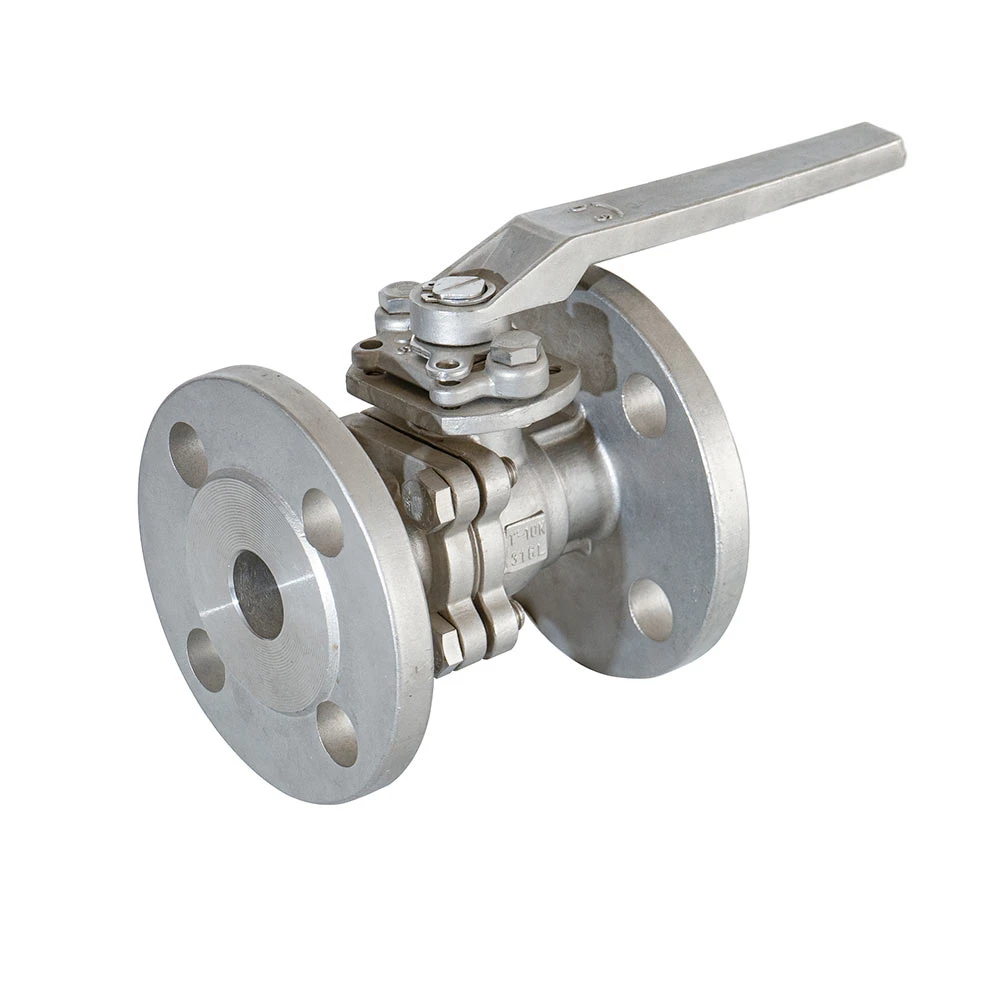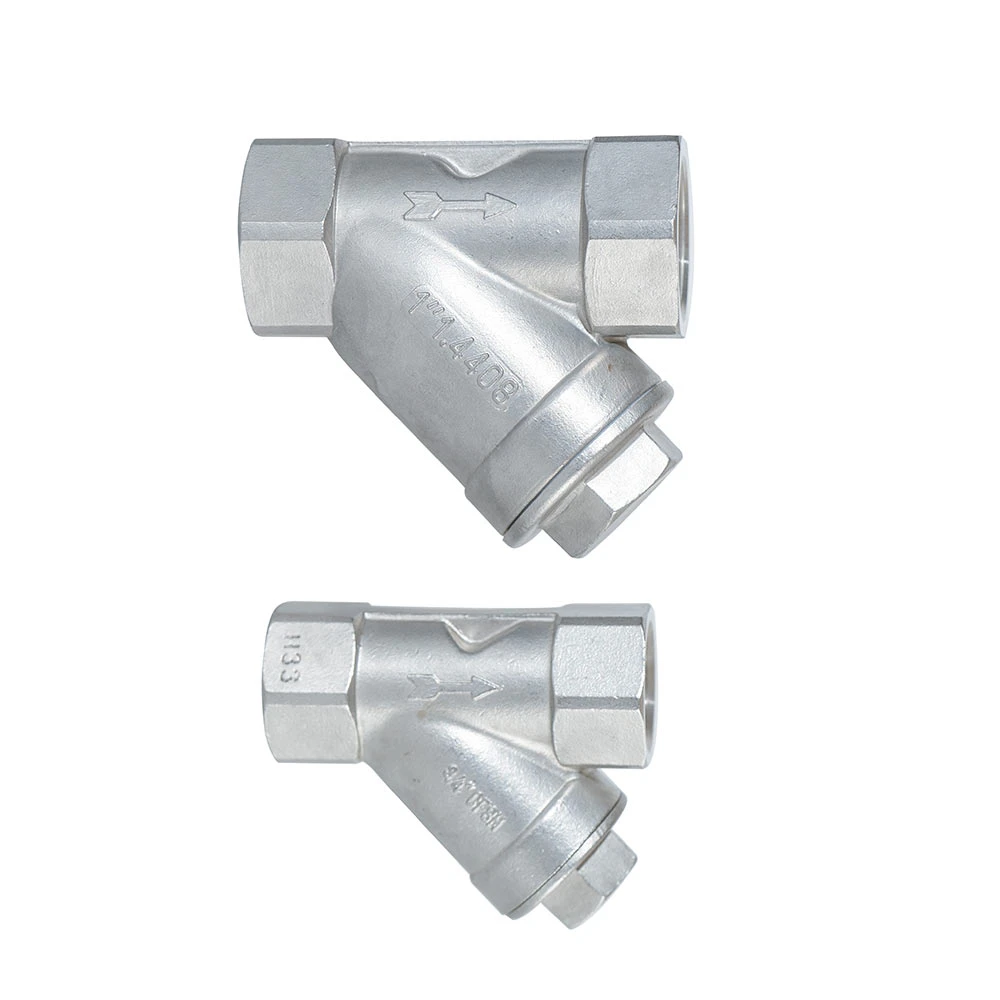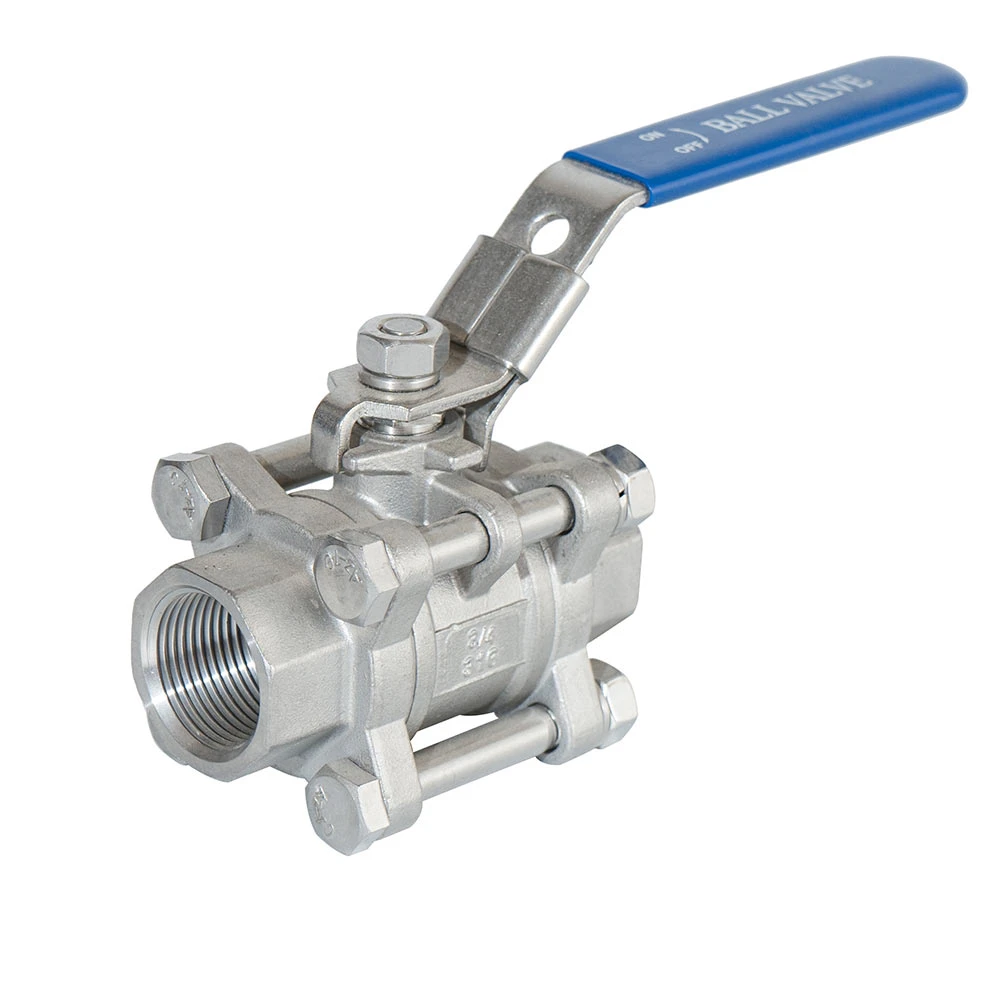
A Field Insider’s Look at Miniature Ball Valves for Tight-Space Fluid Control
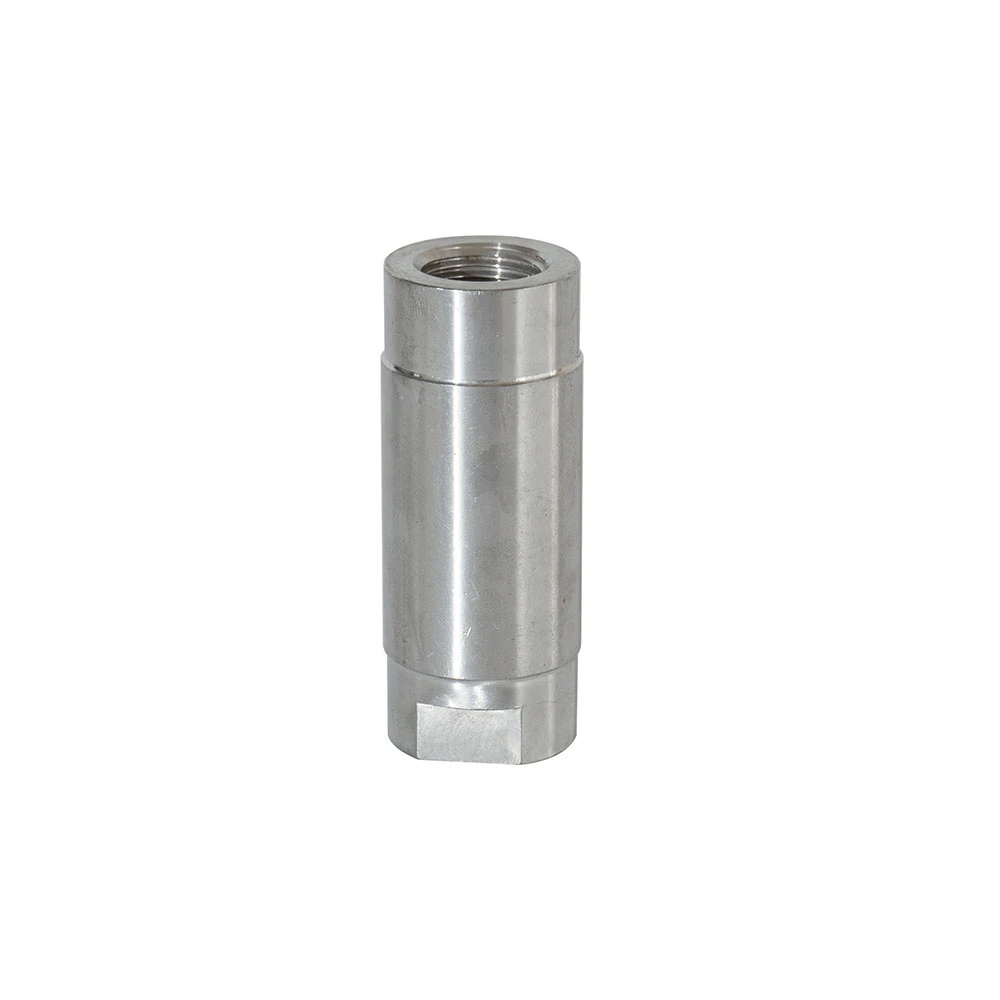
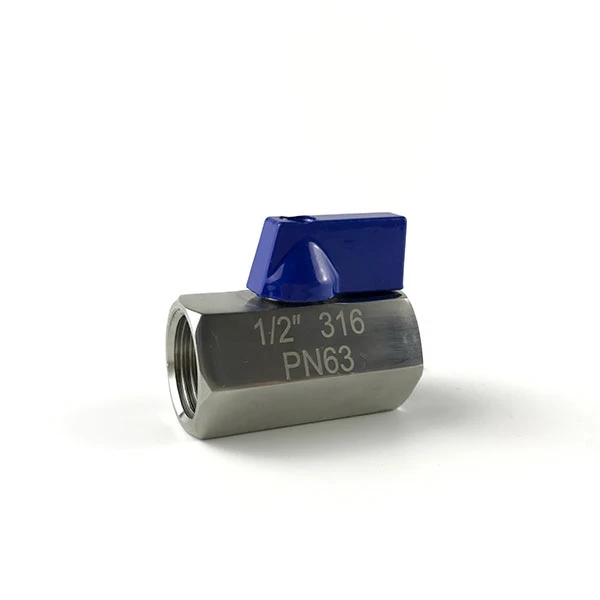
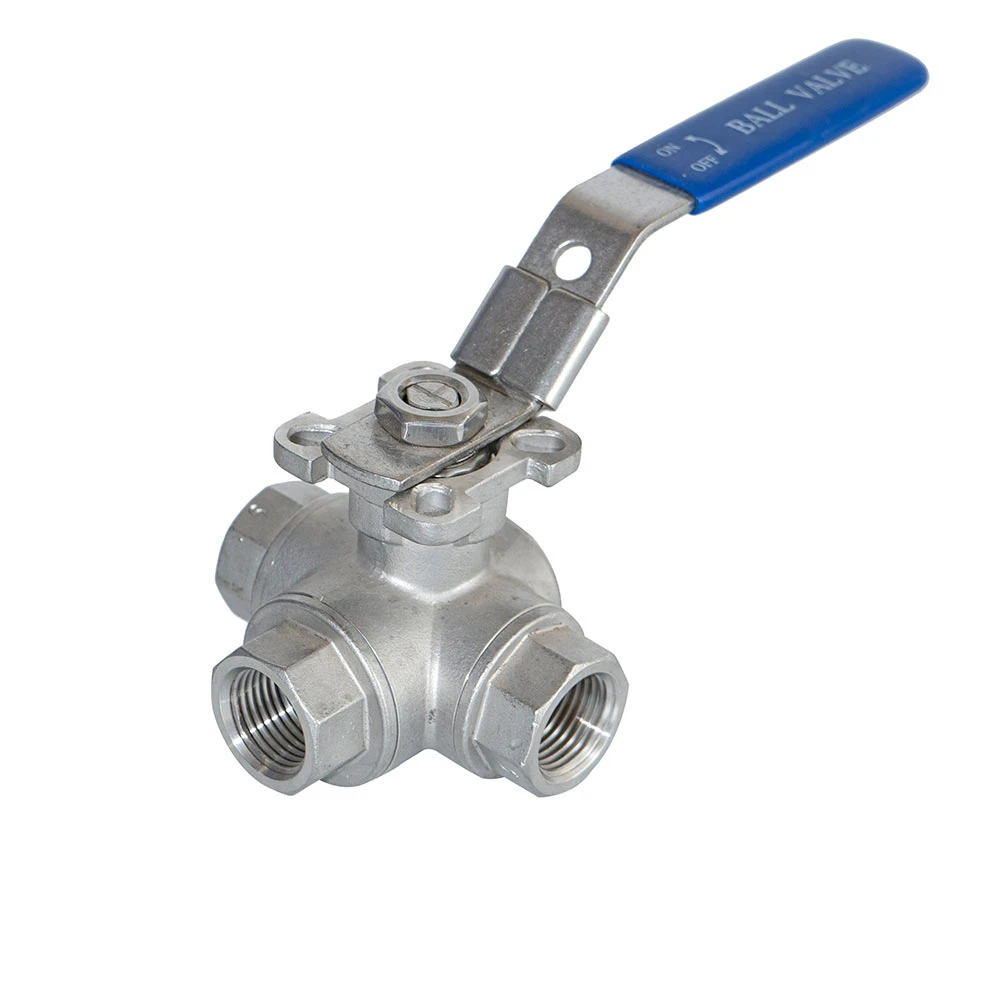
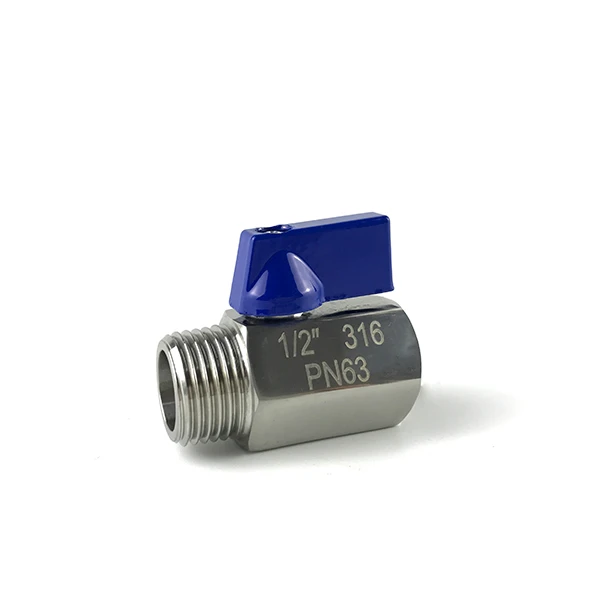
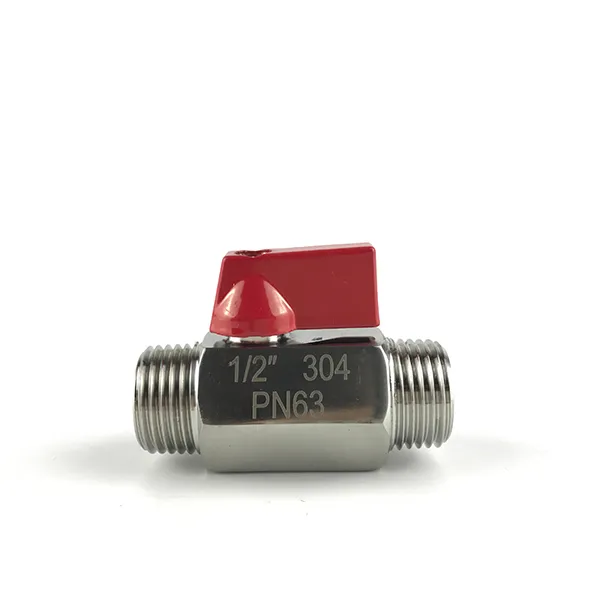
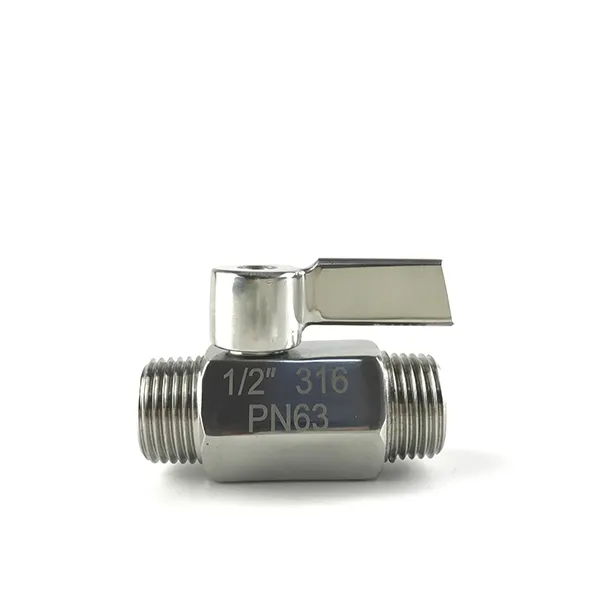
If you work around compact manifolds, skids, or lab equipment, you already know the quiet heroes of the system are Miniature Ball Valves. To be honest, I didn’t fully appreciate them until I watched a technician swap one out in a tight HVAC cabinet without even pulling the panel. The model on my desk today—the Mini Ball Valve M/M from Houde Valve—comes straight from Liupangzhuang Village, Nanchentun Town, Yunhe District, Cangzhou, Hebei, China, and it’s been getting steady attention from OEMs who need reliable shutoff in places where you can barely fit a wrench.
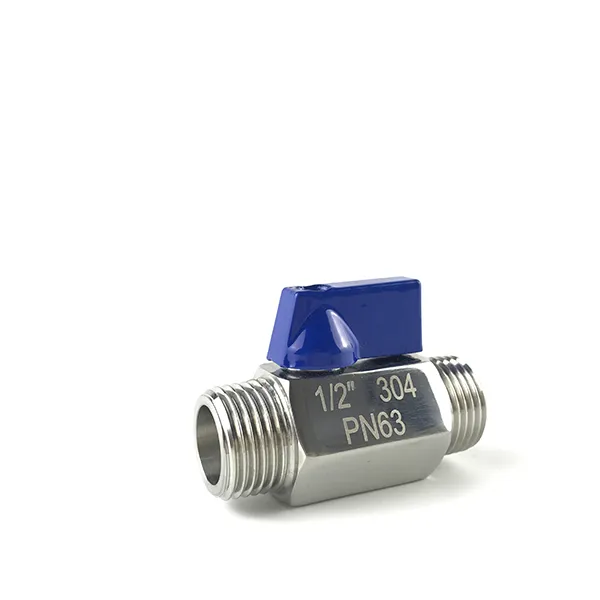
Why this compact M/M design matters
Full-bore passage for low pressure drop, dual external threads (M/M) for quick inline connections, and a corrosion-resistant body—this is the combo many customers say solves 80% of their small-line headaches. In fact, Miniature Ball Valves like this are showing up in RO/DI water modules, compressed air drops, instrument panels, small industrial skids, fuel polishing carts, and even mobile food processing rigs. The sealing is crisp, the install is straightforward, and the footprint is tiny—surprisingly tiny.
Key specifications (real-world oriented)
| Product | Mini Ball Valve M/M (full-bore) |
| Sizes | 1/8"–1/2" (≈ DN6–DN15) |
| Threads | BSPP (ISO 228-1), NPT (ASME B1.20.1) options |
| Pressure rating | Up to PN40 / 600 psi (service-dependent) |
| Body materials | Brass (CW617N / lead-free options), SS316 on request |
| Seats/Seals | PTFE seats, FKM/NBR O-rings (application-driven) |
| Temperature | -20°C to 120°C (≈ real-world may vary by media) |
| Tests/Standards | Pressure/leak per ISO 5208 / API 598; design ref. ASME B16.34 |
| Service life | ≥ 50,000 cycles (typical lab test); torque ≈ 0.8–1.2 N·m on 1/4" |
| Certs/Compliance | RoHS, REACH; PED relevance by application zone |
Seat tests achieved bubble-tight shutoff in water and air at standard bench conditions; as always, your media and vibration profiles can change the story a bit.
Process flow and quality notes
Materials arrive as forged brass or SS316 billets, then CNC-machined. Seats are matched, threads gauged, and surfaces cleaned (degrease + particle control). Nickel plating or passivation follows (as applicable). Assembly is torque-controlled; every unit gets pressure/leak testing to ISO 5208 or API 598. Random sampling gets cycle tests and dimensional audits. Honestly, it’s the boring discipline that keeps Miniature Ball Valves from becoming maintenance tickets six months later.
Where they’re used
- Skids and instrumentation panels (chemicals, water treatment)
- HVAC, compressed air, nitrogen, and inert gas lines
- Food/bev auxiliaries and mobile dosing carts
- Lab/analytical equipment and OEM manifolds
Industry trend check
We’re seeing a steady shift to lead-free/DZR brass and SS316 for aggressive media, plus compact handles, low-torque stems, and micro-actuation options. Sustainability matters too—designers want fewer leak paths and lower fugitive emissions. It seems that Miniature Ball Valves with full-bore passages still win on pressure drop vs. needle or plug designs in small lines.
Vendor snapshot (typical market view)
| Vendor | Material options | Threads | Customization | Certs | Price index |
|---|---|---|---|---|---|
| Houde Valve (Cangzhou) | Brass LF/DZR, SS316 (on req.) | BSPP, NPT | Handle, seals, plating in ≈2–4 wks | RoHS, REACH; PED-aware | $$ (efficient MOQ) |
| Vendor A | Brass | BSPP | Limited; 4–6 wks | RoHS | $ |
| Vendor B | SS316 focus | NPT | Deep custom; 6–8 wks | REACH, PED scope | $$$ |
Quick case study
An OEM building compact RO skids swapped to this M/M full-bore unit across 1/4" lines. Installation time dropped ≈18% thanks to cleaner thread alignment, and leak calls went to zero over the first six months (≈ 20,000 cycles per valve). Feedback was simple: “The handle feel is consistent.” That’s the kind of comment you only get when operators actually like the hardware.
Note: For aggressive chemicals or food contact, request media compatibility and seal data. As always, verify with your standards team before mass deployment.
Authoritative citations
- ISO 5208: Industrial valves — Pressure testing of metallic valves.
- API 598: Valve Inspection and Testing.
- ASME B16.34: Valves — Flanged, Threaded, and Welding End.
- ISO 228-1: Pipe threads where pressure-tight joints are not made on the threads.
- Directive 2011/65/EU (RoHS) and amendments.
- Regulation (EC) No 1907/2006 (REACH).
- EU Pressure Equipment Directive (PED) 2014/68/EU (scope-dependent).