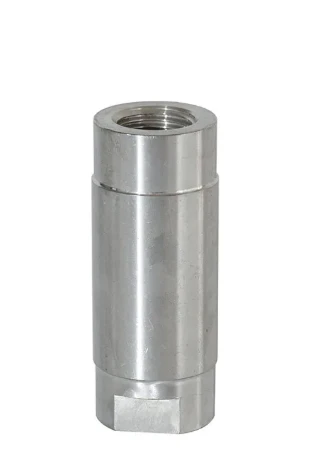
Mini Ball Valve M/M: A Field Note On Compact Flow Control That Actually Works
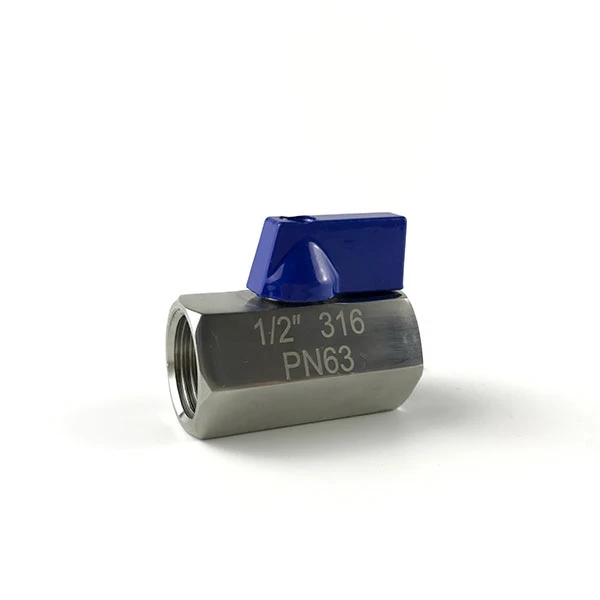
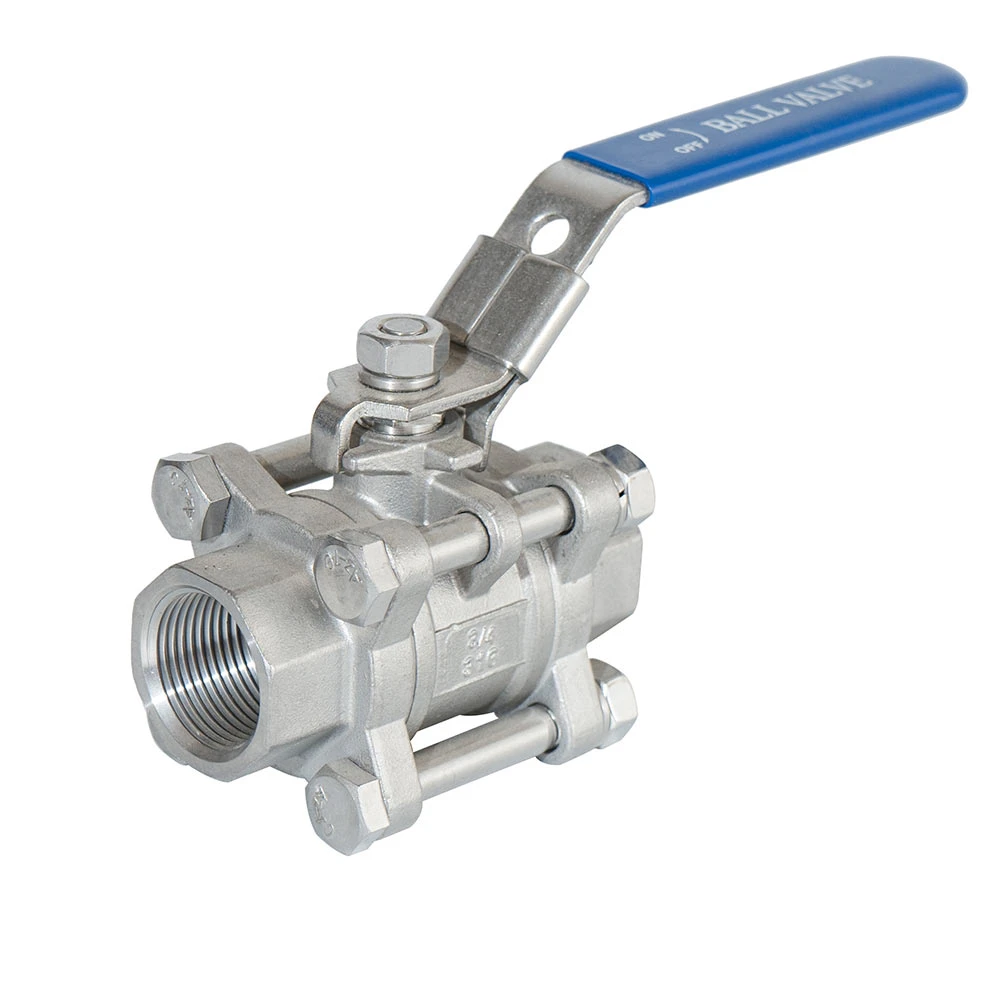
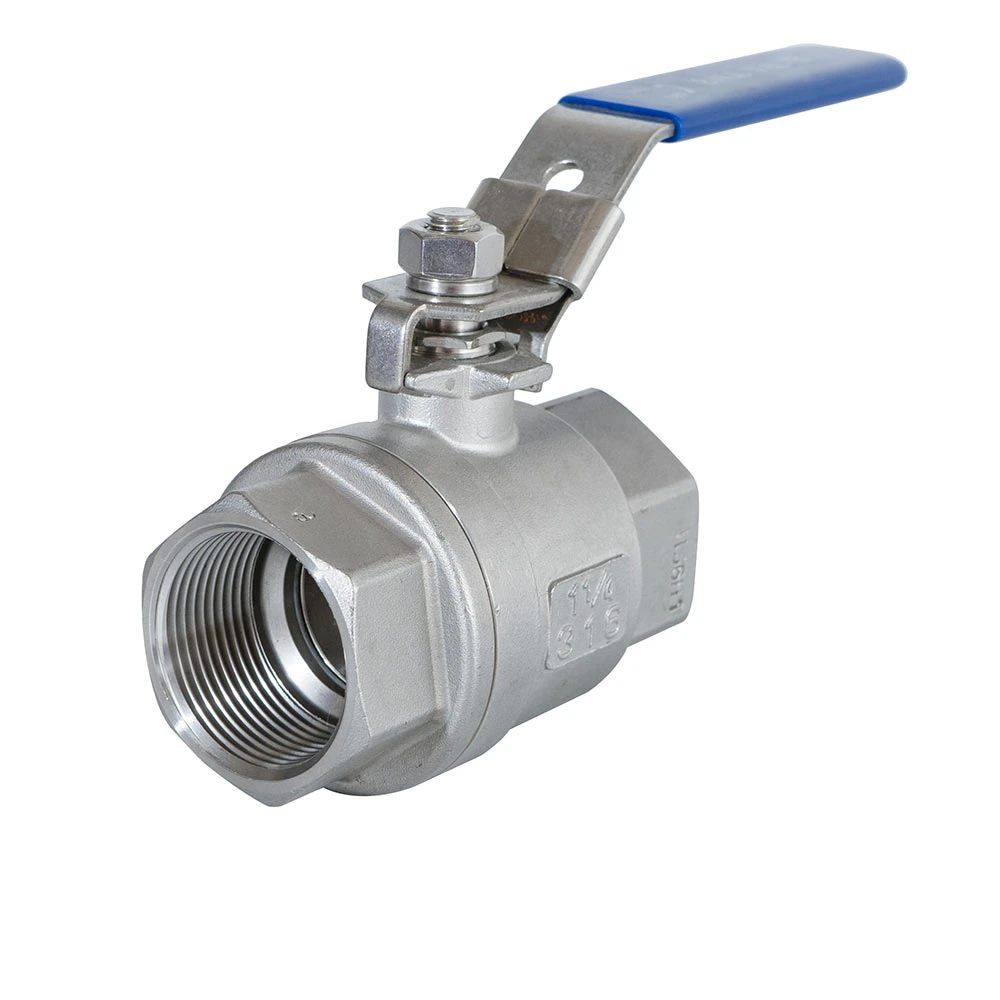
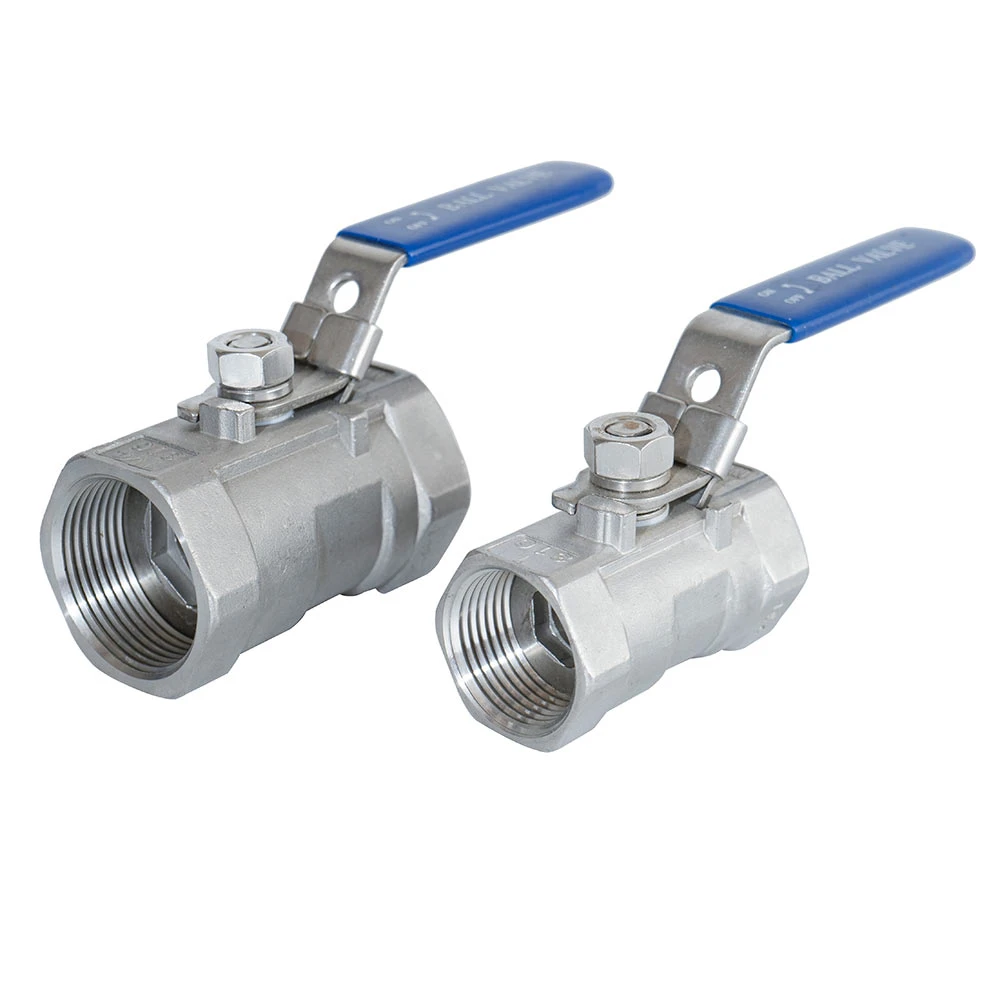
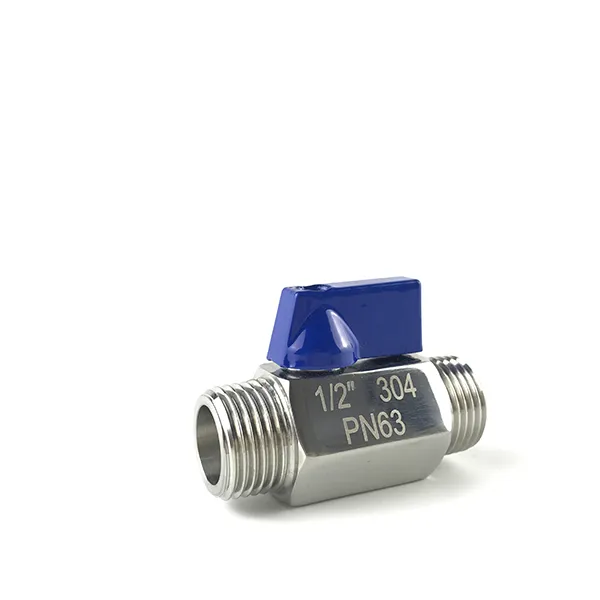
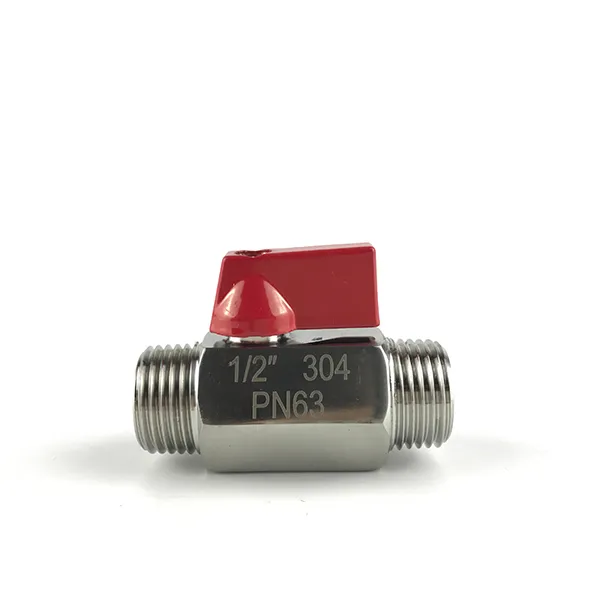
If you’ve ever tried to squeeze a shutoff into a crowded panel, you already know why miniature ball valves have a loyal following. The Mini Ball Valve M/M coming out of Liupangzhuang Village, Nanchentun Town, Yunhe District, Cangzhou, Hebei, China, is one of those deceptively simple parts that, frankly, saves builds. Compact body, full-bore design, quick M/M threaded connections—no drama. Many customers say the sealing “just holds,” which, in real-world service, is the only metric that matters.
Industry snapshot
The market is shifting toward smaller, lighter skids—think modular HVAC pods, lab water systems, and battery-pack thermal loops. That trend naturally favors miniature ball valves with full-flow geometry and minimal torque. There’s also a compliance push: low-lead brass (where required), RoHS, and better thread tolerances to cut leak risk during rapid installs. Honestly, the big surprise is how often these tiny units outperform larger valves on cycling endurance.
Technical specifications (real-world focused)
| Product | Mini Ball Valve M/M (full-bore) |
| Sizes | 1/4"–1" (≈ DN8–DN25) |
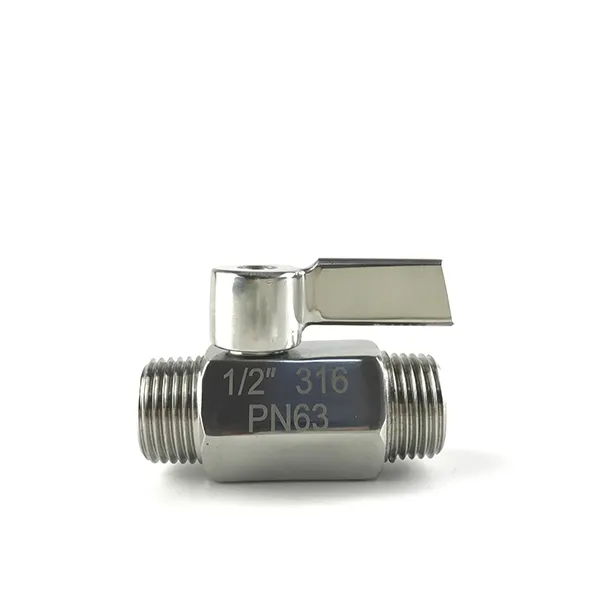
| Body/ball | Brass (CW617N, optional low-lead); SS304/316 on request |
| Seats/seals | PTFE seats; NBR/FKM/EPDM stem seals optional |
| Pressure rating | Up to PN40 (≈ 580 psi) brass; up to 1000 psi for SS in some sizes (use-case dependent) |
| Temperature | -20°C to +120°C standard; higher with FKM/316 (real-world use may vary) |
| Threads | BSPP (ISO 228-1) or NPT (ASME B1.20.1), M/M external |
| Testing | 100% seat/pressure per ISO 5208/API 598; typical seat leak Rate A |
| Service life | ≈ 50,000–100,000 cycles under clean media, lab-tested |
| Finish | Nickel-plated brass; passivated stainless (optional) |
| Certs | ISO 9001 factory QA; RoHS/REACH compliance documentation available |
Process-wise, the manufacturer machines bodies from forged brass billets (or 316 bar), polishes balls to low Ra for smooth torque, then assembles with PTFE seats. Each unit is pressure-tested—air-under-water or hydro—against ISO 5208. Salt-spray (≈96 h) is common for plating checks. It’s not glamorous; it’s reliable.
Where these valves shine
- Instrumentation panels and analyzers—tight layouts, low torque, clean shutoff.
- HVAC/chilled-water loops in modular racks—quick isolation, full-bore for minimal drop.
- Compressed air and inert gas skids—fast quarter-turn access.
- Water treatment and DI systems—nickel-plated brass or 316 for corrosion resistance.
- Food and beverage CIP auxiliaries—simple, robust, easy to wipe down.
Advantages? Compact footprint, straightforward installation, and stable sealing. The M/M threads mean fewer adapters—fewer adapters mean fewer leak paths. That’s the quiet magic of miniature ball valves.
Vendor comparison (pragmatic view)
| Criteria | Houde Valve | Generic Importer A | Local Reseller B |
|---|---|---|---|
| Pressure rating | PN40 (brass), up to ≈1000 psi (SS) | PN16–25 (often) | Varies by batch |
| Thread accuracy | ISO 228-1 / ASME B1.20.1 documented | ≈ compliant | Depends on source |
| Customization | Seats, handles, markings | Limited | Limited |
| Lead time | ≈ 2–4 weeks common | Uncertain | Stock-dependent |
Custom options I’ve seen work well: color-coded handles, laser-etched flow arrows, FKM for higher temps, and PEEK seats for aggressive solvents (case-by-case). For potable water, ask about low-lead brass and supporting documentation. To be honest, that paperwork is worth its weight when audits roll in.
Case notes and test data
• Brewery CIP skid: swapped legacy needle valves for miniature ball valves to reduce pressure drop; commissioning reported zero seat leaks over 500 on/off cycles, ISO 5208 Rate A. • Semiconductor DI panel: 316 variant with FKM seals; helium sniff wasn’t required—air test at 6 bar under water, no bubbles at 60 s hold.
Customer feedback (yes, a bit anecdotal): “Torque stays smooth after a year,” and “threads gauge properly—no tape shredding.” Not scientific, but it tracks with the lab numbers.
Bottom line
If your build fights for millimeters, this Mini Ball Valve M/M is a sensible default: compact, full-bore, and actually serviceable. Verify media compatibility, select the right seals, and match threads to the standard on your manifold. Do that, and these miniature ball valves tend to disappear into the system—in the best way possible.
- ISO 5208: Industrial valves — Pressure testing of metallic valves.
- API 598: Valve Inspection and Testing.
- ASME B1.20.1: Pipe Threads, General Purpose (Inch) — NPT.
- ISO 228-1: Pipe threads where pressure-tight joints are not made on the threads — BSPP.
- Directive 2011/65/EU (RoHS) and (EU) 2015/863 amendments.