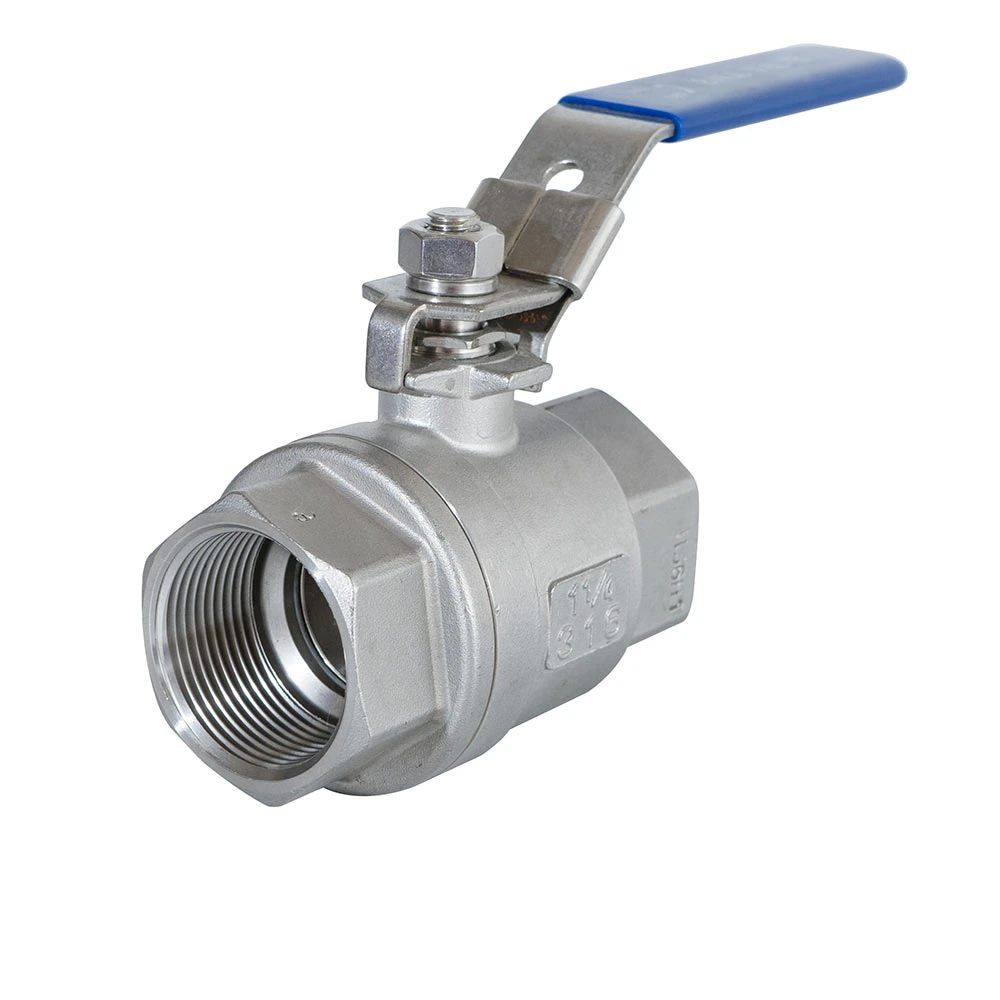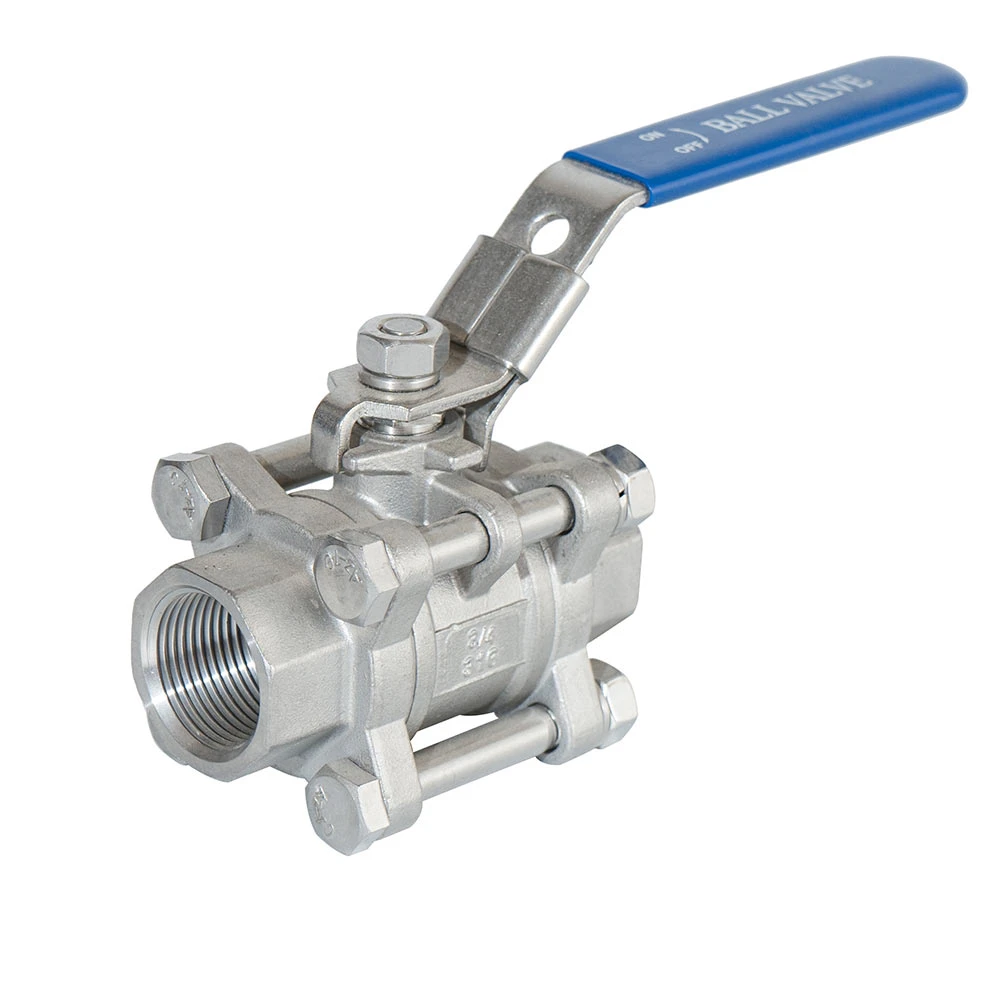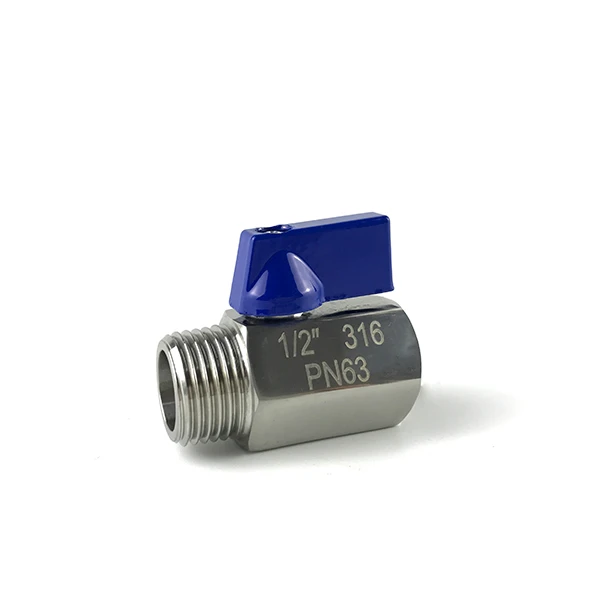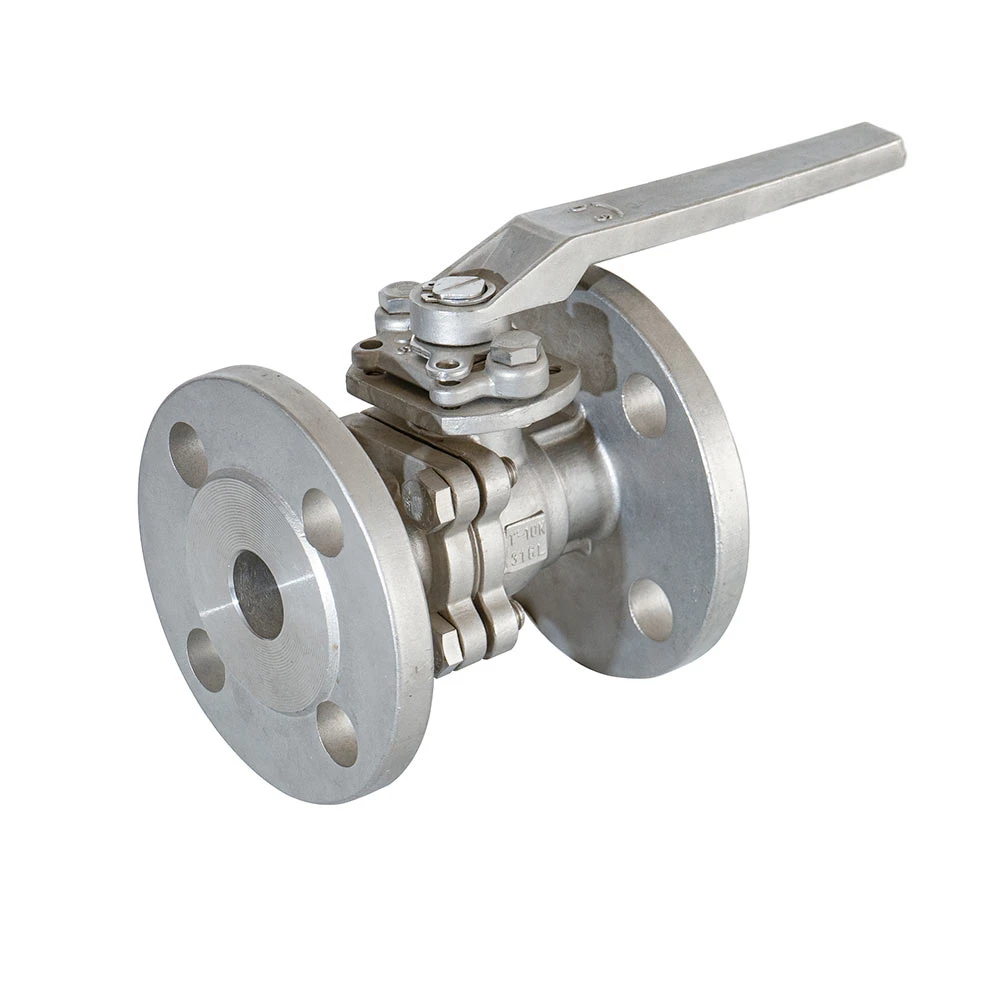
The one-piece ball valve represents a pinnacle of engineering innovation in fluid control systems. Designed for industrial and commercial applications, this valve combines durability, reliability, and precision to meet the demands of modern manufacturing and infrastructure. This article explores its technical specifications, advantages, applications, and the company behind its development, while incorporating authoritative references from the National Institute of Standards and Technology (NIST).
Key Features of the One-Piece Ball Valve
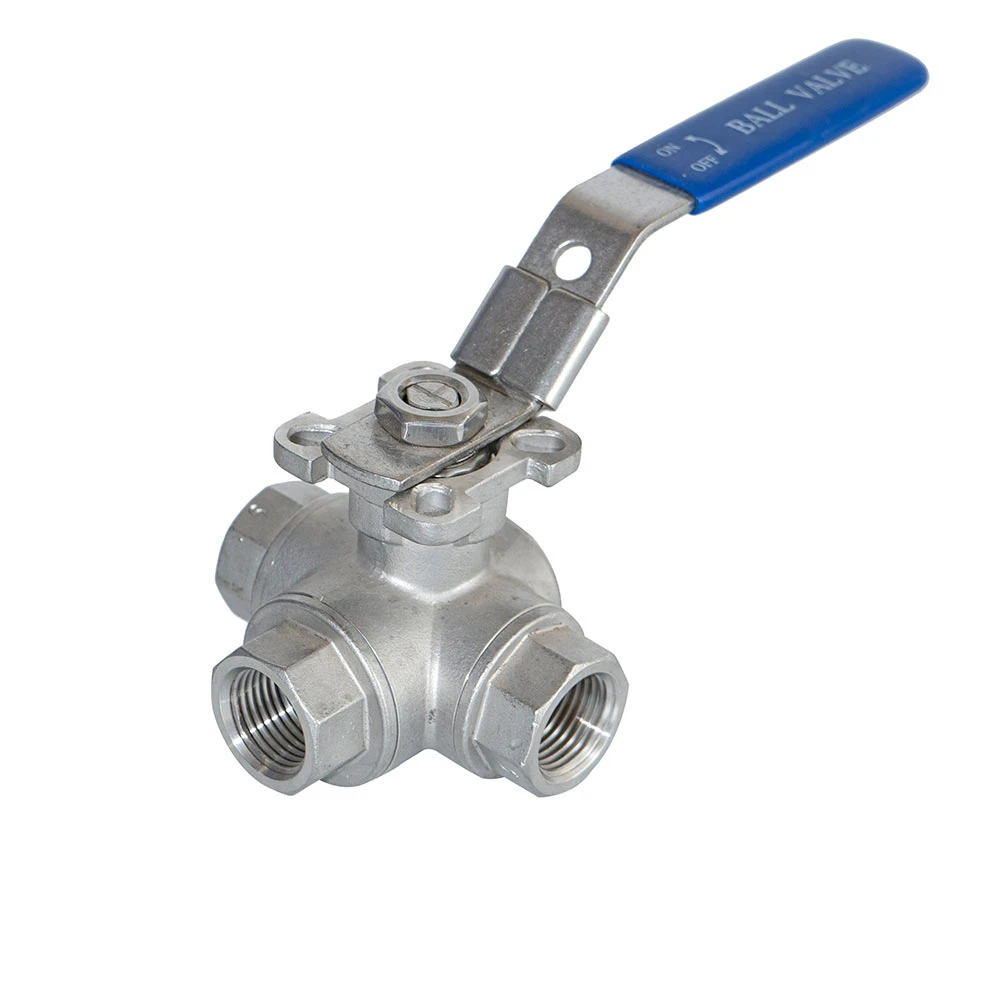
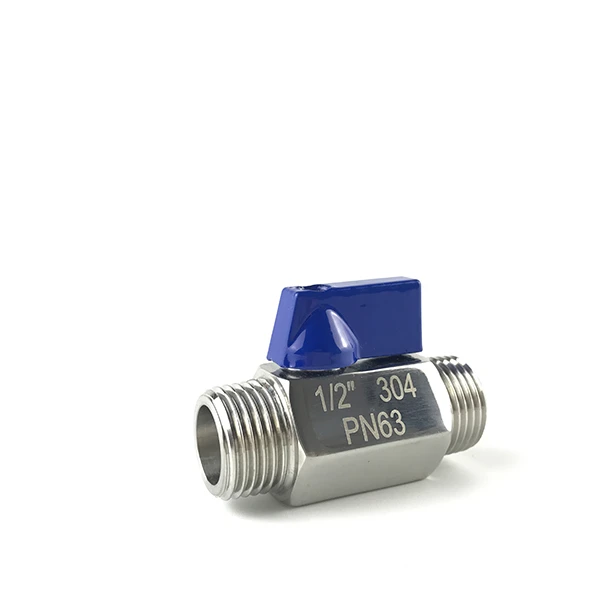
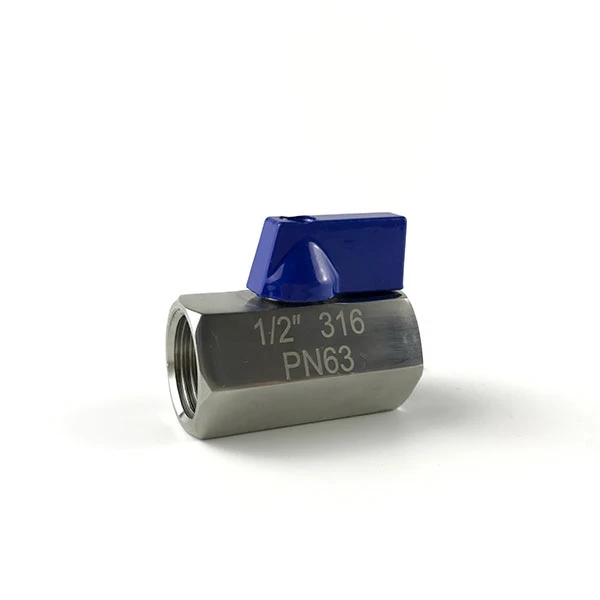
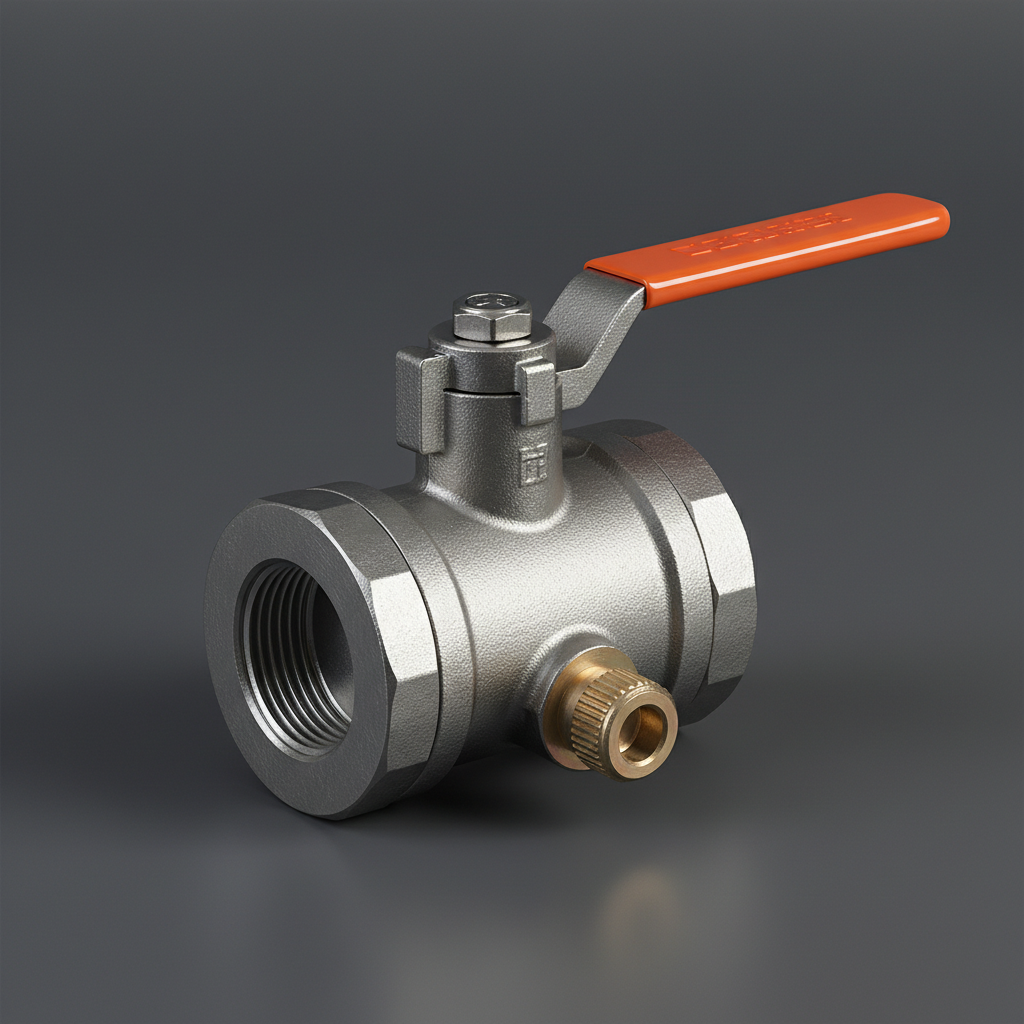
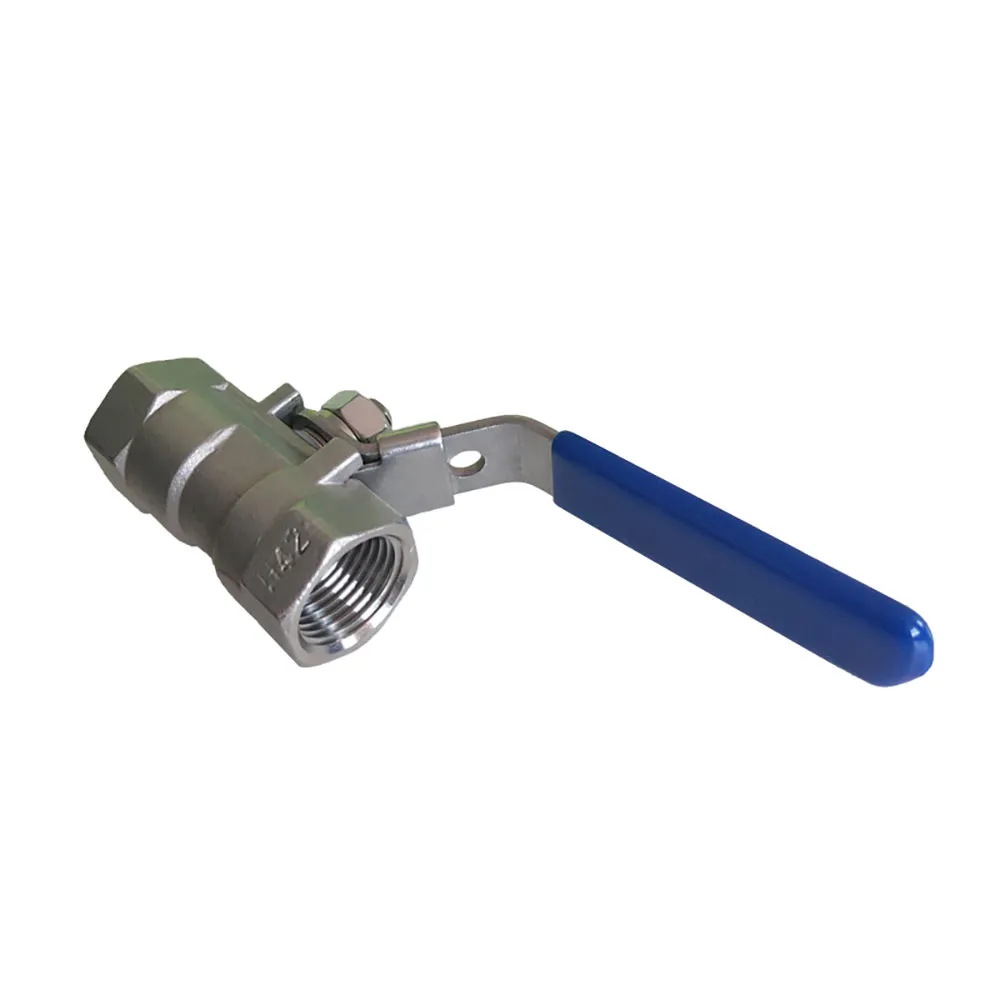
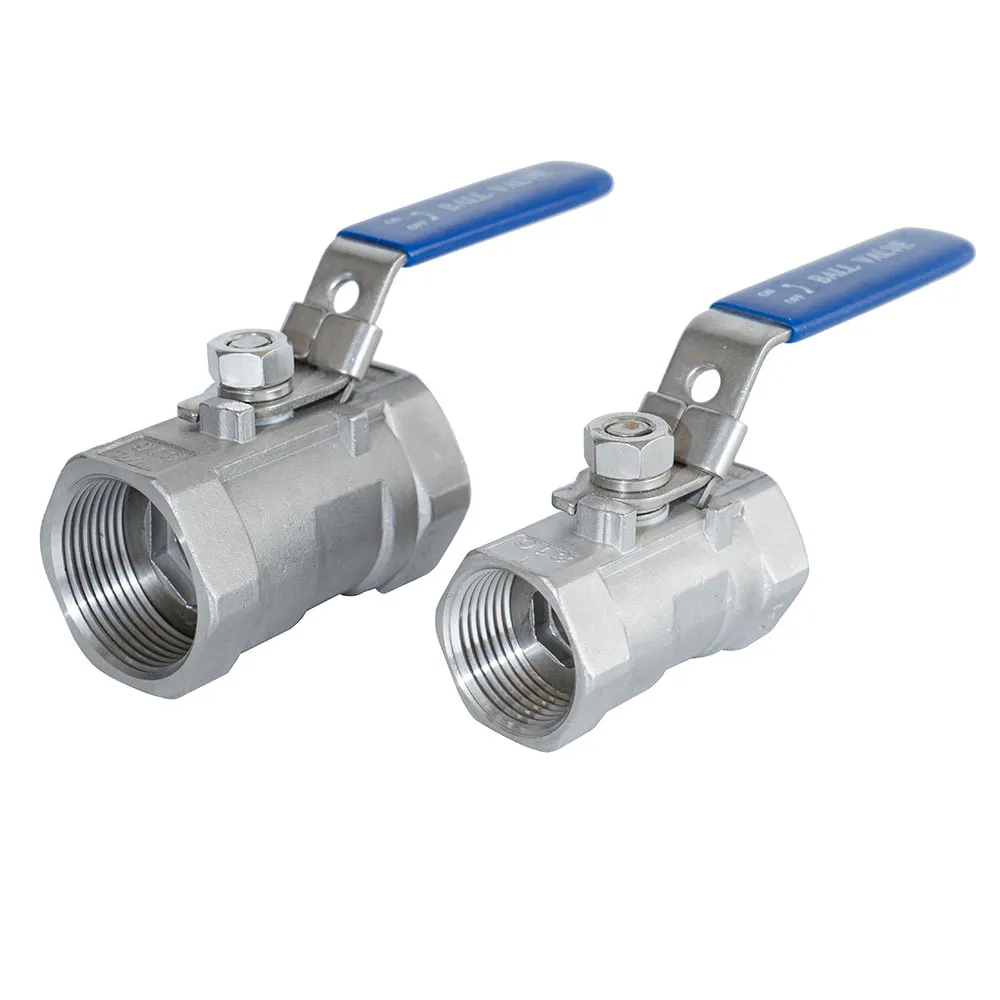
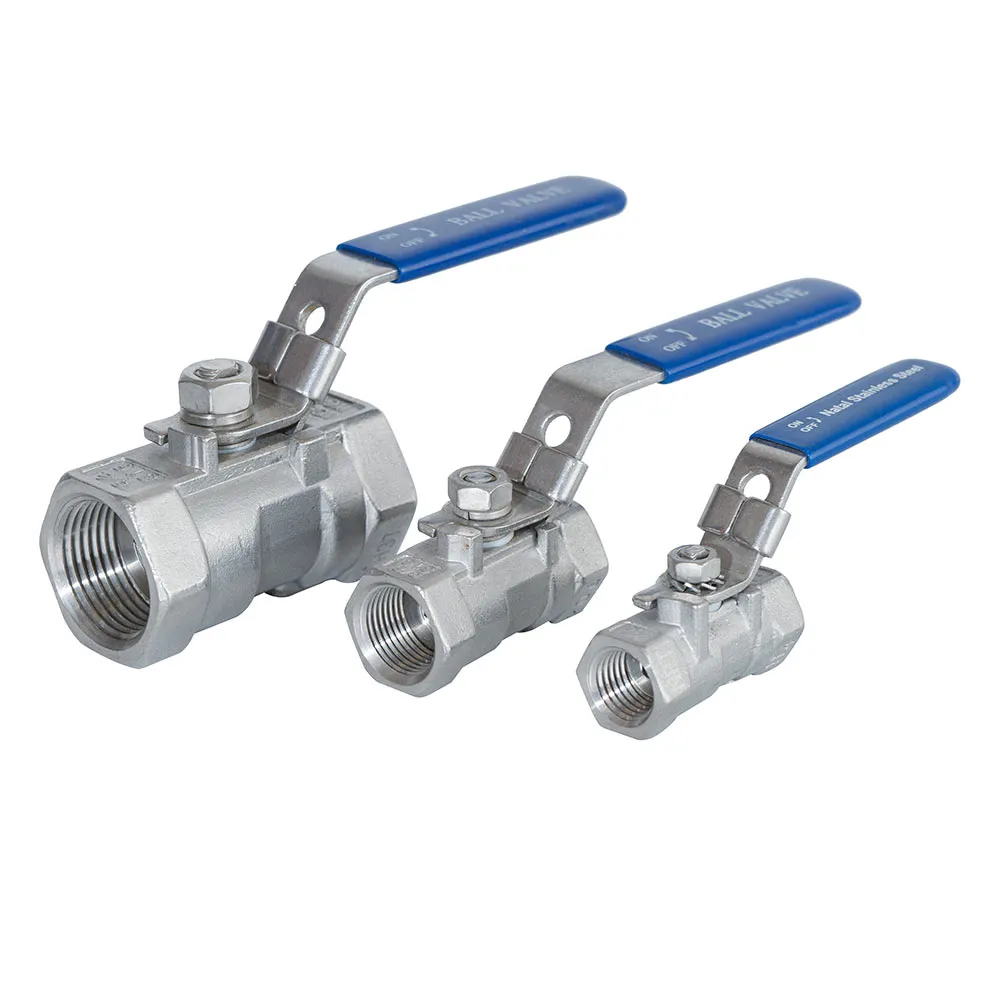
The one-piece ball valve is engineered with an integrated body design, eliminating potential leakage paths and enhancing structural integrity. This design simplifies maintenance while ensuring seamless operation in high-stress environments. The valve offers two bore options: full bore for minimal pressure loss and reduced bore for optimized flow control, catering to diverse industrial needs.
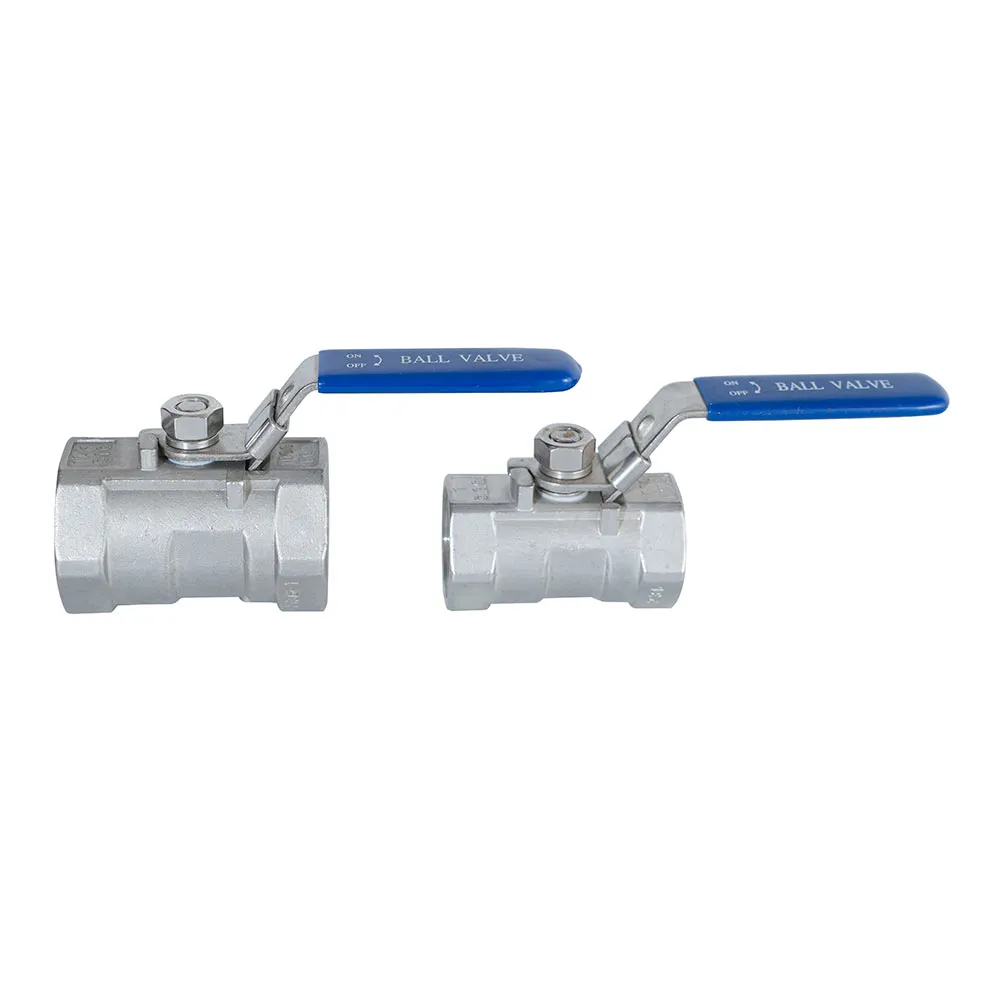
Its outstanding corrosion resistance makes it suitable for handling water, oil, gas, chemicals, and high-purity media. The high-quality PTFE seals ensure tight closure, low-torque operation, and compatibility with a wide temperature range (-20°C to 200°C / -4°F to 392°F). These features collectively contribute to a long service life and minimal maintenance requirements.
Applications Across Industries
The versatility of the one-piece ball valve extends to multiple sectors:
- Industrial: Oil and gas pipelines, chemical processing, power generation, and HVAC systems.
- Water Treatment: Drinking water, wastewater, and ship systems.
- General-Purpose: Water supply, drainage, irrigation, and compressed air systems.
According to NIST, "fluid control systems must adhere to rigorous standards for safety and efficiency in high-risk environments." The one-piece ball valve aligns with these principles, offering a solution that balances performance with operational simplicity.
Technical Specifications
| Parameter | Details |
|---|---|
| Material | High-quality stainless steel, carbon steel, or alloy steel |
| Temperature Range | -20°C to 200°C (-4°F to 392°F) |
| Pressure Rating | Varies by size and material (refer to manufacturer specifications) |
| Bore Options | Full bore or reduced bore |
| Seal Material | PTFE (Polytetrafluoroethylene) |
| Corrosion Resistance | Excellent in water, oil, gas, and chemical environments |
Benefits and Advantages
The one-piece ball valve delivers several key benefits:
- Long Service Life: Sturdy construction ensures durability in harsh conditions.
- Zero Leakage: Designed for optimal performance in suitable pressure environments.
- Easy Installation: Compact and lightweight design simplifies setup and maintenance.
As highlighted by NIST, "standardized testing and validation are critical for ensuring the reliability of industrial components." The one-piece ball valve undergoes rigorous testing to meet these standards, making it a trusted choice for engineers and procurement experts.
Company Background: Cangzhou Houde Stainless Steel Products Co., Ltd.
The one-piece ball valve is manufactured by Cangzhou Houde Stainless Steel Products Co., Ltd., a company specializing in high-quality stainless steel products. With a focus on innovation and customer satisfaction, the company offers customizable configurations and certification services to meet specific industry requirements.
According to the company's product page, "the valve body material is selected from high-quality stainless steel, carbon steel, or alloy steel, ensuring excellent corrosion resistance, high-temperature resistance, and pressure resistance."
Conclusion
The one-piece ball valve stands out as a reliable solution for fluid control in demanding environments. Its advanced design, robust construction, and wide range of applications make it an essential component for industries prioritizing efficiency and safety. For more information, visit the product page or contact Cangzhou Houde Stainless Steel Products Co., Ltd..
References
National Institute of Standards and Technology (NIST). (n.d.). Standards and Measurements. Retrieved from https://www.nist.gov/.