Introduction to Mini Ball Valve 1/8 Technology
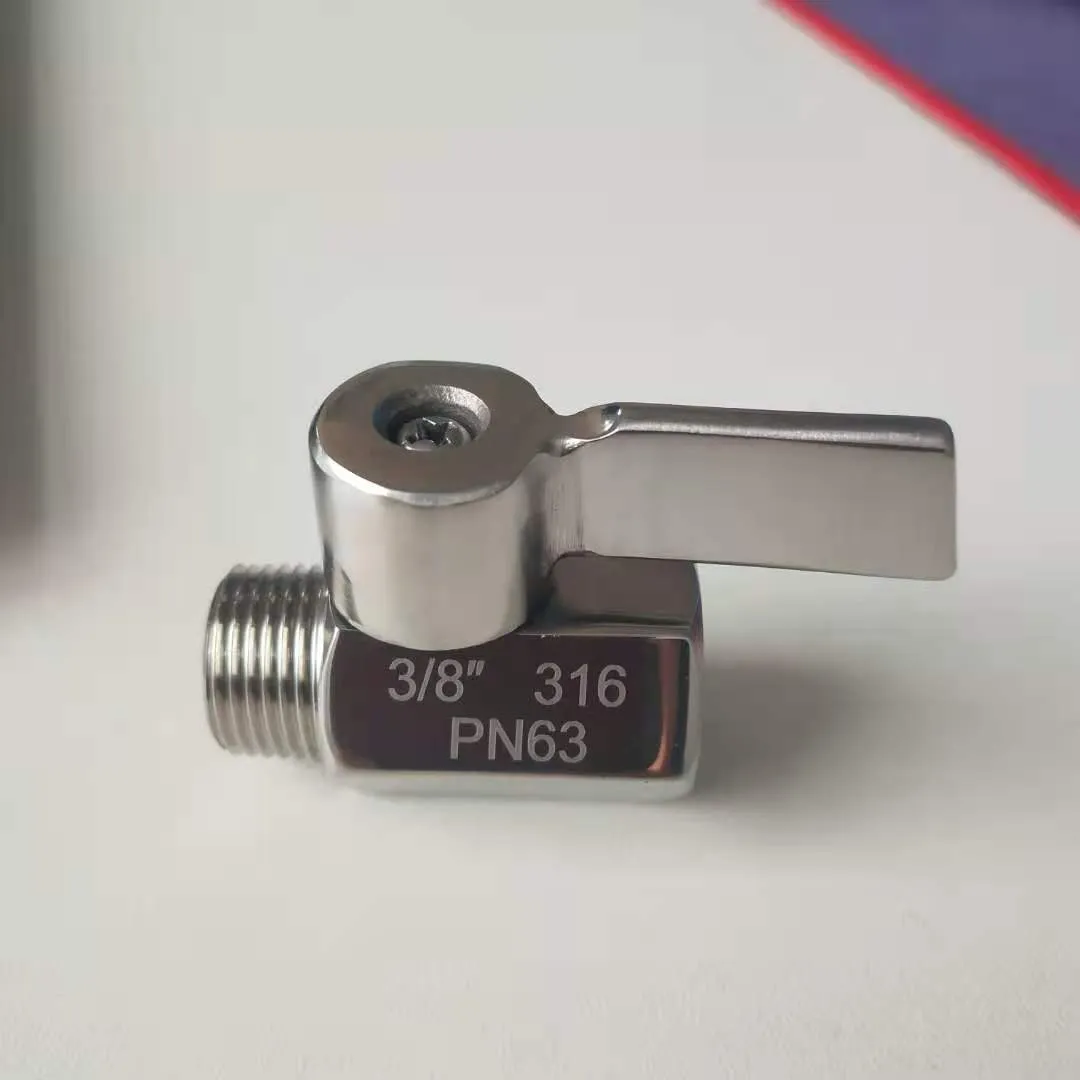
In the realm of advanced fluid control systems, precision, reliability, and compact design are paramount. The mini ball valve 1 8 represents a critical component, engineered to meet the stringent demands of modern industrial applications. These diminutive yet robust valves offer unparalleled control in confined spaces, facilitating efficient operation across a diverse range of sectors from sophisticated laboratory equipment to complex pneumatic systems. Their quarter-turn operation ensures rapid shut-off or flow regulation, making them an indispensable element where immediate response and precise fluid handling are non-negotiable. This article delves into the technical intricacies, application versatility, and strategic advantages of this essential component.
Industry Trends and Market Demand for Compact Valves
The industrial landscape is witnessing a sustained trend towards miniaturization and higher integration of components. This paradigm shift is driven by the need for more compact systems, reduced footprint, lower material consumption, and enhanced automation capabilities. Consequently, the demand for compact fluid control devices, particularly the mini ball valve 1 8, has surged. Industries are increasingly seeking solutions that offer high performance in a small package, capable of handling various media under challenging conditions. The market for industrial valves, including mini ball valves, is projected to grow significantly, fueled by expansion in petrochemical, pharmaceutical, and semiconductor manufacturing sectors. This growth underscores the importance of reliable, space-saving fluid management solutions.
Emerging trends also highlight the preference for maintenance-free components and those offering superior corrosion resistance, especially in harsh environments. Manufacturers are responding by developing valves with advanced materials and optimized designs that extend service life and minimize operational downtime. The 1 8 npt mini ball valve, with its specific threading for secure connections, exemplifies this evolution, providing robust performance in critical applications where space and precision are key.
Technical Specifications and Design Principles
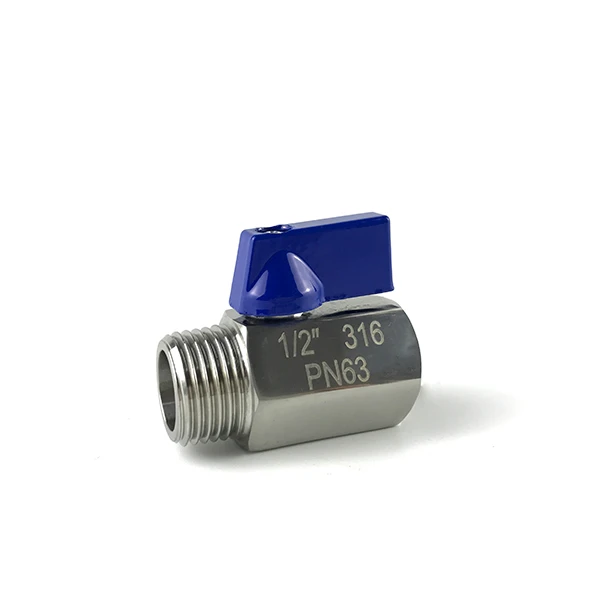
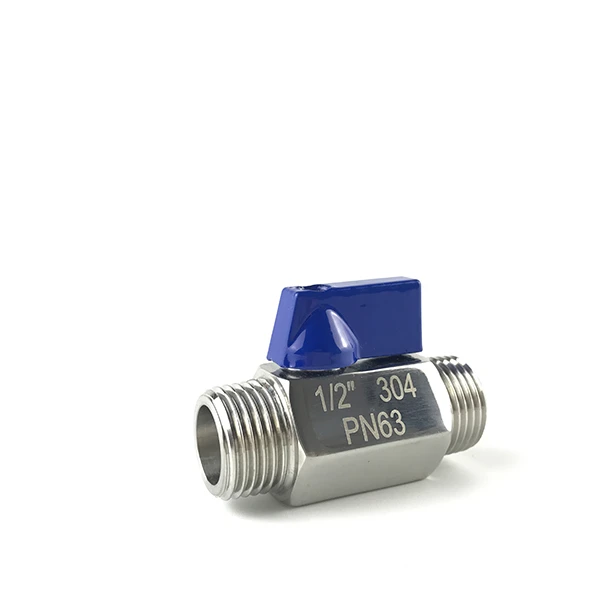
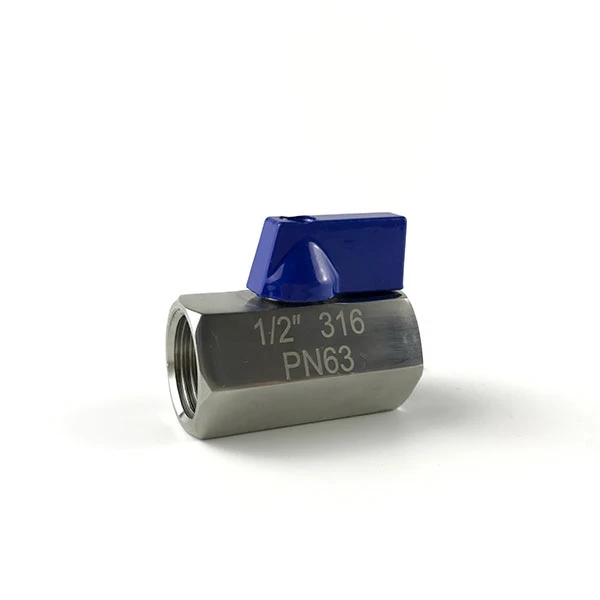
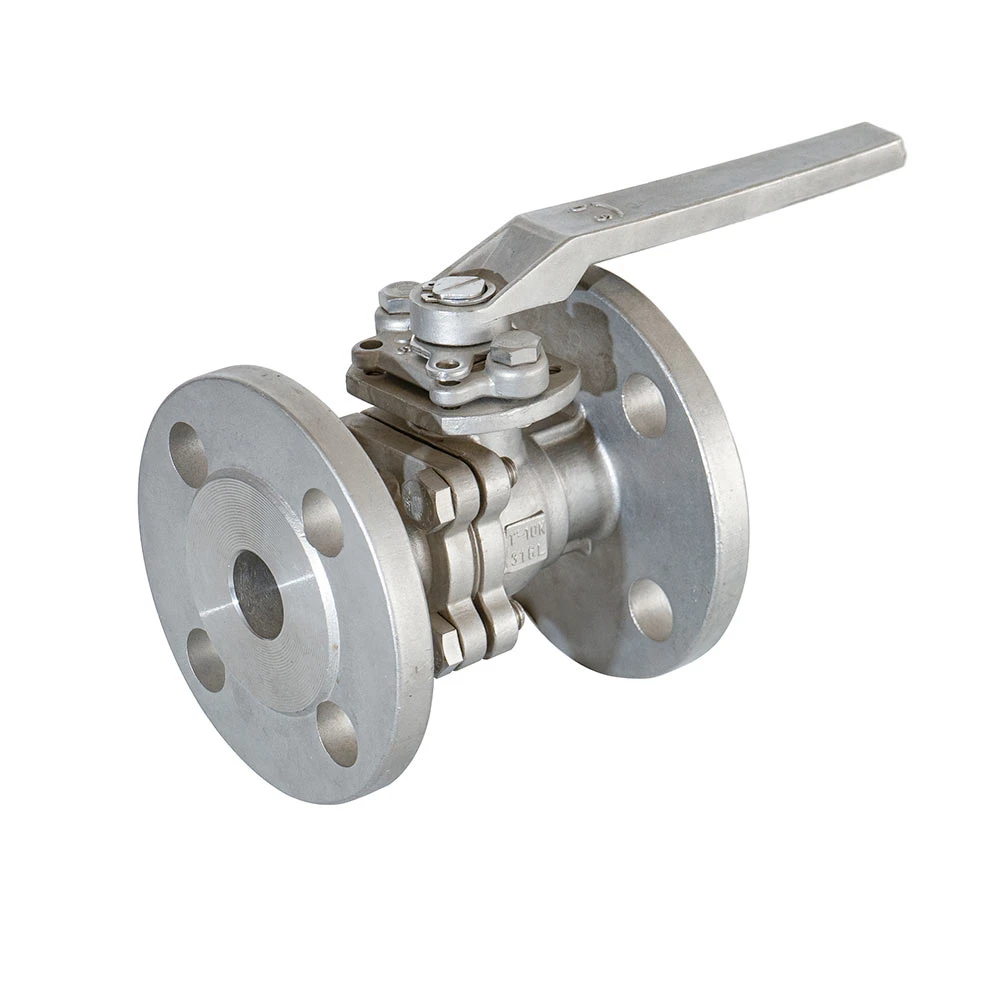
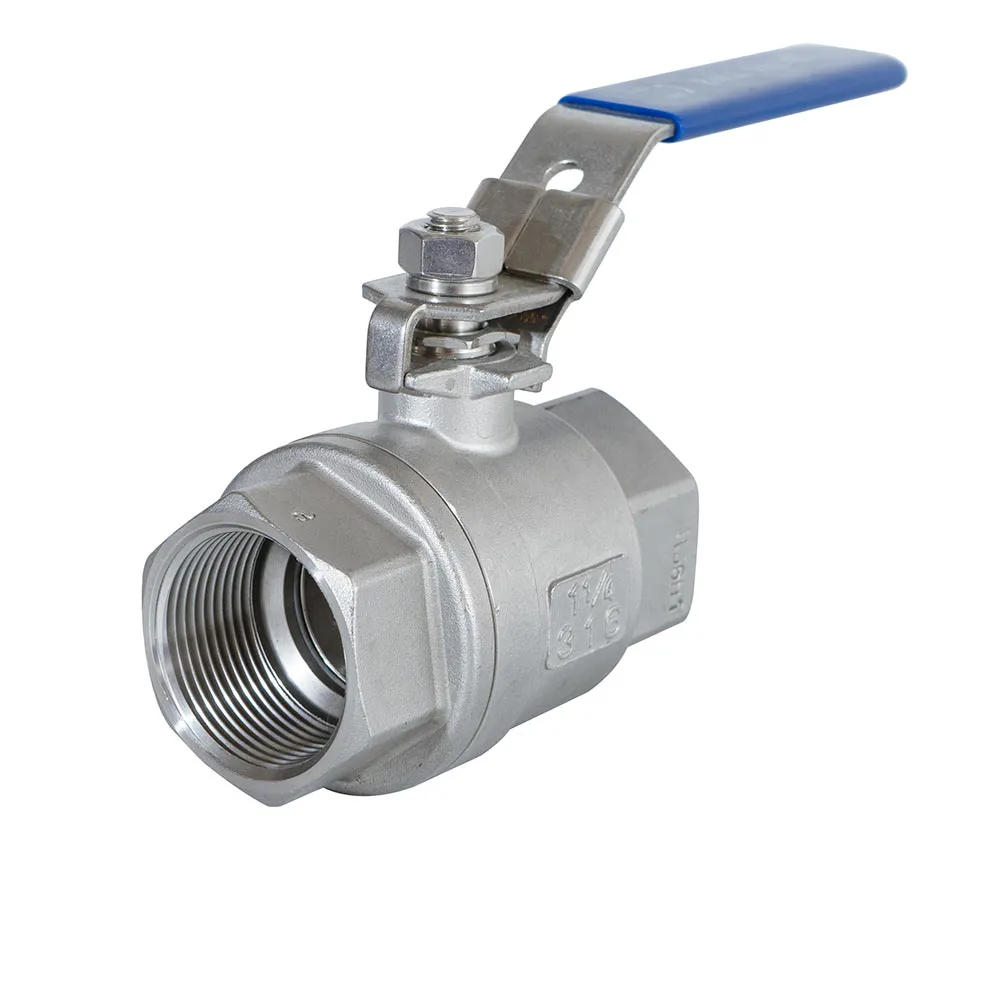
The structural integrity and operational efficiency of a mini ball valve 1 8 are derived from its meticulous design and material selection. Typically comprising a body, a spherical ball with a bore, a stem, and two seats, these valves are engineered for precise flow control. The ball, which is rotated by the stem, either aligns its bore with the pipeline for full flow or turns 90 degrees to block the flow entirely. This quarter-turn mechanism is a hallmark of ball valve efficiency.
Key Components and Materials:
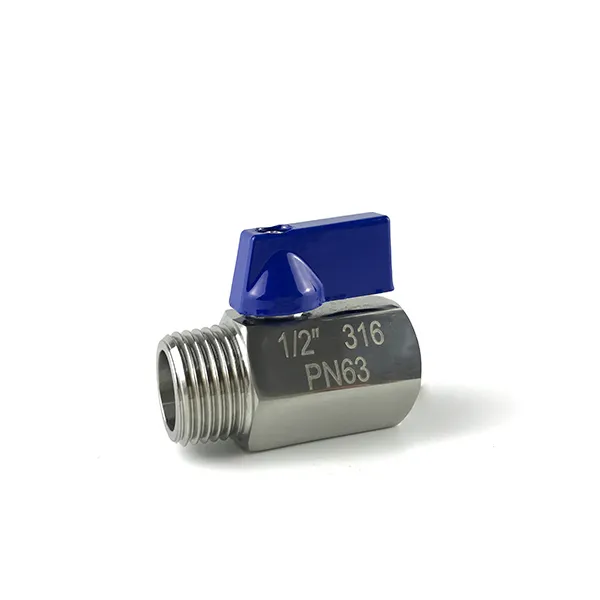
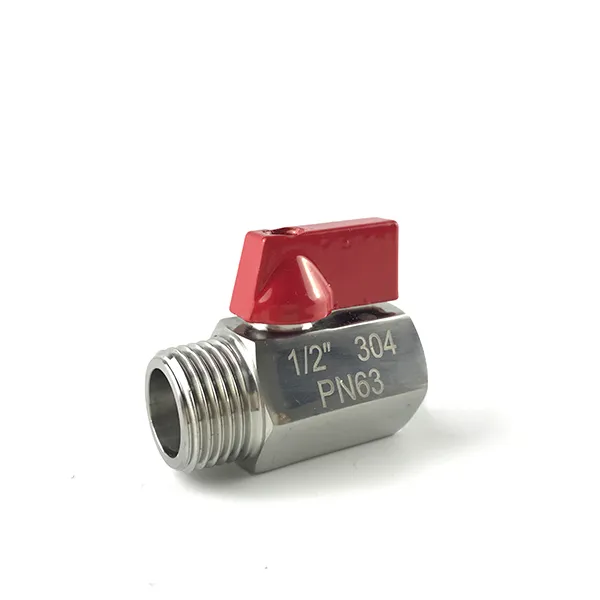
- Body: Often constructed from durable materials such as Stainless Steel (SS304, SS316) for superior corrosion resistance, or Brass for cost-effectiveness and good mechanical properties. For specialized applications, exotic alloys may be used.
- Ball: Precision-machined from the same material as the body, ensuring compatibility and uniform thermal expansion. The bore is carefully calibrated for flow characteristics.
- Stem: Connects the ball to the operating handle. Designed to prevent blowout, ensuring safety under pressure.
- Seats: Typically made from PTFE (Polytetrafluoroethylene) or RPTFE (Reinforced PTFE) for excellent chemical resistance, low friction, and tight sealing over a wide temperature range. Other materials like PEEK or UHMW-PE are used for higher pressure/temperature applications.
- Seals & Gaskets: Viton, NBR, or EPDM are commonly used for stem and body seals, selected based on fluid compatibility and temperature.
Operational Parameters:
These valves are designed to operate within specific pressure and temperature envelopes. A typical 1 8 npt mini ball valve might handle pressures up to 1000 PSI (69 bar) for stainless steel variants and up to 600 PSI (41 bar) for brass, with temperature ratings often ranging from -20°F to 400°F (-29°C to 204°C) depending on seat and seal materials. The 1/8 NPT (National Pipe Taper) connection ensures a robust, leak-tight seal when properly installed, critical for high-integrity systems.
| Parameter | Stainless Steel (SS316) | Brass (CW617N) |
|---|---|---|
| Nominal Size | 1/8 inch (DN6) | 1/8 inch (DN6) |
| End Connection | NPT (Female/Male), BSP (Female/Male) | NPT (Female/Male), BSP (Female/Male) |
| Max Working Pressure | 1000 PSI (69 bar) WOG | 600 PSI (41 bar) WOG |
| Temperature Range | -20°C to 200°C (-4°F to 392°F) with PTFE | -20°C to 150°C (-4°F to 302°F) with PTFE |
| Body Material | ASTM A351 CF8M (SS316) | Brass (CW617N) |
| Seat & Seal Material | PTFE, RPTFE | PTFE, RPTFE |
| Actuation | Manual (Lever Handle) | Manual (Lever Handle) |
Manufacturing Process and Quality Assurance
The production of a high-quality mini ball valve 1 8 involves a sophisticated sequence of manufacturing steps, each meticulously controlled to ensure superior performance and longevity. Adherence to international testing standards and rigorous quality assurance protocols is fundamental to delivering reliable products.
Manufacturing Process Flow:
- Material Selection & Sourcing: Begins with selecting high-grade raw materials (e.g., SS316, Brass) from certified suppliers. Material traceability is crucial, with MTRs (Material Test Reports) often provided.
- Forging/Casting: Forged valve bodies offer superior strength and integrity, while casting allows for more complex shapes. The process involves heating metal and shaping it under pressure or pouring molten metal into molds.
- CNC Machining: Precision Computer Numerical Control (CNC) machines are used to precisely machine the valve body, ball, stem, and end connections (such as 1/8 NPT threads) to tight tolerances. This ensures perfect fit, smooth operation, and leak-free performance.
- Surface Treatment (Optional): Depending on the application, surface treatments like passivation (for stainless steel) or nickel plating (for brass) may be applied to enhance corrosion resistance or aesthetics.
- Component Cleaning: All individual components undergo thorough cleaning to remove any debris, oils, or contaminants that could affect sealing or performance.
- Assembly: Skilled technicians assemble the valve components, ensuring proper alignment of the ball, seats, stem, and seals. Specialized tools are used for torque control.
- Testing & Quality Control:
- Hydrostatic Test: The valve is subjected to water pressure exceeding its maximum working pressure to check for body leaks.
- Pneumatic/Air Seat Test: Air pressure is applied to confirm bubble-tight sealing across the seats. This is critical for gas service.
- Operational Cycle Test: Valves are cycled open and closed multiple times to ensure smooth operation and durability of internal components.
- Visual Inspection: Final inspection for surface finish, markings, and overall aesthetic quality.
- Packaging & Dispatch: Valves are carefully packaged to prevent damage during transit, often with protective caps for threaded ends.
Testing Standards and Service Life:
Our manufacturing processes strictly adhere to international standards such as ISO 9001 for quality management, ANSI B16.34 for valves, and API 608 for metal ball valves. These standards ensure consistency, reliability, and interoperability. A properly manufactured and installed mini ball valve 1 8 can boast an exceptional service life, often exceeding tens of thousands of cycles under specified operating conditions, translating into reduced replacement costs and higher system uptime for end-users.
Technical Advantages and Performance Metrics
The intrinsic design and material properties of the mini ball valve 1 8 confer several significant technical advantages, making it a preferred choice for numerous critical applications:
- Compact Footprint: Its small size is a primary advantage, enabling installation in highly constrained spaces without compromising performance, ideal for miniaturized systems and instrument panels.
- Rapid Quarter-Turn Operation: Provides quick shut-off or opening, crucial for emergency stops or fast process changes, enhancing operational safety and efficiency.
- Excellent Sealing Capability: With PTFE or RPTFE seats, these valves achieve bubble-tight shut-off, preventing leakage of costly or hazardous media and ensuring system integrity.
- High Flow Capacity: Despite their small size, the full-port or reduced-port design ensures minimal pressure drop, maintaining efficient flow rates.
- Corrosion Resistance: Available in materials like SS316, offering exceptional resistance to a wide range of corrosive fluids and harsh environmental conditions, significantly extending service life.
- Low Maintenance: Simple design with minimal moving parts contributes to reduced wear and tear, leading to lower maintenance requirements and operational costs.
- Versatility: Suitable for a variety of media including gases, liquids, and some slurries, across a broad spectrum of temperatures and pressures.
- Energy Efficiency: The low operating torque requirement can lead to smaller, less powerful actuators if automation is required, contributing to energy savings in automated systems.
Application Scenarios and Case Studies
The versatility of the mini ball valve 1 8 extends across numerous industries, demonstrating its adaptability and critical function in diverse fluid control applications. Its robust design and precise control capabilities make it an ideal solution in environments where reliability cannot be compromised.
Target Industries:
- Petrochemical and Oil & Gas: Used in sampling lines, analyzer systems, and small bore instrument piping where accurate flow control and material compatibility are crucial for process integrity and safety.
- Medical and Pharmaceutical: For controlling medical gases, sterile liquids, and laboratory processes where cleanliness, inert materials (SS316), and precise dosing are essential.
- HVAC (Heating, Ventilation, and Air Conditioning): In small water lines, refrigerant lines, and control loops requiring compact shut-off valves.
- Pneumatic and Hydraulic Systems: For controlling air, oil, or other hydraulic fluids in automation equipment, machinery, and robotics where space is at a premium. The 1 8 npt mini ball valve is particularly common here.
- Water Treatment and Filtration: In reverse osmosis (RO) units, water softeners, and other filtration systems for diverting or isolating small flow paths.
- Instrumentation and Automation: Integral to pressure gauges, flow meters, and control panels for isolation, calibration, and precise regulation of media.
Application Case Study Example: Chemical Analyzer Bypass Line
A leading chemical processing plant faced challenges with its online process analyzers. To facilitate maintenance and calibration without shutting down the main process, bypass and isolation lines were required. Due to extremely tight space constraints within the analyzer cabinet, standard valves were not feasible. The plant implemented SS316 mini ball valve 1 8 units. These compact valves allowed for precise isolation of the analyzer from the main process stream, enabling technicians to perform maintenance safely and quickly, minimizing process downtime. The corrosion resistance of SS316 was critical for handling aggressive chemical samples, ensuring long-term reliability and reducing the total cost of ownership.
Customized Solutions
While standard configurations of the mini ball valve 1 8 meet a broad spectrum of needs, specialized applications often require tailored solutions. Manufacturers who excel in custom valve solutions can provide significant value by adapting designs to specific operational parameters, environmental conditions, or unique system integrations.
Customization options for the mini ball valve 1 8 typically include:
- Material Variations: Beyond standard SS316 and Brass, options like Monel, Hastelloy, or specialized plastics for extreme chemical compatibility or temperature ranges.
- End Connections: While 1/8 NPT is common, other thread types (e.g., BSPT, BSPP, JIC), compression fittings, or weld ends can be specified.
- Handle Types: Different handle designs (e.g., locking handles, winged handles, panel mount options) for specific operational requirements or safety features.
- Seat and Seal Materials: Alternatives to PTFE/RPTFE like PEEK for high temperature/pressure, UHMW-PE for abrasion resistance, or specific elastomers for gas service.
- Surface Finishes: Electropolishing for sanitary or ultra-high purity applications, or specific coatings for enhanced chemical resistance.
- Actuation Options: Integration with pneumatic or electric actuators for automated control in complex systems.
- Certifications: Compliance with specific industry certifications like oxygen cleaning for medical applications, NACE for sour gas service, or ATEX for explosive atmospheres.
Collaborating with a manufacturer capable of delivering these customized solutions ensures that the valve perfectly integrates into the system, optimizing performance and maximizing operational lifespan.
Vendor Comparison and Selection Criteria
Choosing the right supplier for mini ball valve 1 8 components is a strategic decision that directly impacts system reliability, operational costs, and overall project success. A thorough vendor evaluation process should consider several key criteria beyond just the initial purchase price.
Key Selection Criteria:
- Product Quality & Consistency: Look for manufacturers with robust quality control systems (e.g., ISO 9001 certified) and a track record of consistent product performance. Demand material traceability and test reports.
- Certifications & Compliance: Ensure the valves meet relevant industry standards (e.g., ANSI, API, CE marking where applicable) for the intended application and region.
- Technical Expertise & Support: A vendor who can provide expert advice on material selection, application engineering, and troubleshooting is invaluable.
- Customization Capabilities: For specialized projects, the ability to provide tailored valve solutions is a distinct advantage.
- Lead Time & Logistics: Evaluate the vendor's ability to meet delivery schedules, especially for large orders or urgent requirements. Assess their supply chain resilience.
- Warranty & After-Sales Service: Understand the warranty terms and the level of post-purchase support offered, including spare parts availability.
- Reputation & References: Check customer testimonials, industry reputation, and request references for similar projects.
| Feature/Criterion | Vendor A (Example) | Vendor B (Example) | Our Commitment |
|---|---|---|---|
| ISO 9001 Certified | Yes | No | Yes (Strict adherence) |
| Material Traceability | Available on request | Limited | Standard for all products |
| Customization Options | Basic | No | Extensive capabilities |
| Standard Lead Time | 4-6 weeks | 6-8 weeks | 2-4 weeks (stock items quicker) |
| Technical Support | Email only | Limited | Dedicated engineering team |
| Warranty Period | 1 year | 6 months | Extended 2-year warranty |
Commitment to EEAT Principles and Customer Support
Our dedication to delivering superior fluid control solutions is underpinned by a steadfast commitment to Expertise, Experience, Authoritativeness, and Trustworthiness (EEAT) in every aspect of our operations, particularly concerning products like the mini ball valve 1 8.
Expertise and Experience:
With decades of experience in valve manufacturing, our engineering teams possess deep expertise in material science, fluid dynamics, and precision machining. This allows us to design and produce valves that consistently exceed performance expectations. We leverage extensive field data and customer feedback to continuously refine our products and processes, ensuring that each mini ball valve 1 8 is optimized for its intended application.
Authoritativeness:
Our products are manufactured under strict adherence to international quality management systems, including ISO 9001:2015. We maintain a comprehensive suite of certifications for specific products and materials, demonstrating compliance with industry benchmarks like ANSI, API, and CE directives. Our long-standing partnerships with global industry leaders and our extensive portfolio of successful projects across petrochemical, pharmaceutical, and high-tech manufacturing sectors further underscore our authoritative position in the market.
Trustworthiness:
Frequently Asked Questions (FAQ):
- Q: What is the primary difference between a full port and a reduced port mini ball valve?
A: A full port valve has an oversized ball with a bore equal to the pipeline's inner diameter, minimizing pressure drop. A reduced port valve has a smaller bore than the pipeline, resulting in a slight pressure drop but a more compact and economical design. For a 1 8 npt mini ball valve, reduced port is common due to size constraints. - Q: Can these valves be used for vacuum service?
A: Many standard mini ball valves with PTFE seats are suitable for moderate vacuum applications. For high vacuum, specialized valves with enhanced sealing and material considerations are recommended. - Q: What maintenance is typically required for a mini ball valve?
A: Due to their simple design, mini ball valves are generally low maintenance. Periodic inspection for leaks, smooth operation, and seal integrity is usually sufficient. Seal replacement might be needed after extensive cycles or exposure to aggressive media. - Q: Are your mini ball valves suitable for oxygen service?
A: For oxygen service, valves must undergo a specialized cleaning process (oxygen cleaning) to remove all contaminants. We can supply appropriately cleaned valves upon request, adhering to relevant standards for oxygen compatibility.
Lead Time & Fulfillment:
We maintain robust production capabilities and strategic inventory levels to ensure timely delivery. Standard mini ball valve 1 8 models are typically dispatched within 2-4 weeks, with expedited options available for urgent requirements. Custom orders are processed with transparent lead times, communicated clearly during the quoting process.
Warranty Commitments:
All our valves are backed by a comprehensive 2-year warranty against manufacturing defects, reflecting our confidence in product quality and durability. This commitment provides our clients with peace of mind and assurance in their investment.
Customer Support:
Our dedicated technical support team is available to assist with product selection, installation guidance, troubleshooting, and any post-sales inquiries. We prioritize responsive communication and strive to provide comprehensive solutions to ensure optimal performance and customer satisfaction. Reach out to us via phone or email for expert assistance.
Conclusion
The mini ball valve 1 8 stands as a testament to precision engineering, offering a compact, reliable, and highly efficient solution for diverse fluid control challenges. Its robust construction, versatile material options, and adherence to rigorous manufacturing and testing standards ensure exceptional performance across a multitude of industrial applications. As industries continue to evolve towards miniaturization and higher efficiency, the strategic selection of high-quality mini ball valves will remain a cornerstone of successful fluid system design and operation.
References
- ISO 9001:2015 Quality management systems – Requirements. International Organization for Standardization.
- ANSI B16.34: Valves—Flanged, Threaded, and Welding End. American National Standards Institute.
- API 608: Metal Ball Valves—Flanged, Threaded, and Welding Ends. American Petroleum Institute.
- Fluid Power World: The Fundamentals of Ball Valves. Retrieved from fluidpowerworld.com.
- Valves & Actuators Handbook, 4th Edition. Mohinder Nayyar, Editor-in-Chief. McGraw-Hill Professional.