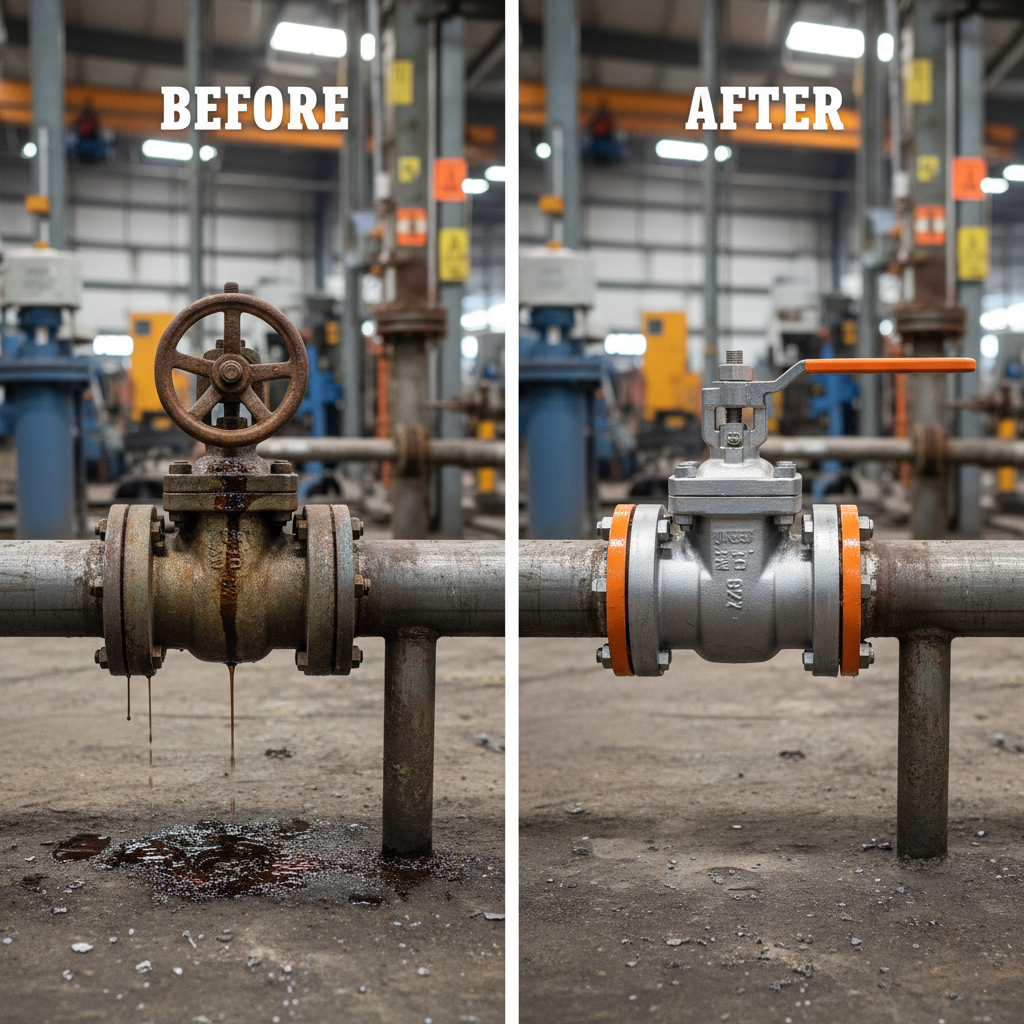
The Strategic Role of 3 way valve l type in Industrial Flow Control
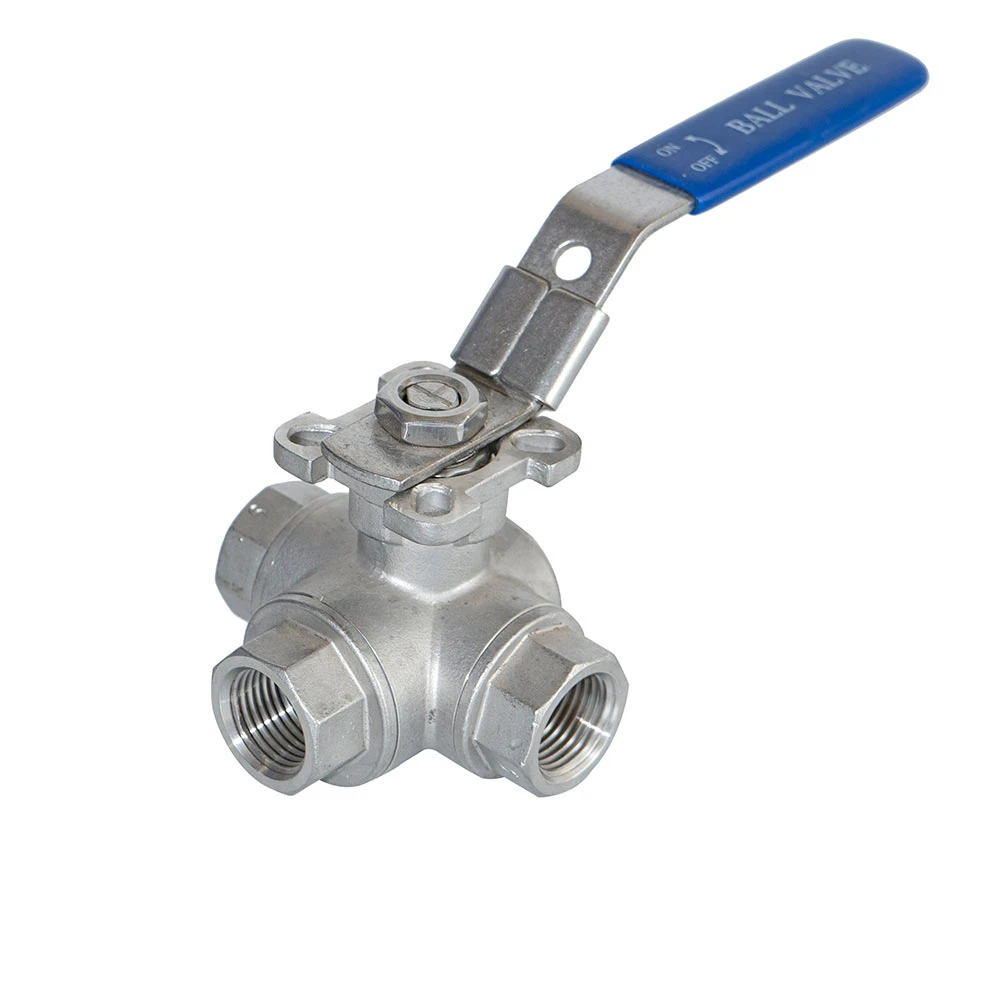
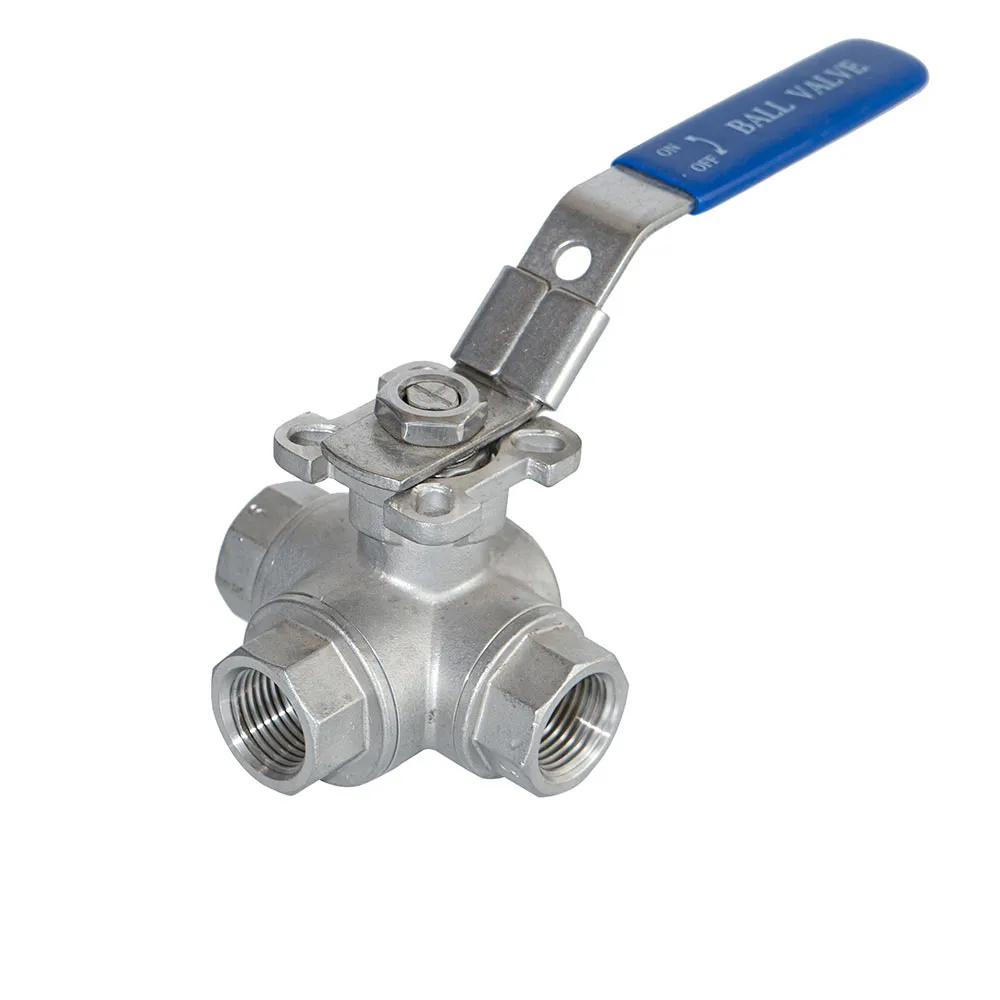
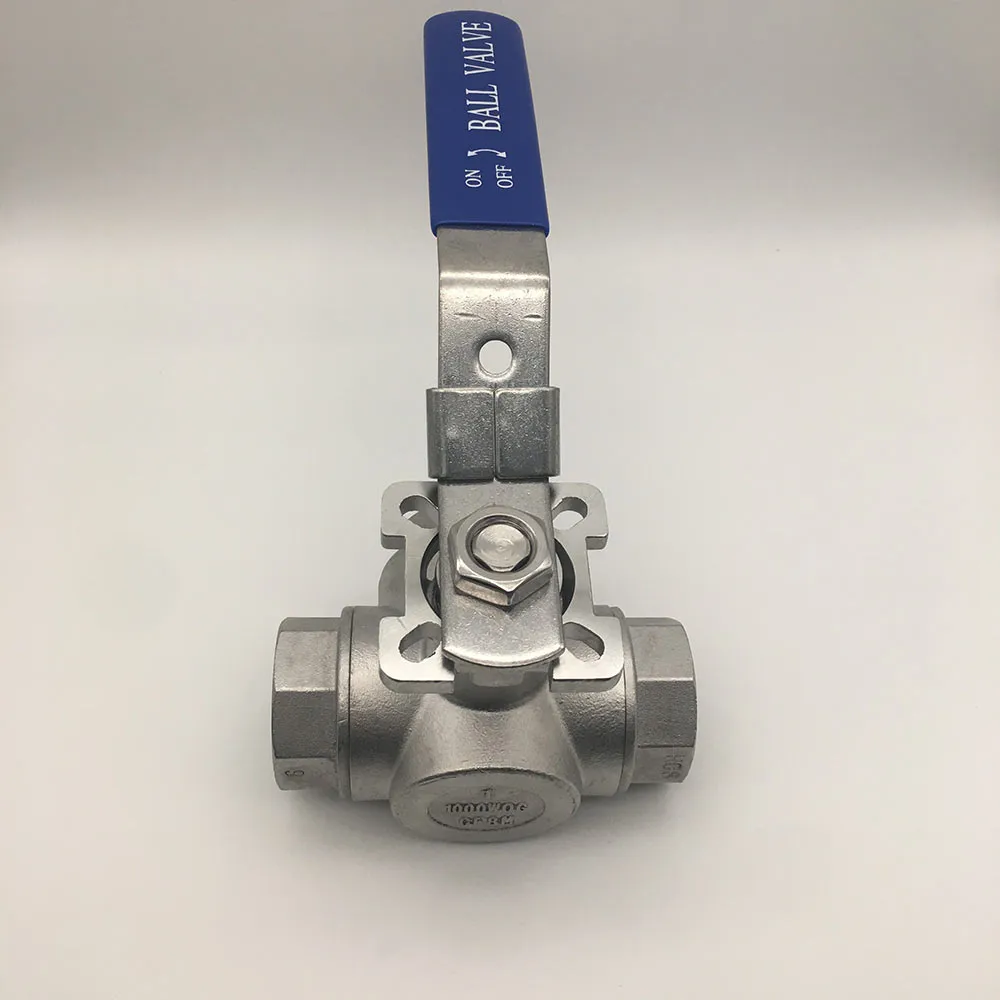
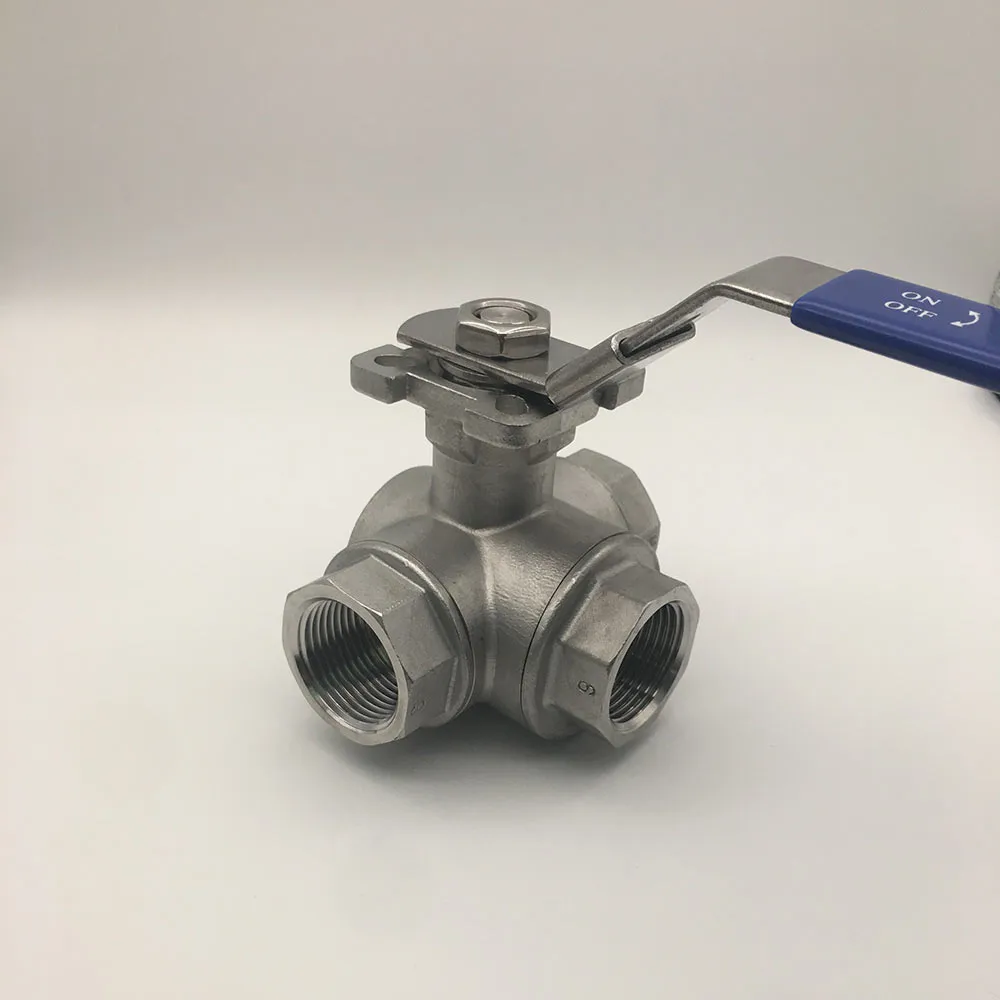
In complex industrial systems, precise and reliable flow control is paramount. The 3 way valve l type, specifically the L-port configuration, represents a critical component for effectively diverting or combining fluid streams. Unlike two-way valves that simply open or close a single flow path, three-way valves offer enhanced functionality, enabling a single valve to manage two distinct flow directions. The L-port design, characterized by its 90-degree internal porting, allows fluid to flow from a common inlet to either of two outlets, or vice-versa, without mixing. This makes it an indispensable asset in applications requiring selective routing, sampling, or isolation within a processing network. As industrial operations become more automated and demanding, the demand for robust and adaptable flow control solutions like these valves continues to grow, driving innovation in materials, design, and integration capabilities, particularly for models like the 3-Way Ball Valve With Direct Mounting Pad.
Current Industry Trends in Advanced Flow Control Technology
The landscape of industrial flow control is evolving rapidly, driven by global megatrends such as digitalization, sustainability, and increasing operational efficiency demands. For solutions like the 3 way valve l type, several key trends are shaping development and adoption:
- Smart Automation and IoT Integration: The integration of smart sensors, actuators, and Industrial Internet of Things (IIoT) platforms is transforming flow control. Valves equipped with direct mounting pads are increasingly designed for seamless connection with intelligent actuators, enabling remote monitoring, predictive maintenance, and precise automated control. This reduces manual intervention and optimizes process parameters.
- Emphasis on Energy Efficiency: With rising energy costs and environmental regulations, the focus is on components that minimize energy consumption. Low-torque valve designs and optimized flow paths contribute to reduced energy requirements for pumping and actuation, a critical advantage for any 3 way ball valve for sale.
- Advanced Material Science: The development of new alloys, polymers, and ceramic coatings enhances valve resistance to corrosion, abrasion, and extreme temperatures, extending service life in harsh environments. This is particularly vital for applications involving aggressive chemicals or abrasive slurries.
- Modularity and Customization: Manufacturers are offering more modular designs and customized solutions to meet specific application requirements. This includes variations in port configurations, end connections, and automation levels, allowing for tailored performance. The demand for specialized porting, beyond standard L-type or 3 way valve t type, is also growing.
- Regulatory Compliance and Safety: Stringent industry standards (e.g., ISO 15848-1 for fugitive emissions, SIL certification for safety instrumented systems) drive the adoption of high-integrity valves that minimize leakage and ensure operational safety.
These trends underscore the need for sophisticated, reliable, and adaptable valve technology that can meet the evolving demands of modern industrial processes, making the selection of a robust and certified 3 way valve l type more critical than ever.
Technical Specifications of the 3-Way Ball Valve (L-Type)
The 3 way valve l type is engineered for precise fluid diversion or selection. Its distinguishing feature is the "L" shaped bore within the spherical ball, which allows flow from one common port to either of two other ports, facilitating a 90-degree flow path when rotated. This configuration is ideal for applications where two distinct flow streams need to be managed without mixing within the valve itself. This specific functionality differentiates it from the 3 way valve t type, which allows for mixing or continuous flow between all three ports in certain positions.
Key Parameters and Features:
- Body Material: Typically cast or forged stainless steel (SS304, SS316, SS316L), carbon steel (WCB), or specialized alloys for chemical resistance.
- Ball & Stem Material: Often SS316 for corrosion resistance and durability.
- Seat Material: PTFE (Polytetrafluoroethylene), RPTFE (Reinforced PTFE), PEEK (Polyether Ether Ketone), or UHMWPE (Ultra-high-molecular-weight polyethylene) for varied temperature and chemical compatibility.
- Pressure Rating: Ranges from Class 150 to Class 2500 (ANSI/ASME B16.34), or PN16 to PN160 (EN 1092-1), depending on design and application.
- Temperature Range: From -29°C to 200°C (-20°F to 392°F) for standard PTFE seats; higher temperatures with PEEK or metal seats.
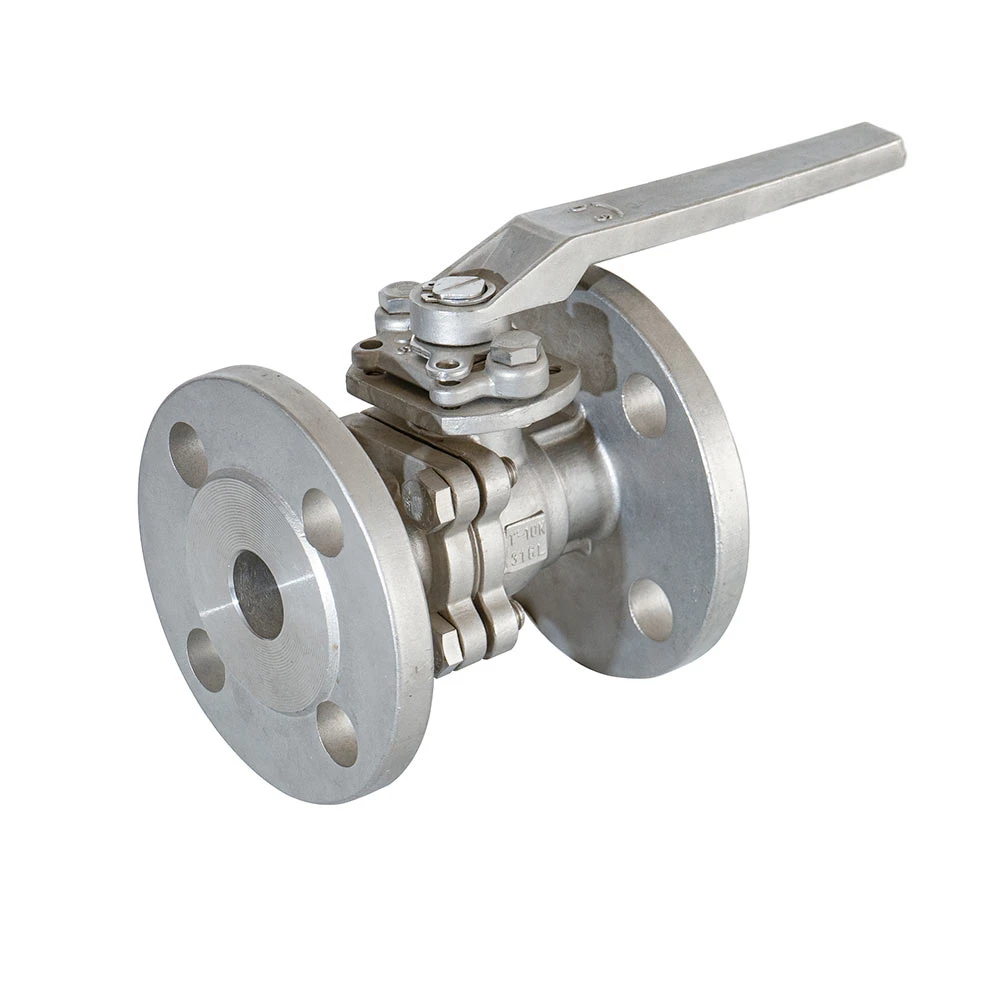
- End Connections: Flanged (RF, RTJ), Threaded (NPT, BSP), Butt Weld, Socket Weld, Tri-Clamp for sanitary applications.
- Port Configuration: L-port (90-degree flow diversion) for distinct routing.
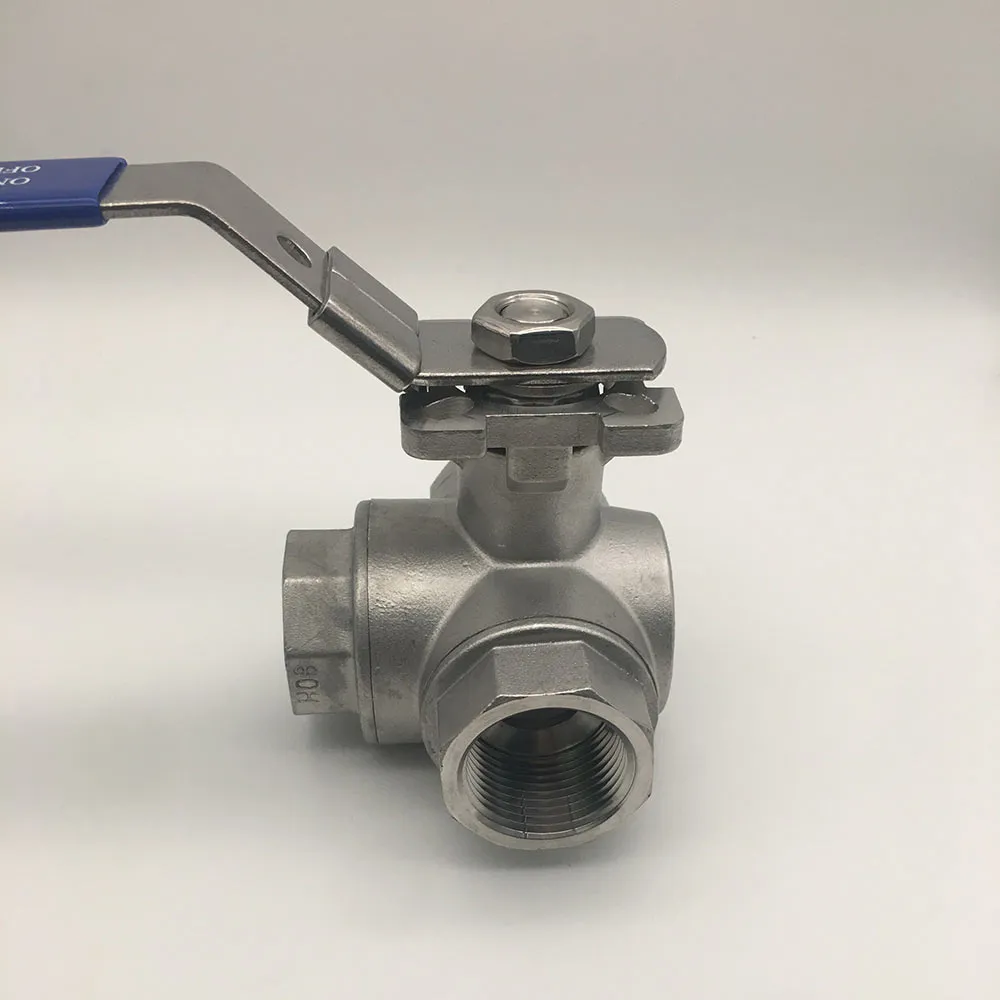
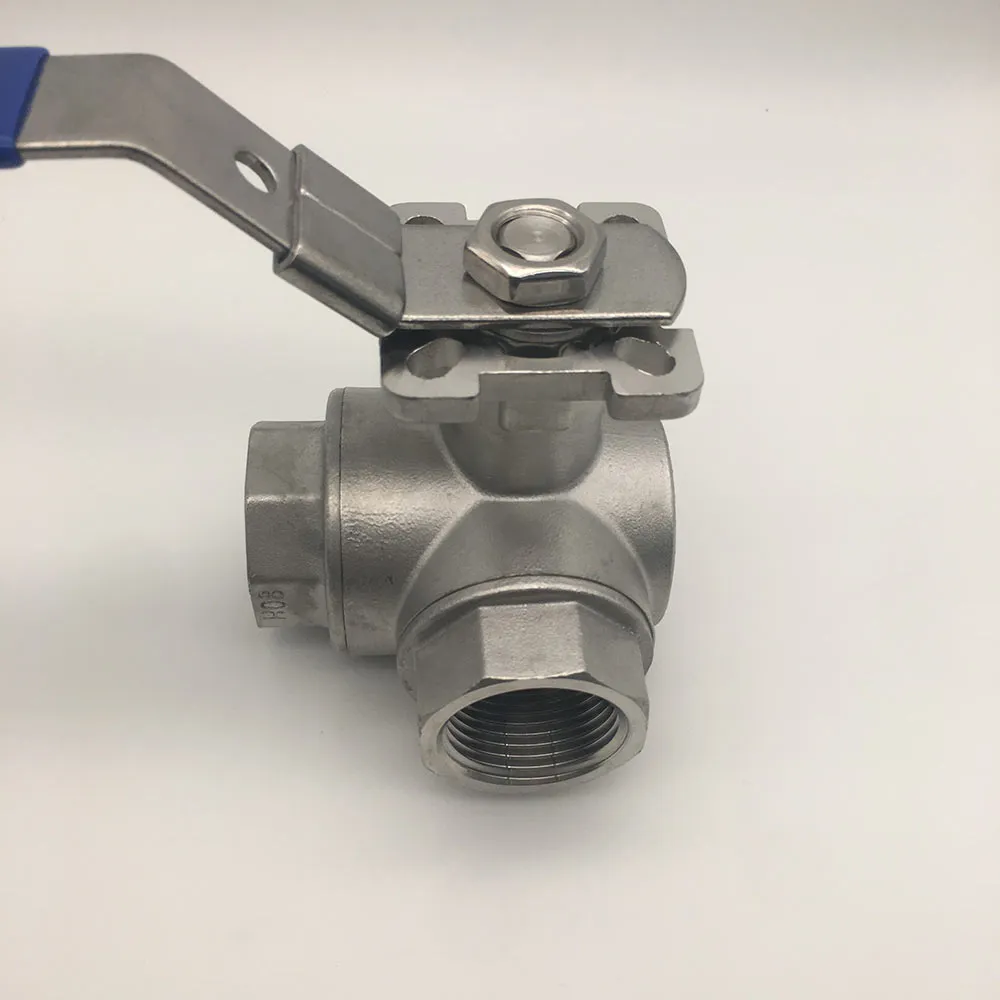
- Direct Mounting Pad: ISO 5211 compliant pad for direct mounting of actuators, simplifying automation and reducing coupling requirements.
- Design Standards: API 6D, API 608, ASME B16.34, EN 1092-1, ISO 17292.
Product Specification Table: 3-Way L-Type Ball Valve with Direct Mounting Pad
| Parameter | Specification Details |
|---|---|
| Product Type | 3-Way Ball Valve (L-Type Port) |
| Body Material | ASTM A351 CF8M (SS316) / ASTM A216 WCB (Carbon Steel) |
| Ball/Stem Material | SS316 / SS304 |
| Seat Material | PTFE / RPTFE / PEEK |
| Nominal Size Range | DN15 to DN200 (1/2" to 8") |
| Pressure Class | PN16/PN40/PN64 (up to 1000 WOG) |
| Temperature Range | -29°C to 200°C (standard) |
| End Connections | Flanged (ANSI B16.5, DIN, JIS), Threaded (NPT, BSP), Weld |
| Actuator Mounting | ISO 5211 Direct Mounting Pad |
| Actuation Options | Lever, Gearbox, Pneumatic, Electric Actuator |
| Testing Standards | API 598 (Pressure Test), ISO 15848-1 (Fugitive Emission) |
The Rigorous Manufacturing Process of 3-Way L-Type Ball Valves
The production of a high-performance 3 way valve l type involves a series of meticulously controlled stages, ensuring durability, precision, and adherence to international standards. Our commitment to quality begins with material sourcing and extends through every phase of manufacturing.
Process Flow Overview:
- Material Selection and Sourcing: High-grade raw materials, primarily stainless steel (e.g., SS316, SS304) and carbon steel (WCB), are selected based on application requirements for corrosion resistance and mechanical strength. Materials are certified to ASTM or EN standards. Forged bodies offer superior strength and integrity compared to cast bodies, especially for high-pressure applications, while precision casting allows for complex geometries.
- Body and Component Manufacturing:
- Casting/Forging: Valve bodies are either precision cast or hot forged. Forging ensures a dense, uniform grain structure, eliminating porosity and enhancing pressure containment.
- CNC Machining: Critical components like the ball, stem, and body cavities undergo advanced CNC (Computer Numerical Control) machining. This ensures precise dimensions, tight tolerances, and superior surface finishes essential for sealing integrity and low operating torque.
- Seat and Seal Fabrication: PTFE, RPTFE, PEEK, or other specified seat materials are precisely molded or machined to ensure bubble-tight shut-off and long service life.
- Surface Treatment and Cleaning: Components are thoroughly cleaned and, if required, undergo surface treatments such as passivation for stainless steel to enhance corrosion resistance, particularly for harsh chemical media.
- Assembly: Skilled technicians meticulously assemble the valve, ensuring proper alignment of the ball, stem, seats, and packing. The direct mounting pad is integrated during this stage, ready for actuator attachment.
- Quality Control and Testing: Each valve undergoes rigorous testing to meet or exceed international standards like ISO 5208 and API 598.
- Hydrostatic Shell Test: Verifies the pressure containment integrity of the valve body.
- High-Pressure Pneumatic Seat Test: Ensures bubble-tight shut-off under high pressure.
- Low-Pressure Air Seat Test: Confirms sealing performance at lower pressures.
- Fugitive Emission Testing: Conducted per ISO 15848-1 for critical applications to ensure minimal leakage to the atmosphere.
- Packaging and Delivery: Valves are carefully packaged to prevent damage during transit and delivered with full documentation, including material test reports and certification.
This stringent process ensures a long service life, typically exceeding 100,000 cycles, and superior performance in target industries such as petrochemical, metallurgy, water supply & drainage, and chemical processing. Our valves demonstrate significant advantages, including energy saving through optimized flow paths and reduced pressure drops, and exceptional corrosion resistance due to material selection and surface treatments, making them a reliable choice for any industrial environment.
Application Scenarios and Target Industries for 3-Way L-Type Valves
The versatility of the 3 way valve l type makes it an invaluable asset across a spectrum of industrial applications where precise flow routing and media management are critical. Its ability to switch flow between two outputs from a single inlet, or to select one of two inlets to a common outlet, without allowing cross-contamination or mixing, provides distinct operational advantages.
Key Application Scenarios:
- Flow Diversion: Redirecting a single fluid stream to one of two destinations. For example, in a filtration system, diverting flow between an active filter and a bypass for maintenance.
- Sampling Systems: Extracting a representative sample from a main process line to an analyzer or collection vessel. The L-port ensures that the sample is isolated from the main stream during collection.
- Batch Processing: Switching between different feedstocks or products in a sequential manufacturing process without the need for multiple two-way valves and complex piping.
- Bypass Lines: Creating a bypass around equipment for isolation, maintenance, or emergency shutdown.
- Tank Switching: Connecting a single pump or discharge line to one of two storage tanks.
Target Industries:
- Petrochemical and Chemical Processing: Handling corrosive, abrasive, or high-temperature fluids; diverting chemical reagents, product streams, or utility lines. Advantages include superior corrosion resistance with SS316L, and enhanced safety through reliable shut-off.
- Oil & Gas: Used in upstream, midstream, and downstream operations for flow manifold systems, wellhead control, and pipeline switching. High-pressure ratings and robust construction are key.
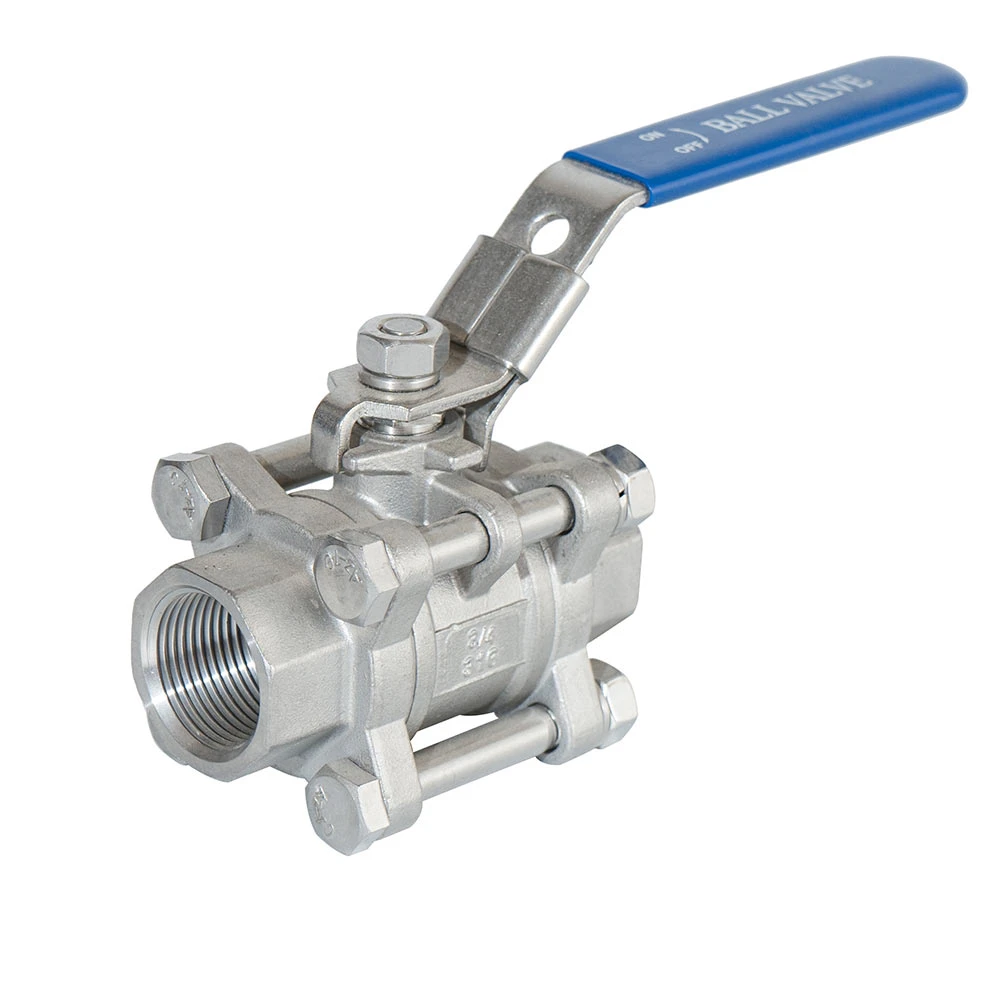
- Water Supply & Drainage / Wastewater Treatment: Diverting water flow for treatment processes, backwashing filters, or managing distribution networks. Corrosion resistance to treated water and sludge is vital. These applications also benefit from the compact design of a 3 piece ball valve construction, which facilitates easier maintenance.
- HVAC (Heating, Ventilation, and Air Conditioning): Managing coolant or heating fluid distribution in large commercial and industrial systems, often for zone control or heat exchanger bypass. The energy saving aspect from optimized flow paths is significant here.
- Power Generation: Diverting cooling water, fuel lines, or chemical injection systems in thermal, nuclear, and renewable energy plants. Reliability under continuous operation is paramount.
- Pharmaceutical and Food & Beverage: For sanitary applications, L-port valves with specific end connections (e.g., tri-clamp) are used for diverting clean-in-place (CIP) solutions or product streams, emphasizing cleanability and material compatibility.
In these diverse sectors, the 3 way valve l type contributes to operational efficiency, system reliability, and enhanced safety by providing a single, robust solution for complex flow management requirements.
Technical Advantages and Performance Superiority
The strategic implementation of a 3 way valve l type brings a host of technical advantages that contribute to optimized system performance, reduced operational costs, and enhanced safety in industrial environments.
Key Technical Advantages:
- Space and Cost Efficiency: A single L-port valve can replace two conventional two-way valves, significantly reducing piping complexity, installation space, and the overall number of components. This translates to lower material costs, reduced installation labor, and simplified maintenance.
- Streamlined Flow Diversion: The L-port design provides clear, non-mixing flow paths, making it ideal for diverting a single input to one of two outputs without cross-contamination. This is crucial in applications requiring precise fluid isolation or sequential processing.
- Quick Quarter-Turn Operation: Like all ball valves, the L-type offers quick shut-off and diversion with a 90-degree turn of the handle or actuator. This facilitates rapid response in automated systems and reduces operational time.
- High Flow Capacity and Low Pressure Drop: The full-bore or reduced-bore design minimizes flow restriction, leading to high flow rates and low pressure drops. This contributes to energy saving by reducing the workload on pumps.
- Reliable Sealing: Advanced seat materials (e.g., RPTFE, PEEK) and precision machining ensure bubble-tight shut-off, preventing leakage and ensuring media integrity.
- Enhanced Safety: By consolidating flow paths, the risk of human error in operating multiple valves is reduced. The robust construction and reliable sealing minimize fugitive emissions, contributing to a safer working environment.
- Direct Mounting Pad for Automation: The ISO 5211 direct mounting pad simplifies the attachment of pneumatic or electric actuators, enabling easy integration into automated control systems.
Comparison: L-Type vs. T-Type 3-Way Ball Valves
Understanding the distinction between L-type and 3 way valve t type is crucial for proper valve selection. While both offer three ports, their internal ball drilling dictates different flow functionalities.
| Feature | L-Type Port Ball Valve | T-Type Port Ball Valve |
|---|---|---|
| Internal Bore Shape | L-shaped drilling | T-shaped drilling |
| Primary Function | Diverting flow from one inlet to either of two outlets (90° flow path). No mixing. | Diverting, mixing, or combining flows. Can connect all three ports simultaneously. |
| Flow Paths (90° Rotation) | Common to Port 1, or Common to Port 2. Always closes one path. | Common to Port 1 & 2; Common to Port 2 & 3; All three ports open (flow straight through and side). |
| Typical Applications | Diversion, sampling, bypass, tank switching. | Mixing fluids, flow distribution, full bypass, cross-flow. |
| Mixing Capability | None; purely diverting. | Capable of mixing fluids in certain positions. |
This clear distinction underscores why the 3 way valve l type is specifically chosen for applications demanding precise, isolated flow redirection without cross-contamination, ensuring operational integrity and process control.
Vendor Comparison and Selection Criteria for 3-Way Ball Valves
Choosing the right vendor for industrial valves, especially for critical components like the 3 way valve l type, involves a thorough evaluation of several key factors beyond just price. B2B decision-makers and engineers must prioritize reliability, long-term performance, and comprehensive support. Houde Valve has established itself as a trusted partner, adhering to stringent criteria that ensure optimal value and operational integrity for our clients.
Key Vendor Selection Criteria:
- Product Quality and Reliability: Evaluate the manufacturing process, material traceability, and adherence to international standards (e.g., ISO 9001, CE, API). A vendor's commitment to quality directly impacts the service life and performance of the valve. Our 3 piece ball valve designs, for instance, offer enhanced serviceability and robust construction.
- Technical Expertise and Customization: The ability of a vendor to provide in-depth technical support and offer customized solutions for specific application challenges is invaluable. This includes understanding unusual media, extreme temperatures, or unique flow requirements.
- Certifications and Compliance: Authoritative certifications such as ISO 9001 (Quality Management), CE (European Conformity), API (American Petroleum Institute), and specific industry standards (e.g., ATEX for explosive environments) demonstrate a commitment to safety and quality. Houde Valve products are consistently manufactured and tested to comply with these global benchmarks.
- Lead Time and Fulfillment Capabilities: Timely delivery is crucial for project schedules. A vendor with efficient production lines, robust inventory management, and reliable logistics is preferred, especially when seeking a 3 way ball valve for sale with specific requirements.
- After-Sales Support and Warranty: Comprehensive warranty programs, readily available spare parts, and responsive technical support are essential for minimizing downtime and maximizing the operational life of the valves. Houde Valve offers extensive post-purchase support, reflecting our dedication to customer satisfaction.
- Industry Experience and Track Record: Longevity in the industry, a strong portfolio of successful projects, and positive customer feedback are indicators of a reputable and experienced vendor. Houde Valve boasts decades of experience serving diverse industrial sectors globally.
By meticulously evaluating these criteria, clients can ensure they partner with a vendor that not only supplies high-quality 3 way valve l type products but also provides the comprehensive support necessary for long-term operational success.
Customized Solutions and Engineering Capabilities
In many B2B industrial applications, off-the-shelf valve solutions may not fully address the unique challenges presented by specific media, operational parameters, or environmental conditions. Recognizing this, leading manufacturers of 3 way valve l type components offer extensive customization options, backed by robust engineering capabilities.
At Houde Valve, our engineering team collaborates closely with clients to develop tailored solutions, ensuring that each 3-Way Ball Valve With Direct Mounting Pad precisely meets the demands of its intended application. Our customization capabilities include:
- Material Optimization: Selection of specialized alloys (e.g., Hastelloy, Monel) for highly corrosive media, or specific grades of stainless steel for extreme temperatures.
- Seat and Seal Material Variations: Beyond standard PTFE, options like PEEK for high temperatures, UHMWPE for abrasive slurries, or metal seats for severe service applications.
- End Connection Customization: From exotic flange facings to specific weld preparations or sanitary connections, designed to integrate seamlessly into existing piping systems.
- Actuation and Control System Integration: Valves can be factory-fitted with pneumatic, electric, or hydraulic actuators, complete with positioners, limit switches, and solenoid valves for seamless integration into Distributed Control Systems (DCS) or SCADA systems. The direct mounting pad simplifies this process significantly.
- Surface Coatings and Treatments: Specialized coatings (e.g., hard chromium plating, ceramic coatings) to enhance wear resistance, reduce friction, or improve chemical inertness.
- Fugitive Emission Compliance: Design modifications and rigorous testing to achieve ISO 15848-1 or other specific low-emission standards for environmental protection.
- Special Testing Requirements: Performing additional testing such as cryogenic testing, fire-safe testing (API 607/6FA), or specific NDE (Non-Destructive Examination) like radiographic inspection.
Our engineering team leverages decades of experience, advanced CAD/CAM software, and finite element analysis (FEA) to ensure that custom designs maintain the highest levels of safety, performance, and compliance. This comprehensive approach to customization ensures that every 3 way valve l type delivered is not just a component, but a perfectly integrated solution for the most demanding industrial applications.
Application Case Studies and Customer Experience
Real-world application demonstrates the tangible benefits and reliability of high-quality industrial valves. Houde Valve has a proven track record of successfully implementing 3 way valve l type solutions across a multitude of challenging environments, resulting in enhanced operational efficiency and customer satisfaction.
Case Study 1: Chemical Plant Reactor Bypass
A major chemical processing facility needed a reliable solution for diverting corrosive chemical streams (e.g., concentrated acids) between a primary reactor and a bypass line for maintenance. Their existing setup involved multiple two-way valves, leading to complex piping and increased potential for leakage. We supplied several DN80 (3-inch) 3 way valve l type valves, constructed from Hastelloy C276 with PEEK seats, and fitted with pneumatic actuators via direct mounting pads. The L-port design allowed for seamless, bubble-tight diversion, eliminating cross-contamination risks and simplifying automation. The plant reported a 30% reduction in maintenance downtime and a significant improvement in operator safety due to reduced manual valve interaction.
Case Study 2: Municipal Water Treatment Filtration System
A municipal water treatment plant required a robust solution for backwashing their sand filters. They needed to divert treated water for filtration while simultaneously rerouting backwash water to a waste treatment stream. Our DN150 (6-inch) 3 way valve l type valves, made from SS316 with RPTFE seats, were installed with electric actuators. The L-port configuration perfectly managed the inlet/outlet flow, providing a compact and efficient alternative to a manifold of globe valves. The client praised the valves' quick quarter-turn operation and excellent sealing, which contributed to consistent water quality and reduced energy consumption for pump operations.
Customer Feedback Highlights:
- "The Houde Valve 3-way L-type valve streamlined our process significantly. Installation was straightforward thanks to the direct mounting pad, and the reliability has been flawless even under demanding conditions." - Process Engineer, Petrochemical Sector.
- "We appreciate the robust construction and superior sealing performance. It's truly a 'set it and forget it' component, reducing our operational costs." - Maintenance Manager, Power Generation Industry.
- "The technical support during the selection phase was outstanding. They helped us choose the ideal material and actuation for our unique application." - Project Manager, Pharmaceutical Manufacturing.
These testimonials underscore our commitment to delivering not just a product, but a complete, reliable, and expertly supported solution that meets and exceeds client expectations for complex flow management.
Ensuring Trustworthiness: FAQ, Lead Time, Warranty, and Support
Building trust with B2B clients requires transparency, clear commitments, and robust support systems. Houde Valve is dedicated to providing comprehensive information and services that ensure peace of mind for every purchase of our 3-Way Ball Valve With Direct Mounting Pad and other products.
Frequently Asked Questions (FAQ):
- Q: What is the primary difference between an L-type and a T-type 3-way ball valve?
A: The L-type bore allows flow from a common inlet to either of two outlets, diverting flow without mixing. The T-type bore can connect all three ports simultaneously, allowing for mixing or combining of streams, or providing flow straight through and a side port connection. - Q: Can the 3-Way Ball Valve With Direct Mounting Pad be automated?
A: Yes, absolutely. The ISO 5211 direct mounting pad is specifically designed for the easy and secure attachment of pneumatic, electric, or hydraulic actuators, enabling seamless integration into automated control systems. - Q: What materials are available for corrosive media applications?
A: For highly corrosive media, we recommend valves made from SS316L, Hastelloy, or Monel, coupled with appropriate seat materials like PEEK or specific types of PTFE. Our engineers can guide you in selecting the best material for your specific chemical compatibility needs. - Q: Are your valves certified to international standards?
A: Yes, our valves are manufactured and tested in compliance with various international standards, including ISO 9001 (Quality Management), CE, API 608, ASME B16.34, and ISO 15848-1 for fugitive emissions, among others.
Lead Time and Fulfillment:
We understand the critical nature of project timelines. Our standard lead time for common configurations of the 3 way valve l type ranges from 2-4 weeks. For highly customized solutions or large-volume orders, lead times will be communicated clearly upon quotation, typically ranging from 6-10 weeks depending on material availability and complexity. We maintain a robust inventory of standard components to expedite urgent requests and ensure efficient fulfillment, making our 3 way ball valve for sale options readily accessible.
Warranty Commitments:
Houde Valve stands behind the quality and reliability of its products. All our valves, including the 3-Way Ball Valve With Direct Mounting Pad, come with a standard 12-month warranty from the date of commissioning or 18 months from the date of shipment, whichever comes first. This warranty covers defects in materials and workmanship under normal operating conditions. Extended warranty options are available upon request for specific project needs.
Comprehensive Customer Support:
Our commitment to our customers extends beyond the sale. We provide comprehensive after-sales support, including technical assistance for installation and commissioning, troubleshooting, and guidance on maintenance best practices. Our dedicated support team is available via phone, email, and live chat to address any inquiries promptly and efficiently, ensuring the long-term optimal performance of your 3 way valve l type installations. Spare parts and replacement components are readily available to minimize downtime.
Conclusion
The 3 way valve l type stands as a testament to engineering precision and functional versatility in industrial flow control. Its unique L-port configuration offers unparalleled advantages for flow diversion, sampling, and bypass applications, streamlining complex piping networks and enhancing operational efficiency. From robust material selection and meticulous manufacturing processes to adherence to international standards and comprehensive after-sales support, the focus remains on delivering reliable, high-performance solutions. As industries continue to evolve with automation and sustainability as core drivers, the demand for sophisticated and adaptable valves, such as the 3-Way Ball Valve With Direct Mounting Pad, will only intensify. Partnering with an experienced and authoritative vendor ensures that these critical components integrate seamlessly into your systems, providing long-term value and sustained performance. For advanced flow management needs, the 3 way valve l type is not just a component; it's a strategic asset.
References
- American Society of Mechanical Engineers (ASME). ASME B16.34: Valves—Flanged, Threaded, and Welding End.
- International Organization for Standardization (ISO). ISO 15848-1: Industrial valves—Measurement, test and qualification procedures for fugitive emissions—Part 1: Classification system and qualification procedures for type testing of valves.
- American Petroleum Institute (API). API 608: Metal Ball Valves—Flanged, Threaded, and Welding End.
- European Committee for Standardization (CEN). EN 1092-1: Flanges and their joints - Circular flanges for pipes, valves, fittings and accessories, PN designated - Part 1: Steel flanges.
- Valve Manufacturers Association of America (VMA). www.vma.org