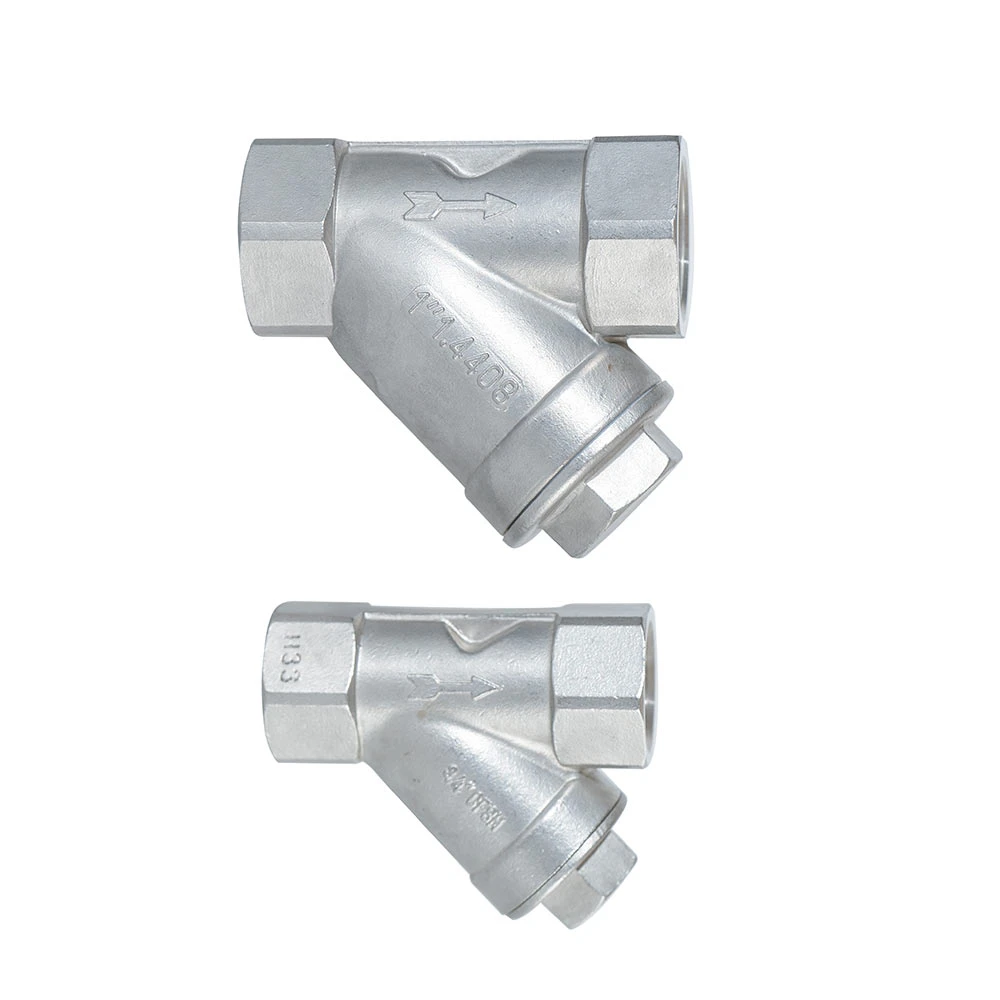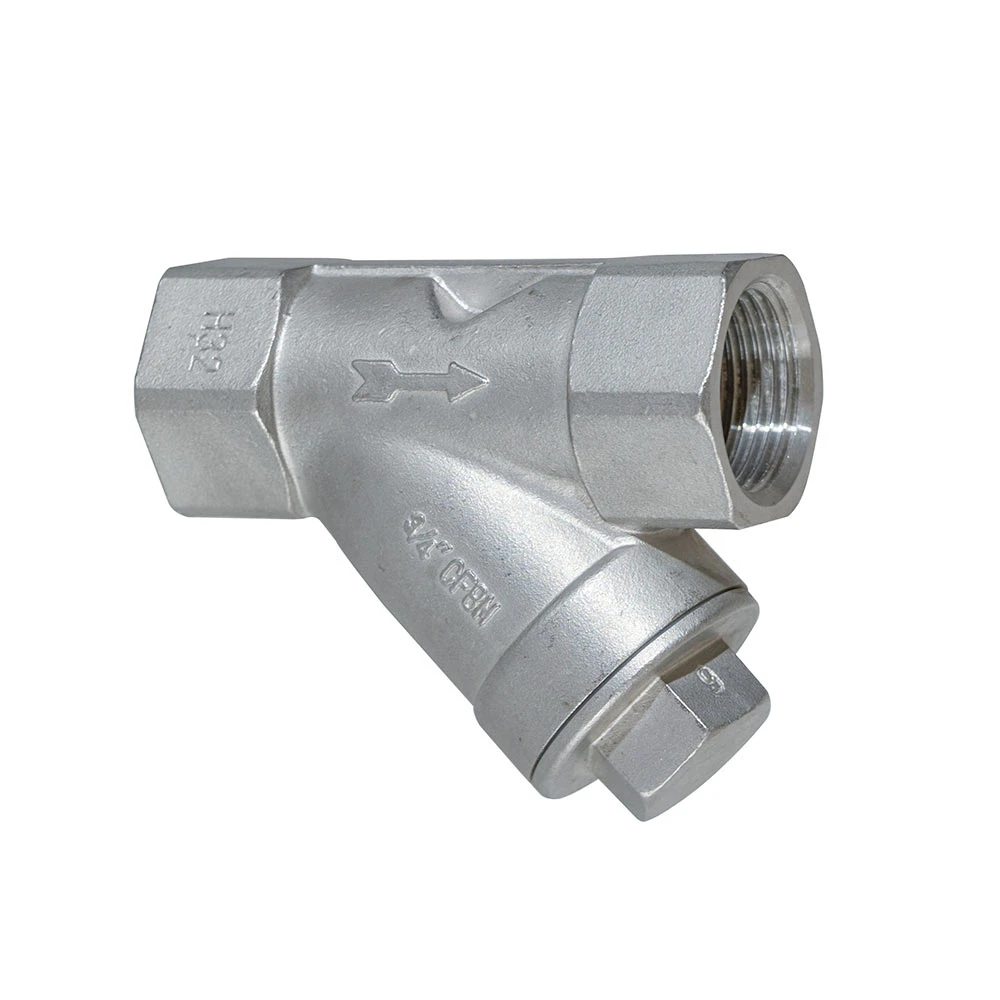
3/4 Pipe Strainer: A Veteran's Take on Its Role and Design
Having spent over two decades in the industrial equipment sector, I’ve come across countless valve and component types—many of which look quite similar at first glance. But the 3/4 pipe strainer? It’s one of those small yet critical pieces that keep a system running smoothly in dusty, debris-prone environments.
Frankly, it’s easy to overlook strainers, but their role in protecting pumps, meters, and heat exchangers can’t be overstated. Oddly enough, the 3/4 inch size strikes a nice balance—small enough for residential or light commercial use, yet sturdy enough for more industrial setups. Through the years, I’ve seen these strainers in pet food plants, water treatment facilities, and even power stations. Each use case nudges the design considerations just a bit.
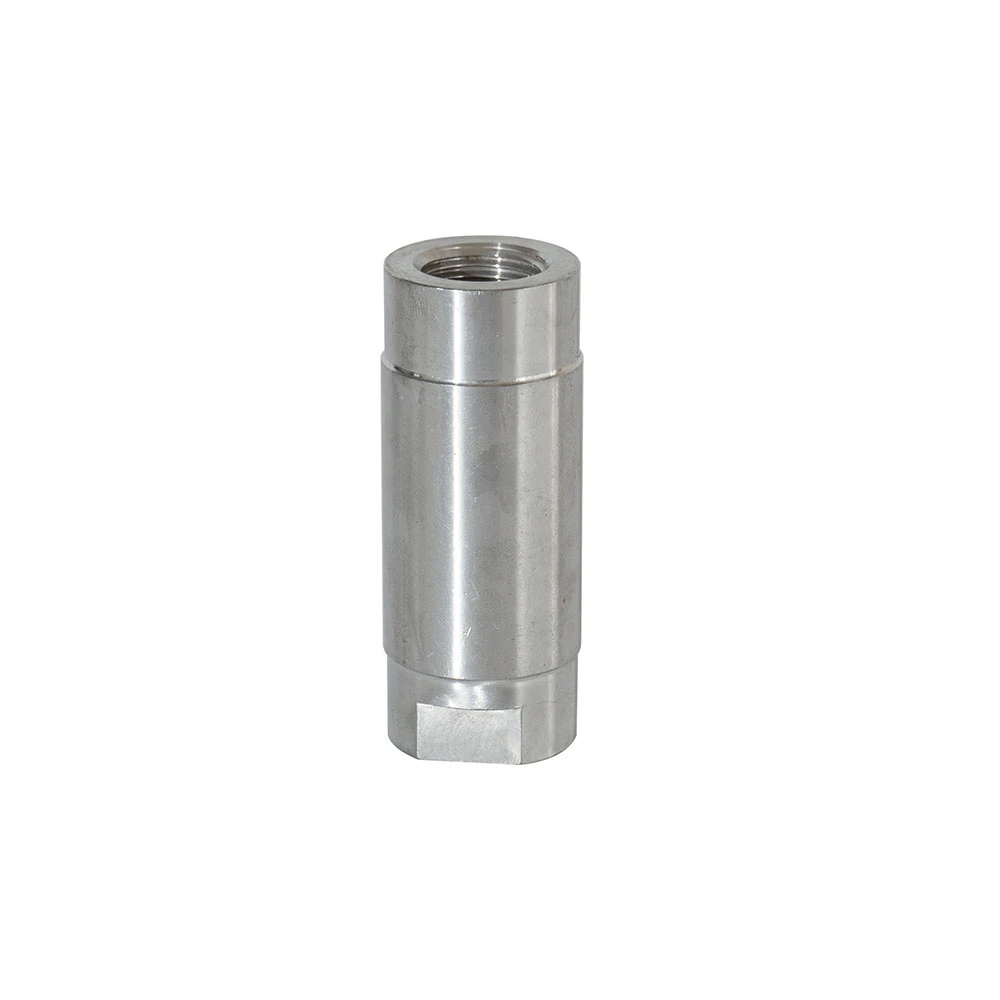
Most pipe strainers are built around a fairly simple concept: trap debris without choking flow. The challenge lies in material choice and mesh design. Stainless steel screens are standard—sometimes 304 or the more corrosion-resistant 316 grades, depending on the fluid handled. You can feel the quality difference in the weight and finish of the unit. Many engineers say a well-built 3/4 pipe strainer lasts years with minimal maintenance.
One trick I learned early on is to consider pressure ratings along with mesh size. Too coarse a mesh, and you risk particles slipping through; too fine, and you get clogs or excessive pressure drops. Most products on the market come with specs that run the gamut, so knowing your system's max pressure and fluid type upfront saves headaches. In real terms, a stainless steel 100 mesh screen with a 150 PSI rating covers a lot of applications.
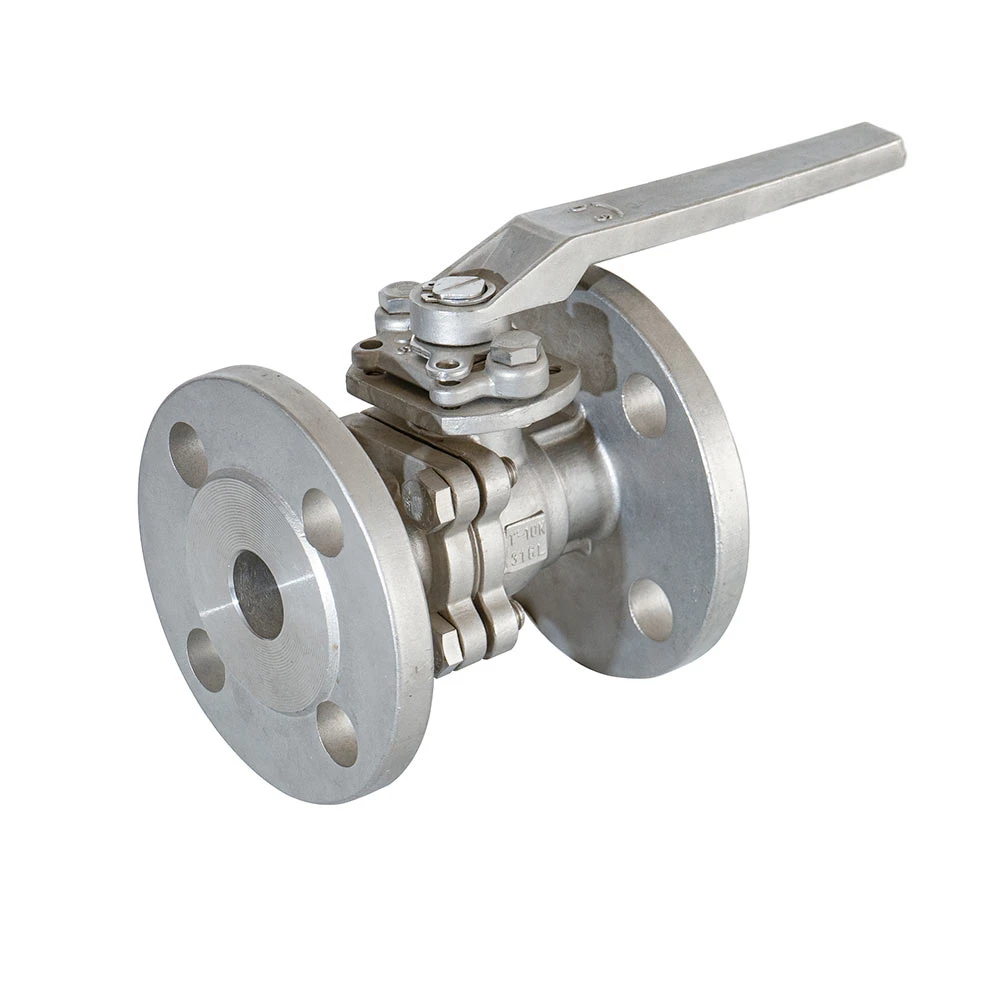
Custom orders for specific industrial needs pop up often. Some factory floors handle abrasive slurries, requiring reinforced bodies or replaceable screens. Others opt for flanged versus threaded connections; the latter are easier for field swaps but less secure under high vibration. You learn to recommend based not just on specs, but the field realities: will the operator be able to check the screen? Is the installation tight on space? These nuances make all the difference.
Let me share a quick story: a client in Midwest agriculture once had recurring pump failures. We traced it back to sediment build-up and added a 3/4 pipe strainer with a larger basket capacity and quick-clean features. Not only did downtime drop, but the maintenance crew appreciated the simpler screen removal—turns out, ergonomics matter more than we often think.
| Feature | Specification |
|---|---|
| Size | 3/4 inch (DN20) |
| Material | Stainless Steel 304 or 316 |
| Screen Mesh | 40 to 200 mesh (customizable) |
| Pressure Rating | Up to 150 PSI (10 bar) |
| Connection Type | Threaded or Flanged |
| Operating Temperature | -10°C to 150°C (14°F to 302°F) |
Now, when it comes to shopping around, I always urge buyers to check the manufacturer’s reputation and after-sales support. Here’s a quick vendor comparison I put together based on availability, customization, and pricing:
| Vendor | Customization Options | Typical Lead Time | Price Range | Support Quality |
|---|---|---|---|---|
| Houde Valve | Extensive (mesh, body material, connection) | 2–3 weeks | $$$ (mid-high) | Excellent, technical guidance included |
| Generic Supplier A | Limited (mostly standard meshes) | 1–2 weeks | $ (budget) | Basic, mostly online docs |
| PremiumBrand Co. | Moderate (some mesh and body options) | 3–4 weeks | $$$$ (premium) | High, dedicated support reps |
In sum, the 3/4 pipe strainer may look like a simple component, but behind that simplicity is a well-engineered piece that prevents costly system shutdowns. You know, thinking back to some of those old plants I serviced, it’s those small “unsung heroes” like this that kept things humming quietly.
Of course, as with all industrial gear, there’s no one-size-fits-all. It’s crucial to align the specs with your system’s real working conditions. And frankly, investing in a quality strainers often pays for itself in reduced maintenance and longer equipment life.
So whether you’re a seasoned operator or a facility manager just getting familiar with your piping network, keep an eye on those strainers—they do more than you might guess.
References:
- Industrial Piping Design Handbook, 3rd Ed.
- Material Selection for Corrosion Control, ASM International
- Field Reports from Houde Valve Installations (2015-2023)