3 Piece Ball Valve Manufacturers: A Practical Look From the Industry
Having spent over a decade in the industrial equipment world, I’ve had my fair share of encounters with ball valves — and frankly, the 3 piece ball valve manufacturers stand out for their versatile designs and ease of maintenance. It’s one of those components that doesn’t get the spotlight often, but trust me, it quietly keeps some of the most critical systems running smoothly.
Now, a quick confession: when I first started, I didn’t really grasp why a three-piece valve mattered so much compared to simpler designs. But working on the shop floor, seeing tight schedules and safety requirements up close, it became clear. The three-piece design allows maintenance without taking the entire pipeline offline. That’s a game-changer if you’re managing downtime costs or juggling complex process lines.
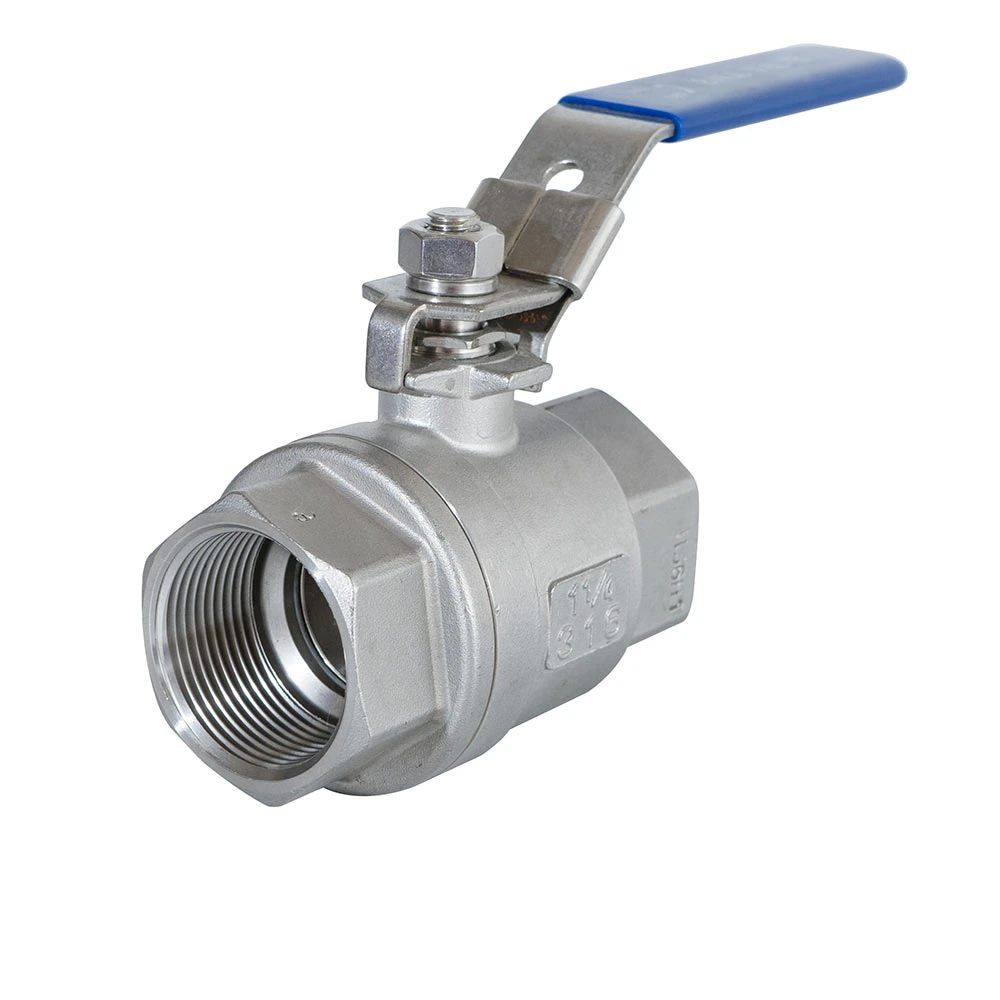
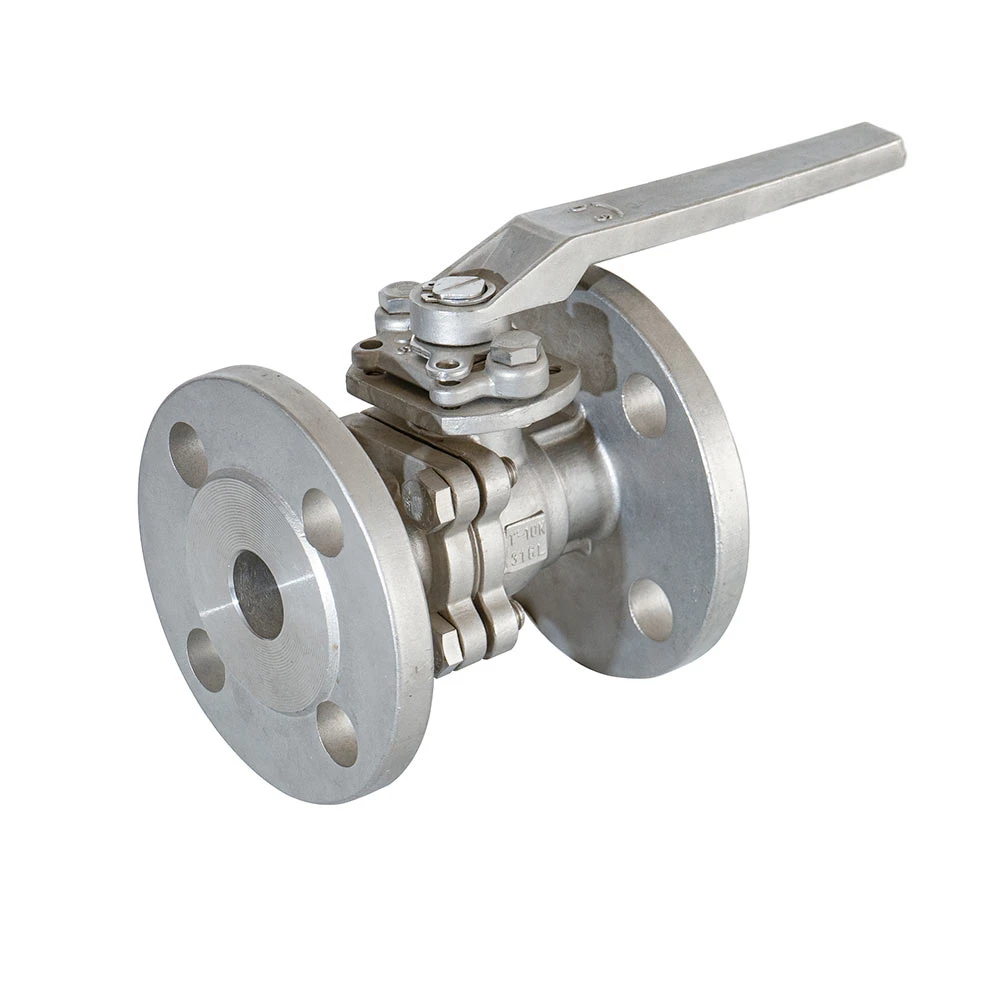
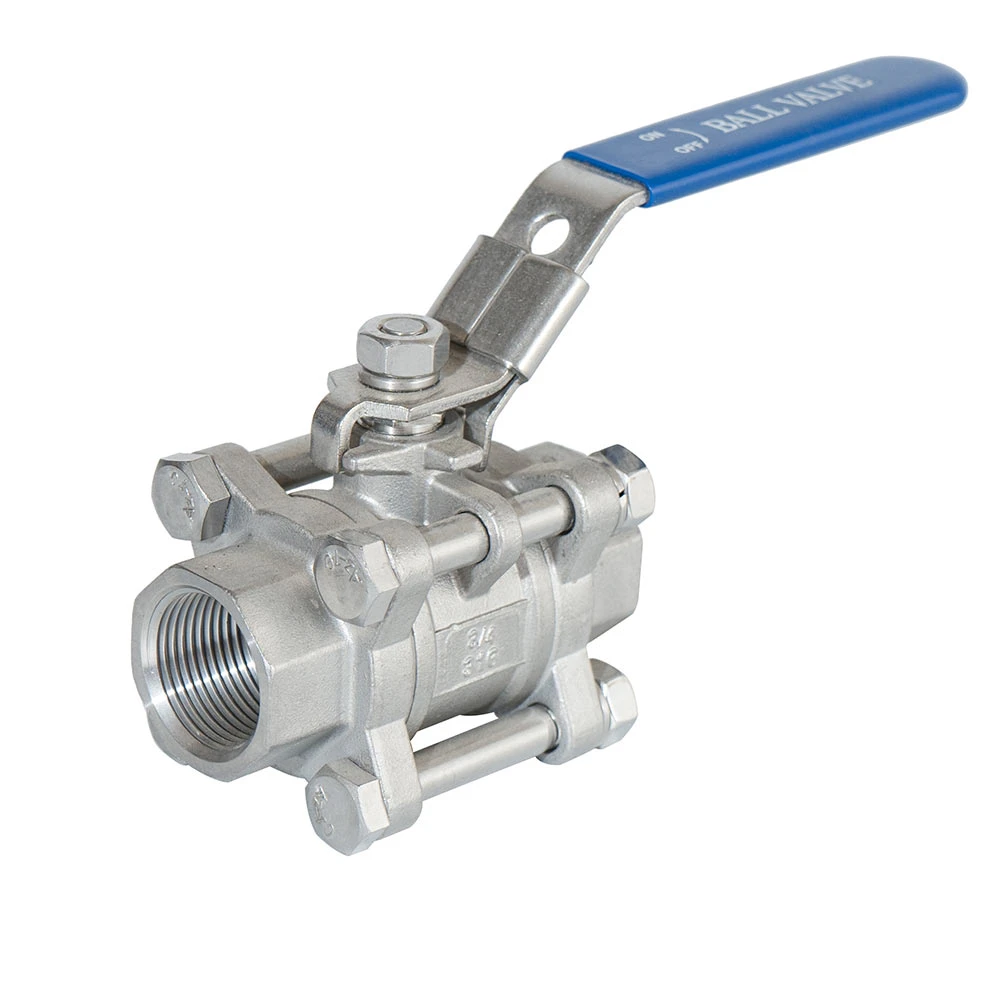
The core design involves a central body holding the ball, with two end caps that are bolted on and can be removed independently. This modular approach means you can service the valve’s internals, replace seals, or upgrade seats without pulling out the whole valve. Companies that understand this — and deliver robust designs — often shine in industrial settings from oil and gas to pharma.
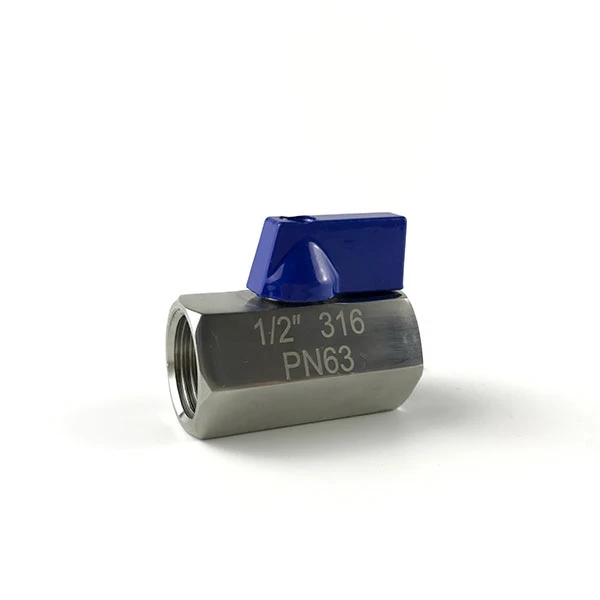
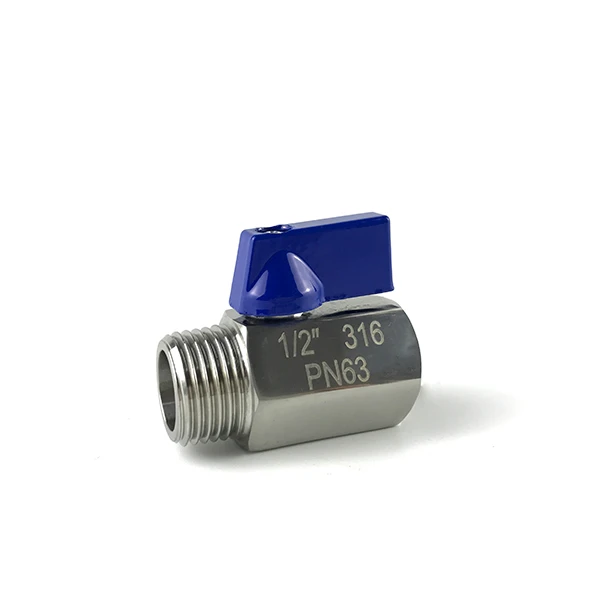
You’ll often see manufacturers offering different materials like stainless steel, carbon steel, or even special alloys depending on your process needs. For example, 316 stainless steel is a favorite when corrosion resistance is a priority, whereas carbon steel might be chosen for less demanding environments due to cost benefits. I’ve noticed many engineers favor valves with blown-out stems and fire-safe designs — those features feel like insurance against leaks and accidents, especially in high-stakes environments.
Here’s a quick rundown of typical 3 piece ball valve specs you might expect — sort of a baseline that vendors adjust from:
| Specification | Typical Range |
|---|---|
| Pressure Rating | Class 150 to 1500 (ANSI) |
| Materials | Carbon Steel, Stainless Steel, Alloy 20, Inconel |
| End Connections | Flanged, Butt Weld, Socket Weld |
| Seal Types | PTFE, RPTFE, Metal Seated |
| Temperature Range | -40°F to 450°F (depending on materials) |
Beyond specs, it’s the vendor differences that make a real impact. Pricing and lead times are obvious, but I always look deeper into quality assurance practices. Some manufacturers emphasize extensive testing — think shell and seat tests that replicate extreme operating conditions. Others highlight certifications like API 6D or ISO 9001, which frankly can tell you a lot about their process rigor.
Here’s a quick vendor snapshot comparing a few well-known manufacturers in this space, including the one I’ve linked, known for consistent quality and engineering support:
| Manufacturer | Materials Offered | Typical Lead Time | Certifications | Key Features |
|---|---|---|---|---|
| Houde Valve | Stainless Steel, Carbon Steel, Special Alloys | 4-6 weeks | API 6D, ISO 9001 | Modular design, fire-safe, anti-static |
| ABC Valves Co. | Carbon Steel, Alloy 20 | 6-8 weeks | API 6D | Cost-effective, basic maintenance design |
| Global Valve Tech | Inconel, Stainless Steel | 5-7 weeks | ISO 9001, PED | High-performance alloys, customized solutions |
I remember a project where a major refinery switched several valves to a three-piece design from Houde Valve, mainly for the retrofit ease and their reputation for solid after-sales support. The technicians found the valves straightforward to dismantle and reseal on site, which saved days of downtime compared to what had been the norm.
All in all, selecting a 3 piece ball valve manufacturer is more than just ticking boxes on pressure ratings or materials. It really pays to consider the technical support available, design features like fire-safe certification, and real-world testimonials (sometimes the unspoken factors that make or break a project).
Oddly enough, some companies still underestimate the value of a good valve supplier partnership. But in real terms, these partnerships save trouble, time, and often money. So whether it’s a corrosive chemical plant or a steam line at a power plant, the right valve and the right manufacturer can quietly keep operations humming — for decades.
In short: the 3 piece ball valve might seem plain, but in the hands of the right manufacturer, it’s a powerful, adaptable workhorse.
References:
1. API Specification 6D
2. ISO 9001 Quality Management Systems
3. Industry case studies and direct field experience