SS Valves and Fittings: Why Stainless Steel Still Reigns Supreme
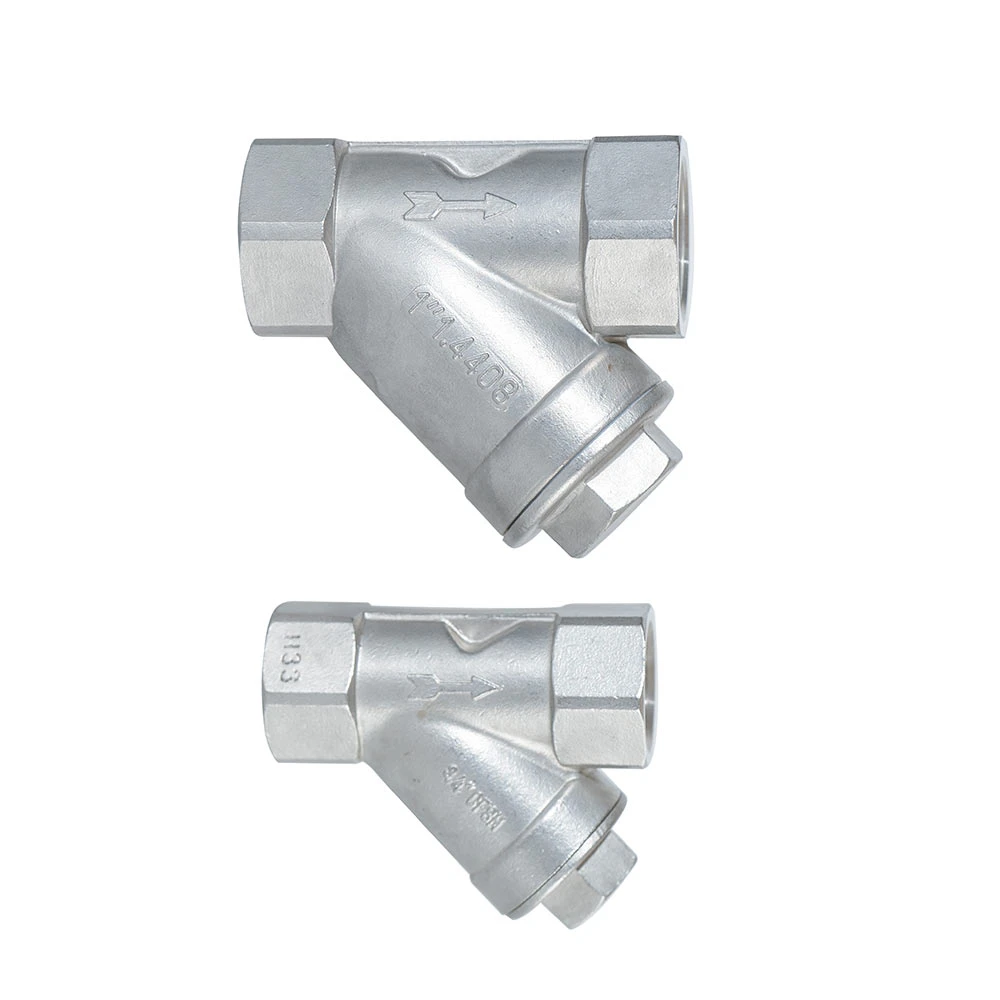
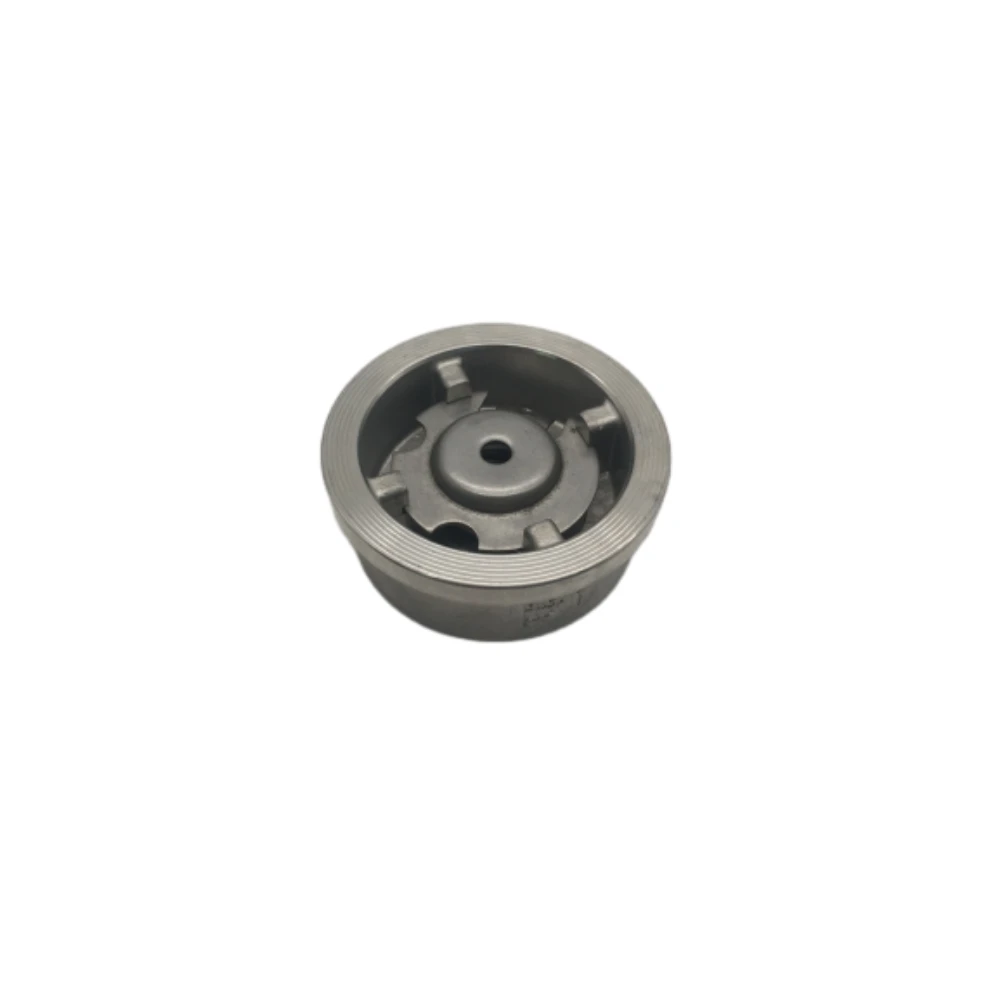
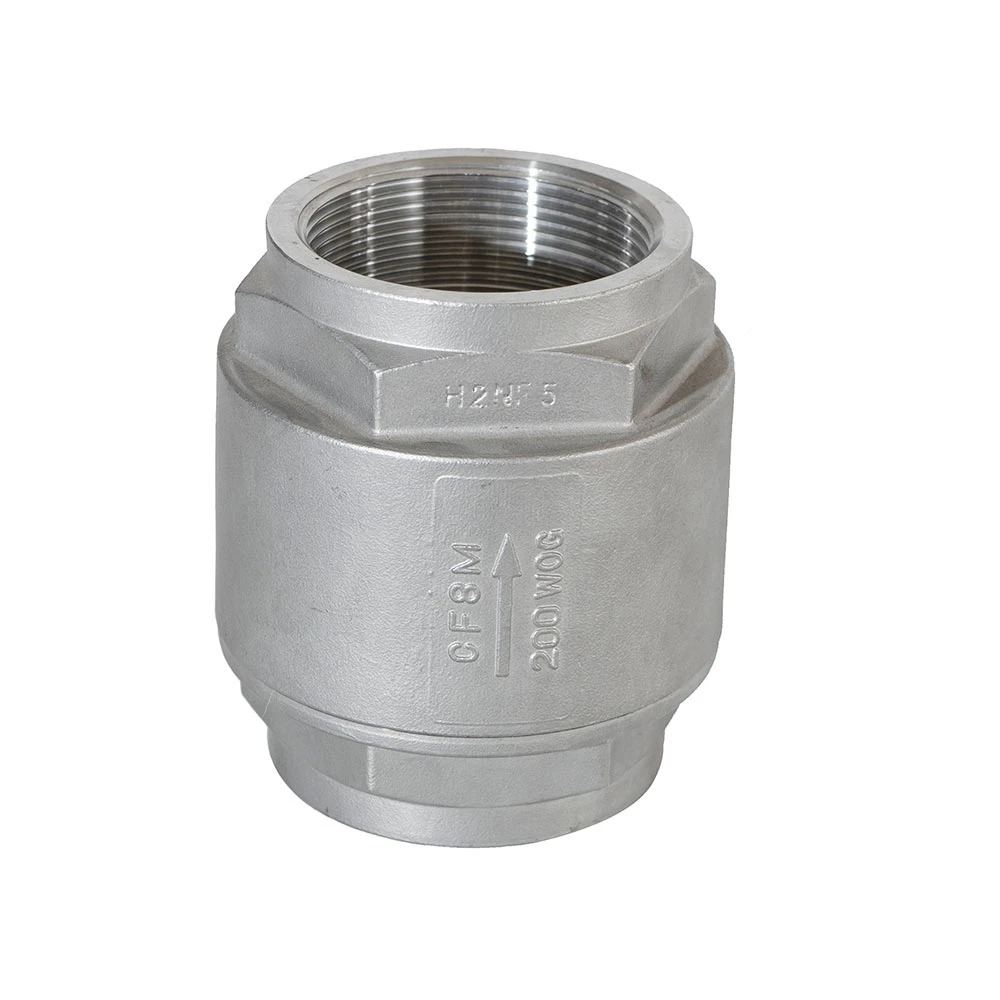
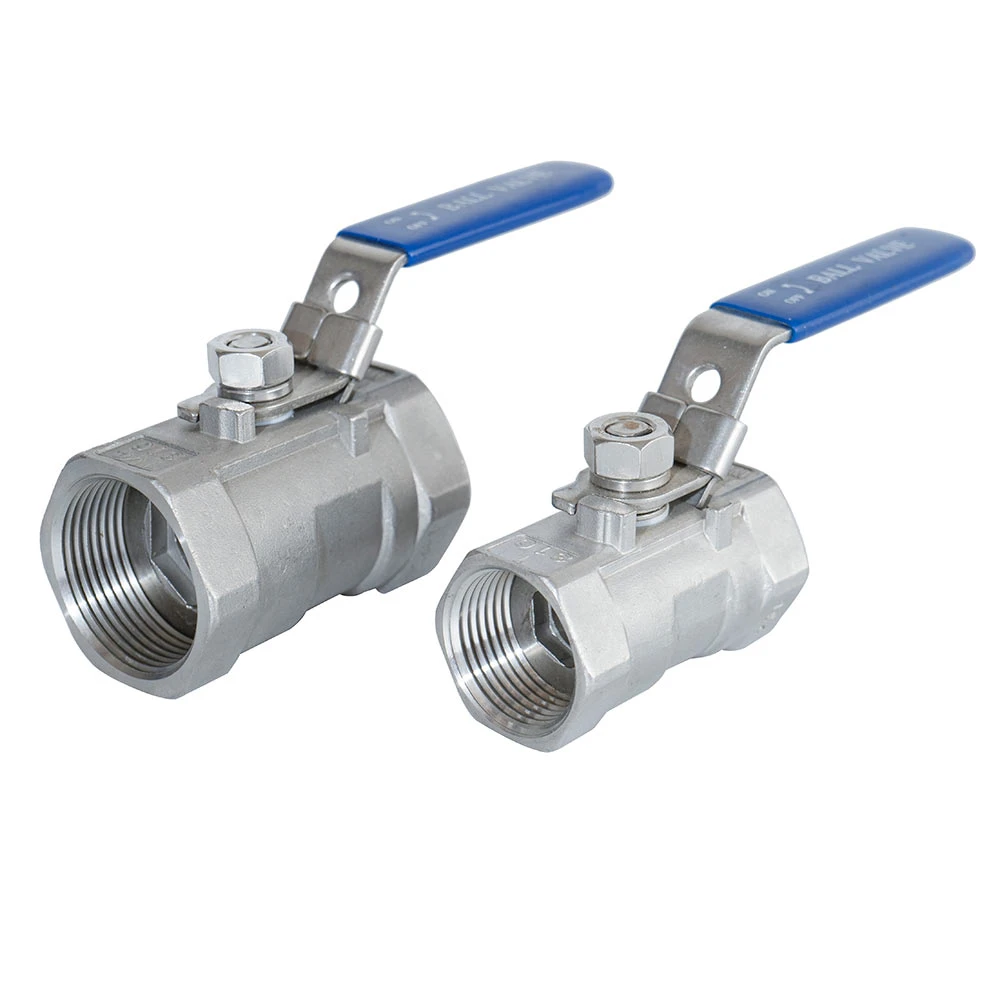
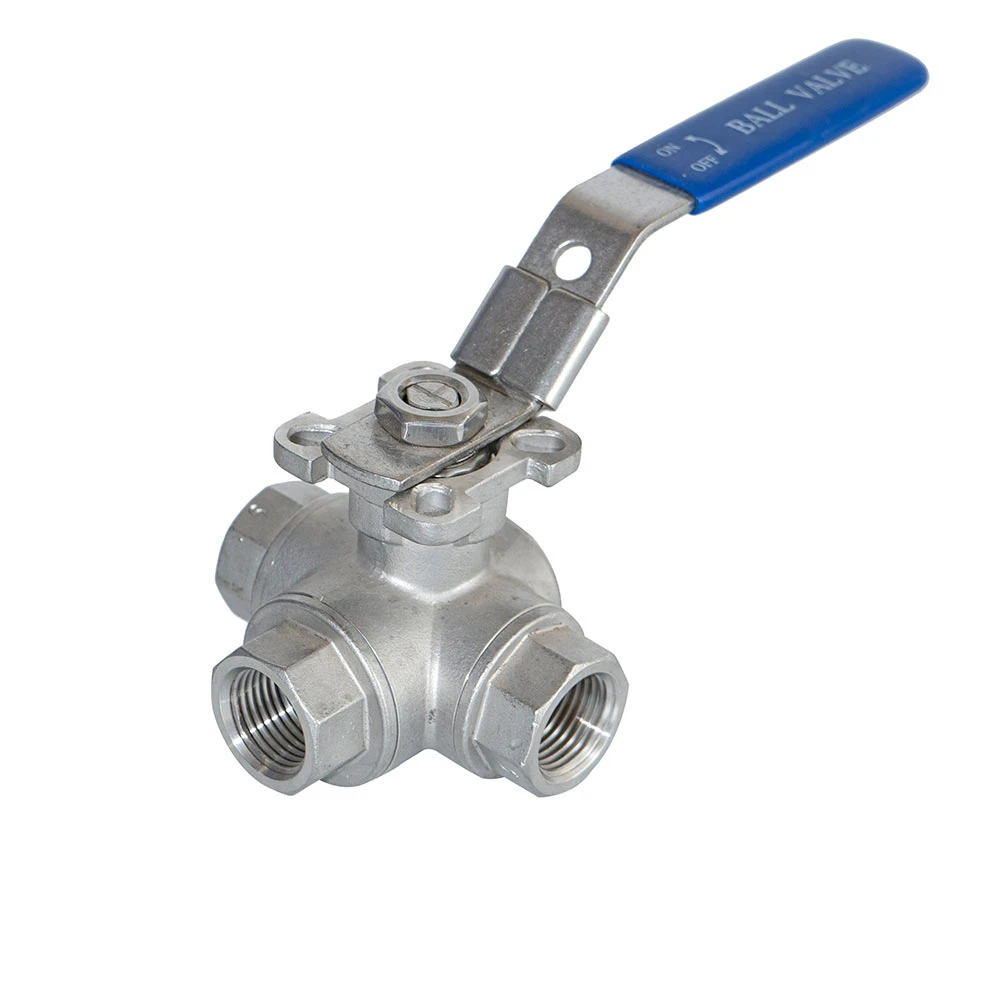
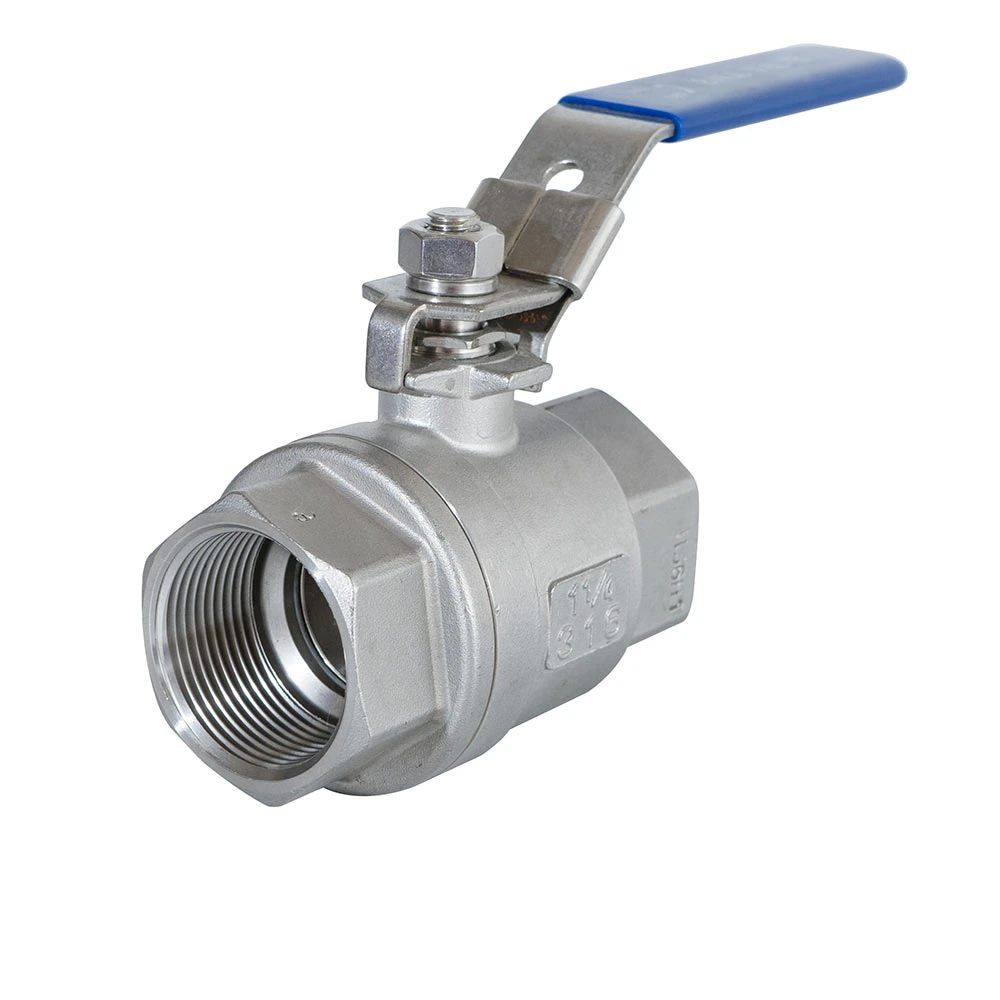
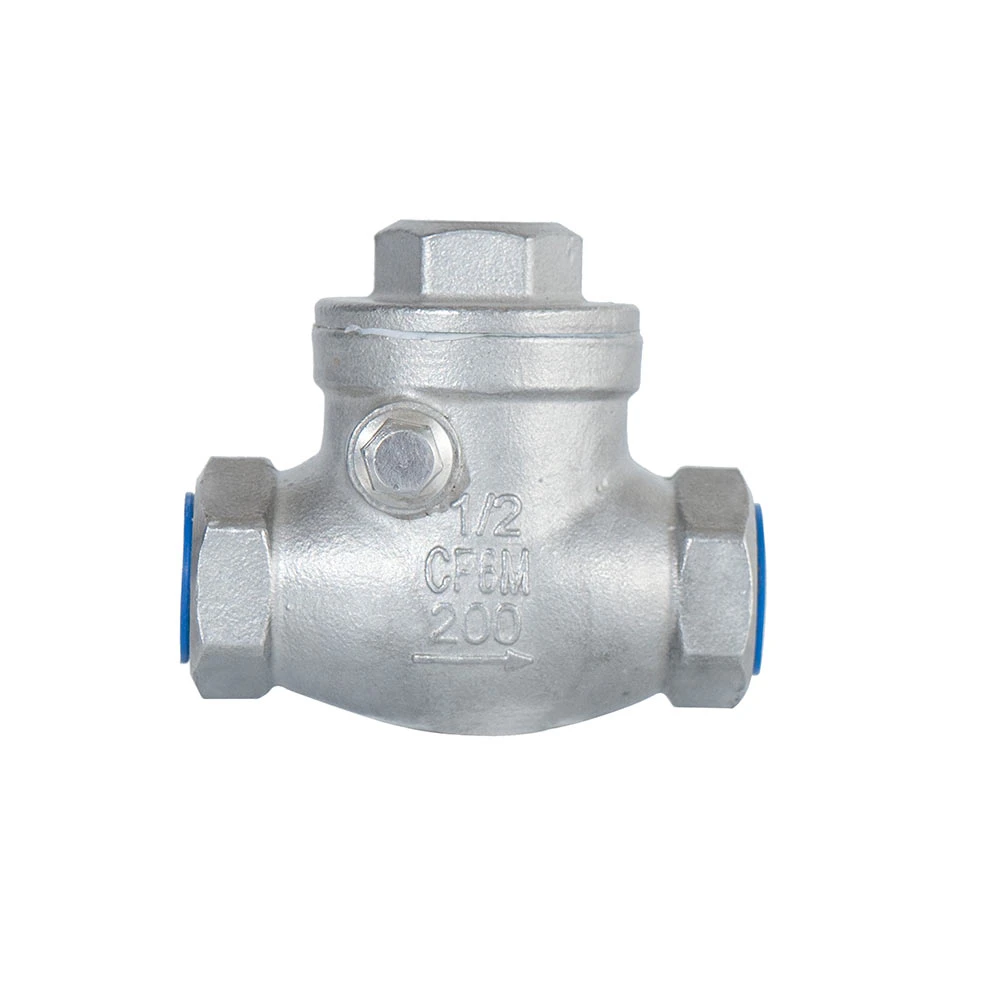
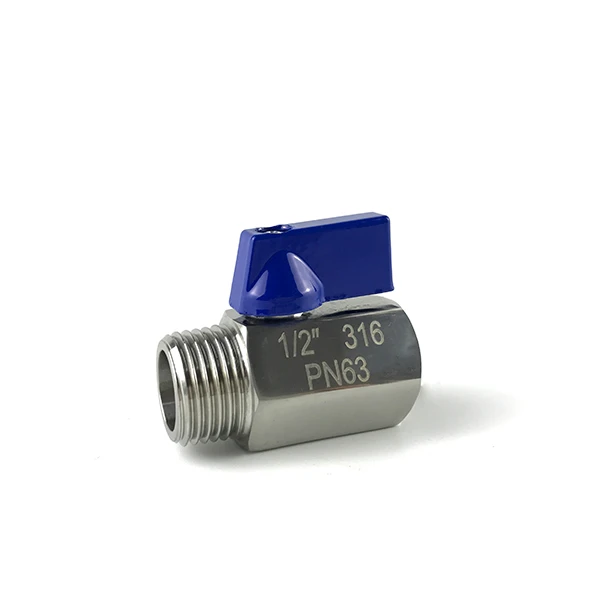
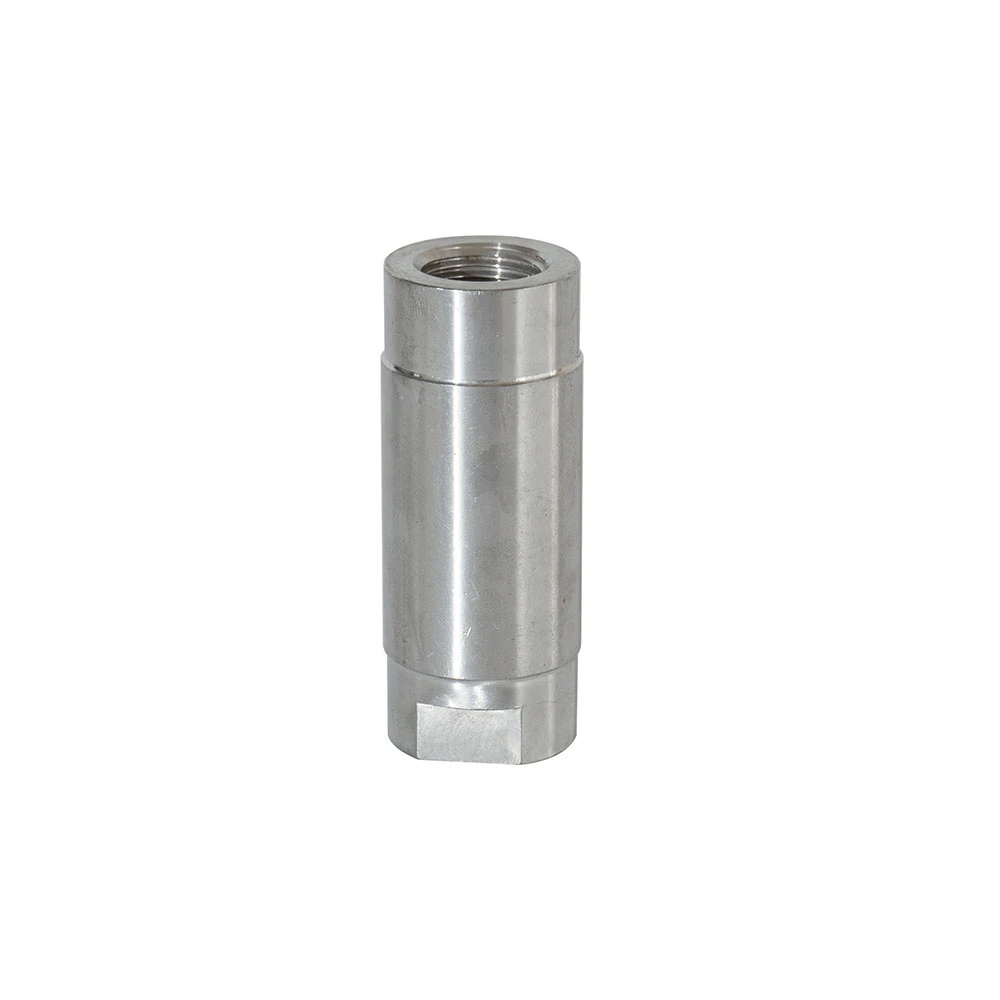
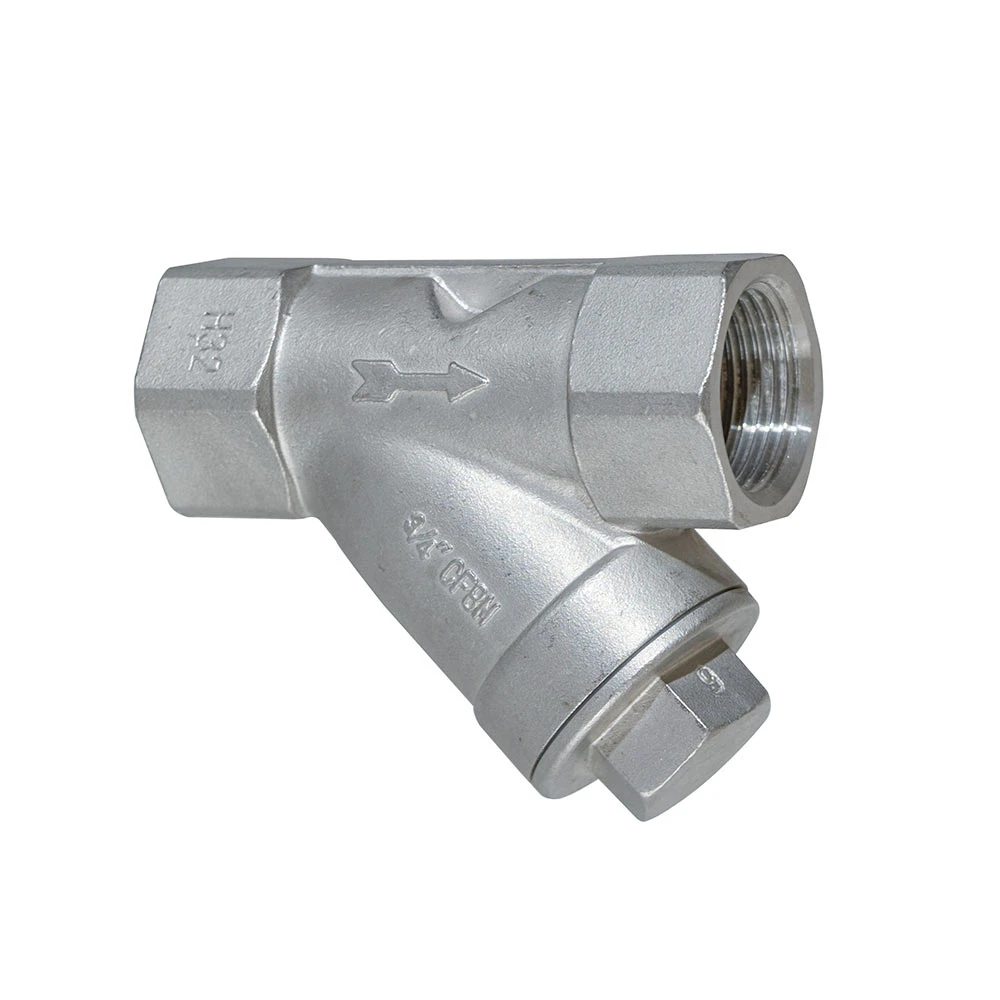
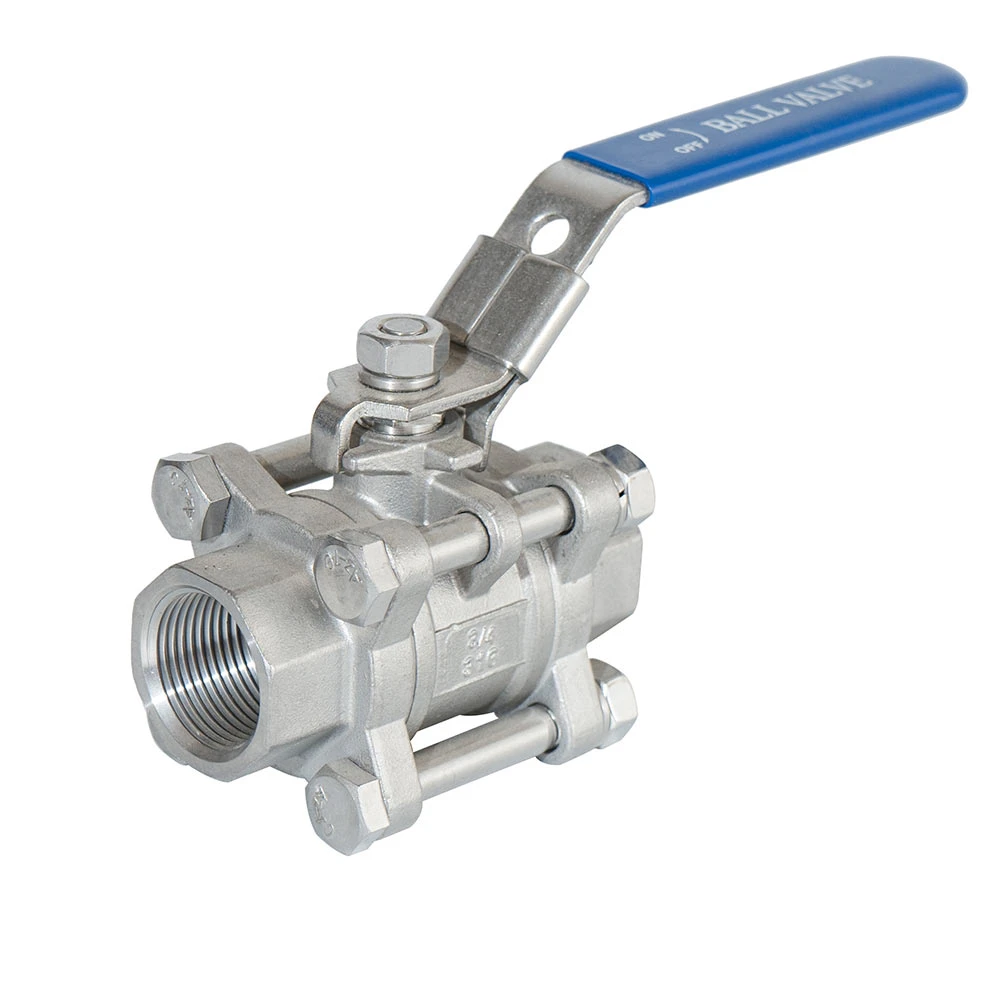
Having spent more than a decade in the industrial equipment trenches, I can honestly say that not all valves and fittings get the same nod of respect. SS valves and fittings—that is, stainless steel versions—often stand out for their balance of durability, corrosion resistance, and flexibility in application. I suppose it’s no surprise when you consider how industries like chemical processing, oil & gas, and water treatment lean heavily on materials that won’t degrade at the slightest provocation.
Oddly enough, when I first started, I underestimated the nuances between stainless steel grades and how they dictate valve performance. It feels like an overly technical detail to outsiders, but in real terms, choosing the right SS grade—304, 316, or specialty alloys—can make or break a project.
Material Matters: Why Stainless Steel?
I remember a case where a client was battling severe valve erosion due to exposure to chlorides. Switching to 316-grade SS fittings improved their uptime dramatically. In industrial parlance, 316 adds molybdenum, which ramps up corrosion resistance against chlorides—a lifesaver in marine or chemical environments.
Besides resistance, stainless steel valves and fittings tolerate high pressures and temperatures better than many alternatives. They combine strength with a kind of graceful resistance to pitting and cracking that seems built for long hauls. And yes, the ease of fabrication and cleaning makes SS a favorite in hygienic industries, too.
Key Specs to Watch
| Specification | Typical Range / Feature | Notes |
|---|---|---|
| Material Grades | 304, 316, 316L | 316 is more corrosion resistant |
| Pressure Rating | Up to 6000 PSI | Depends on valve type and size |
| Temperature Range | -196°C to 500°C | Wide range suits varied processes |
| Connection Types | Butt weld, threaded, flanged | Choice depends on installation |
| Common Standards | ANSI, API, ASTM | Ensures reliability and compliance |
How to Choose a Supplier: Vendor Comparison at a Glance
From direct experience, vendor choice is as crucial as selecting the material itself. I’ve tracked several suppliers over the years and noticed some clear gaps in customization options, lead times, and quality assurance.
| Vendor | Customization | Lead Time | Testing & Certification | Pricing |
|---|---|---|---|---|
| Houde Valve | High – tailored specs available | 4-6 weeks | API 6D, ISO certified | Competitive |
| Supplier B | Medium – standard options | 6-8 weeks | ISO certified | Moderate |
| Supplier C | Low – mostly catalog items | 2-3 weeks | Limited or none | Low |
Customers I’ve worked with often appreciate the detailed certifications and extra quality inspections from Houde Valve. It feels like they really understand the tight tolerances and harsh environments these valves have to handle, which frankly, doesn’t come through with every vendor.
Customization and Testing: What You Should Expect
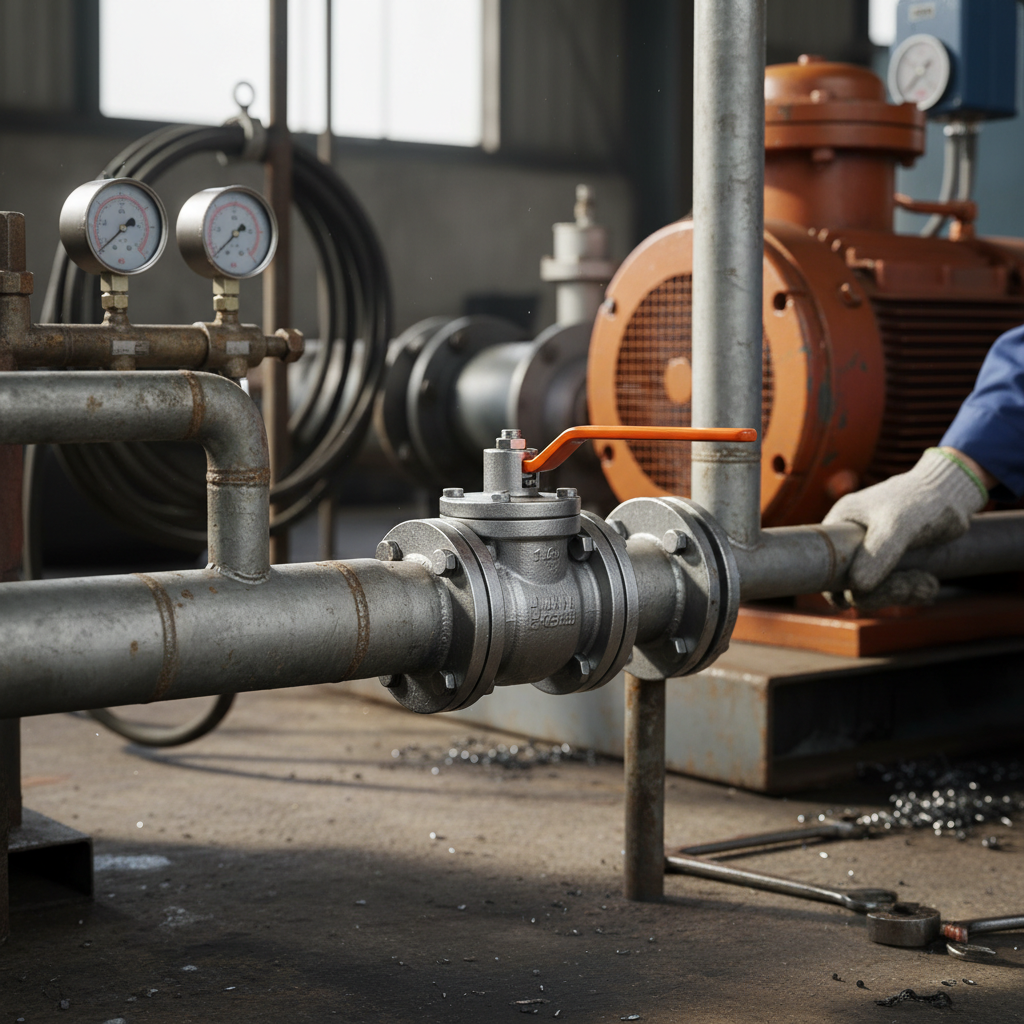
One story that sticks with me involved an offshore platform where the client requested custom SS fittings with enhanced sealing surfaces. The project couldn’t afford any downtime because swapping valves offshore is no joke. The supplier’s ability to tweak design specs and run tight pressure tests saved a lot of headache — and money.
In the field, it’s these little things — traceability, testing documentation, consistent grade application — that separate the “okay” from the “exceptional.” Trust me, many engineers say these parts are only as good as their QA processes, not just the raw steel quality.
If you’re looking to invest in reliable, long-lasting valves and fittings, it’s worth keeping these insights in mind. Don’t just buy steel; buy peace of mind.
In short: stainless steel valves may sound like a simple commodity, but the details go deep. Picking the right product and partner actually can save you from some nasty operational headaches down the line.
References:
1. ASTM A351/A182 Stainless Steel Valve Standards
2. API 6D Pipeline Valve Specification Guide
3. Personal industry experience engaging multiple industrial clients from 2009–2023