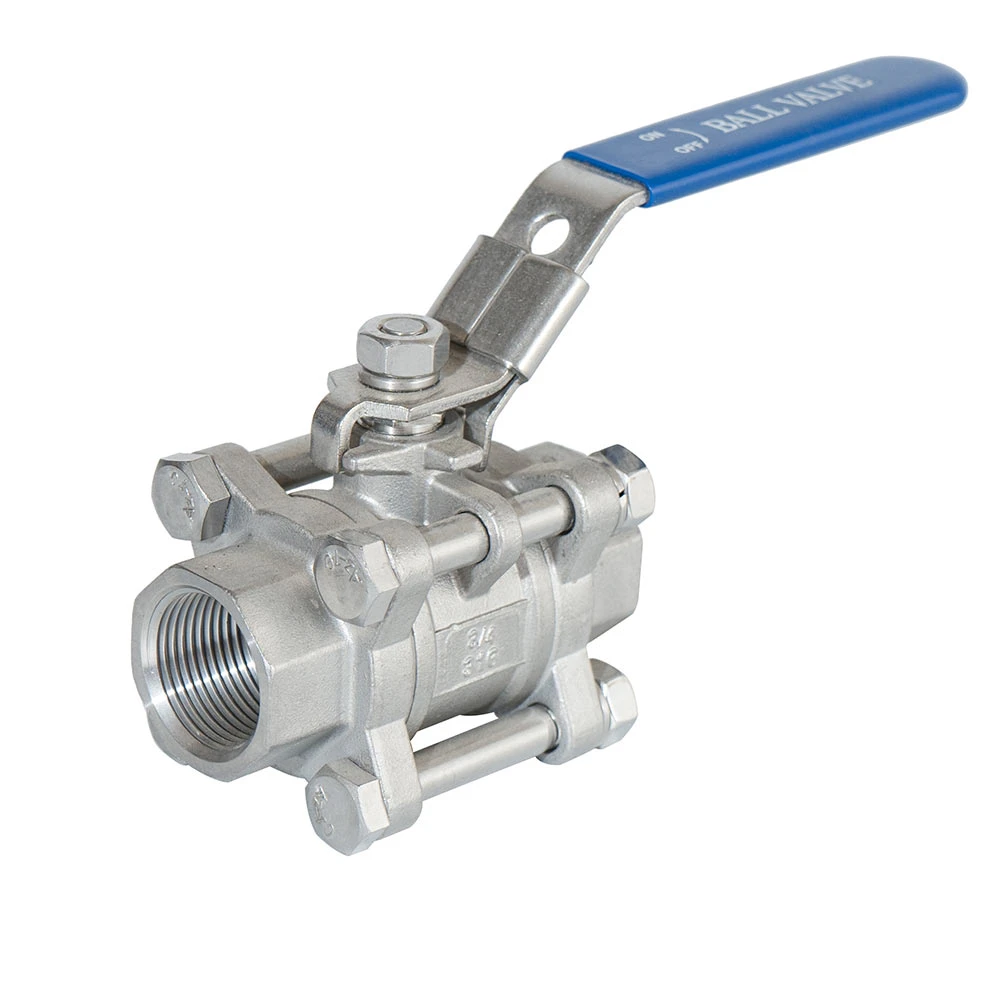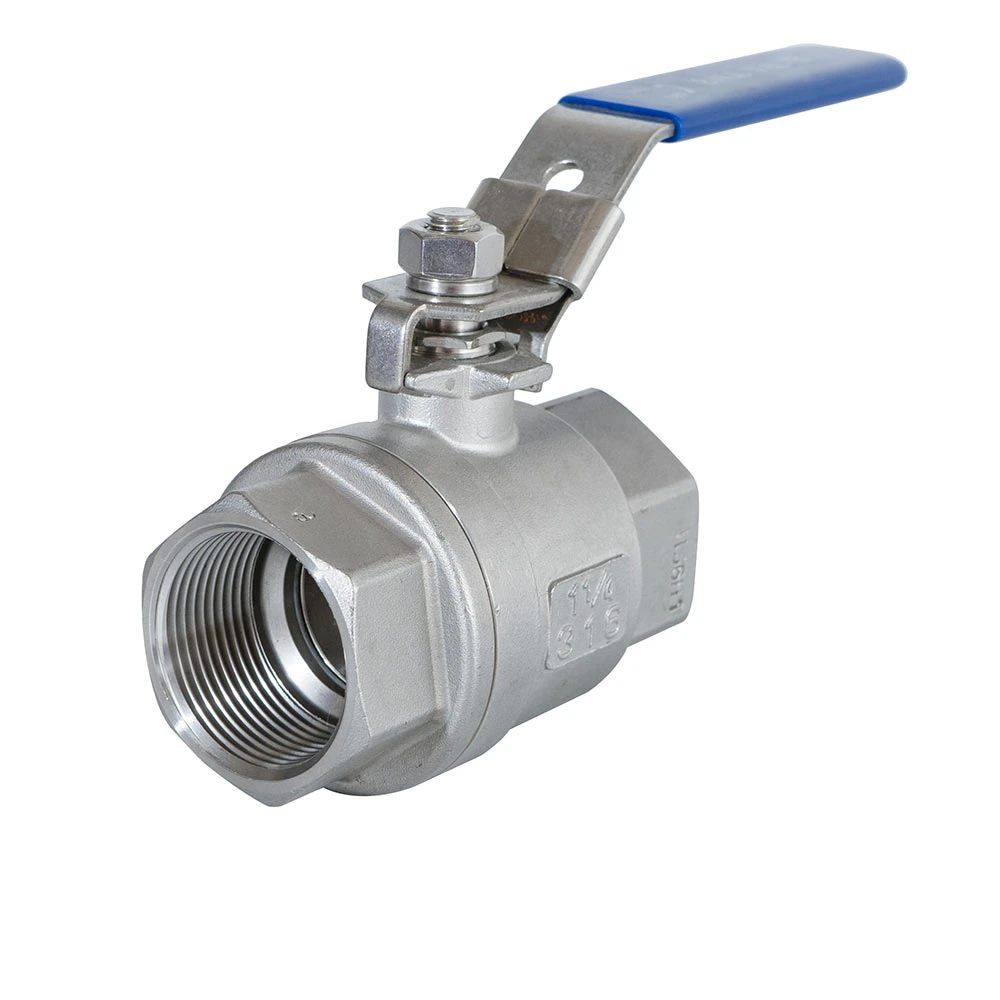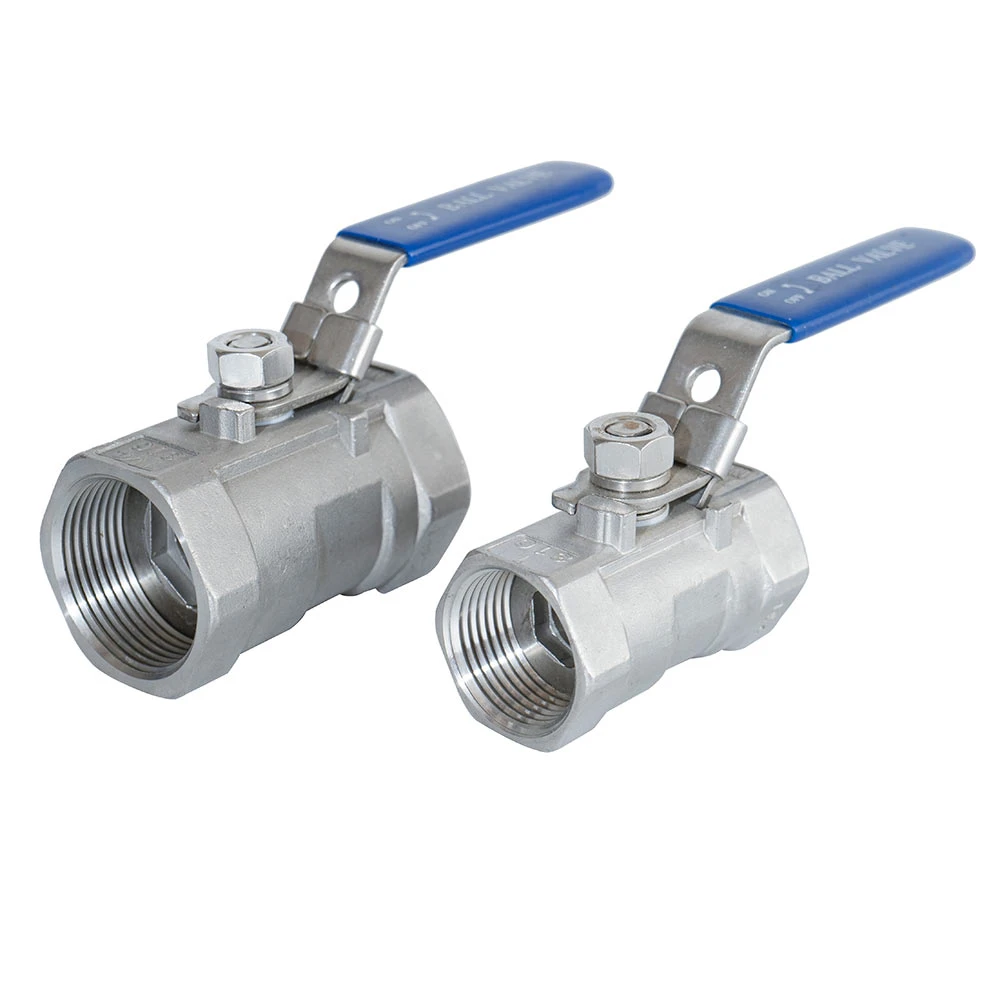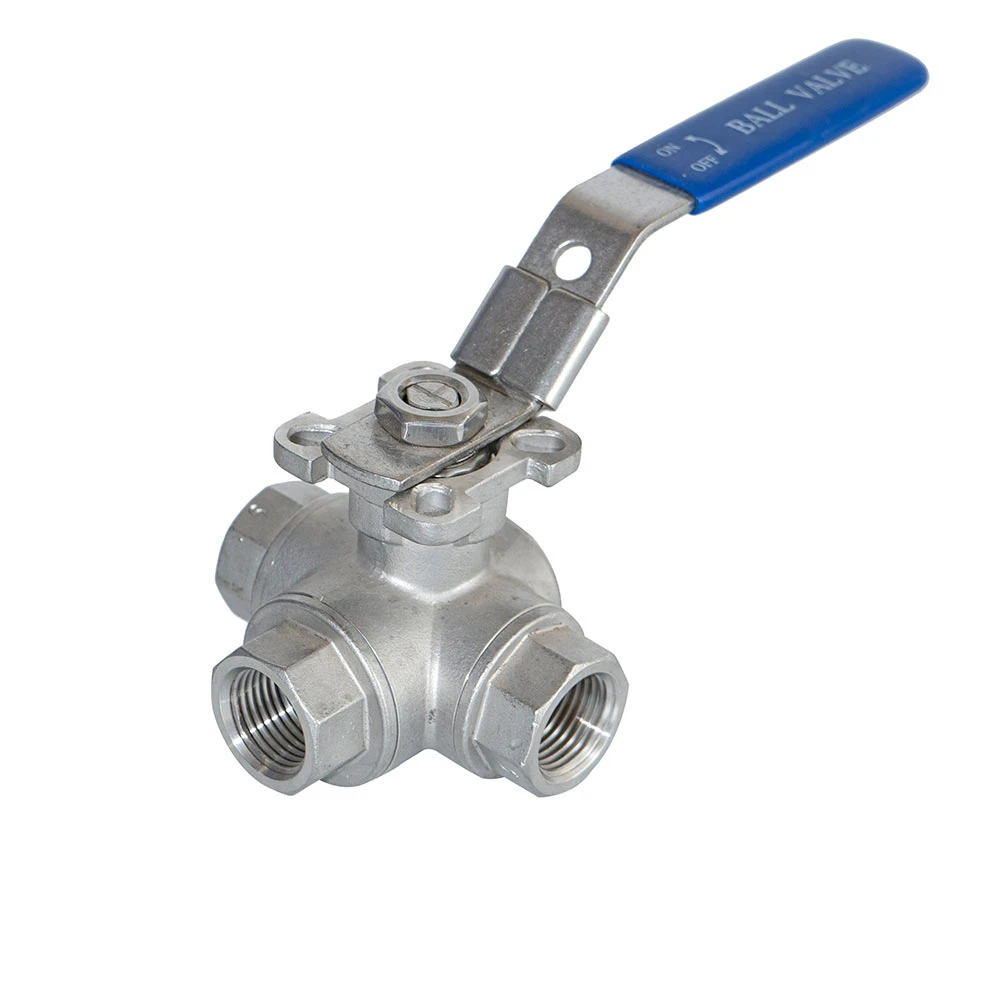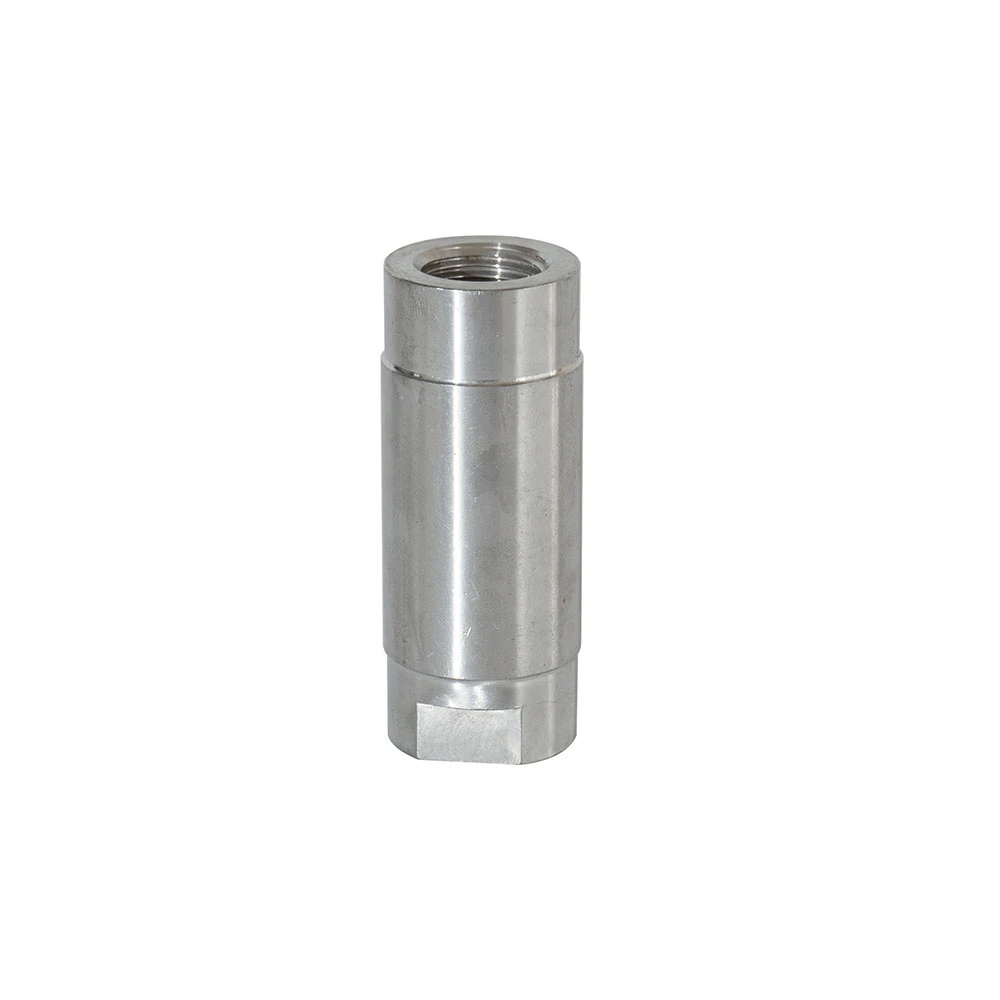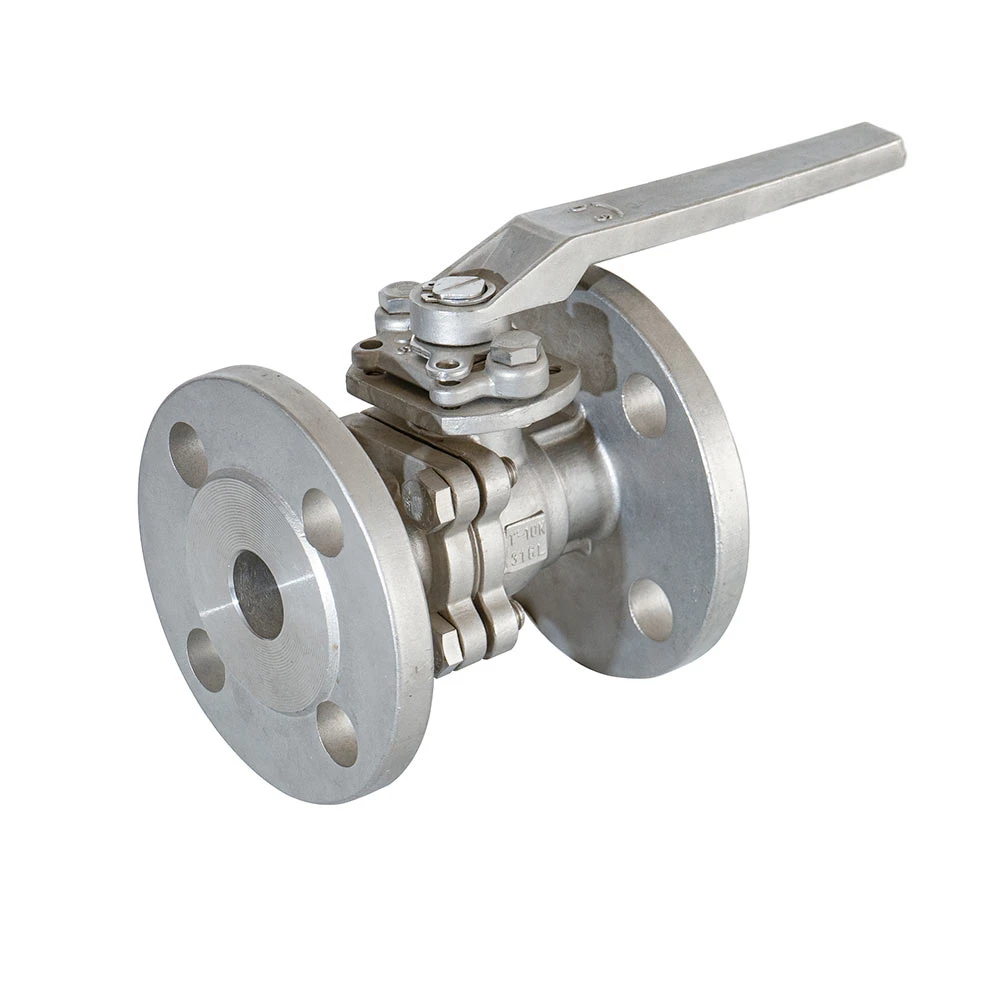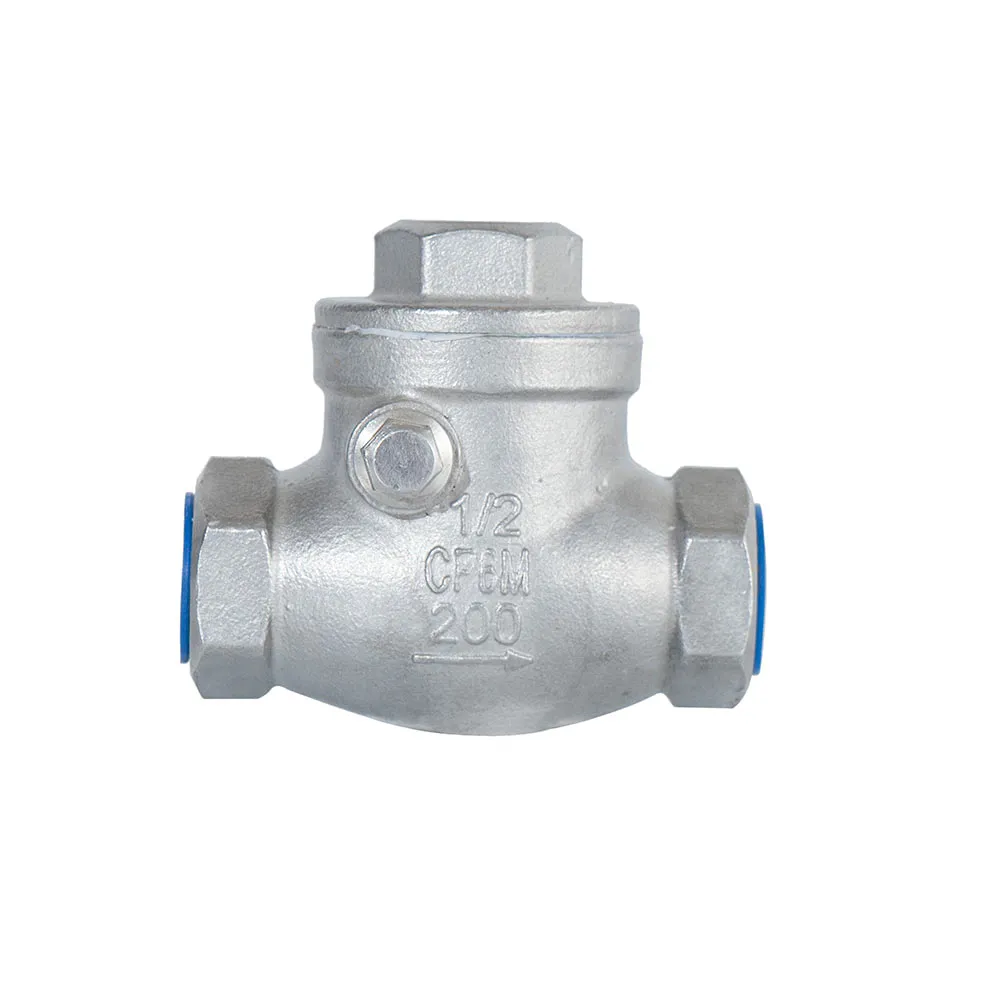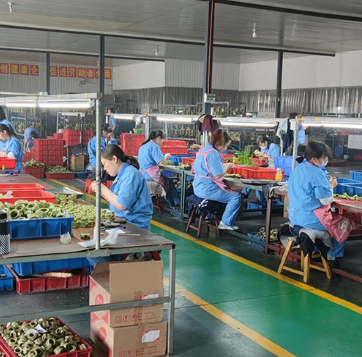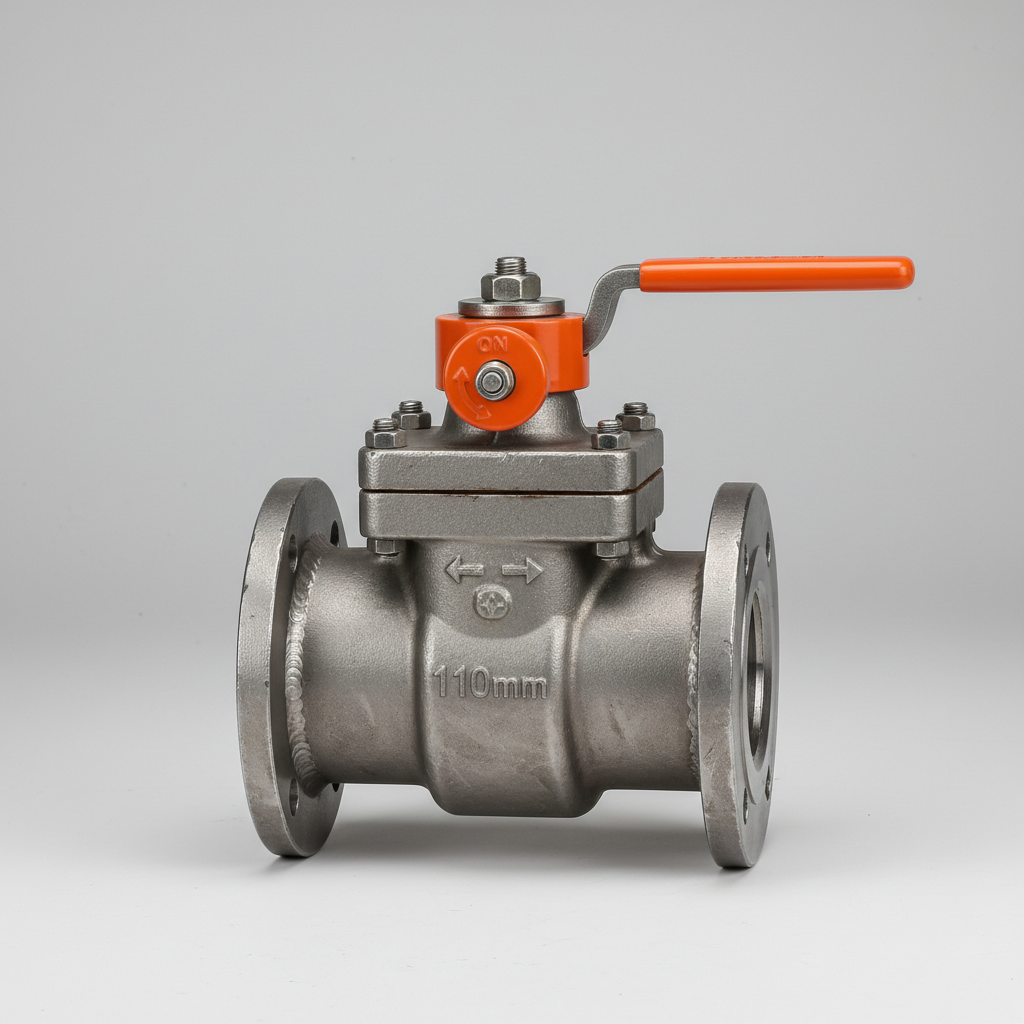
Understanding the Stainless Steel 3 8 Ball Valve: A Small Component with Global Impact
At first glance, a stainless steel 3 8 ball valve might just seem like a tiny, unremarkable hardware piece — a valve that fits a 3/8-inch piping system, made from stainless steel. But oddly enough, this small component plays a pivotal role in countless industries worldwide, from water treatment to oil and gas, and even humanitarian infrastructure projects. Understanding its design, applications, and benefits isn't just for engineers; it’s key to improving efficiency and safety on a global scale.
Global Industry Context
Globally, valves are integral to controlling fluid flow in pipelines and machinery. According to the International Organization for Standardization (ISO), industrial valve demand is projected to rise sharply with expanding urbanization and infrastructure development, especially across Asia and North America. A 2023 World Bank report highlighted how controlling water flow with precision valves can reduce leakages by up to 40%, which is critical for water-scarce regions.
Yet, one of the big challenges has been ensuring valves offer durability, corrosion resistance, and precise control — all within compact sizes like the 3/8 inch type. The stainless steel 3 8 ball valve is often the go-to solution to meet these exacting demands.
Defining the Stainless Steel 3 8 Ball Valve
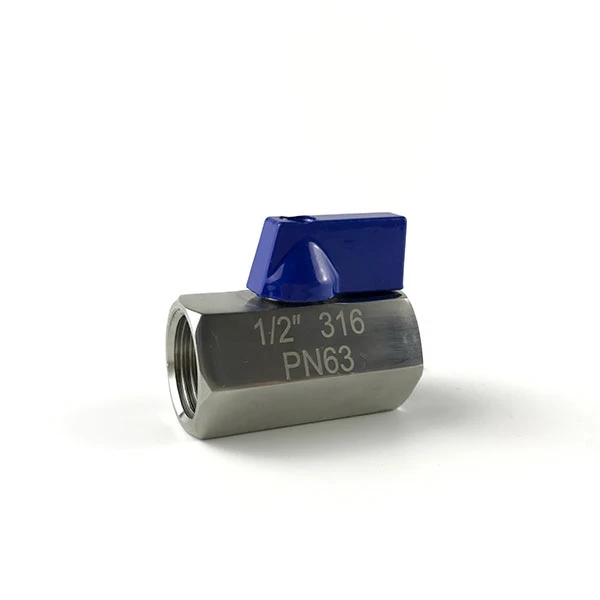
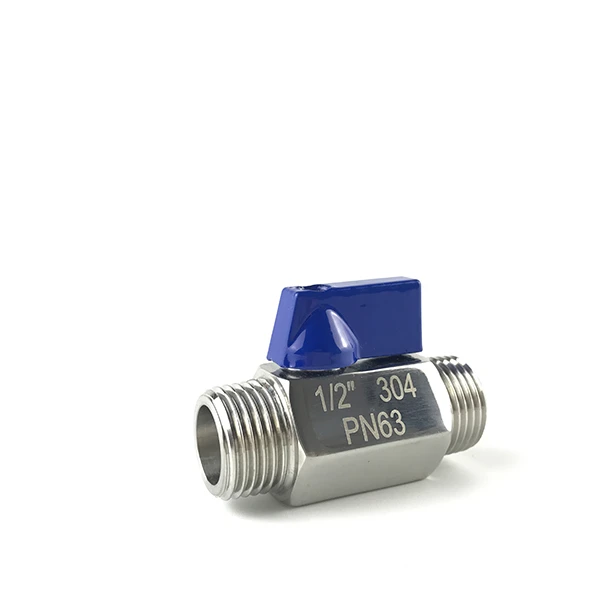
So what exactly is this valve? Simply put, it's a quarter-turn valve that uses a hollow, perforated, and pivoting stainless steel ball to regulate fluid flow. The "3 8" refers to the valve’s nominal pipe size, essentially matching pipes with 3/8 inch diameter. Stainless steel ensures the valve won’t rust or degrade in challenging environments, ranging from salty seawater pipelines to chemical plants.
This valve's simplicity yet reliability connects it to core modern industry needs — allowing precise control, quick shut-off, and long service life. In humanitarian settings, these valves appear in portable water systems and mobile sanitation units where reliability under harsh conditions is critical.
Key Factors That Define Stainless Steel 3 8 Ball Valves
Durability
Thanks to stainless steel’s resistance to corrosion, oxidation, and chemical attack, these valves last longer, reducing replacement and maintenance costs. They withstand temperature ranges from -20°C up to 180°C, making them versatile across industrial sectors.
Ease of Operation
The ball valve’s quarter-turn mechanism means fluid flow is controlled quickly and with minimal effort. This ease of use proves vital in emergency shut-off scenarios or automated systems.
Compact Size & Scalability
A 3 8 ball valve fits tight piping spaces — a perfect balance between manageable flow and equipment size. As systems scale up or down, these valves integrate seamlessly across different setups.
Cost Efficiency
While stainless steel valves command a higher upfront cost than brass or plastic counterparts, their longevity and minimal leakage translate into overall savings. Frankly, many operators find it hard to justify anything less reliable.
Safety & Reliability
Industry standards require valves to operate without leaks even under high pressure. The robust sealing design minimizes risk — vital in chemical or gas transport applications where any leak can have disastrous consequences.
Product Specification: Stainless Steel 3 8 Ball Valve
| Specification | Details |
|---|---|
| Material | 304 or 316 Stainless Steel |
| Size | 3/8 inch (10 mm) nominal diameter |
| Pressure Rating | Up to 1000 PSI |
| Temperature Range | -20°C to 180°C |
| End Connections | Threaded, Socket Weld, or Butt Weld |
| Operation | Manual or automated actuator compatible |
Mini takeaway: The stainless steel 3 8 ball valve offers a robust, compact solution that thrives across a vast array of demanding environments.
Global Applications & Use Cases
Industries across the globe rely on these compact valves:
- Oil and Gas: Control lines, instrumentation, and sampling points use 3/8 stainless ball valves to ensure leak-free operation in corrosive and high-pressure environments.
- Water Treatment: Municipalities and NGOs deploy these valves in remote water filtration units, where reliability and corrosion resistance are paramount.
- Pharmaceutical and Food Processing: Sanitary versions of the valve help secure hygienic fluid control, protecting product integrity and consumer safety.
- Disaster Relief Operations: Rapidly deployable water systems use these valves thanks to their ease of installation and dependable sealing—critical after floods or earthquakes.
From North America’s advanced manufacturing plants to rural areas in Africa relying on waterproof water systems, the stainless steel 3 8 ball valve quietly holds pipelines together.
Vendor Comparison Table: Stainless Steel 3 8 Ball Valve Providers
| Vendor | Material Options | Price Range | Delivery Time | Customization |
|---|---|---|---|---|
| Houde Valve | 304, 316 Stainless Steel | Moderate | 2-4 weeks | High – custom sizes and finishes |
| Global Valve Co. | 304 Stainless Steel | Low | 4-6 weeks | Limited |
| Prime Tech Valves | 316 Stainless Steel | High | 1-3 weeks | Medium |
Advantages & Long-Term Value of Stainless Steel 3 8 Ball Valves
Owning a stainless steel 3 8 ball valve means investing in longevity and peace of mind. Here’s why:
- Cost Savings: Reduced maintenance frequency and minimized downtime save operational budgets.
- Sustainability: Stainless steel is recyclable, and long-lasting valves mean fewer replacements wasting resources.
- Safety: Leak-proof design protects people and environments when handling hazardous fluids.
- Reliability: Tight shut-off ensures system integrity during emergencies or maintenance.
- Emotional Impact: For engineers and operators, reliable valves provide trust that systems won’t fail unexpectedly—something that matters more than you’d think.
Future Trends & Innovations
The valve landscape is evolving quite fast. Digitalization brings “smart valves” with embedded sensors for real-time status monitoring. Material science is pushing new stainless alloys and coatings that resist biofouling and extreme temperatures. Also, sustainability is influencing designs toward low-waste manufacturing and compatibility with green fuels like hydrogen.
It all points to stainless steel 3 8 ball valves becoming smarter, tougher, and greener—fitting nicely into Industry 4.0 and the global sustainability push.
Challenges & Solutions
Despite their strengths, there are a few pain points. Threaded connections can sometimes loosen in vibration-prone environments, causing leaks. Also, high upfront costs may deter smaller operators. However, using locknuts, thread sealants, and considering socket weld end connections can mitigate these issues. Additionally, manufacturers offering modular designs and financing plans can help reduce barriers for widespread adoption.
FAQ: Stainless Steel 3 8 Ball Valve
Q1: What makes stainless steel 3 8 ball valves better than brass valves?
A1: Stainless steel offers superior corrosion resistance, especially in harsh chemical or saline environments, and generally has better mechanical strength. Brass valves are cheaper but can degrade faster under certain conditions.
Q2: Can these valves handle high-pressure water systems?
A2: Yes, 3 8 stainless steel ball valves are rated up to around 1000 PSI, making them suitable for most residential and commercial high-pressure applications.
Q3: How do I maintain a stainless steel 3 8 ball valve?
A3: Regular inspections, occasional lubrication of the stem, and ensuring tight seals help maintain valve performance. Stainless steel reduces corrosion worries, but mechanical wear still warrants periodic checks.
Q4: Are these valves compatible with automated actuators?
A4: Usually yes. Most valves have standard mounting dimensions conforming to ISO 5211, allowing easy integration with pneumatic or electric actuators.
Conclusion
In real terms, the stainless steel 3 8 ball valve might be tiny but its impact is undeniably broad — controlling vital flows in critical infrastructure globally. Its blend of durability, precision, and safety makes it indispensable across industries and humanitarian fields alike. If you’re considering valves for your next project, or looking to upgrade to more reliable components, I’d definitely recommend checking out stainless steel 3 8 ball valve options from a trusted supplier like Houde Valve.
Visit their website to learn more about specifications, customizations, and how these unassuming valves keep the world flowing smoothly.
Final takeaway: A seemingly simple valve, when designed right and deployed well, can actually support massive, lasting improvements far beyond its size.