Understanding the Stainless Steel 3 Way Valve: A Global Industrial Backbone
If you've ever dealt with complex fluid control systems—whether in water treatment, chemical processing, or even pharmaceutical production—you've probably come across a stainless steel 3 way valve. At first glance, it might seem like just another pipe fitting. But frankly, this component plays a pivotal role worldwide, enabling efficient, safe, and adaptable flow management. Understanding it is more than an engineering detail; it’s a window into how industries solve critical challenges every day.
Why the Stainless Steel 3 Way Valve Matters Globally
The global valve market is forecasted to hit $116 billion by 2027, driven by infrastructure upgrades and growing industrial demands (source: Global Industry Analysts). Stainless steel 3 way valves, in particular, offer a versatile solution that supports water conservation initiatives, chemical safety standards, and energy-efficient operations across continents.
In regions battling water scarcity or requiring robust chemical processing—think parts of the Middle East or Southeast Asia—these valves ensure that fluids are directed precisely where needed with minimal leakage or contamination risks. Oddly enough, despite their humble size, these valves are central to sustainable development goals like clean water and responsible industrialization (UN SDGs 6 and 9).
Defining the Stainless Steel 3 Way Valve
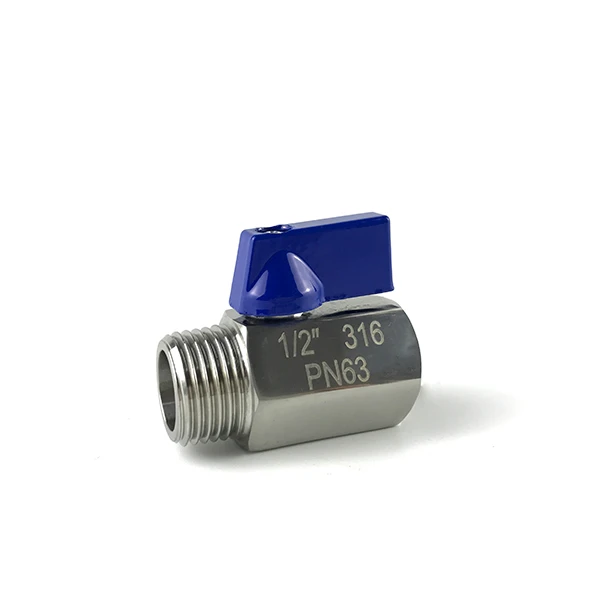
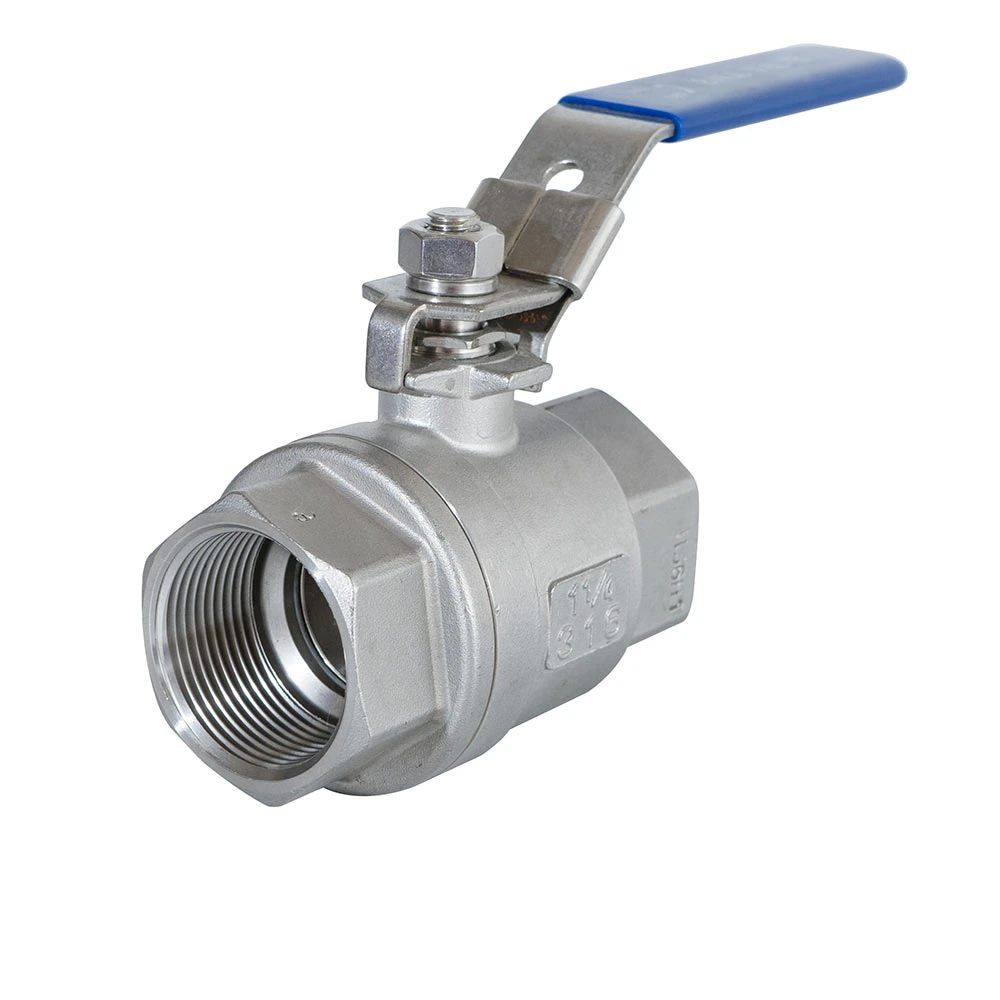
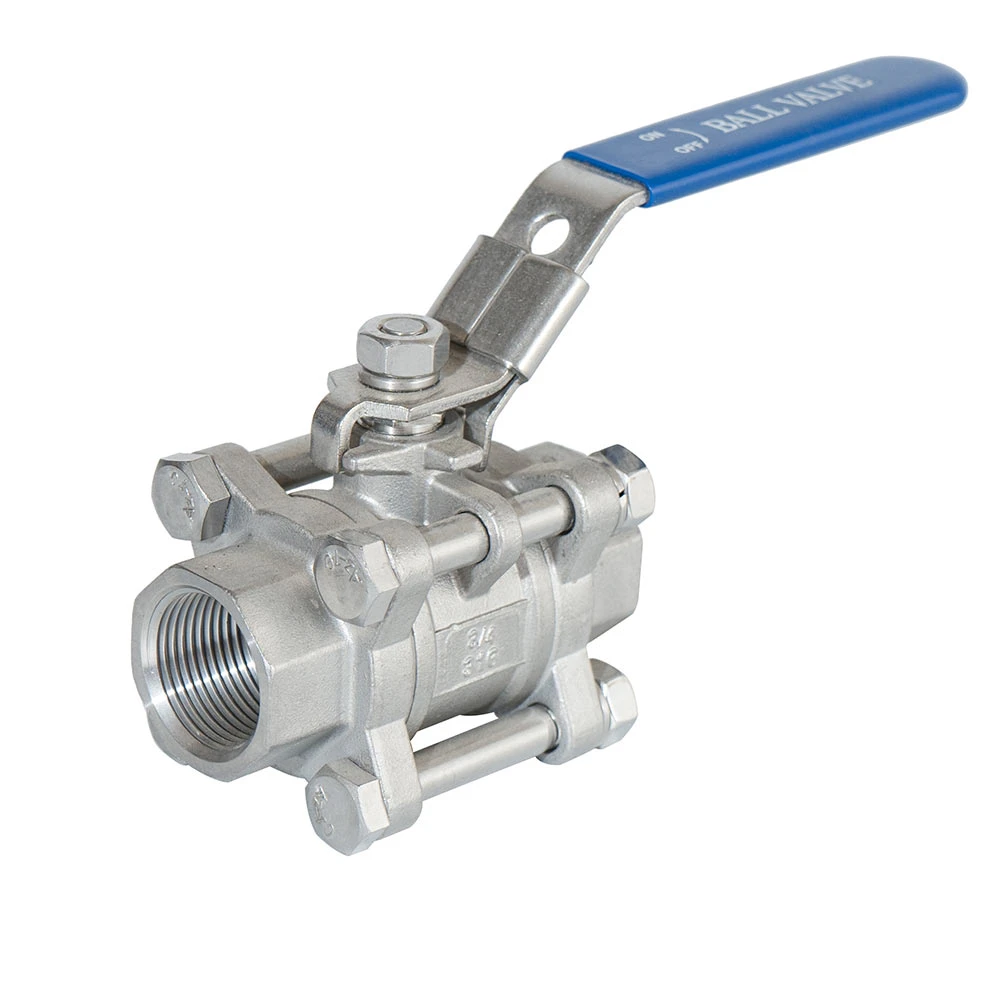
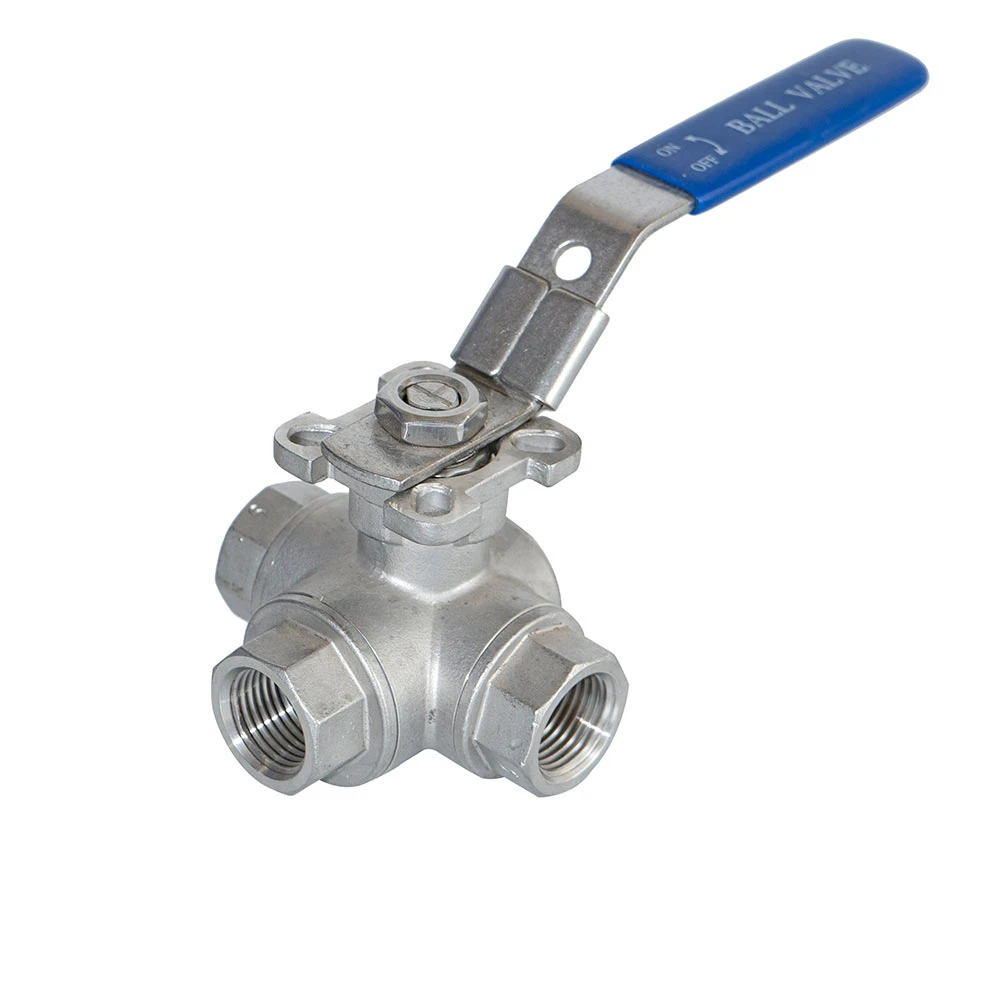
Simply put, a stainless steel 3 way valve is a device with three ports allowing fluids to flow from one inlet to two outlets, or vice versa, enabling diversion, mixing, or shutoff functions within a piping system. Constructed from corrosion-resistant stainless steel alloys, these valves withstand harsh chemical environments, high pressure, and extreme temperatures.
Their role extends beyond mere plumbing; they’re essential in modern industries where precision flow control impacts quality, safety, and efficiency—for example, ensuring pharmaceutical fluids mix correctly or clean water routes without contaminant cross-flow.
Core Components and Key Factors
1. Durability
The hallmark of stainless steel is its corrosion resistance and mechanical strength, which ensures longevity even in aggressive environments like saltwater processing or acidic chemical plants.
2. Design Versatility
3 way valves come in L-port or T-port configurations, allowing them to divert flow, mix fluids, or switch supply lines. This adaptability means one valve can replace several conventional parts.
3. Pressure and Temperature Handling
They are engineered to safely operate in pressures from vacuum to several hundred psi, and temperatures ranging from freezing to several hundred degrees Celsius, meeting rigorous industry standards such as ISO 5208 or API 598.
4. Ease of Automation
Many stainless steel 3 way valves integrate smoothly with actuators and control systems, enabling remote or automated operation crucial for industries progressing toward Industry 4.0.
5. Maintenance and Cost Efficiency
Minimal downtime and long maintenance intervals reduce capital and operational expenditures, critical for sectors where unscheduled shutdowns lead to significant losses.
Mini takeaway: The stainless steel 3 way valve isn’t just a part—it’s a system enabler, blending robust materials and clever design for diverse applications.
Global Applications and Use Cases
- Water Treatment Plants: Diverting clean and wastewater streams to optimize purification cycles.
- Chemical Manufacturing: Mixing reactive fluids safely in precise ratios.
- Oil & Gas: Redirecting petroleum flows for refining or pipeline maintenance.
- Food & Beverage: Ensuring hygienic handling of liquids with sanitary valve variants.
- Post-Disaster Relief: In remote or disaster-stricken areas, portable water purification systems rely on these valves to maintain safe water distribution.
For example, in Southeast Asia’s rapid industrial expansion, stainless steel 3 way valves have become indispensable in ensuring process reliability and environmental compliance.
Advantages and Long-Term Value
Choosing stainless steel for these valves means countering corrosion and contamination, which directly translates into safety and sustainability. Moreover, from an emotional perspective, industries trust these valves because they know failure can endanger lives or the environment. The resilient nature of stainless steel valves partly builds this trust—it's tangible, you know?
Long term, the benefits are clear:
- Cost Savings: Reduced replacements and maintenance.
- Sustainability: Supporting water and energy conservation strategies.
- Innovation Friendly: Compatibility with smart actuators for process optimization.
- Safety & Compliance: Meeting stringent regulatory requirements lubricates smoother global trade.
Mini takeaway: Stainless steel 3 way valves are more than hardware—they’re investments in operational resilience and regulatory assurance.
Product Specification Table: Typical Stainless Steel 3 Way Valve
| Specification | Value |
|---|---|
| Material | 304 / 316 Stainless Steel |
| Port Type | L-Port / T-Port |
| Pressure Rating | Up to 1000 psi |
| Temperature Range | -40°C to 250°C |
| Connection Types | Flanged, Threaded, Welded |
| Standards | ISO 9001, API 598 |
Vendor Comparison Table: Leading Stainless Steel 3 Way Valve Manufacturers
| Vendor | Material Options | Pressure Range | Automation Support | Lead Time |
|---|---|---|---|---|
| Houde Valve | 304, 316L SS | Vacuum to 1000 psi | Yes, various actuators | 4-6 weeks |
| Global Valves Inc. | 316 SS only | Up to 1500 psi | Limited | 6-8 weeks |
| ValveTech Solutions | 304 SS standard | Up to 900 psi | Full automation suite | 3-5 weeks |
Future Trends and Innovations
The stainless steel 3 way valve industry is looking ahead with a few exciting advancements. Digitalization is growing fast—smart valves now feature sensors that monitor flow, temperature, and valve health in real time, feeding data back to control centers. This capability reduces downtime and allows predictive maintenance.
Materials innovation is also underway. New stainless steel alloys and coatings aim to boost resistance to microbial corrosion, vital for pharmaceutical or food-grade systems. Additionally, green energy projects, such as hydrogen fuel infrastructure, increasingly rely on valves capable of withstanding unique pressures and chemical exposures.
Challenges and Solutions in Application
Of course, no solution is perfect. Stainless steel 3 way valves can be expensive upfront, and their installation requires skilled technicians to ensure proper sealing and alignment. In harsh environments, unexpected wear can still occur.
But innovations in manufacturing tolerances, plus cost optimization through modular designs, are addressing these concerns. Moreover, advances in remote diagnostics and self-lubricating materials help keep maintenance costs down.
Frequently Asked Questions About Stainless Steel 3 Way Valves
- Q: What industries benefit the most from stainless steel 3 way valves?
- A: Mostly sectors handling corrosive fluids or requiring hygienic operations, like chemical processing, water treatment, pharmaceuticals, and food & beverage industries.
- Q: Can stainless steel 3 way valves be automated?
- A: Absolutely. Many models are compatible with electric, pneumatic, or hydraulic actuators, allowing remote control and integration into smart systems.
- Q: How do I choose between an L-port and T-port 3 way valve?
- L-port valves are typically used for diverting flow, while T-port valves allow mixing or splitting flows. Your specific process requirements will determine the best fit.
- Q: Are these valves suitable for extreme temperature applications?
- Yes, stainless steel 3 way valves can generally handle a broad temperature range (-40°C to 250°C or higher with special materials), suitable for many industrial processes.
- Q: How often should these valves be maintained?
- Maintenance intervals vary but usually fall between 6 to 12 months depending on usage intensity and fluid type. Remote monitoring sensors can extend intervals by predicting issues early.
Conclusion: Why Stainless Steel 3 Way Valves Remain Invaluable
Drawing all this together, the stainless steel 3 way valve isn’t just a hardware piece; it’s a cornerstone of modern industrial efficiency, safety, and sustainability. From reducing waste to ensuring clean water flow, it quietly supports operations essential to global well-being.
If you want to explore a wide selection of durable and precisely engineered valves, look no further than Houde Valve's stainless steel 3 way valve collection. Whether you need customization, automation compatibility, or simply a reliable valve to last years, they’ve got you covered.
After all, in a world where flow control truly shapes outcomes — shouldn't you trust the valve that professionals worldwide rely on?
Mini takeaway: Stainless steel 3 way valves are a blend of resilience, versatility, and innovation—a quiet hero in the machinery of progress.
References: