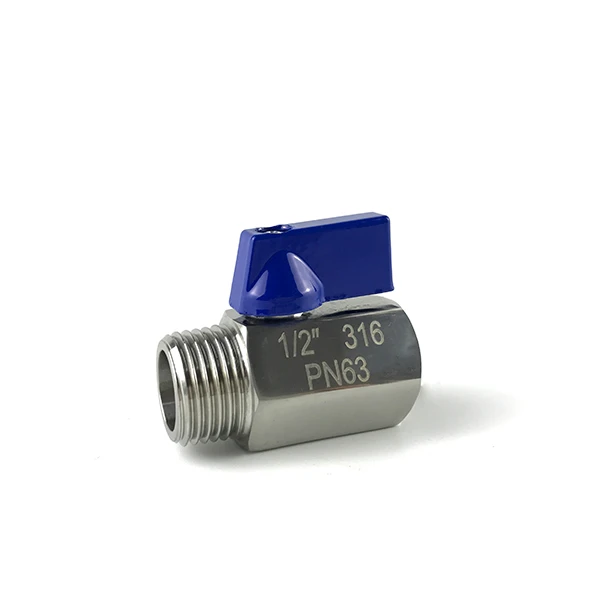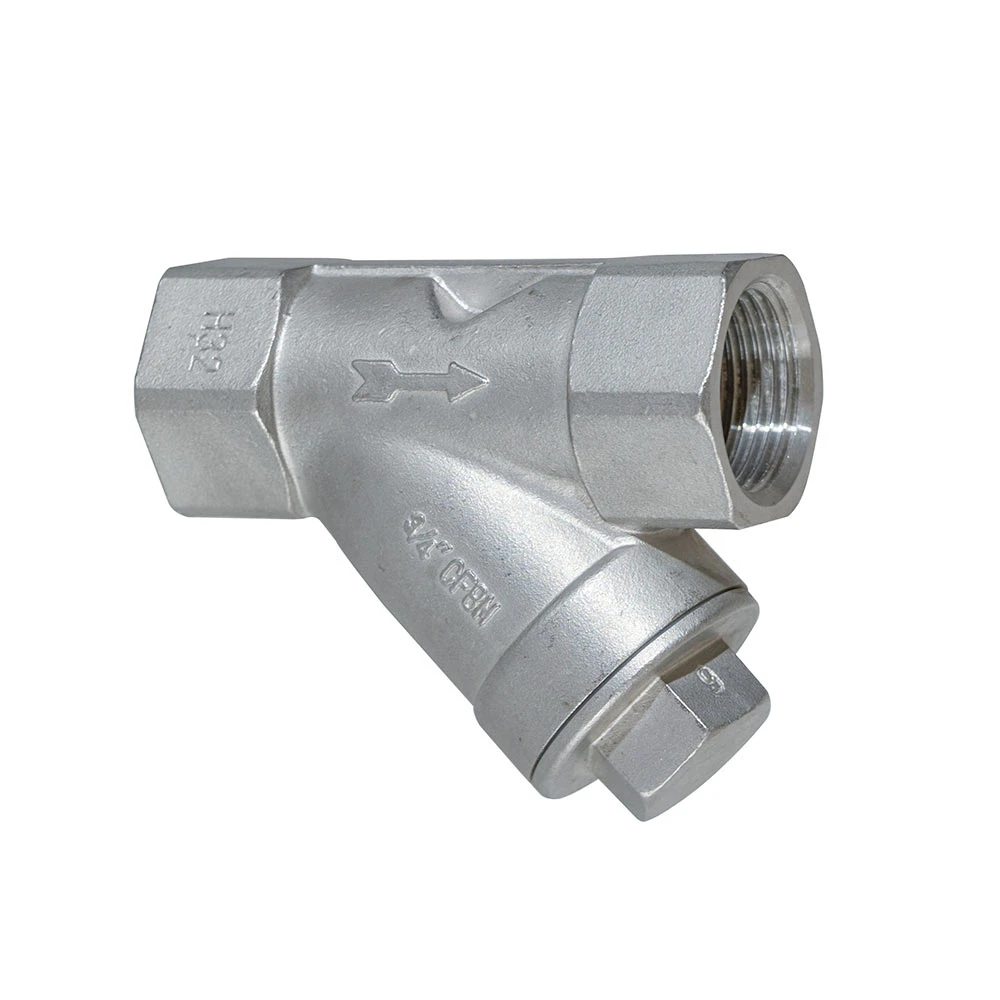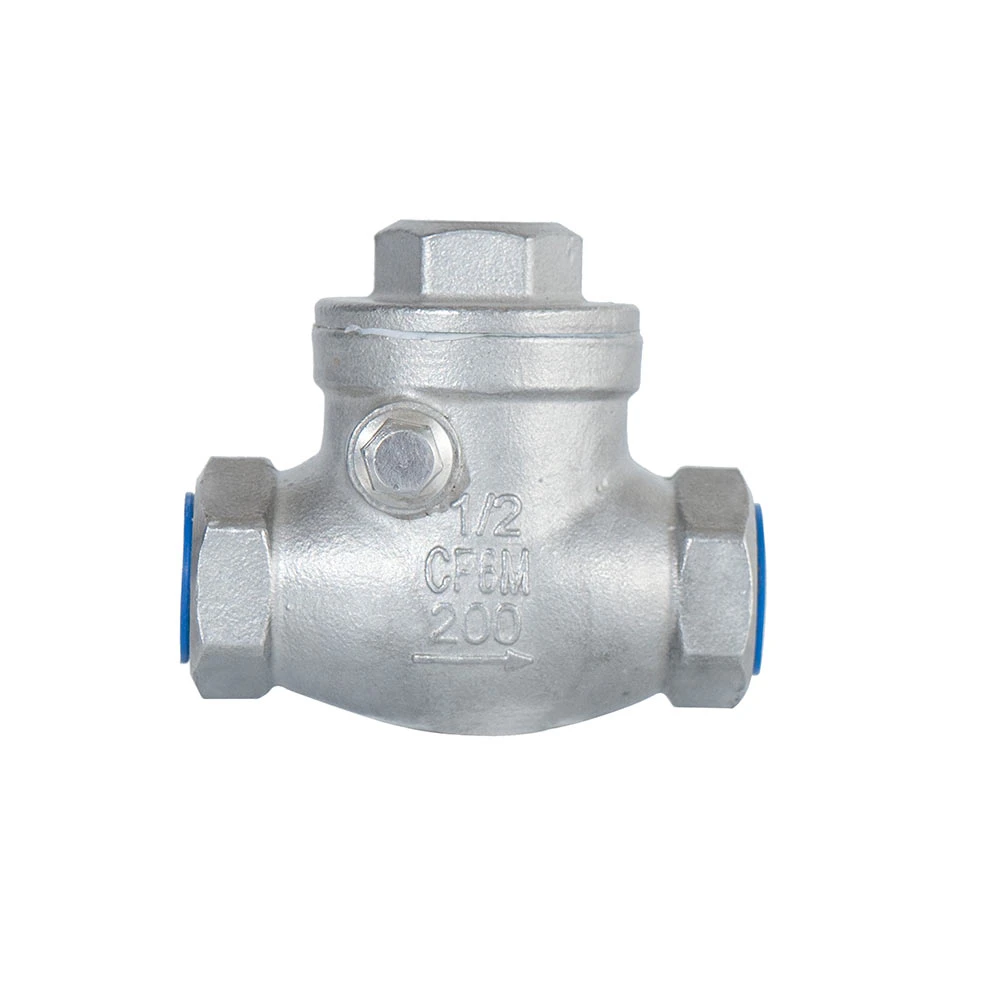
Navigating Industrial Flow: Insights into the Stainless Steel Flanged Ball Valve Market
In the intricate landscape of industrial fluid control, the stainless steel flanged ball valve stands as a cornerstone component, valued for its robust construction, superior corrosion resistance, and reliable shut-off capabilities. This segment of the valve industry is currently experiencing significant growth, driven by an increasing demand for durable and efficient solutions across diverse sectors. Key trends include the adoption of automation, stricter environmental and safety regulations necessitating more reliable valve performance, and the expansion of infrastructure projects globally, particularly in developing economies.
The market is seeing a push towards advanced materials, smart valve technologies, and solutions that minimize total cost of ownership through extended service life and reduced maintenance. As industries demand higher performance from their flow control systems, the preference for resilient components like the ss flanged ball valve, or general flange valve, is steadily increasing. These devices, sometimes referred to simply as a valve with flange, are pivotal in ensuring operational integrity and safety.
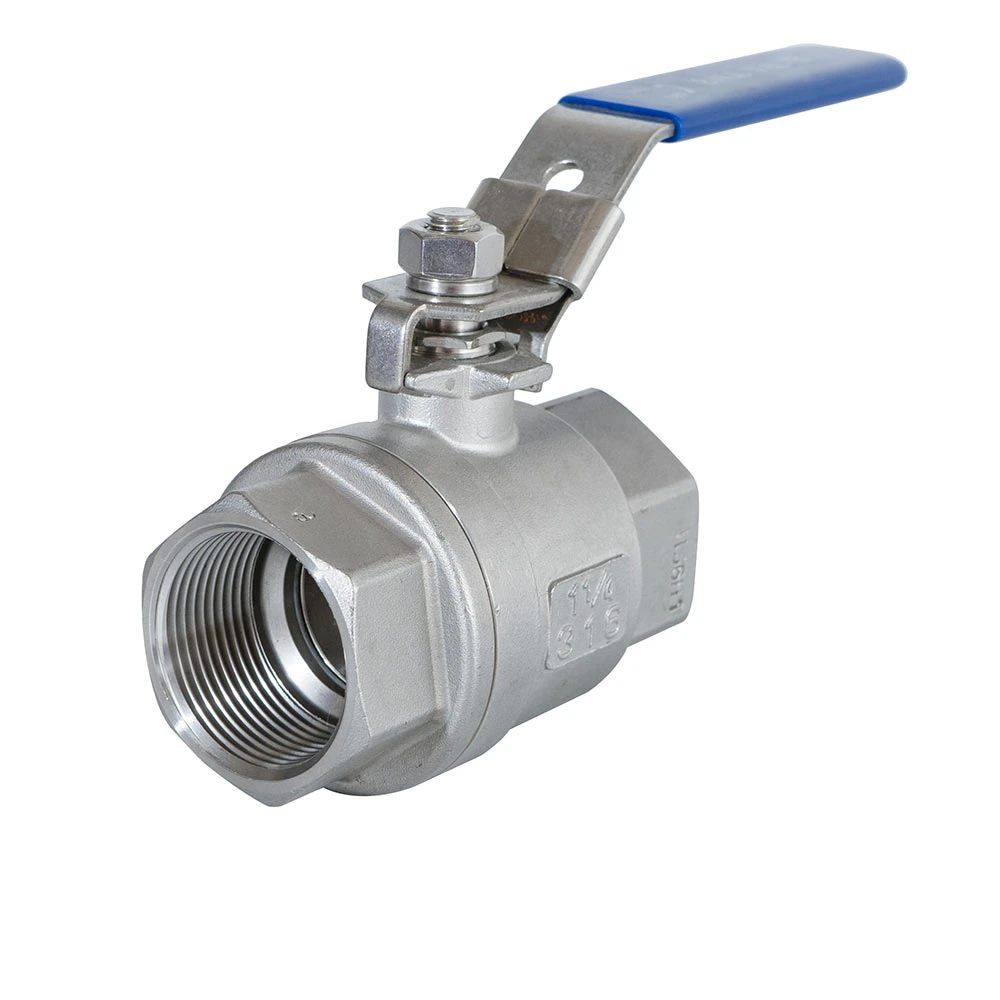
Technical Specifications and Structure of the 2 PC Flanged Ball Valve
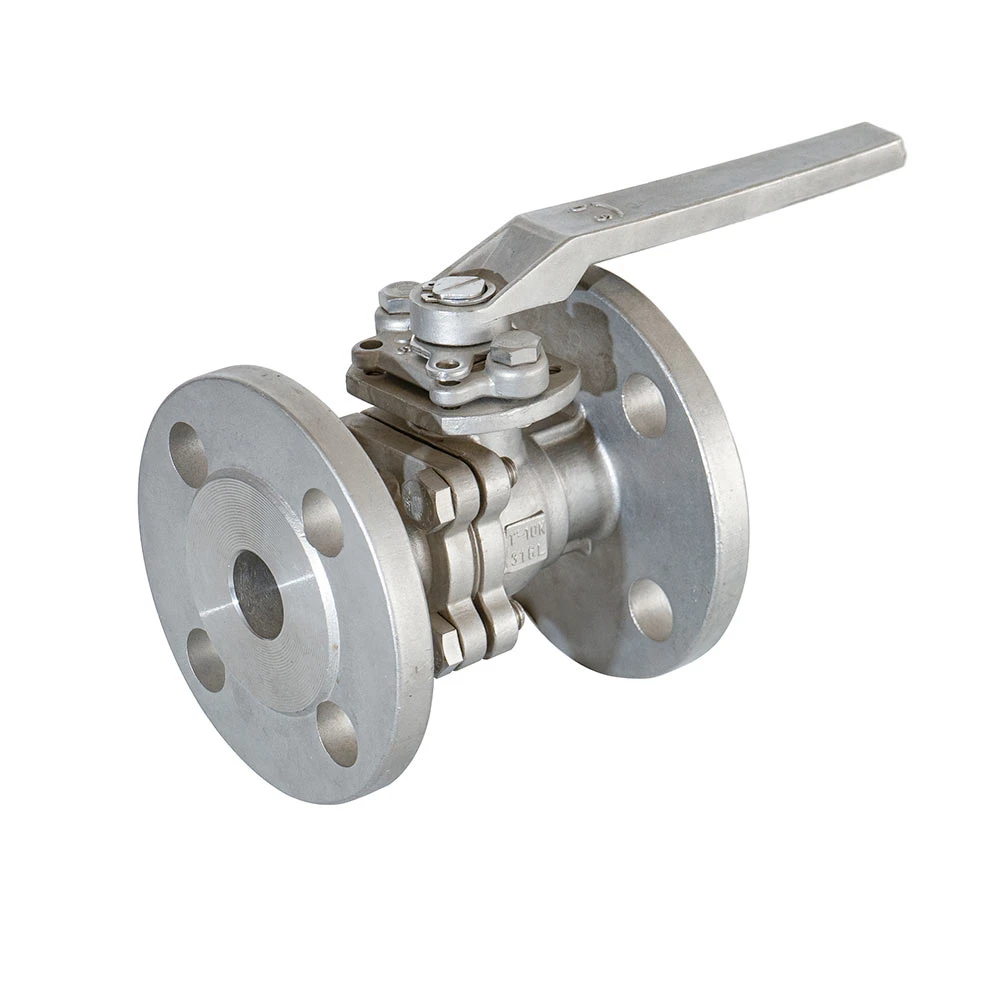
The 2 PC flanged ball valve, a prominent type of stainless steel flanged ball valve, is engineered for demanding applications where reliability and ease of maintenance are paramount. Its design typically comprises two body pieces, allowing for easier assembly and repair compared to single-piece designs. The primary function of a ball valve is to control flow by rotating a perforated, pivoting ball (the 'ball') 90 degrees, opening or blocking the fluid path.
Material Selection: The Core of Corrosion Resistance
- Body & Ball Materials: Commonly manufactured from Stainless Steel grades SS304, SS316, or SS316L.
- SS304: Good corrosion resistance for general applications, widely used in food and beverage.
- SS316: Enhanced corrosion resistance due to molybdenum content, ideal for more aggressive chemical environments, marine, and high-temperature applications.
- SS316L: Low carbon version of SS316, preventing carbide precipitation during welding, crucial for maintaining corrosion resistance in welded areas.
- Seat Materials: PTFE (Polytetrafluoroethylene) for excellent chemical resistance and low friction, RTFE (Reinforced PTFE) for higher pressure/temperature, or PEEK (Polyether Ether Ketone) for extreme service conditions.
- Stem & Gland Packing: Stainless steel stems for strength, often with PTFE or graphite packing for reliable sealing and reduced fugitive emissions.
Key Operating Parameters
The Meticulous Manufacturing Process of a Stainless Steel Flanged Ball Valve
The production of a high-quality stainless steel flanged ball valve involves a series of precision engineering and rigorous quality control steps, ensuring each valve meets stringent industry standards for performance and longevity.
1. Material Selection & Preparation
Careful selection of certified stainless steel alloys (e.g., SS304, SS316, SS316L) in accordance with ASTM/EN standards. Materials are inspected for chemical composition and mechanical properties.
2. Casting or Forging
Valve bodies, balls, and stems are typically produced via investment casting for intricate shapes and smooth finishes, or forging for superior strength and density, particularly for high-pressure applications. This process adheres to ISO 9001 quality management.
3. CNC Machining
Precision Computer Numerical Control (CNC) machining shapes the cast or forged components to exact dimensions, ensuring tight tolerances for critical surfaces like seat pockets, flange faces (to ASME B16.5), and stem bores. This is crucial for sealing integrity and operational smoothness.
4. Surface Treatment & Cleaning
Components undergo cleaning, passivation (especially for stainless steel to enhance corrosion resistance), and, if required, specialized coatings. This prepares surfaces for assembly and ensures hygienic standards for specific industries.
5. Assembly
Skilled technicians assemble the body, ball, stem, seats, and packing, ensuring correct orientation and torque specifications. This stage often involves the installation of anti-static devices and blow-out proof stems, adhering to API 608.
6. Rigorous Testing & Inspection
Each valve undergoes comprehensive testing per international standards (e.g., API 598 for pressure testing, ISO 15848-1 for fugitive emissions, API 607 for fire-safe design). This includes hydrostatic shell and seat tests, pneumatic seat tests, and functional operation tests. This ensures a design service life of several decades under proper operating conditions.
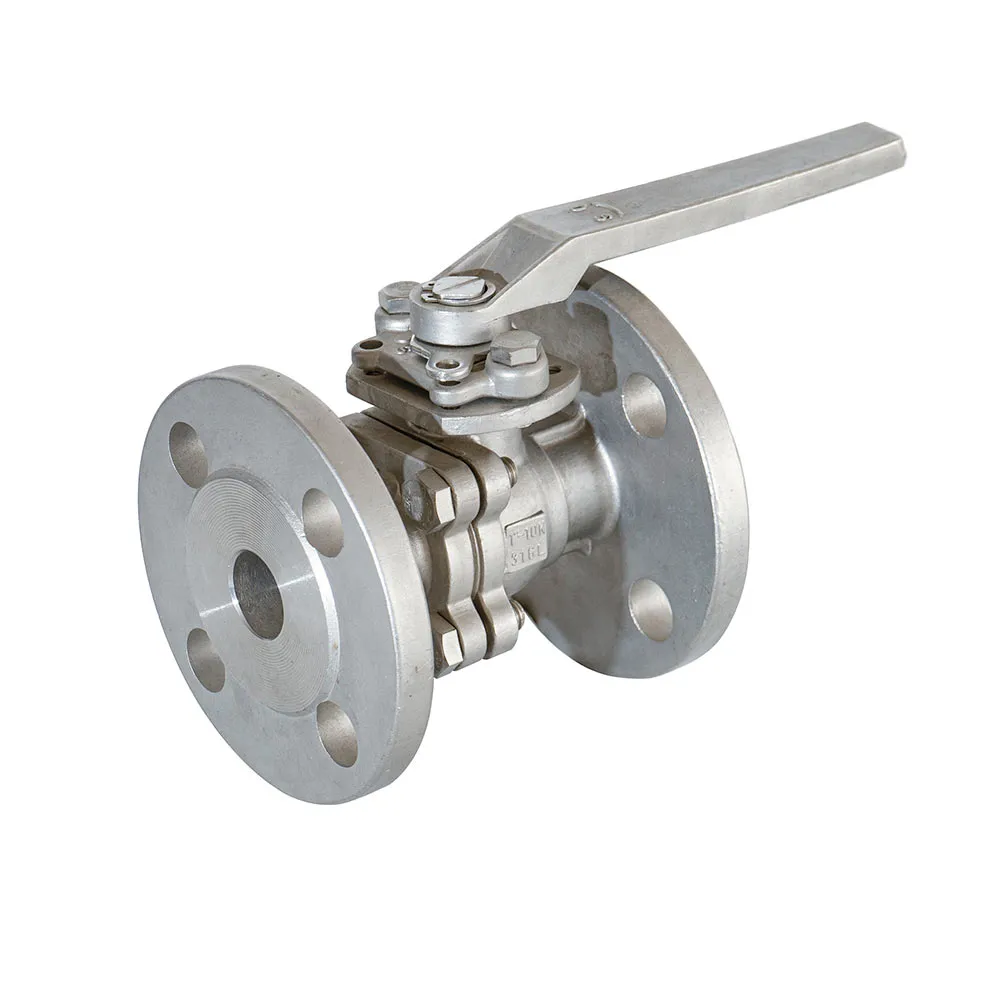
Image: Precision components ready for assembly, showcasing the high-quality finish required for a reliable stainless steel flanged ball valve.
Application Scenarios and Technical Advantages
The versatility and resilience of the stainless steel flanged ball valve make it indispensable across a multitude of industrial sectors. Its advantages directly translate into enhanced operational efficiency and safety.
Target Industries:
- Petrochemical & Oil & Gas: Handling hydrocarbons, corrosive chemicals, and high-pressure steam.
- Chemical Processing: Ideal for aggressive media due to superior corrosion resistance.
- Power Generation: Used in steam lines, cooling water systems, and fuel handling.
- Water Supply & Drainage: Reliable isolation in water treatment plants and distribution networks.
- Food & Beverage / Pharmaceutical: Sanitary applications requiring non-contaminating, easy-to-clean surfaces.
- Metallurgy & Mining: Managing abrasive slurries and high-temperature processes.
Key Advantages in Operation:
- Exceptional Corrosion Resistance: Stainless steel, particularly SS316/316L, offers superior resistance to a wide range of corrosive fluids, extending valve life and reducing replacement costs.
- Superior Sealing & Zero Leakage: The quarter-turn operation and robust seat design ensure a tight, bubble-tight shut-off, crucial for preventing leaks of hazardous or valuable media and contributing to energy saving by eliminating drips.
- Durability & Long Service Life: Designed for continuous operation in harsh environments, these valves provide an extended service life, minimizing downtime and maintenance.
- High Flow Capacity & Low Pressure Drop: The full-bore design (for most models) offers minimal flow restriction, leading to reduced energy consumption in pumping systems.
- Quick Quarter-Turn Operation: Rapid opening and closing capabilities improve process control and emergency response times.
- Versatile Automation: Easily adaptable for pneumatic, electric, or hydraulic actuation, facilitating integration into automated control systems.
Vendor Comparison and Customized Solutions
Selecting the right supplier for a stainless steel flanged ball valve is critical. While many manufacturers offer standard models, leading vendors distinguish themselves through material quality, certifications, and the ability to provide tailored solutions. Below is a comparative overview of factors to consider when evaluating suppliers:
Tailored Solutions for Unique Requirements
Understanding that off-the-shelf solutions may not always suffice, leading manufacturers offer extensive customization for their flange valve products:
- Exotic Materials: Beyond standard stainless steel, options include Duplex, Super Duplex, Hastelloy, or Titanium for extreme corrosion resistance or high strength.
- Specialized Coatings: Enhanced wear resistance, reduced friction, or further chemical protection through advanced surface treatments.
- Actuation & Control: Integration with specific pneumatic, electric, or hydraulic actuators, positioners, limit switches, and intelligent control systems.
- Extended Stems & Cryogenic Service: For applications with insulation requirements or extremely low temperatures (e.g., LNG), extended bonnets and specialized designs are available.
- Specific End Connections: While flanged is standard, customization for different flange types, pressure classes, or even welding ends can be accommodated.
Real-World Application Case Studies
The practical application of stainless steel flanged ball valve technology demonstrates its critical role in maintaining efficient and safe operations across diverse industrial settings.
Case Study 1: Enhanced Safety in a Chemical Plant
A major chemical processing facility was experiencing issues with fugitive emissions from its existing quarter-turn valves handling highly corrosive acids. This posed significant environmental and safety risks. By upgrading to API 608 certified ss flanged ball valve units with an enhanced stem packing design (live-loaded graphite), the plant drastically reduced its emission levels to below regulatory limits, achieving over 99% reduction in valve-related incidents. The robust construction of the new valves also ensured consistent operational integrity even under fluctuating pressure and temperature, contributing to a safer work environment and fewer unscheduled shutdowns.
Case Study 2: Optimizing Flow in a Water Treatment Facility
A municipal water treatment plant sought to improve the efficiency of its raw water intake and distribution lines. Their existing gate valves suffered from slow operation and significant pressure drop. Implementing full-bore valve with flange solutions in SS304 material, operated by electric actuators, allowed for rapid and precise flow control. The minimal pressure drop across the ball valves led to a measurable reduction in pumping energy consumption, estimated at 8-10% annually. Furthermore, the quick actuation capabilities improved system response times, enhancing the plant's ability to manage peak demands and emergency shutdowns effectively.
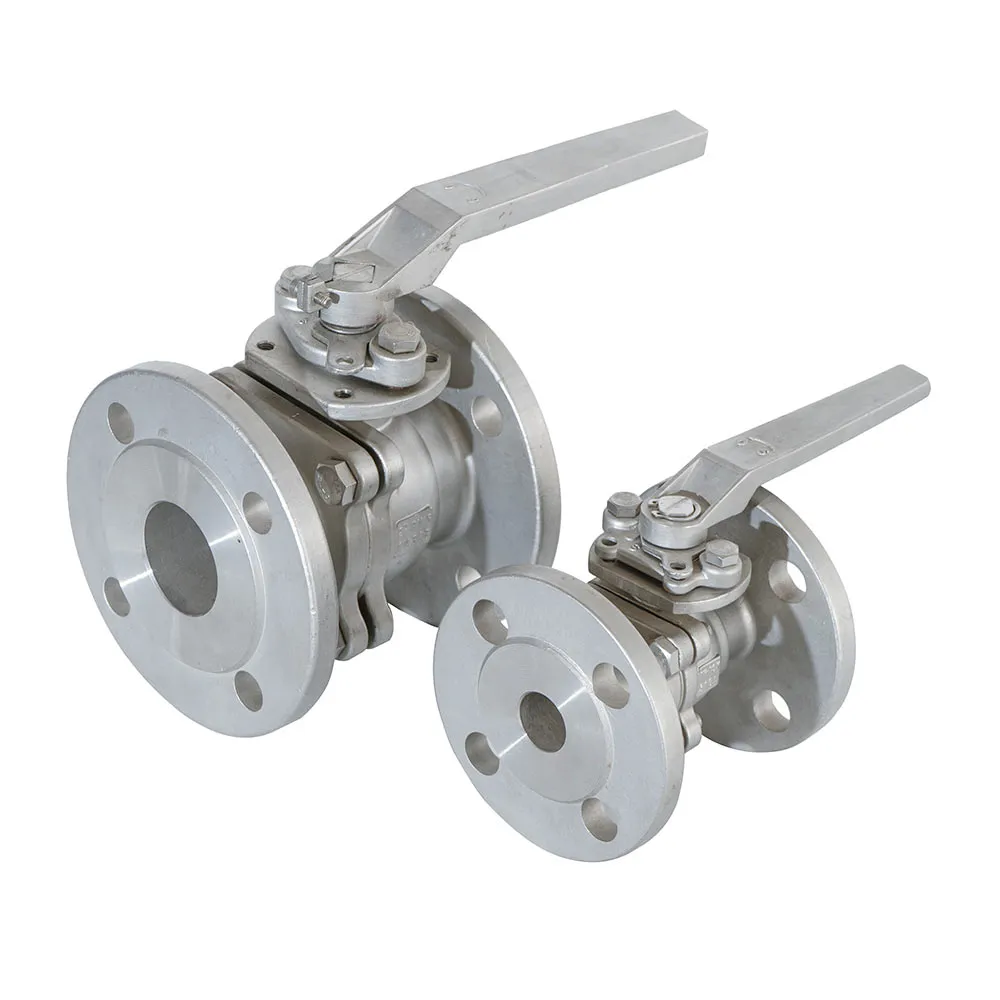
Image: A robust stainless steel flanged ball valve integrated into an industrial pipeline, showcasing its typical application.
Trustworthiness: FAQ, Lead Time, Warranty, & Support
Frequently Asked Questions (FAQ)
Q: What makes a stainless steel flanged ball valve suitable for corrosive environments?
A: The inherent properties of stainless steel, especially grades like SS316 and SS316L with their chromium and molybdenum content, provide excellent resistance to oxidation and a wide array of corrosive chemicals, salts, and acids, ensuring long-term performance.
Q: Can your flange valve products be automated?
A: Absolutely. Our flanged ball valves are designed with ISO 5211 mounting pads, making them readily adaptable for pneumatic, electric, or hydraulic actuators, allowing seamless integration into automated control systems for remote operation and process optimization.
Q: What are the standard testing procedures for your valves?
A: All our valves undergo rigorous testing per industry standards such as API 598 for pressure testing (hydrostatic shell and seat tests, pneumatic seat tests). Additional tests like fire-safe (API 607) and fugitive emissions (ISO 15848-1) can also be performed upon request, ensuring compliance and reliability.
Lead Time & Fulfillment
Standard flange valve products typically have a lead time of 4-6 weeks, depending on order volume and specific configurations. For customized solutions or large-scale projects, lead times will be provided upon detailed inquiry. We maintain a robust inventory of common components and employ efficient production scheduling to meet urgent demands, with expedited shipping options available.
Warranty Commitments
Our stainless steel flanged ball valve products are backed by a standard 12-month warranty from the date of installation or 18 months from the date of shipment, whichever comes first, covering defects in materials and workmanship. Extended warranty options are available upon discussion for specific project requirements, underscoring our confidence in product quality and longevity.
Customer Support & After-Sales Service
We are committed to providing comprehensive support throughout the entire product lifecycle. Our technical support team offers expert guidance on valve selection, installation, operation, and maintenance. Spare parts are readily available, and our dedicated after-sales service ensures prompt assistance for any inquiries or field support needs, ensuring optimal performance of every valve with flange supplied.
Conclusion
The stainless steel flanged ball valve remains an essential component for effective and safe fluid control in virtually every industrial sector. Its combination of robust stainless steel construction, precision engineering, and adherence to international standards makes it a reliable choice for challenging environments. From enhancing operational safety and reducing maintenance burdens to optimizing flow efficiency and enabling sophisticated automation, the strategic selection of these valves contributes significantly to the overall performance and profitability of industrial systems. As industries continue to evolve, the demand for high-performance, customizable, and trustworthy flow control solutions will only increase, solidifying the role of advanced flanged ball valves in future industrial landscapes.
References
- American Petroleum Institute (API) Standard 608: Metal Ball Valves—Flanged, Threaded, and Welding End.
- American Society of Mechanical Engineers (ASME) B16.34: Valves—Flanged, Threaded, and Welding End.
- International Organization for Standardization (ISO) 17292: Ball valves of metallic materials.
- American Society for Testing and Materials (ASTM) A351/A351M: Standard Specification for Castings, Austenitic, for Pressure-Containing Parts.
- Valve Manufacturers Association of America (VMA) publications on industrial valve technology and applications.