Choosing the Right Stainless Steel Ball Valve Manufacturers
After spending years in the industrial equipment sector, I’ve seen firsthand how crucial it is to pick the right stainless steel ball valve manufacturers. It’s not just about the valve itself but about who stands behind the product—support, consistency, and a keen eye for quality really matter.
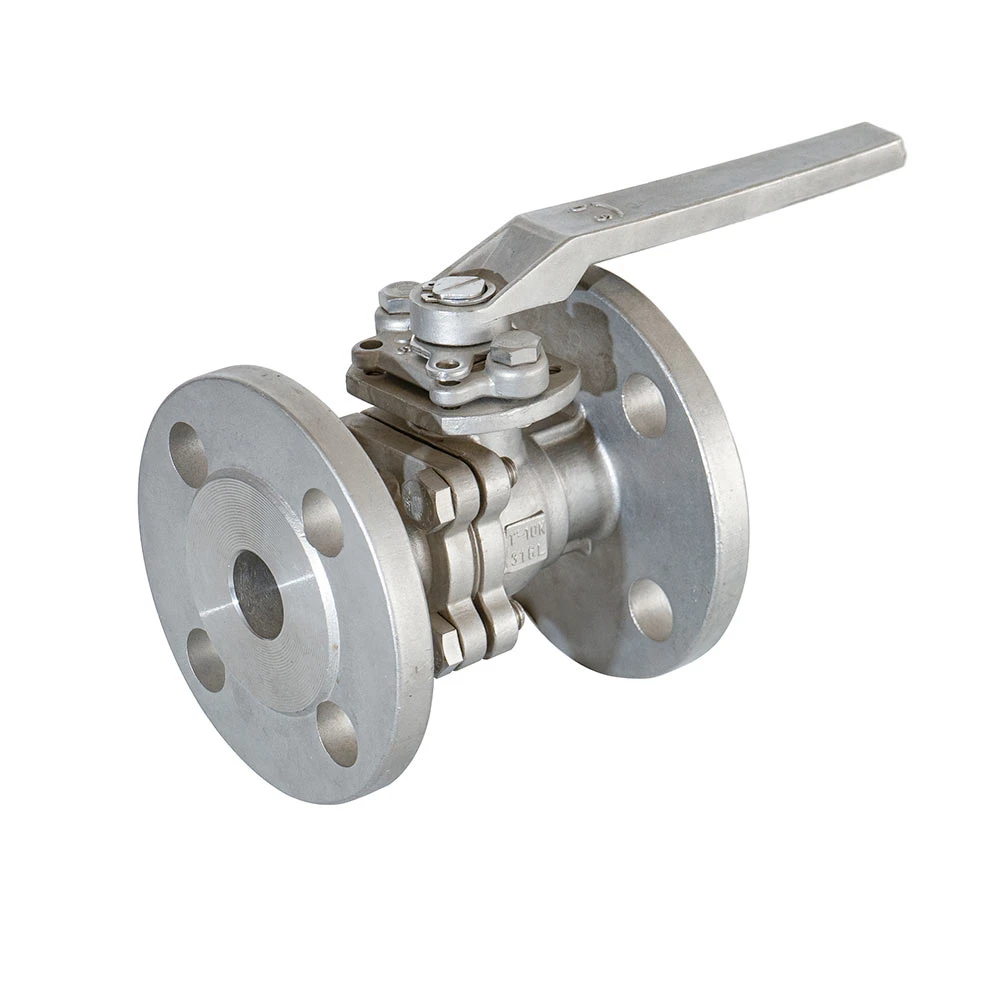
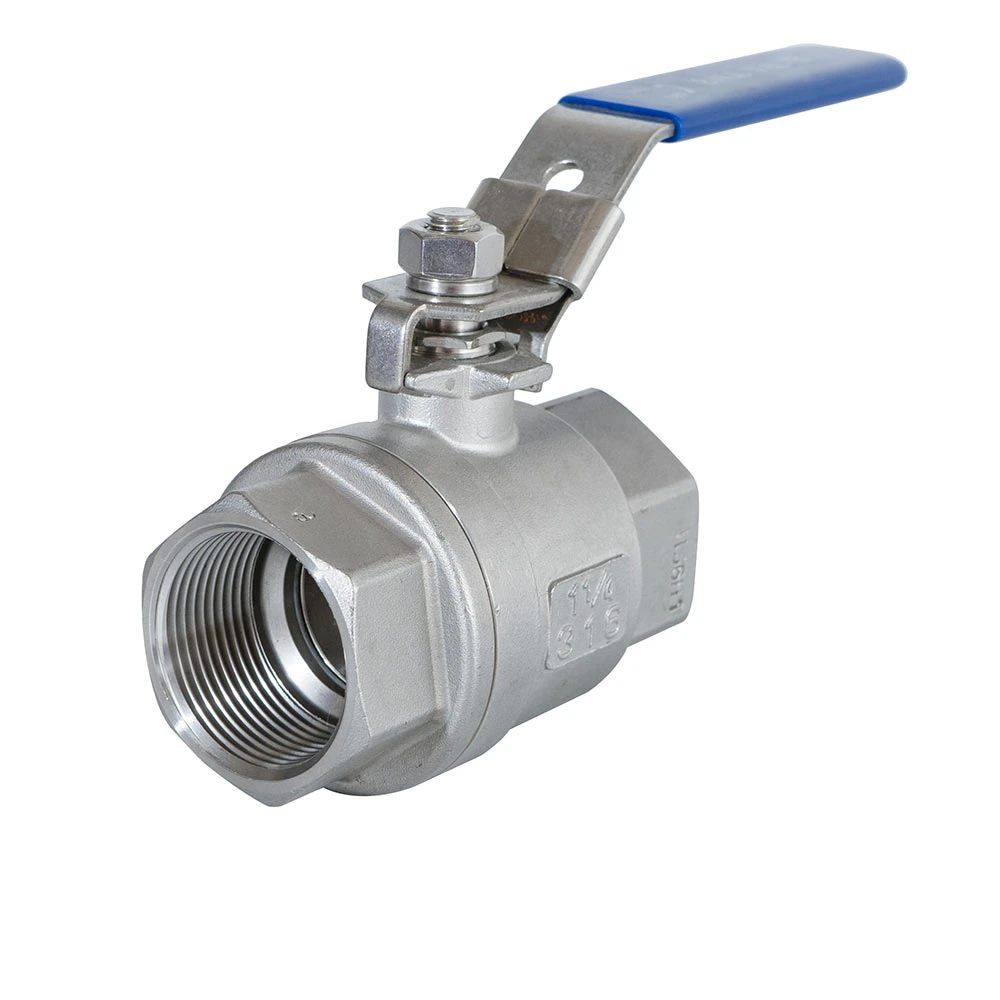
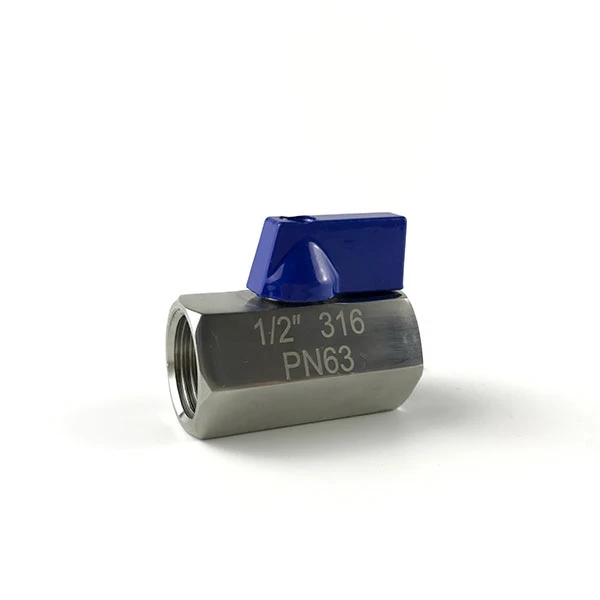
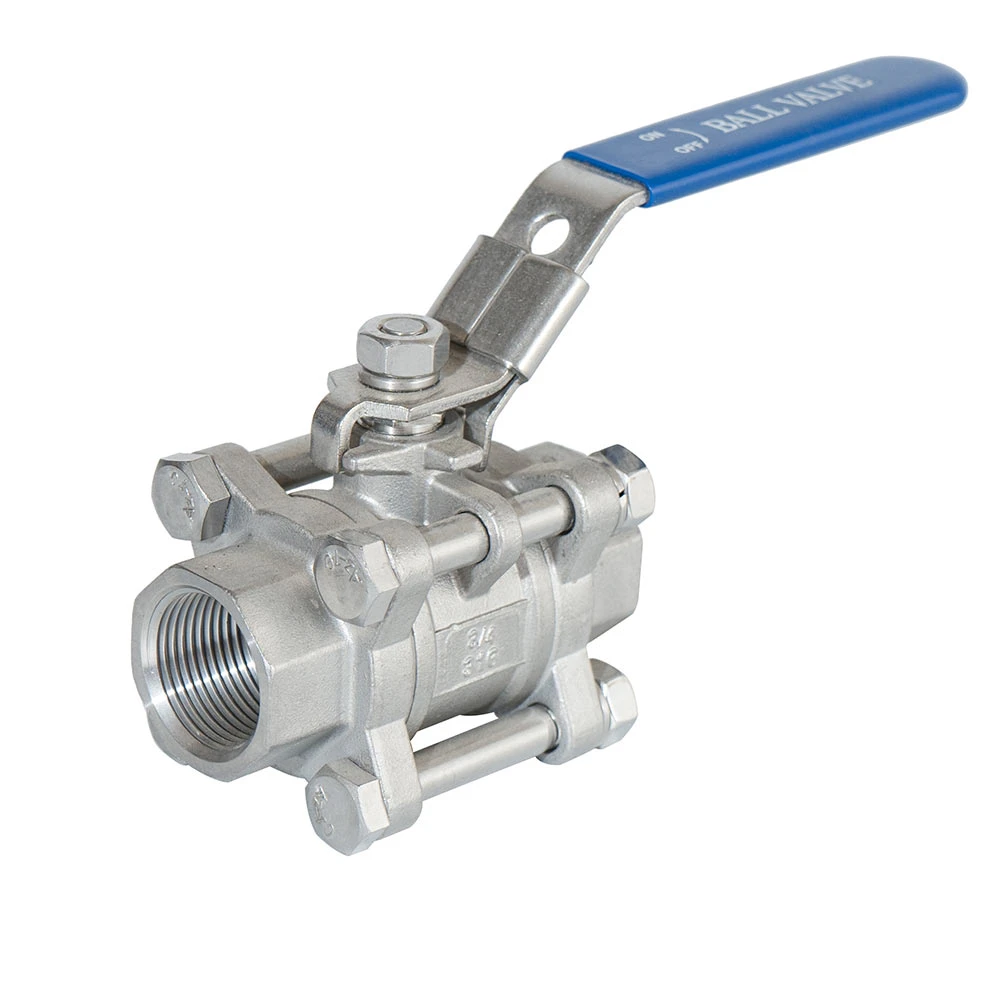
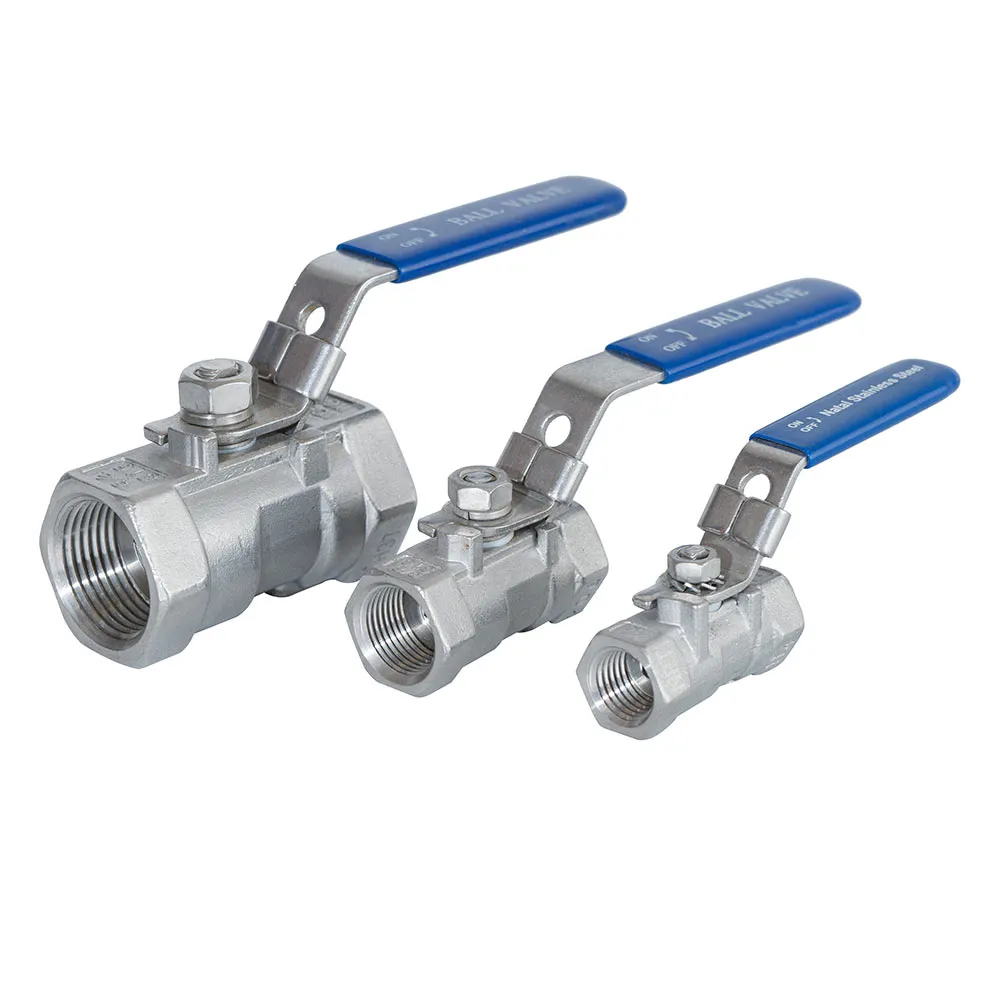
Stainless steel ball valves, frankly, are workhorses in countless industries—oil and gas, petrochemical, food processing, and even pharmaceuticals—because of their durability and corrosion resistance. The material (usually 304 or 316 stainless steel) offers a perfect balance between strength and resistance to rust or chemical attack. I noticed early in my career that valves specified with higher-grade 316 are often preferred where corrosion is a real concern, like offshore or chemical plants.
One thing that stuck with me is the importance of precision machining. Even the tiniest imperfection in the ball or seat can lead to leaks or early failure.
What Makes a Good Stainless Steel Ball Valve?
- Highly polished balls and seats for tight sealing
- Robust stem and handle design to prevent leakage
- Industry certifications such as API 608 or ISO 9001
- Material traceability and documentation
- Customization options for size, pressure ratings, and end connections
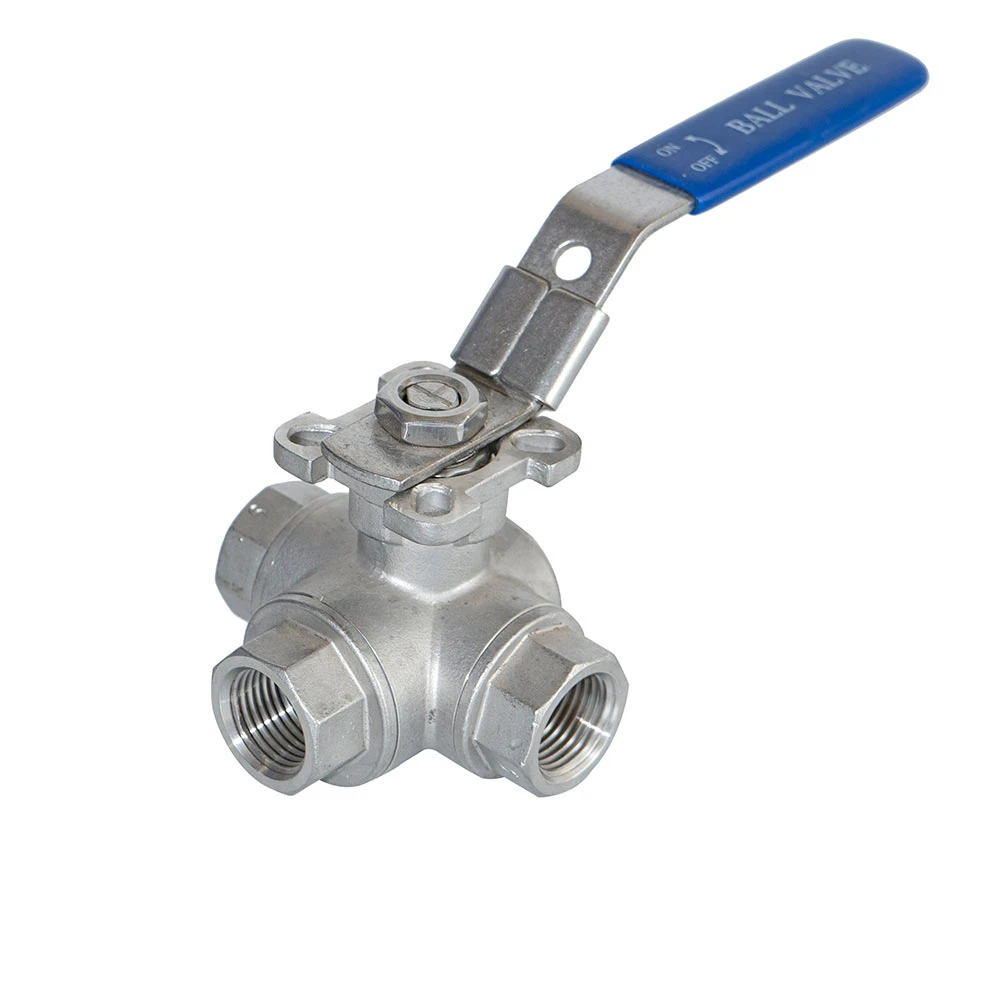
Speaking of customization, many manufacturers offer variants to fit exacting customer needs — like fire-safe designs or multi-port valves. I still remember a project where we needed a valve that could stand up to 1000 psi with minimal maintenance over years. Not every supplier could handle that request smoothly.
| Specification | Details |
|---|---|
| Material | 304 / 316 Stainless Steel |
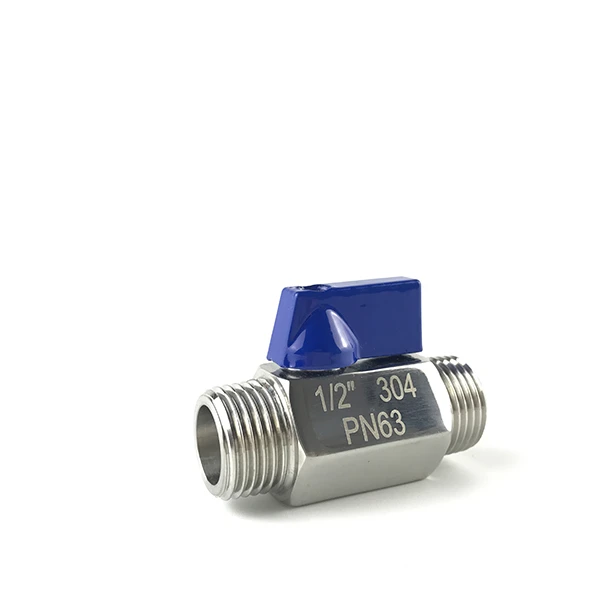
| Pressure Rating | Up to 1000 psi (PN63) |
| End Connections | Threaded, Flanged, Welded |
| Temperature Range | -20°C to 200°C (-4°F to 392°F) |
| Certification | API 608, ISO 9001 |
From what I’ve gathered, vendors vary broadly—from low-cost producers with minimal quality controls to high-end suppliers offering extensive testing (including pressure and leak tests under real-world conditions). You know, it’s tempting to go for the cheapest valve out there, but in real terms, it rarely saves money in the long run. Maintenance costs and downtime can skyrocket.
| Vendor | Quality Control | Customization | Lead Time | Price Range |
|---|---|---|---|---|
| Houde Valve | Strict testing & ISO 9001 certified | High-level customization available | 4-6 weeks | Mid-range |
| Generic Producer | Basic inspection only | Minimal | 2-3 weeks | Low |
| Premium Valve Co. | Extensive testing & certifications | Full customization | 6-8 weeks | High |
Oddly enough, one of my clients once switched suppliers after repeatedly getting subpar valves that failed coating adhesion tests. They moved to a more reliable manufacturer and saw immediate benefits—not just fewer failures, but better technical support and faster delivery when rush orders came up. It felt like a small change, but it really improved their uptime and satisfaction.
If you’re hunting for stainless steel ball valves for your project, my advice is to lean toward manufacturers who take quality seriously, offer traceability, and communicate openly. You might pay a little more upfront, but it’s worth it in the long run.
In short: the right stainless steel ball valve manufacturers can make all the difference between smooth operation and costly downtime. Don’t rush the decision.
— A seasoned industrial equipment professional
References:
- "API 608: Metal Ball Valves Standards," American Petroleum Institute
- "Material Selection for Corrosive Environments," ASM International
- Industry survey results, Valve World Magazine, 2023