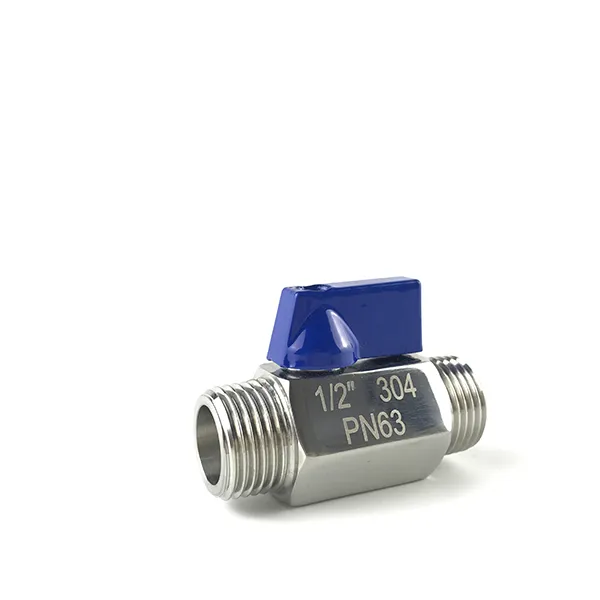
Finding the Right Stainless Steel Valve Suppliers
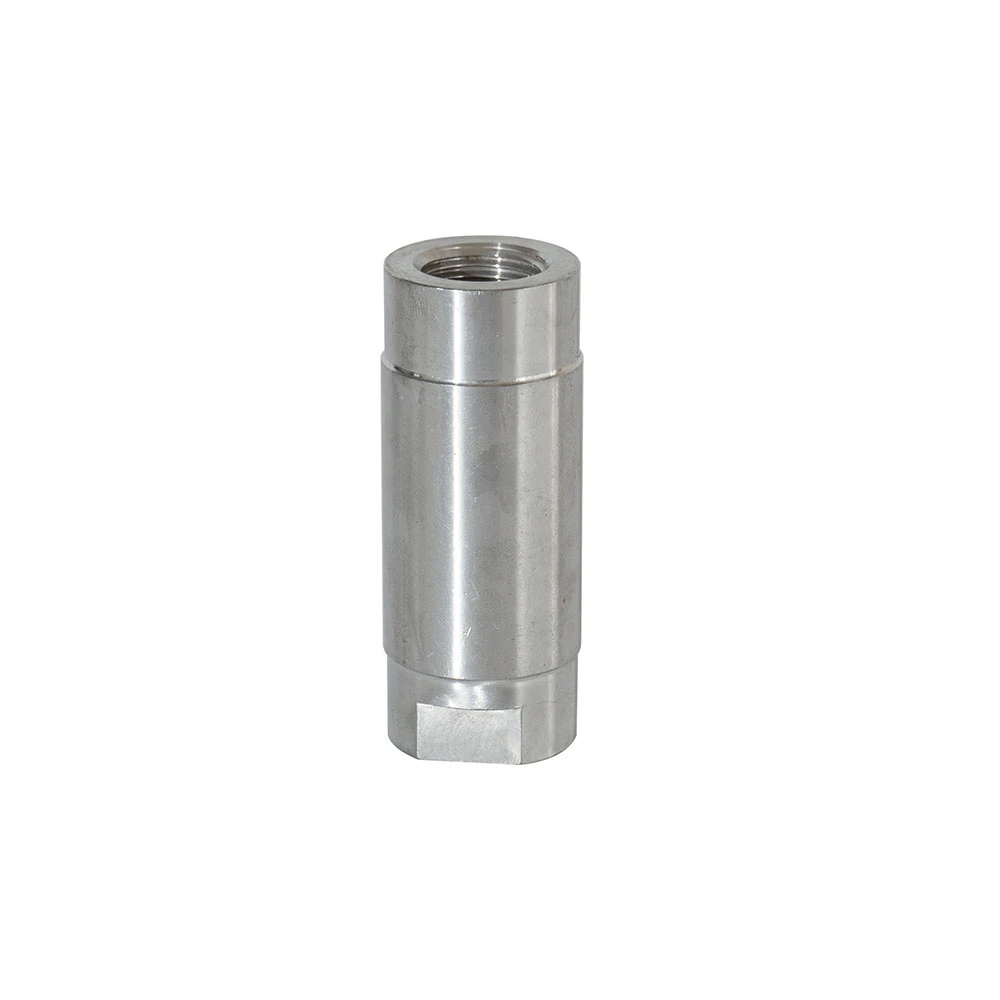
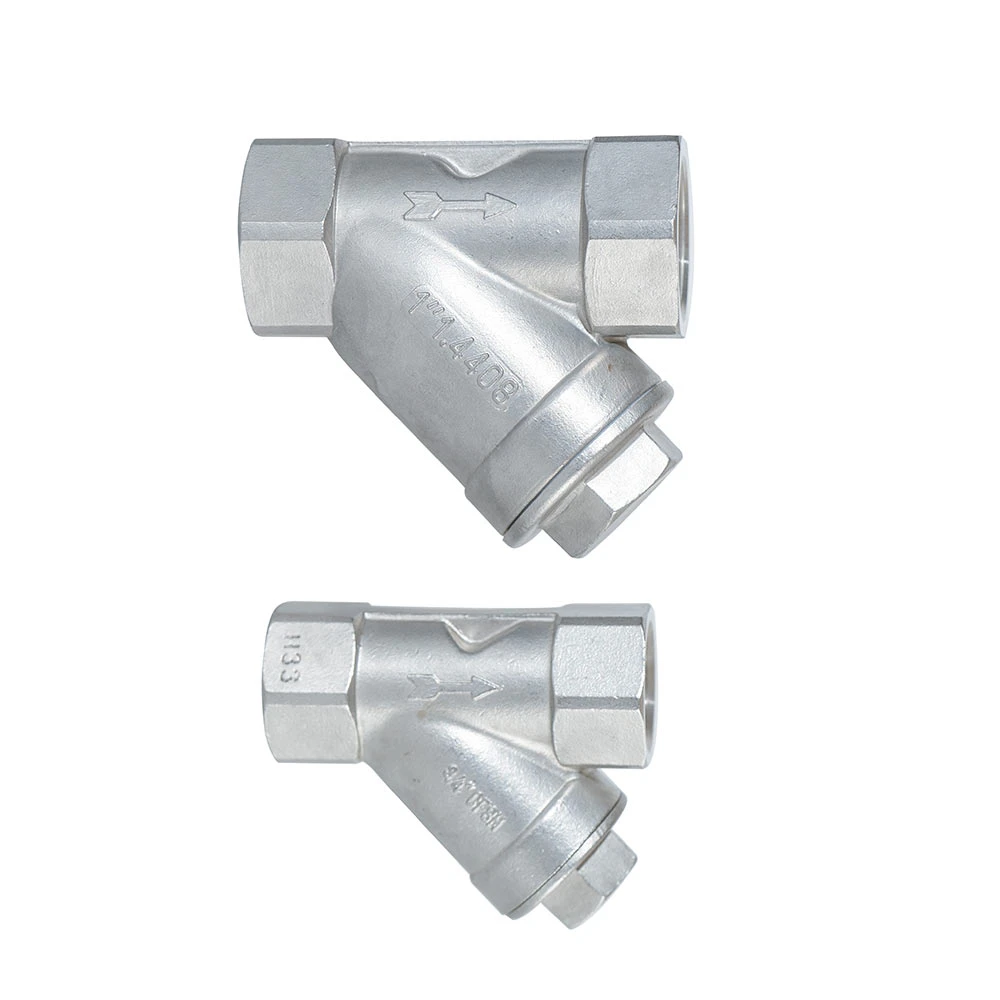
Having spent more than a decade in the industrial equipment sector, I’ve come to appreciate the subtle yet critical differences when it comes to sourcing components like stainless steel valves. It’s not just about ticking boxes on specs sheets — it’s the materials quality, manufacturing precision, and reliability under pressure that make or break operational success. Honestly, stainless steel valve suppliers often get overlooked, but they’re the unsung heroes in many applications.
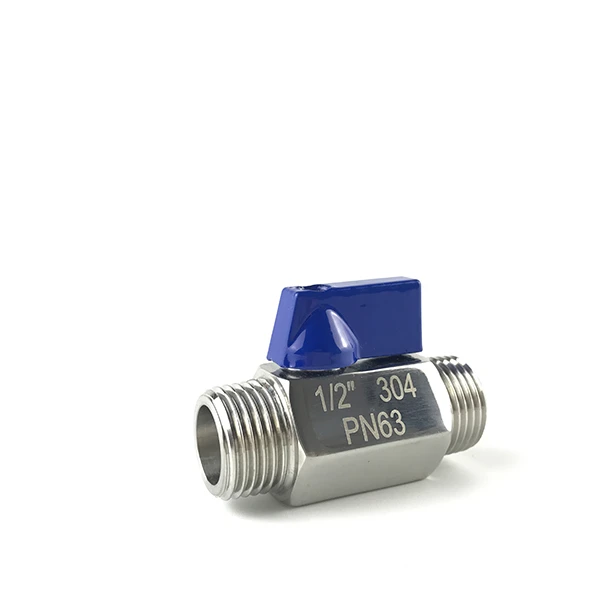
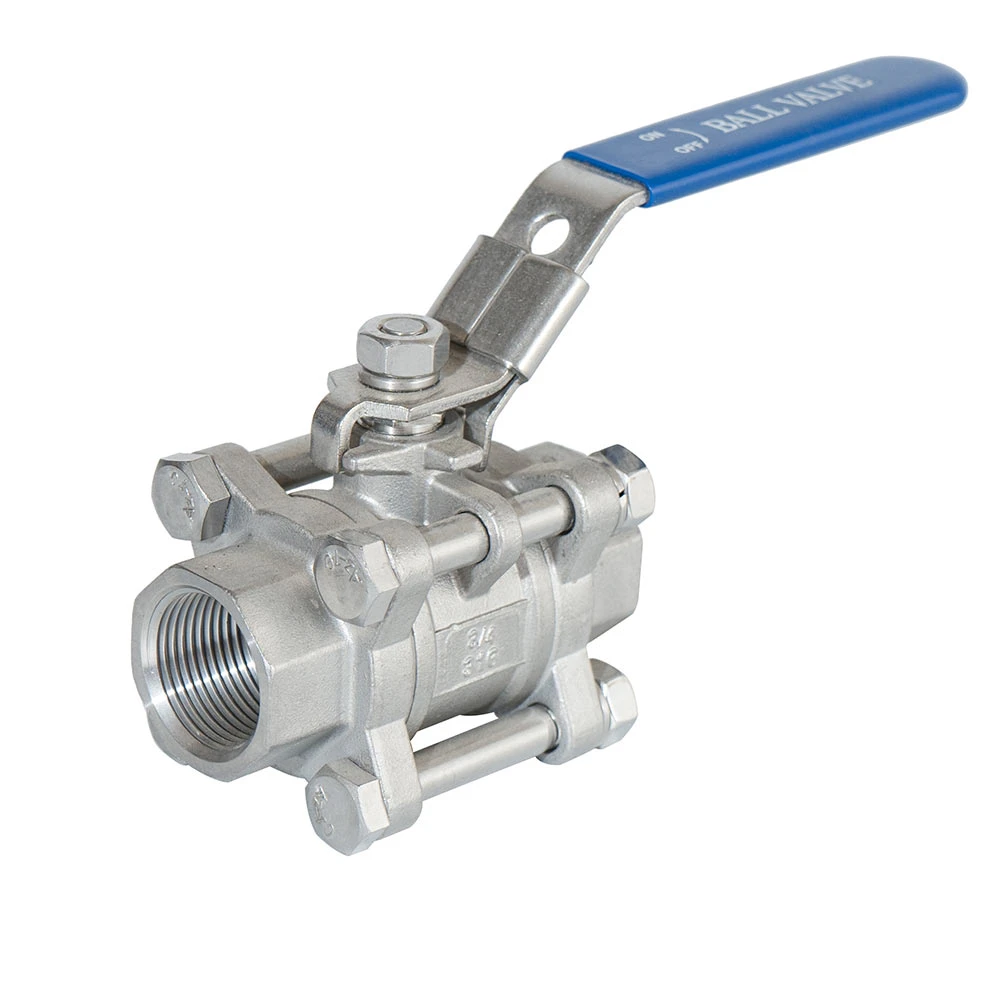
One thing that always strikes me: not all stainless steel valves are created equal. For instance, the grade of stainless steel—commonly 304 or 316—matters profoundly. 316 stainless steel offers higher corrosion resistance, which is often non-negotiable in chemical processing plants or offshore facilities. If you’re working in food processing or pharmaceuticals, then compliance with sanitary standards is paramount. Frankly, I’ve seen cheap valves warp or corrode prematurely, leading to costly downtimes that could have been avoided with a better supplier.
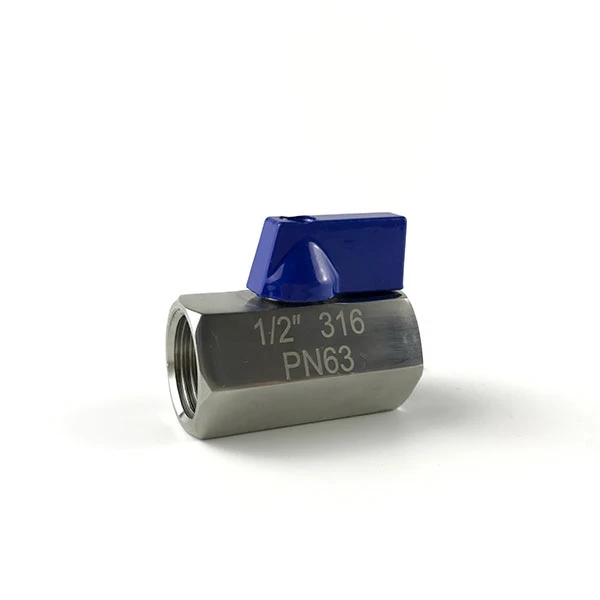
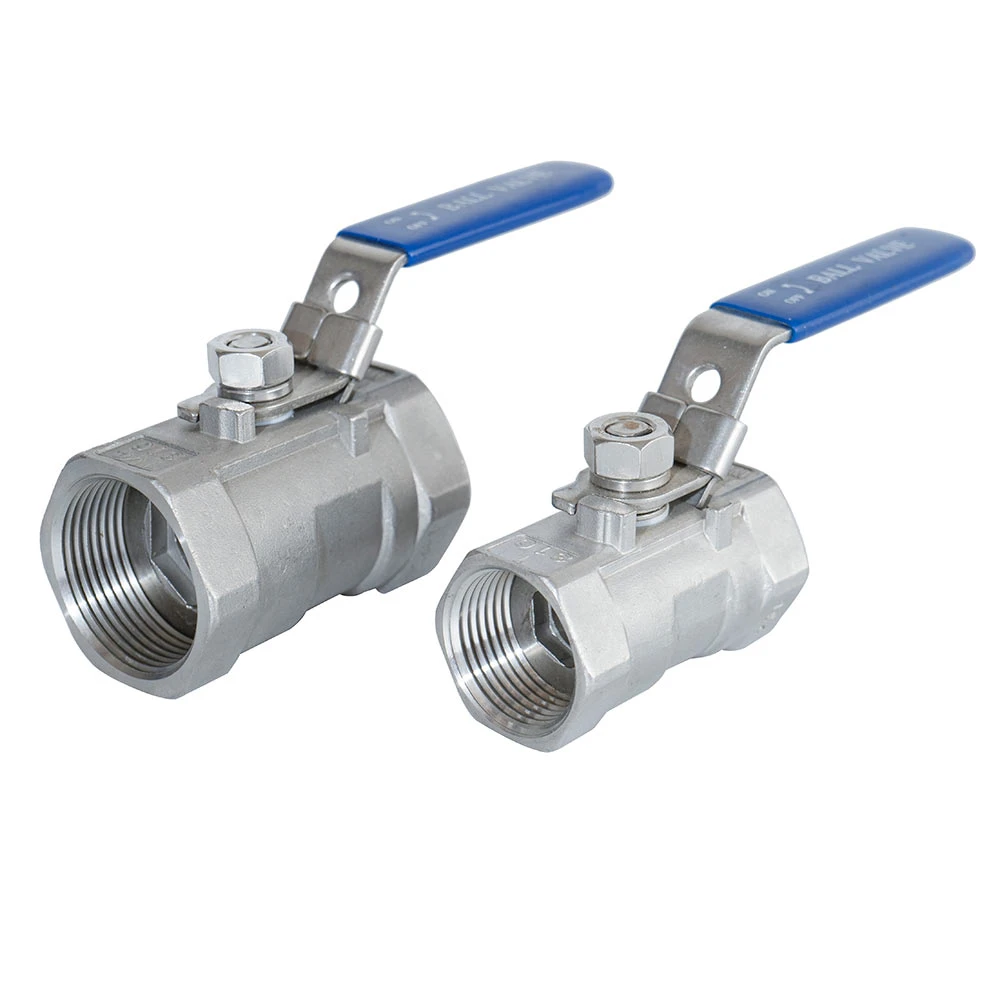
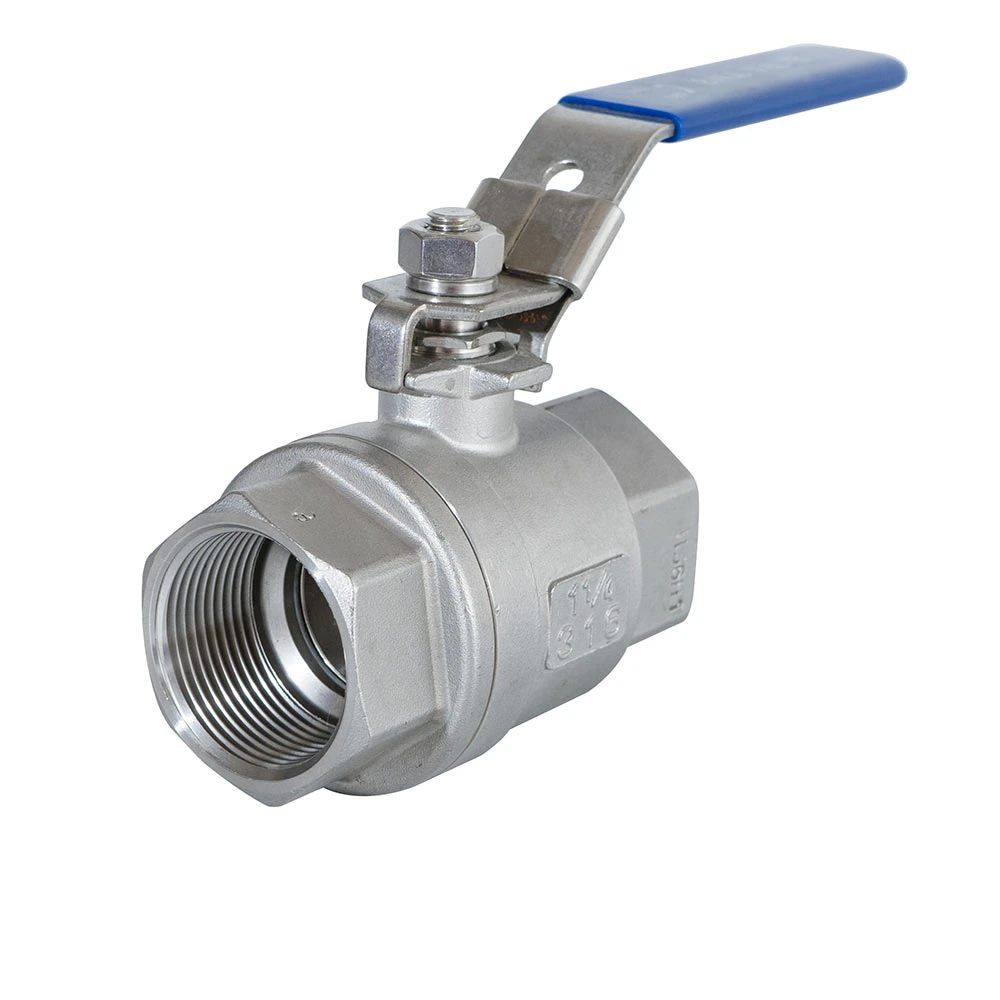
Speaking of suppliers, I’m a bit picky. I want vendors who are transparent about their materials sourcing, who test their valves rigorously, and who offer customization options — sometimes small adjustments make a huge difference in fit and function. I recall a project where a client needed quick-acting ball valves with Teflon seats, and the supplier's flexibility saved the day. The valves maintained seal integrity even in the demanding high-pressure steam environment.
| Specification | Details |
|---|---|
| Material Grades | 304, 316, 316L Stainless Steel |
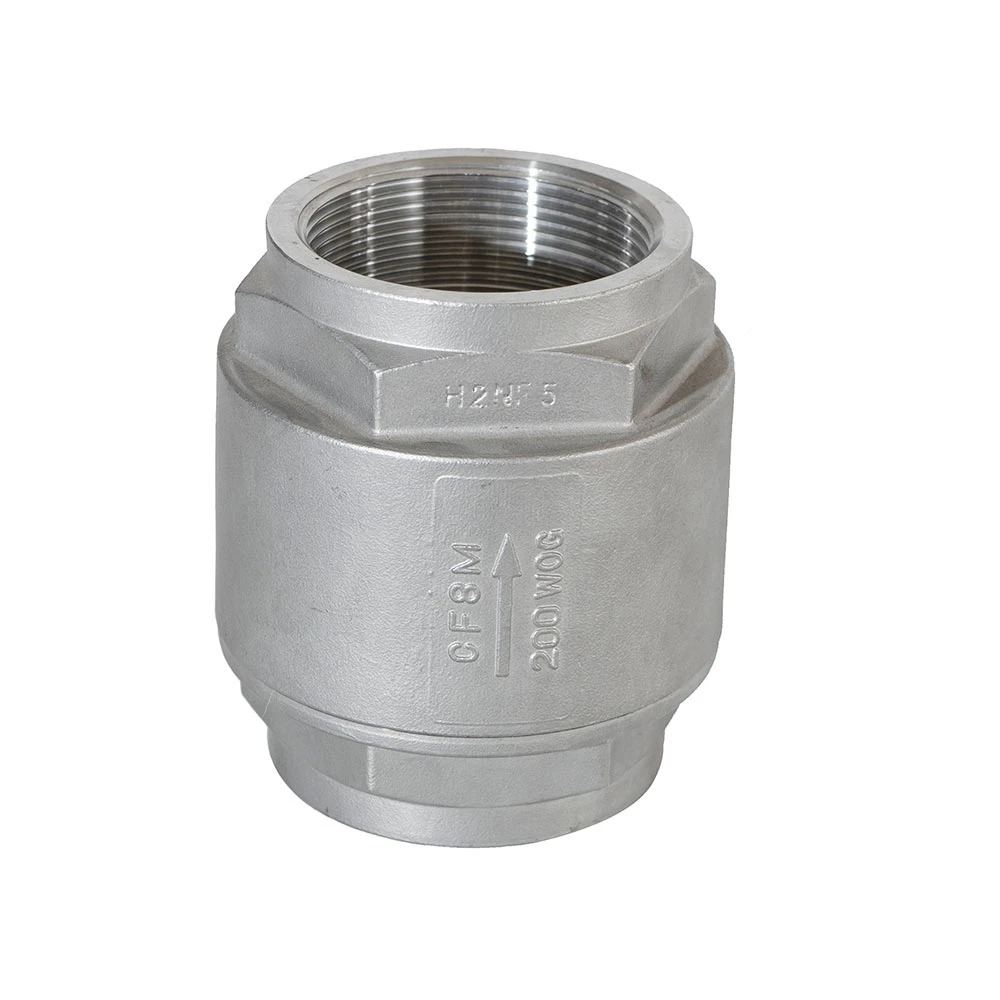
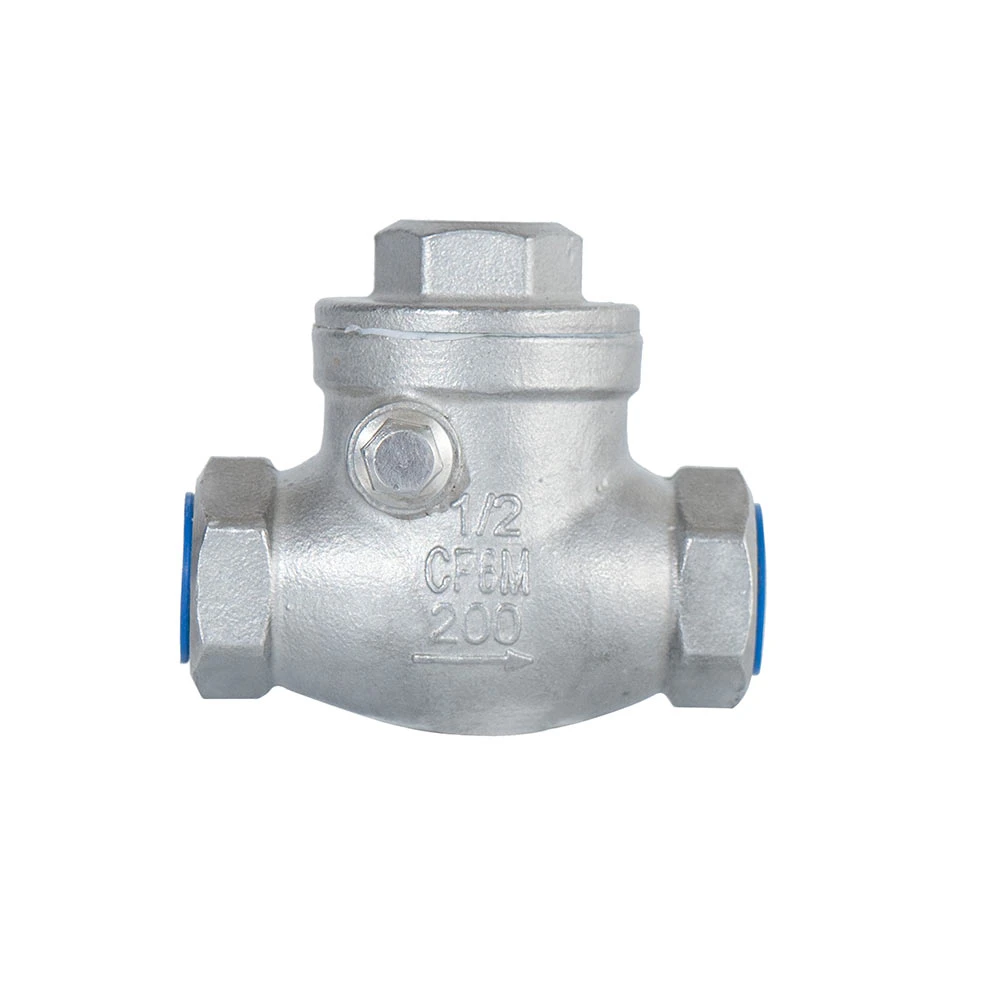
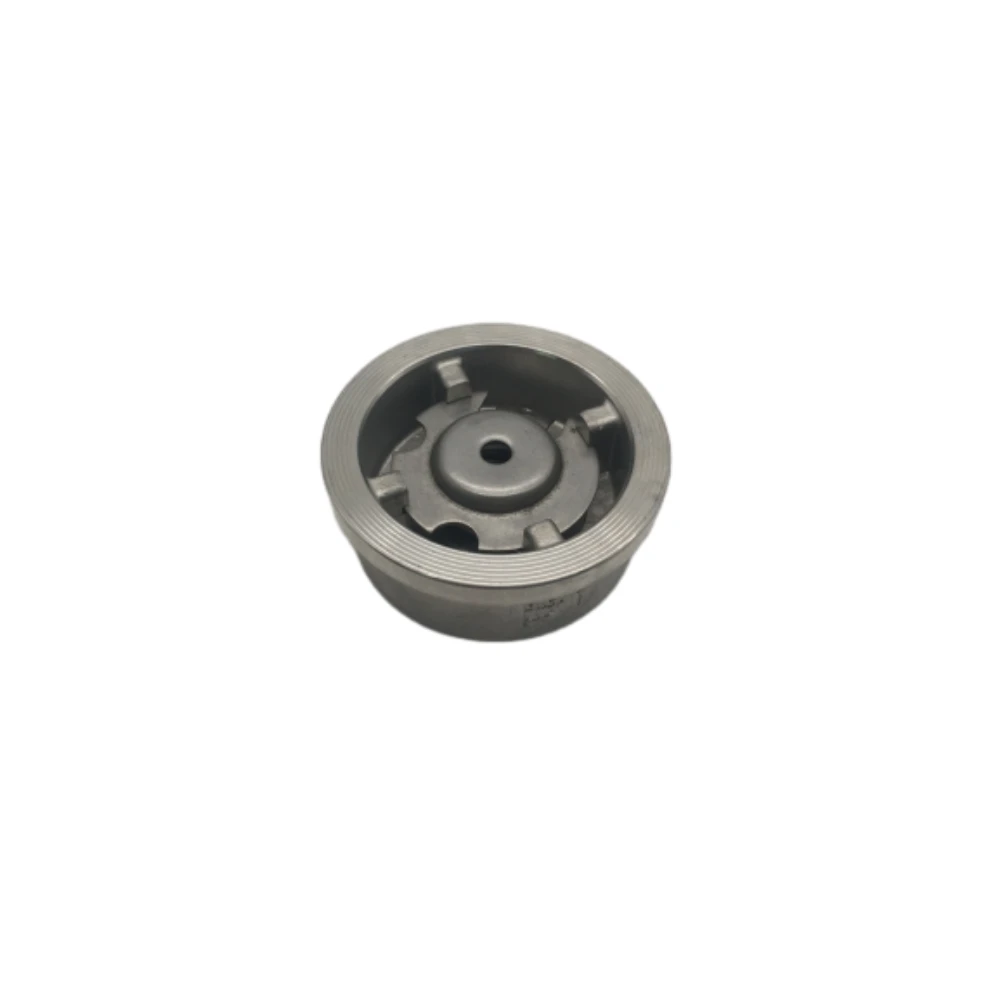
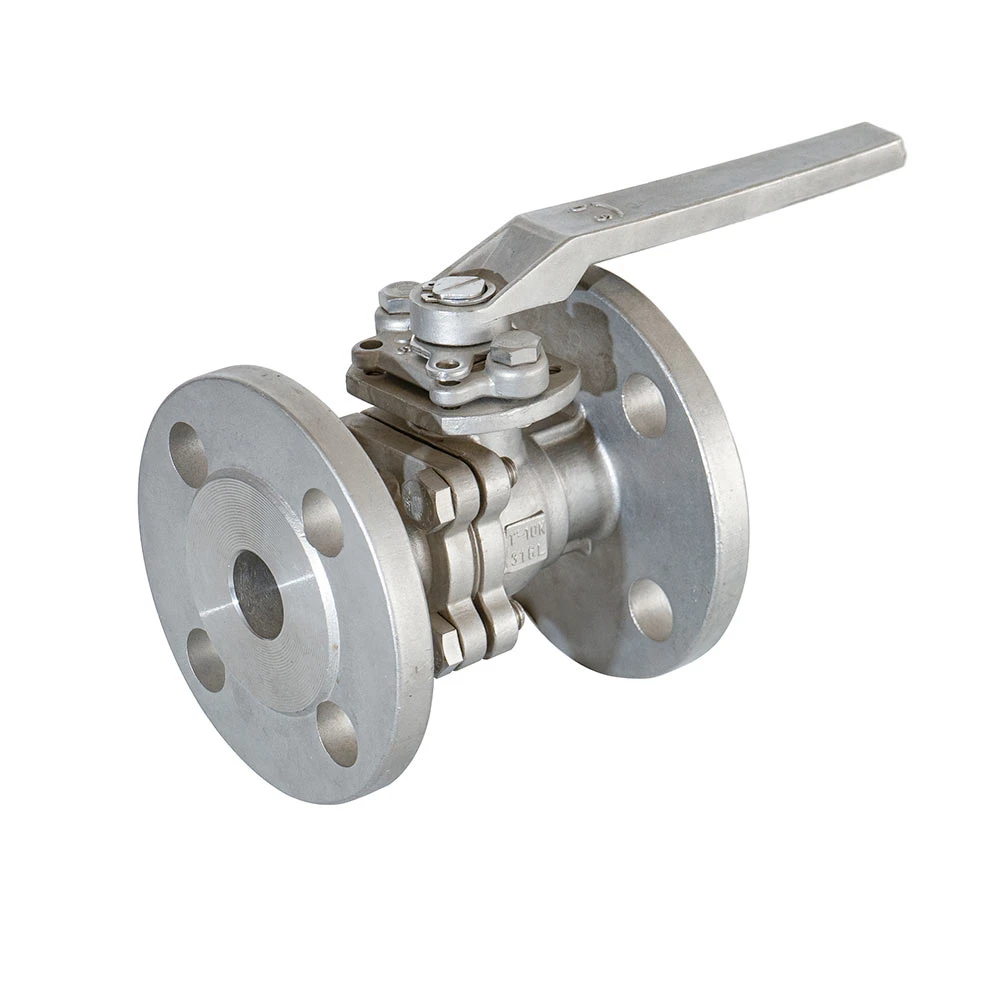
| Valve Types | Ball, Gate, Butterfly, Check, Globe |
| Pressure Rating | Class 150 to 600 (up to 4000 psi) |
| Temperature Range | -60°C to 400°C (-76°F to 752°F) |
| End Connections | Threaded, Flanged, Welded (butt & socket) |
| Testing | API 598, Shell & Seat Test Certified |
Now, when hunting for a supplier, it’s essential to weigh not only specs but also service and after-sales support. I came across a few key players who are worth your time:
| Supplier | Material Quality | Customization | Certifications | Lead Time |
|---|---|---|---|---|
| Houde Valve | 316L Stainless Steel, sourced globally | Extensive, including special trims & seats | API 6D, ISO 9001 | 4-6 weeks |
| Generic Valve Co. | Standard 304 Stainless Steel | Limited | None or local certifications | 2-3 weeks |
| Premium Valve Solutions | Custom alloys available | High - turnkey projects | API 6A, ASME | 8-12 weeks |
Oddly enough, I noticed many engineers prefer Houde Valve not just for their product specs but for their transparent communication and willingness to accommodate last-minute tweaks. In real terms, this cooperation helps avoid project delays and rework — which frankly, everyone appreciates on tight timelines.
Before wrapping up, I think it’s worth noting that the valve industry is gradually embracing more advanced manufacturing techniques like CNC machining and automated welding, enhancing precision and consistency. Coupled with improved testing standards, this means valves are more reliable today than ever before.
If you’re evaluating suppliers, keep an eye out for that balance between material integrity, customization options, and service. Sometimes, paying a little more upfront saves you headaches down the line. In my experience, working with trusted stainless steel valve suppliers tends to be an investment in peace of mind.
So here’s a quick takeaway: valves might just look like simple parts, but their quality cascades throughout your entire system’s durability. Pick wisely, ask questions, and trust your supplier’s expertise — it pays dividends.
References:
- API 598 Standard for Valve Inspection and Testing
- ASME B16.34 Valve Standards Overview
- Industry insights from Valve World Magazine, 2023