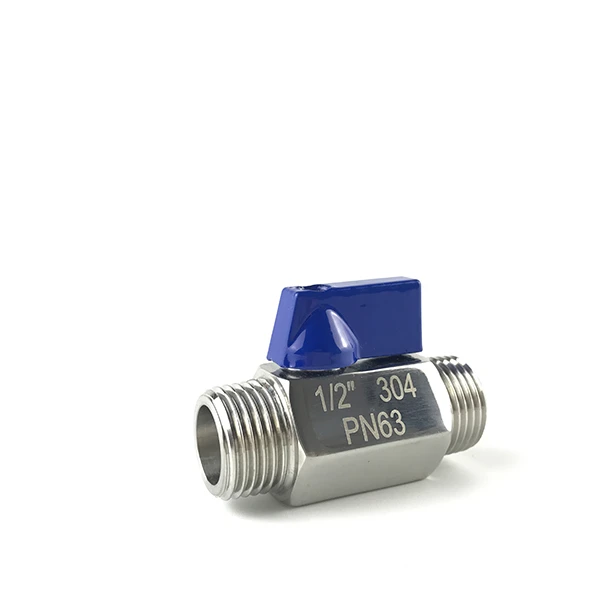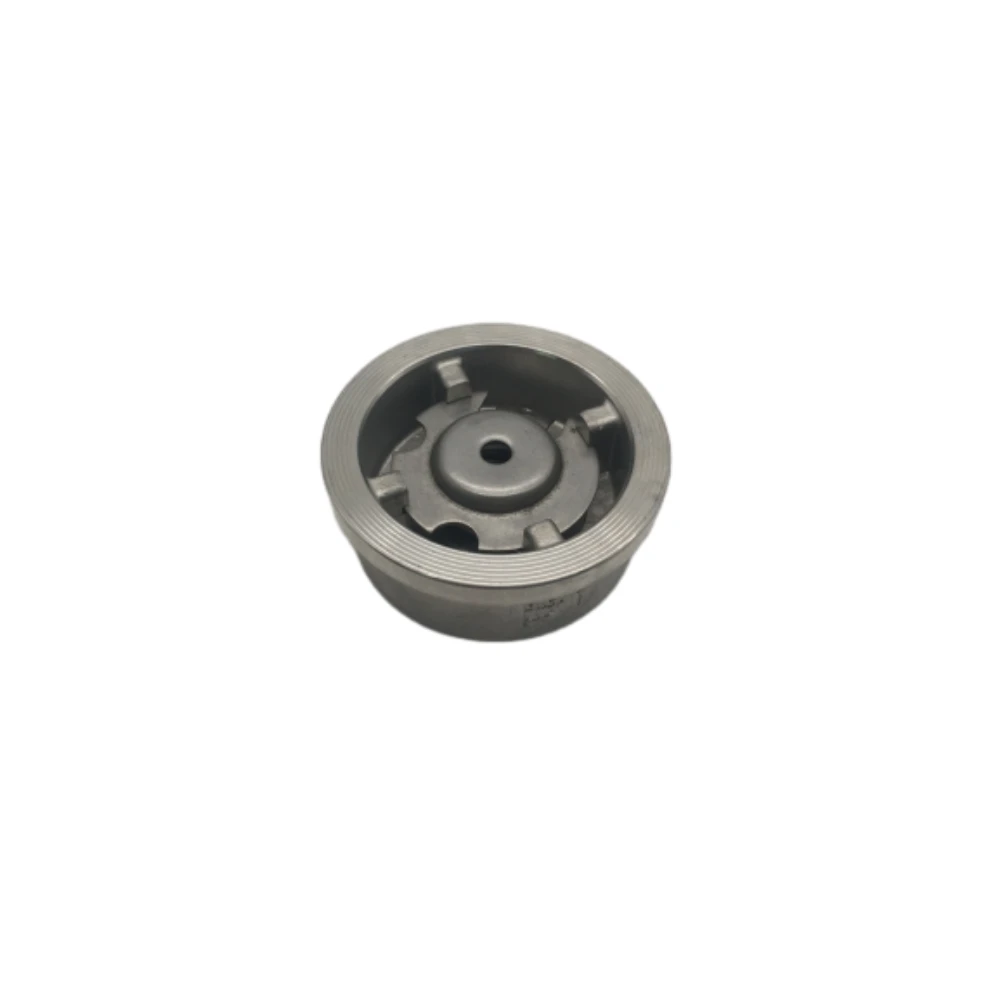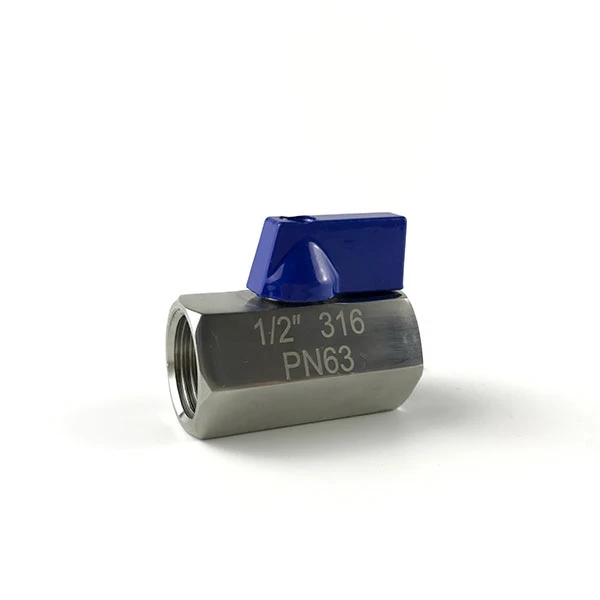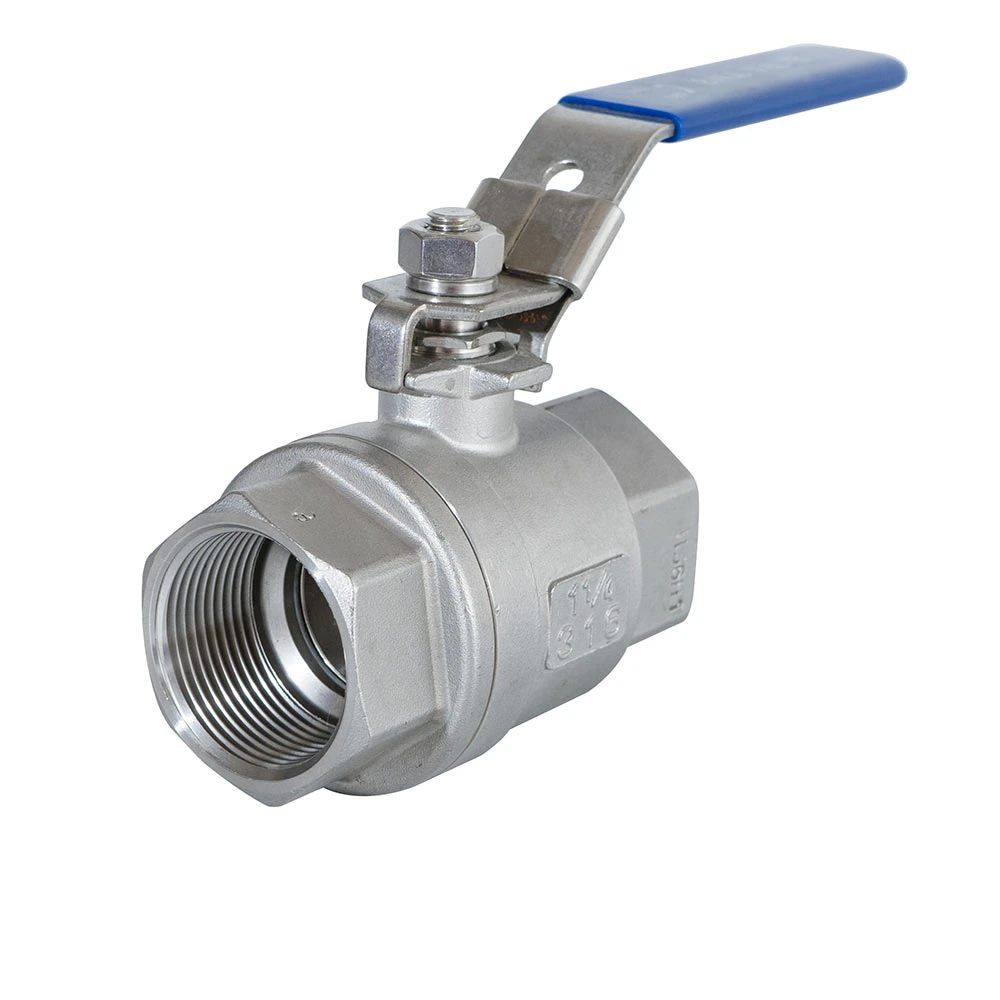
The Unsung Hero of Fluid Control: Understanding the 3 Three Way Valve
When you first hear "3 three way valve," it might sound like a tongue twister. But in the world of fluid mechanics and industrial automation, these valves quietly play pivotal roles. From regulating chemical flows in processing plants to ensuring efficient heating systems, understanding these valves is more than a technical curiosity — it’s essential to modern infrastructure and sustainable solutions worldwide.
Why They Matter Globally
The global valve market is expected to grow steadily, energized by demands in water treatment, energy, pharmaceuticals, and manufacturing sectors. According to the International Standards Organization (ISO), valve technologies contribute decisively to energy efficiency and safety standards in industrial applications. Oddly enough, in many remote and disaster-affected regions, valves like the 3 three way valve can make vital water and heating systems manageable and reliable, which is no small feat when communities depend on them.
Yet, challenges like system complexity, maintenance costs, and durability under harsh conditions still loom. Engineers are deeply invested in crafting valves that overcome these hurdles, making the humble 3 three way valve a quietly evolving staple.
What Exactly Is a 3 Three Way Valve?
Simply put, a 3 three way valve is a valve with three ports that directs fluid flow between them. Imagine a traffic intersection for liquids or gases, where you can either divert flow from one inlet to two outlets or mix flows coming from two inlets into one outlet. These valves come in two main types — diverting and mixing — each serving specific purposes depending on your system’s layout.
From a humanitarian perspective, they enable flexible control in water distribution, heating systems, and cooling loops — ensuring resources are used efficiently and systems respond dynamically to demand. In modern plant operations, these valves help reduce the need for complex piping and multiple valves.
Key Aspects to Know About 3 Three Way Valves
Durability Under Pressure
The materials used—usually brass, stainless steel, or reinforced plastics—can withstand high pressures and corrosive environments. This is critical in chemical processing or marine applications, where failure isn’t an option.
Versatility and Configuration
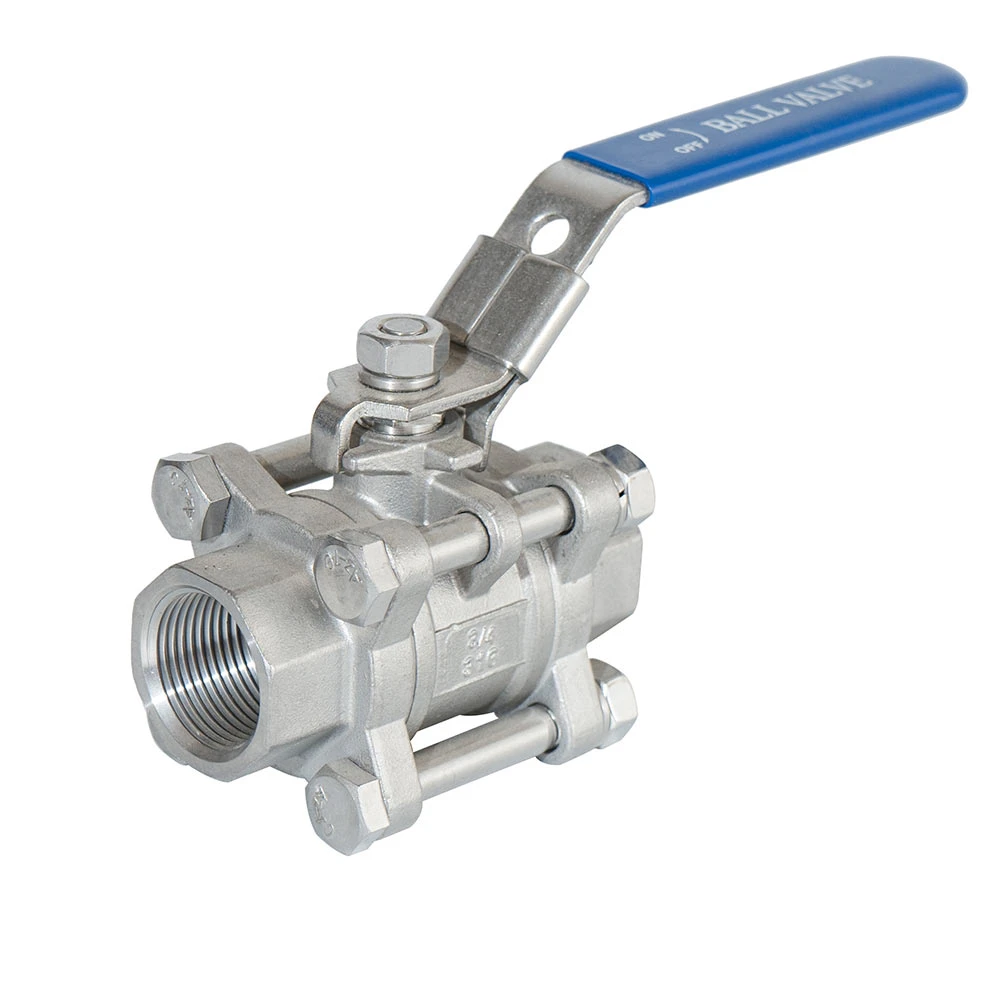
Whether you need a valve for diverting or mixing, the internal ball or plug design can be tailored. Many engineers love the modularity: changing flow directions with a simple turning action keeps maintenance straightforward and systems compact.
Cost Efficiency
Using a single 3 three way valve instead of multiple two-way valves can reduce upfront costs and minimize leak points, which later translate to less downtime. It’s a small saving that counts large over time.
Compatibility with Automation
Modern valves often integrate with actuators and sensors, letting you automate complex flow patterns remotely. This is especially important for large industrial plants or smart building HVAC systems aiming for energy optimization.
Mini takeaway:
By focusing on these core features—durability, versatility, cost, and automation compatibility—you get a 3 three way valve that’s not just functional but strategically valuable in any fluid control scenario.
Global Applications That Rely on 3 Three Way Valves
These valves are everywhere, probably more than you realize. Heating, ventilation and air conditioning (HVAC) systems worldwide use them to manage temperature regulation fluidly and efficiently. In the chemical industry, they control aggressive fluid mixes while maintaining safety and precision.
Oddly enough, humanitarian projects rely on these valves in disaster zones — they help regulate water and heating distributions in temporary shelters. For example, 3 three way valve models have supported recovery projects in South-East Asia after floods, improving living conditions by stabilizing resource flows without the need for huge infrastructure.
Large process plants in Europe, North America, and emerging industrial hubs in Asia consistently choose 3 three way valves to simplify piping networks and operate flexible production lines.
Mini takeaway:
- Widely used from industrial manufacturing to disaster relief, flexibility is their superpower.
- Regional adoption varies, but the global trend is toward smarter, more automated valves.
A Quick Look at Typical Specifications
| Specification | Typical Value |
|---|---|
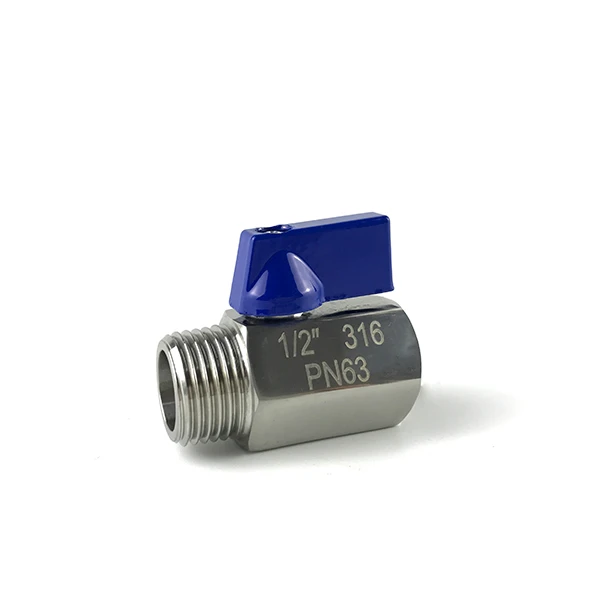
| Material | Stainless Steel 316 / Brass / PVC |
| Pressure rating | Up to 16 bar (230 psi) |
| Temperature range | -20°C to 180°C (-4°F to 356°F) |
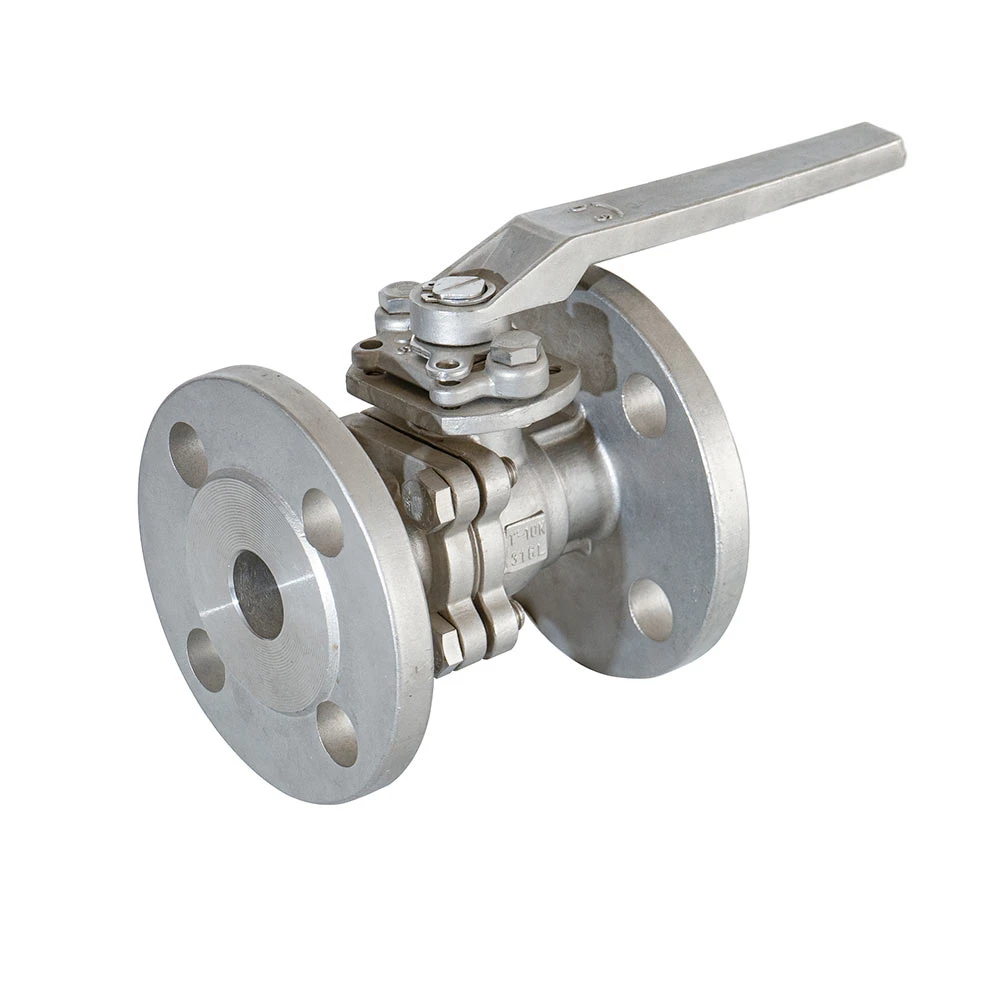
| End connections | Threaded / Flanged / Socket weld |
| Actuation | Manual / Electric / Pneumatic |
| Flow coefficients (Cv) | 1 to 50 (depending on size) |
Vendor Comparison: Choosing the Right 3 Three Way Valve Supplier
| Vendor | Product Range | Price Range (USD) | Lead Time | Special Features |
|---|---|---|---|---|
| Houde Valve | Stainless steel, brass valves for industrial & HVAC | $80 - $350 | 2-3 weeks | Customization, automation ready |
| Global Valve Co. | Broad range valves, including specialty alloys | $120 - $500 | 3-5 weeks | High pressure options, field service support |
| ValveMaster | Standard valves with fast delivery | $60 - $200 | 1 week | Quick ship only, limited customization |
What Makes 3 Three Way Valves So Valuable Long-Term?
- Reliability: Reduced leakage points mean fewer disruptions.
- Sustainability: Efficient flow control reduces waste and energy consumption.
- Cost Savings: Simplified piping lowers capital and maintenance costs.
- Safety: Precise flow control helps maintain stable system conditions, protecting equipment and users alike.
- Adaptability: Works well in automated and manual systems, so you’re future-proofing your setup.
On the Horizon: Innovations in 3 Three Way Valve Technology
There’s a push toward integrating IoT sensors for real-time diagnostics—imagine valves that tell you when they need maintenance before they fail. Green materials like bio-based polymers and advanced corrosion-resistant alloys are becoming popular for greater sustainability. And don’t overlook the move toward smarter actuator systems, enabling fully automated plants that adjust flows on the fly according to production needs or environmental data.
But It’s Not All Sunshine: Challenges & Solutions
One common issue is wear in valves subjected to abrasive fluids or extreme cycling. Innovations in self-lubricating seals or hardened ball seats are addressing this. Another sticking point is precision in mixing applications—advanced CNC machining and improved modeling software help manufacturers refine flow paths to tighter tolerances. Then there’s cost: optimizing design without pushing prices too high is always a balancing act.
Frequently Asked Questions About 3 Three Way Valve
- Q1: Can a 3 three way valve handle both mixing and diverting functions in one unit?
- A1: Most 3 three way valves are designed for either mixing or diverting, not both simultaneously. Choosing the right type depends on whether you need to combine fluids into one outlet or split one inlet into two outlets.
- Q2: How does automation integration improve 3 three way valve performance?
- A2: Adding electric or pneumatic actuators enables remote control and precise flow regulation. Coupled with sensors, this can enhance efficiency, reduce manual intervention, and extend valve life through predictive maintenance.
- Q3: Are there industry standards to look for when selecting these valves?
- A3: Definitely. Seek valves that comply with standards such as ISO 9001 for quality management and API or ANSI for pressure and dimension conformity. This ensures reliability and compatibility within broader systems.
- Q4: What maintenance practices keep 3 three way valves operating optimally?
- A4: Regular inspection for leaks, seal integrity, and actuator function is key. Lubricating moving parts and avoiding exposure to unexpected chemicals help extend service life.
Wrapping It Up
In the vast ecosystem of fluid control, the 3 three way valve quietly stands out for its adaptability, efficiency, and cost-effectiveness. Whether in busy factories or disaster relief scenarios, these valves streamline control and improve system resilience. So the next time your heating system hums along or a refinery seamlessly salvages resources, you might have a 3 three way valve to thank.
Interested in reliable, customizable 3 three way valves? Check out the latest models and engineering insights at Houde Valve.