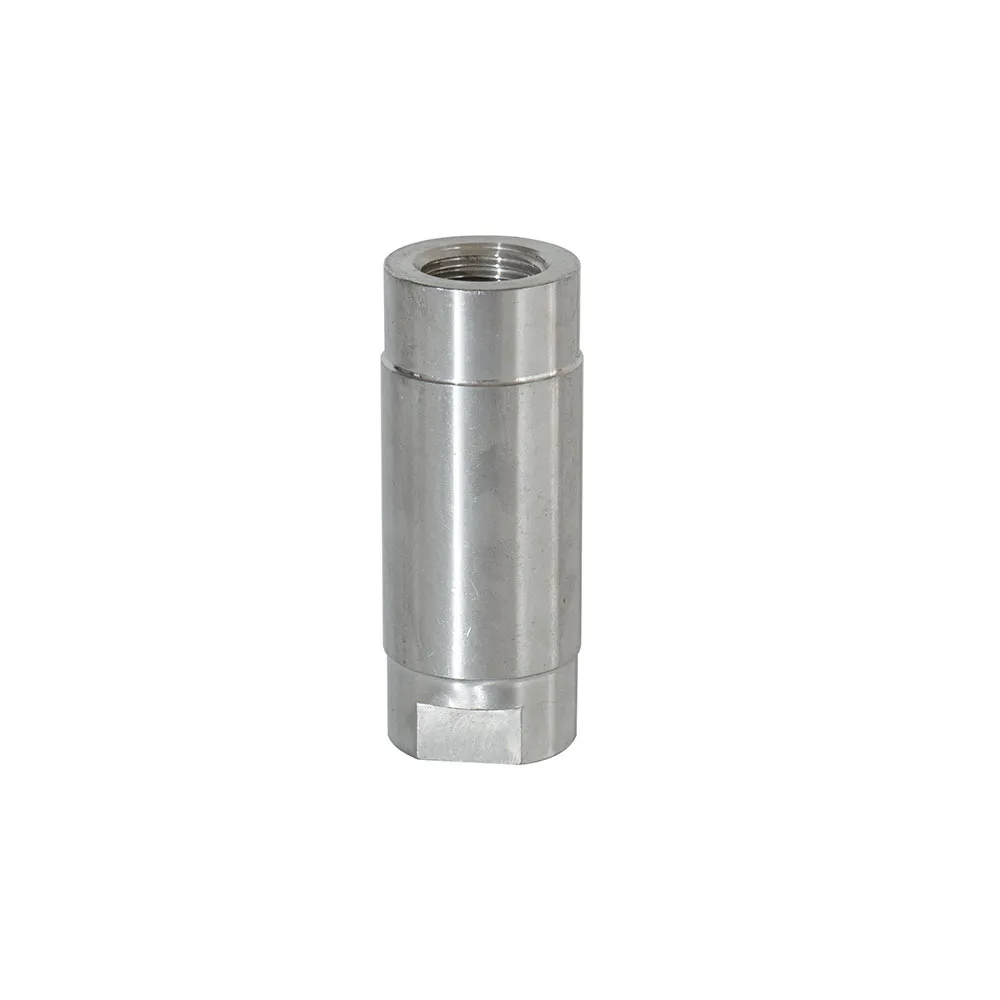
What Is a 3 Way Ball Valve L Port and Why It Matters
If you've ever dealt with fluid control systems—whether in industrial plants, water management, or HVAC setups—you've likely encountered a ball valve. Among these, the 3 way ball valve L port is a particular style designed to direct flow in versatile ways. It might not be headline news, but the subtle engineering behind it affects everything from water treatment to oil and gas pipelines worldwide. Understanding this valve’s function matters globally, especially as efficient fluid routing becomes vital for sustainability and safety. Plus, it saves industries time and money—always a good thing.
Mini takeaway: The 3 way ball valve L port is a simple yet powerful tool that enables seamless flow direction, optimizing industrial processes worldwide.
Introduction: Why 3 Way Ball Valve L Ports Are Globally Important
Globally, fluid management infrastructure forms the backbone of countless industries. According to the International Energy Agency, pipelines carrying oil, gas, and water stretch over millions of kilometers across continents, with valves playing a frontline role in control. The 3 way ball valve L port addresses one pesky problem: how to safely and efficiently switch flow paths without disrupting operation.
Think about a wastewater treatment plant in a densely populated city or a chemical plant in Europe. They often need to redirect fluids between channels without shutting down processes—a challenge the L port design helps overcome. Moreover, the global push toward sustainability and reduced waste further underscores their importance in reducing leaking, contamination, and downtime.
Mini takeaway: This valve’s global relevance is rooted in its crucial role in operational flexibility and environmental safety in fluid control networks.
What Exactly Is a 3 Way Ball Valve L Port?
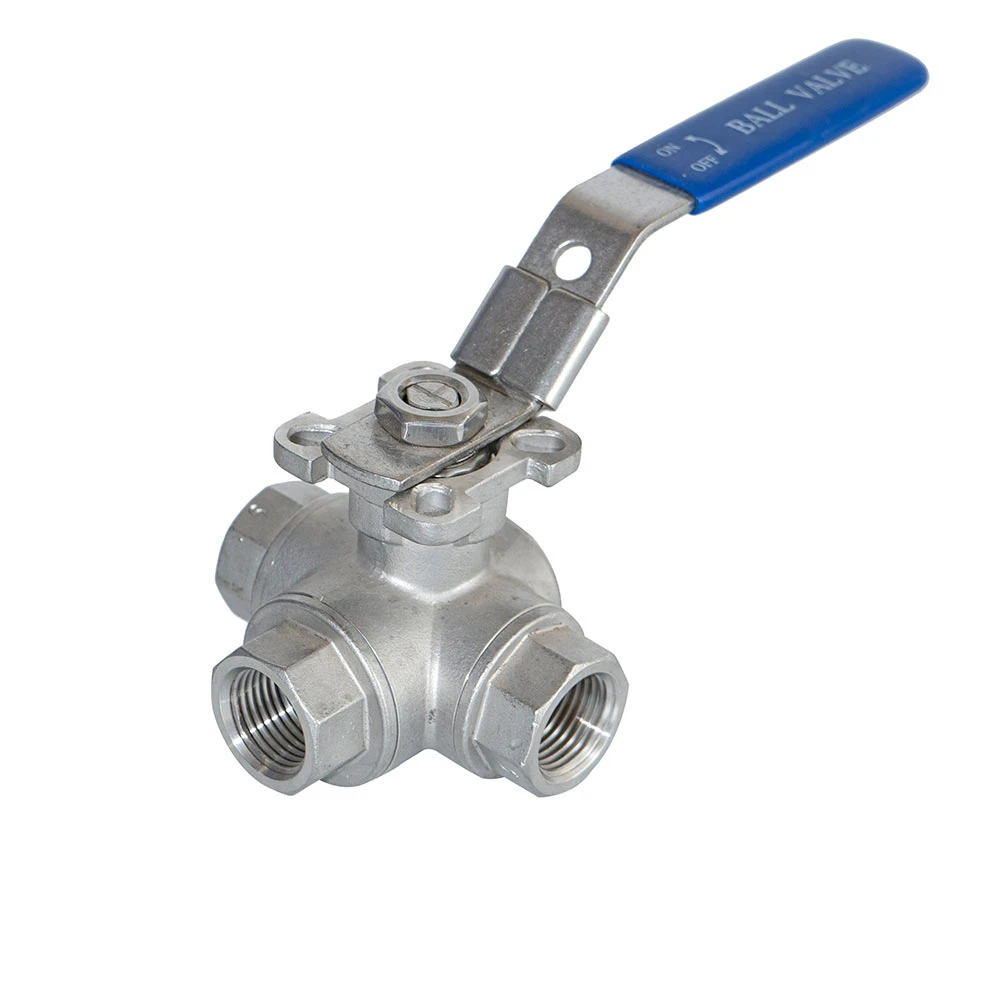
Simply put, it’s a valve with a spherical disc that has an “L” shaped port bored through it. This L-shaped passage allows the valve to connect any two of three ports, effectively routing the flow between two different pipeline paths.
In contrast with a T port variant, which can connect three lines simultaneously, the L port is designed mostly for switching flow direction. Turn the handle 90 degrees, and you switch the flow from one pipeline to another. It's a clever mechanical switch disguised as a sturdy chunk of metal.
Modern industries rely heavily on this valve type where reliable control and minimal leak risk are necessary—think chemical manufacturing, oil and gas distribution, and even humanitarian water supply projects where flow control precision can mean access or scarcity.
Key Features That Define the 3 Way Ball Valve L Port
1. Durability
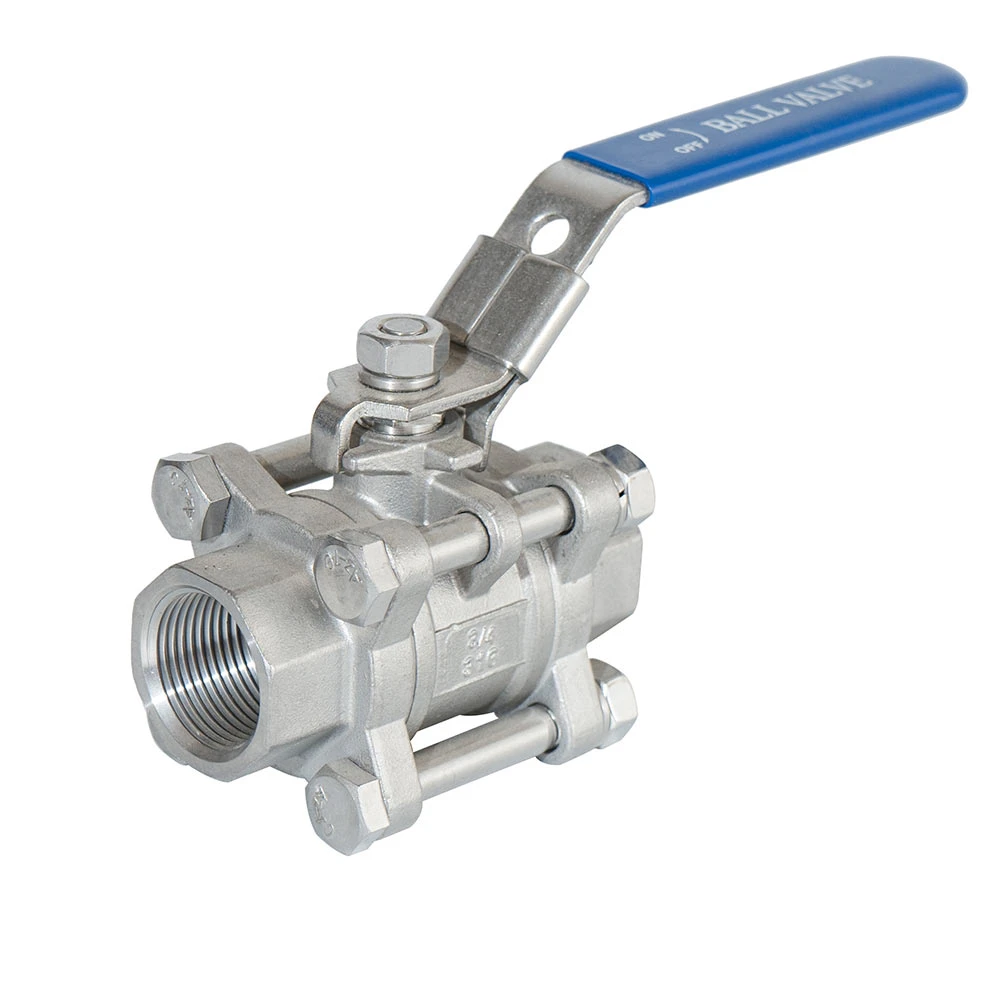
Made commonly from stainless steel, brass, or reinforced plastics, these valves resist corrosion and harsh chemicals. For many, especially in the oil & gas sector, durability equates to safety—avoiding spills or failures under high pressure.
2. Versatility in Flow Routing
The L port enables switching between two flow directions without removing the valve—crucial for systems needing regular changes or alternating operations.
3. Compact Design for Space Efficiency
Industrial spaces can be cramped, so the compactness of 3 way ball valves makes installation easier compared to complicated pipe configurations or multi-valve setups.
4. Low Maintenance Requirement
Thanks to the ball valve’s smooth surface and minimal moving parts, these valves generally require less upkeep than traditional gate or globe valves.
5. Cost Efficiency Over Time
Although initial costs might be marginally higher than some alternatives, reduced downtime and fewer repairs mean long-term savings.
Mini takeaway: The valve’s durability, versatility, and cost-efficiency combine to make it invaluable for many industrial engineers.
Real-World Uses and Global Applications
The beauty of the 3 way ball valve l port lies in its adaptability. Different regions, from North American petrochemical refineries to European water networks, rely on these valves. Even humanitarian missions use them in water purification units, ensuring safe, controlled distribution of drinking water in disaster-hit zones.
For instance, in remote industrial zones in Australia, where equipment downtime can cost millions, these valves offer quick switching of fluid lines. Meanwhile, European food processing plants depend on stainless variants to maintain hygiene standards and flexible production lines.
| Specification | Typical Value | Units |
|---|---|---|
| Material | 316 Stainless Steel | – |
| Port Shape | L | – |
| Connection Type | Flanged / Threaded | – |
| Pressure Rating | 150 PSI | PSI |
| Max Temperature | 200 | °C |
| Operation | Manual / Pneumatic | – |
Mini takeaway: Across industries and continents, this valve proves indispensable for efficient fluid switching.
Advantages and Why They Still Outperform Alternatives
- Safety: Prevents accidental mixing or contamination in sensitive processes.
- Reliability: Proven to operate smoothly for thousands of cycles with minimal failures.
- Cost Savings: Less maintenance means fewer surprises during critical uptime.
- Easier Installation: Simplifies setups, reducing labor and downtime.
- Sustainability: Reduces leakage potential, conserving valuable resources in water and chemical handling.
Emerging Trends and Innovations in 3 Way Ball Valves
The valve industry isn't static—new materials like advanced polymers and coatings improve corrosion resistance. Digitization is also key: smart valves now can monitor their own function and report data, integrating with Industrial IoT platforms. Automation paired with pneumatic actuators means remote or even AI-driven control, minimizing human error.
On the sustainability front, enhanced recycling of valve materials and reduced carbon footprints during manufacturing are getting more attention. Imagine a valve that not only optimizes flow but also comes with a smaller environmental cost. Pretty neat, right?
Challenges and How Experts Are Tackling Them
No tech is perfect. 3 way ball valves can face issues like wear on seals or clogging from particulates. Operators often worry about valve longevity under extreme conditions like high temperatures or abrasive fluids. Solutions include newer seal materials, better filtration ahead of the valve, and predictive maintenance schedules supported by monitoring sensors.
It’s worth noting that selecting the right valve—tailoring material, size, and actuator type—based on actual conditions can prevent most headaches.
FAQ: Practical Questions About 3 Way Ball Valve L Ports
Q1: How does an L port ball valve differ from a T port ball valve?
An L port ball valve routes flow between two of three ports, allowing for “either-or” direction switching, while a T port can connect or mix flows from all three ports. The L port is ideal for diverting flow, whereas T ports are used for mixing or splitting.
Q2: Can 3 way ball valve L ports handle high pressure?
Many models, especially those made from stainless steel, can handle pressures upwards of 150 PSI or more. It’s essential to check specifications and match valves to the required operating pressure for safety.
Q3: Are these valves available with automation options?
Yes, pneumatic or electric actuators can be installed on 3 way ball valve L ports for remote or automated control, commonly used in plants where manual operation would be inefficient or unsafe.
Q4: How do I know when the valve needs maintenance or replacement?
Signs like leaking, difficulty turning, or irregular flow indicate maintenance. Regular inspections based on operating conditions help extend service life. Increasingly, smart valves notify operators before failure.
Q5: Where can I find reliable 3 way ball valve L port suppliers?
Established valve manufacturers with certifications like ISO are preferred. Comparing features, warranty, and service support matters. A quick comparison table below might help:
| Vendor | Material Options | Pressure Rating | Automation Support | Warranty |
|---|---|---|---|---|
| Houde Valve | SS316, Brass, PVC | Up to 200 PSI | Yes | 3 Years |
| ValvePro Inc. | SS304, Bronze | Up to 150 PSI | Limited | 2 Years |
| FlowTech Valves | Carbon Steel, PVC | Up to 180 PSI | Yes | 1.5 Years |
Conclusion: Long-Term Value of Choosing the Right 3 Way Ball Valve L Port
In real terms, the 3 way ball valve l port might seem like a small piece of a vast industrial puzzle. Yet its role in enhancing flow control safety, operational flexibility, and sustainability cannot be overstated. When you choose high-quality, durable valves with the right features, you’re investing in smoother operations today and fewer headaches tomorrow.
Curious to see a reliable range of options? Visit our website and explore quality 3 way ball valve l port products that balance durability, performance, and cost-efficiency.