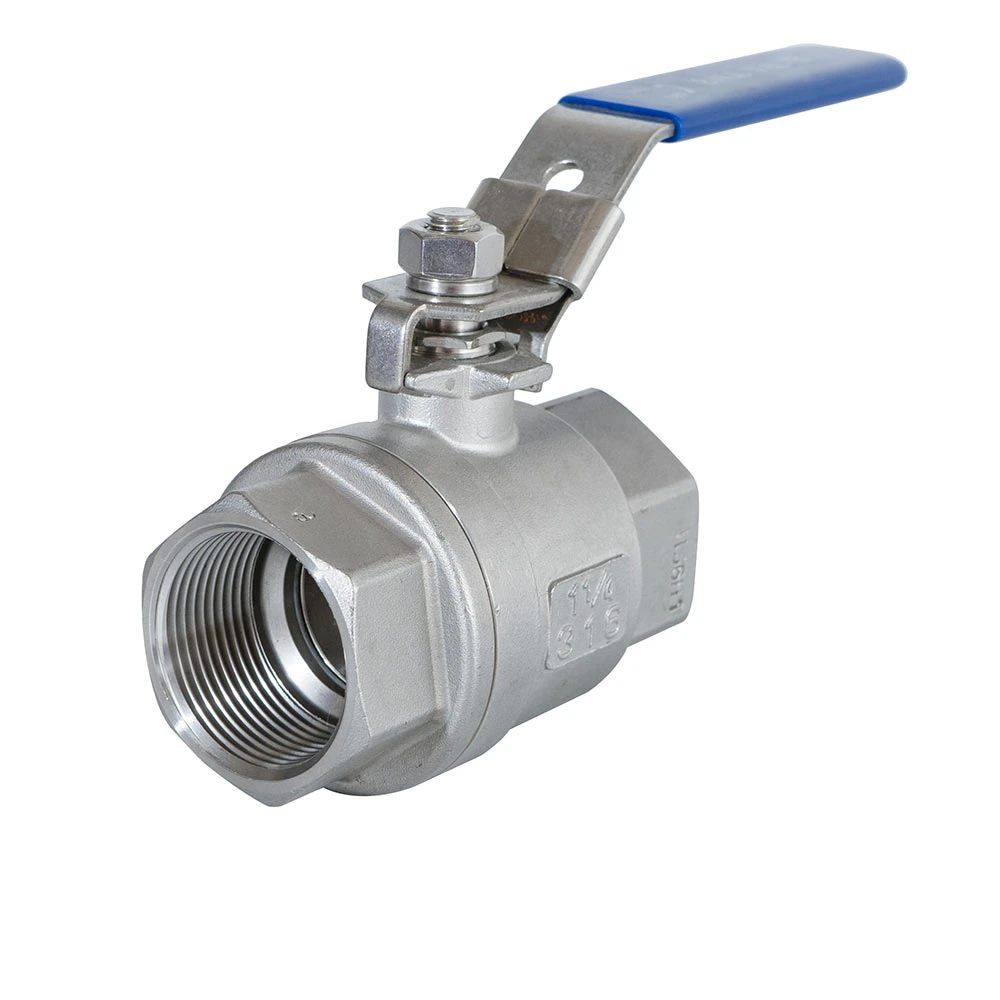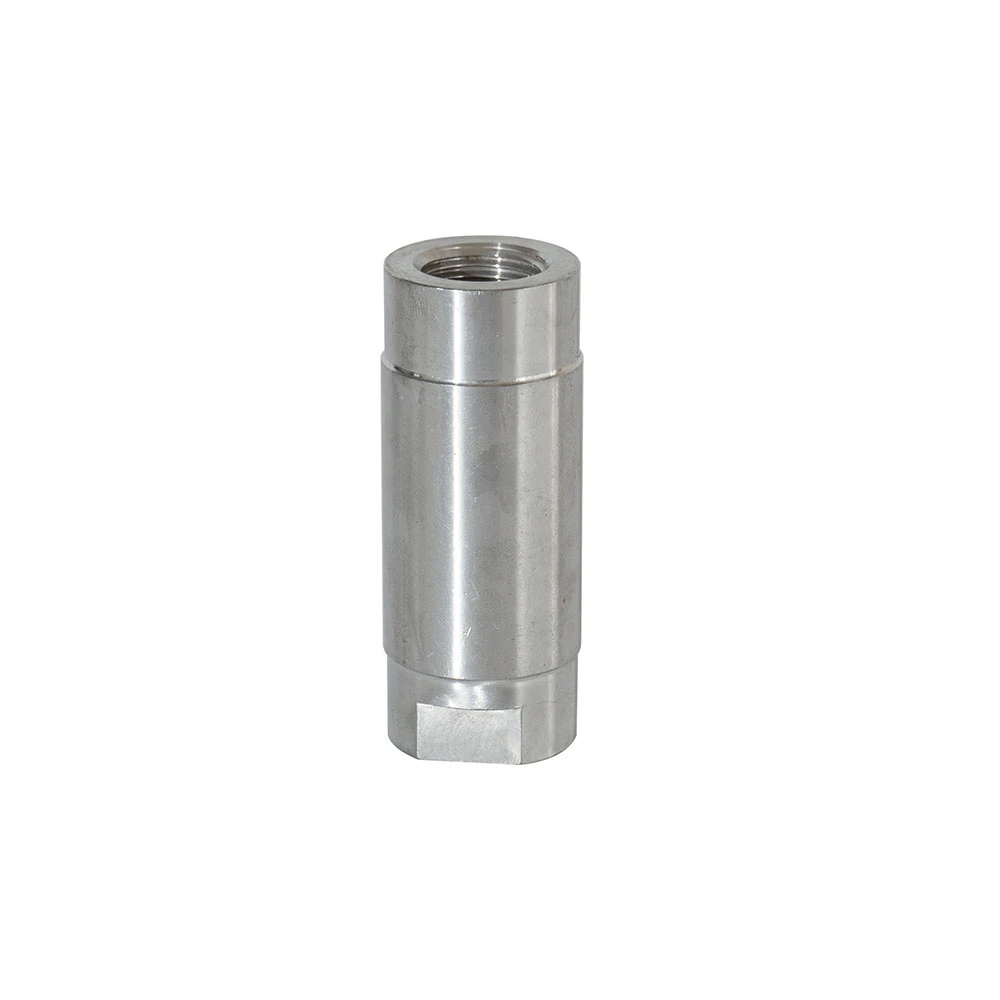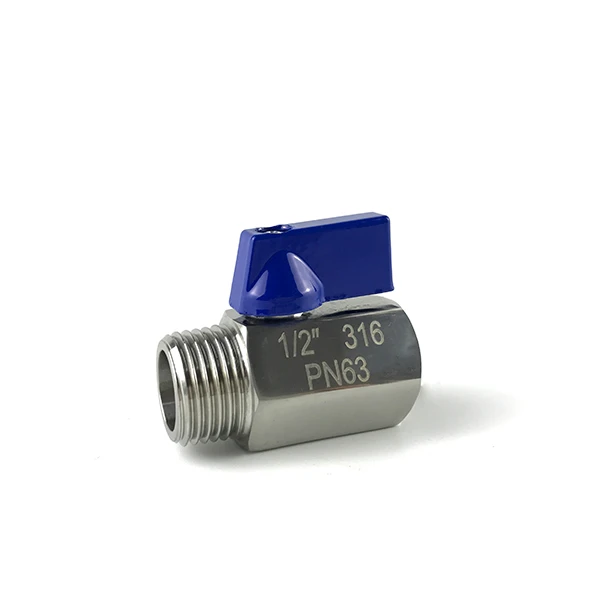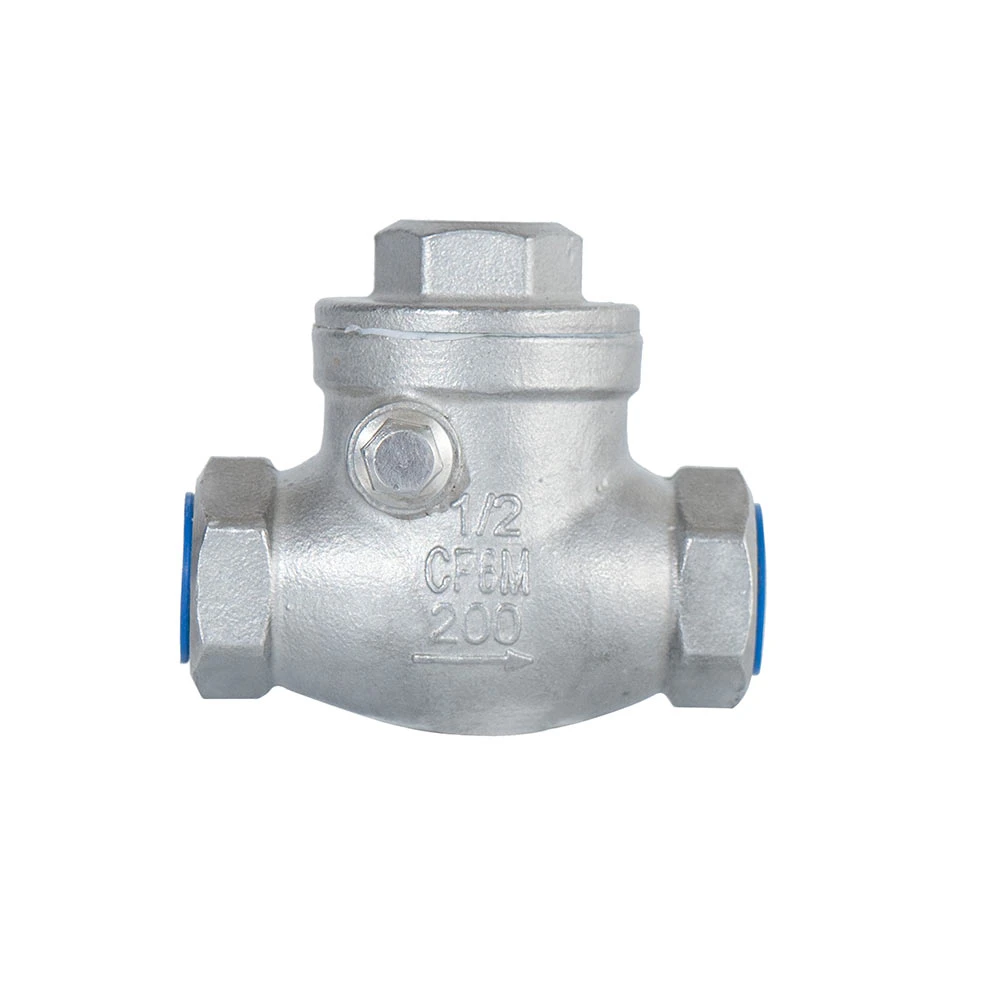
The Unsung Hero of Fluid Control: The 3 4 Inch 3 Way Valve
If you've ever worked with plumbing, HVAC systems, or industrial pipelines, you’ve probably crossed paths with the humble 3 4 inch 3 way valve. It may sound like a mouthful, but this small valve packs a serious punch when it comes to managing fluid flow efficiently. Beyond being a mere mechanical gadget, it plays a critical role in industries worldwide — from energy sectors to humanitarian water projects. Understanding how this valve functions and why it matters isn’t just for engineers; it’s for anyone curious about how our complex infrastructure actually flows.
Why the 3 4 Inch 3 Way Valve Matters Globally
Globally, fluid and gas handling systems underpin essential services — everything from municipal water supply to chemical processing, heating and cooling in skyscrapers, to irrigation systems in agriculture. According to data from the International Organization for Standardization (ISO), proper valve selection ensures operational safety and efficiency, reducing waste and environmental impact.
The 3 4 inch 3 way valve answers several challenges:
- Compact design for space-limited systems
- Flexibility to redirect flow easily between pipes
- Reliability in handling liquids and gases under varied pressures
In real terms: it reduces downtime, lowers maintenance costs, and helps operations run smoother — which matters in everything from chemical plants in Europe to water delivery in rural Asia.
What Exactly Is a 3 4 Inch 3 Way Valve?
Simply put, a 3 4 inch 3 way valve is a mechanical device with one inlet and two outlets or vice versa, designed to control the direction of fluid or gas flow. The 3 4 inch part refers to the nominal pipe size it fits, roughly 19 millimeters — a standard size in industrial and household piping.
Nowadays, this valve is crucial in automated systems, HVAC units, water treatment plants, and even humanitarian projects where precise and reliable flow control is essential. Think of it like a railway switch operator directing trains — except the trains here are liquids or gases, flowing through the pipes.
Mini Takeaway:
The 3 4 inch 3 way valve is a compact yet versatile flow controller, vital for modern plumbing and industrial applications where space and flexibility are at a premium.
Key Components That Define Performance
1. Durability & Material Choice
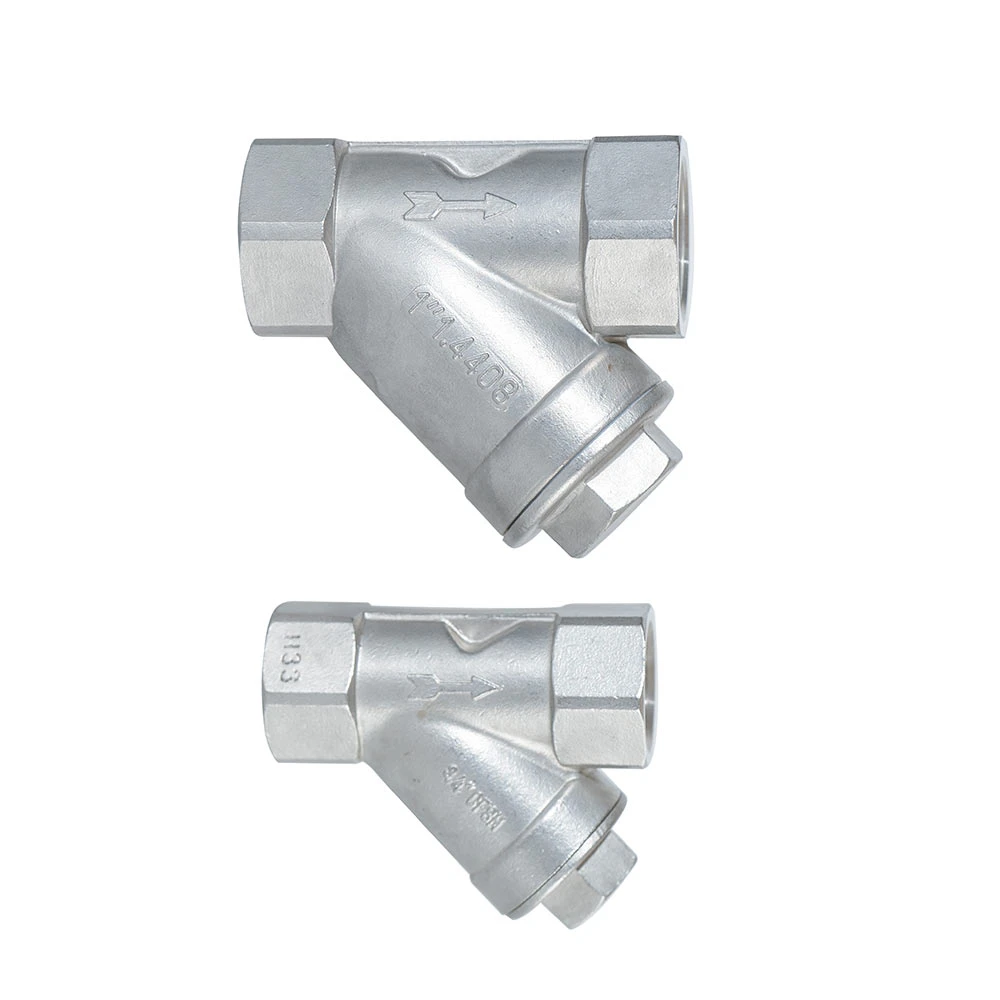
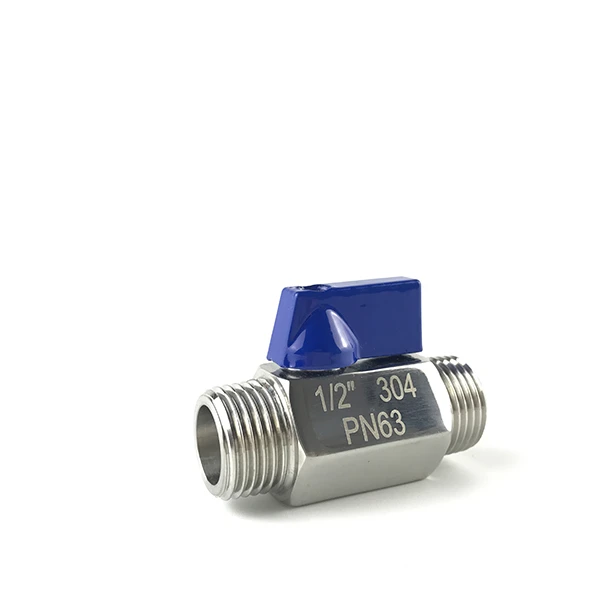
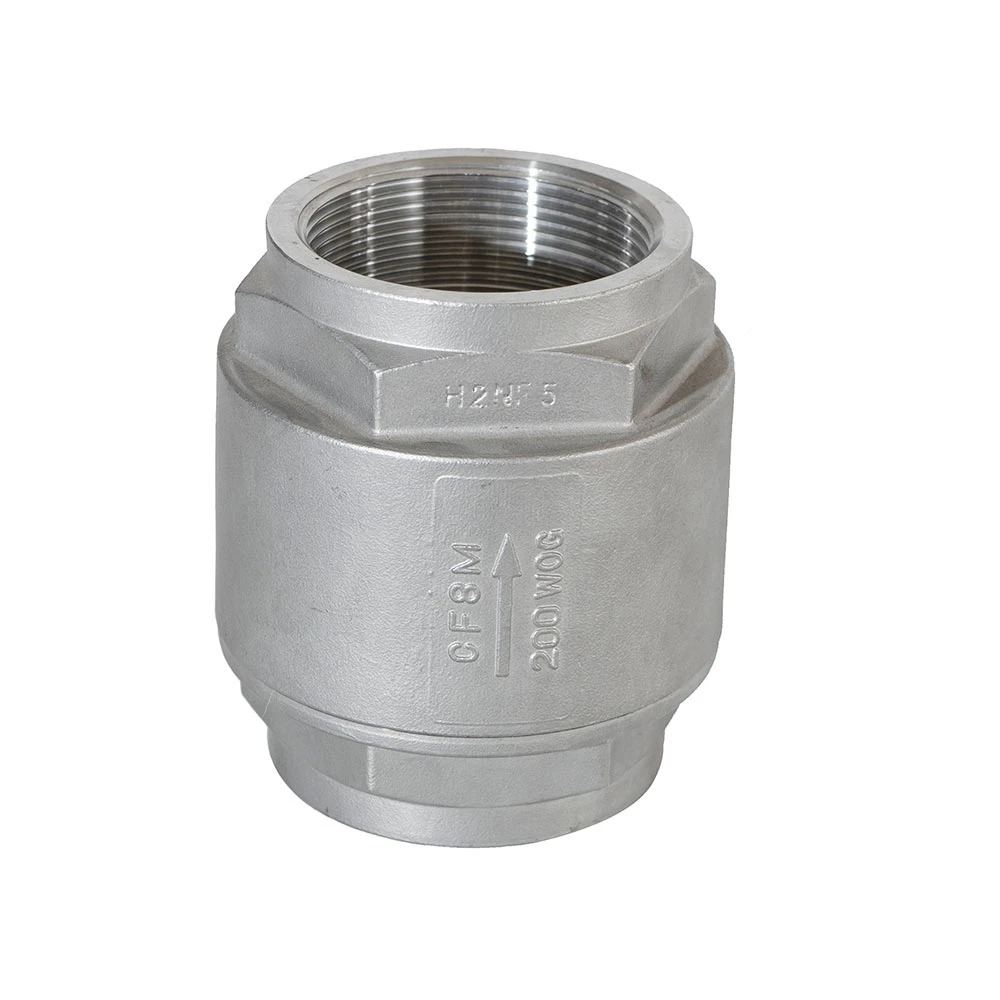
Most valves of this type are made from brass, stainless steel, or robust plastics. Material choice directly impacts lifespan — stainless steel valves are common in corrosive environments, while brass is a cost-effective option for water systems.
2. Actuation Mechanism
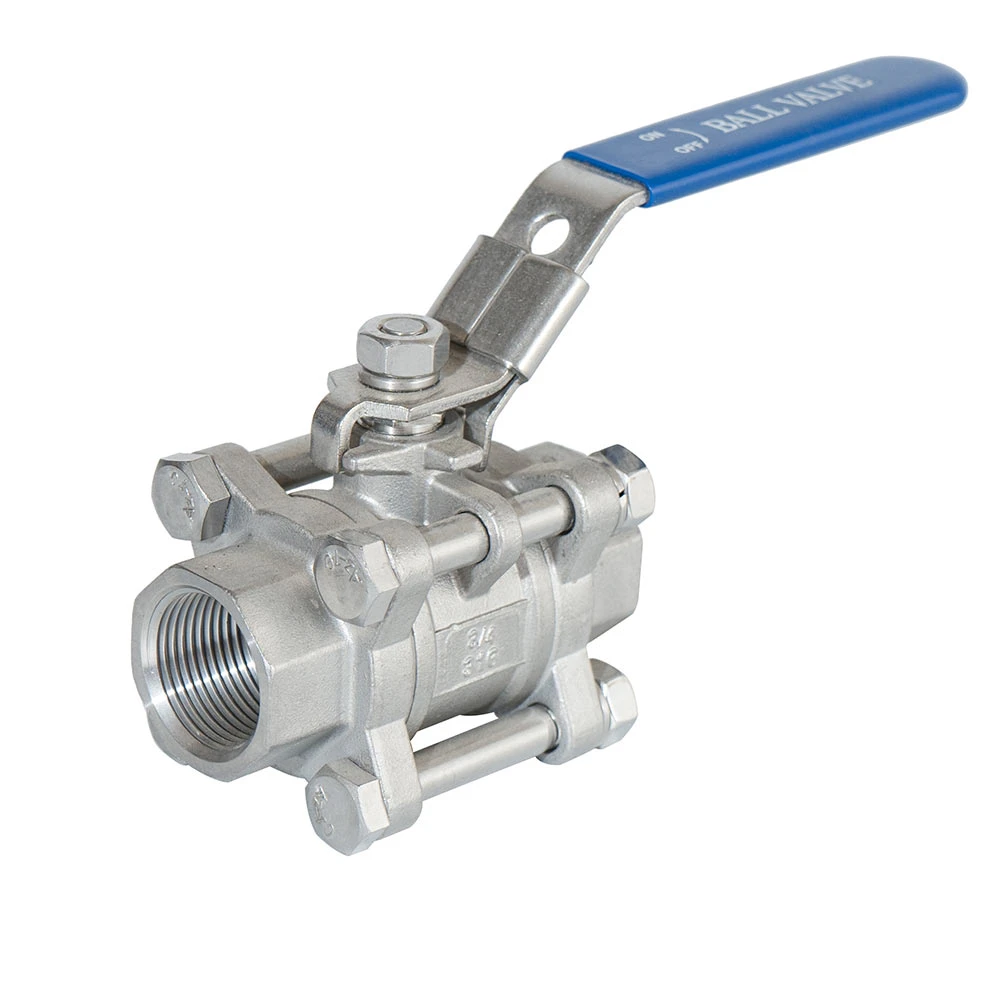
Valves can be manual or automated. Manual valves operate with a lever or handle, while automated versions use electric, pneumatic, or hydraulic actuators — essential for remote or complex industrial setups.
3. Seal & Leakage Prevention
Good sealing is non-negotiable. The valve typically includes O-rings or seals made from PTFE or rubber to prevent leaks even under high pressure. Over time, these components need replacement — key in maintenance planning.
4. Flow Configuration
The 3-way valve can come in L-shaped (diverter) or T-shaped (mixing) configurations, dictating whether it splits flow or mixes multiple streams. This flexibility expands its usability across applications.
Mini Takeaway:
The valve’s components influence not just the initial cost but how well it performs throughout its life. Material, sealing, and actuation type are the pillars of reliability.
How & Where Is the 3 4 Inch 3 Way Valve Used Worldwide?
The applications are diverse, but here are some illustrative real-world cases:
- Post-Disaster Relief Water Systems: In areas hit by floods or earthquakes, water supply distribution systems often need rapid setup. These valves help quickly redirect clean water flow, ensuring safe access without complex infrastructure.
- Industrial HVAC Systems: Buildings worldwide depend on these valves to control hot and cold water flows, enhancing thermal comfort and reducing energy waste.
- Remote Oil & Gas Sites: In rough terrain where space is tight and maintenance tricky, the compact design of these valves supports reliable pipeline management.
- Agricultural Irrigation: Efficiently switching flow between fields or crops keeps water use sustainable and cost-efficient.
Product Specifications At a Glance
| Specification | Typical Value |
|---|---|
| Nominal Diameter | 3/4 inch (19 mm) |
| Material | Brass, Stainless Steel, PVC |
| Pressure Rating | Up to 150 psi (10 bar) |
| Temperature Range | -20°C to 120°C (-4°F to 248°F) |
| Flow Type | L-port (diverter) / T-port (mixing) |
| Actuation | Manual, Electric, Pneumatic |
Comparing Popular Vendors: What to Watch Out For
| Vendor | Build Material | Price Range | Features | Lead Time |
|---|---|---|---|---|
| Houde Valve | Stainless Steel & Brass | $$$ | Customizable actuation options, OEM ready, long durability | 2-3 weeks |
| Delta Flow Co. | Brass | $ - $$ | Manual only, standard sizes, basic seals | 1-2 weeks |
| Green Valve Corp. | PVC / Plastic | $ | Eco-friendly materials, corrosion resistant, limited pressure ratings | 1 week |
What Benefits Does This Valve Bring Over Time?
Many engineers say that investing in the right 3 4 inch 3 way valve pays off well beyond initial purchase. Here’s how:
- Cost Efficiency: Less maintenance and downtime mean lower operational costs.
- Sustainability: Durable materials and precise flow control reduce waste and avoid leaks.
- Reliability: Ensures safety in critical systems like water supply or chemical plants.
- User Confidence: Proven track records build trust among operators; fewer surprises.
To be honest, any system incorporating these valves feels smoother—almost like a silent guardian working tirelessly in the background.
Looking Ahead: Innovations and Trends
What’s new in the world of 3 4 inch 3 way valves? For starters, digital integration is creeping in. Smart valves with sensors allow real-time flow monitoring and remote control. This is a game changer for industrial automation and green energy projects, where efficiency must be pinned down to the nearest drop.
On the materials front, eco-friendly composites and advanced polymers are starting to replace metals in certain applications, offering corrosion resistance while trimming environmental impact.
There's also a growing push for standardization, making it easier for global supply chains to adapt and swap parts without hassle, which is great considering just how international these valves have become.
Challenges & How Experts Overcome Them
Of course, no technology is perfect. Common challenges with 3 4 inch 3 way valves include:
- Seal degradation: Over time, seals can wear, causing leaks.
- Actuator complexity: Automated valves can be pricey and require specialized maintenance.
- Pressure limitations: Some models may fail under extreme conditions, requiring careful specs matching.
Many firms combat this by implementing predictive maintenance — monitoring valve conditions before failures occur — and selecting materials best suited for operational environments.
Frequently Asked Questions About 3 4 Inch 3 Way Valve
- Q: How do I know if a 3 4 inch 3 way valve fits my system?
- A: Check the pipe size, pressure rating, and flow configuration. If your system operates at standard parameters, a 3 4 inch valve usually fits. Consider consulting specs or contacting vendors like Houde Valve for tailored advice.
- Q: Can a 3 4 inch 3 way valve handle both liquids and gases?
- A: Yes, most 3 way valves are designed to control flow of liquids and gases. However, confirm material compatibility and pressure ratings for your specific application.
- Q: What maintenance does this type of valve require?
- A: Periodic inspection of seals and actuator mechanisms is recommended. Depending on use, lubricating moving parts and replacing worn seals can extend the valve’s life significantly.
- Q: Are automated actuation options expensive?
- A: Automated valves do cost more initially but offer remote control and precision benefits that often offset prices via operational savings, especially in complex or hazardous environments.
Wrapping It Up: Why Understanding the 3 4 Inch 3 Way Valve Pays Off
So, whether you’re managing a commercial building, running an industrial plant, or setting up emergency water supplies, getting to know the 3 4 inch 3 way valve can make a big difference. It’s one of those quietly efficient tools that delivers reliability and flexibility — no corporate jargon required.
If you're looking to explore reliable and customizable options, consider visiting https://www.houdevalve.com for a selection of tailored valves perfect for your needs.