Understanding the Versatility of a 1 Inch Threaded Ball Valve
In the realm of fluid control, the 1 inch threaded ball valve stands as a critical component in numerous industries. Its robust design, ease of operation, and reliable sealing make it ideal for a wide spectrum of applications, from residential plumbing to complex industrial processes. This article provides a comprehensive overview of 1 inch threaded ball valves, covering their features, applications, material options, and key considerations for selection. Understanding these factors will empower you to choose the right valve for your specific needs, ensuring efficient and safe fluid control.
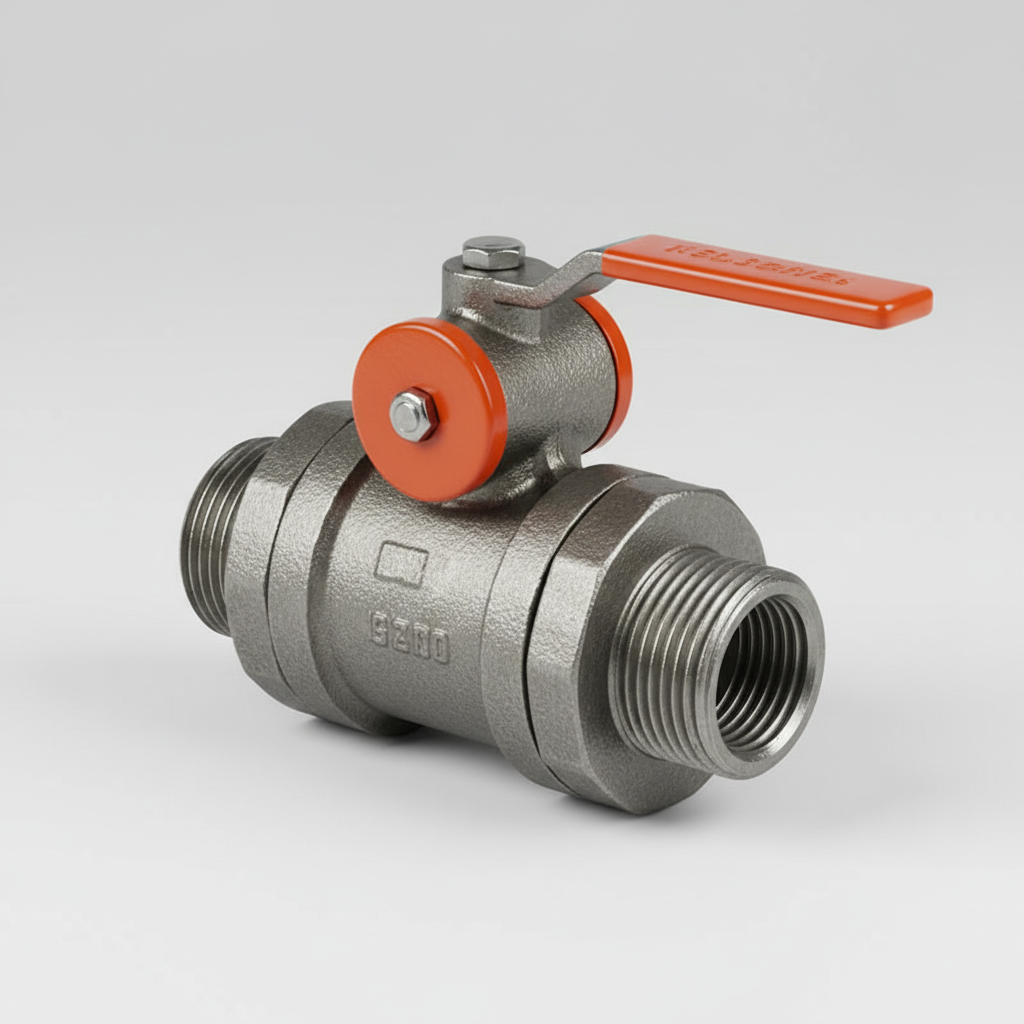
Key Features of 1 Inch Threaded Ball Valves
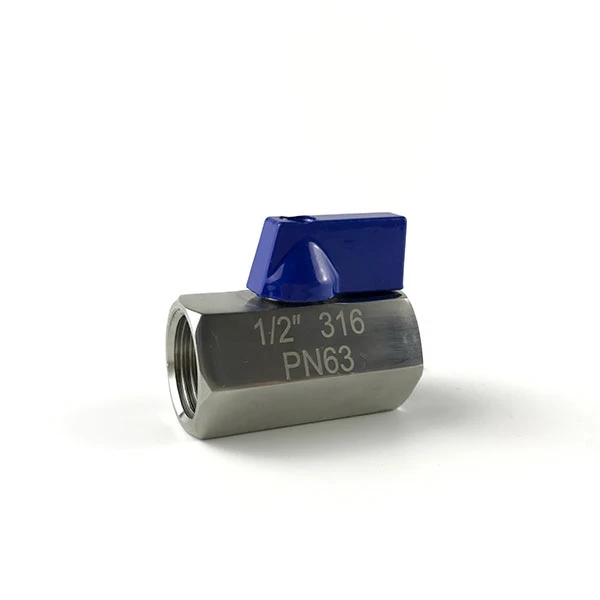
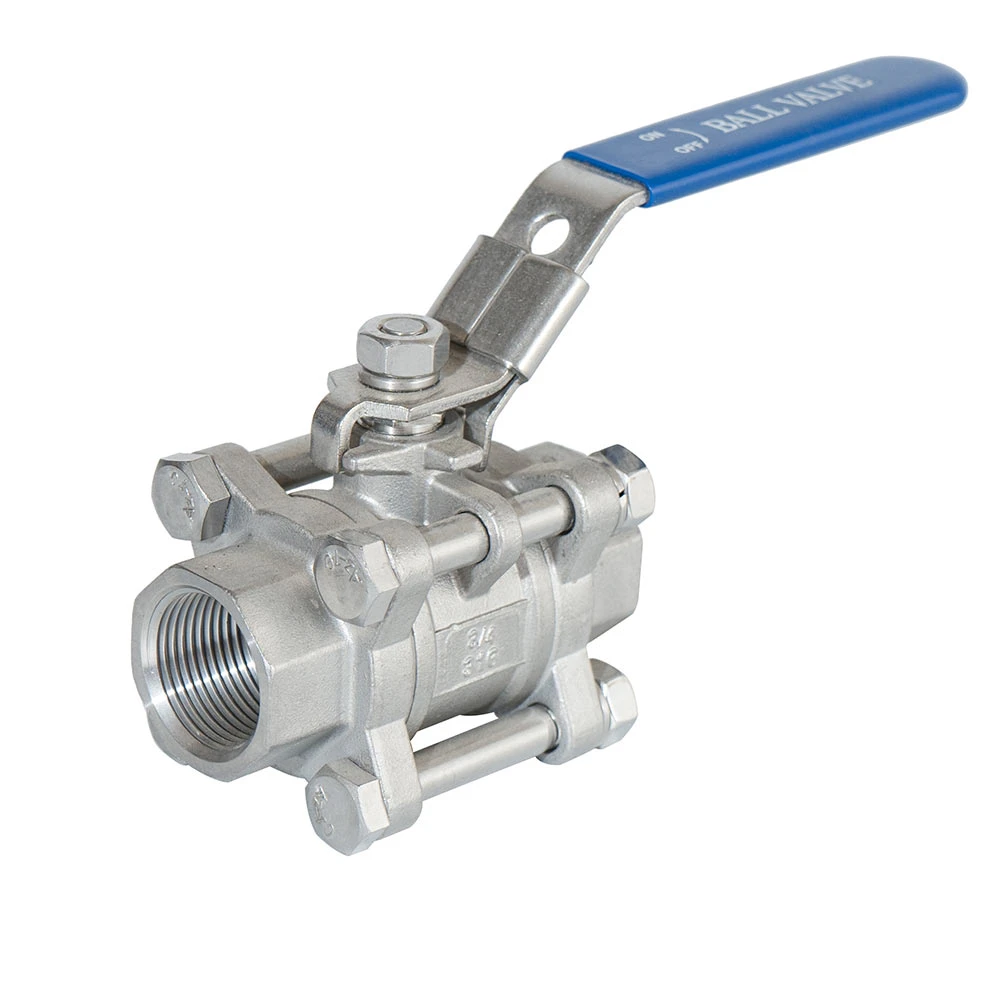
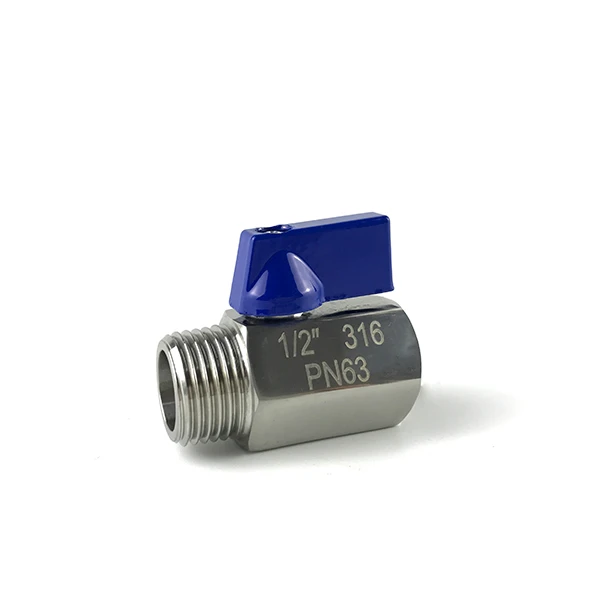
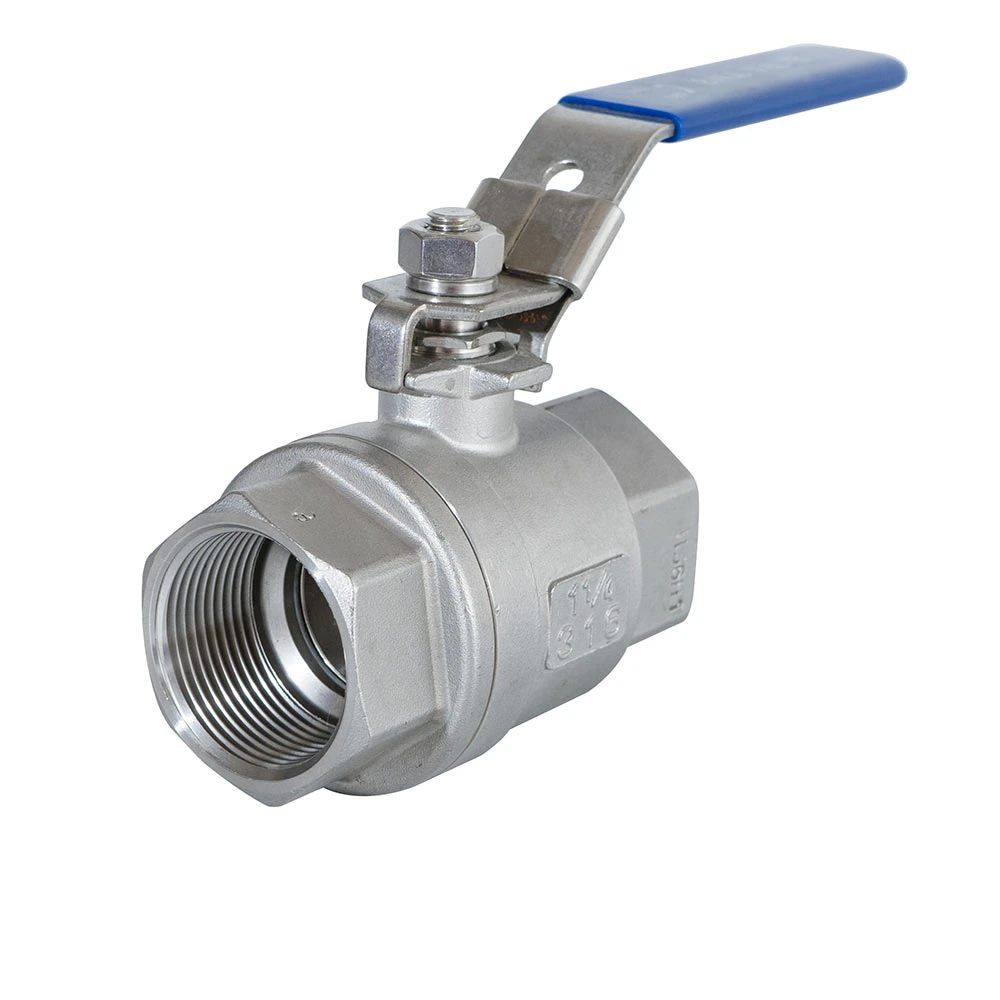
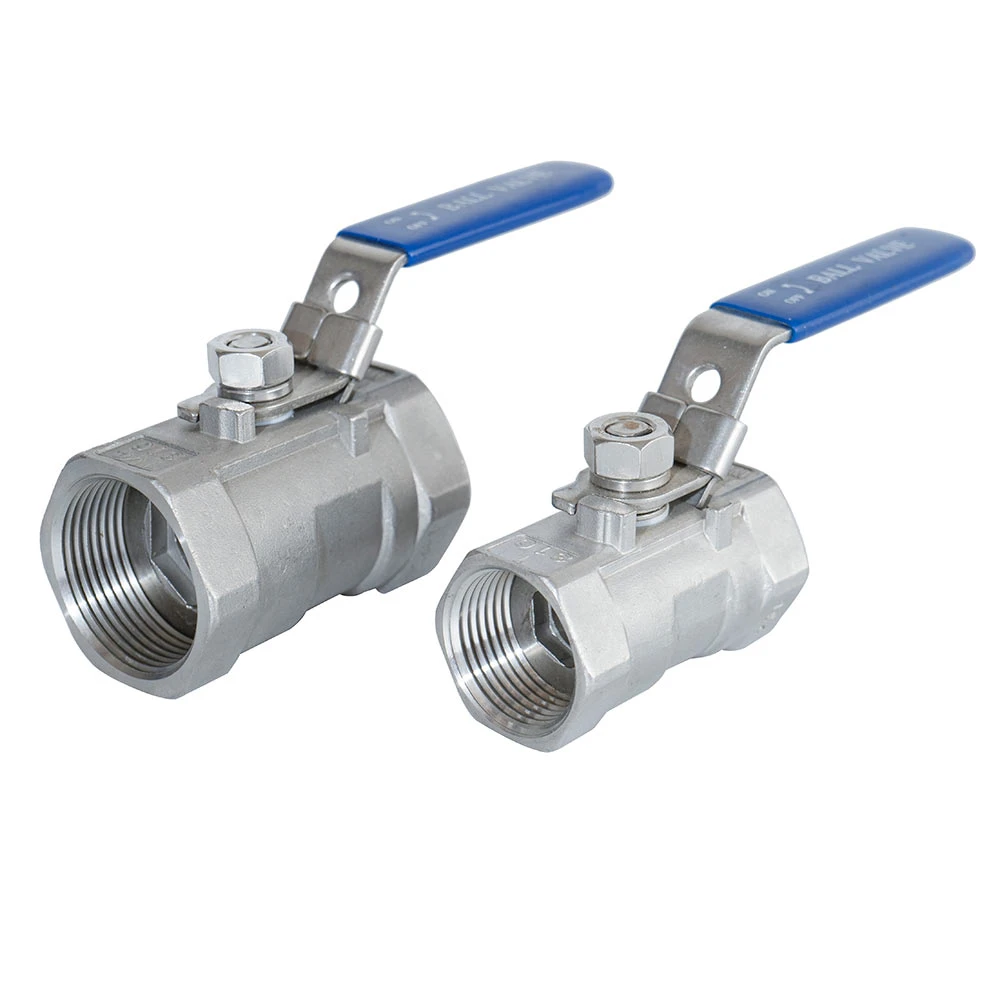
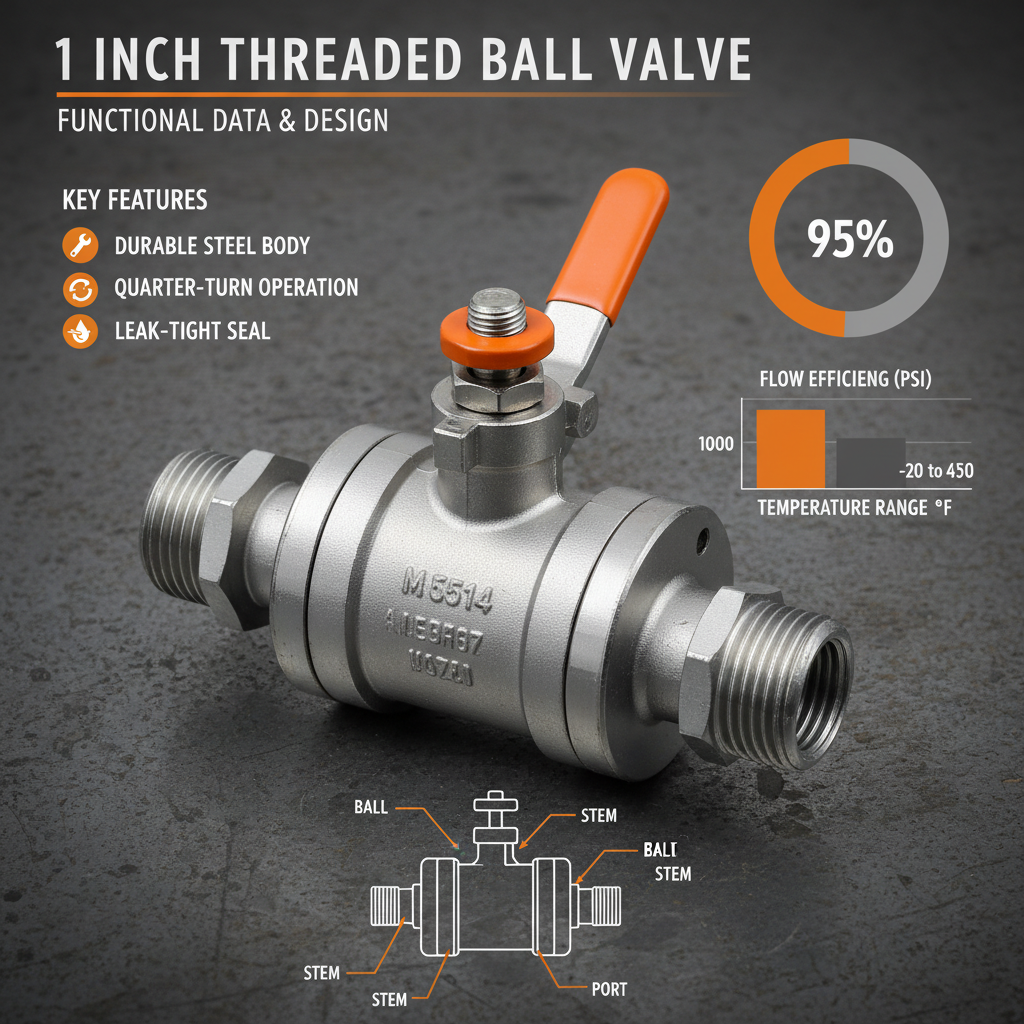
A 1 inch threaded ball valve utilizes a spherical ball with a bore through the center to control fluid flow. Rotating the ball between open and closed positions provides quick and reliable on/off functionality. The “threaded” designation indicates the valve features threaded connections (typically NPT or BSPT), allowing for easy installation and removal without specialized tools. These valves are known for their quarter-turn operation – a 90-degree rotation is all it takes to fully open or close the valve. This quick action is particularly valuable in applications requiring rapid response times. HoudeValve provides a variety of these valves with different material options to meet diverse application requirements.
Key Highlights: Quarter-turn operation, easy installation with threaded connections, reliable on/off control, wide range of materials available.
Common Applications for 1 Inch Threaded Ball Valves
The applications of a 1 inch threaded ball valve are vast and varied. They are commonly found in residential and commercial plumbing systems for controlling water flow to fixtures. In industrial settings, they are utilized in chemical processing, oil & gas, and irrigation systems. Their ability to handle a range of fluids, including water, oil, gas, and chemicals, makes them extremely versatile. Specific uses include shut-off valves in pipelines, control valves in automated systems, and isolation valves for maintenance and repair. The size and threaded connection make them well-suited for smaller diameter pipelines and applications where a quick and secure connection is needed.
Application Examples:
• Residential Plumbing (Water Heaters, Sinks)
• Irrigation Systems
• Chemical Processing (Fluid Control)
• Oil & Gas (Shut-off Valves)
Material Options: Choosing the Right Valve for Your Fluid
The material of a 1 inch threaded ball valve is crucial for ensuring compatibility with the fluid being controlled and the operating environment. Common materials include: Brass (for water and gas), Stainless Steel (for corrosive fluids and high temperatures), PVC (for non-corrosive fluids and low-pressure applications), and Carbon Steel (for general-purpose applications). Selecting the correct material is vital to prevent corrosion, leakage, and premature failure. HoudeValve offers valves constructed from a wide range of materials to meet the diverse needs of our customers.
Key Considerations When Selecting a 1 Inch Threaded Ball Valve
Beyond material selection, other factors are critical. Pressure rating is paramount – ensure the valve can withstand the maximum pressure of the system. Temperature range must also be considered to ensure the valve operates safely and effectively. The type of threaded connection (NPT or BSPT) should match the existing piping. Finally, consider the actuation method; manual ball valves are most common, but automated options are available for remote control and precise flow regulation. Choosing a reputable supplier, like HoudeValve, ensures you receive a quality product backed by reliable customer support.
Conclusion: The Reliable Choice for Fluid Control
Choosing the Right Valve for Efficiency and Safety
The 1 inch threaded ball valve remains a cornerstone of fluid control systems across diverse industries. Its simplicity, reliability, and wide range of material options make it an adaptable solution for countless applications. By carefully considering the factors outlined in this article, you can select the optimal valve to meet your specific needs, ensuring efficient and safe fluid handling. Investing in quality valves from trusted suppliers is a critical step toward a robust and dependable system.
Frequently Asked Questions (FAQs)
What is the difference between NPT and BSPT threads?
NPT (National Pipe Tapered) and BSPT (British Standard Pipe Tapered) are both tapered threads used for sealing pipe connections. However, they have different thread angles and forms. NPT is commonly used in North America, while BSPT is prevalent in other parts of the world. Attempting to connect NPT and BSPT threads directly will likely result in leaks or damage. It’s crucial to identify the thread type on your existing piping and choose a valve with a matching thread type to ensure a secure and leak-proof connection.
How do I determine the correct pressure rating for my application?
The correct pressure rating should be determined by the maximum pressure your system is expected to experience, including any potential pressure surges. Always choose a valve with a pressure rating that exceeds the maximum system pressure by a safety margin. Consider factors like water hammer, thermal expansion, and pump pressure. Consulting with a qualified engineer is recommended for critical applications or complex systems. Using a valve with an insufficient pressure rating can lead to catastrophic failure and potential hazards.
What maintenance is required for a 1 inch threaded ball valve?
Regular inspection is the primary maintenance requirement. Check for leaks around the stem and connections. If the valve becomes difficult to operate, it may require lubrication or cleaning. Periodically check the threads for damage. For valves used in harsh environments, consider a preventative maintenance schedule that includes disassembly, cleaning, and reassembly. Avoid over-tightening the valve handle, as this can damage the ball and seats.