Understanding the Versatility of a 1 Full Port Ball Valve
In the world of fluid control, the 1 full port ball valve stands out as a reliable and efficient solution. Widely used across diverse industries – from oil and gas to water treatment and beyond – these valves are prized for their minimal pressure drop, quick operation, and durable construction. This article provides a comprehensive overview of full port ball valves, exploring their features, applications, benefits, and considerations for selecting the right valve for your specific needs. Understanding the nuances of these valves is key to optimizing fluid flow and ensuring the longevity of your systems.
What is a 1 Full Port Ball Valve?
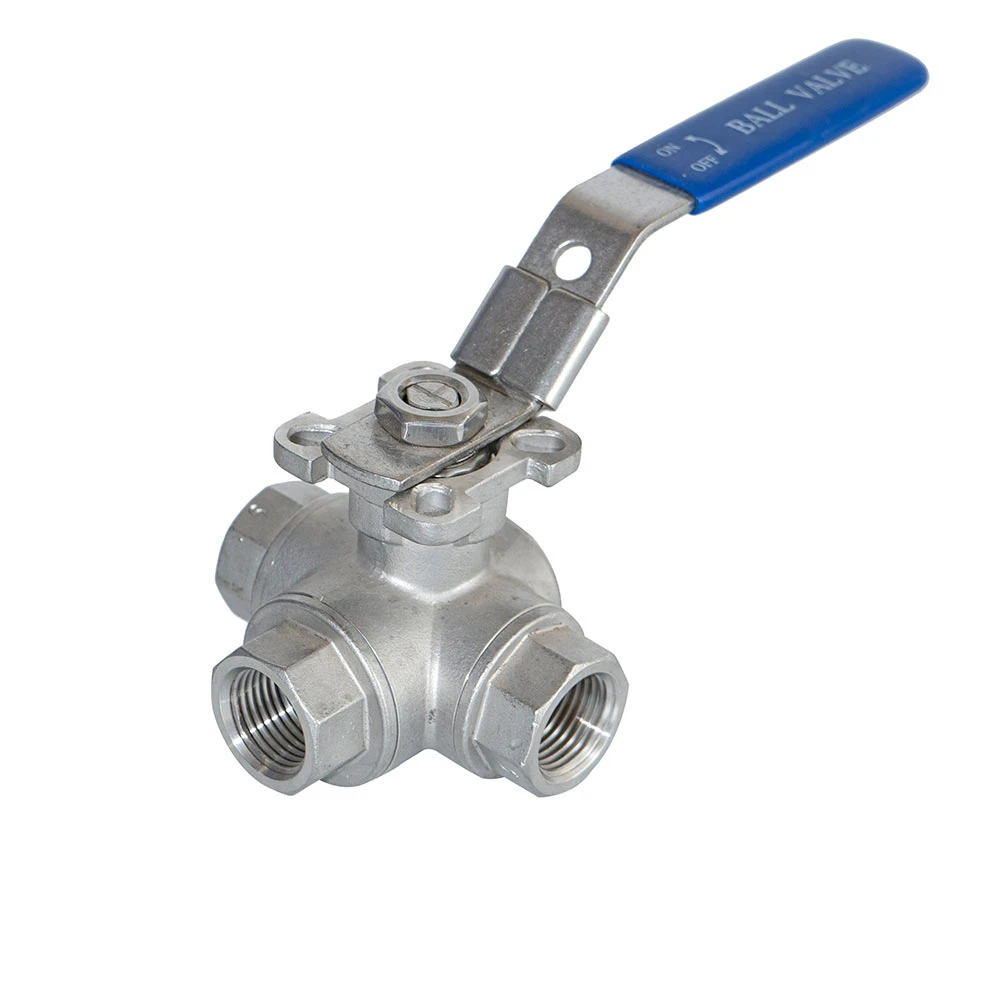
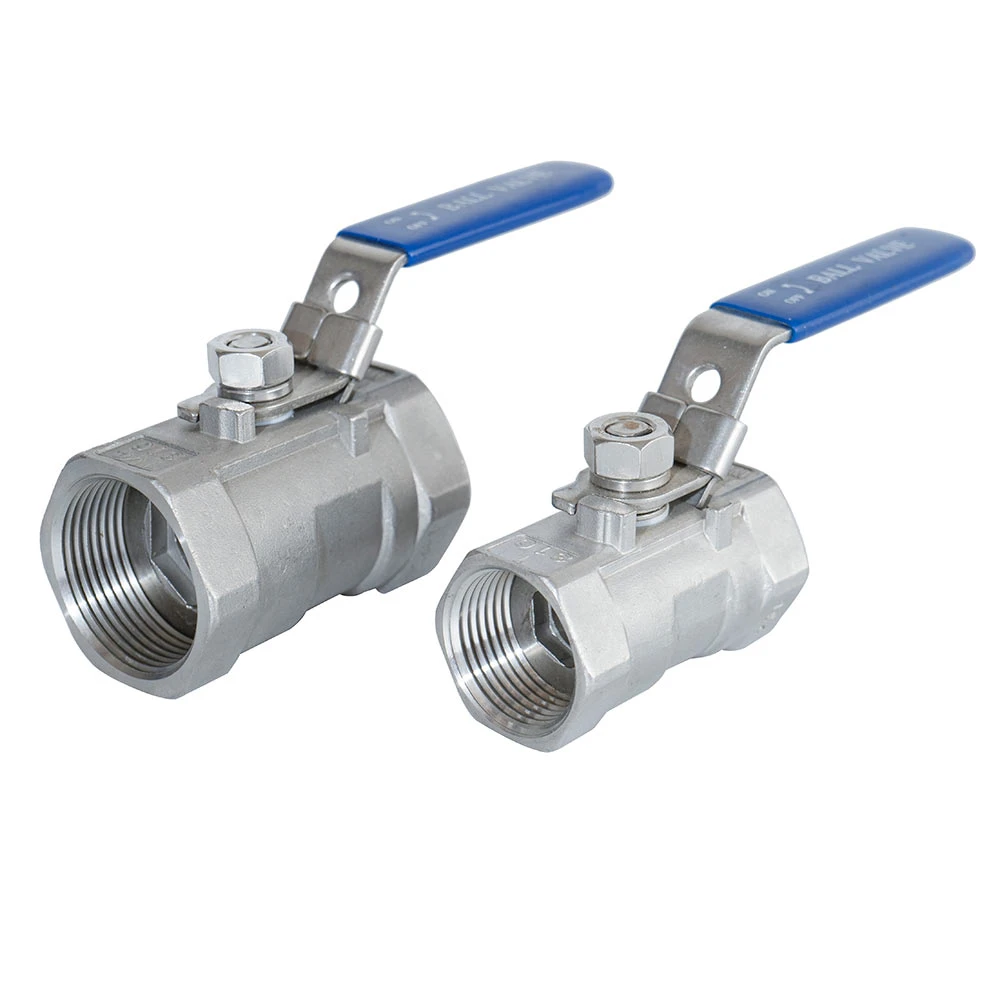
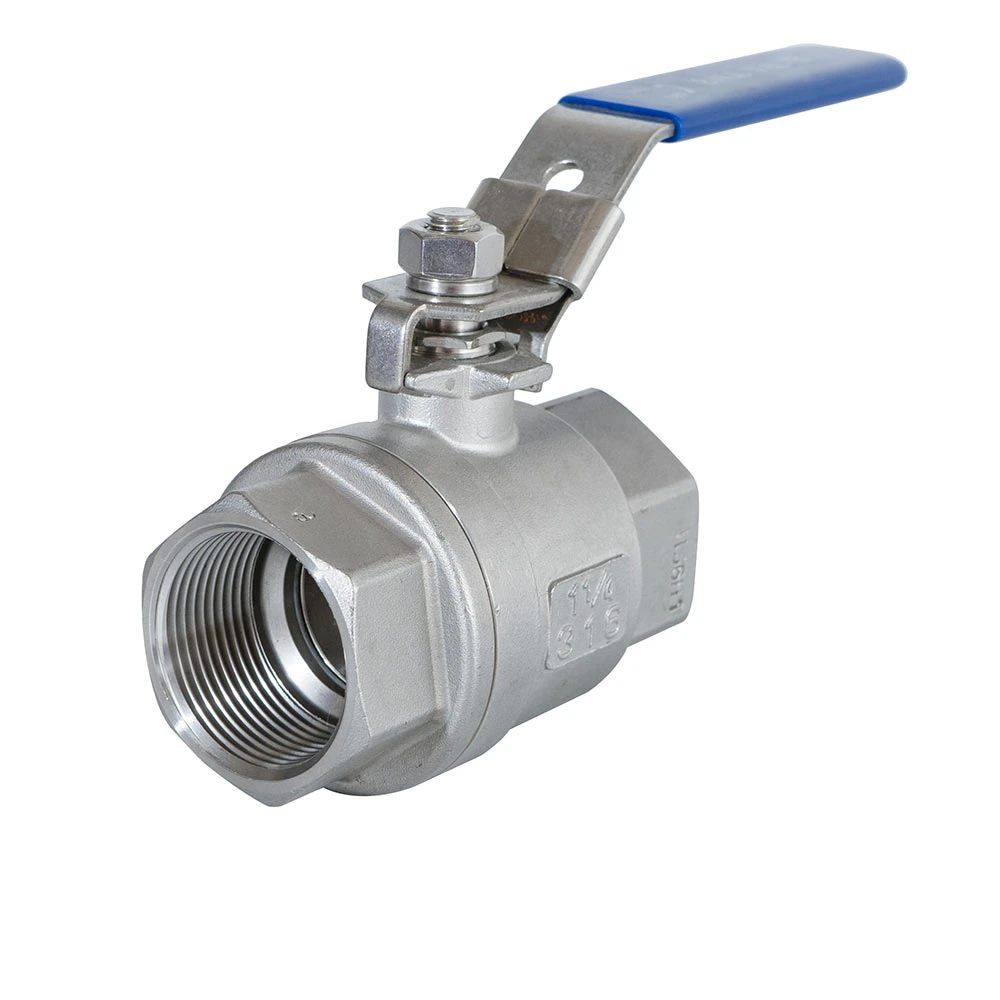
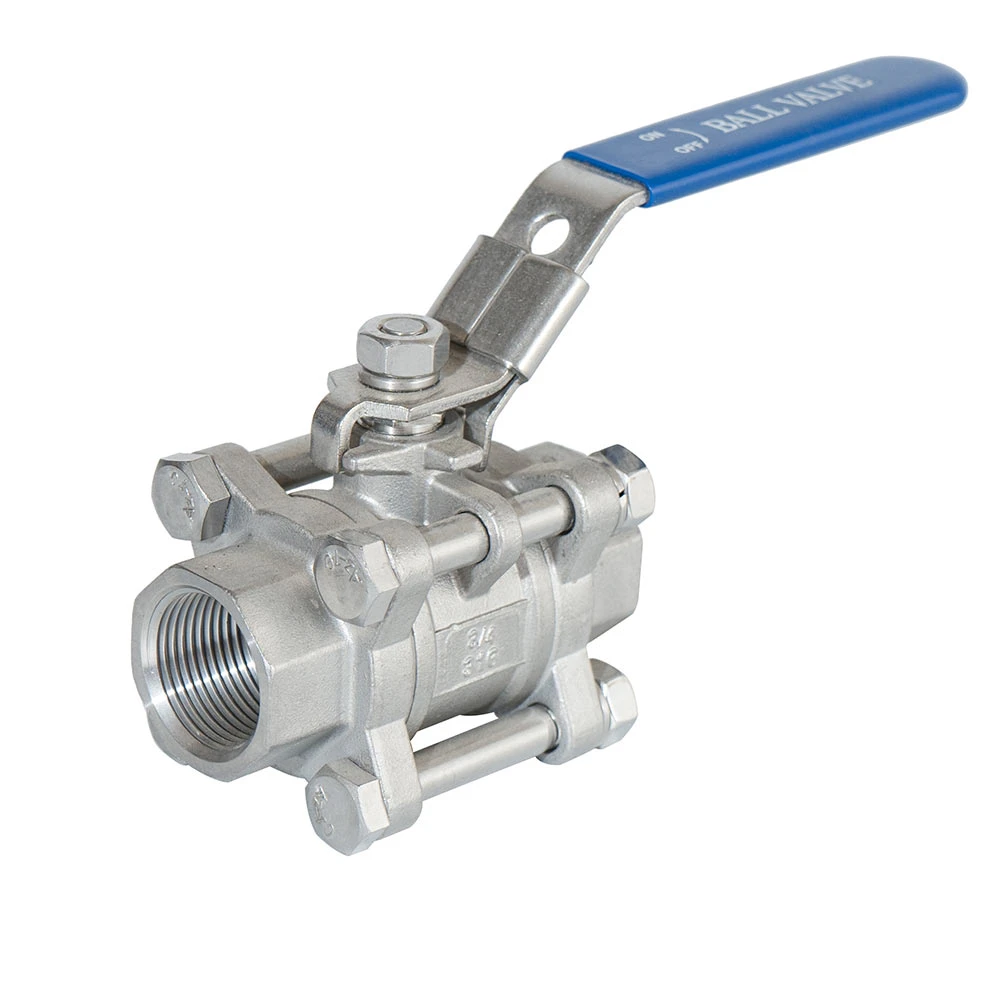
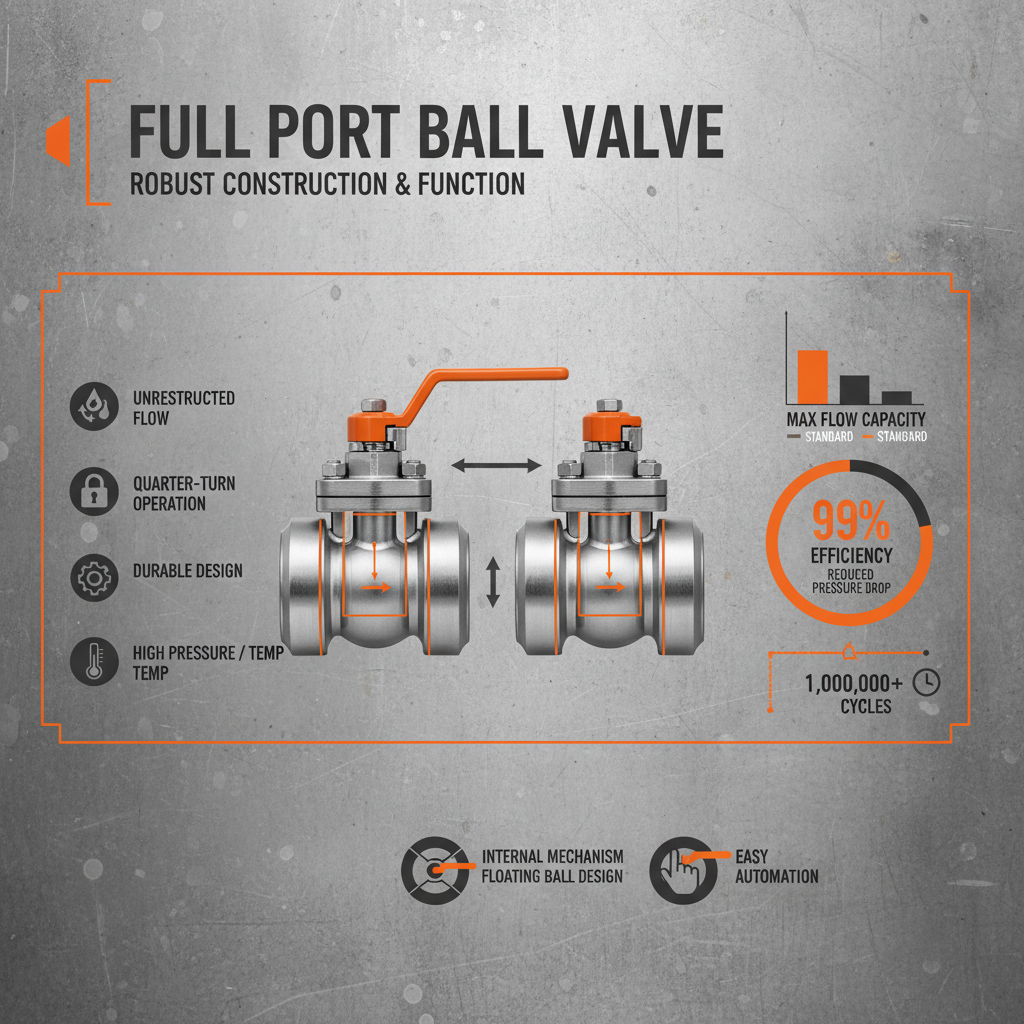
A 1 full port ball valve is a type of quarter-turn valve that utilizes a hollow, pivoting ball to control flow. The “full port” designation signifies that the internal diameter of the valve is equivalent to the pipe's internal diameter. This means there's minimal restriction to flow, leading to significantly reduced pressure drop compared to standard port ball valves. This design makes them ideal for applications where maintaining flow rate and minimizing energy loss are critical. Houde Valve specializes in providing high-quality full port ball valves designed for optimal performance and longevity.
Key Advantage: Minimal pressure drop due to the full bore design, maximizing flow efficiency and reducing energy consumption.
Key Features of a 1 Full Port Ball Valve
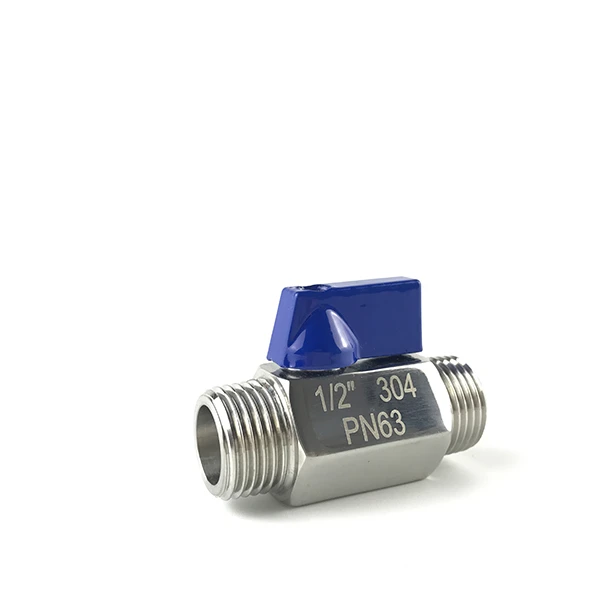
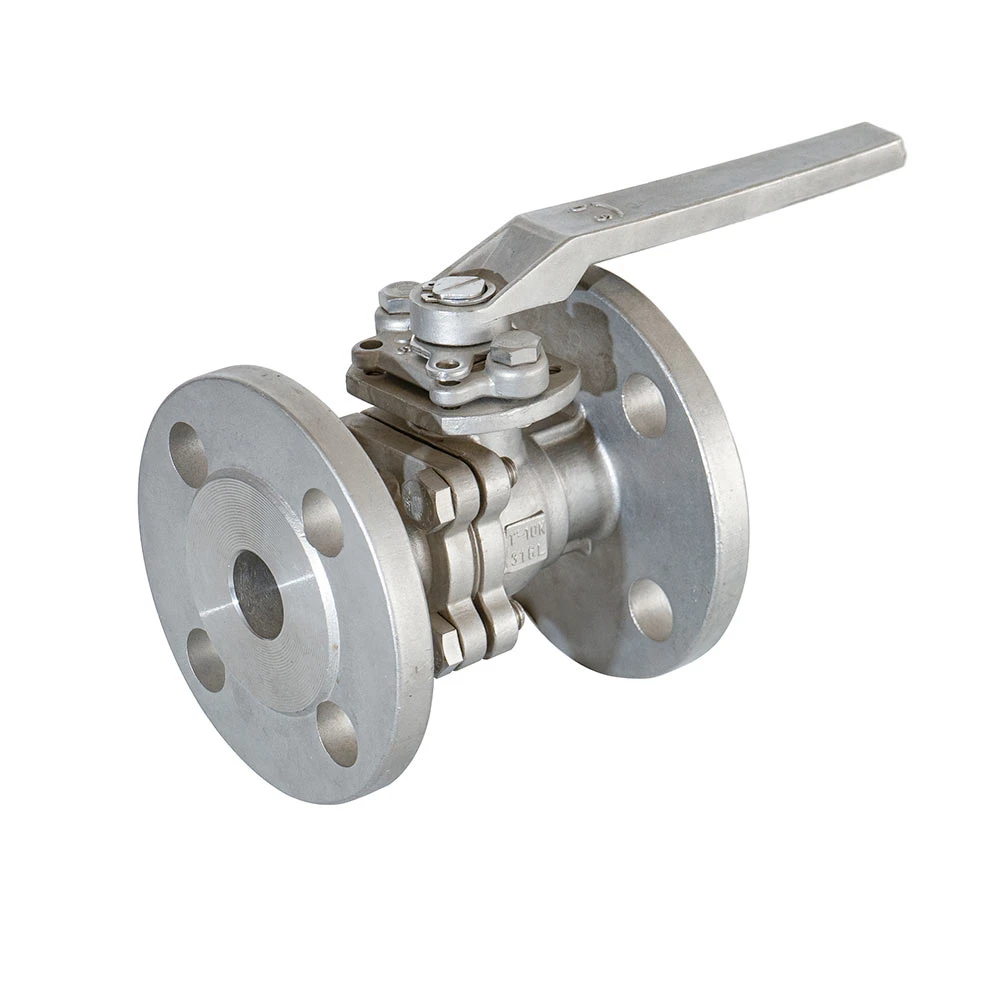
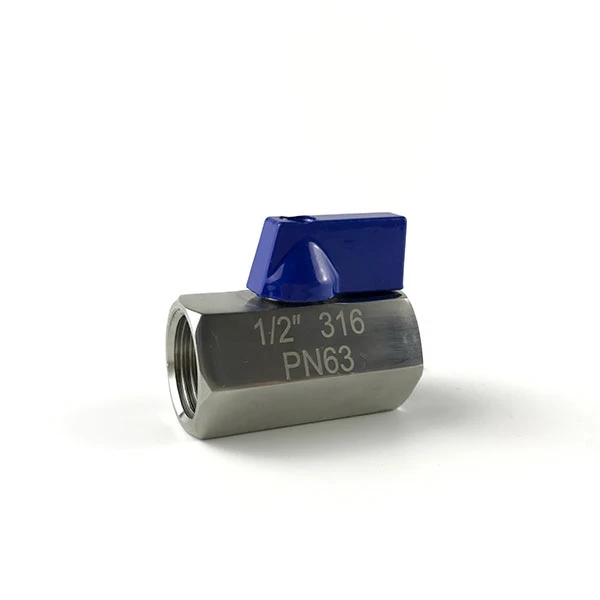
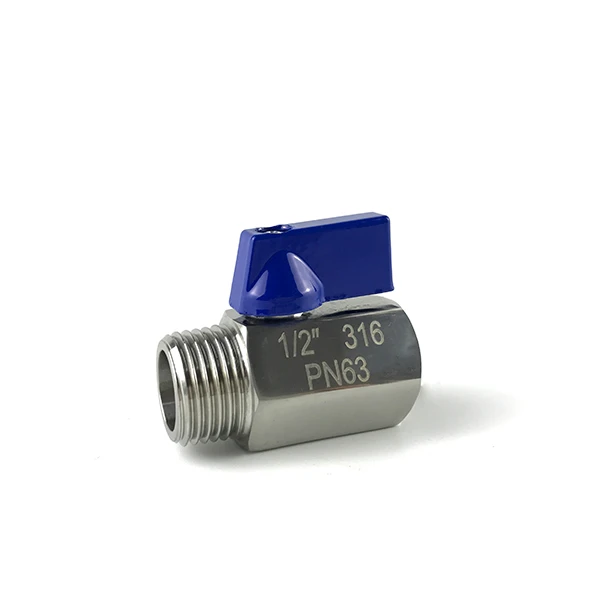
Full port ball valves boast several key features that contribute to their widespread use. These include their quick opening and closing operation (typically 90 degrees), tight shut-off capabilities, and durability. They're available in a variety of materials – stainless steel, brass, PVC, and carbon steel are common – allowing for compatibility with different fluids and operating conditions. Furthermore, different end connections (threaded, flanged, welded) are available to suit various piping systems. These valves are also relatively simple to maintain, contributing to lower lifecycle costs.
Feature Highlights:
• Quick 90-degree operation
• Tight shut-off with zero leakage
• Durable construction for long-lasting performance
• Wide range of materials and end connections
1 Full Port vs. Standard Port Ball Valves: A Direct Comparison
The primary difference between full port and standard port ball valves lies in their internal diameter. Standard port ball valves have a reduced bore, which creates flow restriction and increases pressure drop. This makes them less efficient for applications requiring high flow rates or minimal energy loss. Full port valves, with their unobstructed flow path, are the preferred choice in these scenarios. Choosing the correct valve type is crucial for optimizing system performance and reducing operational costs.
Applications Across Industries
The versatility of 1 full port ball valves makes them indispensable in various industries. In the oil and gas sector, they are used for controlling the flow of hydrocarbons. Water treatment plants rely on them for regulating water flow in filtration and purification systems. The chemical processing industry utilizes them for handling corrosive fluids. They are also commonly found in HVAC systems, irrigation systems, and numerous other industrial applications. The ability to handle a wide range of fluids and pressures makes them a reliable choice across the board.
Selecting the Right 1 Full Port Ball Valve
Choosing the appropriate 1 full port ball valve requires careful consideration of several factors. The fluid being handled is paramount – its chemical compatibility with the valve material is crucial. Operating pressure and temperature also dictate the required valve specifications. The end connection type must match the existing piping system. Finally, consider the actuation method (manual, pneumatic, electric) based on your control requirements. Houde Valve's expert team can assist you in selecting the optimal valve for your specific application.
Conclusion: Choosing Reliability and Efficiency
The 1 full port ball valve is a crucial component in numerous fluid control systems. Its full bore design, combined with its durability and versatility, makes it a superior choice for applications demanding high flow efficiency and reliable operation. Investing in high-quality valves from a reputable manufacturer like Houde Valve ensures long-term performance and minimizes potential downtime. Don’t compromise on quality – choose a full port ball valve for your critical fluid control needs.
Frequently Asked Questions (FAQs)
What materials are 1 full port ball valves typically made from?
1 Full port ball valves are commonly manufactured from a variety of materials to suit different applications and fluid compatibility requirements. Stainless steel (304, 316) is often chosen for its corrosion resistance and durability. Brass is another popular option, particularly for water and gas applications. PVC is used for less demanding applications where chemical resistance is important. Carbon steel offers high strength for high-pressure applications, and often is coated for corrosion protection. The selection of the appropriate material depends on the specific fluid being controlled, the operating temperature and pressure, and any potential environmental factors.
What is the typical lifespan of a full port ball valve?
The lifespan of a 1 full port ball valve varies depending on several factors, including the quality of the valve, the operating conditions, the frequency of use, and the type of fluid being handled. Generally, a well-maintained full port ball valve can last for 10-20 years or more. Regular inspection and preventative maintenance, such as lubrication of the ball and stem, can extend its lifespan. Avoid exceeding the valve’s pressure and temperature limits, and ensure compatibility with the fluid being controlled to prevent premature failure.
What end connections are available for full port ball valves?
Full port ball valves are available with a variety of end connections to suit different piping systems. Common options include threaded connections (NPT, BSP), flanged connections (ANSI, DIN), welded connections (butt weld, socket weld), and quick-connect couplings. The choice of end connection depends on the pipe material, size, pressure requirements, and ease of installation. Houde Valve offers a wide selection of valves with various end connection options.
Are full port ball valves suitable for cryogenic applications?
Full port ball valves can be suitable for cryogenic applications, but specific considerations are necessary. The valve materials must be compatible with cryogenic temperatures to prevent embrittlement. Stainless steel (304L, 316L) and certain alloys are commonly used for cryogenic service. The valve’s sealing materials must also remain flexible and leak-tight at extremely low temperatures. Specialized cryogenic ball valves are designed and tested to meet these stringent requirements.