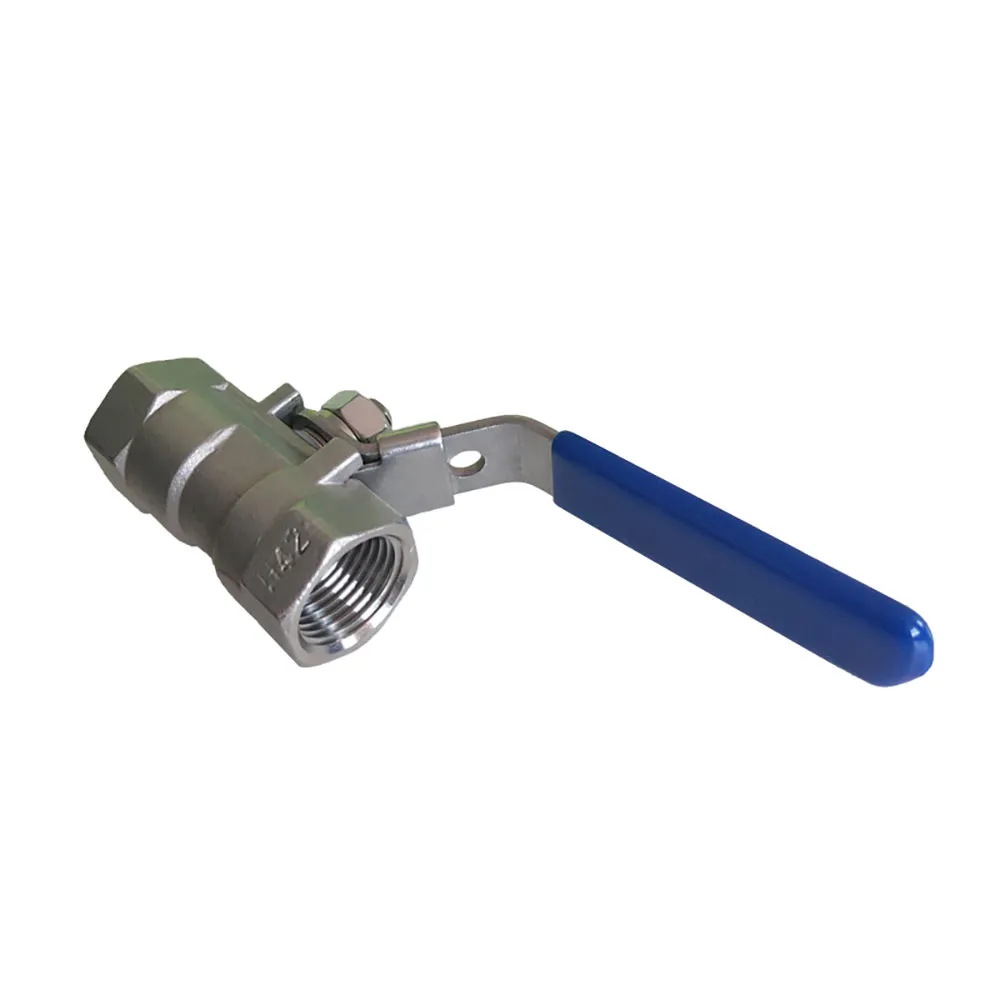
Understanding y strainer valve price: What affects cost and what you really pay for
If you’ve ever spent any time specifying valves in the industrial world — and I mean really in the trenches, choosing parts for fluid systems — then the y strainer valve price topic probably rings a bell. Frankly, it’s more nuanced than just a dollar figure on a catalog sheet. Oddly enough, a valve’s price can tell you a lot about its material, design, durability, and yes, even how well it will perform on site.
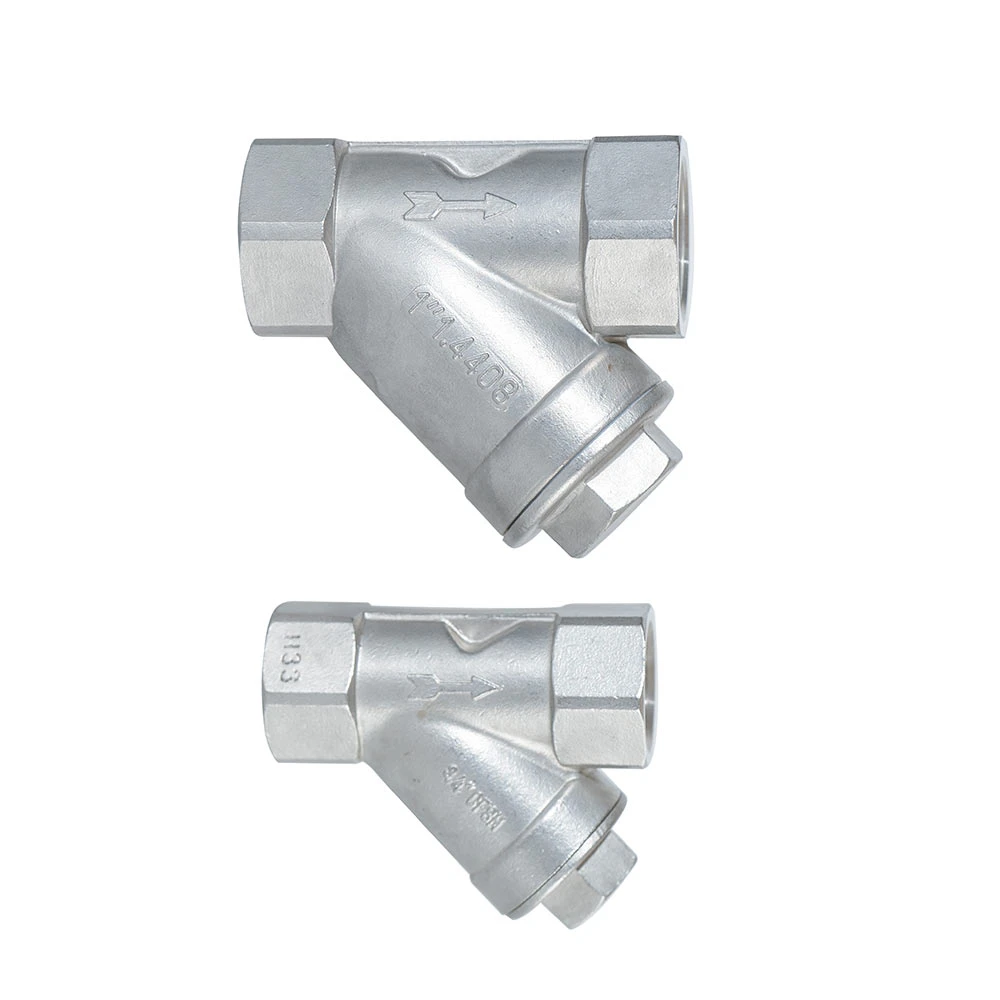
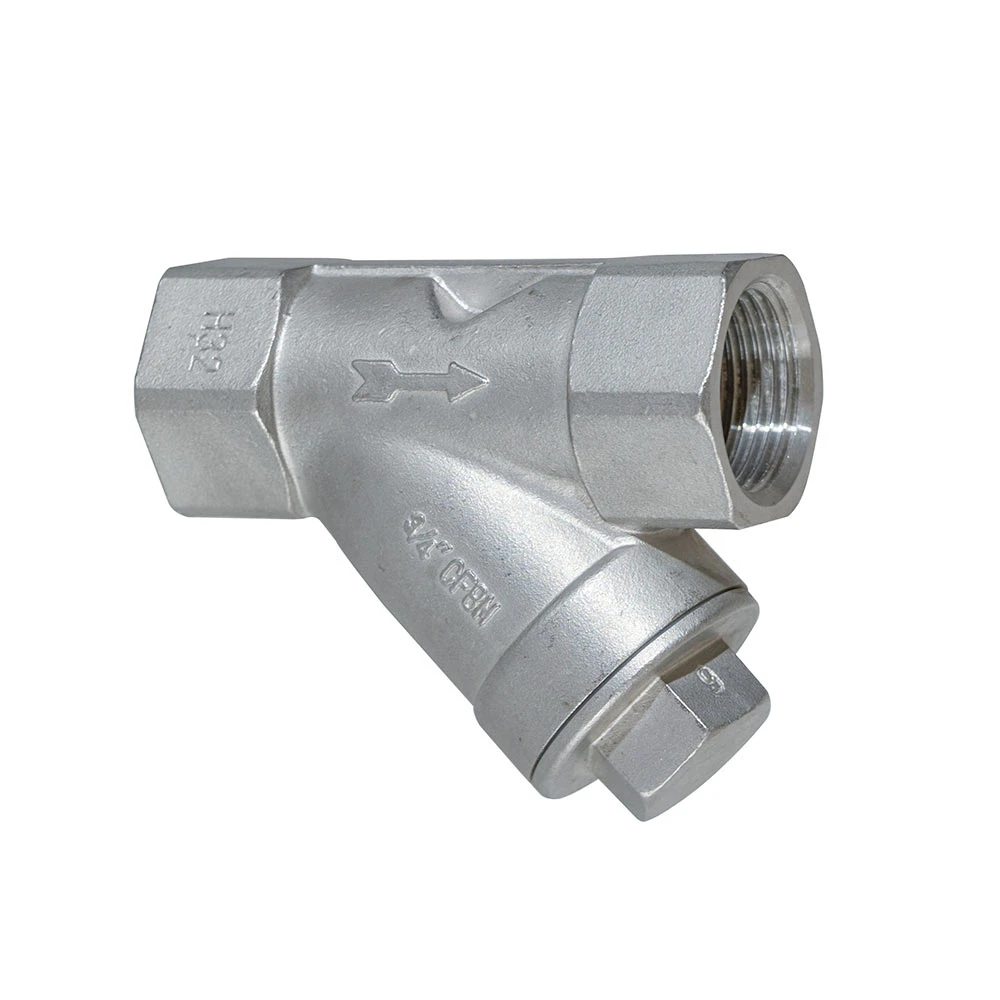
Y strainers, as many seasoned engineers will agree, are unsung heroes in pipeline systems, protecting equipment downstream from dirt and debris. They’re simple in concept — basically a filter inside a valve body — but their effectiveness strongly depends on build quality and design specifics.
A quick glance at typical product specs
| Specification | Typical Range | Notes |
|---|---|---|
| Material | Cast Iron, Stainless Steel, Bronze | Material drives corrosion resistance & price |
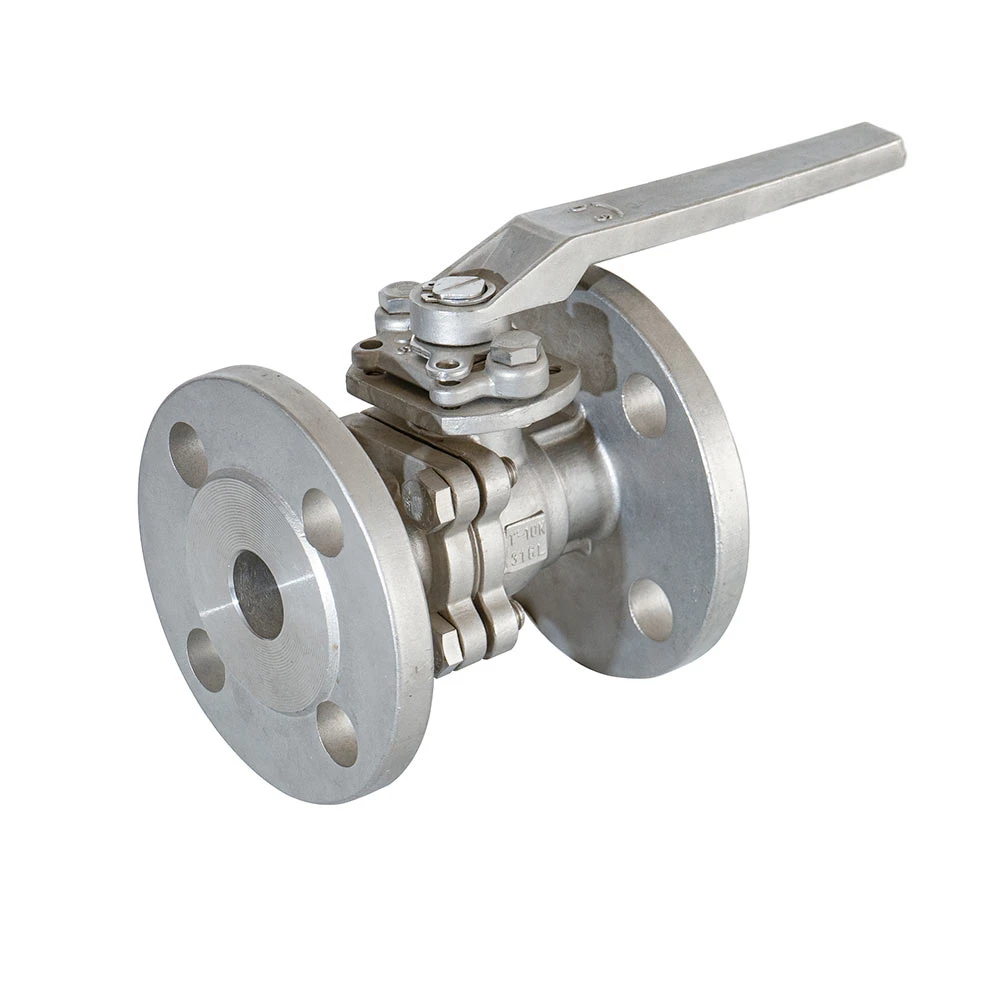
| Connection Types | Threaded, Flanged, Socket Weld | Flanged usually commands higher cost |
| Size Range | 1/2" to 12" and above | Large sizes exponentially raise price |
| Pressure Rating | 150 psi to 3000 psi | Higher pressure class = tougher (and costlier) design |
| Screen Mesh Size | 20 to 400 mesh | Finer mesh raises pressure drop, maintenance needs |
In my decade-plus of working with pumps, filters, and valves, y strainers usually come across as straightforward — but that doesn’t mean their pricing is. It really depends on context. For example, a stainless steel, 4-inch, Class 300 flanged y strainer will typically be several times more expensive than a small, cast iron, threaded model. The materials, manufacturing tolerances, and testing standards all stack up.
Where does most cost come from?
In real terms, the bulk of cost derives from materials (obviously), but also from the vendor’s quality assurance processes. I remember once dealing with a supplier who cut corners on testing; the initial purchase price seemed great, but the strainer screens deformed within weeks under high-temp service — an expensive headache for everyone involved.
On the other hand, many engineers say that paying a few extra bucks for proven brand reliability and certified testing like API or ISO can prevent costly downtime down the line. The right valve isn’t just a one-time purchase; it’s an investment in system uptime and peace of mind.
Vendor price comparison
| Vendor | Material Options | Typical Price Range (USD) | Warranty & Support |
|---|---|---|---|
| Houde Valve | Cast Iron, Stainless Steel, Bronze | $150–$950 (Based on size & pressure rating) | 1-year warranty, tech support available |
| Generic Supplier A | Cast Iron only | $100–$450 | No formal warranty |
| Premium Valve Co. | Alloys and exotic metals | $600–$1200+ | 5-year warranty, on-site support |
For many industrial facilities, I suppose it boils down to balancing cost with application needs. For less critical uses, a lower-cost y strainer might suffice. But if you’re dealing with harsh environments or sensitive downstream equipment, investing in a durable, well-tested product — like those from Houde Valve — pays dividends.
As a side note — one customer I worked with last year was initially skeptical about spending more for a stainless steel flanged y strainer. After installing it, they avoided repeated clogging issues that had plagued their prior setup, which saved weeks of costly downtime. They told me the price difference was a no-brainer in hindsight.
Final thoughts on y strainer valve price
You know, the “right” price isn’t always the lowest. A valve is a small component but critical in overall system reliability and maintenance load. Picking a trusted vendor with transparent pricing and solid warranties sure makes budgeting and peace of mind easier. If you haven’t shopped around lately, give it a try — just keep an eye on what’s behind that price tag.
In the end, when I see pricing, I ask: how many operating hours will this cost save? How much downtime will it prevent? And often, the answer justifies a bit more upfront investment.
Safe piping, less hassle, better flow — that’s the sort of value that good y strainers deliver.
– Joe P., Industrial Equipment Specialist
References:
1. Manufacturer datasheets and specifications
2. Industry maintenance reports 2021–2023
3. Personal field experience and customer feedback