In the world of haute pâtisserie and large-scale food manufacturing, the difference between a good product and an exceptional one often lies in the unseen details. While master chefs focus on the perfect blend of ingredients, engineers are perfecting the machinery that brings these creations to life. One of the most critical components in modern high-pressure pastry dough extrusion lines is the ball valve. This isn't just any valve; it's a masterpiece of precision engineering, ensuring that delicate pastry doughs and fillings are handled with the care and accuracy they demand.
Cangzhou Houde Stainless Steel Products Co., Ltd. understands this intricate dance between engineering and artistry. Established in 2010, we are a professional enterprise dedicated to the research, development, production, and sales of high-quality stainless steel products. Equipped with advanced production machinery and a top-notch technical team, we specialize in crafting the valves that form the backbone of critical industries, including the demanding food and beverage sector. As a leading stainless steel valve manufacturer, our commitment is to provide reliability, hygiene, and precision.
The Critical Role of the Ball Valve in Dough Extrusion
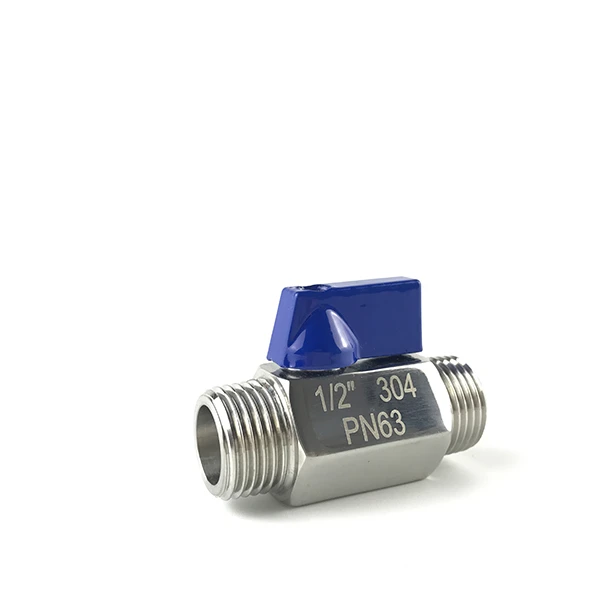
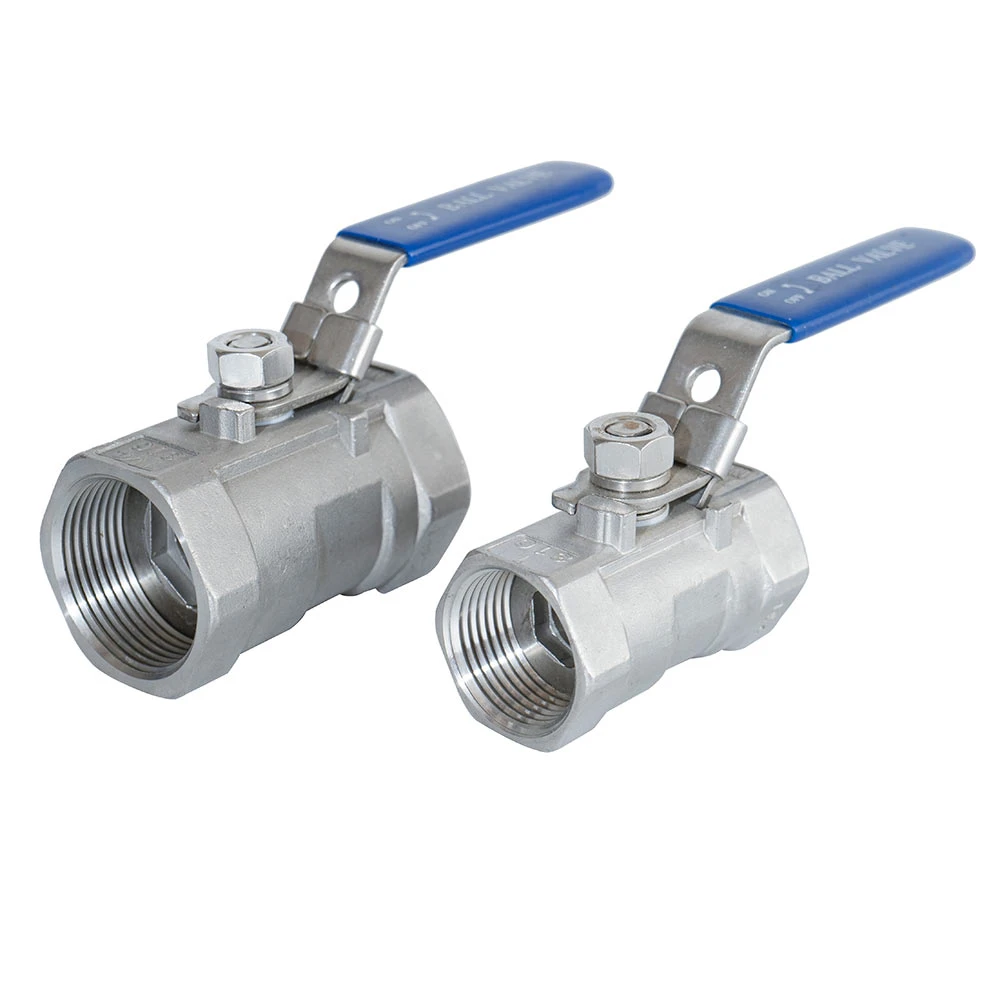
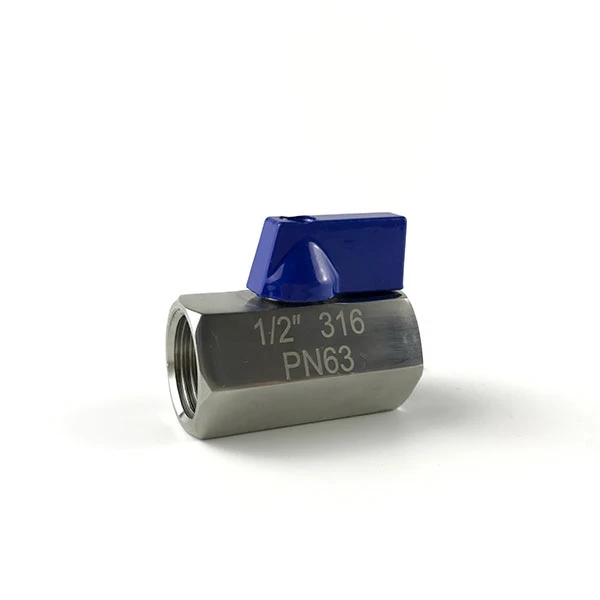
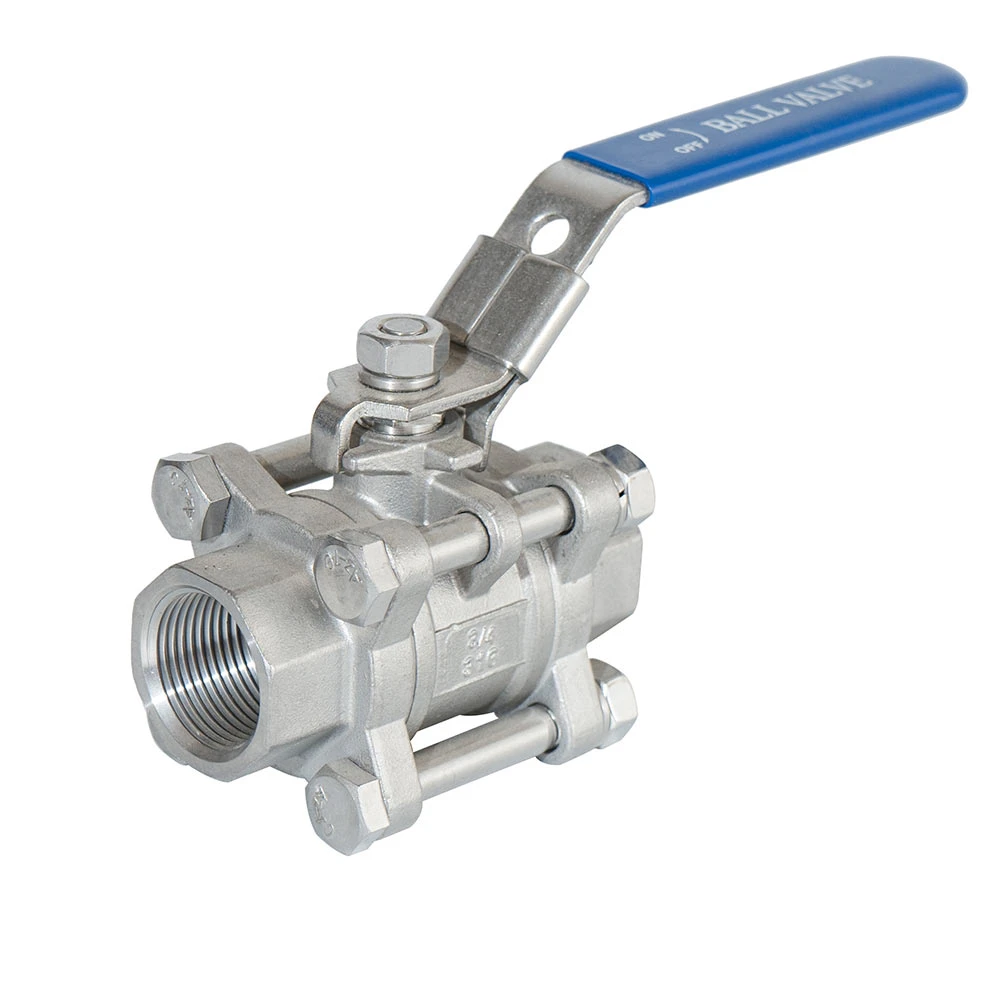
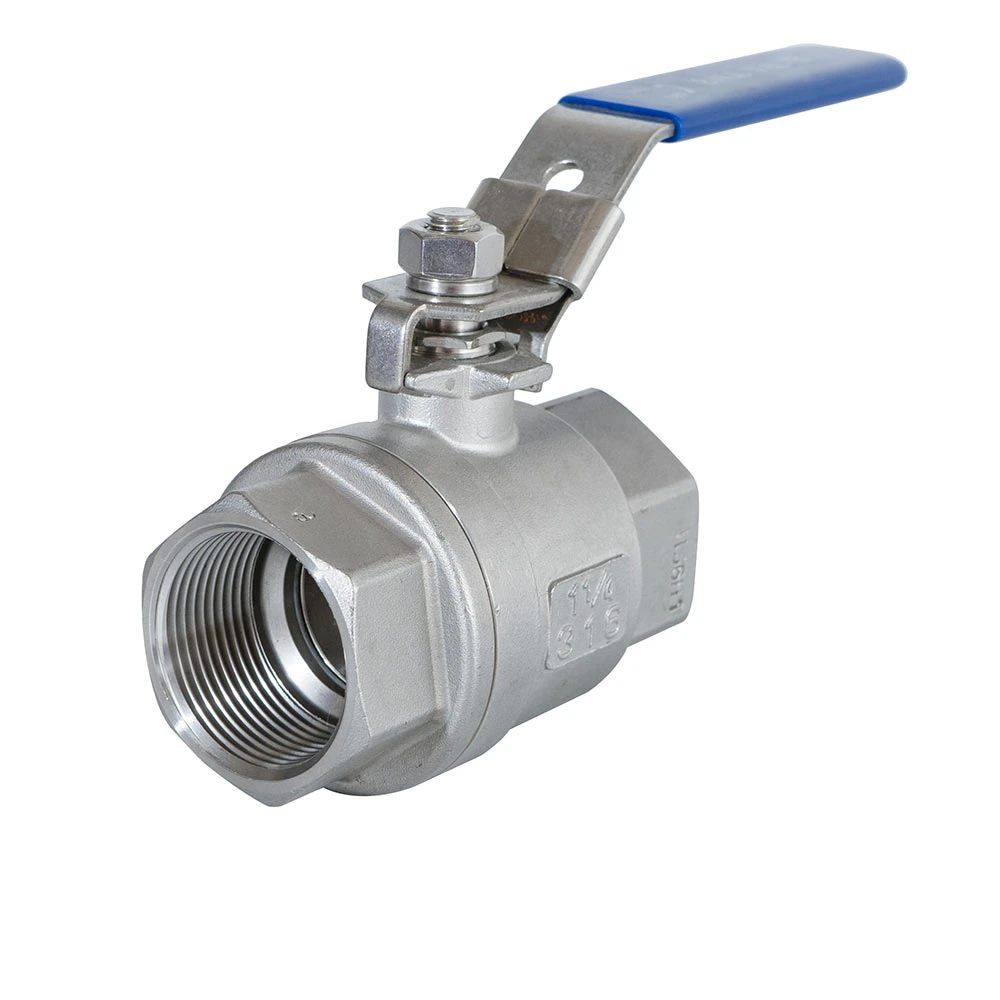
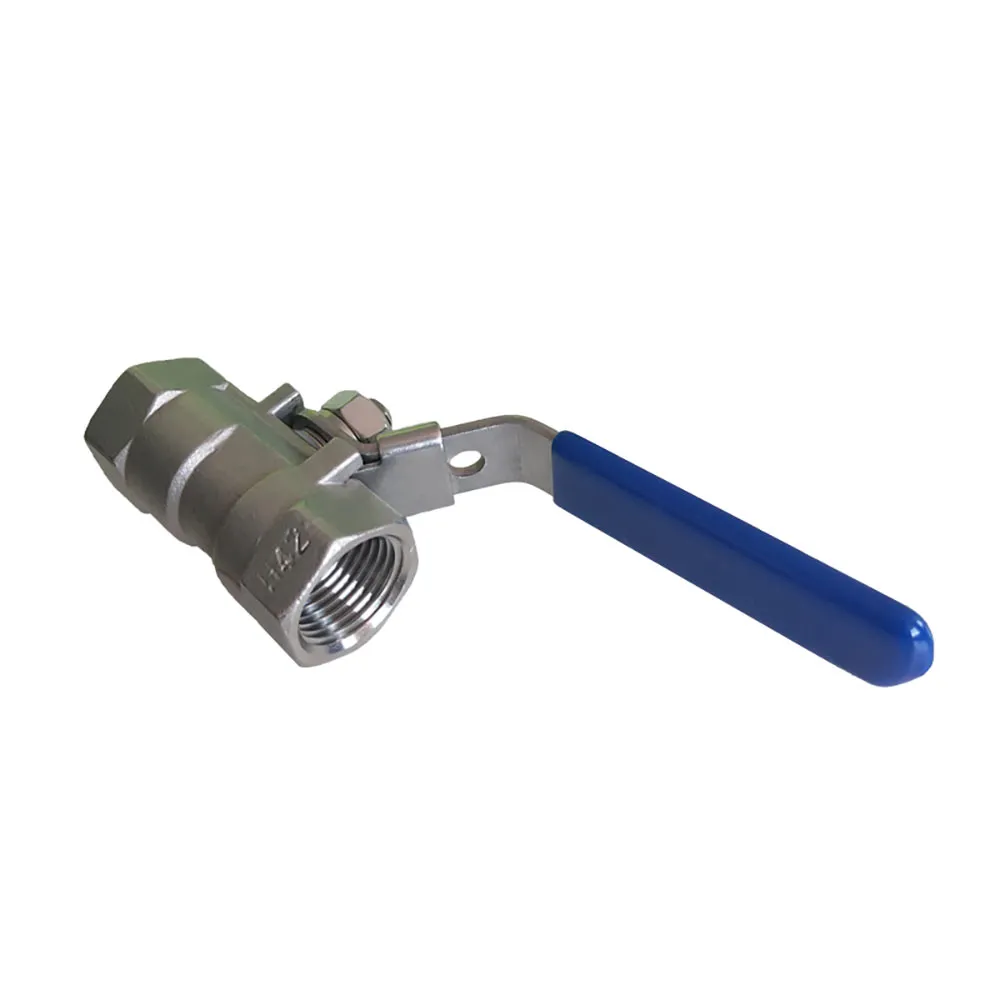
A ball valve is a flow control device characterized by a spherical disc with a hole through its center. A simple quarter-turn (90 degrees) aligns the bore with the pipe to allow flow or blocks it entirely. This robust design offers quick shut-off, minimal pressure drop, and reliable sealing.
Pastry doughs are non-Newtonian fluids; their viscosity changes under stress and pressure. They can be abrasive and are often highly viscous. Hygiene is paramount. Any crevice inside equipment can become a breeding ground for bacteria. This is where a high-quality stainless steel ball valve shines. The full-port design ensures the bore is the same diameter as the pipeline, preventing dough from being sheared or compressed, which could alter its texture. The smooth, polished interior surface prevents dough from sticking and allows for easy cleaning. The valve's ability to handle high pressures—often exceeding 1000 PSI—is crucial for forcing dense dough through shaping dies to create consistent, precise product forms.
Selecting the Right Ball Valves Types for Food Applications
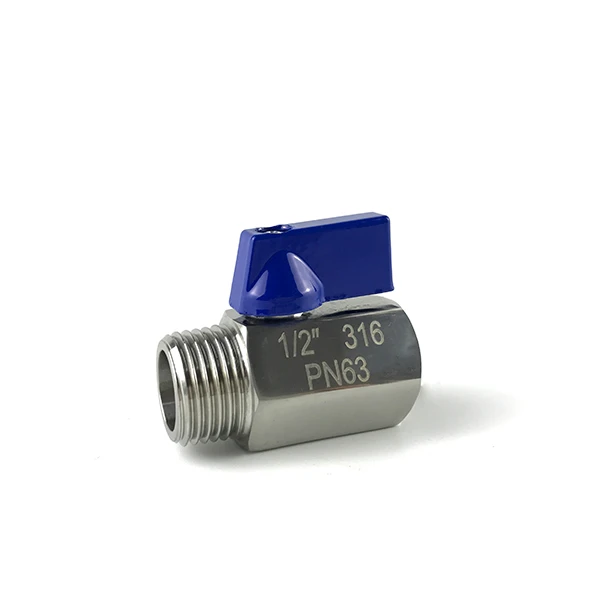
Not all ball valves types are created equal, especially when the medium is food. The primary ball valves types considered include standard two-way, full-port, three-way, and actuated valves.
For dough applications, a full-port valve is non-negotiable to prevent pressure drop and avoid areas where dough could snag. The material is almost exclusively AISI 316L stainless steel for its excellent corrosion resistance, durability, and cleanability. The seals and seats are another critical consideration, made from FDA-compliant materials like PTFE (Teflon), EPDM, or Viton.
Another key feature is a blow-out proof stem. This safety mechanism ensures that even under extreme pressure, the stem cannot be ejected from the valve body, protecting operators and equipment. Finally, certifications are a mark of quality. Look for valves that are PED (Pressure Equipment Directive) approved, indicating they meet essential safety requirements for operation.
Maximizing Efficiency with a 3 Way Ball Valve
While a standard two-way ball valve is perfect for simple on/off control, the complexity of modern food processing often requires more sophisticated flow direction. This is where the versatility of a 3 way ball valve becomes a game-changer.
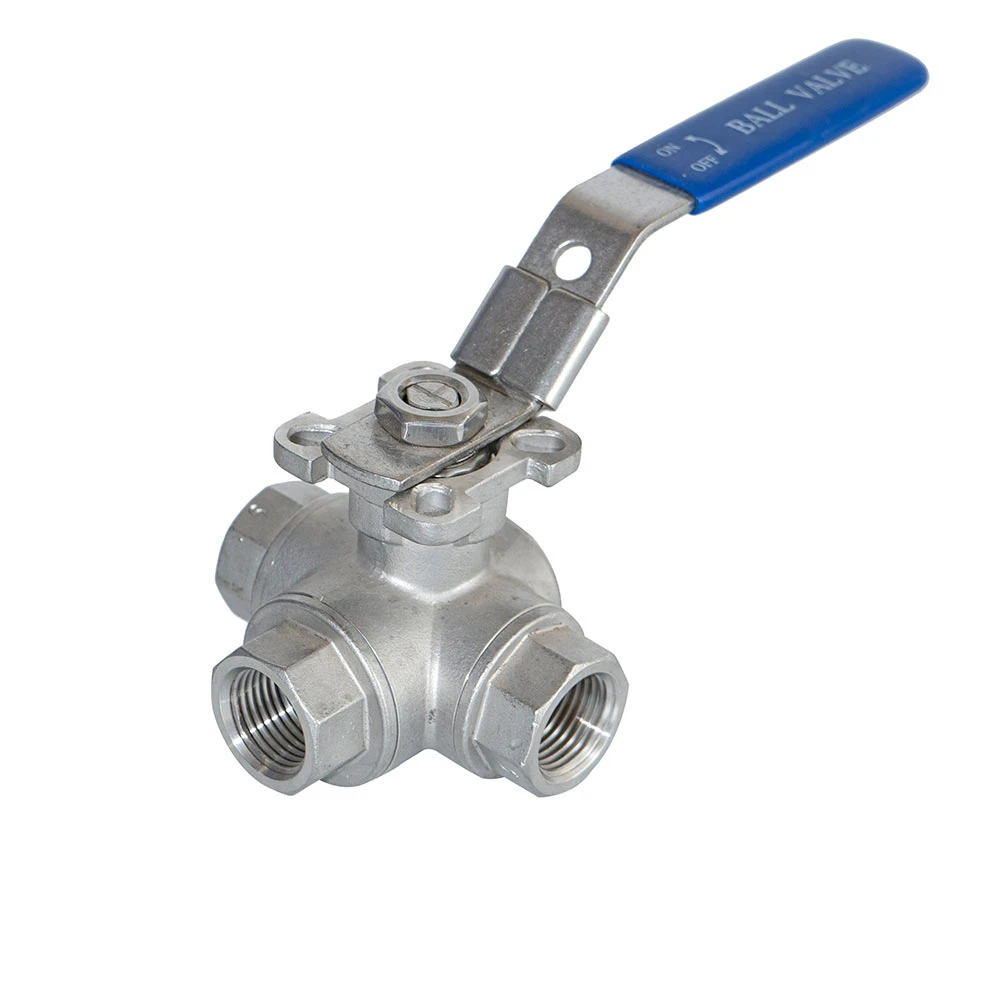
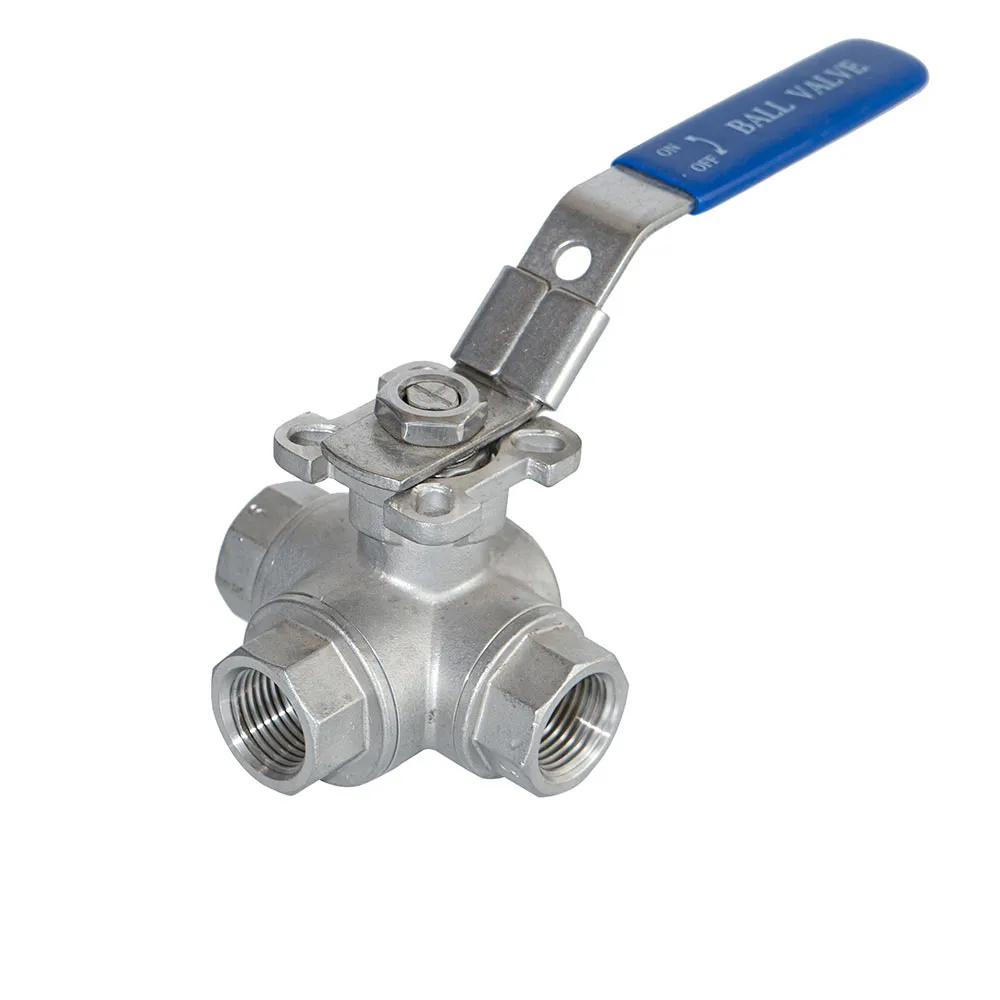
A 3 way ball valve features three ports. The most common configurations are L-port and T-port, named after the shape of the bore through the ball. In a pastry production context, a 3 way ball valve can be used for flow diversion. A single valve can divert product flow from a central mixing tank to one of two different extrusion lines with a simple 90-degree turn, allowing for continuous production. Conversely, it can be used for mixing applications, combining two different ingredients from two inlet ports into a single stream at the outlet.
The use of a 3 way ball valve simplifies piping layouts, reduces the number of valves and fittings required, and minimizes potential leak points. It adds a layer of process control and flexibility.
Product Showcase: Our High-Precision 3-Way Ball Valve Solution
At Cangzhou Houde, we have engineered a 3 way ball valve that embodies all the principles critical for high-pressure food applications.
|
Parameter |
Specification |
|
Product Name |
3-Way Ball Valve With Direct Mounting Pad |
|
Size |
1/4" - 2" (inches) |
|
Pressure |
1000PSI/PN63 |
|
Port Type |
Full Port |
|
Manufacturing Process |
Investment Casting |
|
Stem Safety |
Blow-out Proof Stem |
|
Certification 1 |
PED97/23/EC( 0036) Approved |
|
Certification 2 |
Casting Approved AD2000-W0 |
|
End Connections |
Threaded End, Socket Weld Ends |
|
Thread Standards |
ASME B1.20.1 (NPT), BS21.0, DIN2999/259, JIS B 0203, ISO7/1, ISO228-1 |
|
Inspection Testing |
API598, EN12266 |
FAQs About Our High-Pressure Ball Valves
What are ball valve advantages in dough extrusion?
The primary advantages are its full-port design for unobstructed flow; quick quarter-turn operation; robust 316 stainless construction for high pressure and corrosion resistance; and easy cleanability. This ensures minimal product waste, consistent quality, and compliance with strict food hygiene standards.
Why choose a 3 way ball valve over two valves?
A 3 way ball valve consolidates function, reducing potential leak points by minimizing connections. It simplifies piping, saves space, and allows for faster, more efficient flow diversion or mixing with a single valve actuation, enhancing process agility.
How does a ball valve's blow-proof stem enhance safety?
In high pressure, force can eject a standard stem. Our blow-out proof stem, a key feature of our ball valves types, is mechanically secured to prevent ejection under any circumstance, protecting personnel and equipment from catastrophic failure.
Are your ball valves types easy to maintain?
Absolutely. The full-bore design eliminates dead zones. The 316 stainless steel body allows for easy disassembly or CIP cleaning. With long-lasting PTFE seats and seals, maintenance intervals are extended, and spare parts are readily available at cost.
What support for ball valves types do you offer?
We provide comprehensive free technical training for your personnel on all our ball valves types, including the 3 way ball valve. For any parts needed outside warranty, we charge only the cost of the accessories. Our engineering team is available for technical support.
The journey of a pastry, from raw ingredients to a finished product, is a symphony of precision. The choice of flow control components is a decisive factor. By selecting a high-performance ball valve from Cangzhou Houde, you invest in the consistency of your product, the efficiency of your operation, and the safety of your team. Let us provide the robust, hygienic, and precision-engineered valves that form the reliable backbone of your production excellence.