What Is a 3 Piece Floating Ball Valve? Benefits, Applications & Specs Explained
What Is a 3 Piece Floating Ball Valve and Why It Matters Globally
Picture a valve — a simple device that controls the flow of liquids or gases through pipes. Now imagine a type that’s so versatile, reliable, and easy to maintain that industries worldwide depend on it: the 3 piece floating ball valve. In broad strokes, this valve design is a fundamental piece in countless industrial and humanitarian operations, from water treatment plants in Africa to oil and gas pipelines in North America. Why does it matter? Because the valve's ability to regulate and shut off flow efficiently can prevent disasters, reduce costly downtime, and support sustainable infrastructure development globally. The key benefit in understanding these valves is that they’re the unsung heroes ensuring smooth, leak-proof operation in complex systems—often in harsh environmental conditions. They pack the ease of maintenance (you can replace parts without taking the whole line apart) with durability, making them quite the industrial darling. _Mini takeaway: Understanding the 3 piece floating ball valve means appreciating a small but mighty device that keeps global industries flowing safely and efficiently._Why the 3 Piece Floating Ball Valve Dominates Global Industry
Globally, the demand for reliable fluid control systems has soared. According to the International Organization for Standardization (ISO), valves form a $90 billion industry worldwide, and floating ball valves represent a substantial slice of that pie. The UN’s Sustainable Development Goals (SDGs) also emphasize infrastructure and industrial innovation (Goal 9), where these valves are key in advancing. The challenges the 3 piece floating ball valve addresses are manifold—think about the need for quick repair in remote locations or reducing contamination risks in pharmaceutical manufacturing. Industries face constant pressure to minimize downtime and environmental footprint, and this valve variant’s design helps tackle both. Interestingly enough, many operators note that its modularity greatly simplifies maintenance, which translates into cost savings and better safety records. That’s a game-changer, especially in places where skilled technicians aren’t always on hand.Defining the 3 Piece Floating Ball Valve
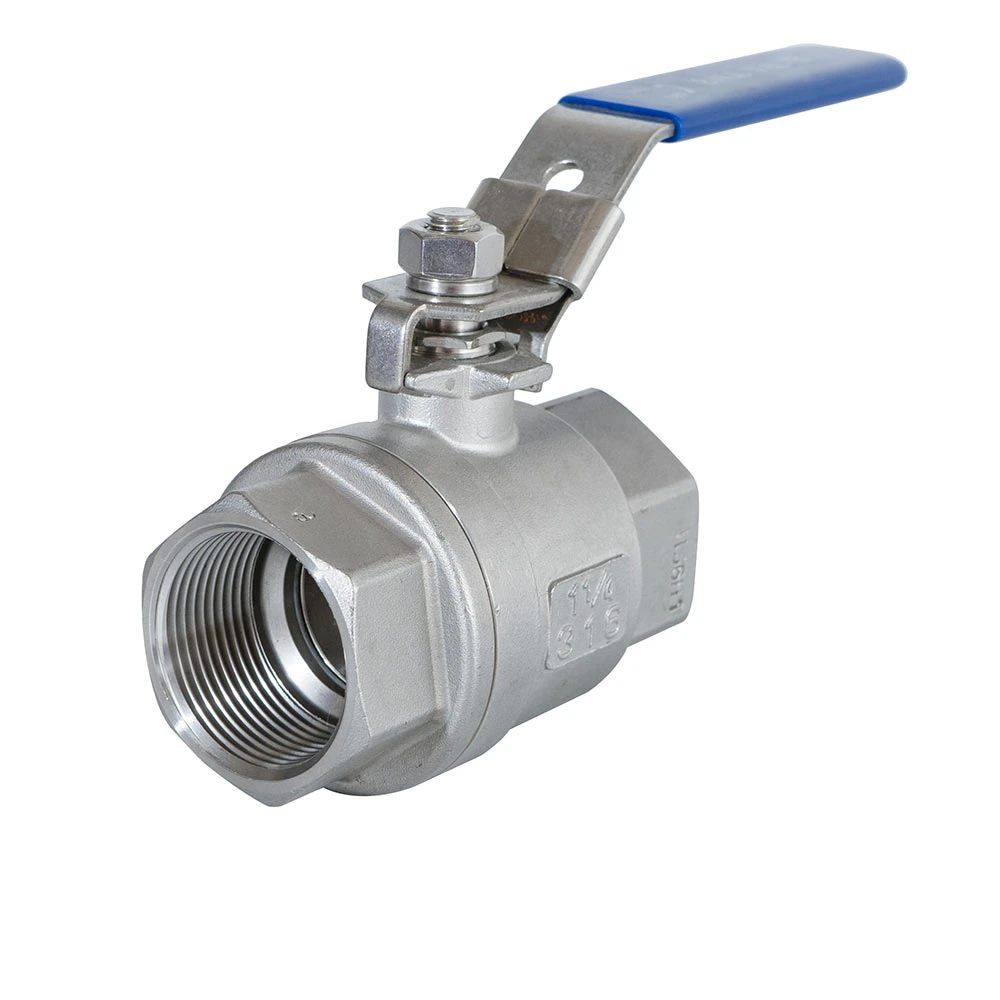
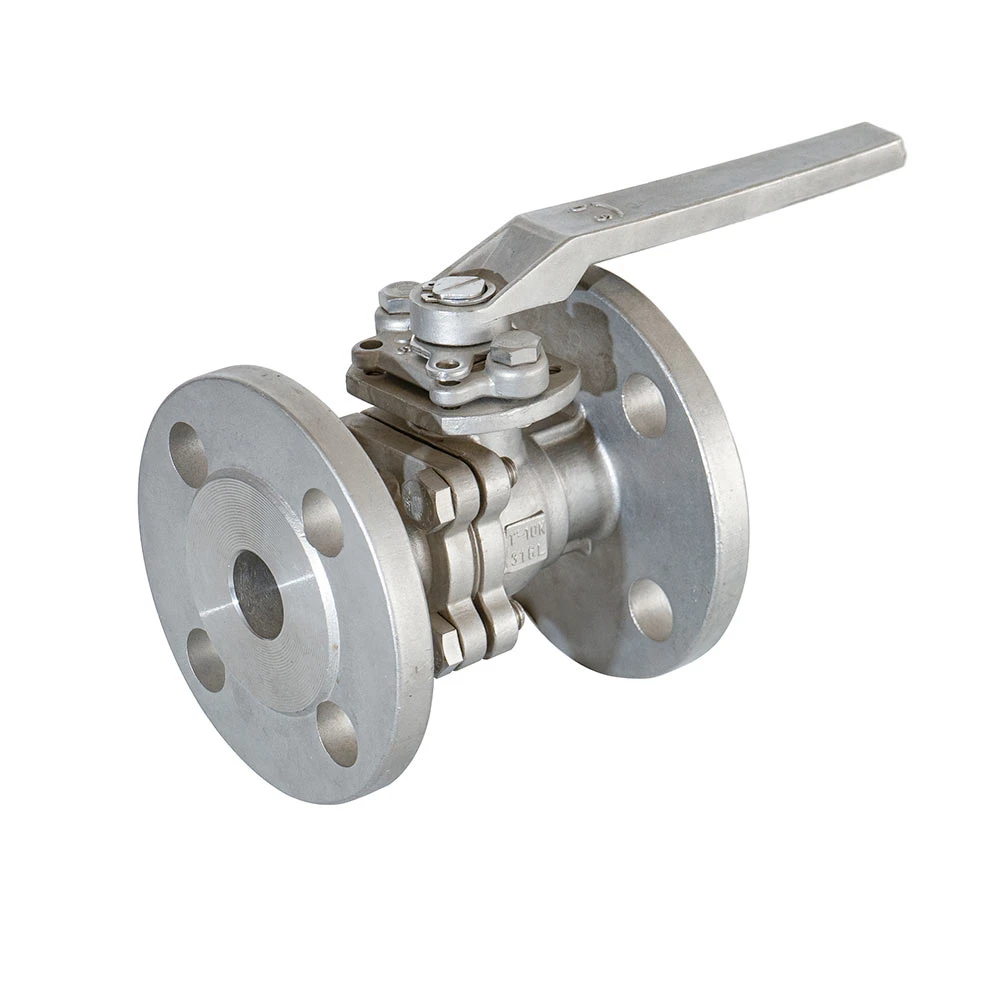
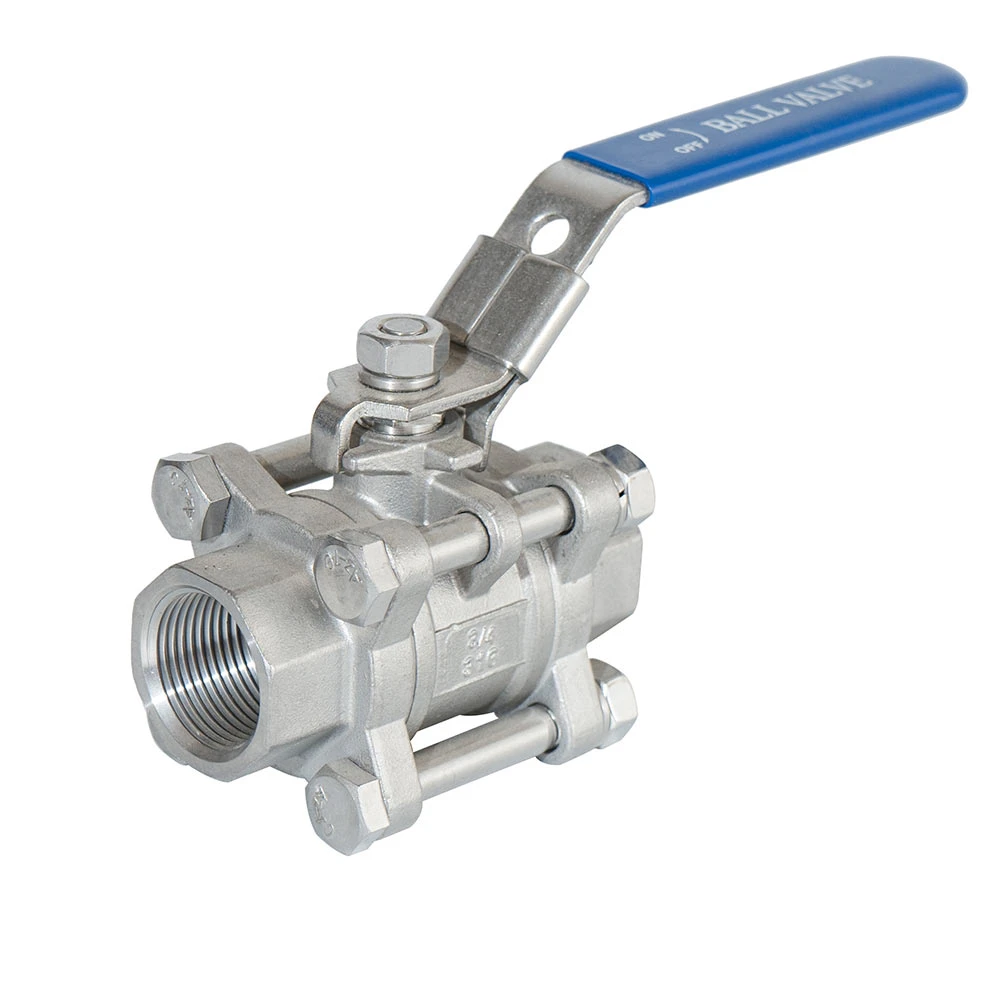
At its core, a 3 piece floating ball valve consists of three distinct parts: two end caps and a central body holding a spherical “ball” that controls the flow. The “floating” describes how the ball isn’t fixed but allowed to move slightly to press against seats—ensuring a tight seal when closed. It sounds straightforward, but this simple mechanism has huge implications. Its design allows for reliable shutoff with less torque and wear, making it ideal for automated or manual operation alike. Modern industries—ranging from petrochemical plants to water utilities—rely on these valves for their resilience, ease of maintenance, and adaptability to different fluid types or pressures. They tick boxes that are increasingly important in both commercial and humanitarian applications, like ensuring safe drinking water delivery in disaster zones.Core Components and Key Features Explored
1. Durable Construction
Most 3 piece floating ball valves are built with stainless steel or carbon steel, often treated to resist corrosion. This means they can last years even when exposed to harsh chemicals or salty seawater. I've noticed engineers often specify Near-Net-Shape (NNS) forged parts for added resilience.2. Ease of Maintenance
The 3 piece design lets you replace the middle section or work on the ball and seats without removing the whole valve from the pipeline. For industries, that means downtime cuts from days to hours.3. Versatile Pressure and Temperature Ratings
These valves function well under a broad range—from low pressures in beverage lines to high pressures in industrial steam systems. For example, some designs handle up to 1000 psi and temperatures as high as 200°C.4. Leak-Tight Sealing
With precision machining and resilient seat materials (like PTFE or reinforced graphite), floating ball valves provide reliable cuts to fluid flow—minimizing environmental hazards and process loss.5. Customizable Trim and Handle Options
Depending on use, you can opt for lockable handles, electric actuators, or manual levers—each impacting operational convenience and safety. _Mini takeaway: These valves masterfully balance durability, serviceability, and adaptability, making them a choose-until-you-can’t kind of component._Real-World Uses Across Continents and Industries
In the oil and gas fields of Texas, 3 piece floating ball valves manage crude flow with minimal leak risk, while in Southeast Asia, these valves are essential in large-scale water purification setups—helping millions access clean water. Aid organizations often deploy such valves in post-disaster relief to quickly establish water supply chains without waiting for complex parts. Meanwhile, pharmaceutical companies rely on their corrosion resistance and sanitary designs to avoid contamination. It’s also common to find these valves in food processing plants in Europe and South America, where strict hygiene and durability standards are non-negotiable. The universal theme is their ability to provide reliable control wherever fluid handling is mission-critical.Understanding the Advantages and Lasting Value
Sure, you could choose simpler valves, but the 3 piece floating ball valve offers upside that grows over time. - Cost Efficiency: Although the upfront cost might be slightly higher, the ease of maintenance saves significant money by reducing downtime and repair expenses. - Environmental Impact: Tight shutoff prevents leaks that could harm ecosystems or waste precious resources. - Trust & Safety: Operators gain peace of mind knowing that valve failure is rare and manageable through partial disassembly. - Innovation Friendly: The valve’s design allows for easy upgrades with electric actuators or digital positioners, keeping your system future-ready. On a human level, these advantages translate to safer working conditions and infrastructure that can serve communities reliably without unexpected shutdowns.Peeking Ahead: Future Trends in 3 Piece Floating Ball Valves
2024 brings exciting innovations: - Smart Valve Integration: IoT capabilities embedded in valve actuators are enabling remote monitoring and predictive maintenance. - Eco-Materials: Development of bio-based seats and seals reduce reliance on petrochemicals. - Energy Efficiency: Minimizing actuation torque lowers energy consumption in automated systems. - Regulatory Push: Stricter standards worldwide are driving adoption of valves with enhanced sealing performance and traceability features. I expect these trends to not just keep the valves relevant but push them into areas where “old technology” once faltered.Challenges & How Industry Experts Are Overcoming Them
One recurring challenge is the valve’s susceptibility to seat wear under abrasive fluids. However, manufacturers now offer enhanced seat coatings or alternative materials like PEEK to extend lifespan. Another issue is maintaining performance under extreme temperatures. Some OEMs are innovating with metal seats and pressurizable designs, though this can raise costs. For remote operations, lack of trained technicians hampers maintenance. Here, modular design shines along with increasing use of digital manuals and remote expert consultation.FAQs: Your Top Questions About 3 Piece Floating Ball Valves
Q1: How does a 3 piece floating ball valve differ from a 2 piece valve?A 3 piece valve consists of two end caps and a central body, allowing removal of the central part for easy maintenance without pipe disassembly—whereas 2 piece valves usually lack this modularity, making maintenance more disruptive. Q2: Are floating ball valves suitable for high-pressure applications?
Yes, many are rated for pressures exceeding 1000 psi. Their floating ball design ensures tight shutoff, but material choice and seat design must suit the fluid and conditions. Q3: Can these valves handle corrosive fluids?
Definitely—stainless steel constructions and specialized seat materials enable reliable use in corrosive environments such as chemical plants or seawater systems. Q4: Is it possible to automate a 3 piece floating ball valve?
Yes, these valves are compatible with pneumatic or electric actuators, enabling remote operation and integration into process control systems. Q5: What maintenance is needed for these valves?
Regular inspection of seats and seals is key, usually every 6–12 months depending on usage. Thanks to the 3 piece design, seat replacement or ball repairs can be swift and conducted without removing the valve from pipelines.
Product Specification Table
| Specification | Value/Range |
|---|---|
| Materials | Stainless Steel 304/316, Carbon Steel |
| Pressure Rating | 150 to 1000 PSI (ANSI Class 150-600) |
| Temperature Range | -20°C to 200°C |
| Seat Materials | PTFE, Reinforced Graphite, PEEK |
| End Connections | Threaded, Flanged, Socket Weld |
| Operation | Manual Lever, Pneumatic, Electric Actuator |
Comparing Vendors of 3 Piece Floating Ball Valves
| Vendor | Materials | Customization | Lead Time | Price Range |
|---|---|---|---|---|
| Vendor A | 316 SS, Carbon Steel | Full customization on seats & coatings | 4-6 weeks | $$$ |
| Vendor B | 304 SS, PTFE seats | Limited customization | 2-3 weeks | $$ |
| Vendor C | Carbon Steel, Metal seats option | Moderate custom options | 5 weeks | $$$ |