A Pragmatic Look at Y Check Valves for Modern Piping
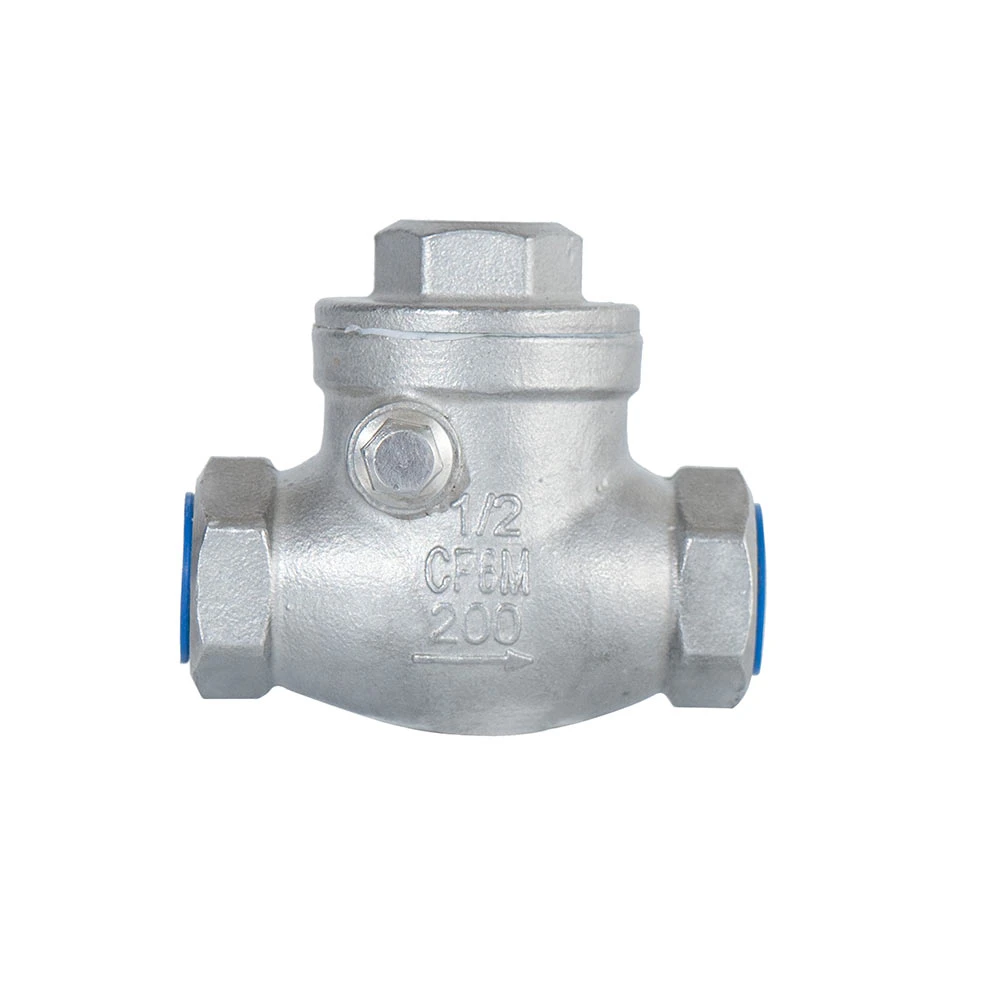
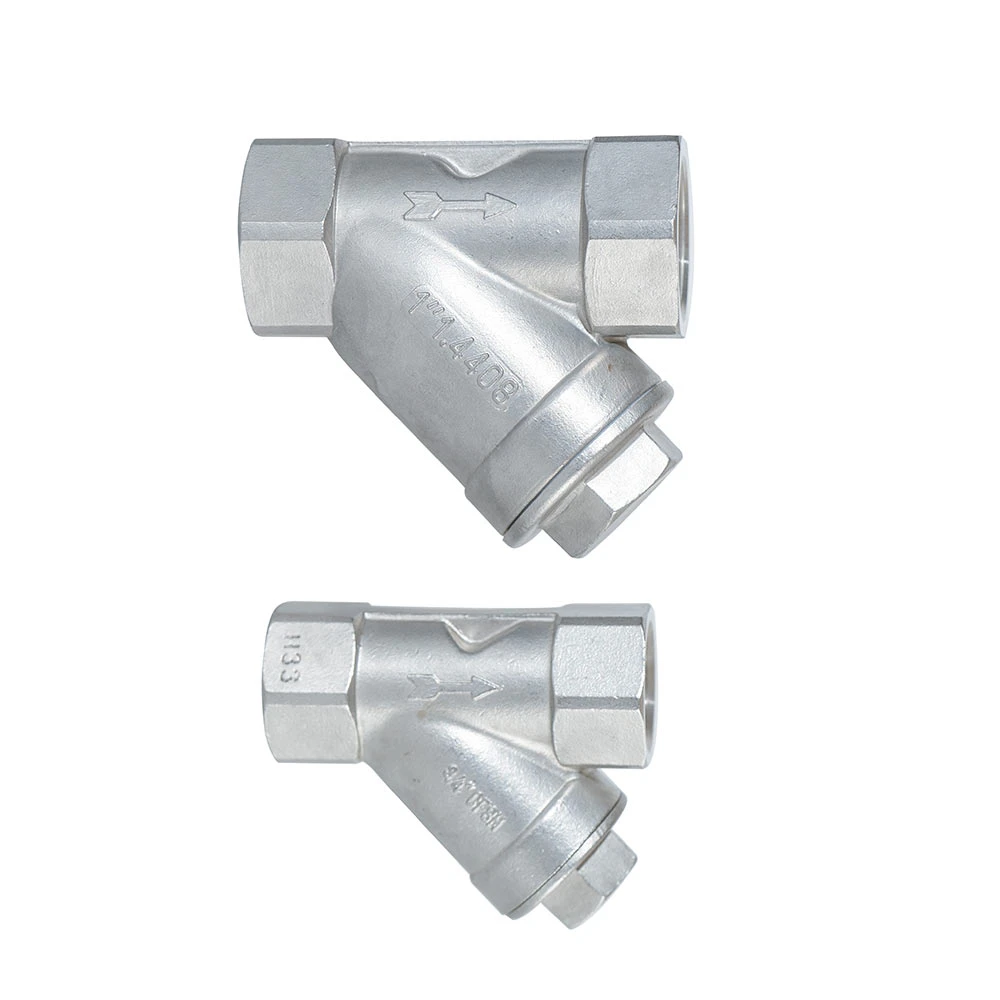
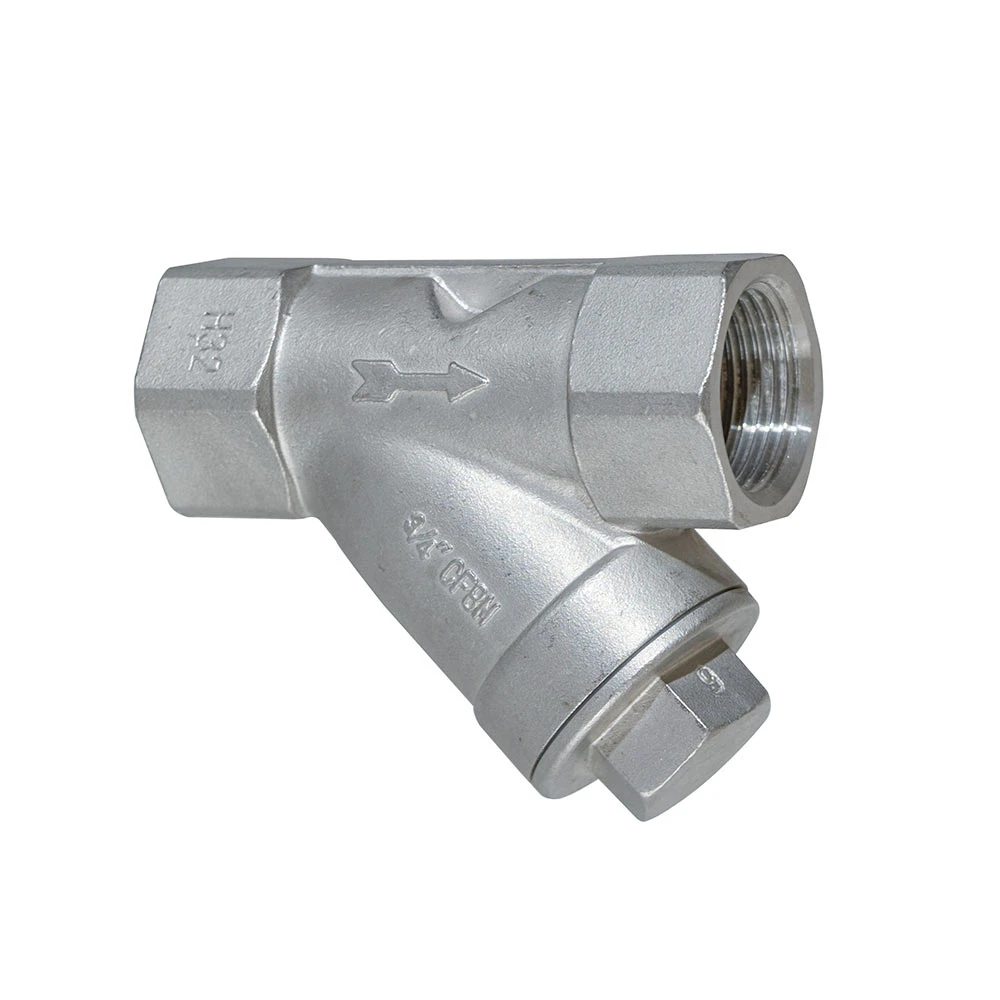
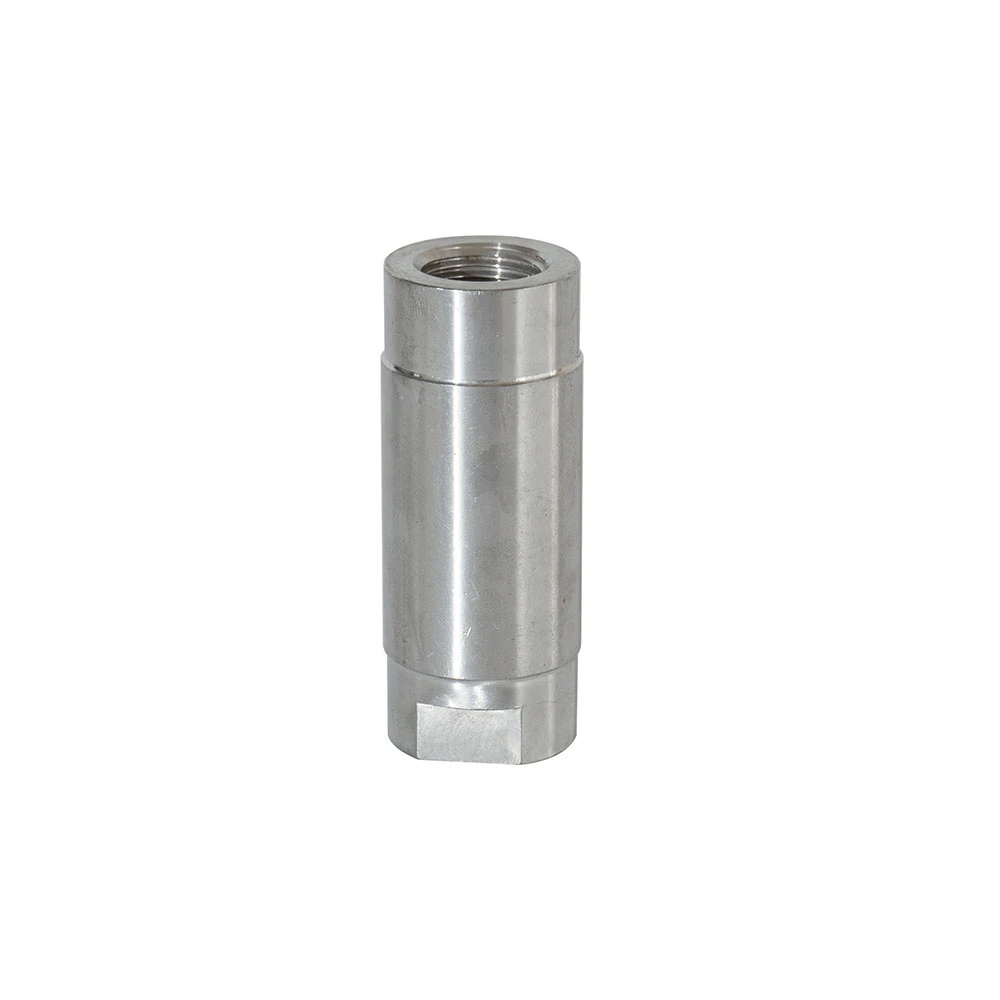
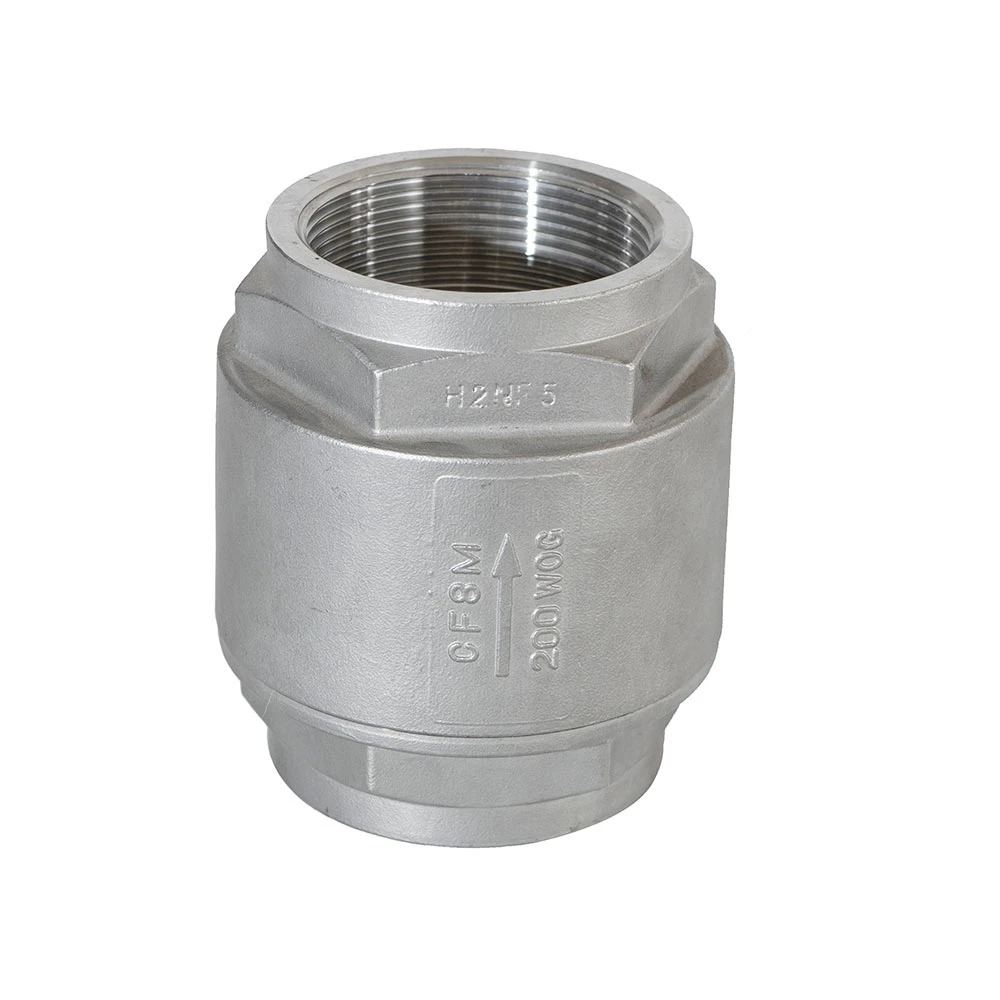
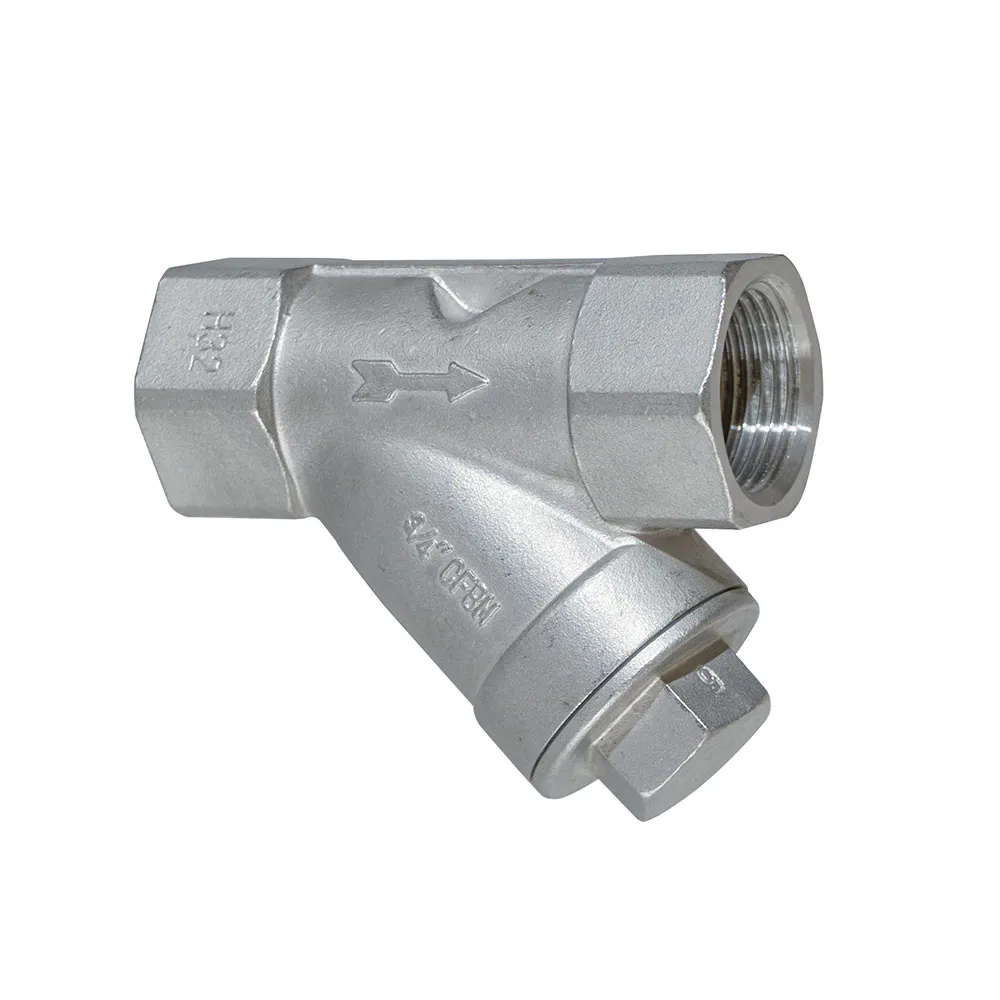
I’ve walked more pump rooms than I can remember, and one small component that quietly keeps everything honest is the humble check valve. The Y Spring Vertical Check Valve from Houde Valve—built in Liupangzhuang Village, Nanchentun Town, Yunhe District, Cangzhou, Hebei, China—leans into that truth. It’s widely used where backflow is a headache, delivering efficient, durable performance. And yes, the “Y” geometry really does help with flow and debris shedding, especially in vertical runs.
What’s trending (and why the Y-form matters)
In water, HVAC, and light chemical lines, plants are moving toward compact, spring-assisted designs that close fast to limit water hammer. To be honest, older swing checks can slam. The Y-form body with a centered spring-loaded poppet shortens stroke length and, in practice, cuts chatter. Many customers say noise drops after swap-outs—anecdotal, sure, but it keeps showing up in my notebook.
Core specifications (real-world use may vary)
| Product | Y Spring Vertical Check Valve (Y Check Valves) |
| Size Range | DN15–DN300 (½"–12"), larger on request |
| Pressure Rating | PN10/16/25; ASME Class 150/300 (≈) |
| Body Materials | WCB, CF8/304, CF8M/316, duplex (optional) |
| Trim/Spring | 316/316L spring; 304/316 internals (standard) |
| Seat/Seal | Metal, NBR, EPDM, FKM, PTFE (bubble-tight target with soft seat) |
| Ends | Flanged (ASME B16.5/EN 1092-1), threaded (BSP/NPT) |
| Temp Window | -20°C to 200°C with elastomers; higher with PTFE/metal seats (≈) |
| Cracking Pressure | ≈0.05–0.2 bar depending on size/spring |
Applications and field notes
- Pump discharge on chilled water and condenser lines (HVAC)
- Condensate return in steam loops; compressed air headers
- RO/desalination skids, light chemical transfer, CIP return
- Where vertical installation is tight and slam is a concern
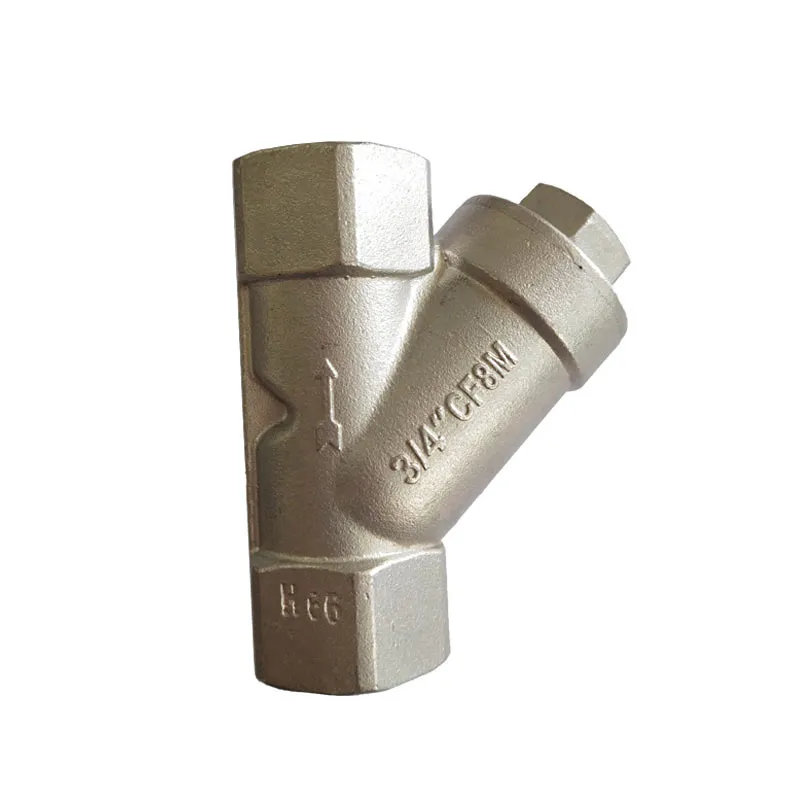
Advantages I keep seeing: quick closure, compact envelope, lower pressure loss than many inline poppet types, and friendlier maintenance. The Y Check Valves layout also helps reduce debris lodgment—handy in older water networks.
How it’s made and tested (short process flow)
- Materials: certified WCB/CF8/CF8M heats; spring in 316/316L with PMI spot checks.
- Machining: CNC body/poppet, surface finish control on sealing faces (Ra ≈ 0.8–1.6 μm).
- Treatments: pickling/passivation for stainless; shot-blast + epoxy for carbon steel.
- Assembly: spring/poppet preload set; orientation check for vertical service.
- Testing: hydrostatic shell and seat per API 598 / EN 12266-1; leakage to ISO 5208 Rate A (soft seat). Optional NDT (PT/MT) on request.
- Documentation: MTRs, pressure test reports, ISO 9001 traceability.
Typical service life? Around 10–15 years in clean water; harsher chemistry shortens that—elastomer choice is everything.
Independent test snapshot
Sample DN80 CF8M soft-seat unit: shell test 24 bar (no visible leakage), seat test 16 bar (bubble-tight), closure time ≈0.12 s; ΔP at 10 m/s water ≈0.07 bar. Lab conditions—field results vary.
Vendor landscape (quick comparison)
| Vendor | Certs | Lead Time | Customization | Notes |
|---|---|---|---|---|
| Houde Valve (Y Check Valves) | ISO 9001; API 598 test reports | ≈2–5 weeks | Materials, seats, face-to-face, coating | Strong on vertical service tuning |
| Generic A (EU) | CE, EN 10204 3.1 | ≈4–8 weeks | Limited elastomers | Good docs, higher price |
| OEM B (US) | ASME B16.34 compliance | Stock for common sizes | Coating and tagging only | Great availability, fewer options |
Customization and integration
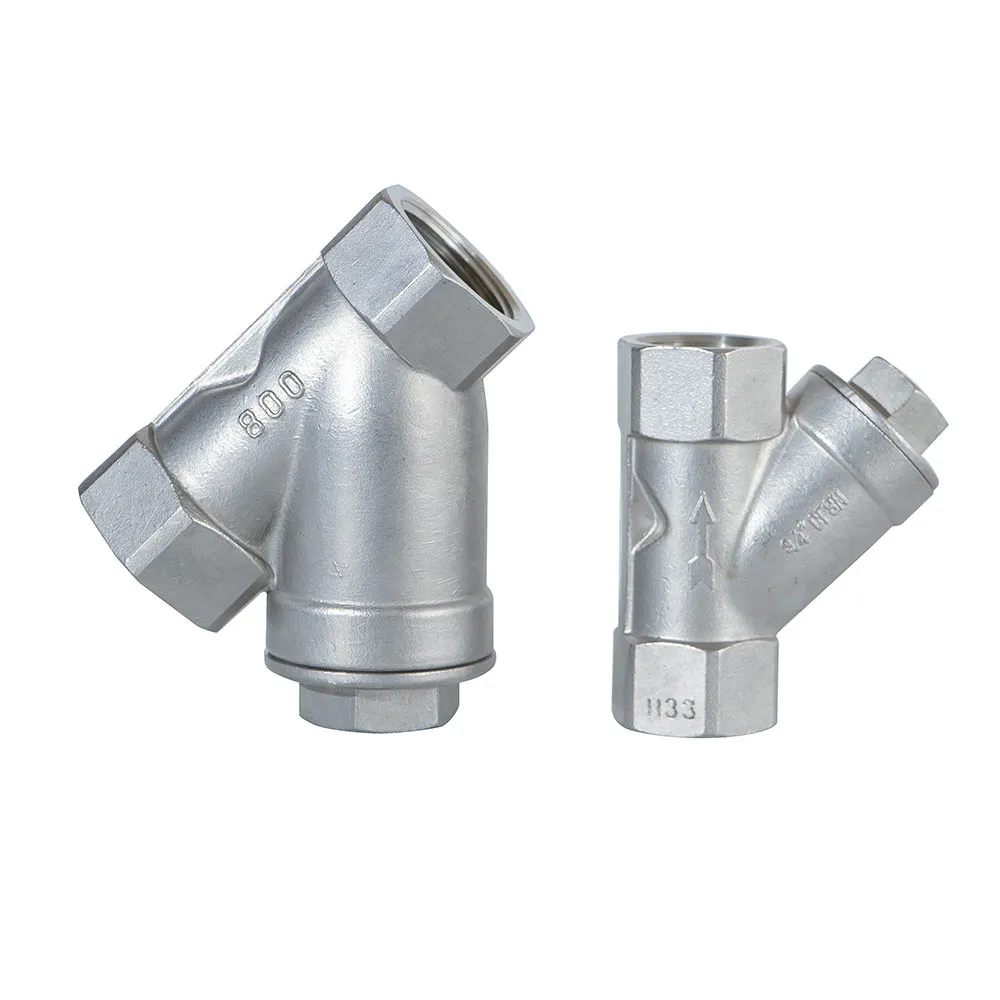
- Elastomers for media: EPDM (water), FKM (hydrocarbons), PTFE (chemicals).
- Low-crack springs for gravity-fed lines; high-crack for pulsing pumps.
- Coatings: FBE, epoxy, or nickel for corrosive sites.
- Tagging, heat numbers, 3.1 certs, PMI mapping.
Quick case files
Desalination skids, MENA: CF8M/PTFE Y Check Valves cut slam on RO pump starts; operators reported fewer nuisance trips over 6 months.
Brewery CIP return, EU: EPDM-seated units handled 85°C cycles; maintenance crew liked the compact footprint—“finally clears the ladder,” as one put it.
Bottom line: If backflow control and gentle closure in vertical runs are on your list, these Y Check Valves are a solid, testable choice—no drama, just good hydraulics.
Authoritative references
- API 598: Valve Inspection and Testing.
- API 594: Check Valves—Flanged, Lug, Wafer, and Butt-welding.
- EN 12266-1 / ISO 5208: Industrial valves—Testing of metallic valves.
- ASME B16.34: Valves—Flanged, Threaded, and Welding End.
- EN 1092-1 / ASME B16.5: Flanges and their joints.
- MSS SP-61: Pressure Testing of Valves.