Understanding the Y Strainer Filter: An Unsung Hero in Industrial Filtration
The y strainer filter might not be the flashiest piece of equipment in your industrial system, but its role is undeniably vital. At its core, it protects machinery by filtering out unwanted debris from pipelines, ensuring smooth operations globally. From massive industrial plants in Asia to water treatment facilities in Europe, these filters quietly shoulder the responsibility of preventing costly damage and downtime. Knowing how these work, what makes them tick, and where they fit in modern industry offers benefits that extend beyond the factory floor — touching on sustainability, safety, and even humanitarian relief efforts.
Introduction: Why the Y Strainer Filter Matters on a Global Scale
In 2023, according to the International Organization for Standardization (ISO), industrial downtime due to equipment failure costs companies billions annually — a number expected to rise with aging infrastructure and expanding energy demands.[1] Here’s where the humble y strainer filter comes in: by capturing particles and contaminants before they wreak havoc on pumps and valves, it mitigates these risks significantly.
Industries ranging from oil and gas to water treatment rely heavily on these strainers. But oddly enough, despite their importance, many overlook them until it’s too late and a filter failure causes cascading issues. Shouldn’t we pay closer attention to this simple yet powerful safeguard?
Defining the Y Strainer Filter
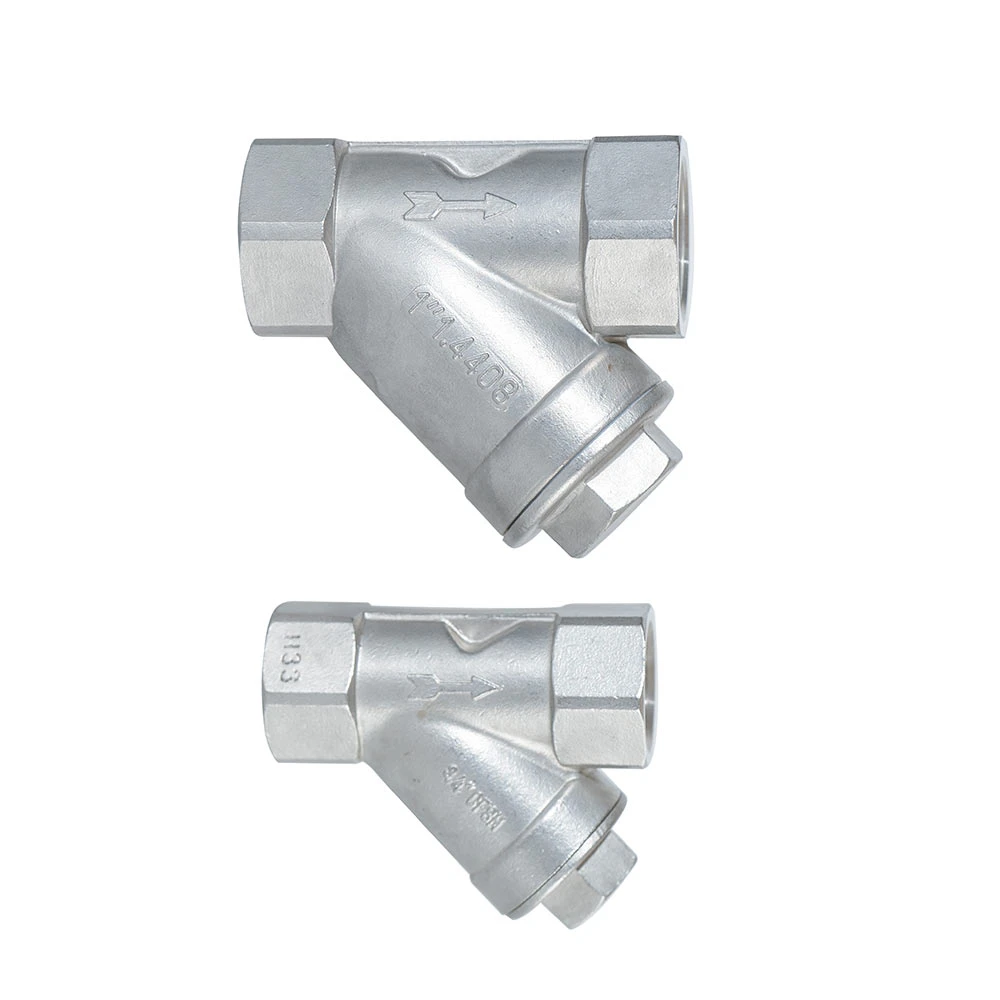
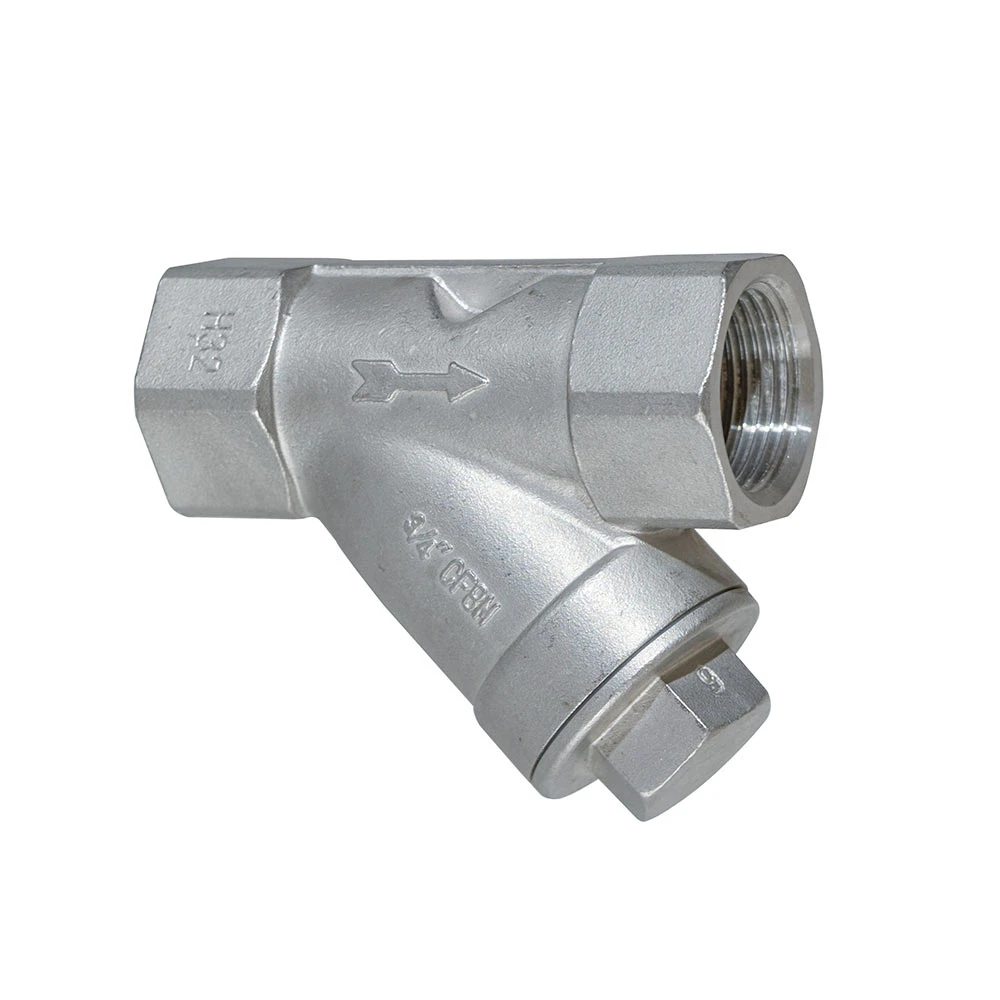
Put simply, a y strainer filter is a mesh-screen device installed inline with piping systems, designed to remove unwanted solids from liquids or gases. Its “Y” name arises from its shape — a main body with a protruding, angled leg containing the screen. This clever form factor lets the filter trap particles while allowing fluid to keep flowing.
It’s a small but crucial link between mechanical hardware and operational reliability — especially in demanding environments where impurities abound and equipment integrity is non-negotiable.
Key Components and Features of the Y Strainer Filter
Durability
Most y strainers are built from stainless steel or cast iron, making them resistant to corrosive substances and mechanical stress. Their rugged build means they withstand high pressures and temperatures, a must in petrochemical plants or power stations.
Screen Material and Mesh Size
The filter screen inside varies in mesh size depending on the application—from coarse screens for large debris to fine mesh for tiny particulates. Choosing the right mesh size balances filtration efficiency with flow rate.
Ease of Maintenance
Maintenance is surprisingly straightforward. Many models feature a blow-off valve or an accessible cover, allowing for quick cleaning without disassembling the whole unit—saving time and labor costs.
Versatility and Scalability
The y strainer’s compact design fits into numerous piping arrangements and is scalable for small industrial plants up to large-scale municipal water systems.
Cost Efficiency
Compared to more complex filtration units, y strainers offer an economical solution with low initial investment and minimal upkeep expenses — making them attractive even for tight budgets.
Product Specification Snapshot
| Specification | Typical Range | Notes |
|---|---|---|
| Body Material | Cast Iron / Stainless Steel | Depends on application fluid compatibility |
| Screen Mesh Size | 10 - 200 mesh | Finer mesh = better filtration, lower flow rate |
| Pressure Rating | 150 psi – 600 psi | Higher pressure models available on demand |
| Operating Temperature | -20°C to 300°C | Material dependent, suits diverse applications |
Use Cases: Global Applications of the Y Strainer Filter
- Water Treatment Plants: Eliminates grit and sediment particles to protect pumps and sensitive valves, particularly in regions with high sediment runoff like South Asia.
- Oil & Gas Industry: Filters out sand and other particles in pipelines to prevent wear — crucial in Middle Eastern and North Sea operations.
- Food and Beverage Processing: Maintains product quality by filtering particulate matter from liquids, seen commonly in North American and European plants.
- Disaster Relief Efforts: Portable y strainers aid temporary water purification setups, ensuring safe water supply in areas recovering from floods or earthquakes.
In all these scenarios, the y strainer filter acts as a frontline defender, safeguarding both processes and people.
Advantages and Long-Term Value
The logical benefits are clear: cost savings from reduced equipment damage, lower downtime, and straightforward maintenance. But there’s something else — trust. Operators feel more confident running systems knowing the risk of contaminant-related failures is minimized. It supports safety protocols, minimizes environmental hazards, and often extends lifespans of critical infrastructure.
On a broader scale, better filtration means less waste and higher efficiency — pushing progress toward sustainability goals increasingly demanded by governments and consumers alike. Frankly, it’s a win-win both economically and socially.
Vendor Comparison: Popular Y Strainer Suppliers
| Vendor | Materials Offered | Pressure Range (psi) | Customization Options | Price Range |
|---|---|---|---|---|
| Houde Valve Co. | Stainless Steel, Cast Iron | 150-600 | Mesh sizes, port sizes, pressure ratings | $$ - $$$ |
| Global Filters Inc. | Cast Steel, Bronze | 200-450 | Standard sizes; limited custom | $ - $$ |
| PureFlow Systems | 316 Stainless Steel | 150-500 | High precision mesh, clean-in-place options | $$$ |
Future Trends and Innovations
The filtration world is gradually embracing smart technologies. For example, some modern y strainer filters incorporate sensor-enabled monitoring, giving live updates on clog levels and filter health — quite helpful in remote or hazardous environments.
Materials innovation also continues, with research into self-cleaning meshes and corrosion-resistant coatings aiming to extend service life and reduce manual maintenance. These advancements dovetail with global energy transition policies emphasizing greener, more efficient industrial equipment.
Challenges and Ways Forward
Despite their strengths, y strainers aren’t without challenges. Occasionally, screens clog more quickly than anticipated, causing pressure drops or the need for frequent cleaning that disrupts workflows. Some users also find standard designs limiting when handling highly viscous fluids or very fine particulates.
Solutions lie in tailored filtration media, hybrid filter designs, and automation — collecting data to predict maintenance needs before issues arise. Leveraging these approaches optimizes performance and improves overall system reliability.
FAQ: Your Top Questions About Y Strainer Filters
- Q: How often should a y strainer filter be cleaned?
A: Cleaning frequency depends on the contamination level but generally ranges from monthly to quarterly. Monitoring differential pressure can provide real-time cues for cleaning needs. - Q: Can y strainers be used in high-temperature systems?
A: Yes, many are designed for high-temperature applications, up to around 300°C, particularly those made from stainless steel or specialized alloys. - Q: What mesh size is best for water filtration?
A: It varies with application, but typically a 60 to 100 mesh screen balances debris removal with flow. For finer filtration, screens up to 200 mesh are also used. - Q: Are customized y strainer filters available?
A: Absolutely. Vendors like Houde Valve offer customization in materials, pressure ratings, and mesh sizes to suit specific needs. - Q: How do y strainer filters compare to basket strainers?
A: Y strainers are more compact and are ideal for inline installations, while basket strainers can handle larger volumes but require more space.
Conclusion: Why the Y Strainer Filter Remains Essential
In real terms, the y strainer filter remains an indispensable component for industries prioritizing reliability, sustainability, and cost efficiency. It might not make headlines, but its protection of critical systems supports business continuity worldwide. Whether you're engineering industrial pipelines or managing water purification, investing in quality y strainers is simply smart.
If you're looking to upgrade or install new filtration solutions, I encourage you to explore the diverse options at Houde Valve — trusted by industries globally and backed by decades of expertise.
That's the lowdown on y strainer filters — simple, sturdy, and surprisingly significant.
- A field engineer’s reflection