Understanding 100mm Ball Valves: A Comprehensive Guide
100mm ball valves are critical components in various industries, facilitating efficient and reliable fluid control. These valves, known for their quarter-turn operation and tight shut-off capabilities, are frequently used in water treatment, oil and gas, chemical processing, and more. Choosing the right 100mm ball valve depends on the specific application, fluid type, pressure requirements, and material compatibility. This article will explore the features, applications, types, materials, and key considerations when selecting a 100mm ball valve.
Key Features and Benefits of 100mm Ball Valves
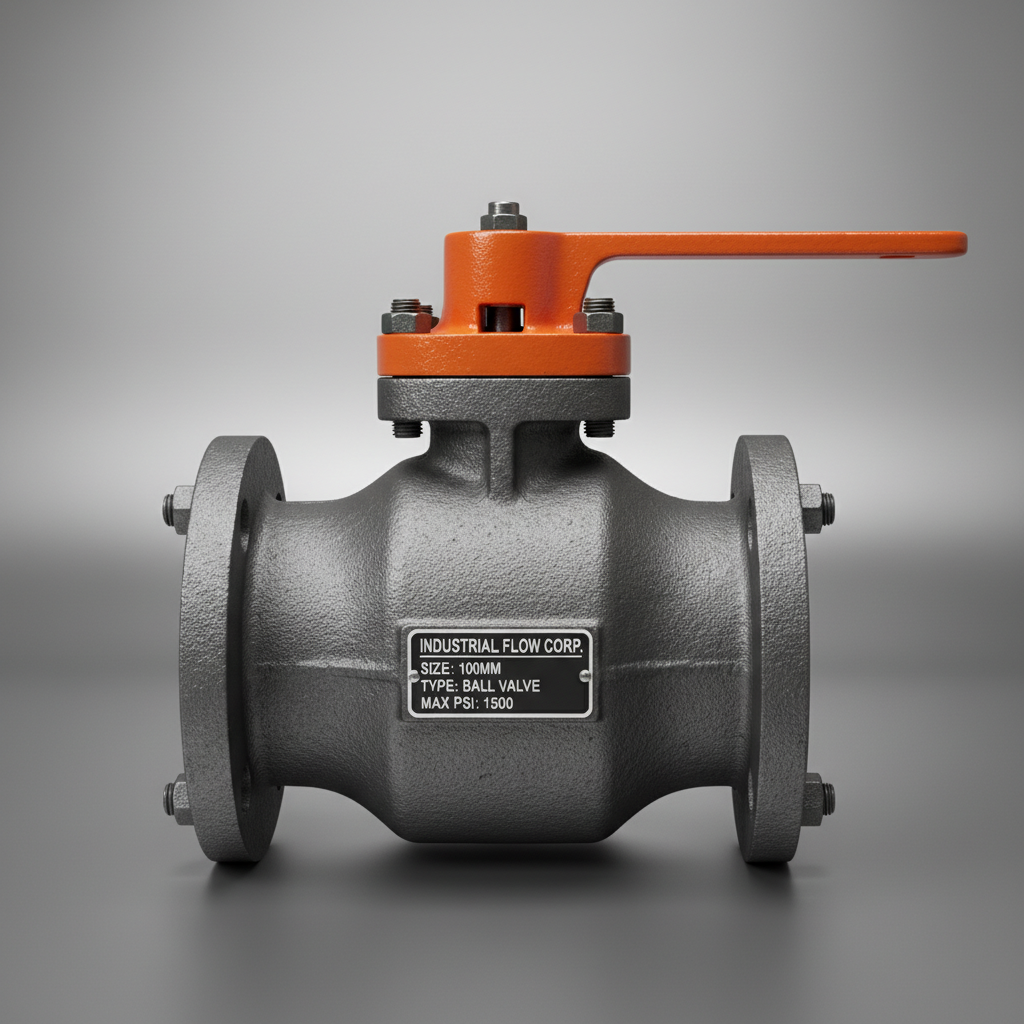
100mm ball valves offer several advantages over other valve types. Their quarter-turn operation provides quick opening and closing, reducing cycle times. The design minimizes pressure drop, resulting in efficient flow. Crucially, they offer a tight, leak-proof seal, crucial for preventing fluid loss and maintaining system integrity. Furthermore, their simple construction contributes to reliability and ease of maintenance. The larger 100mm size accommodates higher flow rates, making them suitable for large-scale industrial applications. Houde Valve specializes in providing high-quality 100mm ball valves tailored to diverse industry needs.
Key Highlights: Quick operation, minimal pressure drop, leak-proof sealing, high flow capacity, and reliable performance.
Types of 100mm Ball Valves
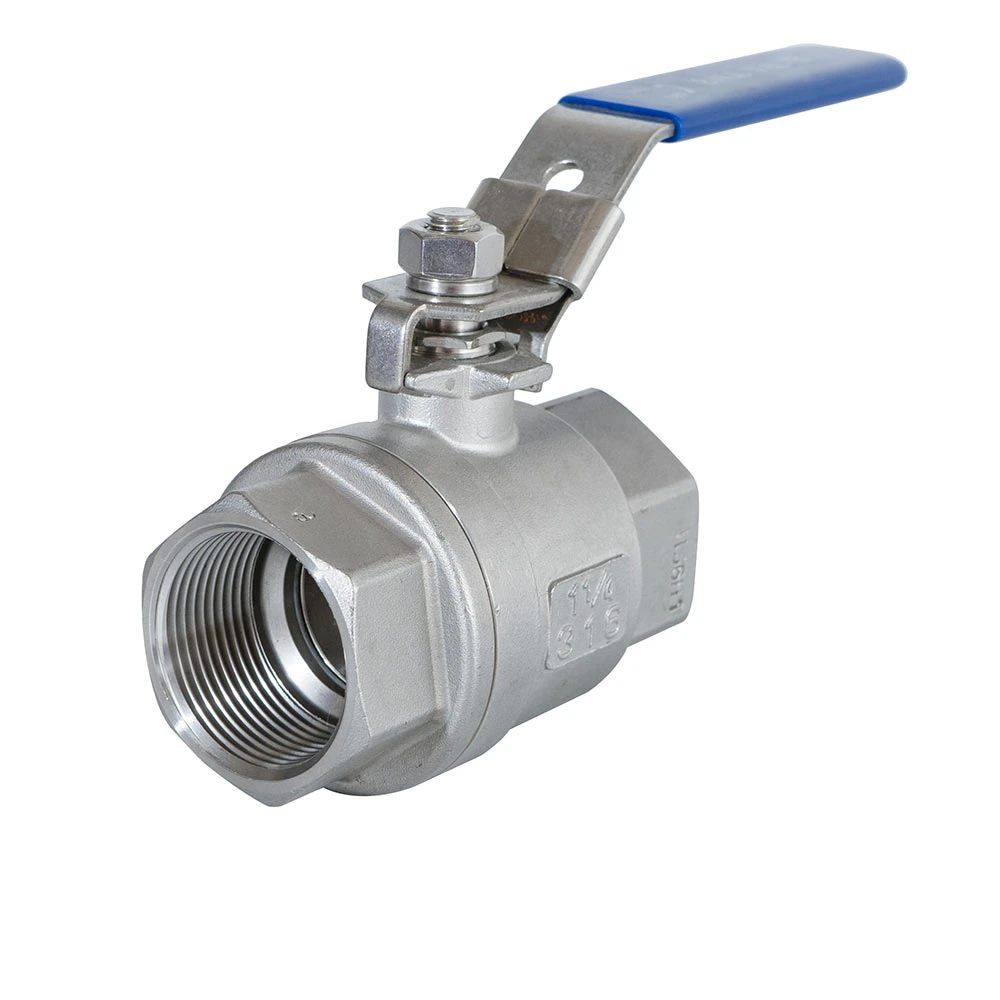
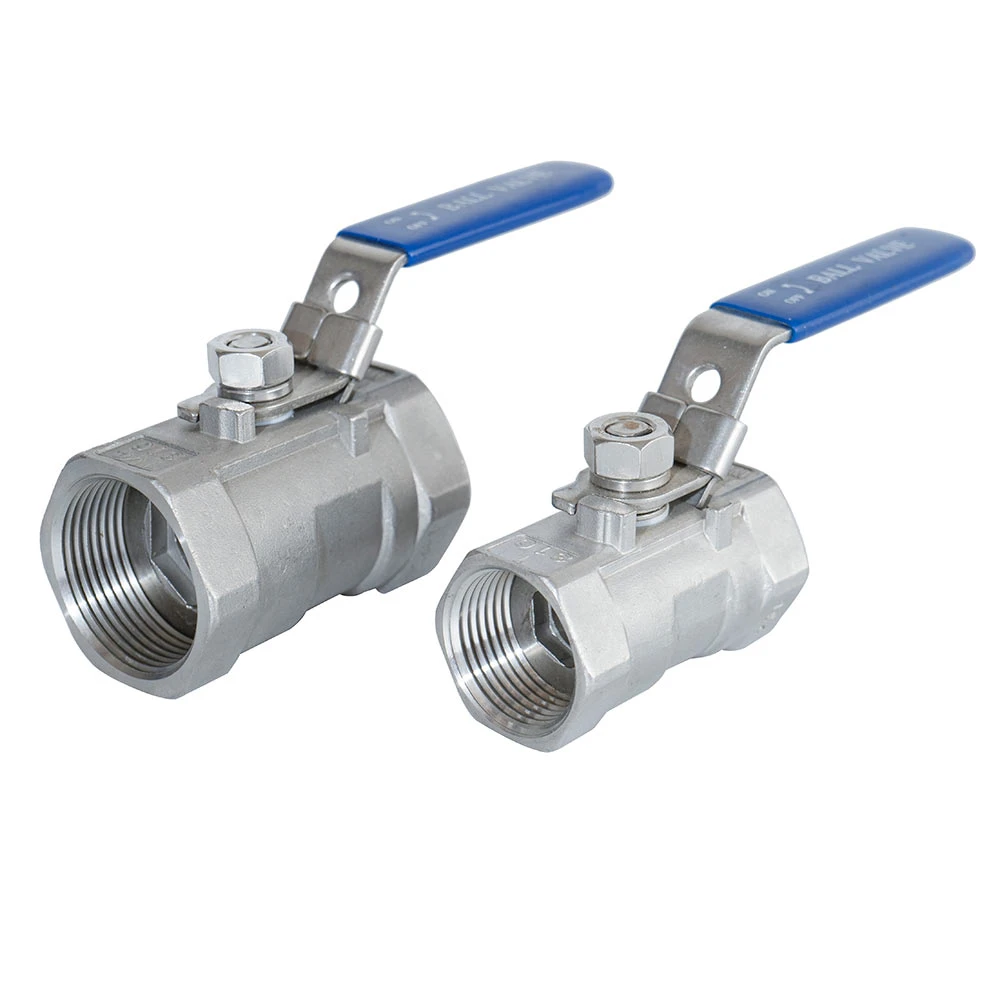
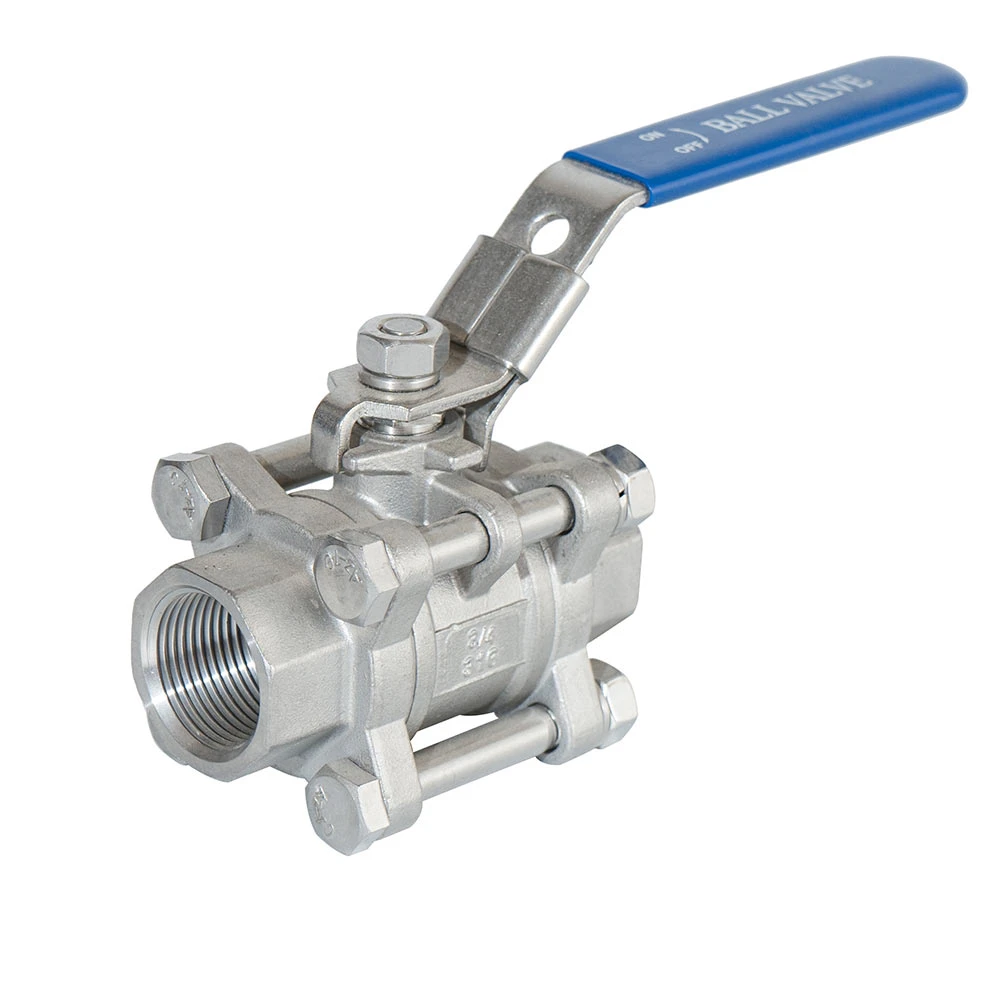
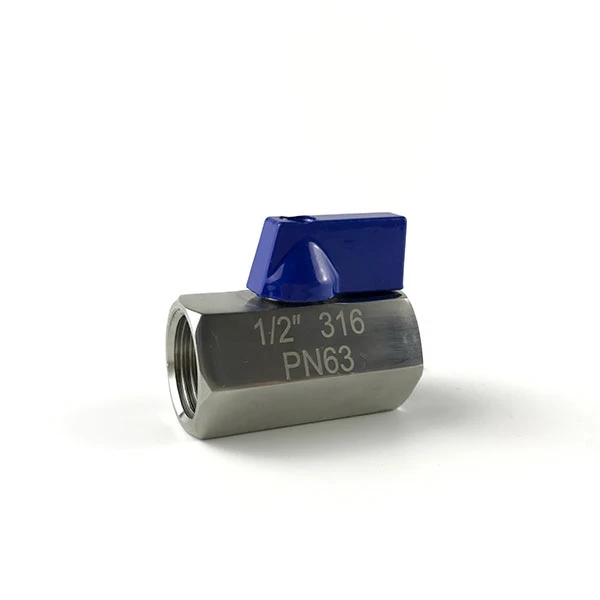
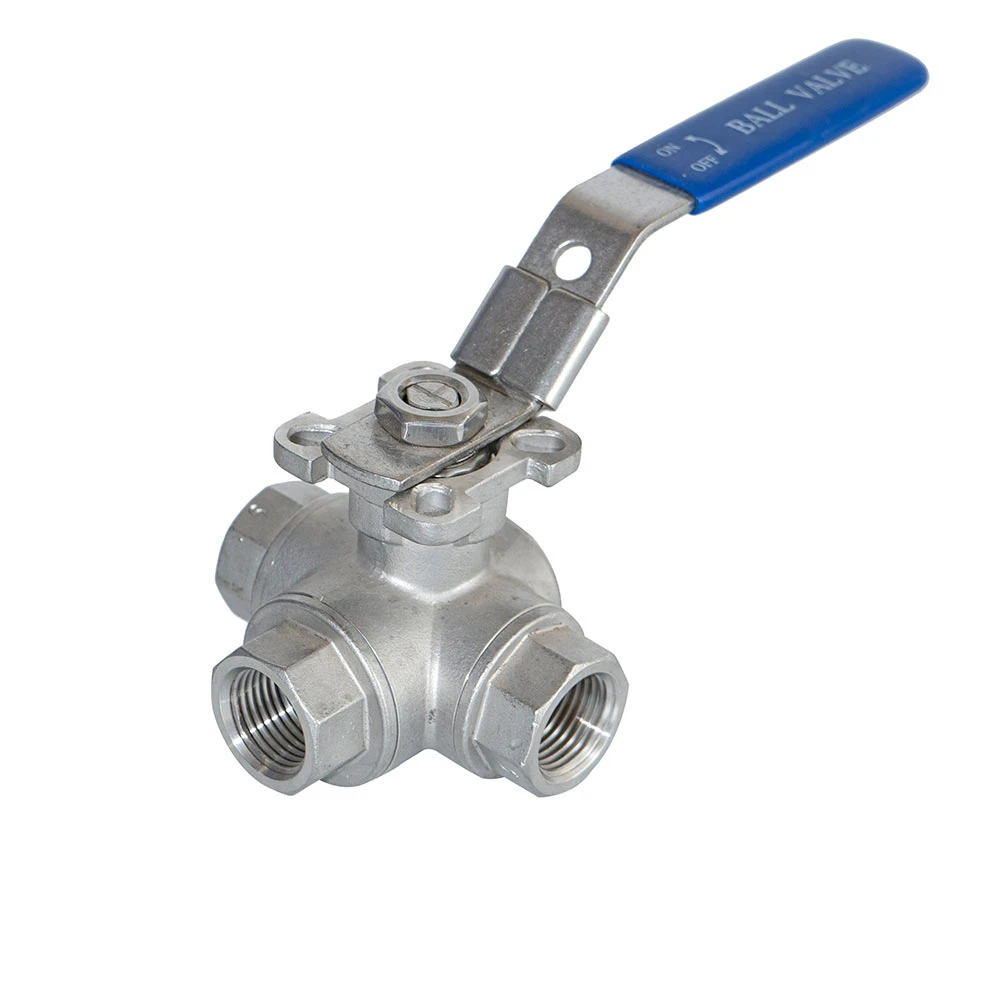
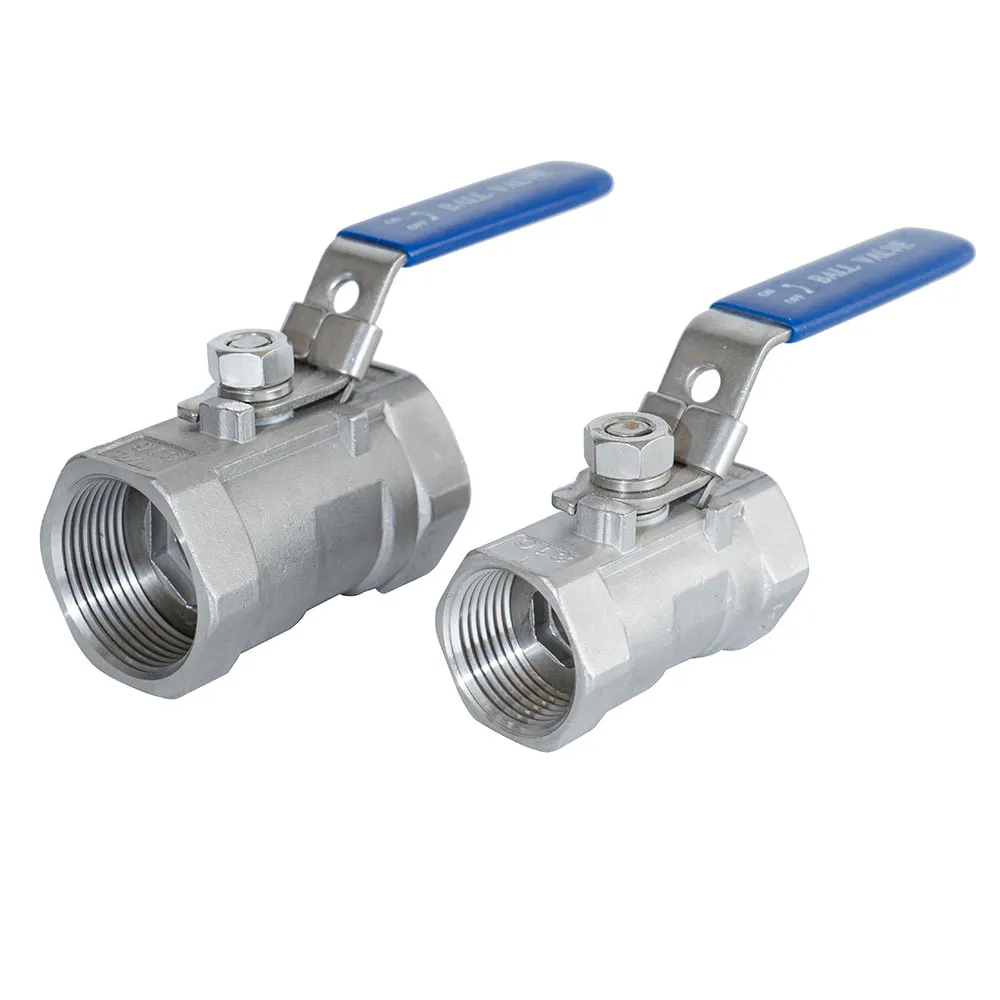
100mm ball valves come in several configurations, each suited for specific applications. Full-port ball valves offer unrestricted flow, while reduced-port ball valves have a smaller bore, creating some pressure drop. Two-piece ball valves are simple and economical, while three-piece ball valves allow for easy in-line maintenance. Flanged ball valves are ideal for high-pressure applications, providing a secure connection. Understanding these variations is vital for selecting the best valve for your requirements.
Ball Valve Types:
• Full-Port
• Reduced-Port
• Two-Piece
• Three-Piece
• Flanged
Material Considerations for 100mm Ball Valves
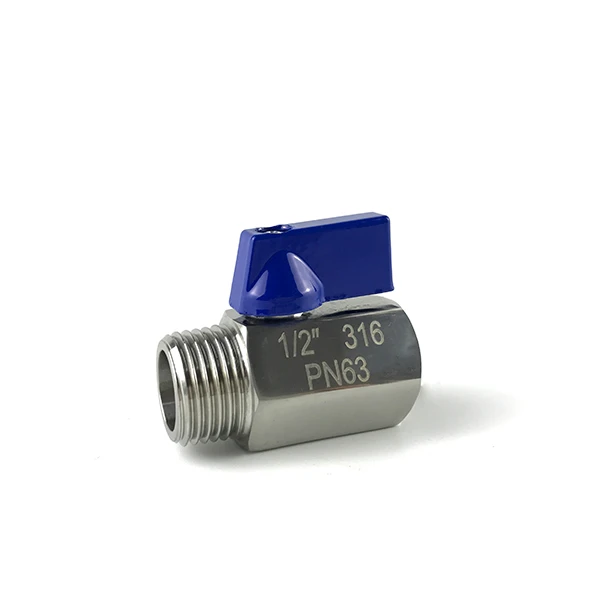
The material of a 100mm ball valve is critical for ensuring compatibility with the fluid being handled. Stainless steel valves are ideal for corrosive fluids and high-temperature applications. Carbon steel valves are cost-effective for water and oil applications. PVC and CPVC valves are used for low-pressure chemical applications. The valve seat material also plays a vital role, with options like PTFE, reinforced PTFE, and rubber providing different levels of sealing performance and chemical resistance.
Applications of 100mm Ball Valves
The versatility of 100mm ball valves lends itself to numerous applications. They are commonly used in water and wastewater treatment plants, chemical processing facilities, oil and gas pipelines, and HVAC systems. In irrigation systems, they efficiently control water flow. They also find application in fire protection systems, providing reliable shut-off in emergencies. Explore Houde Valve's extensive range of ball valves for your specific industrial needs.
Selecting the Right 100mm Ball Valve: Key Considerations
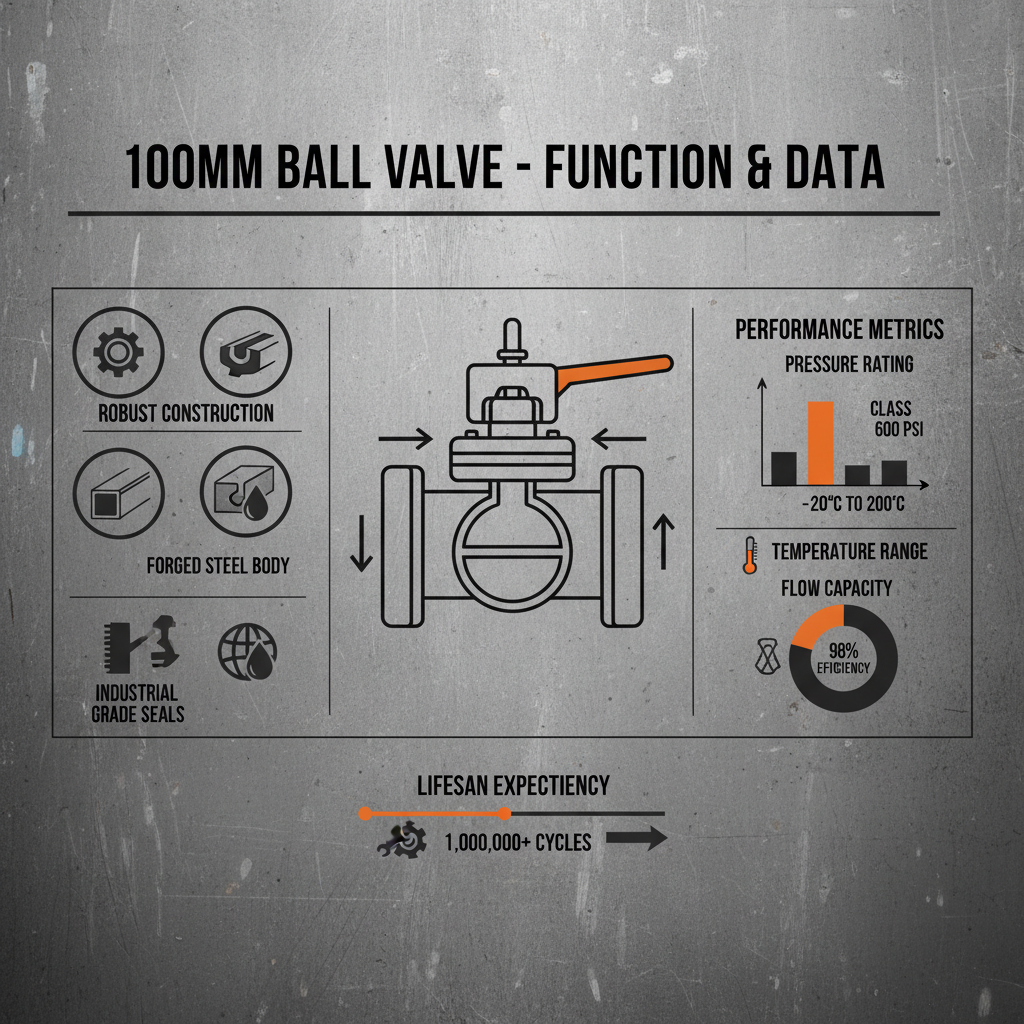
Choosing the correct 100mm ball valve involves careful consideration of several factors. Fluid compatibility is paramount; the valve materials must withstand the chemical properties of the fluid. Pressure and temperature ratings should exceed the system's operating conditions. The type of end connection (flanged, threaded, etc.) must match the existing piping. Finally, consider the automation requirements – manual, pneumatic, or electric actuation.
Conclusion: Ensuring Reliable Fluid Control
Selecting the appropriate 100mm ball valve is crucial for optimal system performance and safety. By carefully considering fluid compatibility, pressure and temperature ratings, and material selection, you can ensure reliable and efficient fluid control. Houde Valve provides a comprehensive range of high-quality ball valves and expert advice to help you make the right choice.
Frequently Asked Questions (FAQs)
What is the typical pressure rating for a 100mm ball valve?
The pressure rating for a 100mm ball valve varies depending on the material and design. Common pressure ratings range from 150 PSI to 600 PSI, and even higher for specialized valves. It’s crucial to select a valve with a pressure rating that exceeds the maximum operating pressure of your system to ensure safe and reliable operation. Flanged connections generally offer higher pressure capabilities than threaded connections.
What is the difference between a full-port and reduced-port ball valve?
A full-port ball valve has an internal diameter equal to the pipe's internal diameter, offering unrestricted flow and minimal pressure drop. A reduced-port ball valve has a smaller bore, creating some flow restriction and a corresponding pressure drop. Full-port valves are preferred when maximizing flow capacity is critical, while reduced-port valves can be used in applications where some pressure drop is acceptable.
How often should a 100mm ball valve be inspected?
Regular inspection is vital to ensure the ongoing integrity and performance of a 100mm ball valve. The frequency of inspection depends on the application and operating conditions, but generally, valves should be inspected at least annually. Look for signs of corrosion, leakage, damage to the body or seat, and proper operation of the handle or actuator. Preventative maintenance can significantly extend the valve's lifespan and prevent costly failures.