The Ultimate Guide to Choosing the Right 16mm Ball Valve
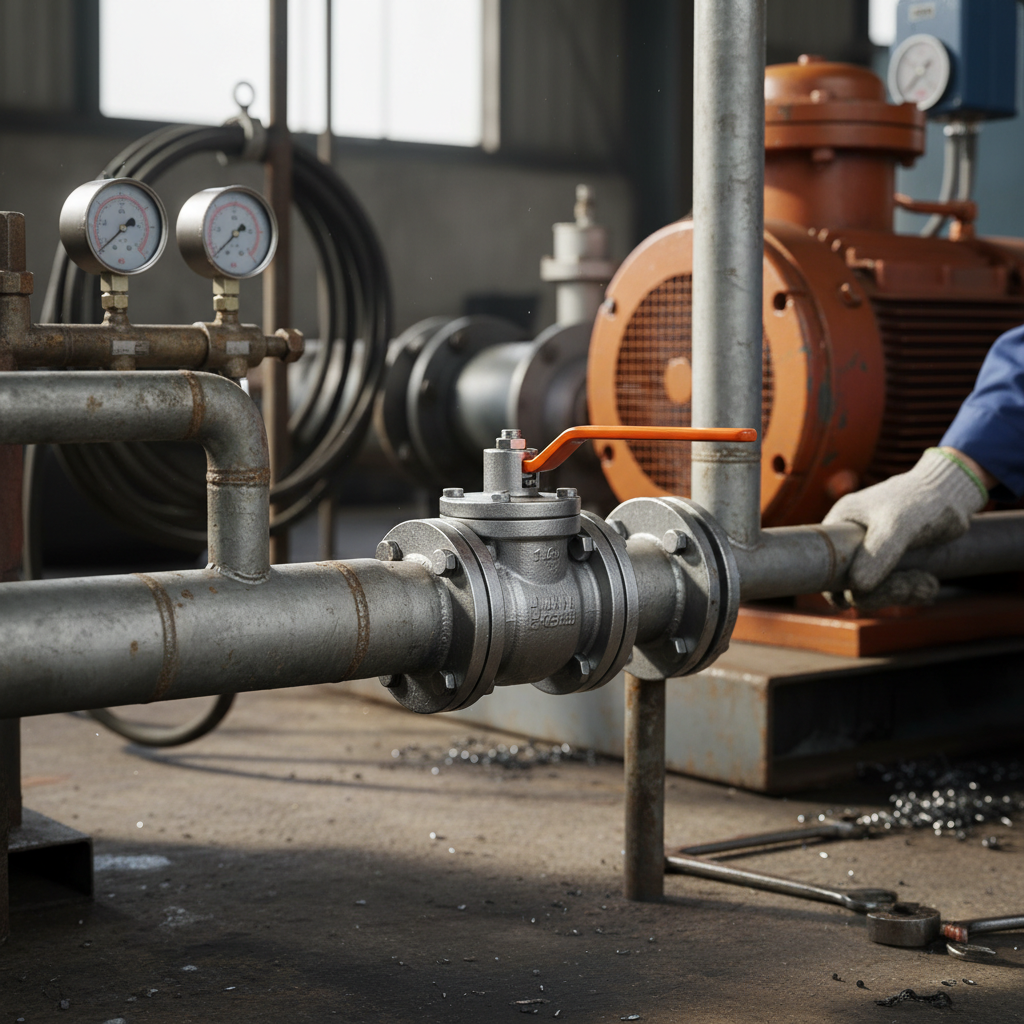
When managing fluid control in industrial or residential piping, precision and reliability are non-negotiable. The 16mm ball valve serves as a critical component for controlling flow with efficiency and ease. Whether you are dealing with water, oil, or gas, selecting a valve that balances durability with a leak-proof seal is essential for long-term system integrity. In this comprehensive guide, we will explore the technical specifications, material advantages, and practical applications of these valves to help you make an informed purchasing decision for your project.
How a 16mm Ball Valve Works
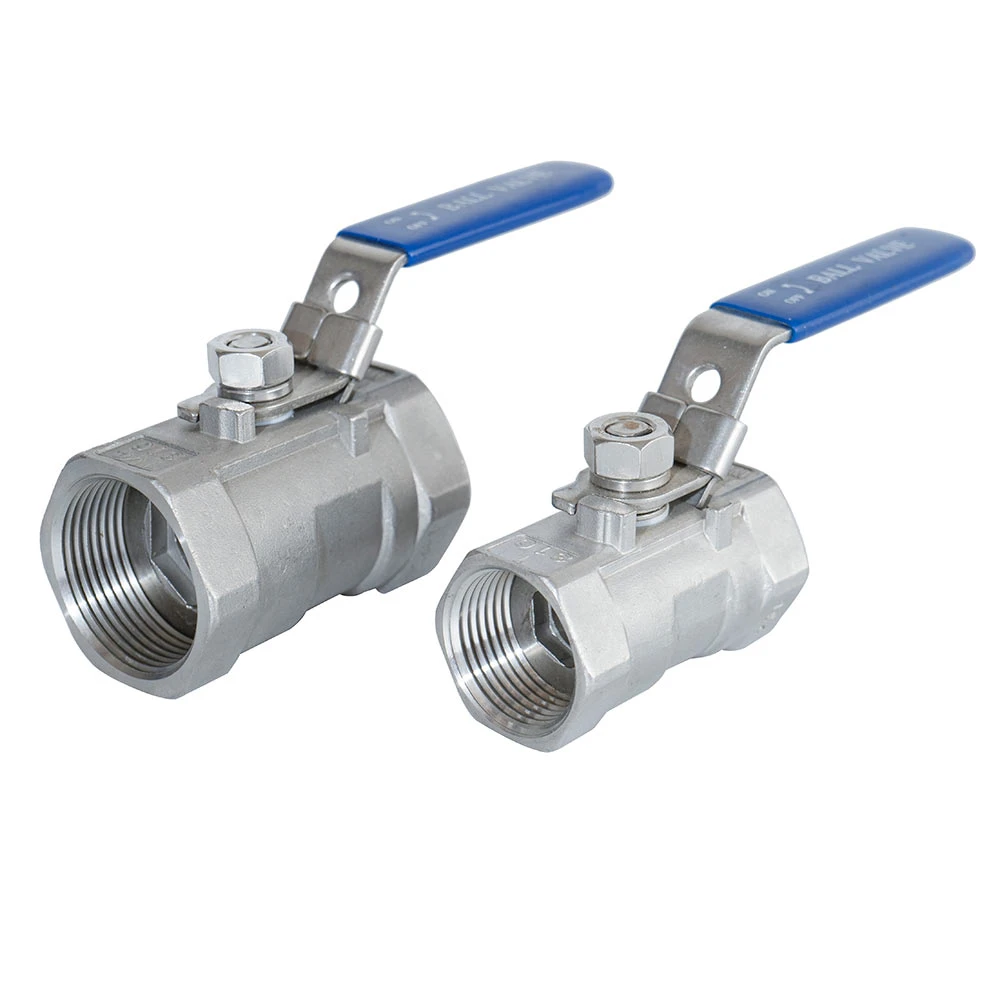
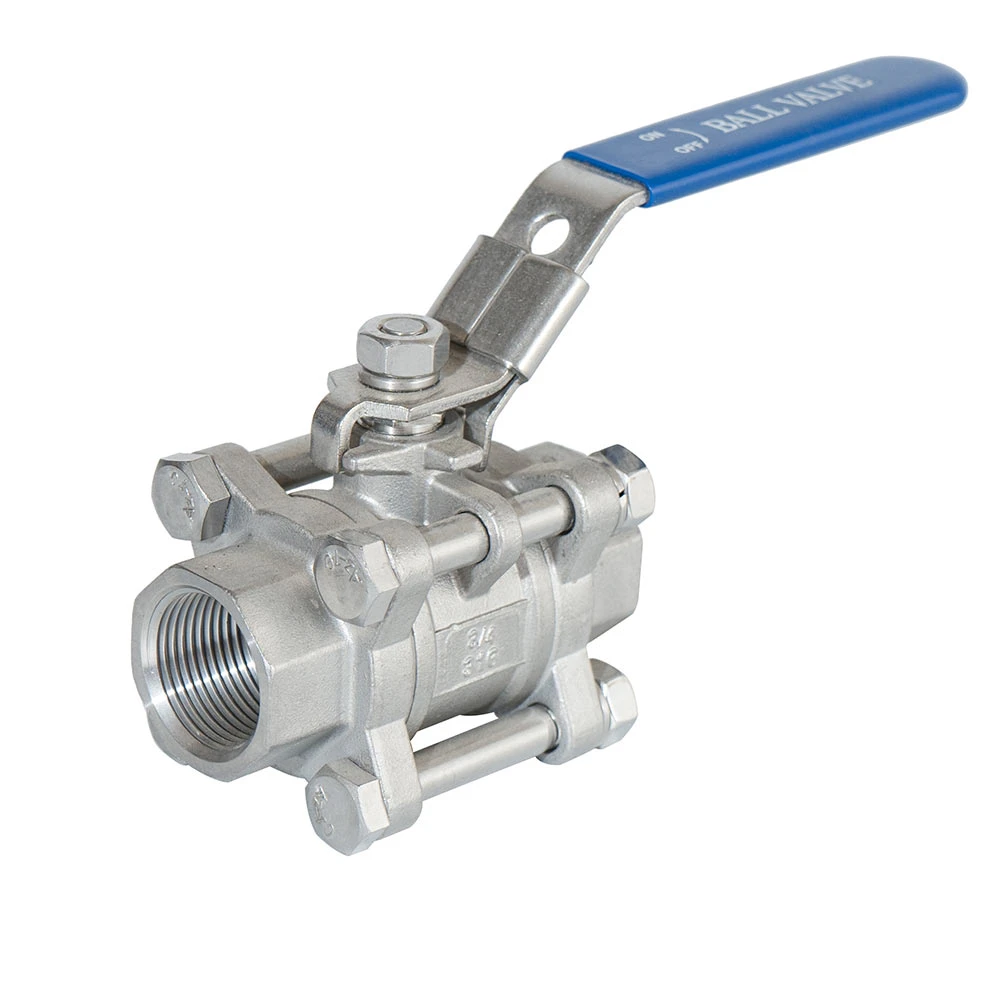
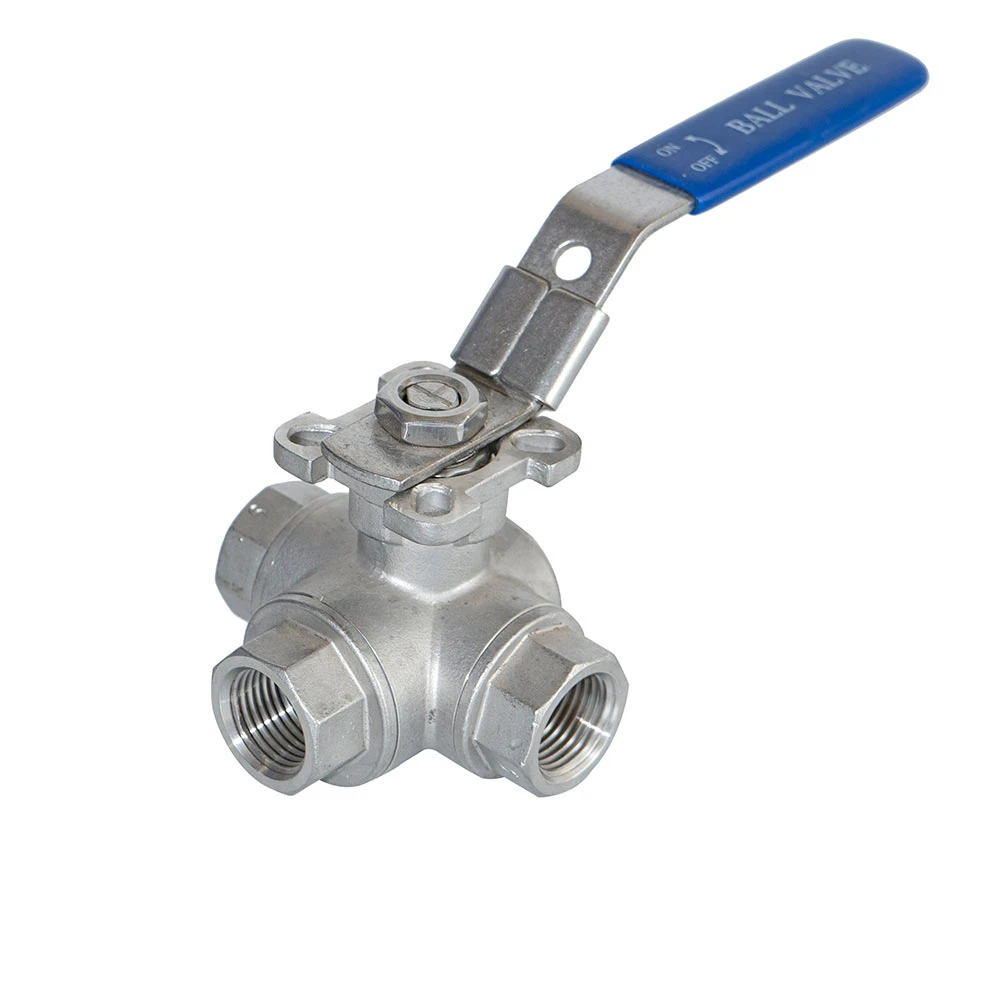
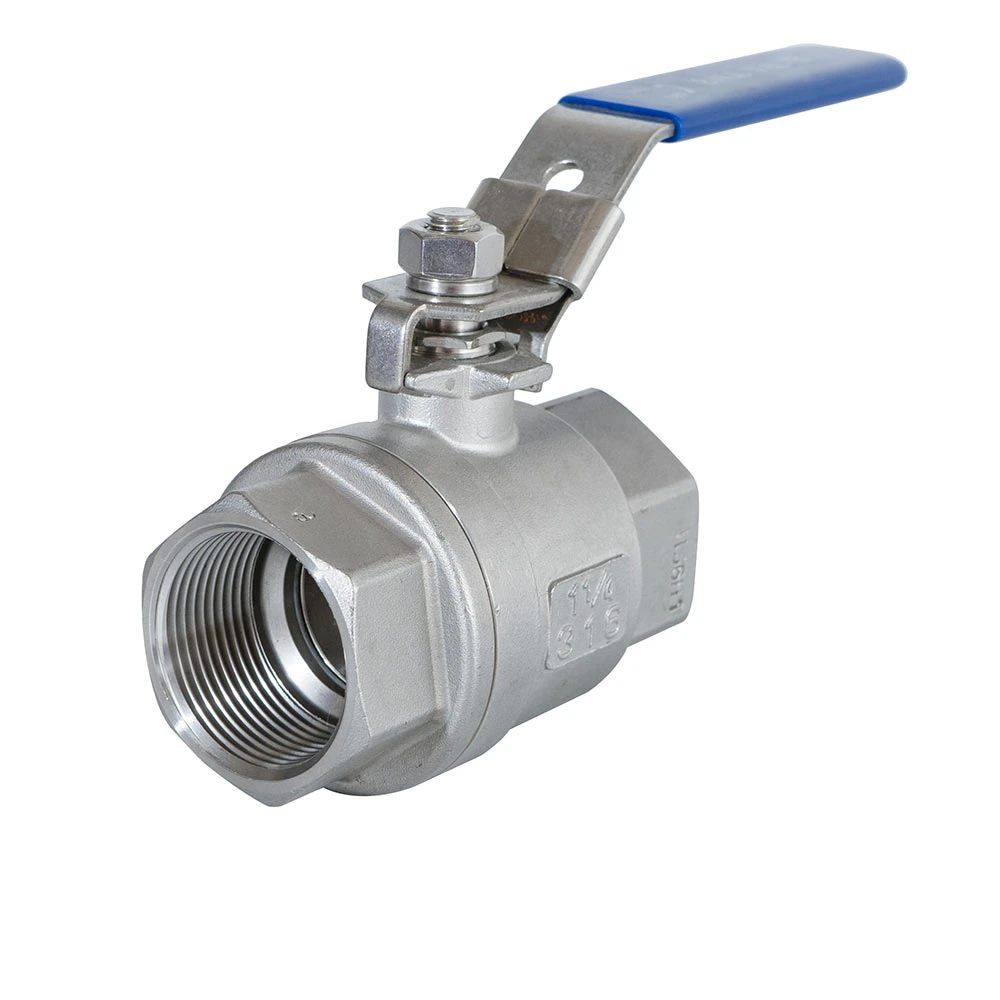
A 16mm ball valve operates using a spherical disk (the ball) with a hole through the center. When the handle is turned, the ball rotates 90 degrees, either aligning the hole with the flow path to open the valve or positioning the solid side of the ball to block the flow entirely. This "quarter-turn" mechanism is highly valued in the industry because it allows for rapid shut-off and minimal operational wear compared to gate valves. The 16mm sizing is particularly popular for medium-pressure lines where a compact footprint is required without sacrificing flow capacity.
Quick Tip: Always ensure the handle is fully perpendicular to the pipe to guarantee a complete seal and prevent internal erosion caused by partial flow.
Material Comparison for 16mm Ball Valve Options
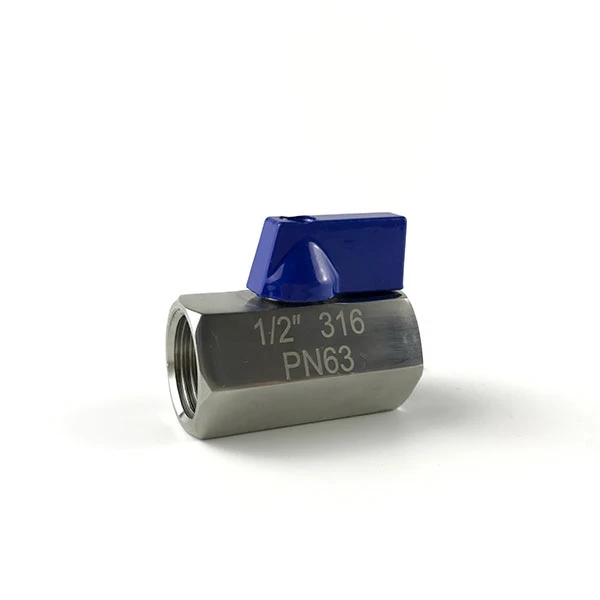
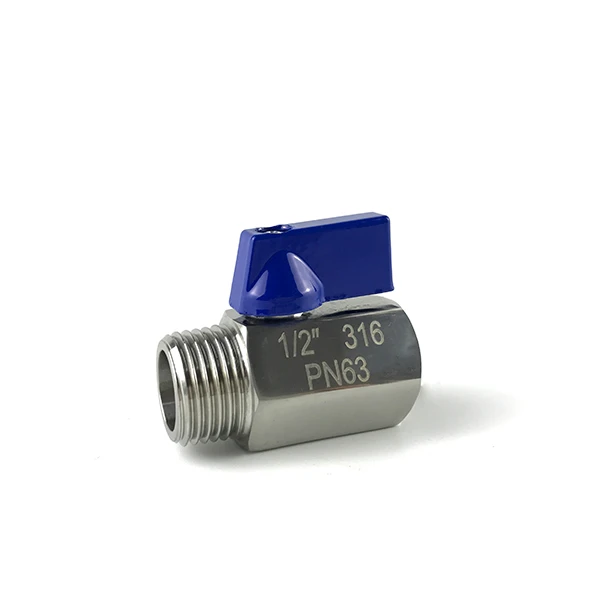
Choosing the right material for your 16mm ball valve depends entirely on the medium being transported and the environmental conditions. Stainless steel is the gold standard for corrosion resistance, while brass is often preferred for potable water systems due to its cost-effectiveness and ease of installation. For chemical processing, PVC or specialized alloys may be necessary. Understanding these differences ensures that your valve won't degrade over time, reducing maintenance costs and preventing catastrophic leaks.
Key Advantages of Using a 16mm Ball Valve
The widespread adoption of the 16mm ball valve is due to several distinct engineering advantages. First, the bubble-tight seal provided by PTFE (Teflon) seats ensures zero leakage, which is critical for safety and environmental compliance. Second, the flow characteristics are nearly identical to a full-bore pipe, meaning there is very little pressure drop across the valve. This maximizes energy efficiency in pumping systems. Finally, the simplicity of the design means fewer moving parts, resulting in a longer operational lifespan and reduced need for frequent replacements.
Primary Benefits:
• Rapid 90-degree operation for emergency shut-offs
• High durability and resistance to wear
• Low maintenance requirements
• Versatile compatibility with various piping materials
Common Applications for 16mm Ball Valves
Due to its size and efficiency, the 16mm ball valve is employed across a staggering variety of sectors. In automotive systems, they are used for coolant and fuel lines. In the agricultural sector, they facilitate precise irrigation control for greenhouse systems. Additionally, they are staple components in laboratory settings where small-bore piping requires frequent and reliable isolation of reagents. The adaptability of the 16mm size makes it the "sweet spot" for systems that are too large for micro-valves but too small for heavy industrial gates.
Technical Specifications of the 16mm Ball Valve
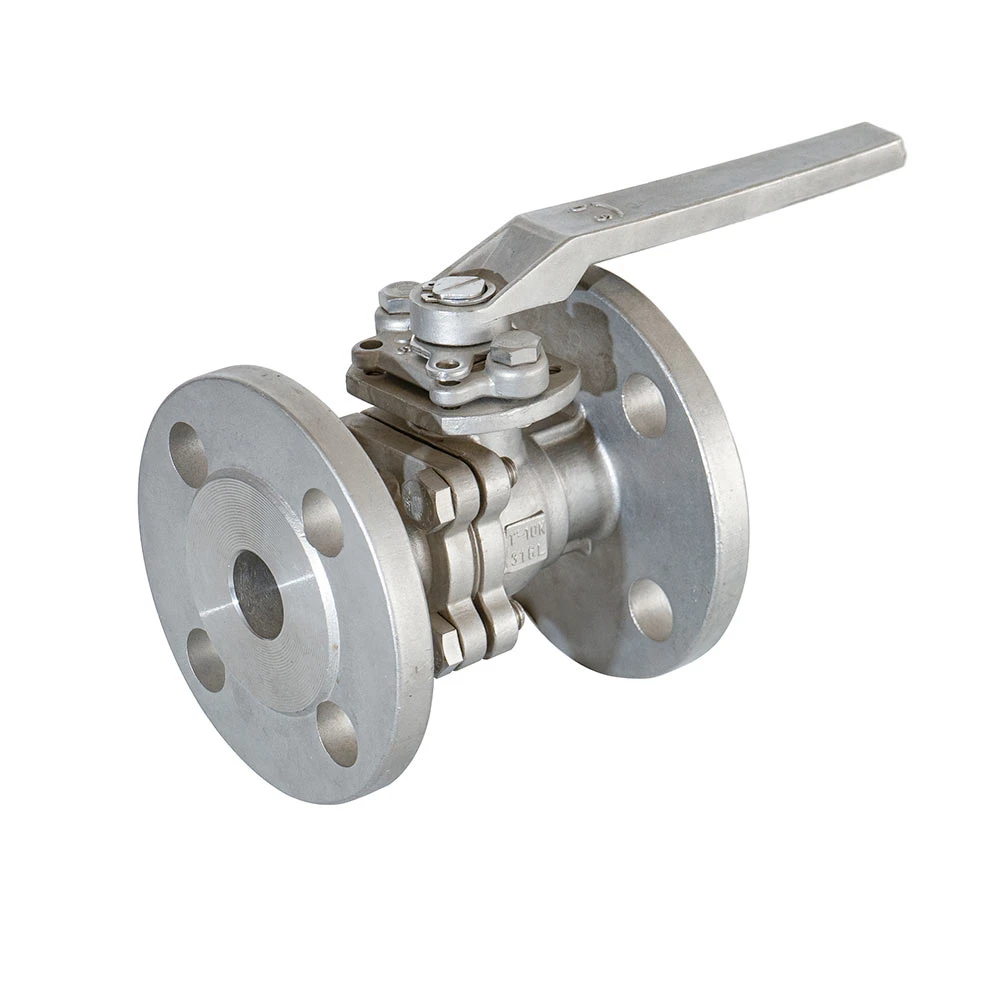
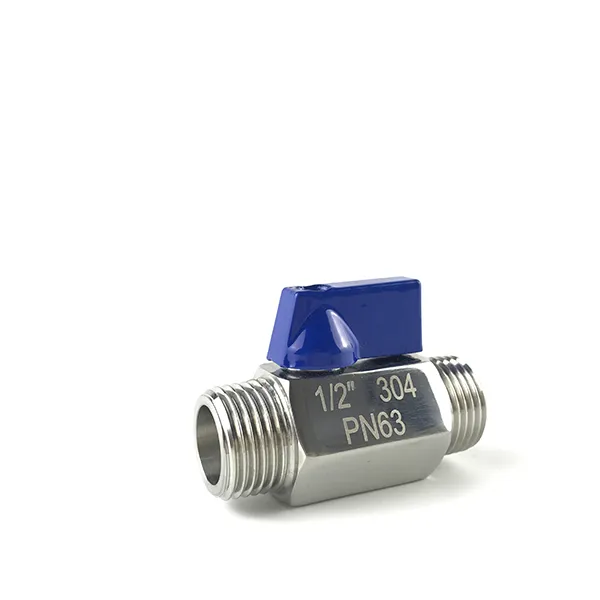
When sourcing a 16mm ball valve, it is imperative to review the technical data sheet to ensure the component can handle the operating pressure and temperature of your system. Factors such as the seat material (RPTFE vs. Virgin PTFE) and the connection type (threaded, welded, or flanged) significantly impact performance. Below is a standard specification table for a professional-grade 16mm stainless steel ball valve.
Maintenance and Installation Tips
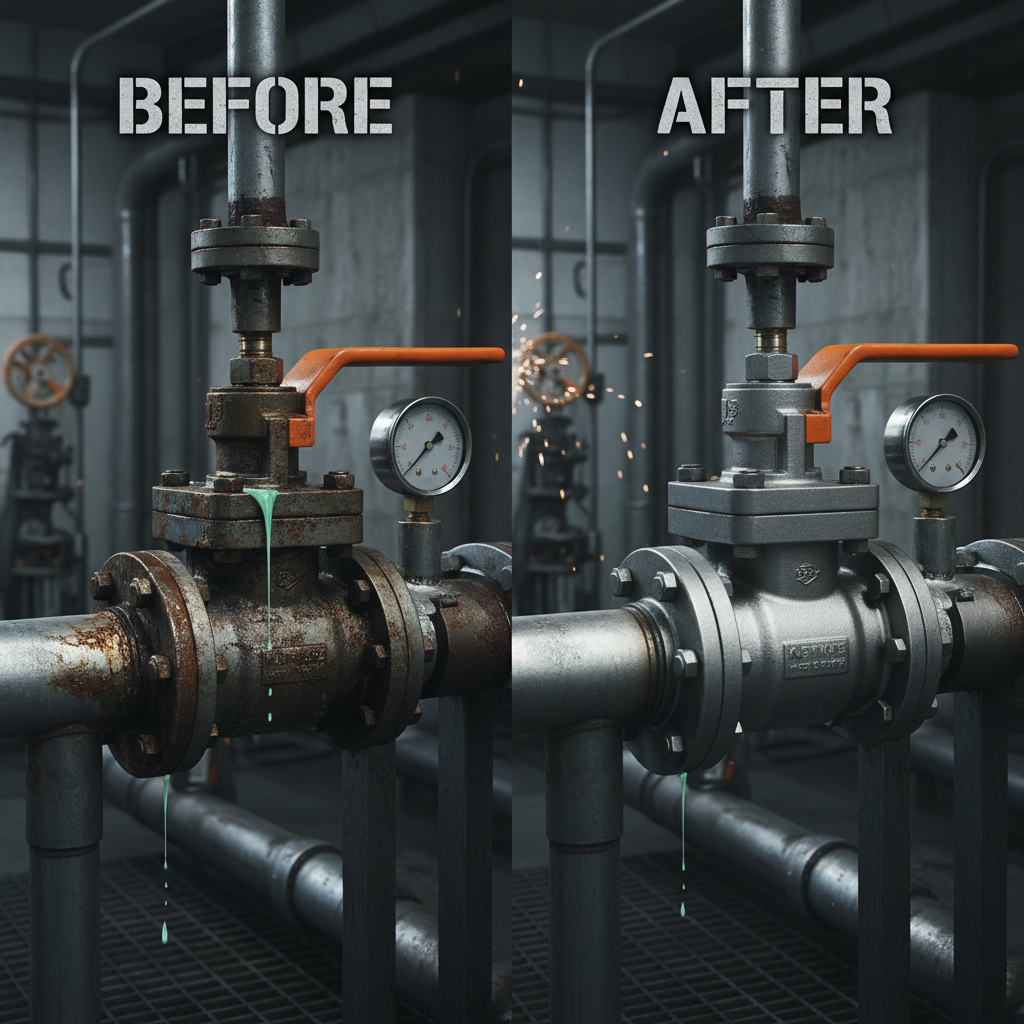
To maximize the life of your 16mm ball valve, proper installation is key. Avoid over-tightening the threaded connections, as this can distort the valve body and lead to leaks. It is also recommended to periodically exercise the valve—turning it from fully open to fully closed—to prevent mineral buildup or "seizing" of the ball, especially in hard water environments. For high-pressure applications, always ensure the flow direction is consistent with the valve's design to prevent turbulence and premature wear on the seals.
Conclusion: Optimizing Flow with Quality Valves
Selecting a high-quality 16mm ball valve is an investment in the safety and efficiency of your piping infrastructure. By understanding the interplay between material choice, technical specifications, and proper maintenance, you can significantly reduce downtime and operational risks. Whether for a small residential project or a large-scale industrial plant, relying on precision-engineered valves ensures a leak-free future. Trust in proven standards to keep your systems flowing smoothly.
Frequently Asked Questions (FAQs)
Can a 16mm ball valve be used for high-temperature steam?
It depends on the seat material. Standard PTFE seats can typically handle temperatures up to 200°C, but for high-temperature steam, we recommend valves with reinforced PTFE (RPTFE) or metal seats. Stainless steel bodies are essential for steam to prevent rapid corrosion. Always verify the temperature rating on the technical specification sheet of the specific 16mm ball valve you are purchasing to avoid seal failure.
What is the difference between a full port and a reduced port 16mm ball valve?
A full port valve has an internal bore diameter equal to the pipe diameter (16mm), meaning there is virtually no restriction to the flow. A reduced port valve has a smaller opening, which can cause a slight pressure drop but is often more compact and cost-effective. For most industrial applications where maximum flow efficiency is required, a full port 16mm ball valve is the preferred choice.
How do I prevent my ball valve from leaking at the stem?
Stem leaks are often caused by the packing gland loosening over time due to thermal expansion or vibration. Most high-quality valves feature an adjustable packing nut. By gently tightening this nut, you can compress the seal around the stem and stop the leak. If the leak persists, the stem seal may be worn and requires replacement. Using a premium 16mm ball valve with high-grade packing materials significantly reduces the likelihood of these occurrences.
Is brass or stainless steel better for outdoor use?
For outdoor environments, stainless steel is generally superior due to its extreme resistance to oxidation and weathering. Brass can withstand outdoor conditions reasonably well, but it is more prone to corrosion if exposed to salt air or acidic rain over many years. If your project is near a coastal area, we strongly suggest a 316-grade stainless steel 16mm ball valve to ensure a maintenance-free lifespan.