The Ultimate Guide to Choosing the Right 1pc Ball Valve
In the world of industrial fluid control, precision and reliability are non-negotiable. The 1pc ball valve, also known as a one-piece ball valve, is a compact and efficient solution designed for rapid shut-off and flow regulation. Whether you are managing a small-scale plumbing project or a complex industrial pipeline, understanding the nuances of this specific valve type can save you time, reduce maintenance costs, and ensure operational safety. This comprehensive guide will explore the technical advantages, material specifications, and practical applications of the one-piece design to help you make an informed procurement decision.
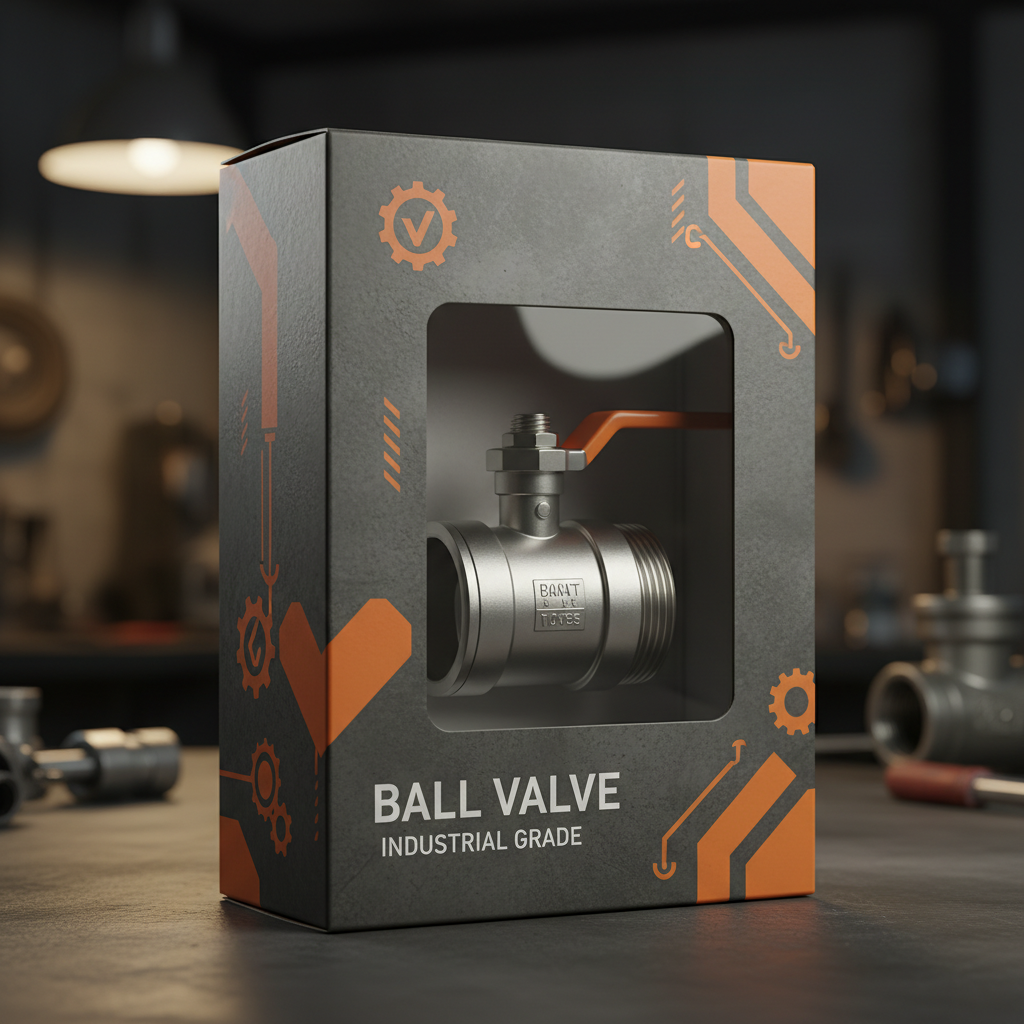
How a 1pc Ball Valve Works: Design and Mechanics
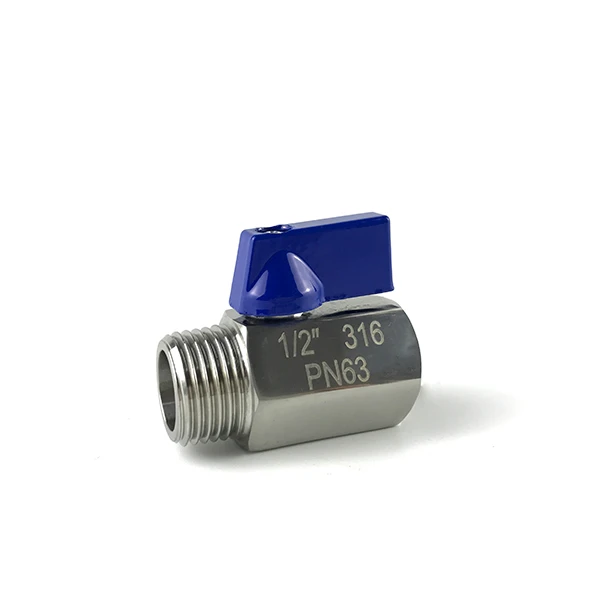
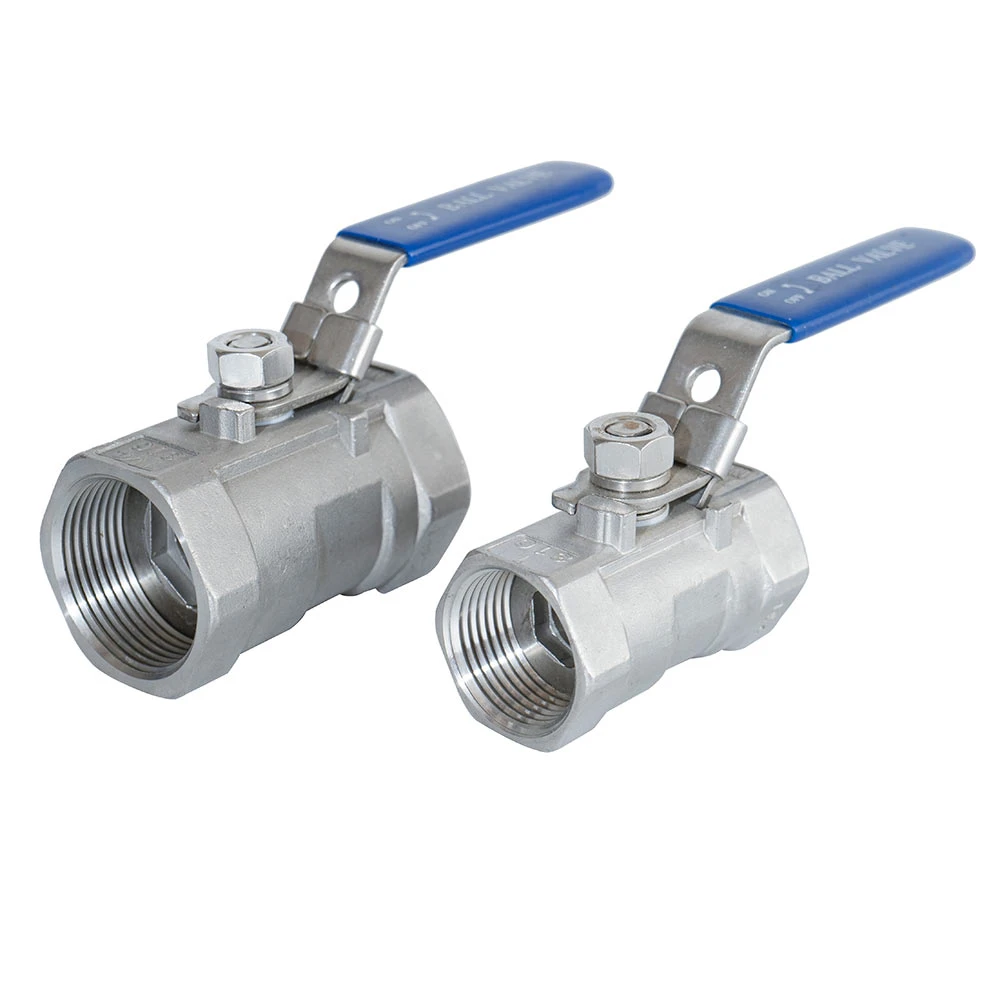
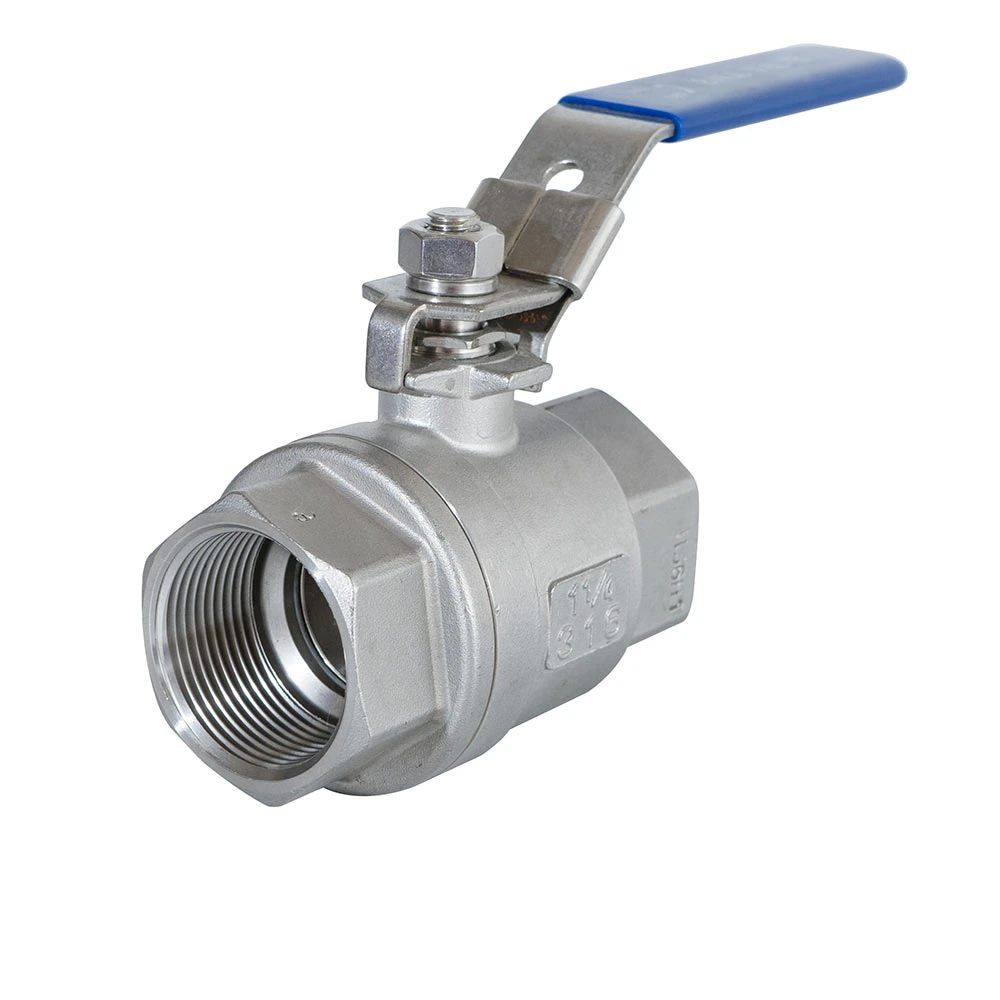
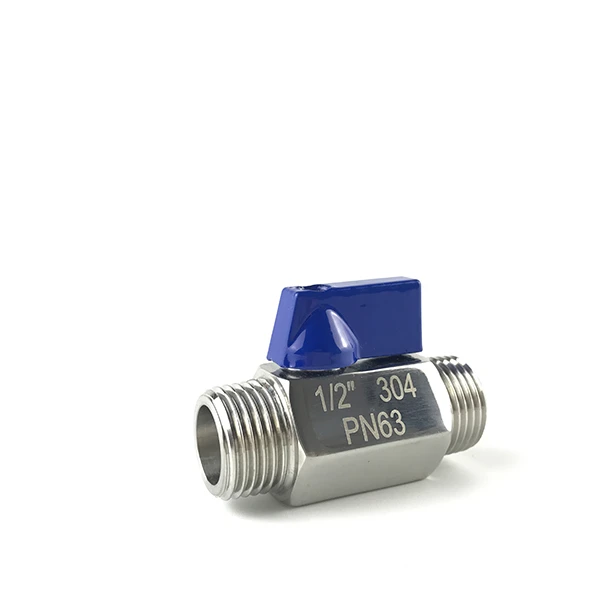
A 1pc ball valve is characterized by its single-body construction. Unlike multi-piece valves, the body and the end connections are often integrated into one piece, which significantly reduces the number of potential leak paths. At its core, the valve utilizes a spherical disc (the ball) with a hole through the center. When the handle is turned 90 degrees, the hole either aligns with the flow path (Open) or blocks it entirely (Closed). This "quarter-turn" operation is what makes the ball valve far superior to gate valves in terms of speed and ease of use. The simplicity of the one-piece design makes it an ideal choice for applications where space is limited and high-pressure sealing is required.
Pro Tip: The primary advantage of a one-piece body is the reduction in joint failure. Because there are fewer bolted sections, the risk of external leakage is minimized, making it a safer choice for hazardous fluids.
Material Selection for the 1pc Ball Valve
Selecting the correct material for your 1pc ball valve is critical to preventing corrosion and ensuring a long service life. Depending on the medium being transported—whether it is water, oil, chemicals, or gas—the body material will vary. Stainless steel (such as CF8 or CF8M) is the gold standard for corrosive environments, while brass or PVC is often used for residential or light industrial applications. Additionally, the seat material (typically PTFE or RPTFE) plays a vital role in creating a bubble-tight seal, ensuring that no fluid escapes when the valve is in the closed position.
Material Quick-Guide:
• Stainless Steel: High temperature, corrosive chemicals, food grade.
• Brass: Water systems, HVAC, gas lines.
• PVC/CPVC: Low pressure, swimming pools, chemical waste.
• PTFE Seats: Low friction, excellent chemical resistance.
1pc Ball Valve vs. Multi-Piece Alternatives
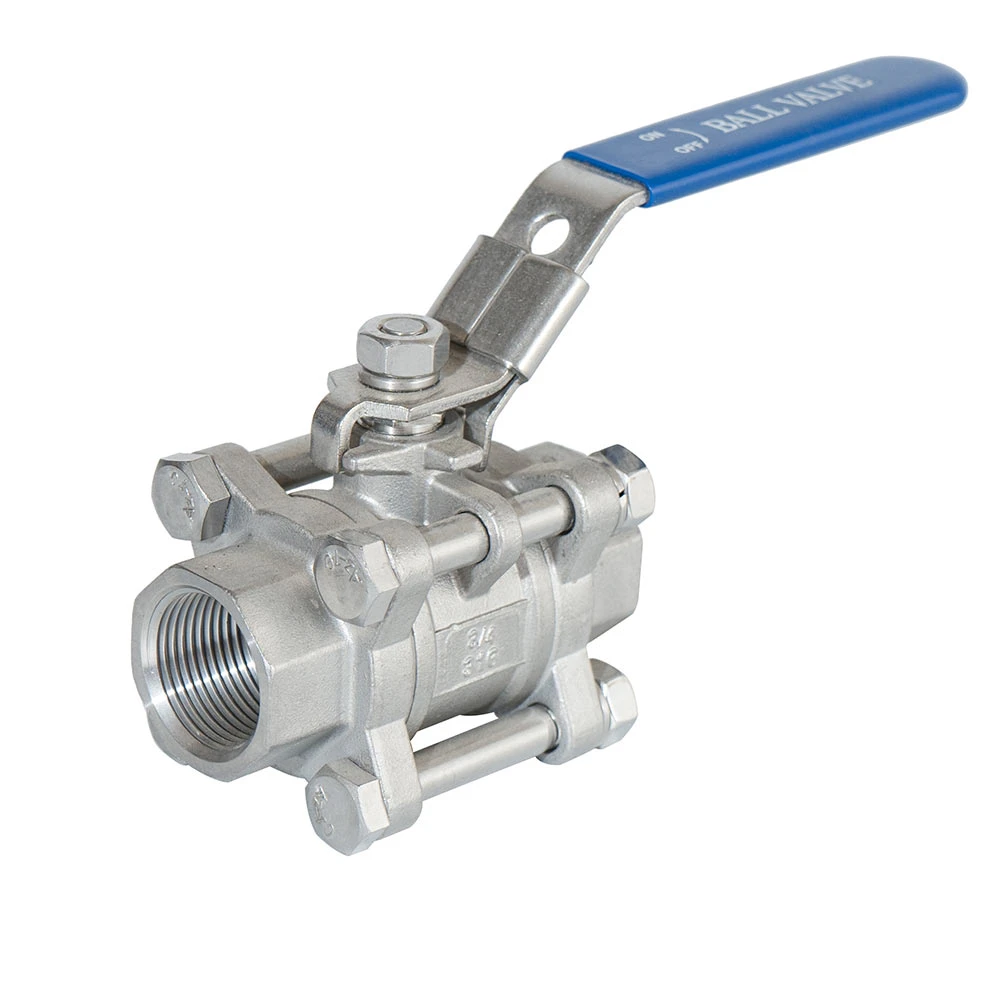
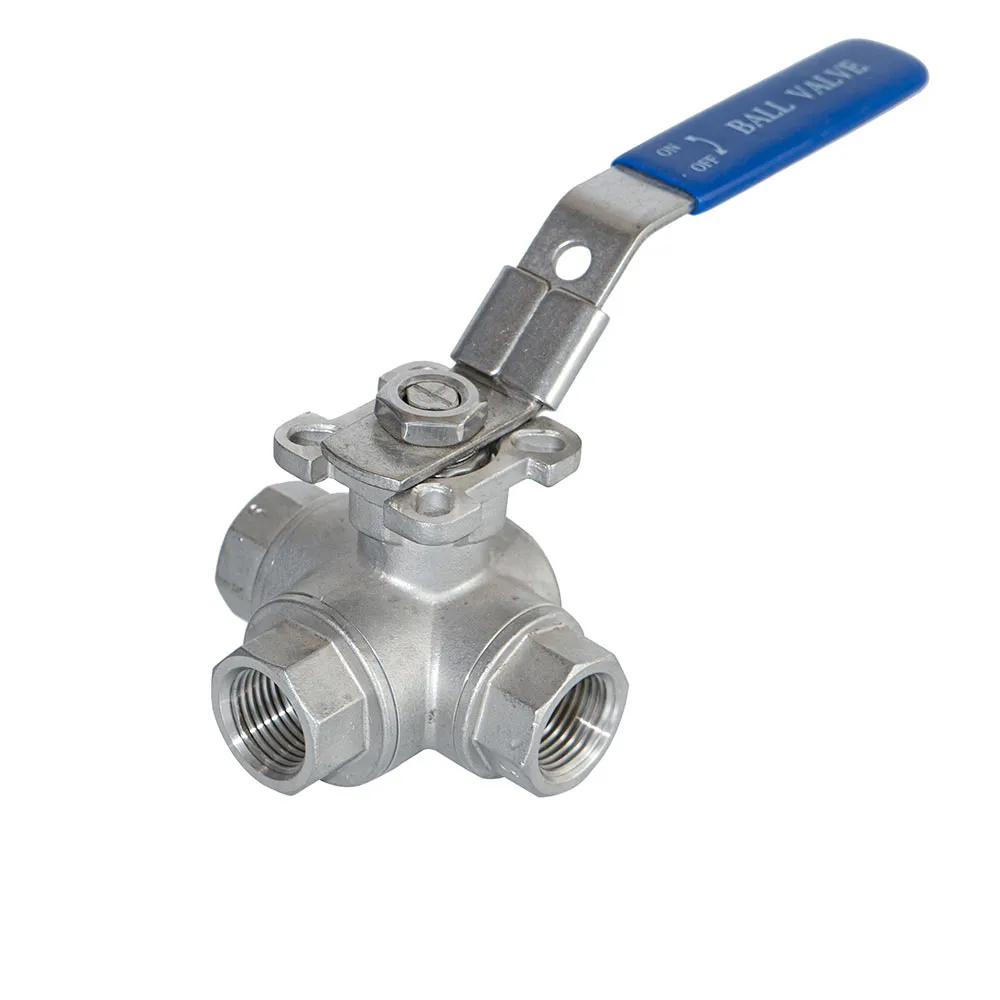
When comparing a 1pc ball valve to 2-piece or 3-piece versions, the trade-off is usually between cost-efficiency and maintainability. A 3-piece valve allows for the center section to be removed for cleaning or seat replacement without removing the entire valve from the pipeline. However, for many standard applications, the one-piece design is preferred because it is lighter, more affordable, and offers a more compact footprint. In high-vibration environments, the integrated body of the one-piece valve provides superior structural integrity.
Key Applications of the 1pc Ball Valve in Industry
Due to their reliable sealing and quick operation, 1pc ball valves are utilized across a vast array of sectors. In the chemical processing industry, they are used for isolating lines of corrosive reagents. In water treatment plants, they manage the flow of purified water with minimal pressure drop. They are also widely found in HVAC systems for controlling coolant flow and in agricultural irrigation for durable, low-maintenance shut-off. The robustness of the one-piece design ensures that these valves can withstand the rigors of outdoor installation and extreme temperature fluctuations.
Technical Specifications for a 1pc Ball Valve
When sourcing a 1pc ball valve, it is essential to review the technical data sheet to ensure compatibility with your system pressure and temperature requirements. Key specifications include the PN (Pressure Nominal) rating, the connection type (Threaded NPT/BSP or Flanged), and the bore size (Full Bore vs. Reduced Bore). A full-bore valve allows for maximum flow with minimum turbulence, whereas a reduced-bore valve is more compact and cost-effective for systems where a slight pressure drop is acceptable.
Installation and Maintenance Tips for Longevity
To maximize the lifespan of your 1pc ball valve, proper installation is paramount. Ensure that the pipes are correctly aligned to avoid putting mechanical stress on the valve body, which can lead to seal deformation. When tightening threaded connections, use a calibrated torque wrench to avoid over-tightening. For maintenance, periodically exercise the valve (open and close it) to prevent the ball from "seizing" due to mineral build-up or oxidation. If you notice a leak from the stem, simply tightening the packing nut can often resolve the issue without requiring a full replacement.
Conclusion: Optimizing Your Flow Control with Houde Valve
The 1pc ball valve represents the perfect balance of simplicity, reliability, and cost-effectiveness. By minimizing leak points and providing a rapid shut-off mechanism, it remains a staple in industrial and commercial fluid management. Whether you prioritize corrosion resistance or space-saving design, choosing a high-quality valve from a trusted manufacturer ensures the safety and efficiency of your operations. Invest in quality components to reduce long-term downtime and enhance system performance.
Frequently Asked Questions (FAQs)
What is the main difference between a 1pc and 3pc ball valve?
The primary difference lies in the construction and maintainability. A 1pc ball valve is cast or forged as a single body, which minimizes the number of seals and reduces the risk of external leaks. It is generally more affordable and compact. A 3pc ball valve consists of three separate sections bolted together, allowing the center section to be removed for seat replacement or cleaning without disconnecting the valve from the pipeline. While more expensive, the 3pc version is ideal for systems that require frequent maintenance.
Can a 1pc ball valve handle high-pressure applications?
Yes, depending on the material and design specifications. Many one-piece valves are designed to handle significant pressures (PN40 or Class 800 and above). Because the body is a single piece, it can often withstand high internal pressures more effectively than multi-piece valves that rely on gaskets and bolts at the body joints. However, it is crucial to check the specific pressure rating stamped on the valve body or listed in the technical data sheet provided by Houde Valve to ensure safety.
Which material is best for a 1pc ball valve in a chemical plant?
For chemical plants, Stainless Steel 316 (SS316) or CF8M is highly recommended due to its excellent resistance to corrosion and oxidation. If the chemicals are extremely aggressive, a valve with a PEEK or specialized PTFE lining may be required. Stainless steel ensures that the valve does not contaminate the fluid and maintains its structural integrity over time. Always cross-reference the chemical compatibility chart of the valve material with the specific medium you are transporting to avoid premature failure.
How do I know if my ball valve is Full Bore or Reduced Bore?
A Full Bore valve has an internal diameter equal to the pipe diameter, meaning there is no restriction to the flow when the valve is open. A Reduced Bore valve has a smaller hole in the ball than the pipe diameter, which creates a slight restriction. You can determine this by looking at the internal opening of the valve or checking the specifications. Full bore is preferred for applications where high flow rates or "pigging" (cleaning the pipe with a plug) are necessary, while reduced bore is used to save cost and space in lower-flow systems.