Understanding 110mm Ball Valves: A Comprehensive Guide
When it comes to fluid control in various industrial applications, selecting the right valve is crucial. 110mm ball valves are a popular choice due to their reliability, efficiency, and ease of operation. This article delves into the features, applications, materials, and benefits of these valves, providing a thorough overview for engineers, procurement professionals, and anyone involved in fluid handling systems. Proper valve selection can significantly improve process efficiency and safety. HoudeValve offers a wide range of quality ball valves to meet diverse needs.
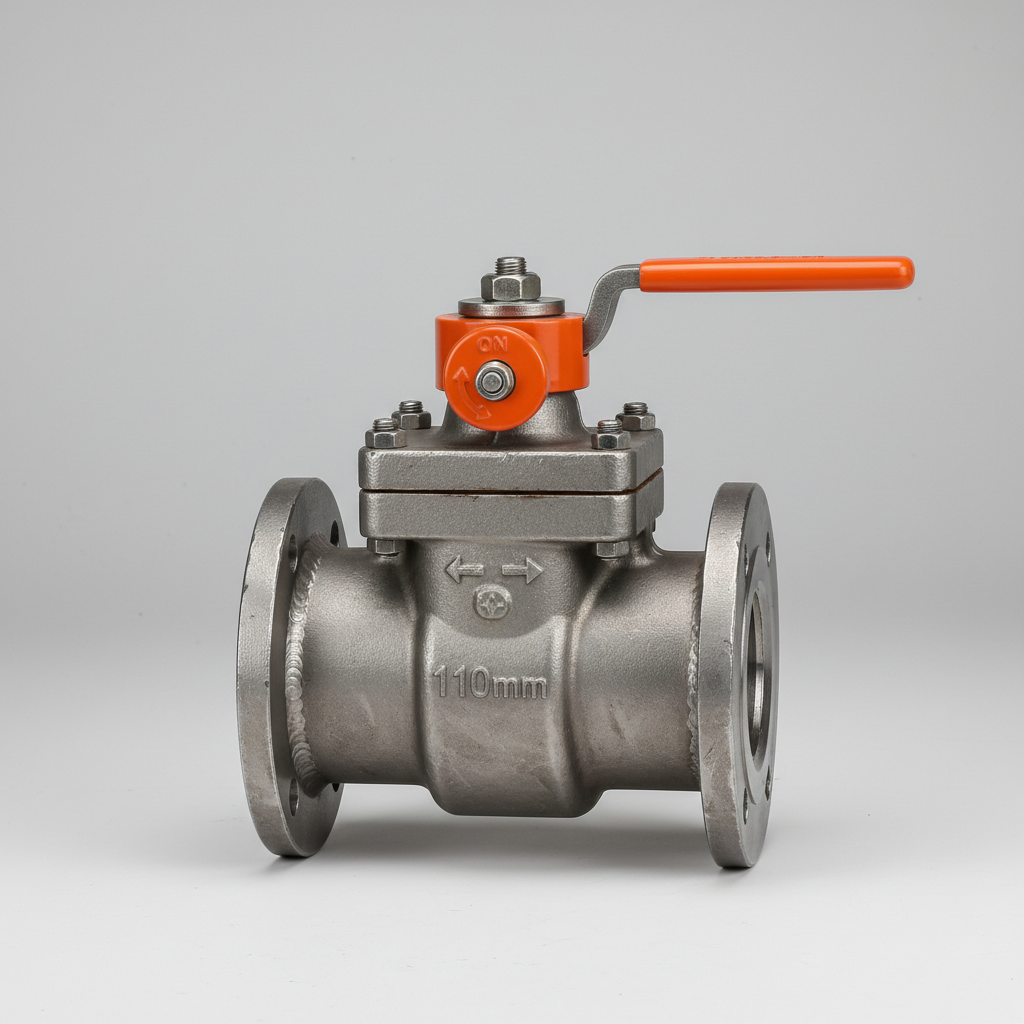
What is a 110mm Ball Valve?
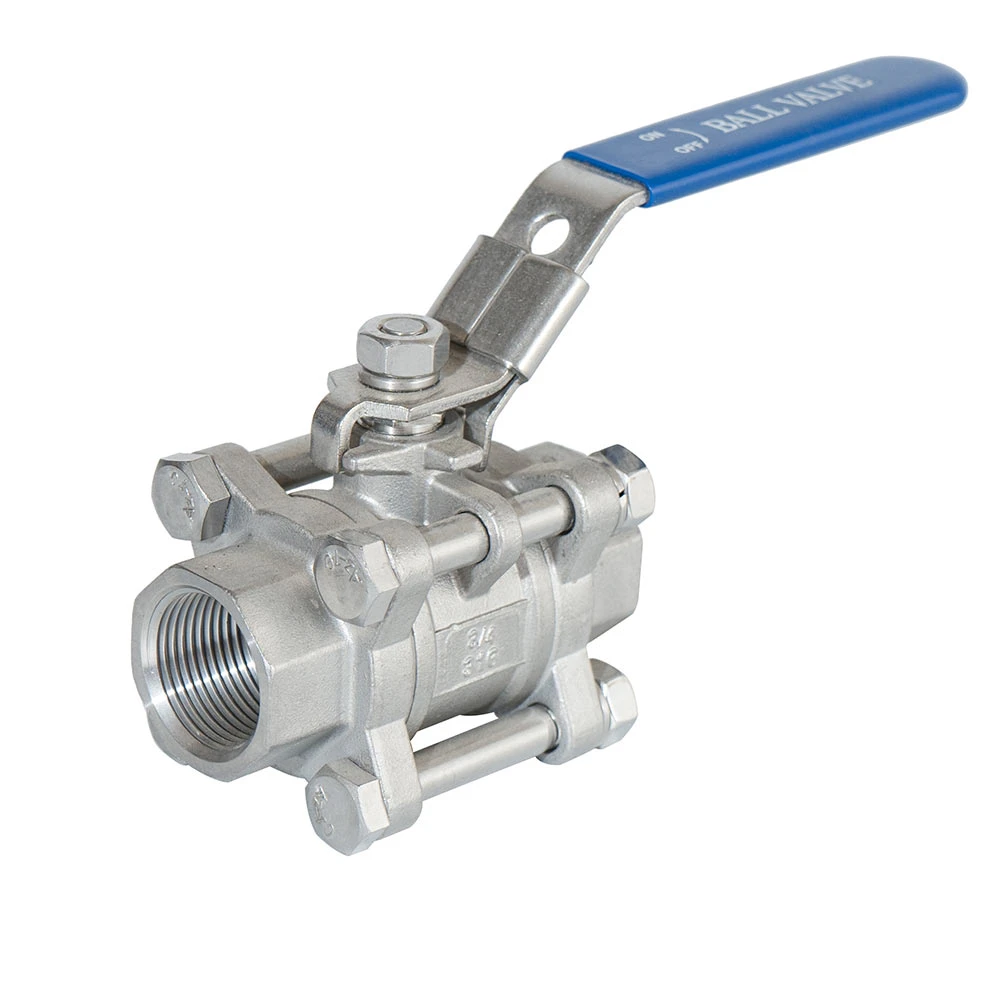
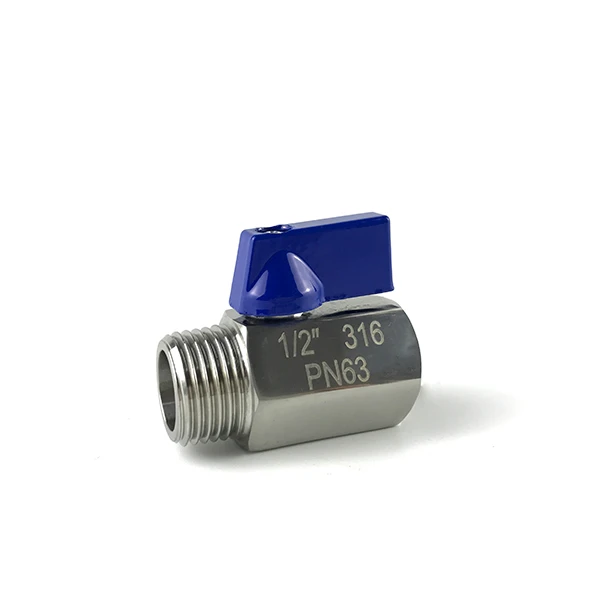
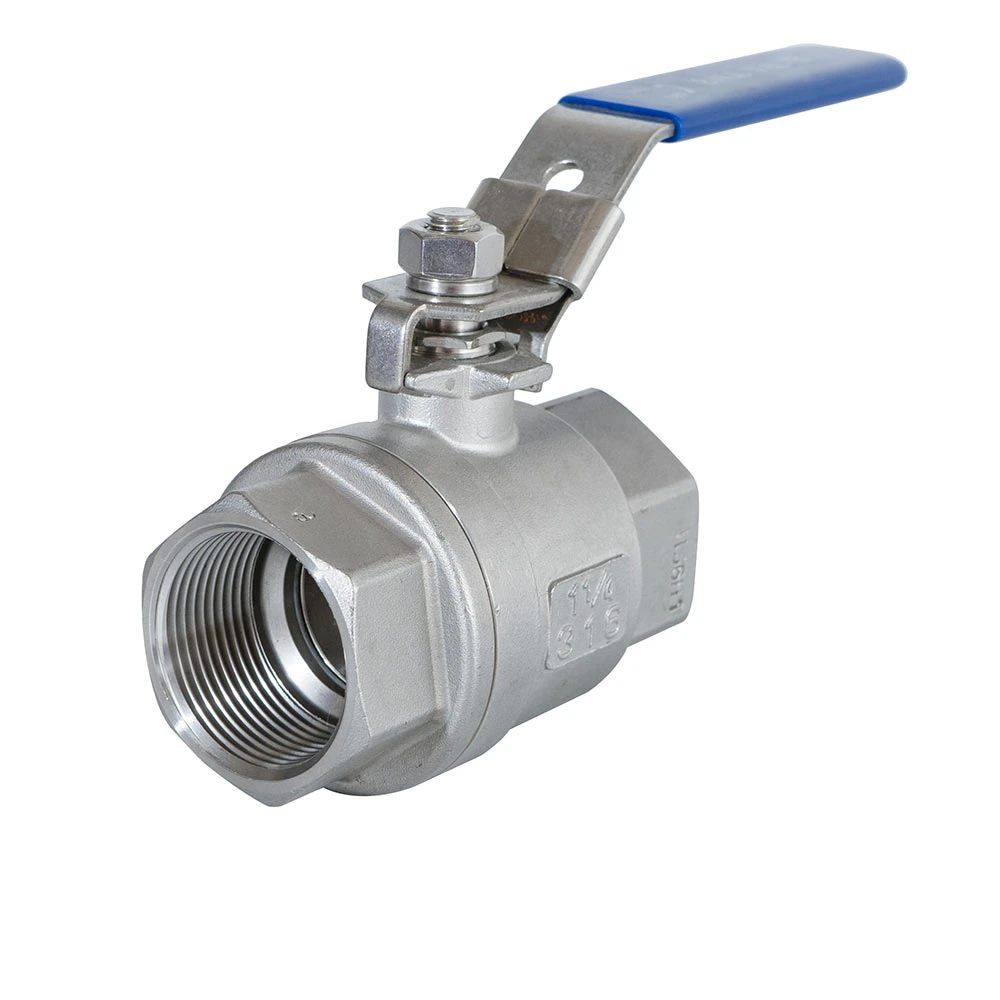
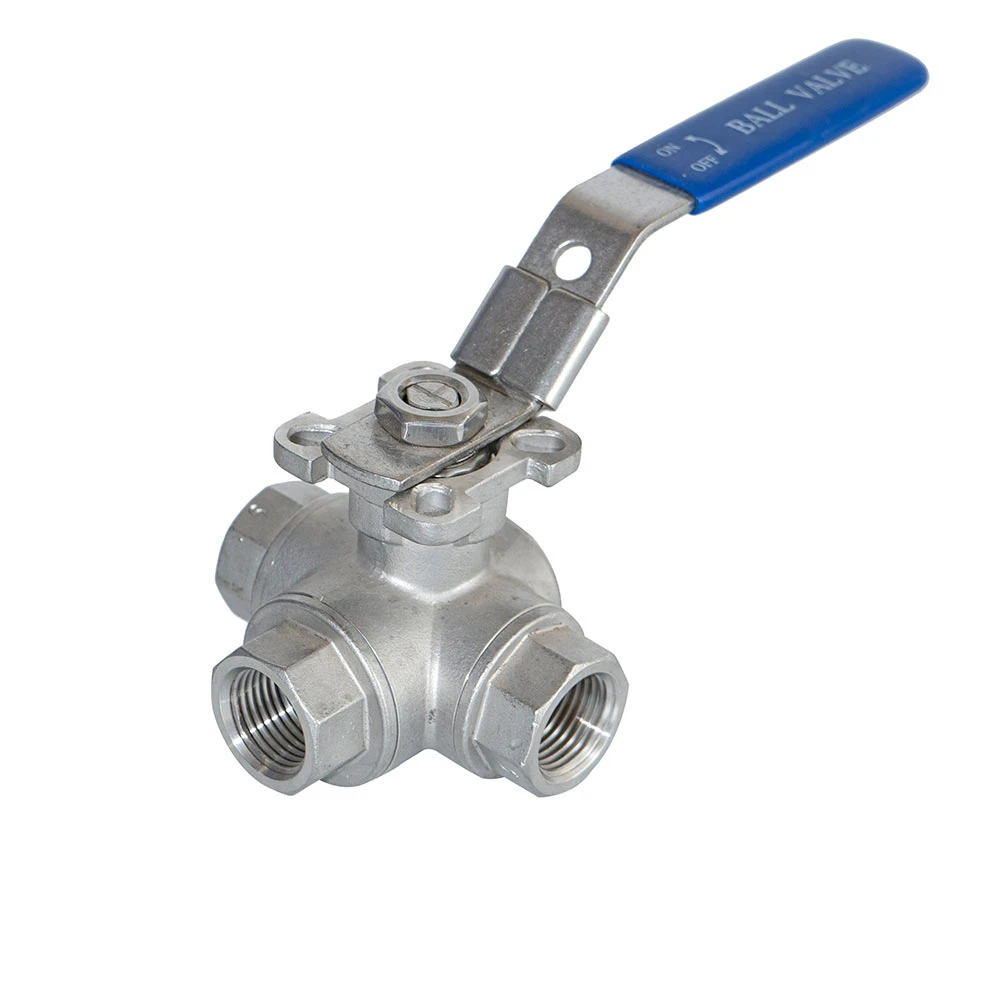
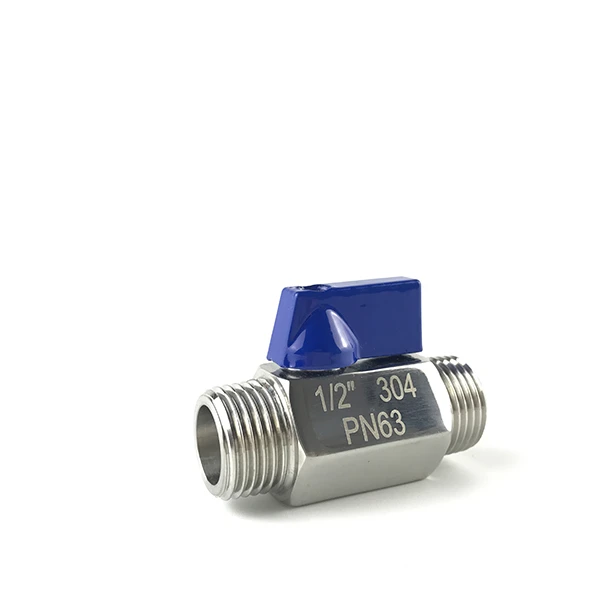
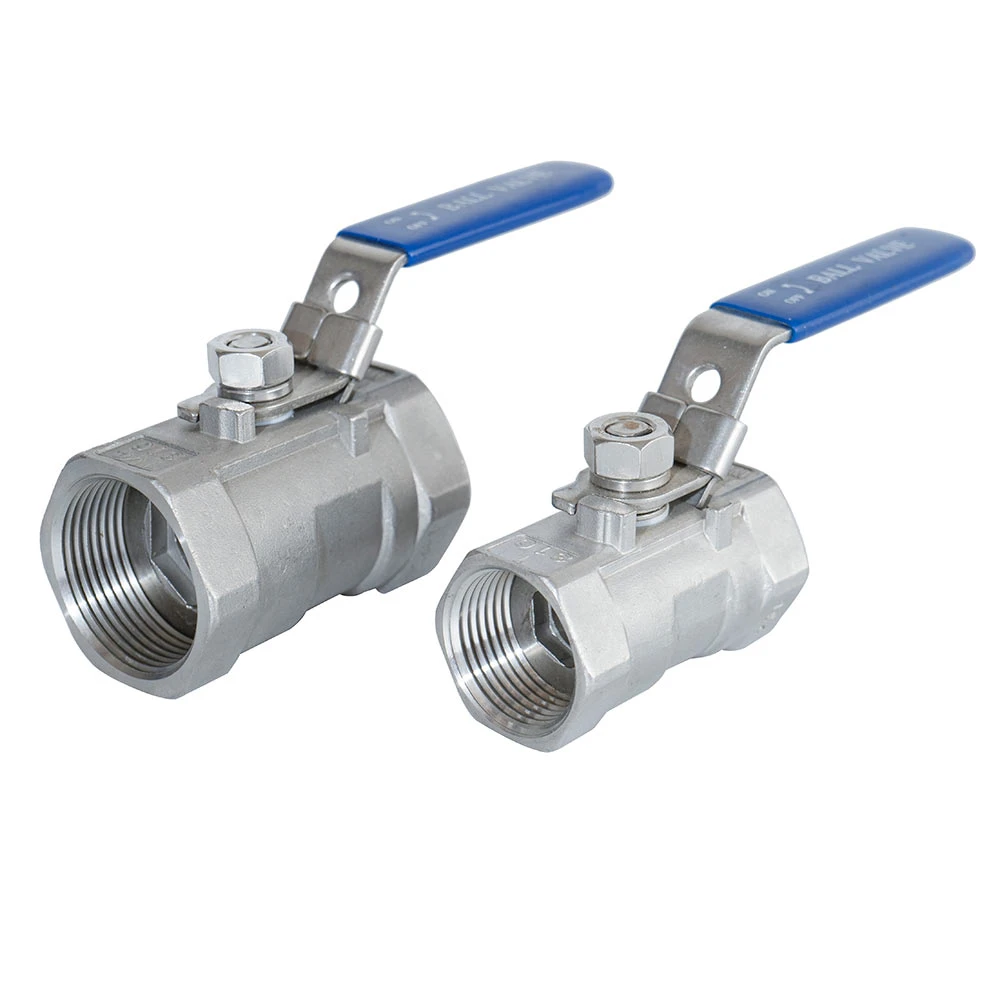
A 110mm ball valve is a quarter-turn valve that uses a hollow, perforated, and pivoting ball to control the flow of fluids. The "110mm" refers to the nominal pipe size (NPS) the valve is designed to fit. These valves are widely used in industries like oil and gas, water treatment, chemical processing, and more. They are known for their quick shut-off capability, minimal pressure drop, and durability. HoudeValve's 110mm ball valves are manufactured to meet stringent quality standards, ensuring reliable performance in demanding applications.
Key Highlights: Quarter-turn operation, minimal pressure drop, reliable shut-off, and durable construction.
Common Materials Used in 110mm Ball Valve Construction
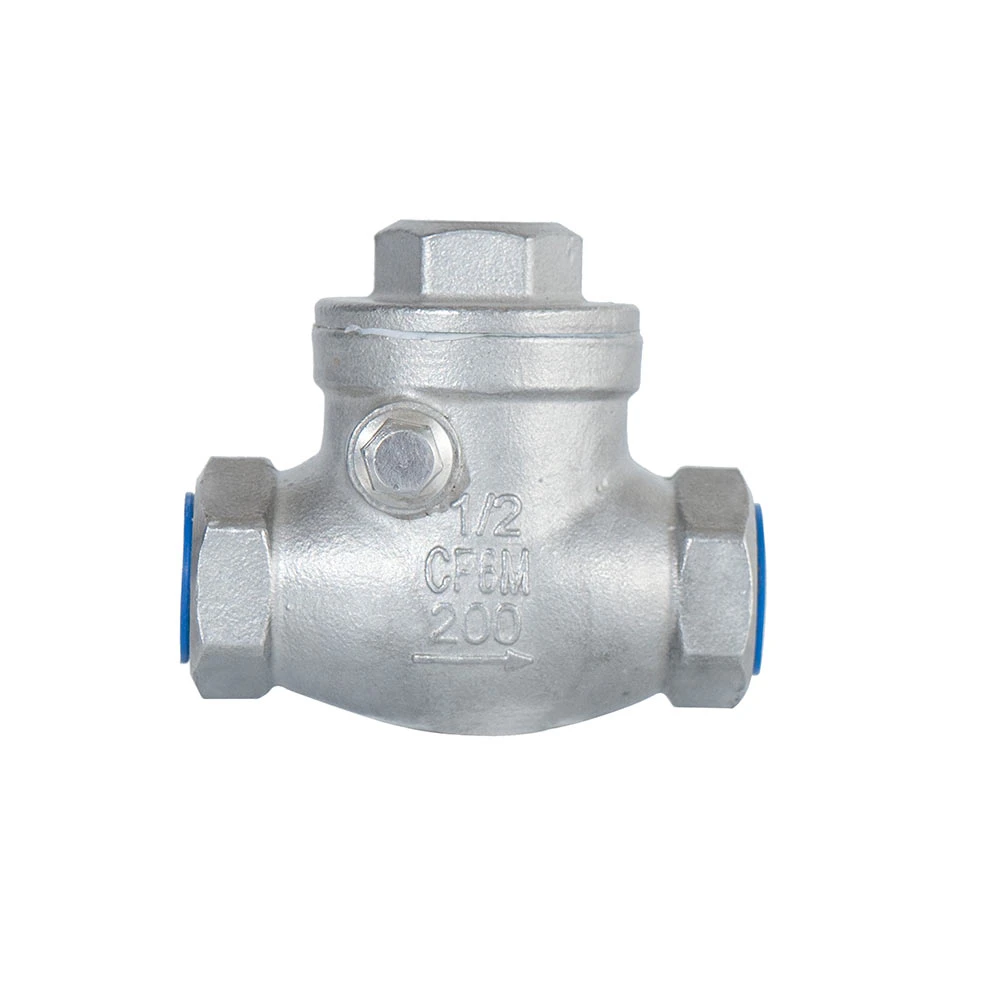
The materials used in a 110mm ball valve significantly impact its performance and suitability for specific applications. Common materials include stainless steel (304, 316), carbon steel, brass, and PVC. Stainless steel offers excellent corrosion resistance, making it ideal for handling corrosive fluids. Carbon steel is a cost-effective option for non-corrosive applications. Brass is often used for water and gas systems. PVC is suitable for low-pressure, non-aggressive fluids. HoudeValve provides 110mm ball valves in a variety of materials to meet diverse operational requirements.
Material Selection Guide:
• Stainless Steel: Corrosive fluids, high-temperature applications
• Carbon Steel: Non-corrosive fluids, general-purpose applications
• Brass: Water, gas, and low-pressure systems
• PVC: Low-pressure, non-aggressive fluids
110mm Ball Valve Applications Across Industries
110mm ball valves find widespread application in numerous industries. In the oil and gas sector, they control the flow of hydrocarbons in pipelines and processing plants. Water treatment facilities use them for regulating water flow and isolating sections of the system. Chemical processing plants rely on them for handling corrosive chemicals. They are also utilized in power generation, pharmaceutical manufacturing, and food processing. HoudeValve provides customized solutions to meet the specific needs of each industry.
Key Benefits of Using 110mm Ball Valves
Utilizing 110mm ball valves offers several benefits, including quick operation, reliable sealing, low pressure drop, and minimal maintenance. Their quarter-turn design allows for rapid on/off control, improving process efficiency. The tight sealing ensures minimal leakage, reducing waste and ensuring safety. The smooth bore minimizes pressure loss, optimizing flow rates. Furthermore, their simple construction requires minimal maintenance, lowering operational costs. HoudeValve's valves are designed for long-term reliability and performance.
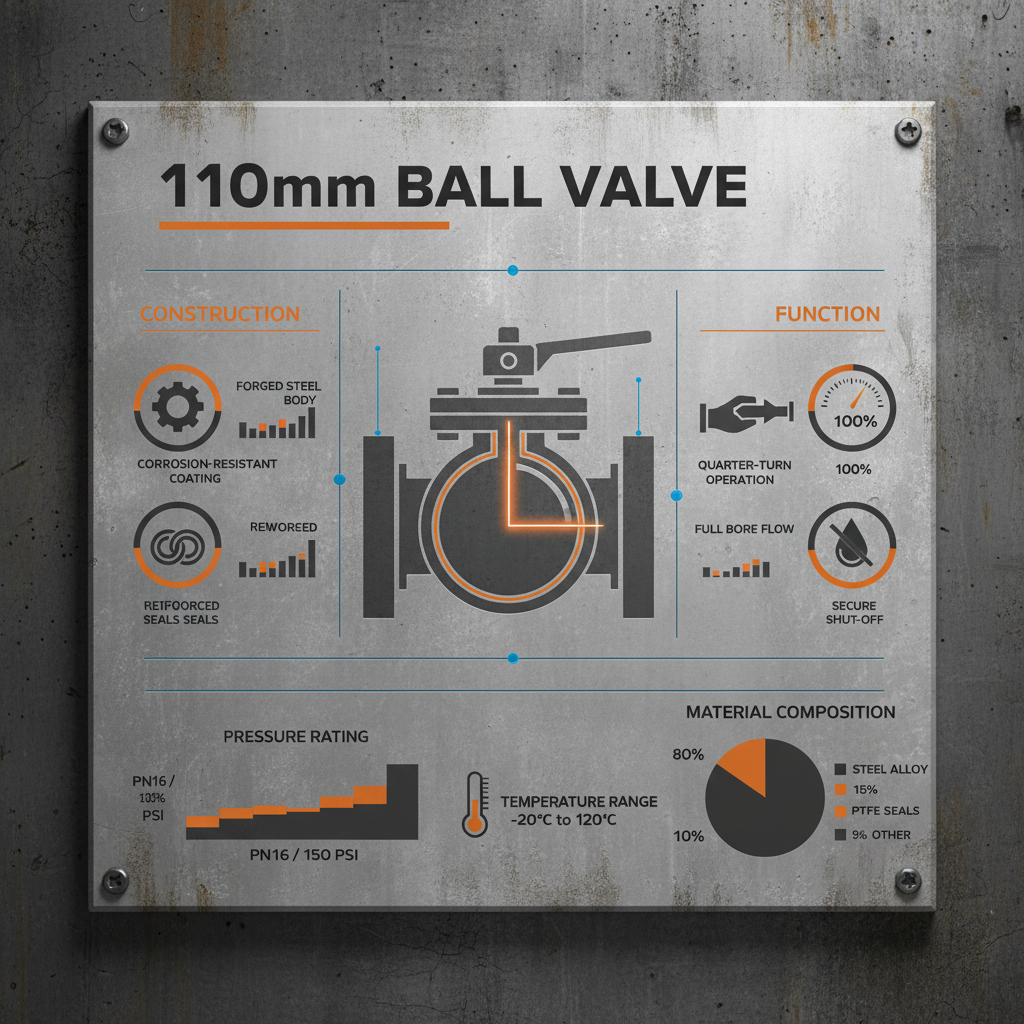
110mm Ball Valve Specifications and Standards
110mm ball valves are manufactured to meet various international standards, including API 6D, ASME B16.34, and ISO 9001. These standards ensure the valve's quality, reliability, and safety. Key specifications include the pressure rating (e.g., 150 lb, 300 lb), connection type (e.g., flanged, threaded, welded), and seat material (e.g., PTFE, NBR). HoudeValve provides detailed specifications and certifications for all its 110mm ball valves.
Conclusion: Choosing the Right 110mm Ball Valve
Selecting the appropriate 110mm ball valve is crucial for ensuring efficient and reliable fluid control in your application. Consider factors like fluid type, pressure, temperature, and industry standards. HoudeValve provides high-quality 110mm ball valves designed for long-lasting performance and safety. Contact us today to discuss your specific needs and find the perfect valve solution.
Frequently Asked Questions (FAQs)
What is the typical lifespan of a 110mm ball valve?
The lifespan of a 110mm ball valve depends on factors like operating conditions, fluid type, and frequency of use. Generally, a well-maintained ball valve can last between 5 to 15 years. Regular inspection for leaks, corrosion, and wear is crucial. Proper lubrication and maintenance can significantly extend the valve's lifespan. Factors that can shorten lifespan include exposure to abrasive fluids or extreme temperatures. HoudeValve provides quality valves and recommended maintenance procedures to maximize longevity.
What are the advantages of using a full-port 110mm ball valve?
A full-port 110mm ball valve has a bore diameter equal to the pipe's inner diameter, resulting in minimal pressure drop and maximum flow capacity. This is particularly advantageous in applications where maintaining flow rate is critical. Reduced pressure drop also translates to energy savings. Full-port valves are often preferred over reduced-port valves in systems requiring high flow rates and low pressure loss. HoudeValve offers both full-port and reduced-port options to suit diverse application requirements.
What maintenance is required for a 110mm ball valve?
Regular maintenance is essential for ensuring optimal performance and extending the lifespan of a 110mm ball valve. This includes periodic inspection for leaks, corrosion, and wear. Lubricating the valve stem and seat helps ensure smooth operation. Check the seals and replace them if necessary. Avoid over-tightening the valve handle, as this can damage the internal components. HoudeValve provides detailed maintenance guidelines for all its valves.
How do I choose the right seat material for my application?
Selecting the correct seat material is critical to prevent leaks and ensure the valve's longevity. PTFE (Teflon) is suitable for a wide range of chemicals and temperatures. NBR (Buna-N) is ideal for oil-based fluids. EPDM is often used for water and steam applications. Consider the fluid's chemical compatibility, temperature range, and pressure rating when choosing a seat material. Consulting with a valve expert can help ensure you select the optimal seat material for your specific application. HoudeValve's team can provide expert guidance on material selection.