Stainless steel valves are the unsung heroes of modern infrastructure. You see them everywhere – from the municipal water systems delivering clean drinking water to your home, to the complex networks in chemical processing plants ensuring safe and efficient production. Their reliability isn't just a matter of convenience; it's fundamental to public health, industrial safety, and economic stability. I've spent years on sites watching projects stall because of valve failures, and it drives home the importance of quality and understanding these critical components.
Globally, the demand for stainless steel valves is surging, driven by factors like rapid urbanization, increasing industrialization, and a growing emphasis on sustainable water management. The UN estimates that billions of people still lack access to safe water, and efficient valve systems are essential to addressing this crisis. According to a World Bank report, investments in water infrastructure are projected to reach trillions of dollars in the coming decades, creating a significant market for high-quality valve solutions. What I've seen is that companies who prioritize these valves upfront, save a fortune in downtime and repairs later.
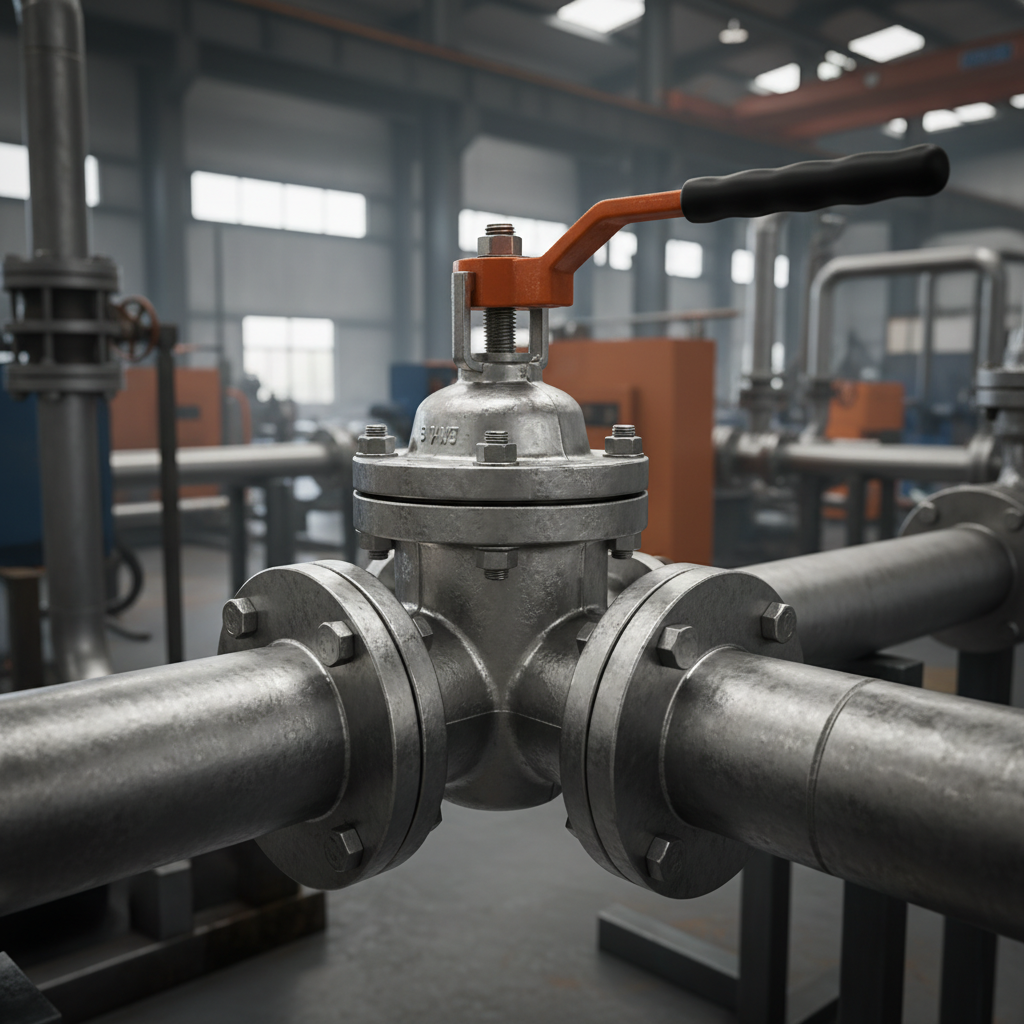
Simply put, stainless steel valves control the flow of fluids – liquids, gases, or slurries – within a piping system. Unlike their cast iron or brass counterparts, stainless steel offers exceptional corrosion resistance, making them ideal for demanding applications. It’s about more than just stopping and starting flow; it’s about longevity, preventing leaks, and maintaining system integrity. I've seen valves in some older plants that are still going strong after 50 years, and that's a testament to the material's durability.
The Core Principles of stainless steel valves
At its heart, understanding stainless steel valves comes down to understanding material science. The various grades of stainless steel – 304, 316, duplex – all offer different levels of corrosion resistance and mechanical strength. Choosing the right grade for the application is paramount. I've seen too many projects where the wrong grade was selected, leading to premature failure and costly replacements.
Beyond the material, the design and manufacturing process are crucial. Precision machining, rigorous quality control, and adherence to industry standards like ISO 9001 are all non-negotiable. It's the small details – the quality of the seals, the smoothness of the internal surfaces – that determine the valve's long-term performance and reliability.
Global Relevance and Industrial Applications
The need for reliable fluid control systems is universal. From the oil and gas industry, where valves regulate the flow of hydrocarbons, to the pharmaceutical sector, where hygiene and precision are critical, stainless steel valves play a vital role. Water treatment plants rely on them for controlling the flow of chemicals and disinfecting agents. I've seen them used in everything from breweries to power plants, always adapting to the specific needs of the application.
We’re seeing particularly strong demand in emerging economies like China and India, where infrastructure development is booming. These countries are investing heavily in upgrading their water and wastewater treatment facilities, creating a huge market for stainless steel valves. But it’s not just about new construction; retrofitting existing infrastructure with more reliable valves is also a major trend.
Even in remote locations, the importance of these valves is undeniable. I worked on a project in the Alaskan pipeline, where corrosion resistance was absolutely critical due to the harsh environment. Without high-quality stainless steel valves, the entire operation would have been at risk.
Defining Stainless Steel Valves: Functionality and Composition
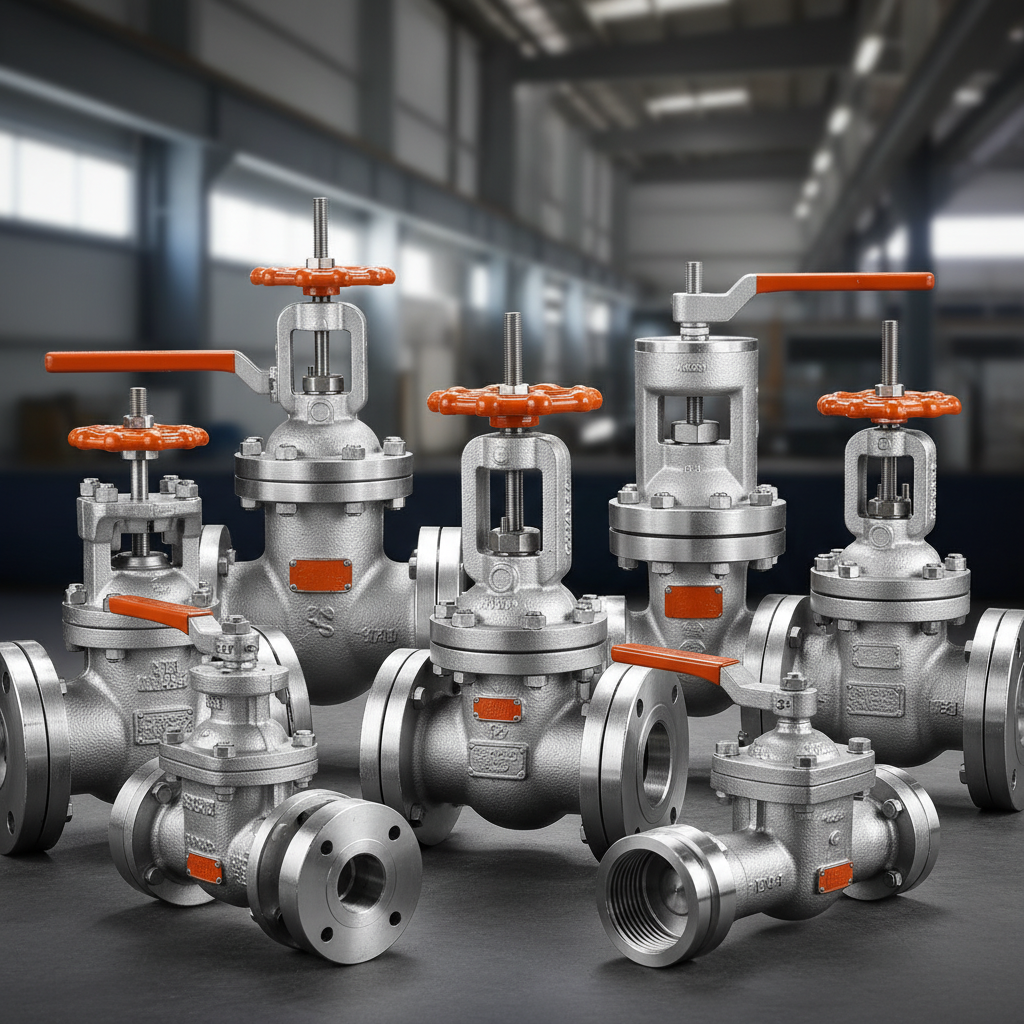
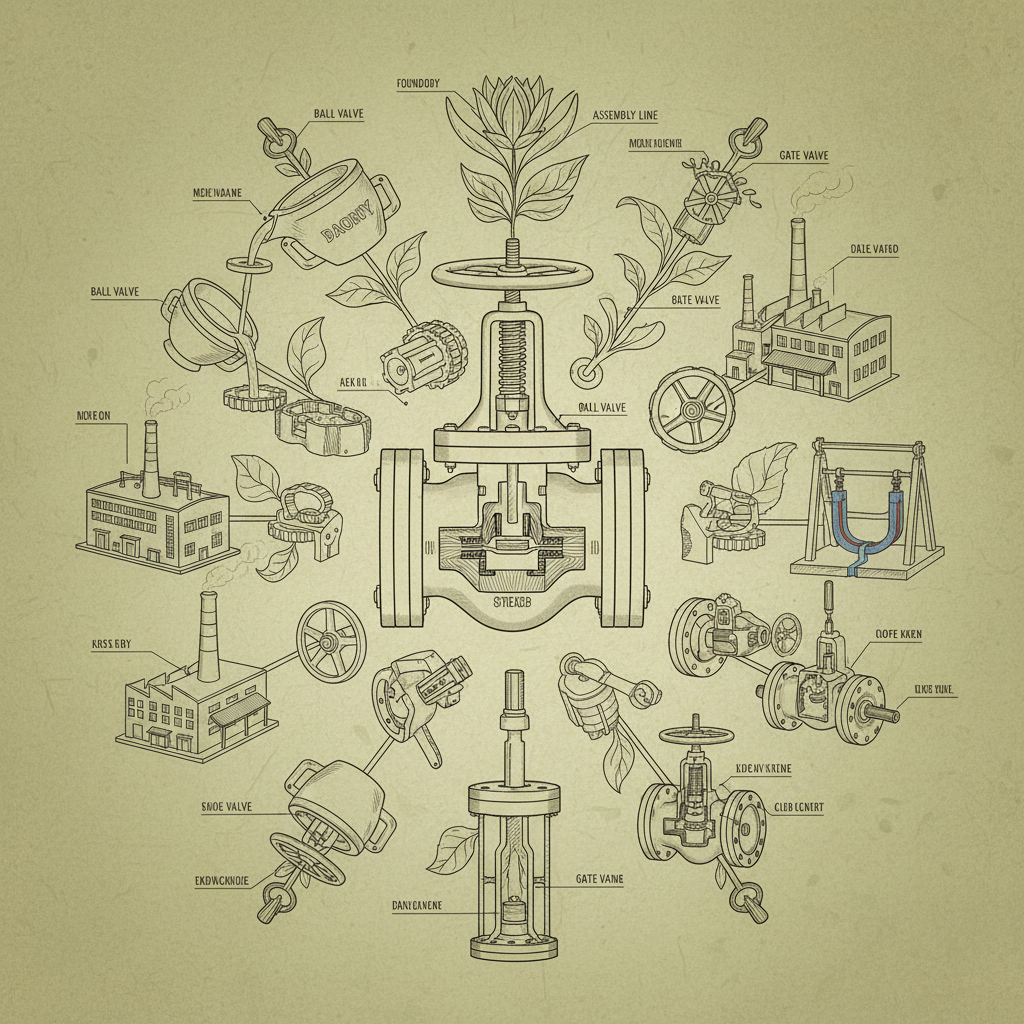
At their most basic, stainless steel valves are mechanical devices used to regulate, direct, or isolate the flow of fluids. They come in a wide variety of types – ball valves, gate valves, globe valves, butterfly valves, check valves – each designed for specific applications and flow characteristics. The choice of valve type depends on factors like pressure, temperature, fluid viscosity, and required flow control. I always tell the younger guys, understanding the application dictates the valve choice, not the other way around.
The “stainless” part refers to the presence of chromium, which forms a passive layer of chromium oxide on the surface, protecting the underlying metal from corrosion. Different grades contain varying amounts of chromium, nickel, molybdenum, and other alloying elements to enhance specific properties. For instance, 316 stainless steel, with its added molybdenum, offers superior resistance to chloride corrosion, making it ideal for marine applications.
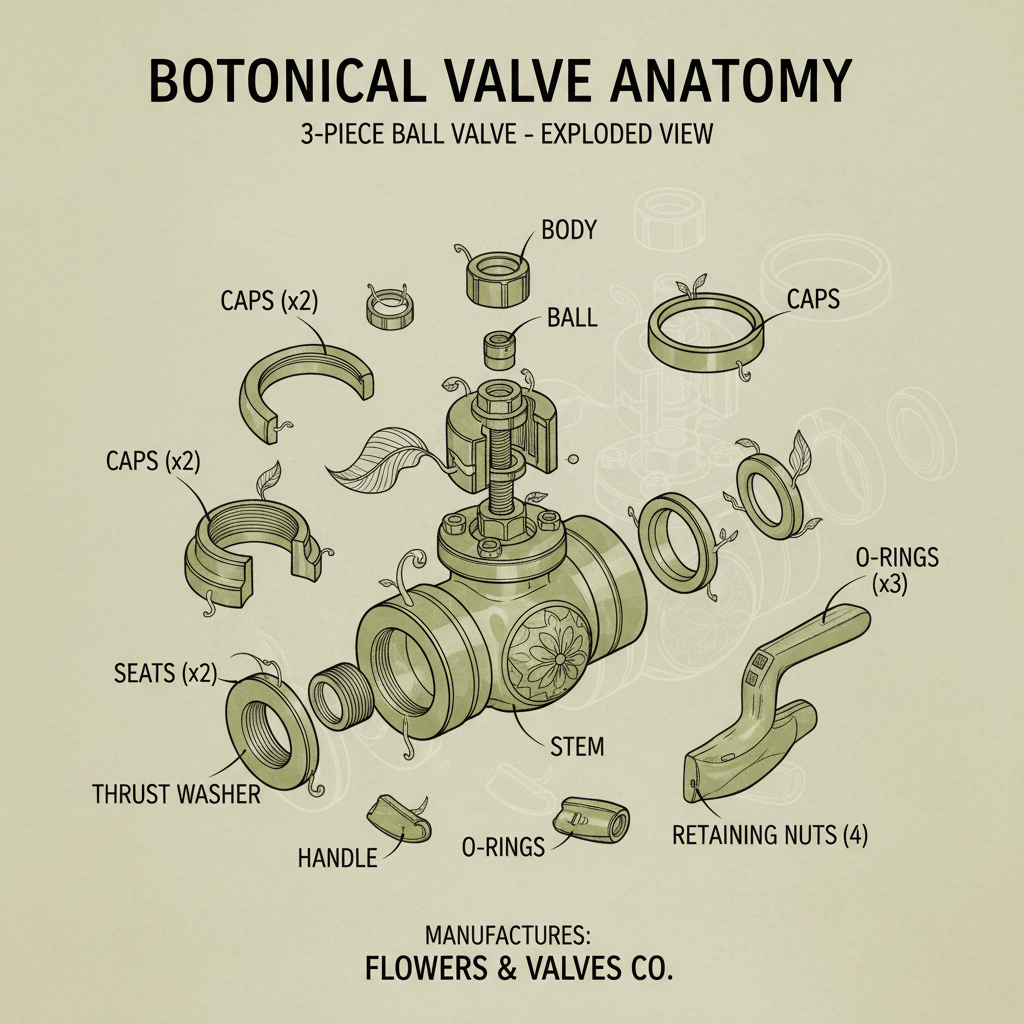
These valves aren’t just about the metal itself. The seals, often made of PTFE or other engineered polymers, are just as important for preventing leaks. The body construction – whether it’s a one-piece design or a multi-piece assembly – also affects the valve’s strength and reliability. You learn after a while to look at the whole package, not just the material grade.
Key Characteristics: Durability, Precision, and Efficiency
The biggest advantage of using stainless steel valves is undoubtedly their durability. They can withstand harsh chemicals, extreme temperatures, and high pressures without corroding or degrading. This translates to a longer lifespan, reduced maintenance costs, and increased uptime. I’ve seen valves that have been in service for decades with minimal issues.
Precision is also key. A well-designed valve provides accurate flow control, minimizing waste and maximizing efficiency. This is particularly important in industries like pharmaceuticals and food processing, where precise dosing is critical.
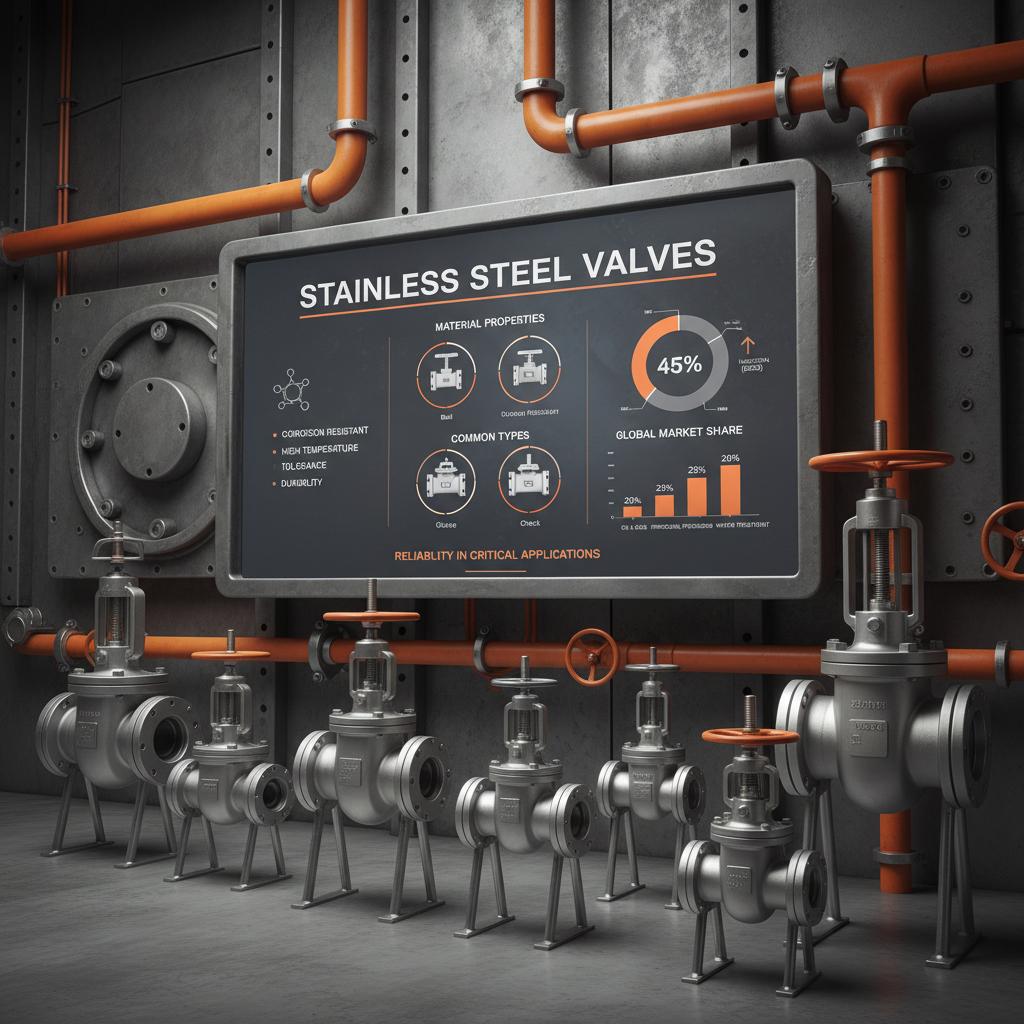
Stainless Steel Valve Performance Metrics
Real-World Applications Across Industries
You see stainless steel valves everywhere. In food and beverage processing, they maintain sanitary conditions and prevent contamination. In the chemical industry, they handle corrosive substances without failing. In the power generation sector, they control steam and water flow in critical systems. I’ve personally installed them in everything from desalination plants to pharmaceutical manufacturing facilities.
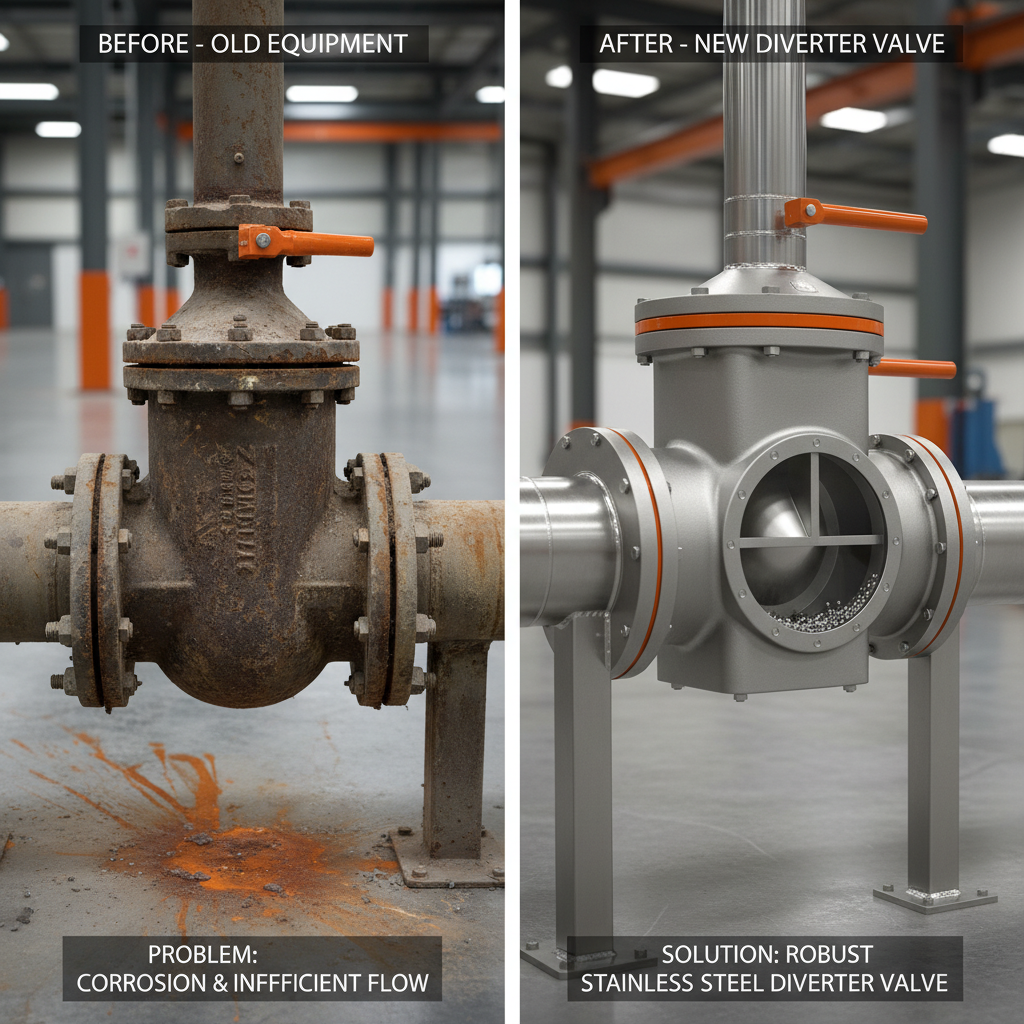
I was on a project in a wastewater treatment plant, and the existing valves were constantly failing, causing overflows and environmental concerns. Replacing them with stainless steel valves immediately solved the problem. It’s a classic example of how investing in quality upfront can save a lot of headaches down the road.
Long-Term Value: Cost Savings and Sustainability
While the initial cost of stainless steel valves may be higher than other materials, the long-term value is undeniable. Their durability reduces maintenance requirements, minimizes downtime, and extends the lifespan of the entire system. This translates to significant cost savings over the valve’s lifecycle.
Furthermore, stainless steel is a recyclable material, contributing to sustainability efforts. Choosing stainless steel valves aligns with environmentally responsible practices and reduces the overall environmental footprint of the project. It's a win-win.
The reliability these valves provide also contributes to safety. Fewer leaks and failures mean a reduced risk of accidents and environmental damage. That peace of mind is worth a lot, especially in hazardous environments.
Future Trends and Innovation in stainless steel valves
We're seeing a lot of innovation in the valve space right now. Smart valves, equipped with sensors and data analytics, are becoming increasingly popular. These valves can monitor their own performance, predict potential failures, and optimize flow control. Remote monitoring and control are also becoming more common.
Additive manufacturing, or 3D printing, is opening up new possibilities for valve design and customization. We can now create valves with complex geometries and tailored features to meet specific application requirements. It’s a game-changer for certain projects.
The industry is also focusing on developing more sustainable manufacturing processes and exploring alternative materials to reduce the environmental impact of valve production. It's a constant evolution, and staying ahead of the curve is critical.
Key Comparison of Stainless Steel Valve Technologies
| Valve Type |
Corrosion Resistance |
Pressure Rating (PSI) |
Typical Application |
| Ball Valve |
High (316 SS) |
Up to 10,000 |
General Service, Shut-Off |
| Gate Valve |
Moderate (304 SS) |
Up to 600 |
Isolation, Low Flow Velocity |
| Globe Valve |
Good (316 SS) |
Up to 800 |
Throttling, Flow Regulation |
| Butterfly Valve |
Variable (Epoxy Coated SS) |
Up to 720 |
Large Diameter Pipelines |
| Check Valve |
High (Duplex SS) |
Up to 1440 |
Preventing Backflow |
| Plug Valve |
Moderate (304 SS) |
Up to 500 |
Slurry Applications |
FAQS
The primary difference lies in the molybdenum content. 316 stainless steel includes molybdenum, which significantly enhances its resistance to chloride corrosion, making it ideal for marine environments and applications involving salt exposure. 304 is more common for general-purpose applications where chloride corrosion isn’t a major concern. On the construction sites, 316 is always my go-to if there's even a hint of salt in the air or water.
Valve sizing requires careful consideration of several factors, including flow rate, fluid viscosity, and pressure drop. You need to ensure the valve’s internal diameter is sufficient to handle the required flow without creating excessive pressure loss. Using undersized valves causes cavitation, and oversized valves won't regulate properly. Consulting with a valve specialist is always a good idea.
Stainless steel valves are relatively low maintenance, but regular inspection is still crucial. Check for leaks, corrosion, and proper operation. Lubricate valve stems and seals as needed. For more complex valves, periodic overhauls may be necessary to ensure long-term reliability. I always recommend keeping a maintenance log for each valve on site.
Yes, certain grades of stainless steel, like 316L, are well-suited for high-temperature applications. However, it’s important to consider the specific temperature range and pressure requirements. At extremely high temperatures, material properties can change, so selecting the appropriate grade and design is critical. You’ll need to consult with a materials engineer to confirm compatibility.
The body construction significantly affects the valve’s strength, pressure rating, and resistance to corrosion. One-piece bodies generally offer better strength and leak resistance compared to multi-piece assemblies. The materials used in the body construction, along with the manufacturing process, play a crucial role in the valve’s overall performance and longevity.
Automated stainless steel valves offer several benefits, including improved accuracy, remote control capabilities, and increased efficiency. They can be integrated into control systems to automate processes and reduce manual intervention. This is especially valuable in large-scale industrial applications where precise control is essential.
Conclusion
In conclusion, stainless steel valves are indispensable components in a wide range of industries, offering unparalleled durability, corrosion resistance, and reliability. Understanding the nuances of material selection, valve types, and applications is critical for ensuring optimal performance and minimizing long-term costs. Investing in high-quality stainless steel valves isn’t just a wise financial decision; it’s an investment in safety, efficiency, and sustainability.
As technology continues to evolve, we can expect to see even more innovative solutions in the valve space, including smart valves, additive manufacturing, and new materials. Staying informed about these trends and embracing best practices will be essential for engineers, project managers, and anyone involved in fluid control systems. For reliable, durable stainless steel valves, visit our website today: www.houdevalve.com.