Understanding 1.5 Inch Ball Valves: A Comprehensive Guide
1.5 inch ball valves are crucial components in many industrial and commercial fluid handling systems. Their ability to provide quick, reliable shut-off makes them ideal for a wide range of applications, from water treatment to oil and gas processing. Choosing the right ball valve depends on several factors, including material, pressure rating, and end connections. This article will delve into the specifics of 1.5 inch ball valves, covering their key features, common applications, material options, and factors to consider when making a purchase. Understanding these details will help you select the most suitable valve for your needs. You can explore a wide range of high-quality ball valves at HoudeValve.
Key Features of a 1.5 Inch Ball Valve
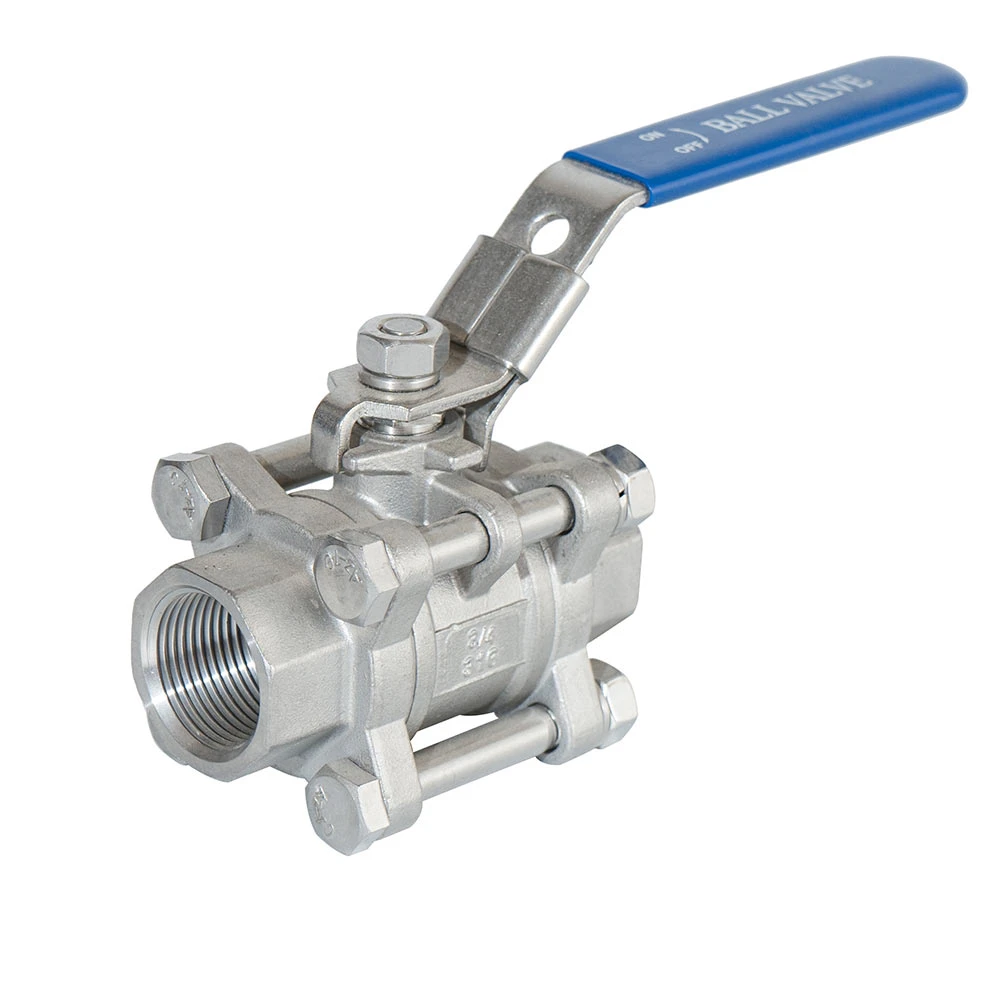
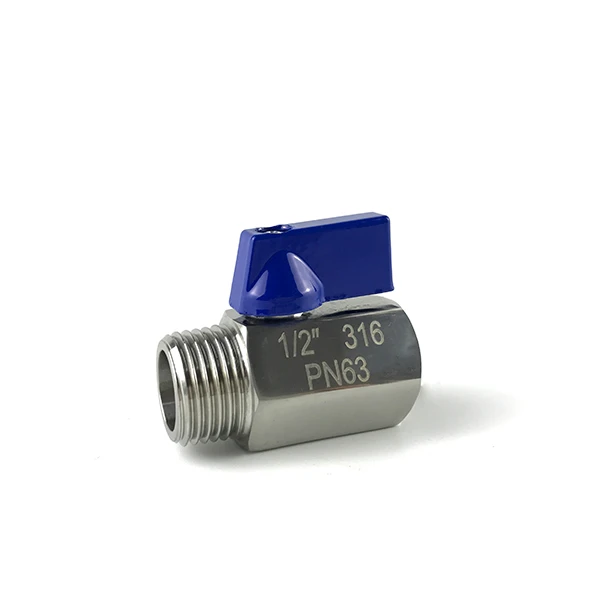
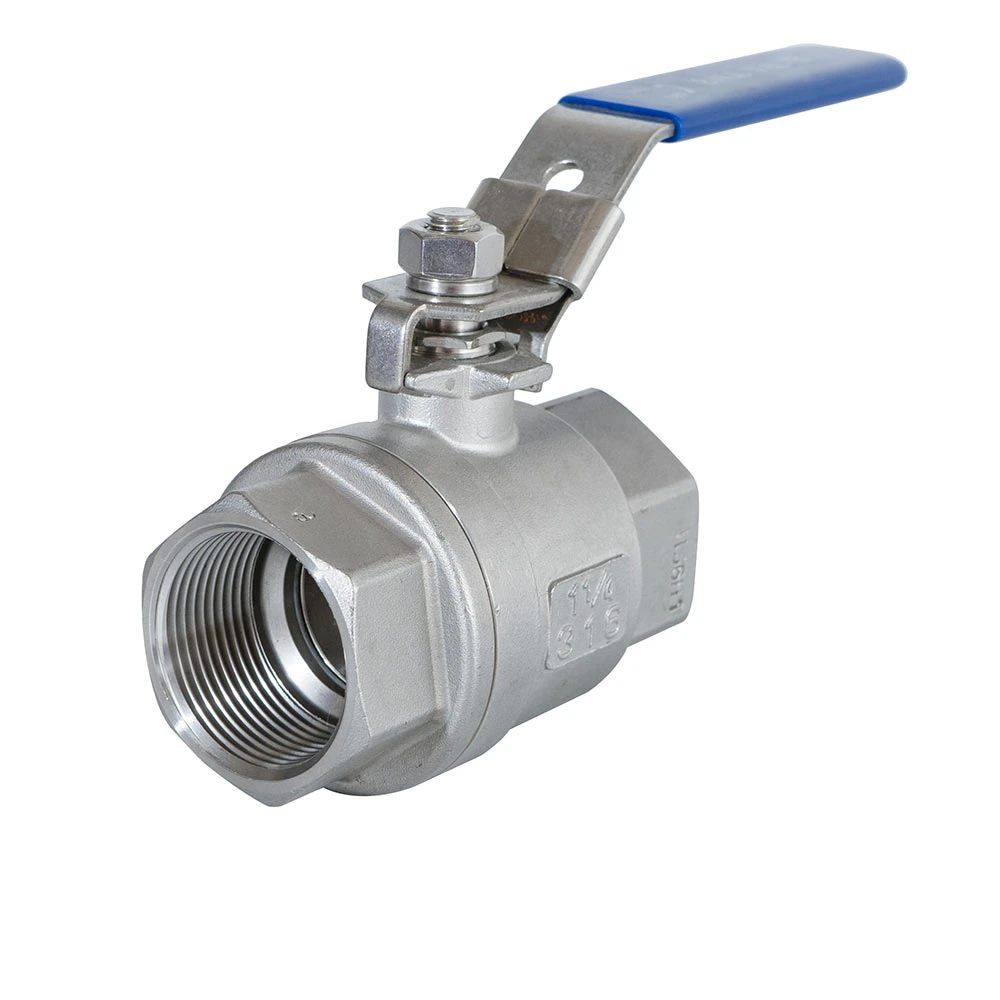
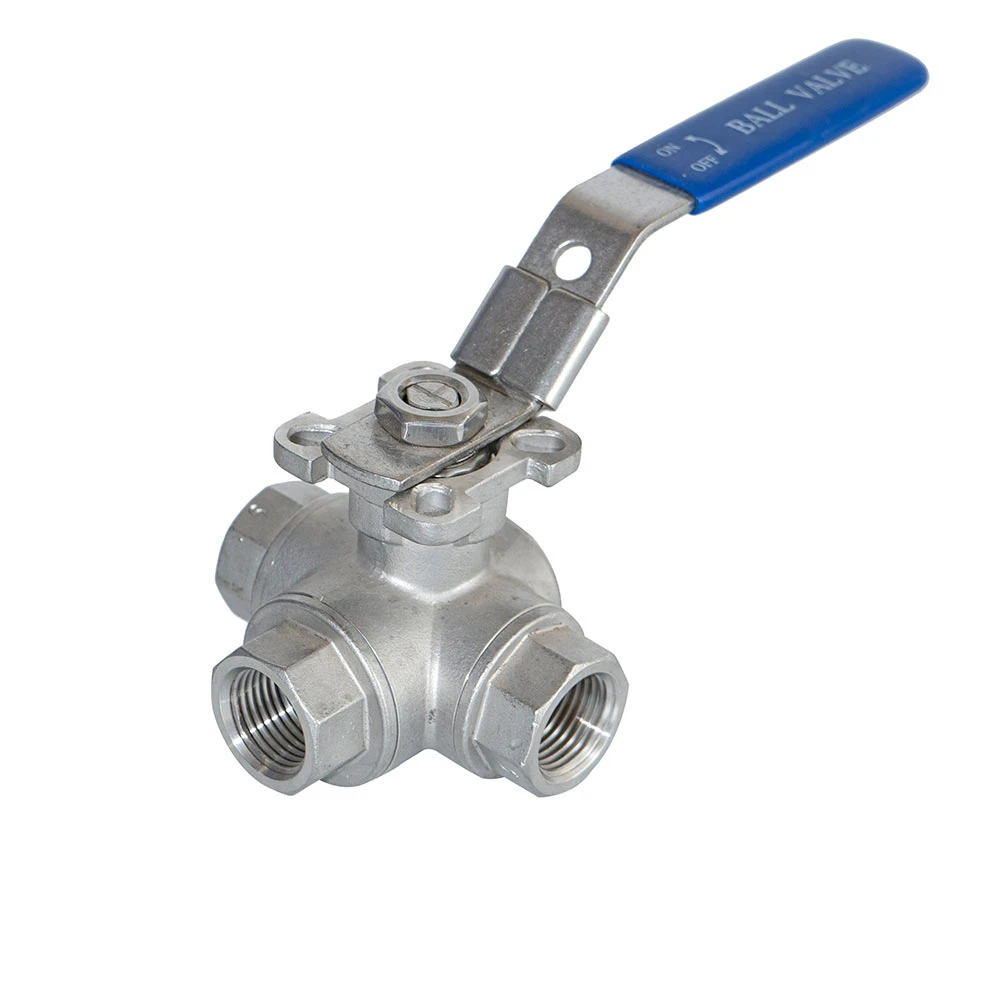
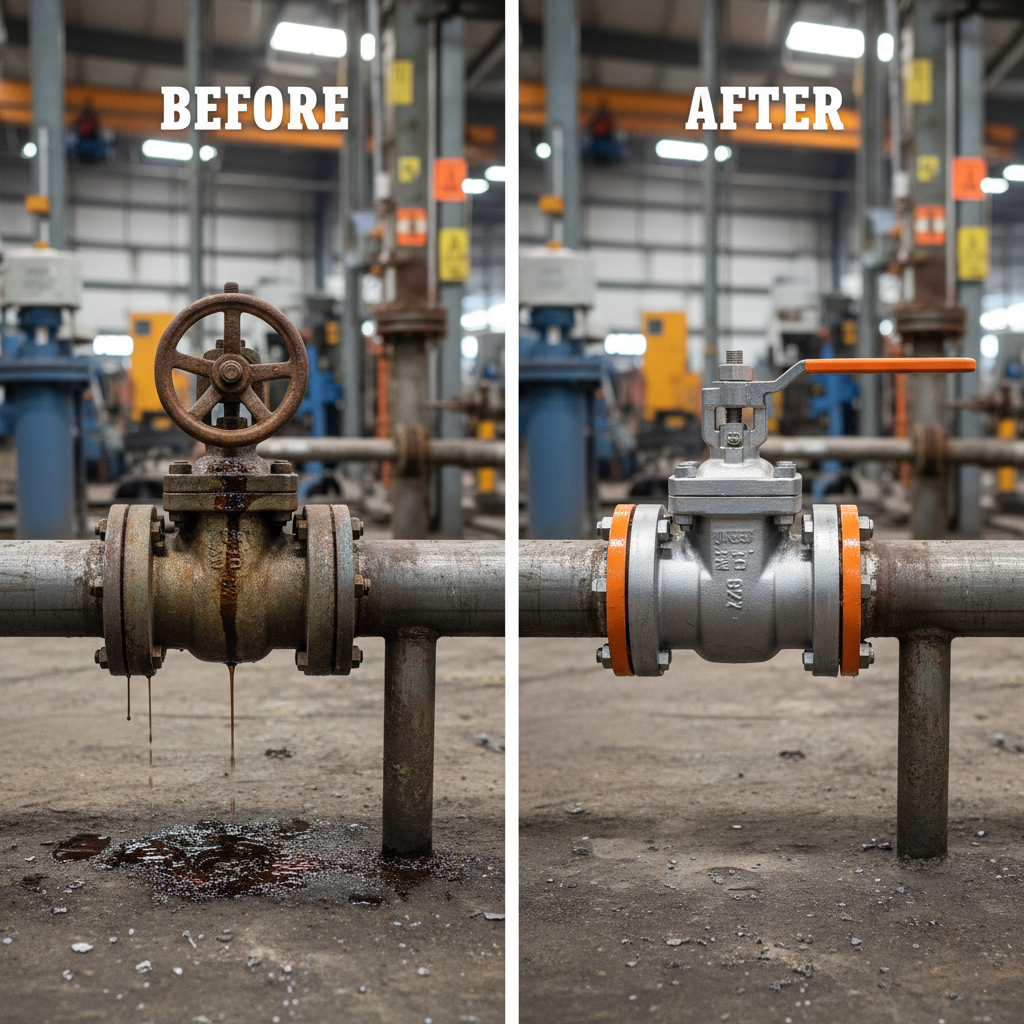
A 1.5 inch ball valve uses a hollow, perforated and pivoting ball to control flow. Rotating the ball a quarter turn either allows the medium to flow through or blocks it off completely. This quick on/off functionality, coupled with minimal pressure drop when fully open, is a significant advantage. Beyond the basic mechanism, several key features contribute to the overall performance and suitability of a 1.5 inch ball valve, including its body material (affecting corrosion resistance), seat material (influencing sealing performance), and the type of end connection. A well-designed ball valve minimizes leakage and ensures long-term reliability.
Key Highlights: Quick quarter-turn operation, minimal pressure drop, reliable shut-off, diverse material options, and suitable for a wide range of fluids.
Common Applications for 1.5 Inch Ball Valves
1.5 inch ball valves find applications across diverse industries. In water treatment plants, they regulate water flow and isolate sections for maintenance. Oil and gas applications utilize them for controlling hydrocarbon flow. Chemical processing plants rely on their corrosion resistance to handle aggressive fluids. HVAC systems use them for controlling chilled water or glycol solutions. Irrigation systems benefit from their reliable shut-off capabilities. Even residential plumbing can benefit from durable ball valves for shut-off needs. Their versatility and robust design make them a staple in fluid control systems. For specific application needs, exploring options at HoudeValve is recommended.
Application Benefits:
• Water Treatment: Flow regulation and isolation.
• Oil & Gas: Hydrocarbon flow control.
• Chemical Processing: Handling corrosive fluids.
• HVAC: Controlling fluid flow in systems.
1.5 Inch Ball Valve Materials: A Comparison
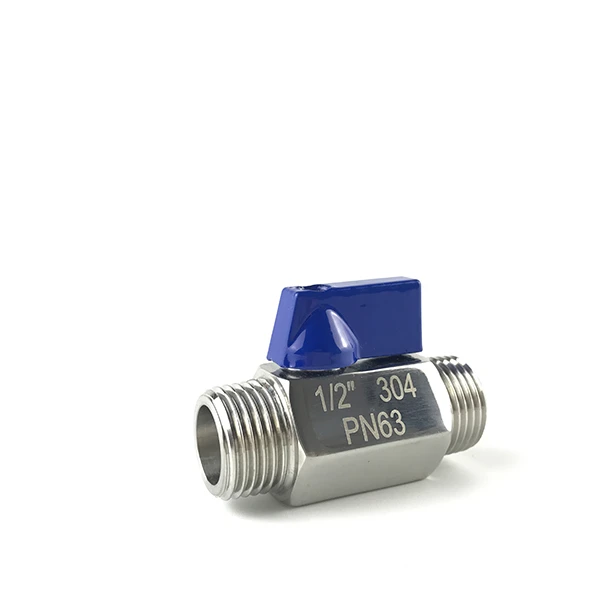
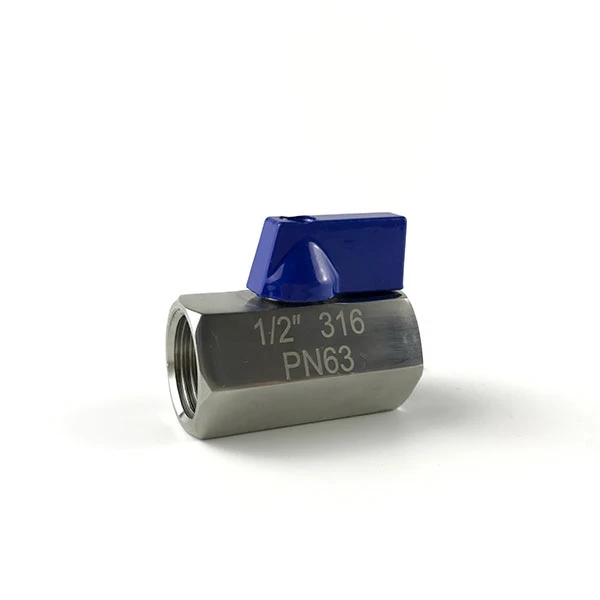
The material of a 1.5 inch ball valve is crucial for its longevity and performance. Common materials include stainless steel (304, 316), carbon steel, brass, and PVC. Stainless steel offers excellent corrosion resistance, making it suitable for aggressive fluids. Carbon steel is a cost-effective option for non-corrosive applications. Brass provides good corrosion resistance and is often used in potable water systems. PVC is lightweight and suitable for low-pressure applications involving corrosive fluids. The choice depends on the fluid being handled, temperature, and pressure requirements.
Selecting the Right 1.5 Inch Ball Valve: Key Considerations
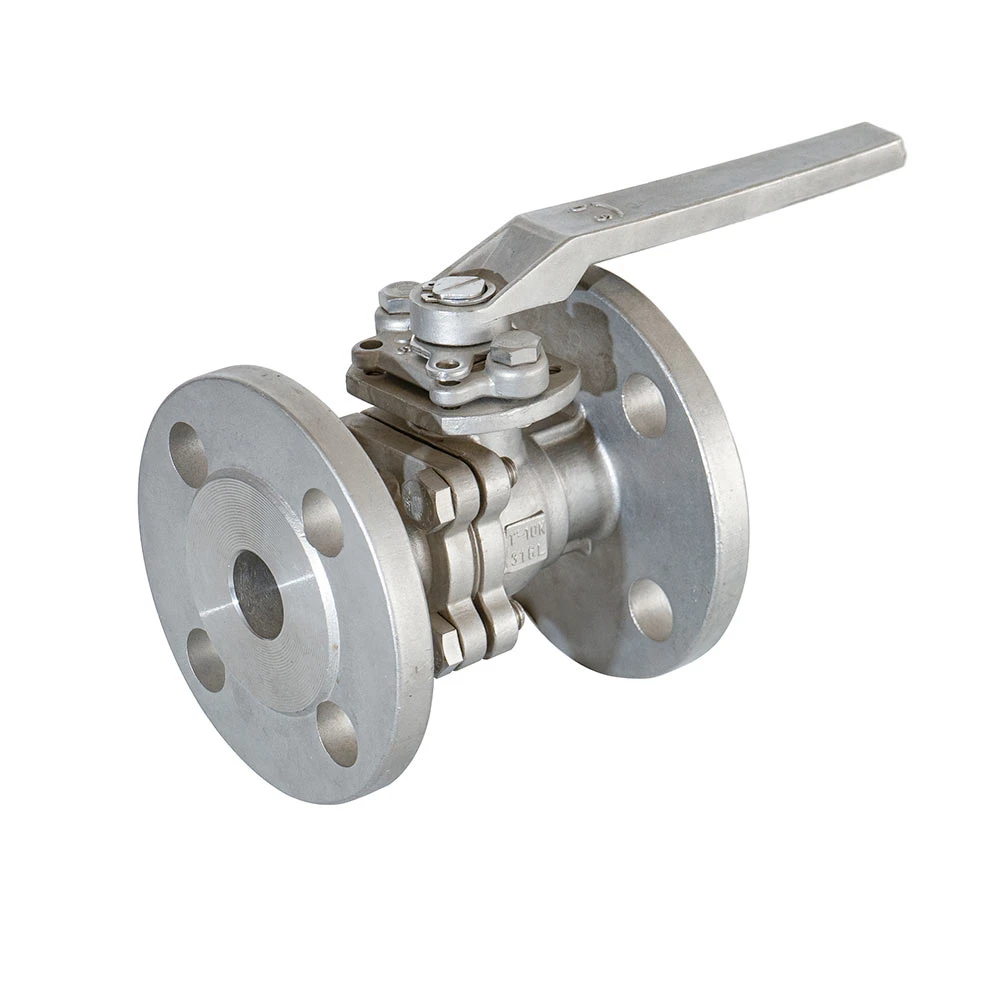
When selecting a 1.5 inch ball valve, consider the fluid type, temperature, pressure, and end connections. End connections can include threaded, flanged, or socket weld. Threaded connections are simple to install but may be prone to leaks. Flanged connections offer a secure and reliable seal for high-pressure applications. Socket weld connections are ideal for permanent installations. The valve's pressure rating must exceed the maximum system pressure. Finally, ensure the valve meets relevant industry standards and certifications. You can find detailed specifications and expert guidance at HoudeValve.
Conclusion: Investing in Quality 1.5 Inch Ball Valves
Choosing the Right Valve for Optimal Performance
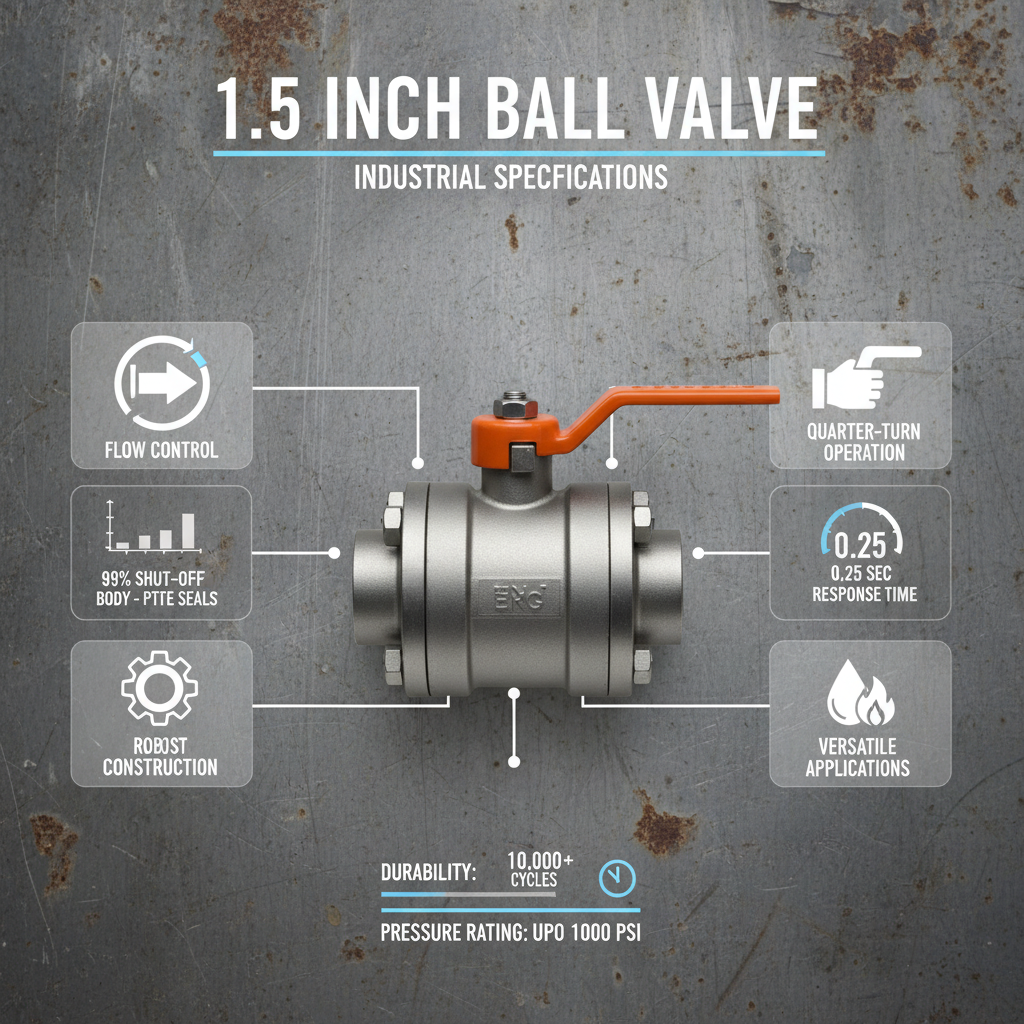
Investing in high-quality 1.5 inch ball valves is essential for ensuring the reliable and efficient operation of your fluid handling systems. Careful consideration of material, application, and specifications will lead to a valve that provides long-term performance and minimizes downtime. Explore the extensive selection of durable and reliable 1.5 inch ball valves at HoudeValve to find the perfect solution for your needs.
Frequently Asked Questions (FAQs)
What is the typical pressure rating for a 1.5 inch ball valve?
The pressure rating for a 1.5 inch ball valve varies depending on the material and construction. Common ratings include 150 PSI, 300 PSI, and even higher for specialized valves. It’s crucial to select a valve with a pressure rating that exceeds the maximum pressure in your system to ensure safety and prevent failures. Always check the valve’s specifications to confirm its pressure capabilities and ensure it's appropriate for your application. Valves constructed from materials like stainless steel generally support higher pressures compared to those made from PVC.
What are the different types of end connections available for 1.5 inch ball valves?
Common end connections for 1.5 inch ball valves include threaded (NPT, BSP), flanged (ANSI, DIN), and socket weld. Threaded connections are easy to install but may be less secure for high-pressure applications. Flanged connections provide a robust and leak-proof seal, making them ideal for high-pressure and critical systems. Socket weld connections create a permanent bond, often used in piping systems where minimal leakage is required. The choice depends on the application, pressure, and desired level of security.
How do I determine the appropriate material for a 1.5 inch ball valve?
The appropriate material depends on the fluid being handled and the operating environment. For corrosive fluids, stainless steel (316) or PVC is recommended. For potable water, brass or stainless steel (304) is a good choice. Carbon steel is suitable for non-corrosive applications like air or oil. Consider the temperature range and pressure requirements as well. Consult material compatibility charts or contact a valve specialist like HoudeValve for expert advice.
What maintenance is required for a 1.5 inch ball valve?
Regular maintenance includes visual inspection for leaks, corrosion, or damage. Lubricate the valve stem periodically to ensure smooth operation. For flanged connections, check the gasket for wear and tear. Avoid over-tightening the valve, as this can damage the seat. If the valve becomes difficult to operate, it may require cleaning or replacement of internal components. Following the manufacturer’s recommendations and implementing a preventative maintenance schedule will maximize the valve’s lifespan and reliability.