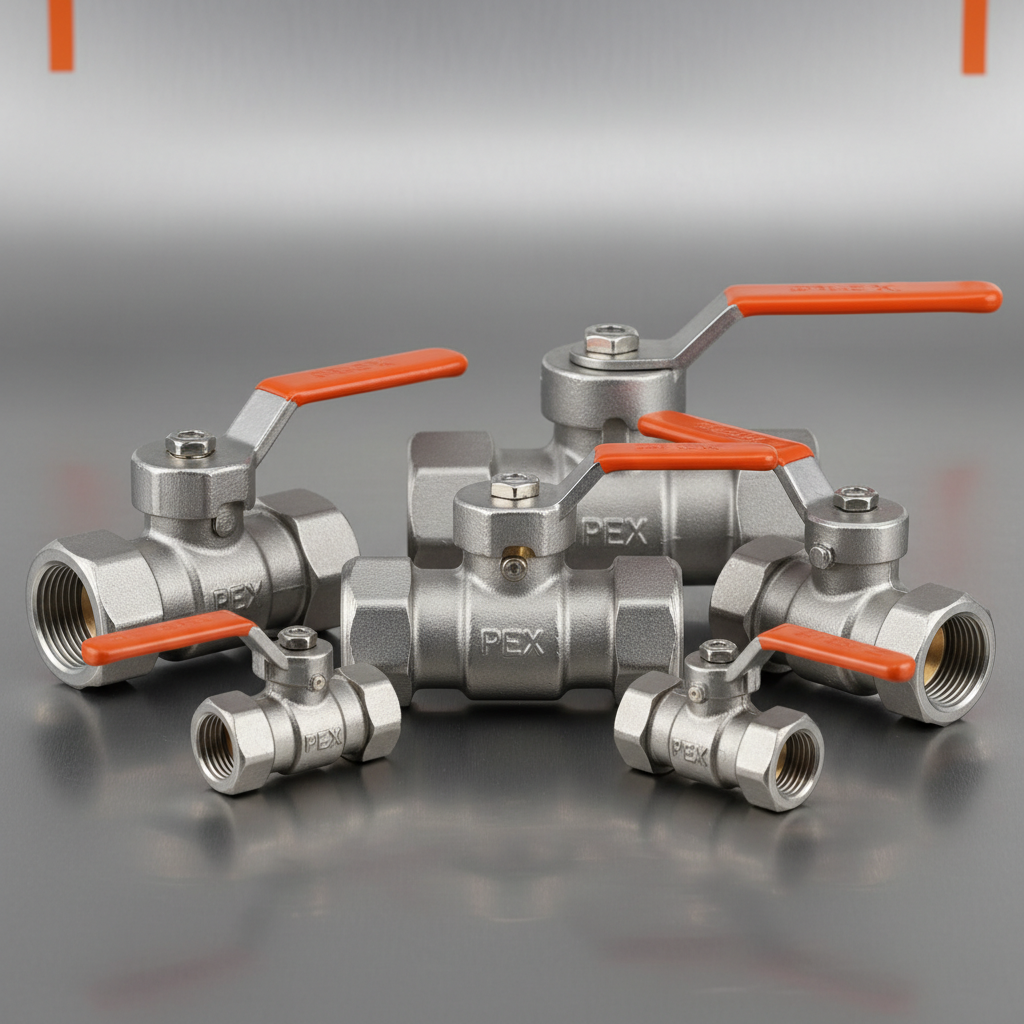
Stainless steel PEX valves represent a significant advancement in fluid conveyance systems, offering a robust and reliable solution for both residential and commercial applications. These valves, combining the corrosion resistance of stainless steel with the flexibility and ease of installation of PEX tubing, are rapidly becoming the preferred choice for plumbers and engineers worldwide. Understanding their benefits and applications is crucial for professionals seeking durable, long-lasting, and efficient plumbing solutions.
The global demand for reliable plumbing infrastructure continues to grow, driven by population increases, urbanization, and a heightened awareness of water conservation. Stainless steel PEX valves directly address this need by minimizing leaks, reducing maintenance costs, and ensuring the long-term integrity of water distribution systems. According to a 2023 report by the World Bank, investing in resilient infrastructure is paramount for sustainable development, and components like these valves play a vital role.
The increasing focus on potable water safety and the reduction of environmental impact further elevates the importance of stainless steel PEX valves. Traditional plumbing materials can contribute to water contamination and require frequent replacement, leading to resource waste. These valves offer a cleaner, more sustainable alternative, aligning with global efforts to achieve Sustainable Development Goal 6: Clean Water and Sanitation.
Introduction to stainless steel pex valves
Stainless steel PEX valves are specialized components designed to control the flow of fluids within PEX (cross-linked polyethylene) plumbing systems. They serve as crucial junctions for connecting PEX tubing, enabling on/off functionality, and regulating water pressure. The integration of stainless steel ensures exceptional durability and resistance to corrosion, making them ideal for demanding applications.
These valves represent a significant upgrade over traditional brass or plastic valves commonly found in plumbing systems. stainless steel pex valves offer superior longevity, reducing the risk of leaks and costly repairs, contributing to both economic and environmental benefits. They are increasingly specified in new construction and retrofit projects, showcasing their growing acceptance within the industry.
Defining Stainless Steel PEX Valves
In essence, stainless steel PEX valves are engineered junctions that combine the benefits of two distinct materials: the corrosion resistance and strength of stainless steel, and the flexibility and ease of installation of PEX tubing. These valves typically consist of a stainless steel body with integrated PEX connections, allowing for secure and leak-proof fittings. They come in various configurations, including ball valves, stop valves, and check valves, catering to diverse plumbing needs.
Their primary function is to regulate the flow of water or other fluids within a PEX-based plumbing system. Unlike traditional valves which can corrode over time, leading to leaks and water contamination, stainless steel provides a robust barrier against corrosion, even in challenging water conditions. This makes them particularly suitable for applications involving potable water, heating systems, and industrial processes.
The connection to PEX tubing is typically achieved through crimping, expansion, or push-fit fittings, ensuring a reliable and long-lasting seal. stainless steel pex valves are a key component in modern plumbing design, offering a durable and efficient solution for fluid control.
Core Components & Characteristics
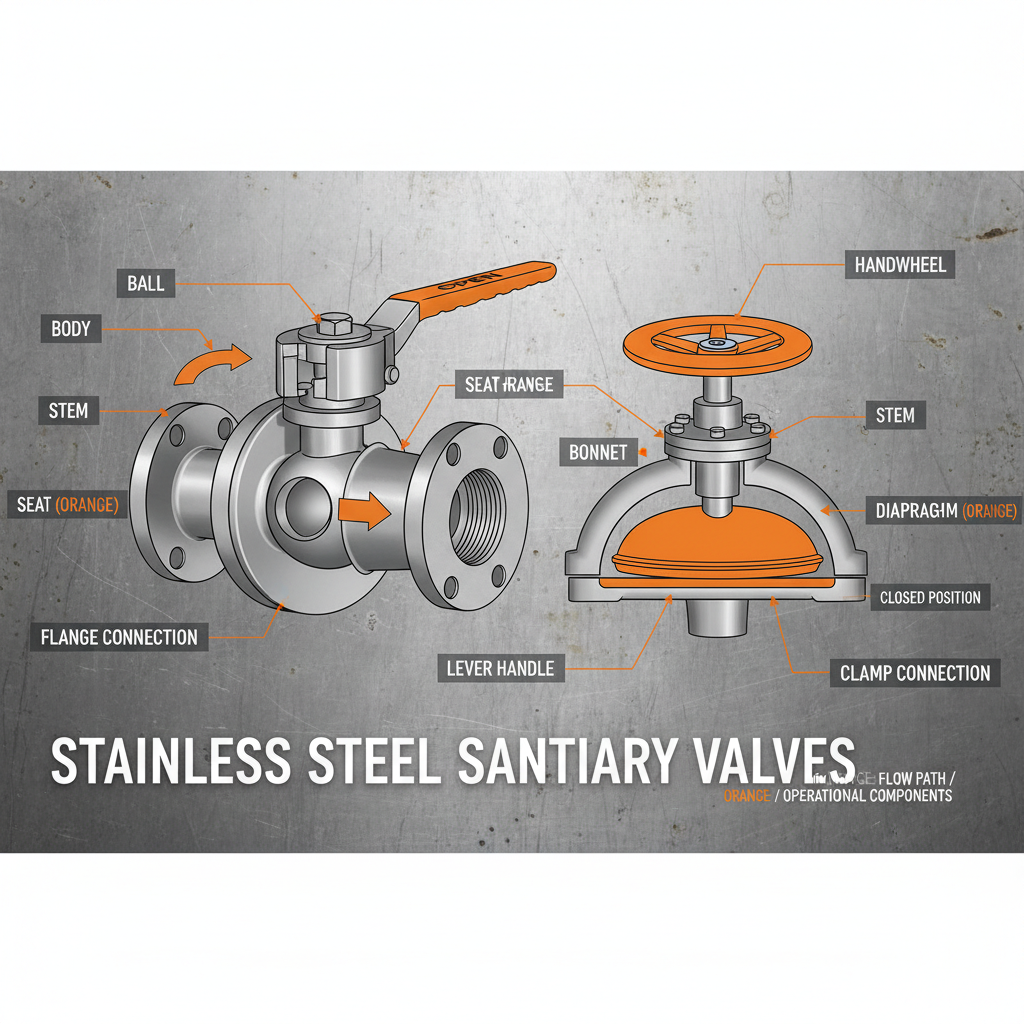
Several key characteristics define the performance and longevity of stainless steel PEX valves. First and foremost is the material itself: 304 or 316 stainless steel, selected for its exceptional corrosion resistance and high tensile strength. The valve body is meticulously crafted to withstand high pressures and temperatures, ensuring reliable operation over extended periods. The PEX connection points are designed for compatibility with various PEX fitting methods.
Another vital component is the valve’s internal mechanism, whether it be a ball, disc, or gate. This mechanism controls the flow of fluid and is engineered for smooth operation and minimal flow restriction. The quality of the sealing materials – often PTFE or EPDM – is crucial to prevent leaks and maintain a watertight seal. Furthermore, the valve's design ensures easy installation and maintenance, reducing labor costs and downtime.
The overall design of stainless steel PEX valves prioritizes durability, reliability, and ease of use. They are engineered to meet or exceed industry standards for pressure ratings, temperature limits, and material compatibility, guaranteeing a safe and efficient plumbing system. They are available in different sizes and configurations to accommodate a wide range of applications.
Key Performance Indicators of stainless steel pex valves
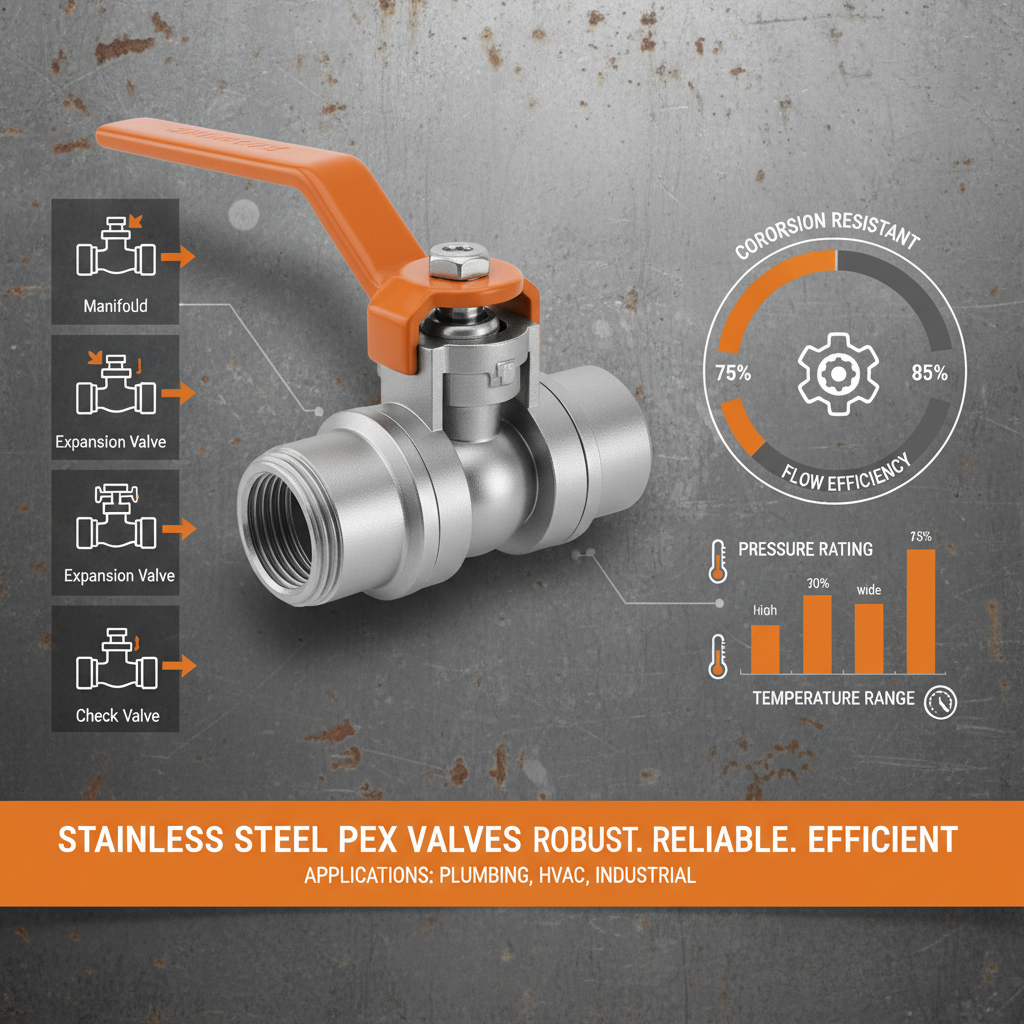
Assessing the performance of stainless steel PEX valves requires evaluating several key indicators. Durability and corrosion resistance are paramount, measured by their ability to withstand prolonged exposure to harsh water conditions without degradation. Pressure rating, typically expressed in PSI, indicates the maximum water pressure the valve can safely handle.
Flow coefficient (Cv) determines the valve's capacity to allow fluid flow, impacting system efficiency. Leak rate, measured in drops per minute, is a critical indicator of seal integrity. Temperature resistance, specifying the valve’s operational temperature range, is crucial for applications involving hot water systems. stainless steel pex valves perform exceptionally well in these areas.
Stainless Steel PEX Valve Performance Comparison
Global Applications and Use Cases
Stainless steel PEX valves find application across a wide spectrum of industries and environments. In residential plumbing, they are used for water distribution, heating systems (radiant floor heating, hot water recirculation), and bathroom fixtures. Commercial buildings, including hotels, hospitals, and office complexes, benefit from their durability and resistance to corrosion, minimizing maintenance downtime.
Industrial applications, such as chemical processing plants and food & beverage facilities, demand high-performance valves capable of handling corrosive fluids and extreme temperatures. Stainless steel PEX valves deliver the reliability needed in these demanding settings. In remote areas lacking robust water infrastructure, these valves contribute to sustainable water management solutions.
Furthermore, they are increasingly utilized in green building projects, aligning with LEED certification standards and promoting water conservation. From post-disaster relief operations, providing safe drinking water to affected communities, to geothermal heating systems, stainless steel pex valves play a critical role in modern infrastructure.
Advantages and Long-Term Value
The advantages of adopting stainless steel PEX valves extend beyond immediate cost savings. Their exceptional durability significantly reduces the frequency of replacements compared to traditional materials, lowering lifetime maintenance costs. The inherent corrosion resistance ensures long-term water quality, minimizing the risk of contamination and safeguarding public health. This contributes to responsible water management and environmental sustainability.
From a sustainability perspective, the long lifespan of these valves minimizes resource consumption associated with manufacturing and disposal. The reduced need for repairs and replacements translates into lower energy usage and carbon emissions. Their reliability fosters a sense of trust and peace of mind, knowing that the plumbing system is robust and dependable. This intangible benefit, coupled with the tangible economic and environmental advantages, elevates their long-term value.
Future Trends and Innovations
The future of stainless steel PEX valves is intertwined with advancements in materials science and smart technologies. Research is underway to develop even more corrosion-resistant alloys and enhance the performance of PEX tubing itself. The integration of sensors and IoT (Internet of Things) devices will enable remote monitoring of valve performance, allowing for predictive maintenance and early detection of potential issues.
Automation in manufacturing processes will drive down production costs and improve quality control. Digital twin technology, creating virtual replicas of plumbing systems, will facilitate optimization and troubleshooting. Furthermore, the increasing emphasis on circular economy principles will promote the recyclability of stainless steel components, contributing to a more sustainable lifecycle.
These innovations are expected to further enhance the efficiency, reliability, and sustainability of stainless steel PEX valve systems, solidifying their position as a cornerstone of modern plumbing infrastructure.
Challenges & Solutions
Despite their numerous advantages, the widespread adoption of stainless steel PEX valves faces certain challenges. The initial cost can be higher compared to traditional brass or plastic valves, potentially hindering adoption in cost-sensitive projects. Ensuring compatibility with existing plumbing systems and fittings can require careful planning and potentially necessitate modifications.
Lack of awareness among plumbers and installers regarding proper installation techniques and best practices can lead to improper connections and potential leaks. To overcome these hurdles, manufacturers are actively working to reduce production costs through economies of scale and optimized manufacturing processes. Developing standardized fitting adapters can enhance compatibility with existing systems.
Comprehensive training programs and educational resources are crucial to equip plumbers and installers with the knowledge and skills needed for successful installation and maintenance. stainless steel pex valves manufacturers are also focusing on developing user-friendly installation tools and providing detailed technical support.
Summary Table of Challenges and Solutions for Stainless Steel PEX Valves
| Challenge |
Impact on Adoption |
Proposed Solution |
Expected Outcome |
| Higher Initial Cost |
Discourages use in budget-constrained projects |
Optimize manufacturing, economies of scale |
Reduced price point, increased accessibility |
| Compatibility Issues |
Requires system modifications, increases installation complexity |
Develop standardized fitting adapters |
Seamless integration with existing plumbing |
| Lack of Installer Expertise |
Improper installation, potential for leaks |
Comprehensive training programs, technical support |
Qualified installers, reduced installation errors |
| Limited Awareness |
Slow market penetration, lack of demand |
Marketing campaigns, educational webinars |
Increased industry knowledge, growing demand |
| Material Perception |
Preference for traditional materials |
Highlighting long-term cost savings and benefits |
Shift in market perception, increased adoption |
| Supply Chain Disruptions |
Potential delays in product availability |
Diversifying suppliers, strategic inventory management |
Reliable product supply, minimized disruptions |
FAQS
Stainless steel PEX valves offer significantly improved corrosion resistance compared to brass, leading to a longer lifespan and reduced risk of leaks. They also eliminate the lead content found in many brass valves, ensuring safer potable water. Furthermore, their compatibility with PEX tubing simplifies installation and reduces labor costs. They provide a durable and reliable solution that outperforms brass in most applications.
Generally, stainless steel PEX valves are compatible with most common types of PEX tubing, including PEX-A, PEX-B, and PEX-C. However, it’s crucial to verify compatibility with the specific valve and tubing manufacturer's specifications. Ensure the valve’s connection type (crimp, expansion, or push-fit) matches the tubing type for a secure and leak-proof installation.
With proper installation and under normal operating conditions, a stainless steel PEX valve can easily last 25-50 years or more. The exceptional corrosion resistance of stainless steel minimizes degradation, even in challenging water conditions. Regular inspections can help identify potential issues and ensure continued reliable performance.
The initial cost of stainless steel PEX valves may be slightly higher than traditional brass or plastic valves. However, when considering the lifecycle cost, they often prove more economical due to their increased durability, reduced maintenance requirements, and extended lifespan. The long-term savings from fewer replacements and repairs often outweigh the initial investment.
Look for valves that are certified by reputable organizations such as NSF International or ASTM International. These certifications ensure the valve meets industry standards for material safety, performance, and quality. Compliance with these standards guarantees the valve is suitable for potable water applications and will perform reliably.
Yes, stainless steel PEX valves are an excellent choice for radiant floor heating systems. Their high temperature resistance and corrosion resistance make them well-suited for circulating hot water. Ensure the valve’s temperature rating meets the system's operating temperature requirements, and choose valves specifically designed for radiant heating applications to optimize performance and longevity.
Conclusion
Stainless steel PEX valves represent a significant advancement in plumbing technology, offering unparalleled durability, corrosion resistance, and long-term value. Their application across residential, commercial, and industrial sectors highlights their versatility and reliability. Embracing these valves is not merely upgrading a component; it’s investing in a sustainable and robust infrastructure for the future.
Looking ahead, continued innovation in materials science and smart technologies will further enhance the performance and efficiency of stainless steel PEX valve systems. Plumbers, engineers, and building owners should prioritize these valves when designing and maintaining plumbing systems to ensure long-term reliability, water safety, and reduced environmental impact. Visit our website at www.houdevalve.com to explore our comprehensive range of stainless steel PEX valves.