SS Y strainers are critical components in fluid systems, playing a vital role in protecting downstream equipment from damaging debris. Their importance spans a wide range of industries, from water treatment and chemical processing to oil and gas refining, and even food and beverage production. The effective filtration provided by these strainers directly impacts operational efficiency, reduces maintenance costs, and ensures the longevity of expensive assets.
Globally, the demand for efficient and reliable filtration solutions like ss y strainers is steadily increasing, driven by stricter environmental regulations, a growing emphasis on process optimization, and the expansion of industries requiring high-purity fluids. Understanding the intricacies of ss y strainers – their design, materials, and applications – is therefore crucial for engineers, procurement specialists, and anyone involved in maintaining fluid handling systems.
Choosing the right ss y strainer can significantly improve process reliability and reduce downtime. The versatility and robustness of these components make them indispensable in a wide variety of applications, ensuring a continuous and uninterrupted flow of clean fluids.
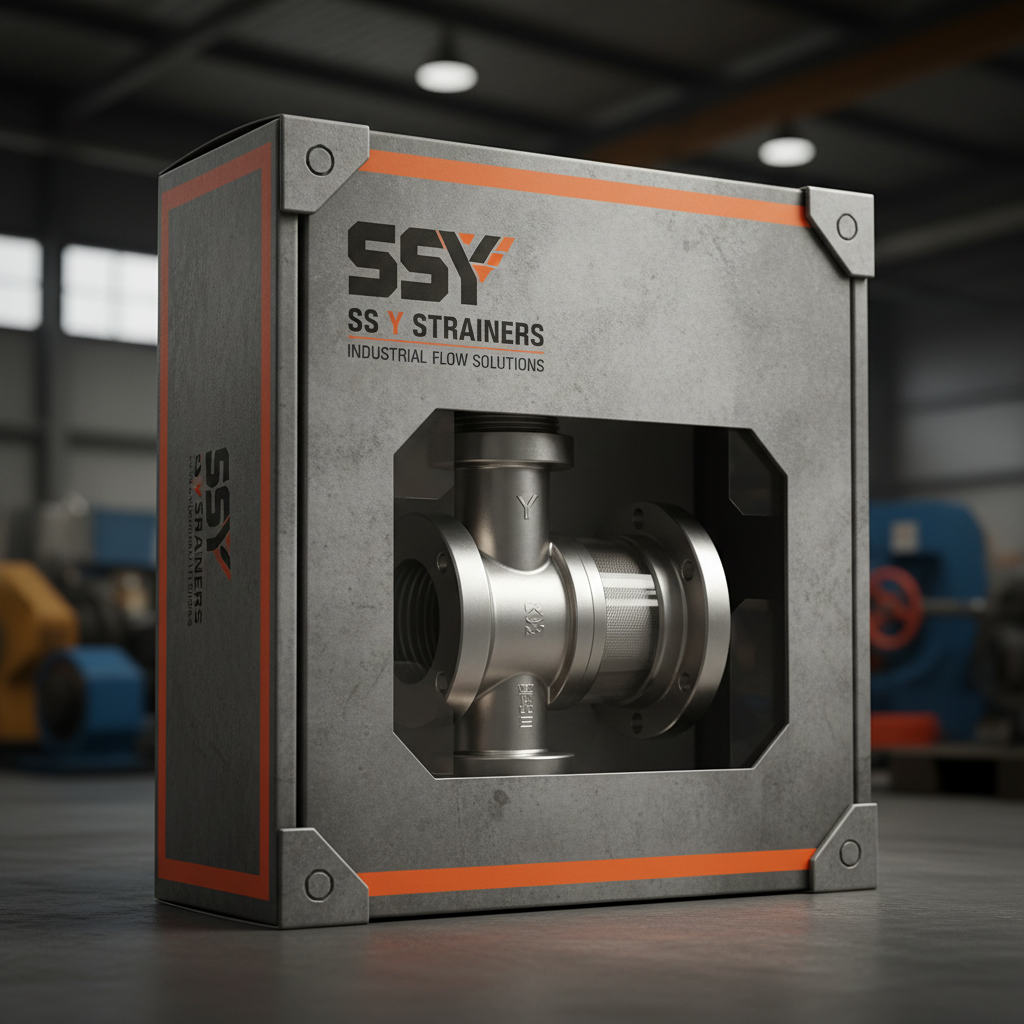
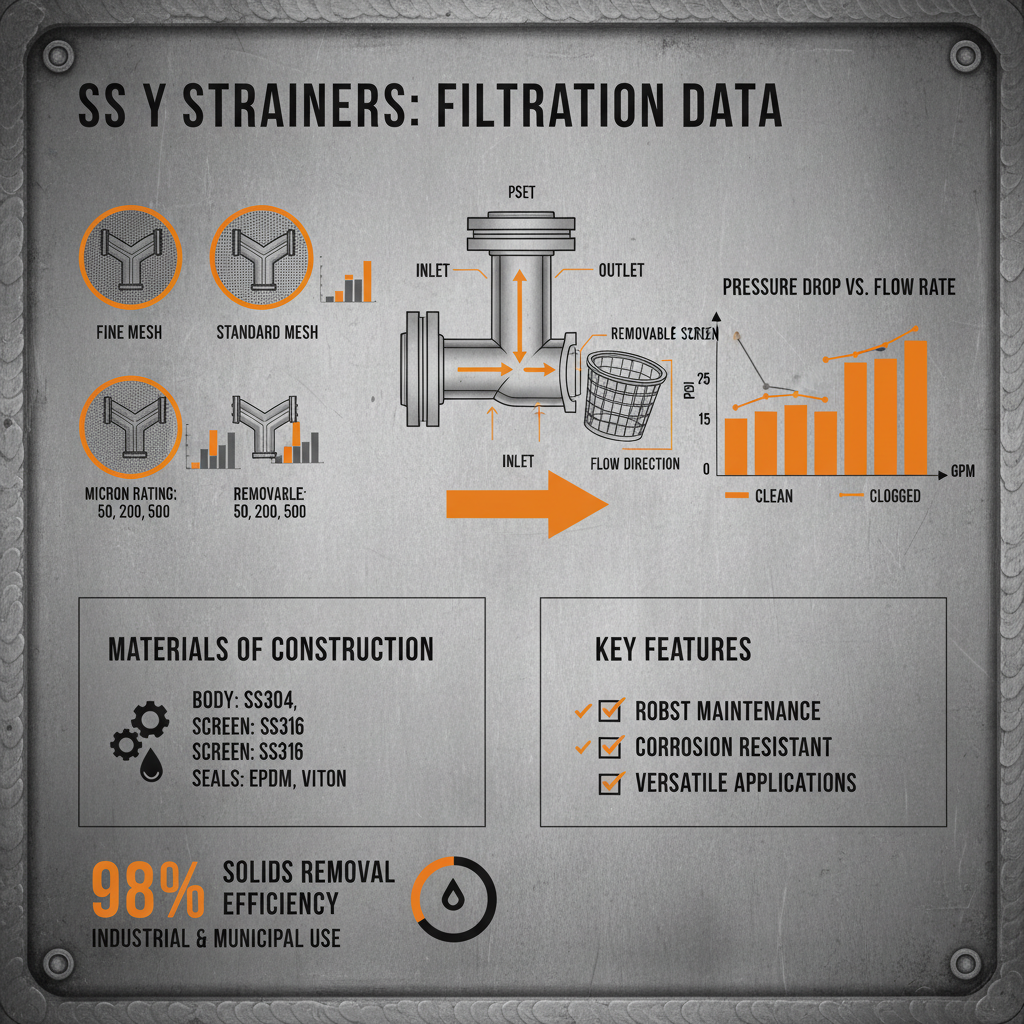
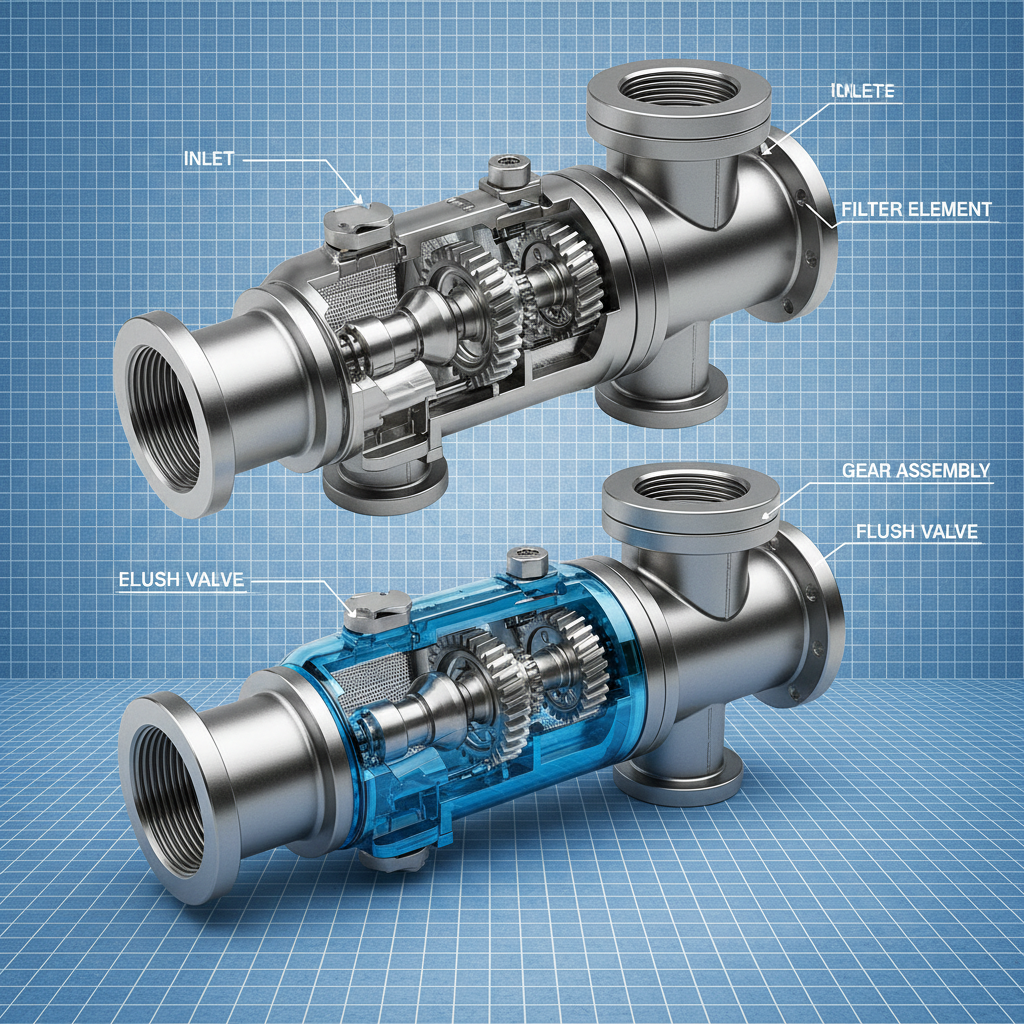
SS Y strainers, characterized by their Y-shaped configuration, are designed to remove particulate matter from liquid, gas, or steam lines. This unique design minimizes pressure drop while maximizing filtration capacity. They’re a common sight in process industries needing robust, reliable protection for sensitive equipment.
The ‘SS’ designation signifies that the strainer body and internal components are constructed from stainless steel, ensuring excellent corrosion resistance and suitability for a wide range of fluids, including those with aggressive chemical properties. Selecting the right ss y strainer depends heavily on the application’s specific requirements, including fluid type, pressure, temperature, and particle size.
Evaluating the performance of ss y strainers involves several key metrics. Pressure drop across the strainer is a critical indicator of its condition; an increasing pressure drop signals screen blockage and the need for cleaning or replacement. Flow rate and screen mesh size also play significant roles in determining filtration efficiency.
Filter efficiency, typically expressed as a percentage, indicates the strainer’s ability to remove particles of a specific size. Choosing the appropriate mesh size is crucial for achieving the desired level of filtration. A finer mesh will capture smaller particles but may also result in a higher pressure drop and more frequent cleaning requirements.
SS Y strainers find widespread application in diverse industries. In water treatment plants, they protect pumps and membranes from sediment and debris, ensuring the delivery of clean potable water. The chemical processing industry relies on ss y strainers to safeguard reactors and catalysts from contaminants, maintaining product quality and process efficiency.
The oil and gas sector utilizes these strainers to protect pipelines, compressors, and refining equipment from corrosion-causing particles. Furthermore, ss y strainers are essential in the food and beverage industry, safeguarding production lines from foreign objects and ensuring product safety. In remote industrial zones, where maintenance resources are limited, the robust and reliable performance of ss y strainers is particularly valuable.
The benefits of incorporating ss y strainers into fluid systems are substantial. Their robust stainless steel construction provides exceptional durability and corrosion resistance, minimizing maintenance requirements and extending service life. The Y-shape design facilitates easy cleaning and screen replacement, reducing downtime and operational costs.
The minimal pressure drop inherent in the Y-strainer design ensures efficient fluid flow, conserving energy and optimizing system performance. They are also highly versatile, adaptable to a wide range of fluids, pressures, and temperatures. Investing in high-quality ss y strainers translates to increased reliability, reduced maintenance, and improved overall operational efficiency.
The future of strainer technology is focused on smart and self-cleaning designs. Integrated sensors and IoT connectivity will enable real-time monitoring of pressure drop and screen condition, triggering automated cleaning cycles or alerts when maintenance is required.
Advanced materials, such as self-healing polymers and anti-fouling coatings, are being explored to further enhance strainer performance and reduce maintenance needs. The integration of AI and machine learning algorithms will enable predictive maintenance, optimizing strainer lifespan and minimizing unexpected downtime.
Furthermore, the development of more efficient and compact strainer designs will be crucial for accommodating the growing demands of space-constrained applications. These innovations will contribute to more sustainable, reliable, and cost-effective fluid handling systems.
| Fluid Compatibility | Pressure Rating | Particle Size | Maintenance Frequency |
|---|---|---|---|
| Chemical composition of the fluid affects material selection (e.g., 316 SS for chloride resistance). | Maximum operating pressure must be considered to ensure strainer integrity and prevent failure. | Determines the appropriate mesh size for effective particle removal. | Impacted by fluid viscosity, particle load, and screen design. |
| Water-based fluids require different materials than oil-based fluids. | Strainers should be rated for pressures exceeding typical operating conditions. | Smaller particle sizes require finer mesh, increasing pressure drop. | Self-cleaning designs reduce maintenance frequency. |
| Corrosive fluids necessitate highly resistant materials like Hastelloy. | Regular pressure testing ensures continued safe operation. | Micron ratings provide precise particle size specification. | Regular inspection and cleaning are crucial for optimal performance. |
| Fluid temperature influences material strength and corrosion resistance. | Consider pressure fluctuations and surge events. | Consider the trade-off between filtration efficiency and pressure drop. | Automated cleaning systems minimize manual intervention. |
| Specialized coatings can enhance corrosion protection. | Ensure compliance with relevant industry standards and regulations. | Evaluate the impact of particle shape and density. | Data logging and trend analysis can optimize cleaning schedules. |
| Proper sealing materials are crucial for fluid containment. | Select strainers with appropriate certifications (e.g., ASME). | Particle distribution analysis informs mesh size selection. | Predictive maintenance reduces unplanned downtime. |
The lifespan of an ss y strainer depends heavily on the operating conditions, fluid type, and maintenance schedule. With proper maintenance – regular cleaning and inspection – a well-constructed stainless steel strainer can easily last 10-20 years, or even longer. However, exposure to highly corrosive fluids or abrasive particles will significantly reduce its lifespan.
Cleaning frequency depends on the amount of particulate matter in the fluid stream. Monitoring the pressure drop across the strainer is the best indicator. A significant increase in pressure drop (typically 10-20% above the initial reading) indicates the screen is becoming clogged and needs cleaning. Replacement is necessary if the screen is damaged or corroded beyond repair.
The ideal mesh size is determined by the size of the particles you need to remove. A finer mesh will capture smaller particles but will also result in a higher pressure drop and require more frequent cleaning. Analyzing the fluid stream for particle size distribution is crucial for selecting the appropriate mesh size. Consider the trade-off between filtration efficiency and flow rate.
Yes, ss y strainers can handle high-temperature fluids, but the specific temperature limit depends on the stainless steel grade used. 316 stainless steel generally offers better high-temperature performance than 304. It’s essential to verify the temperature rating of the strainer and ensure it aligns with the operating temperature of the fluid to prevent material degradation and potential failure.
Stainless steel offers superior corrosion resistance, durability, and hygiene compared to other materials like carbon steel or brass. This makes ss y strainers ideal for a wide range of applications, particularly those involving corrosive fluids or sanitary processes. Stainless steel also maintains its mechanical properties over a broad temperature range, ensuring reliable performance.
Ss y strainers can be used with viscous fluids, but it's important to consider the increased pressure drop. Viscous fluids create more resistance to flow, leading to a higher pressure drop across the strainer. Selecting a larger strainer size or a coarser mesh can help mitigate this issue. Regular cleaning is also crucial to prevent clogging.
In conclusion, ss y strainers are indispensable components in maintaining the integrity and efficiency of fluid systems across numerous industries. Their robust construction, ease of maintenance, and versatility make them a cost-effective solution for protecting valuable equipment and ensuring reliable operation. Understanding the nuances of material selection, performance metrics, and future trends is crucial for maximizing their benefits.
Investing in high-quality ss y strainers and implementing a proactive maintenance program are essential for long-term success. As technology advances, the integration of smart features and innovative materials will further enhance the performance and reliability of these vital filtration components. For superior ss y strainers and expert guidance, visit our website: ss y strainers.