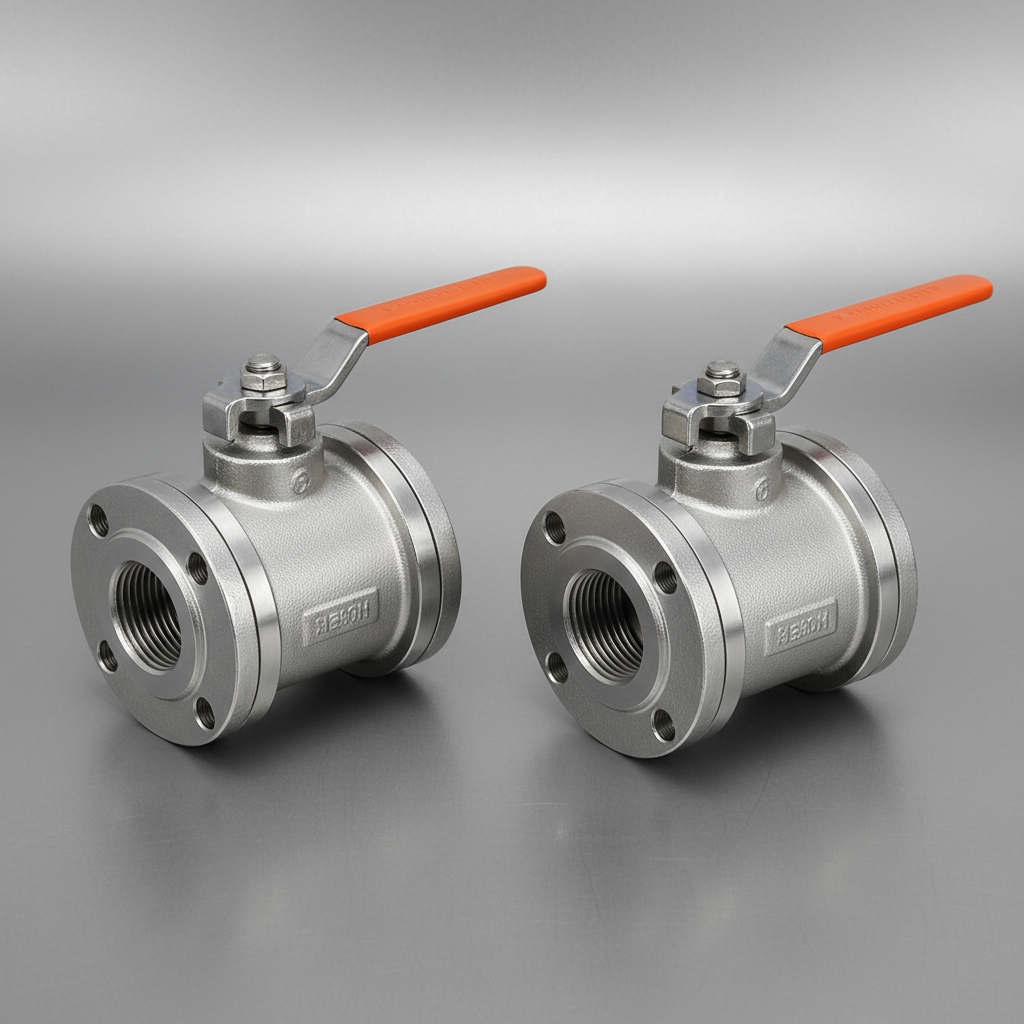
The 3 4 stainless valve is a critical component in a vast array of industrial, commercial, and even residential applications. Its robust construction and resistance to corrosion make it an indispensable part of systems handling various fluids and gases. Understanding the nuances of these valves – their materials, standards, and applications – is paramount for engineers, facility managers, and anyone involved in maintaining fluid control systems. The demand for high-quality 3 4 stainless valve solutions is consistently high globally, driven by increasing infrastructure development and stringent safety regulations.
The global market for stainless steel valves, including the 3 4 stainless valve size, is experiencing significant growth, estimated at a CAGR of around 4-6% in the coming years (source: Market Research Future). This expansion is fueled by factors such as increased industrialization in emerging economies, the need for efficient fluid management, and the growing demand for corrosion-resistant materials. A significant challenge the industry faces is maintaining supply chain resilience amidst fluctuating raw material prices and geopolitical instability.
The 3 4 stainless valve, specifically, addresses the need for reliable and durable fluid control in mid-sized applications. Its prevalence is rooted in its versatility, making it suitable for diverse industries ranging from food and beverage processing to chemical manufacturing and water treatment. Choosing the right 3 4 stainless valve—considering factors like pressure rating, connection type, and application requirements—is crucial for optimal system performance and longevity.
The Significance of 3 4 Stainless Valve
The 3 4 stainless valve represents a balance between size, flow capacity, and affordability, making it a workhorse in many systems. Its prevalence stems from the material itself: stainless steel. This alloy offers exceptional resistance to corrosion, pitting, and rust, crucial in environments where exposure to harsh chemicals or moisture is unavoidable.
The significance extends beyond material properties. The 3 4 size is widely standardized, ensuring compatibility with existing plumbing and piping infrastructure. This reduces installation costs and simplifies maintenance procedures. The applications are incredibly diverse, making the 3 4 stainless valve a frequently specified component in numerous industries globally.
Defining 3 4 Stainless Valve
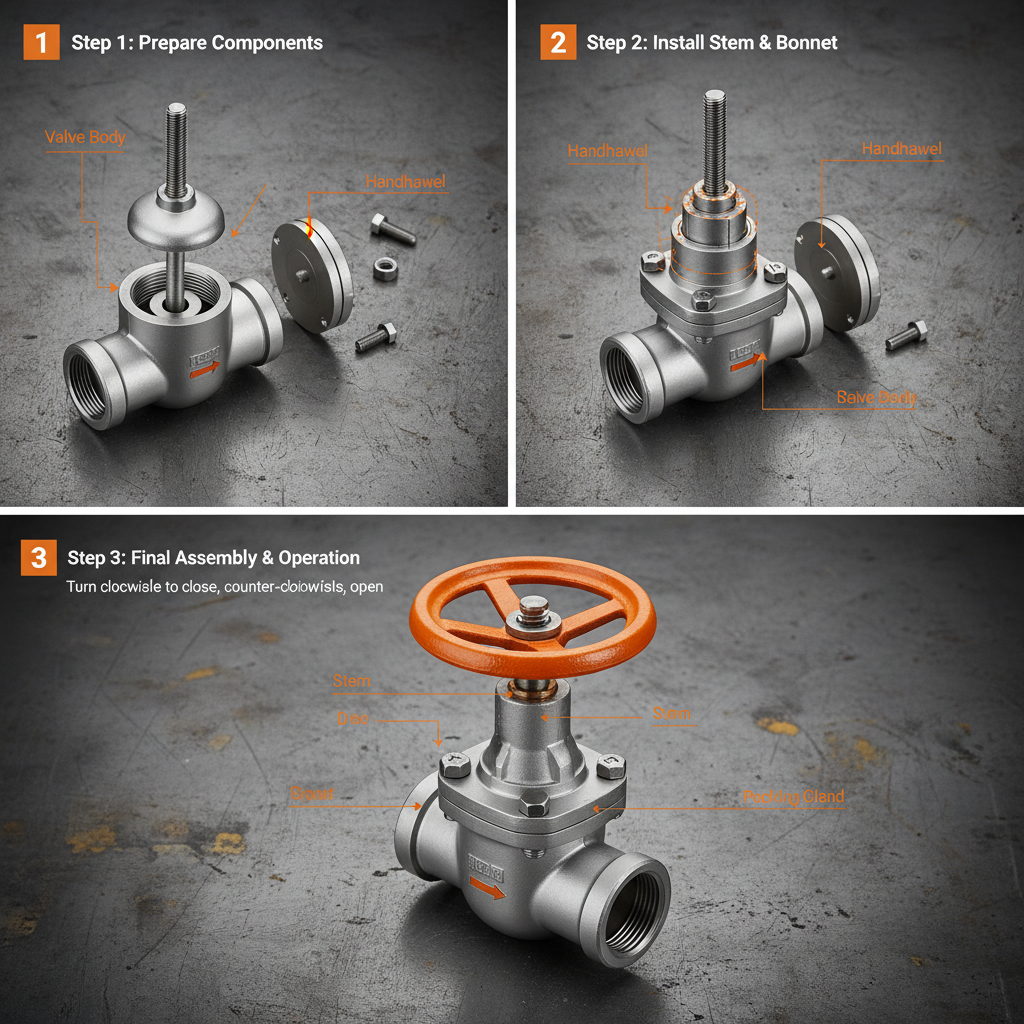
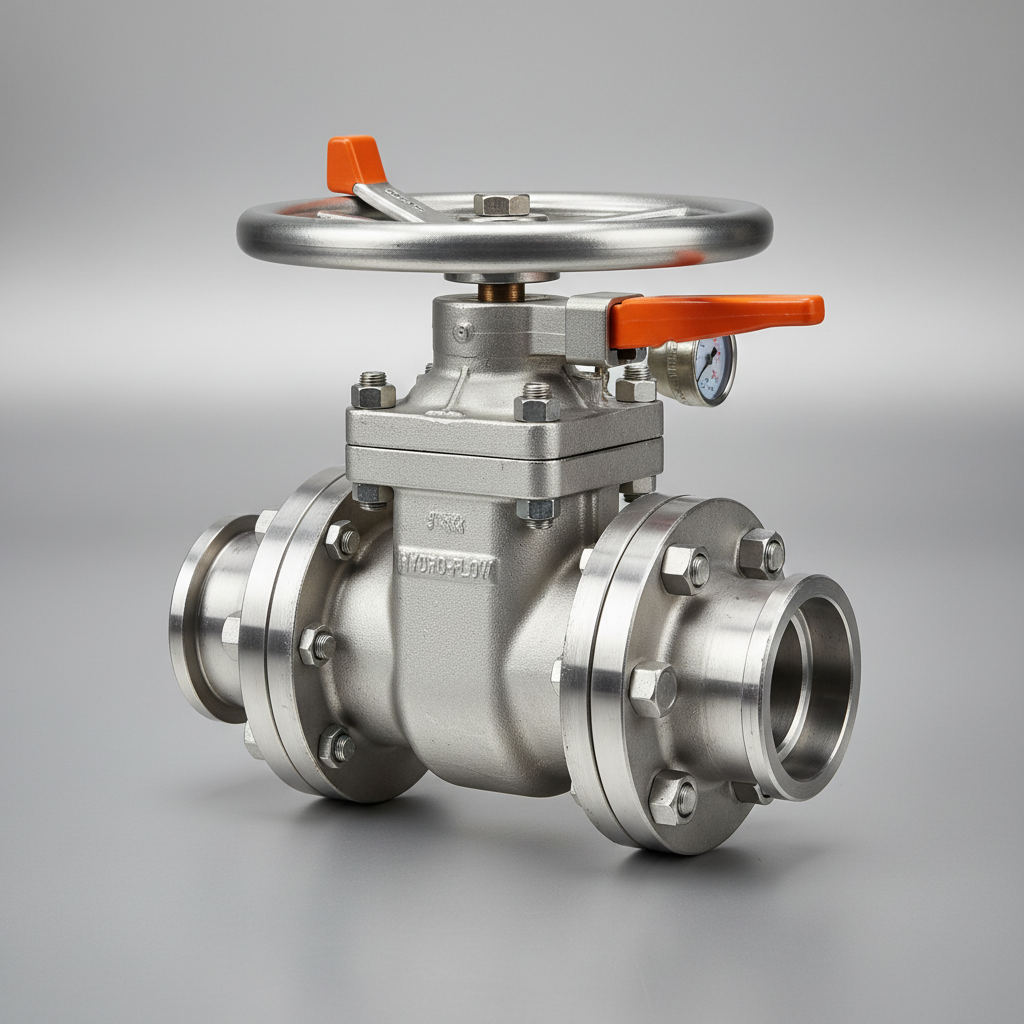
A 3 4 stainless valve is a mechanical device used to control the flow of fluids—liquids, gases, or slurries—through a pipeline or system. The “3 4” refers to the nominal pipe size, indicating the inner diameter of the valve opening. Stainless steel, typically grades 304 or 316, forms the body and internal components, providing resistance to corrosion and ensuring durability. These valves operate by opening, closing, or partially obstructing the flow path.
Unlike other valve materials, stainless steel doesn’t require external coatings or linings to prevent corrosion, which simplifies maintenance and extends the valve’s lifespan. The type of valve—ball, gate, globe, check, etc.—determines its specific functionality and suitability for different applications. Understanding these different valve types is critical when selecting a 3 4 stainless valve for a specific process.
The 3 4 stainless valve's role is vital in modern industry. Whether it’s precisely metering chemicals in a pharmaceutical plant or regulating water flow in a municipal system, these valves ensure safe, efficient, and controlled fluid handling. This contributes directly to process optimization and overall system reliability.
Core Characteristics of 3 4 Stainless Valve
Durability is a defining characteristic of the 3 4 stainless valve. The inherent strength of stainless steel, combined with precise manufacturing processes, ensures a long service life, even in demanding conditions. This durability translates to reduced maintenance costs and minimized downtime.
Corrosion resistance is arguably the most important characteristic. Stainless steel’s chromium content forms a passive layer that protects the underlying metal from attack by corrosive substances. The choice between 304 and 316 stainless steel depends on the specific fluid being handled; 316 offers superior resistance to chloride corrosion, making it ideal for marine or chemical processing environments.
Hygienic properties are essential in food, beverage, and pharmaceutical applications. Stainless steel is non-porous and easy to clean, preventing the buildup of bacteria and contaminants. This characteristic meets stringent regulatory requirements for product purity and safety. Versatility is another key factor; 3 4 stainless valves come in a variety of configurations (ball, gate, globe, check) to suit diverse flow control needs.
Key Performance Indicators for 3 4 Stainless Valve
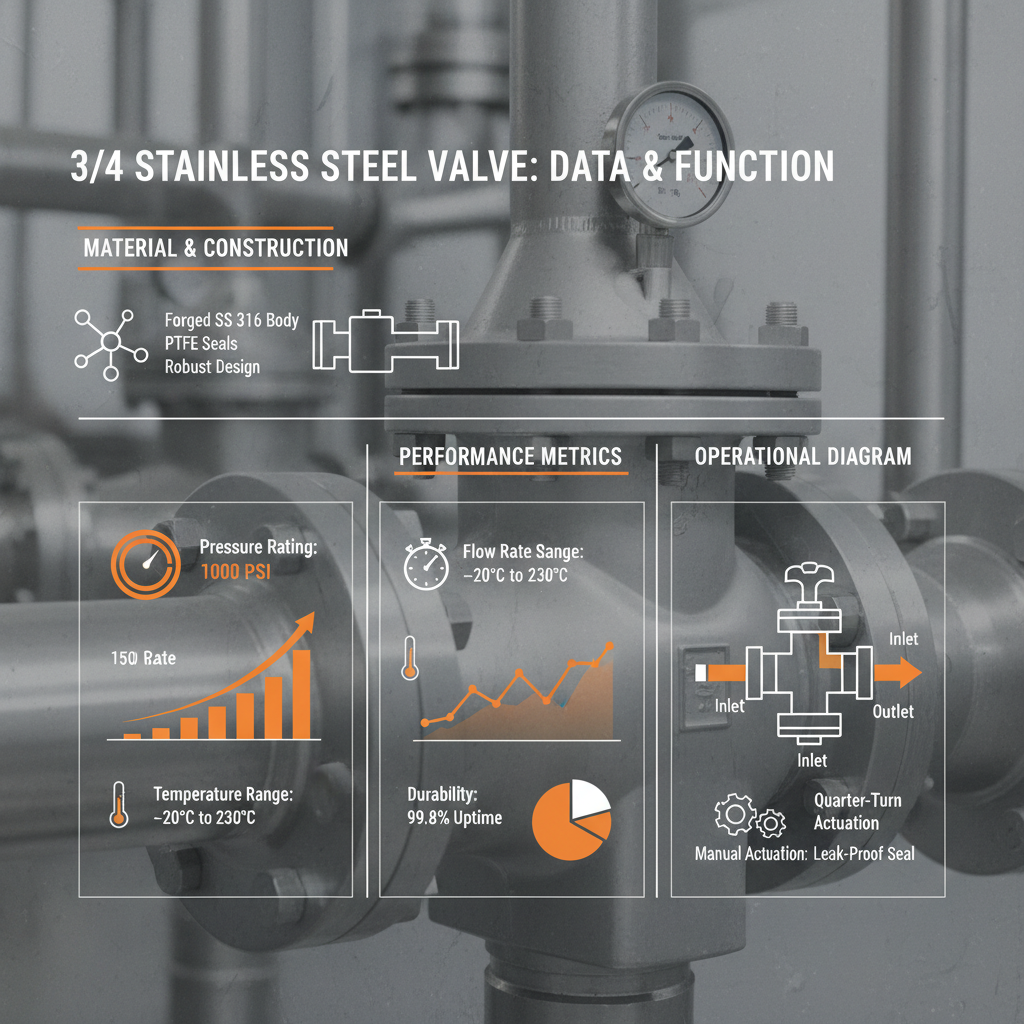
The performance of a 3 4 stainless valve is judged by several key metrics. Pressure rating, expressed in PSI or Bar, indicates the maximum pressure the valve can safely withstand. Flow coefficient (Cv) measures the valve’s capacity to pass a specific volume of fluid at a given pressure drop. Selecting a valve with the appropriate Cv value is crucial for achieving desired flow rates.
Leakage rate is another critical KPI, especially in applications where fluid loss is unacceptable. Tight shut-off valves, such as ball or butterfly valves, offer minimal leakage. Temperature range defines the operational limits of the valve; exceeding these limits can compromise material integrity. Finally, cycle life indicates the number of open/close cycles the valve can reliably perform before requiring maintenance or replacement.
3 4 Stainless Valve Performance Comparison
Global Applications of 3 4 Stainless Valve
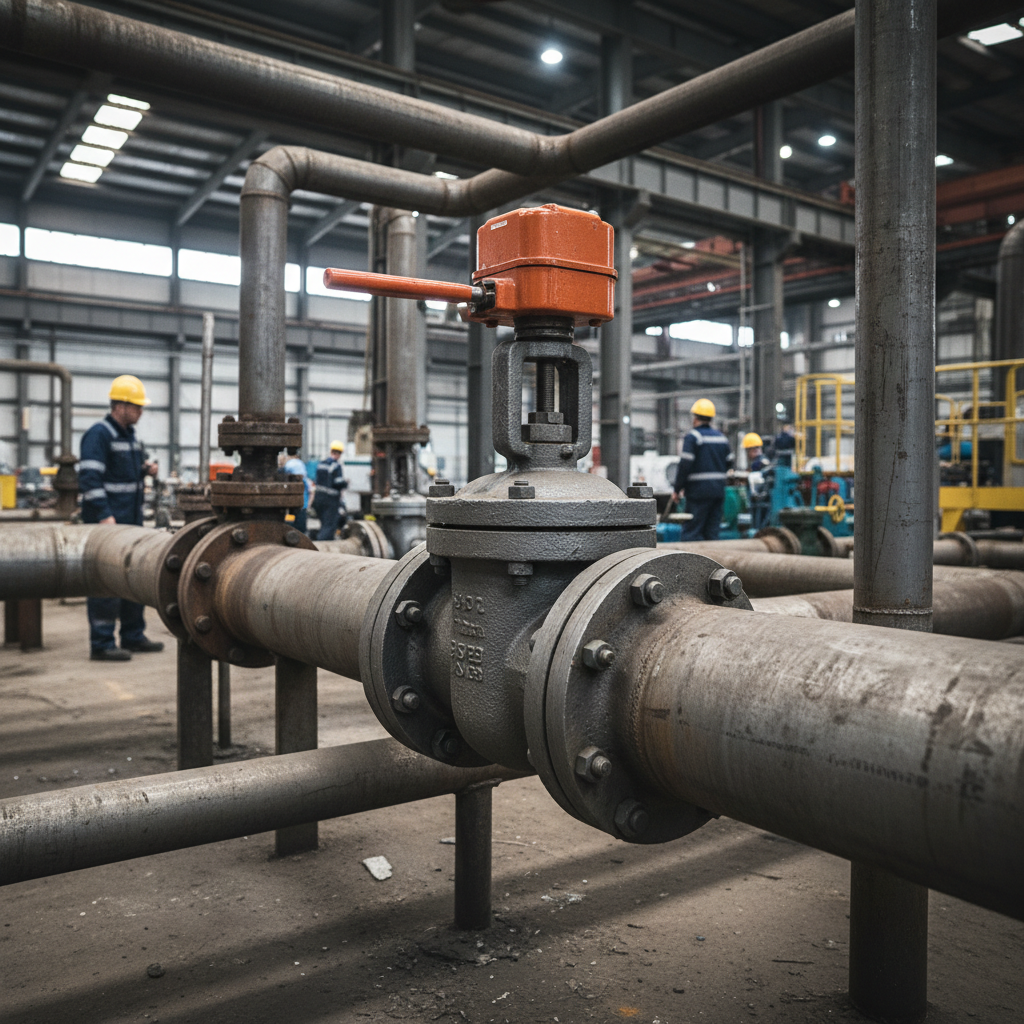
The 3 4 stainless valve finds widespread application across numerous industries. In the food and beverage sector, they are used for controlling the flow of liquids like milk, juice, and beer, ensuring hygienic and efficient processing. Chemical processing plants rely on these valves for handling corrosive substances, benefiting from their excellent chemical resistance.
Water treatment facilities utilize 3 4 stainless valves to regulate water flow, manage chemical dosing, and ensure water quality. Pharmaceutical manufacturers employ them for precise fluid control in drug production, adhering to stringent cleanliness standards. Even in residential applications, they are used in plumbing systems, irrigation, and heating/cooling systems where durability and corrosion resistance are paramount.
Geographically, demand for 3 4 stainless valve is particularly strong in industrialized regions like North America, Europe, and Asia-Pacific. Rapid urbanization and infrastructure development in emerging economies like China and India are further driving market growth.
Advantages and Value Proposition
Investing in a 3 4 stainless valve offers a compelling value proposition. Reduced maintenance costs are a significant benefit, stemming from the valve’s durability and corrosion resistance. Extended service life minimizes the need for frequent replacements, contributing to long-term cost savings. Improved process efficiency is another key advantage, as reliable flow control optimizes system performance.
Enhanced safety is paramount, especially in applications involving hazardous fluids. The robust construction of stainless steel valves reduces the risk of leaks or failures. Finally, compliance with industry regulations and standards – such as NSF/ANSI 61 for potable water systems – ensures peace of mind and avoids potential penalties.
Future Trends in 3 4 Stainless Valve Technology
The future of 3 4 stainless valve technology is shaped by several emerging trends. Smart valves, equipped with sensors and communication capabilities, are gaining traction. These valves provide real-time data on flow rates, pressure, and temperature, enabling predictive maintenance and optimized control. Automation and integration with industrial IoT (IIoT) platforms are becoming increasingly common.
Additive manufacturing (3D printing) offers the potential to create custom valve designs with complex geometries, tailored to specific application requirements. The development of new stainless steel alloys with enhanced corrosion resistance and mechanical properties is also ongoing. Sustainability considerations are driving demand for valves that minimize energy consumption and reduce waste.
The integration of digital twins – virtual replicas of physical valves – will enable remote monitoring, diagnostics, and optimization, further enhancing operational efficiency.
Challenges and Solutions
Despite their advantages, 3 4 stainless valves face certain challenges. High initial cost compared to other materials can be a barrier, especially for budget-constrained projects. Supply chain disruptions and fluctuating raw material prices can impact availability and lead times. Ensuring proper installation and maintenance is crucial for optimal performance; improper installation can compromise valve integrity.
Solutions include exploring alternative sourcing options to mitigate cost concerns. Developing robust supply chain management strategies can address availability issues. Providing comprehensive training and documentation on proper installation and maintenance procedures is essential. Embracing digital tools for predictive maintenance can proactively identify potential problems and prevent costly failures.
Ongoing research and development efforts are focused on reducing manufacturing costs and improving the overall efficiency of 3 4 stainless valve production.
Summary of 3 4 Stainless Valve Challenges and Corresponding Solutions
| Challenge |
Impact on 3 4 Stainless Valve |
Solution |
Implementation Difficulty (1-5) |
| High Initial Cost |
Can hinder adoption in cost-sensitive projects. |
Explore alternative suppliers, value engineering. |
3 |
| Supply Chain Disruptions |
Lead time increases, price volatility. |
Diversify sourcing, build inventory buffers. |
4 |
| Improper Installation |
Compromises valve integrity, leads to leaks. |
Comprehensive training programs, clear installation guides. |
2 |
| Maintenance Neglect |
Reduces valve lifespan, increases failure risk. |
Scheduled maintenance checks, predictive maintenance systems. |
3 |
| Corrosion in Specific Environments |
Can impact valve performance over time. |
Select appropriate stainless steel grade (316 vs. 304). |
2 |
| Lack of Skilled Technicians |
Improper repairs, diagnostic errors. |
Invest in technician training, certifications. |
4 |
FAQS
While both 304 and 316 stainless steel offer excellent corrosion resistance, 316 contains molybdenum, which significantly enhances its resistance to chloride corrosion. This makes 316 the preferred choice for marine environments, chemical processing, or any application where exposure to chlorides is likely. 304 is generally sufficient for less corrosive environments and is often more cost-effective.
With proper installation and regular maintenance, a 3 4 stainless valve can easily last 10-20 years or even longer. Regular inspection, cleaning, and lubrication are crucial. Replacing seals and gaskets as needed will also extend the valve's lifespan. The specific lifespan depends on the application, fluid handled, and operating conditions.
Common valve types include ball valves (for quick on/off control), gate valves (for infrequent on/off control), globe valves (for throttling and flow regulation), check valves (to prevent backflow), and butterfly valves (for large flow rates and lower pressure drops). The best choice depends on the specific application requirements.
The pressure rating should always exceed the maximum operating pressure of the system. Consider potential pressure surges or fluctuations. Consult the valve manufacturer’s specifications and ensure the valve is rated for the intended application. Using a valve with an inadequate pressure rating can lead to catastrophic failure.
Stainless steel offers superior corrosion resistance, durability, and temperature tolerance compared to brass and most plastics. While brass is more affordable, it’s susceptible to corrosion in many environments. Plastics may have limitations in terms of pressure and temperature handling. Stainless steel also offers better hygienic properties.
Typical maintenance includes periodic inspection for leaks, corrosion, or damage. Cleaning the valve body and internal components is also important. Lubricating moving parts and replacing seals and gaskets as needed will extend the valve’s lifespan. Regular preventative maintenance can prevent costly downtime and repairs.
Conclusion
The 3 4 stainless valve remains a cornerstone of fluid control systems across a diverse range of industries. Its inherent durability, corrosion resistance, and versatility contribute to operational efficiency, safety, and long-term cost savings. Understanding the key characteristics, performance indicators, and emerging trends surrounding these valves is crucial for informed decision-making.
Looking ahead, the integration of smart technologies and the development of advanced materials will further enhance the performance and reliability of 3 4 stainless valve solutions. By embracing these innovations and prioritizing preventative maintenance, organizations can unlock the full potential of these critical components and ensure the continued integrity of their fluid handling systems. For high-quality 3 4 stainless valve solutions, visit our website: https://www.houdevalve.com