Ball Valve Types: A Guide for Industrial Use
Understanding Ball Valve Types for Industrial Applications
You know, after spending years in this business – industrial equipment, specifically fluid handling – you start to see patterns. And one pattern is constant demand for reliable valves. Specifically, ball valves. They’re just…workhorses. Simple, effective, and frankly, if you specify the right one for the job, they just keep going. I’ve seen some still functioning perfectly after decades of abuse, and I've seen others fail within months because the spec was off. It’s all in the details, as they say. The sheer number of options available—different materials, port configurations, actuation types—can be overwhelming, even for experienced engineers. I suppose that’s where understanding the core types really becomes crucial. We get a lot of questions about it at Houde Valve. (Learn more at Houde Valve)Decoding the Different Configurations
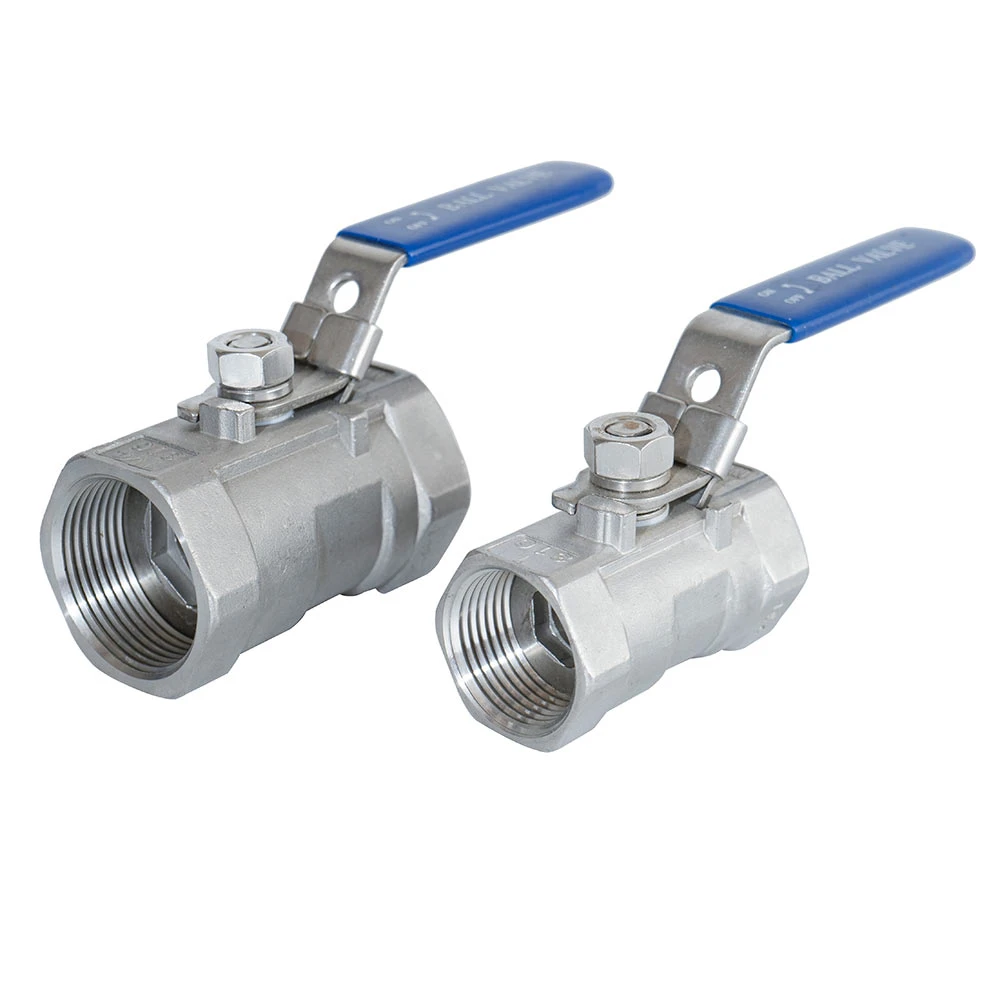
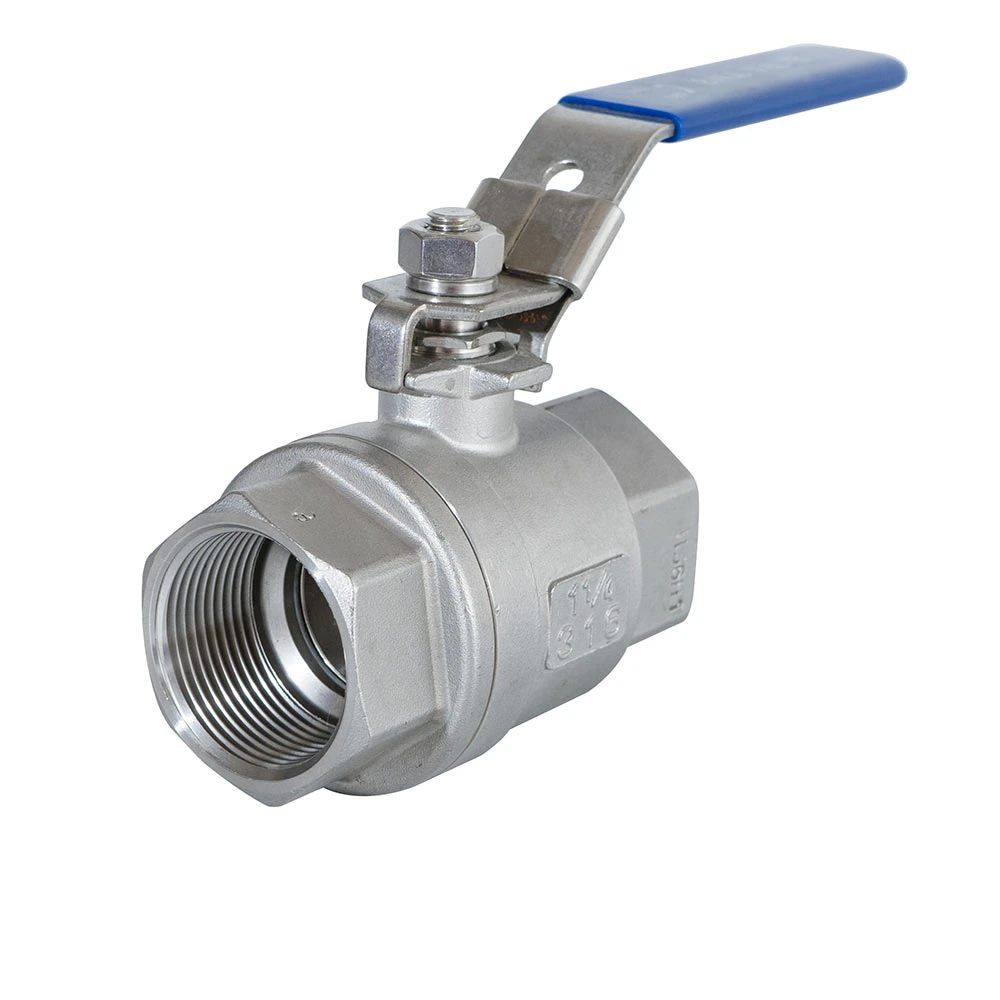
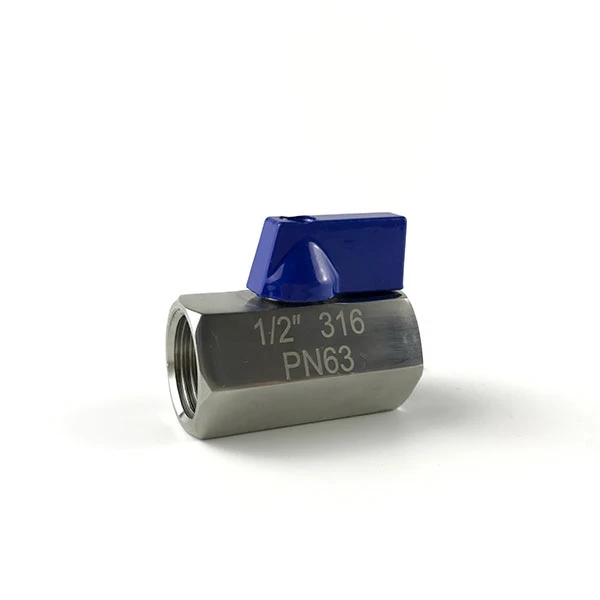
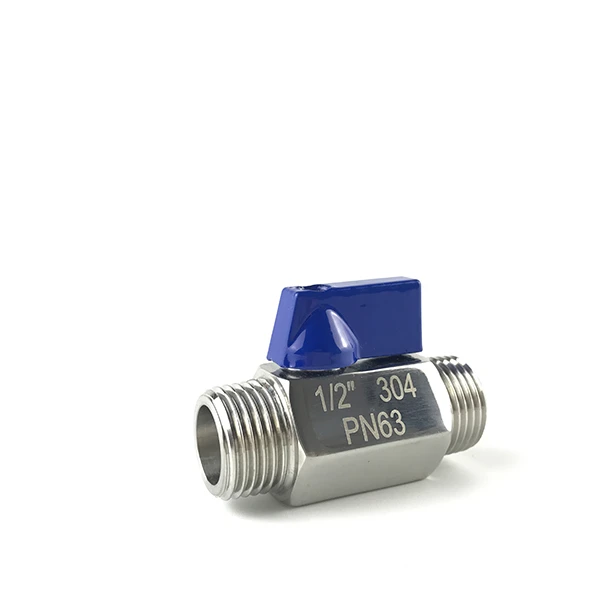
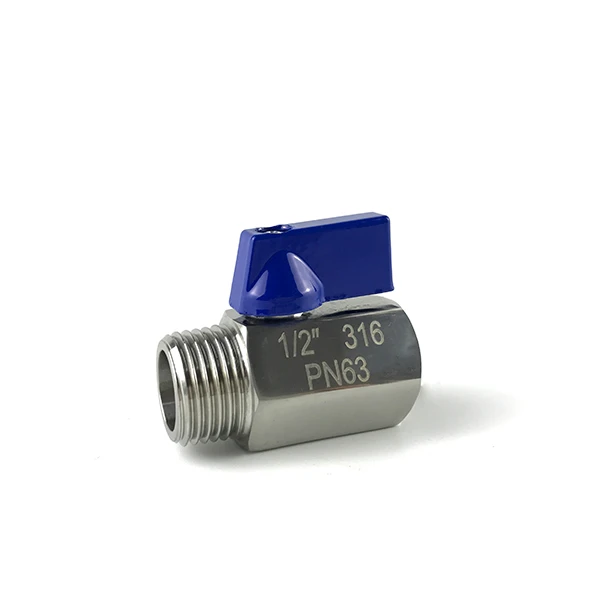
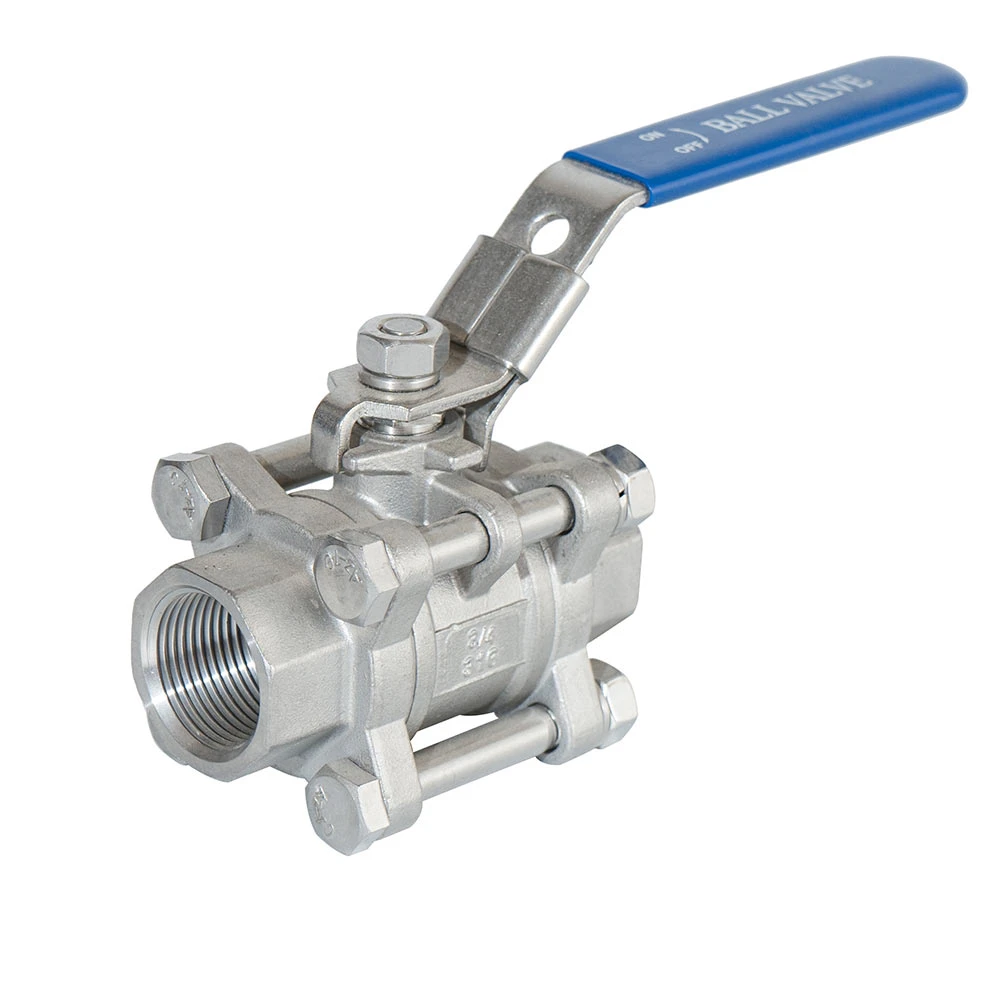
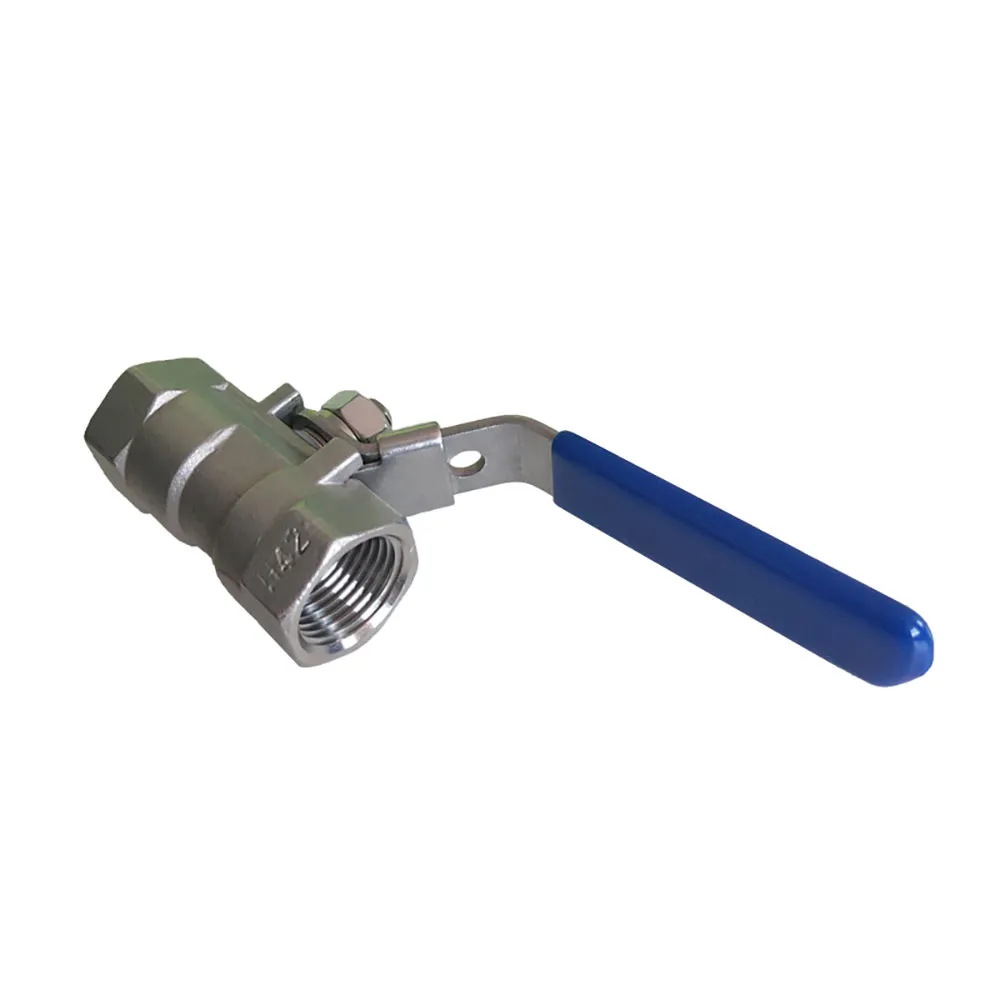
So, let's break down some of the key ball valve types. First, you’ve got your full port versus reduced port valves. Full port, as the name suggests, have an inner diameter equal to the pipe’s inner diameter, minimizing friction loss. These are ideal for systems where flow restriction is a concern. Reduced port valves have a smaller bore, which creates some pressure drop, but they're often more economical. Then there’s the material. Stainless steel – 304, 316 – is the standard for corrosion resistance, but carbon steel is a workhorse for many applications, often with coatings applied. Plastic ball valves, like PVC or CPVC, are great for highly corrosive fluids, but obviously have temperature and pressure limitations. I remember one project, years ago, where someone tried to use a PVC ball valve in a steam line… not a good day. Here’s a quick look at some common specs:| Parameter | Specification | Notes |
|---|---|---|
| Material | 316 Stainless Steel | Excellent corrosion resistance |
| Pressure Rating | Up to 10,000 PSI | Depending on design |
| Temperature Range | -60°C to 200°C | Varies with seal material |
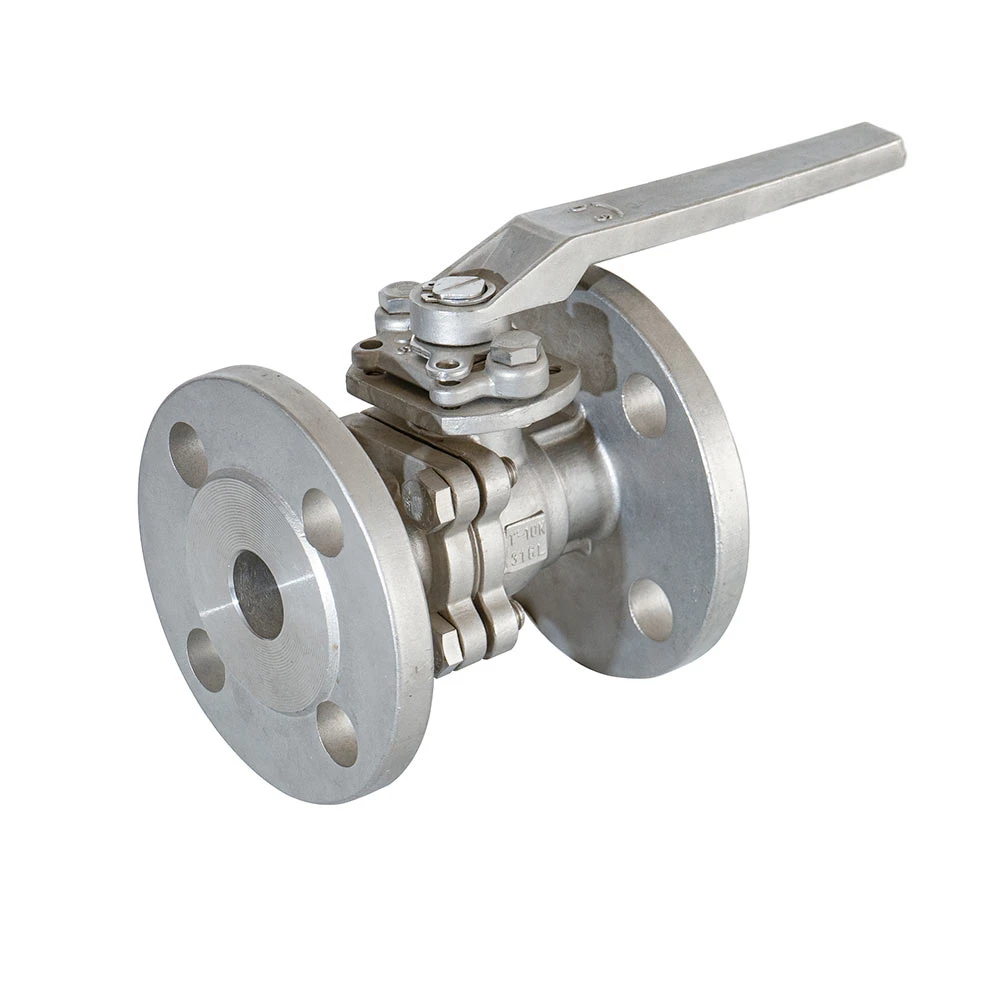
| Connection Type | NPT, Flange, Socket Weld | Common industry standards |
Vendor Landscape and Key Considerations
Choosing a vendor is almost as important as choosing the valve itself. There’s a lot of variation in quality, lead times, and support. I've noticed a trend towards more specialized suppliers, those who really focus on ball valves (and related products) rather than trying to be everything to everyone. Oddly enough, price isn’t always the most important factor. Reliability and availability are often worth paying a premium for, especially in critical applications. We’ve had good experiences with both established players and some newer, agile manufacturers. Here’s a quick comparison of a few:| Vendor | Product Range | Lead Time | Customer Support |
|---|---|---|---|
| Houde Valve | Extensive, specialized in ball valves | Competitive, often stock available | Responsive, engineering support available |
| Flowserve | Broad, all valve types | Longer, often made to order | Good, but can be bureaucratic |
| Emerson | Wide range, automation focused | Moderate | Strong, digital resources |
Final Thoughts
Choosing the right ball valve isn’t just about specs on a datasheet; it’s about understanding the system it's going into. And it feels like that's often overlooked. A seemingly small detail – like the seat material – can make all the difference in longevity and performance.
References:
- Crane Technical Paper No. 410: A Comprehensive Guide to Ball Valves
- ISA Standards on Valve Actuation
- Personal experience in industrial fluid handling systems, 2010-2024