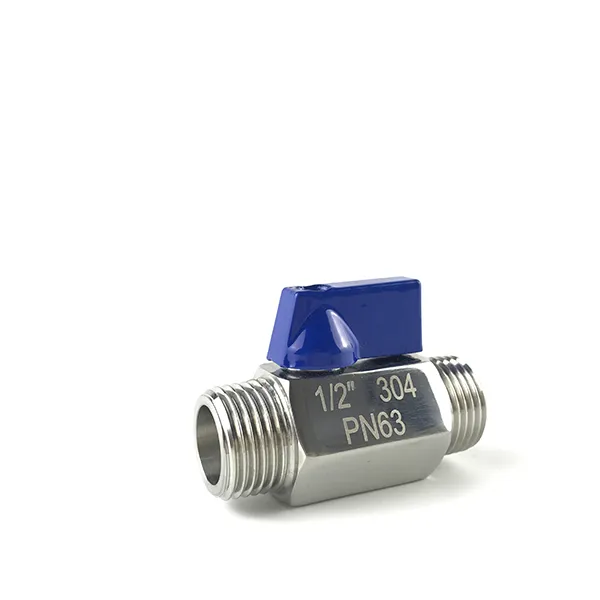
Stainless Steel Valves: Durable Solutions for Demanding Industrial Needs
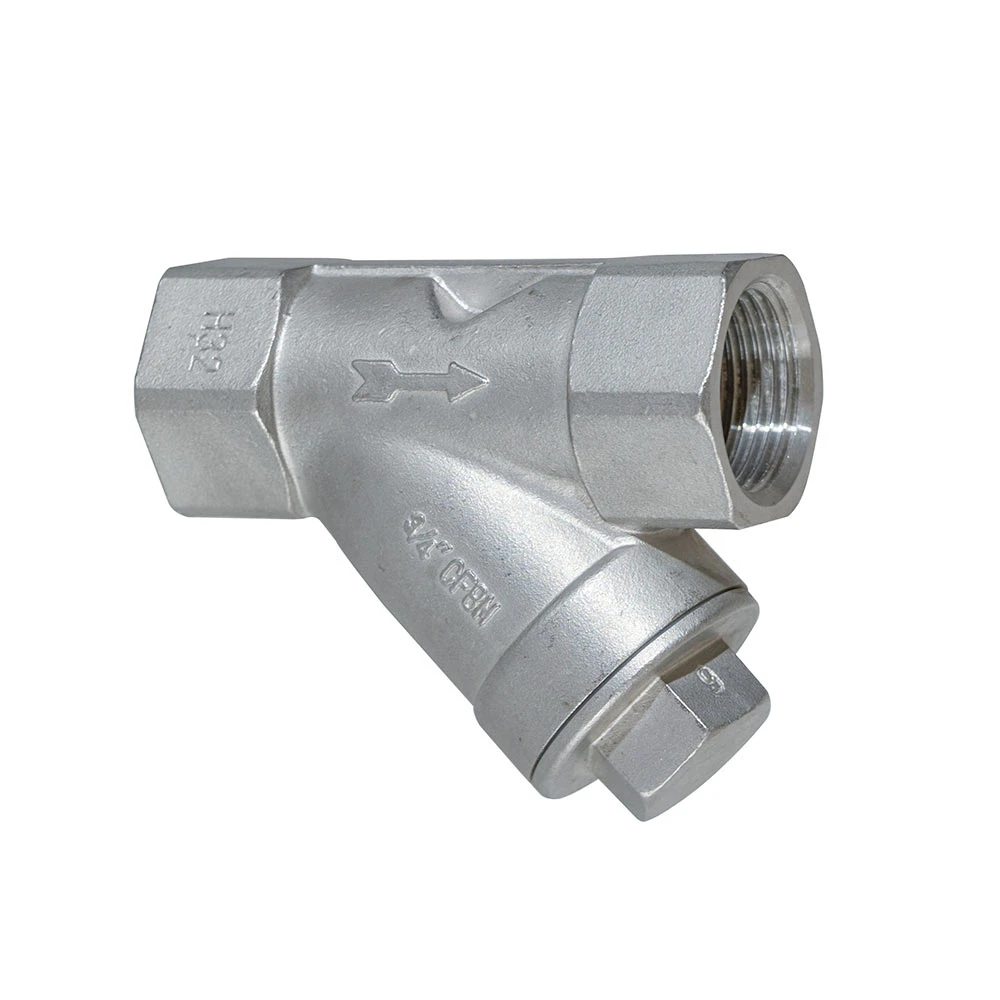
After spending more than a decade in the industrial equipment sector, I’ve come to appreciate how much the choice of stainless steel valves can influence the long-term reliability and safety of a plant. Steel valves often feel like the unsung heroes of piping systems – enduring corrosive fluids, high temperatures, and demanding pressure cycles without fuss. Frankly, if you’re managing chemical or food processing operations, your valve selection matters far beyond just the specs on paper.
Oddly enough, not all stainless steels are created equal. In my experience, the most widely used alloys in valves are the 304 and 316 grades, each with distinct benefits. 316, with its added molybdenum, tends to resist pitting corrosion better in chloride environments, a detail many engineers swear by in coastal or marine-adjacent plants. That said, 304's cost-effectiveness and solid corrosion resistance make it a default in less aggressive applications.
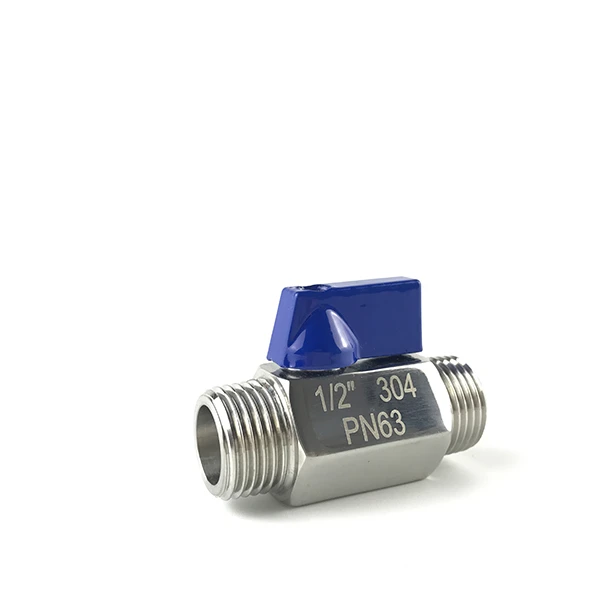
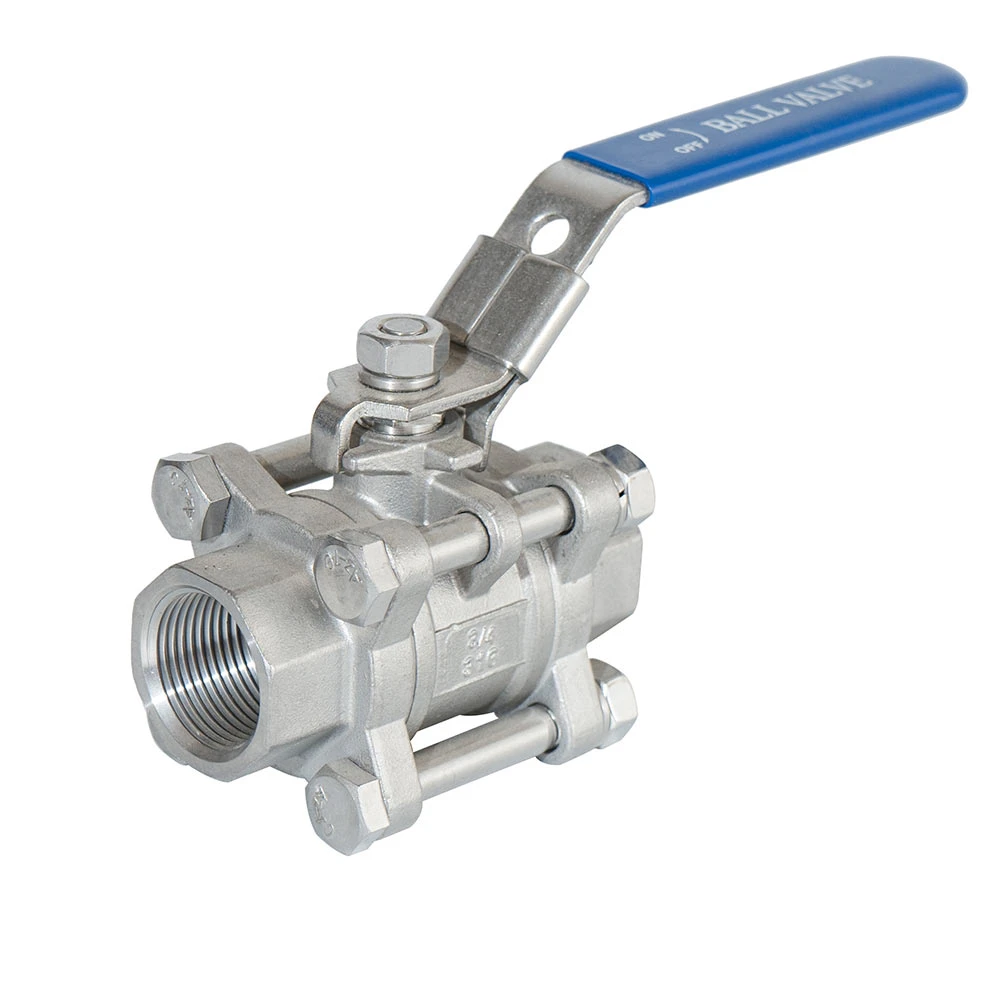
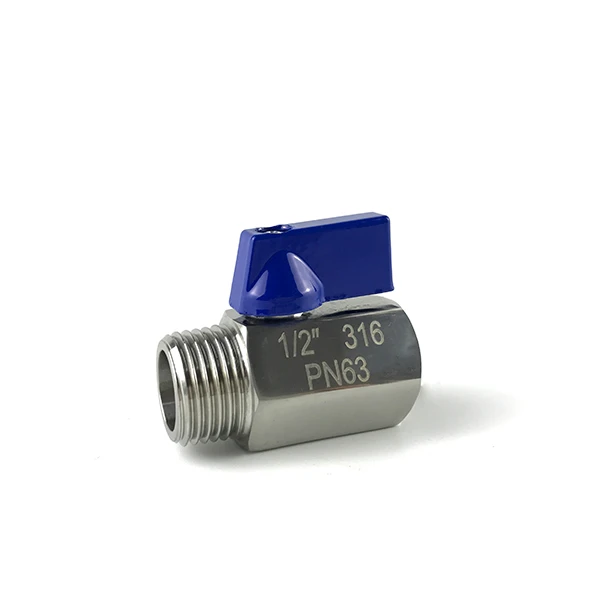
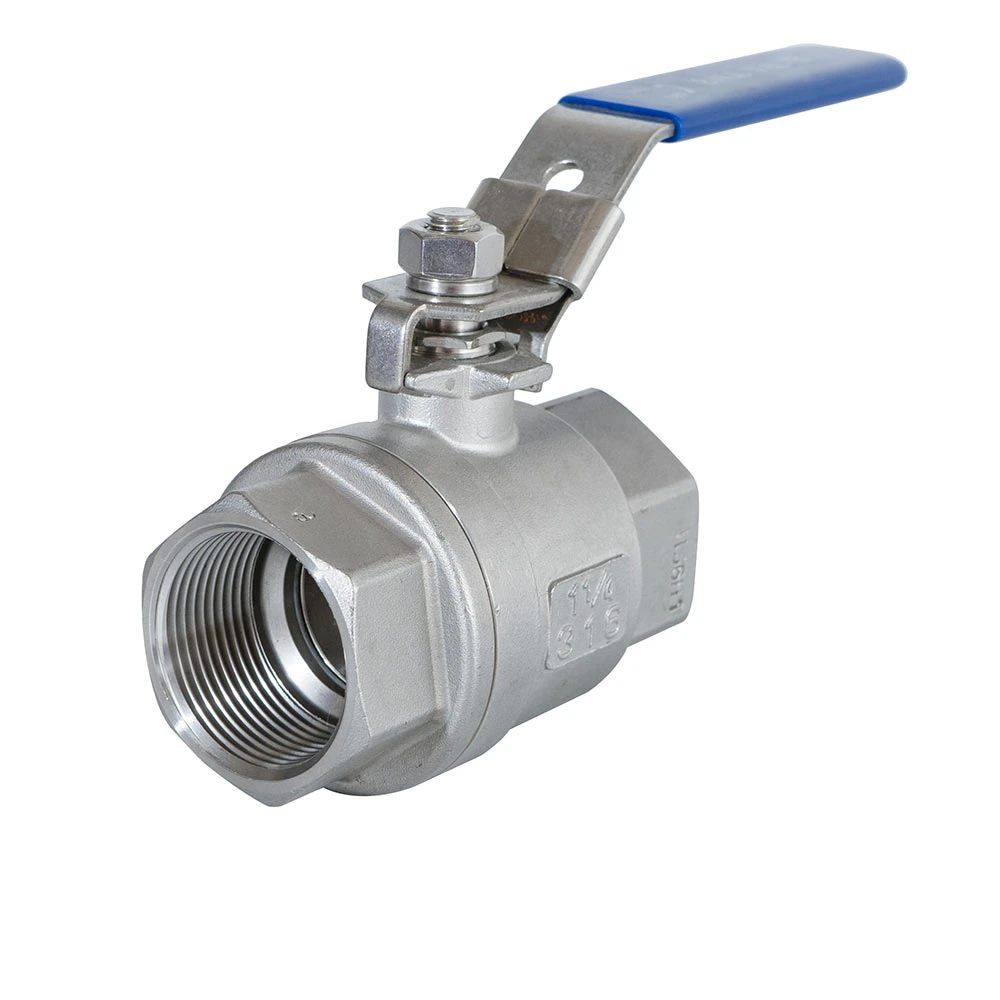
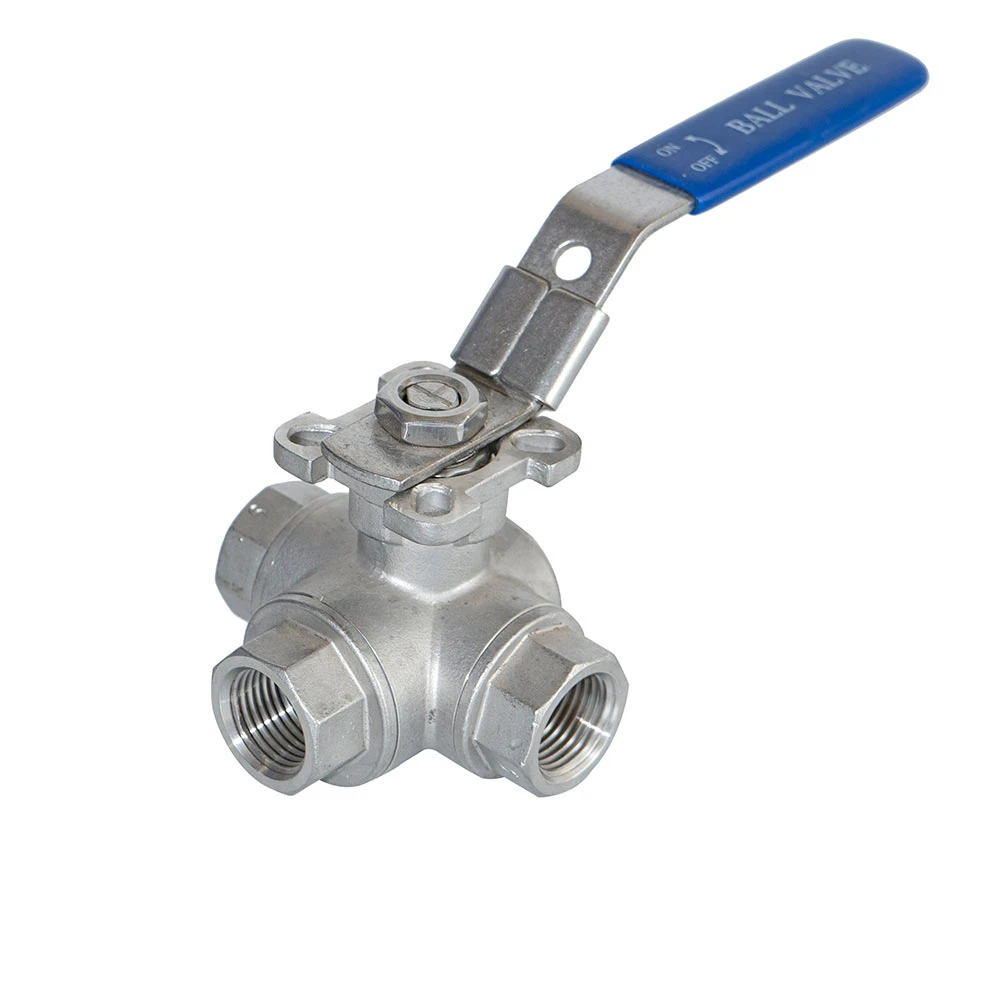
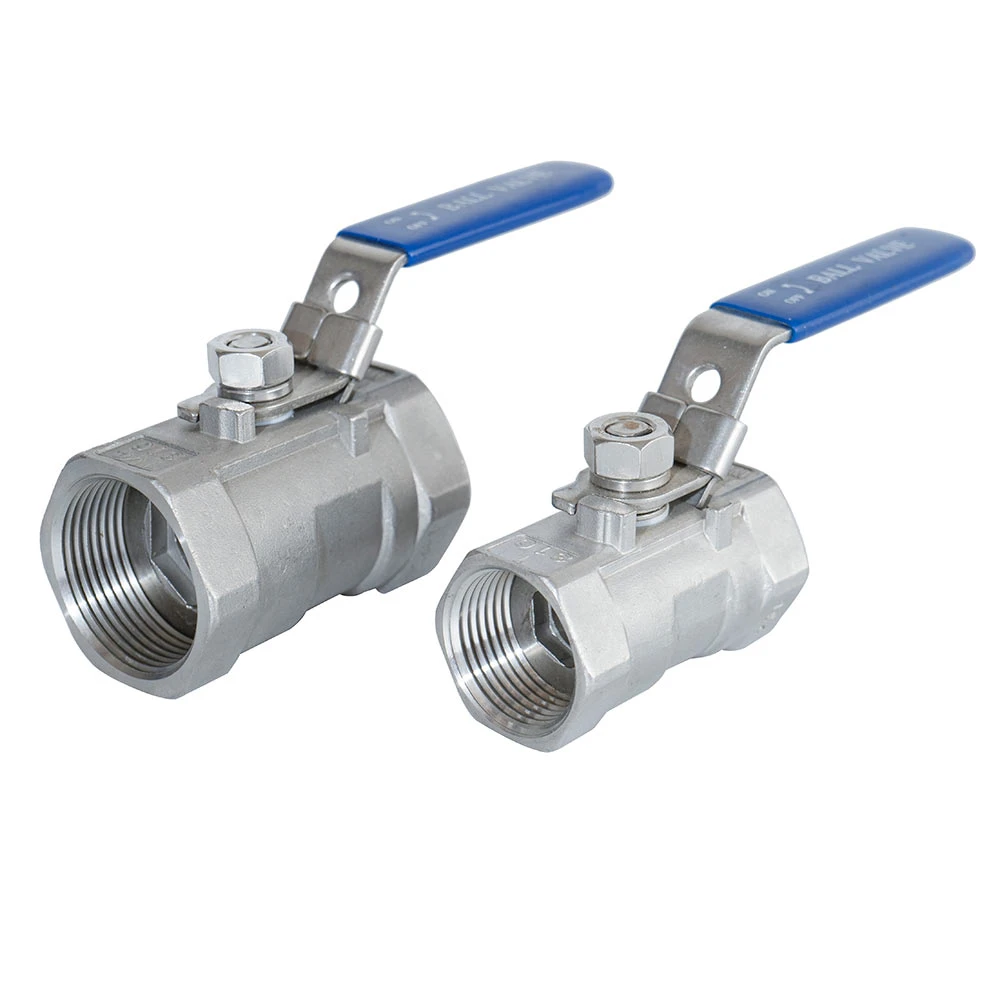
You know, valve designs themselves vary quite a bit: ball valves, gate valves, globe valves, and butterfly valves – each optimized for certain flow control needs. Ball valves, for example, are renowned for tight sealing and quick quarter-turn operation, making them quite popular for automated systems that require reliability and speed. I remember a project where upgrading to stainless steel ball valves noticeably reduced downtime caused by leaky cast iron valves corroded over time.
Another thing I’ve learned over years (and it’s easy to overlook) is how critical testing and certifications are, especially when dealing with hygienic or hazardous applications. Valves meeting API 6D or ISO 15848 standards are more than just a sticker — they reflect rigorous pressure, leakage, and temperature testing. This assurance is vital for plant managers who need peace of mind that valves won’t give out unexpectedly.
Key Specifications of Typical Stainless Steel Valves
| Specification | Typical Value/Range |
|---|---|
| Material Grades | 304, 316, 316L stainless steel |
| Pressure Rating | Class 150 to 600 (ANSI) |
| Temperature Range | -50°C to 400°C (-58°F to 752°F) |
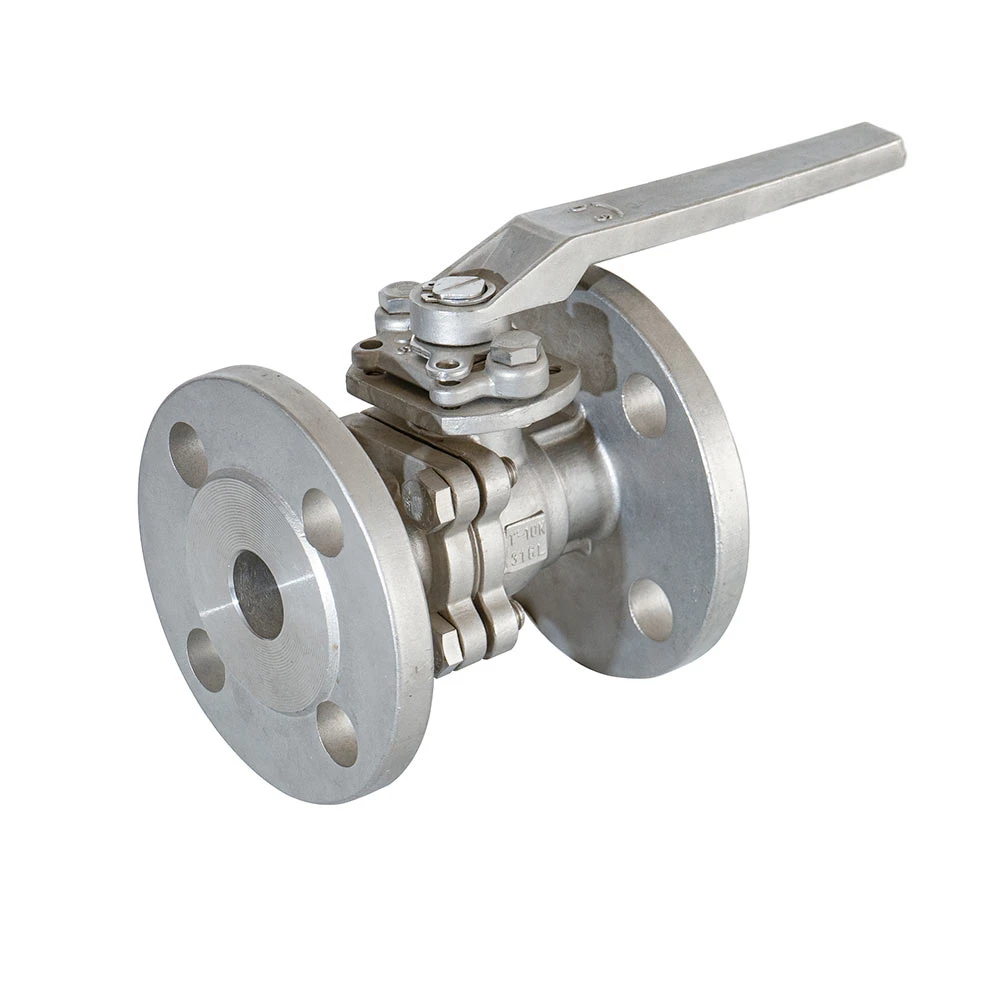
| Connection Types | Flanged, threaded, welded |
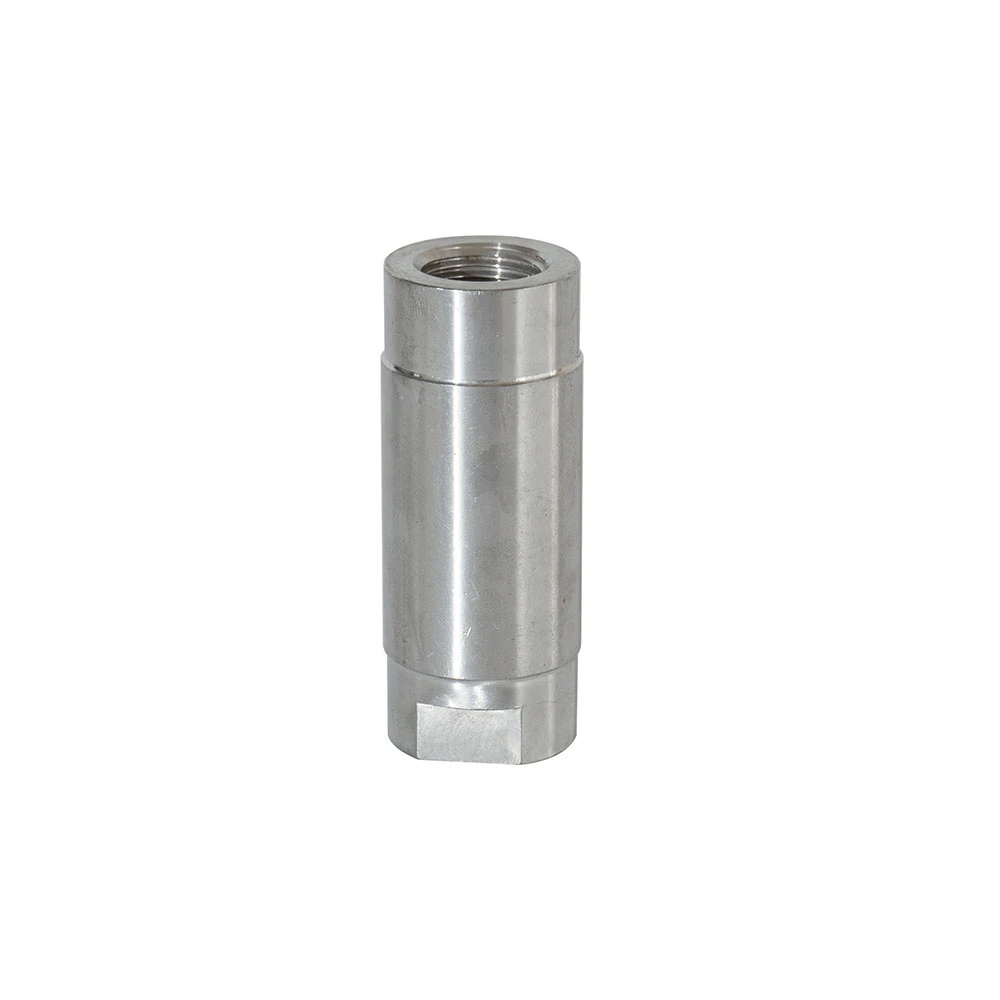
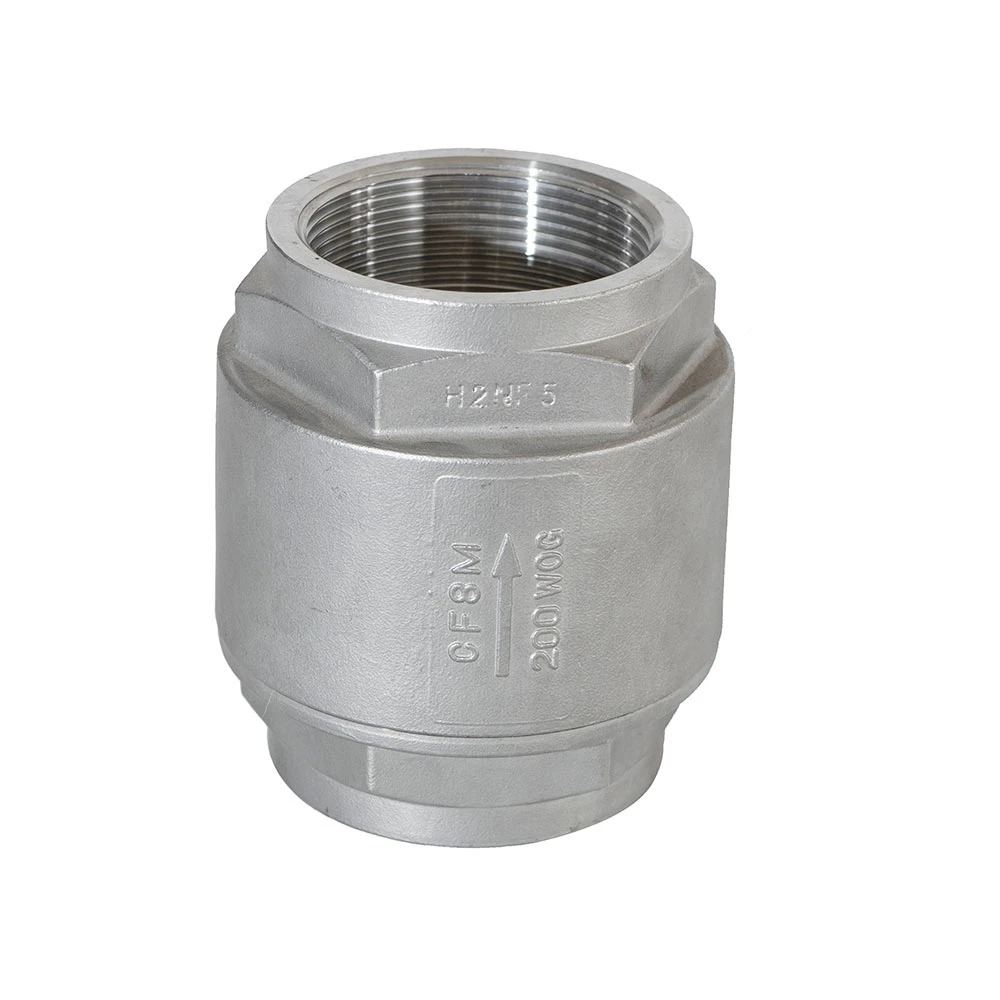
| Valve Types | Ball, gate, globe, butterfly |
Customization is another big selling point I've noticed, especially for industries with niche requirements. You can often specify valve trims, seat materials, and actuation options to fit unique process conditions. For instance, in food processing plants, stainless steel valves that meet FDA compliance and have smooth, cleanable surfaces are a must. I once worked with a client who had persistent contamination issues until they swapped out older valves for FDA-grade stainless steel units with polished finishes — a real game changer.
Comparing Key Stainless Steel Valve Vendors
| Houde Valve | Vendor B | Vendor C | |
|---|---|---|---|
| Material Options | 304, 316, 316L (various grades) | 316 only | 304, 316 |
| Pressure Range | Class 150-600 | Up to Class 300 | Class 150-900 |
| Customization | Extensive options (actuators, trims) | Limited | Moderate |
| Certifications | API 6D, ISO 15848, FDA+ | API 6D only | ISO 15848, FDA |
If I had to boil it down, choosing the right stainless steel valve is part science, part art — you balance specs, experience, and, frankly, the peace of mind that comes with trusting your vendor. It feels like valves from Houde Valve cover a pretty comprehensive spectrum from material options to certifications and custom choices. Not to sound biased, but based on my years on-site, those little extra specs and testing make all the difference when scaling reliable operation.
So next time you assess your piping components, don’t overlook how versatility and durability in stainless steel valves quietly keep your whole process flowing smoothly.
References:
1. API Standards for Valves – API 6D
2. ISO 15848 – Industrial Valves Leakage Testing
3. Food and Drug Administration (FDA) Valve Materials Guidance