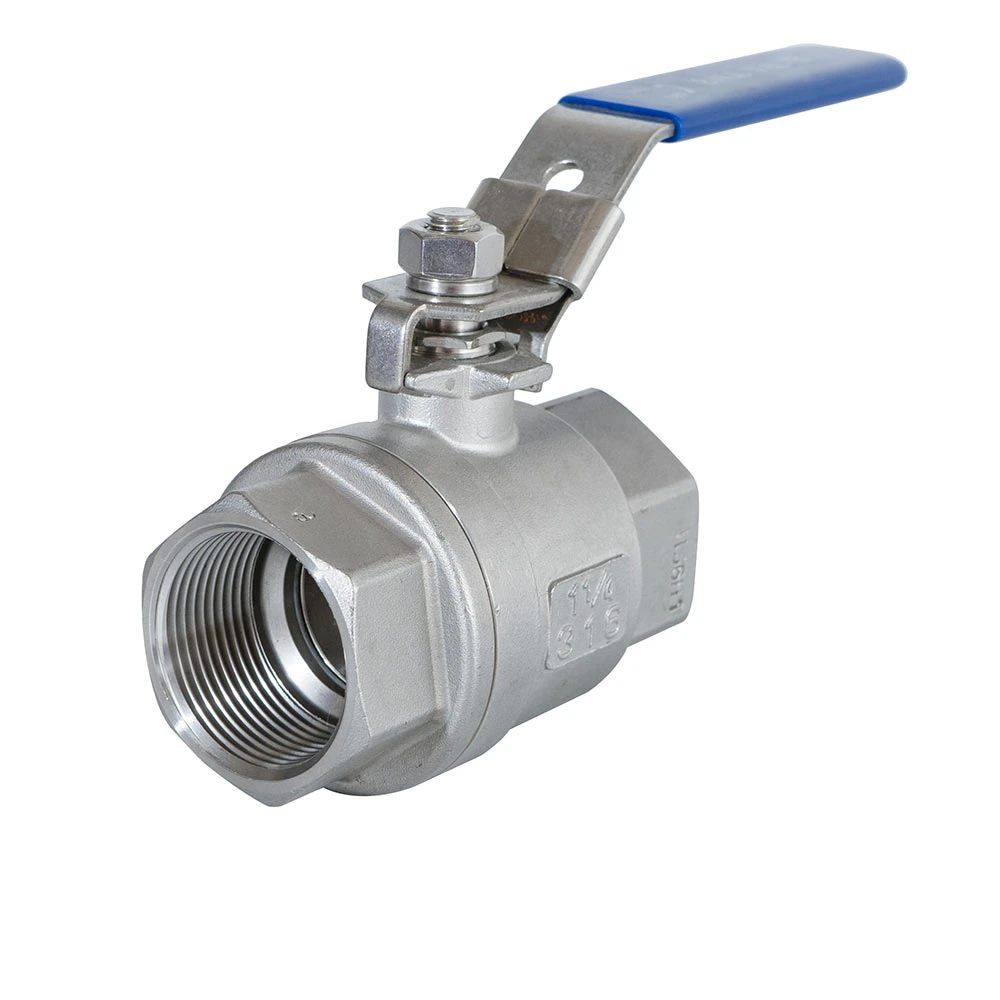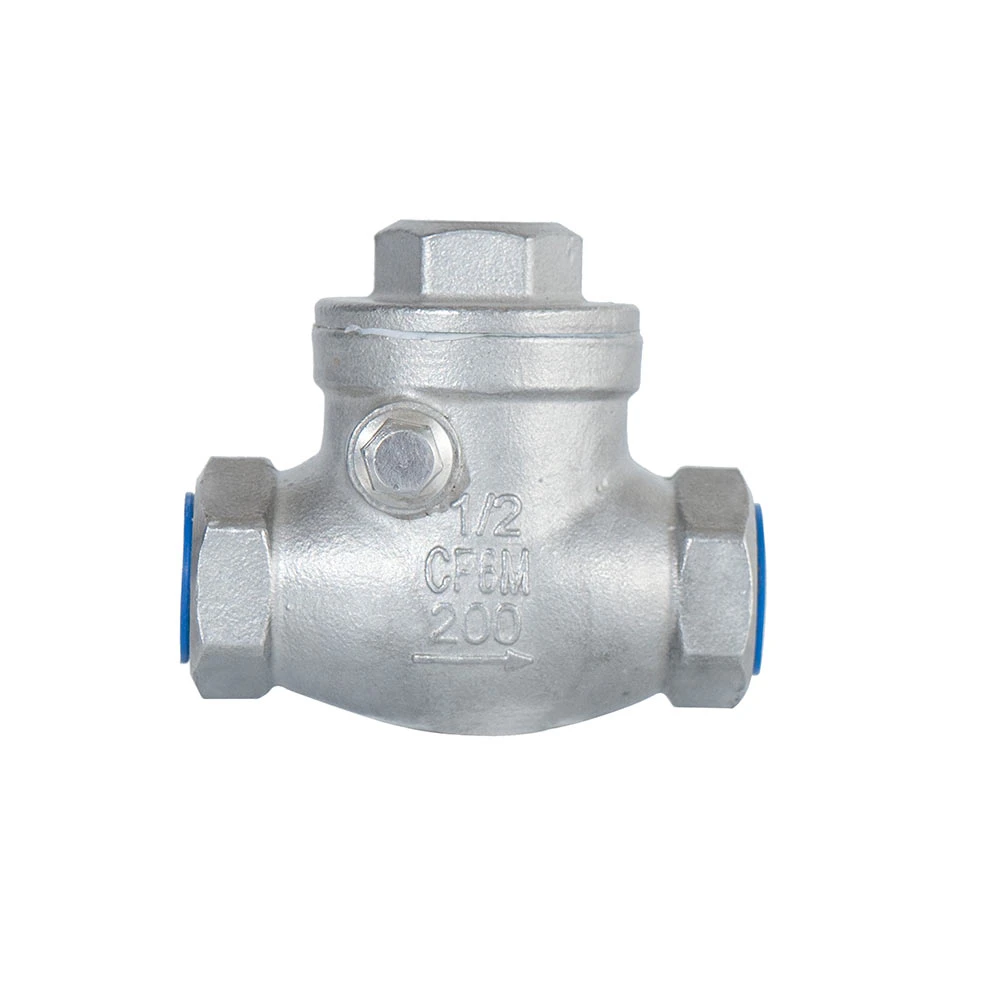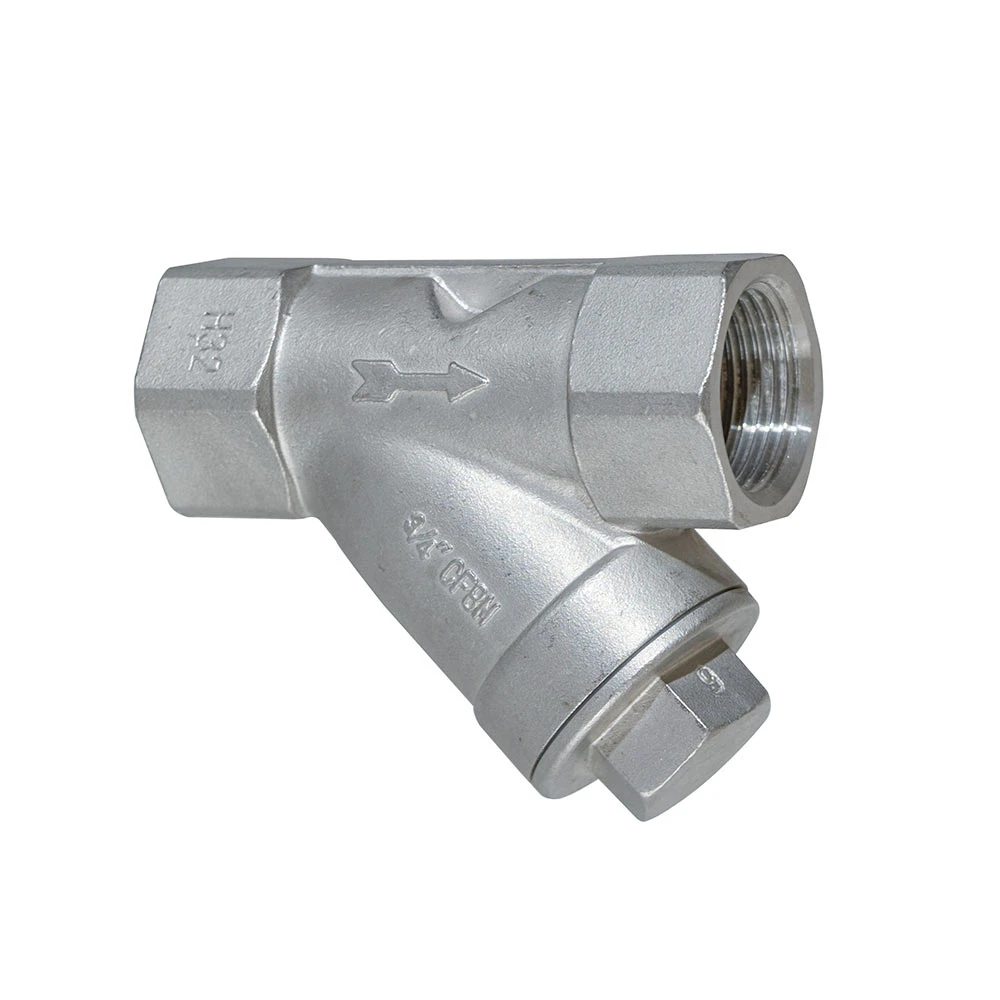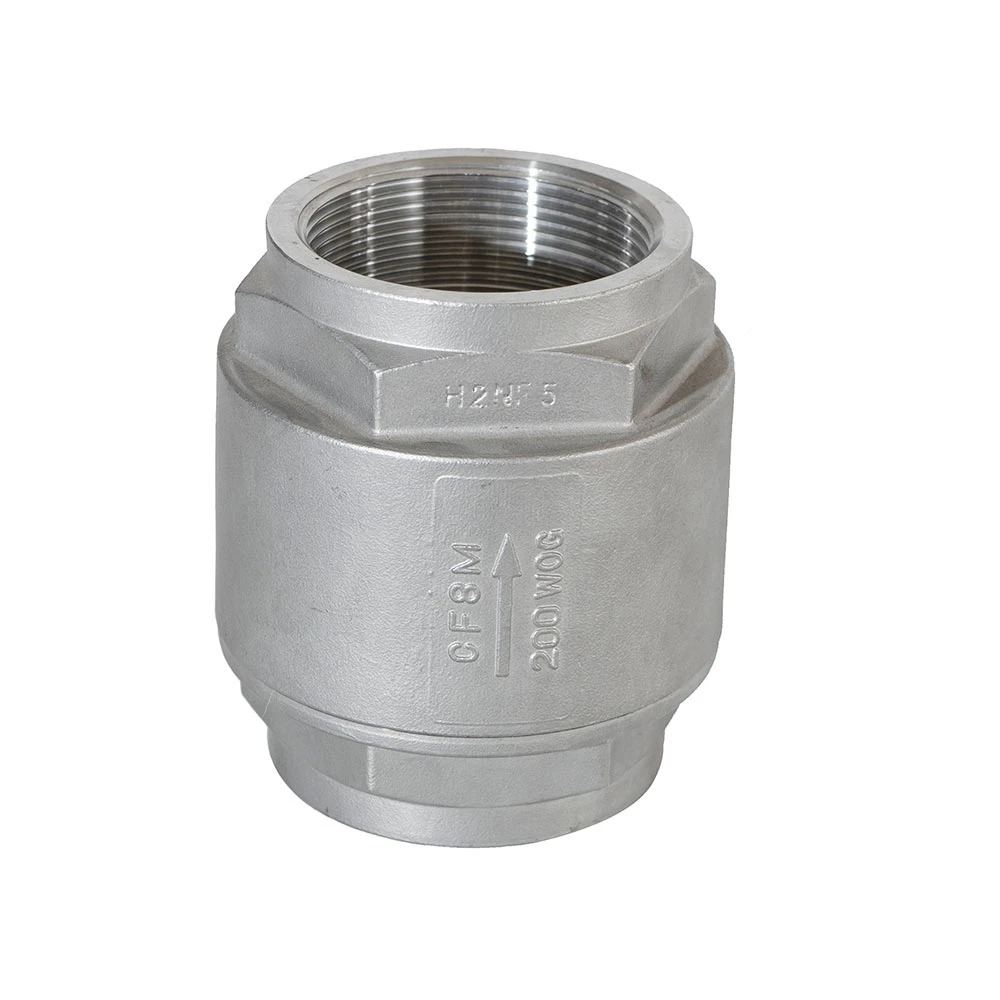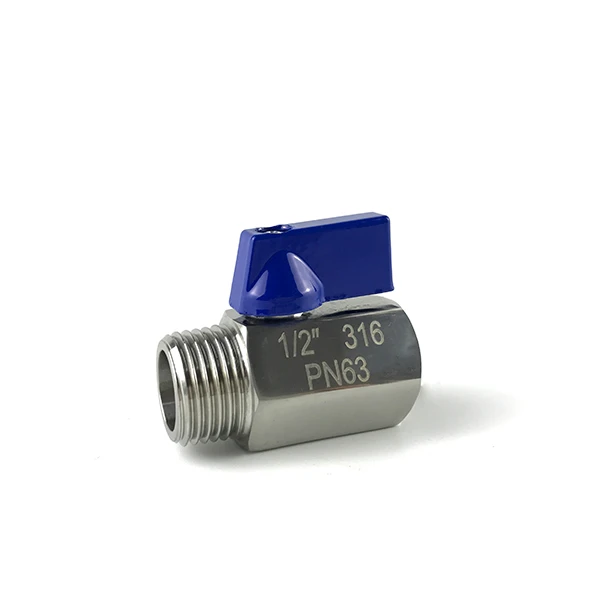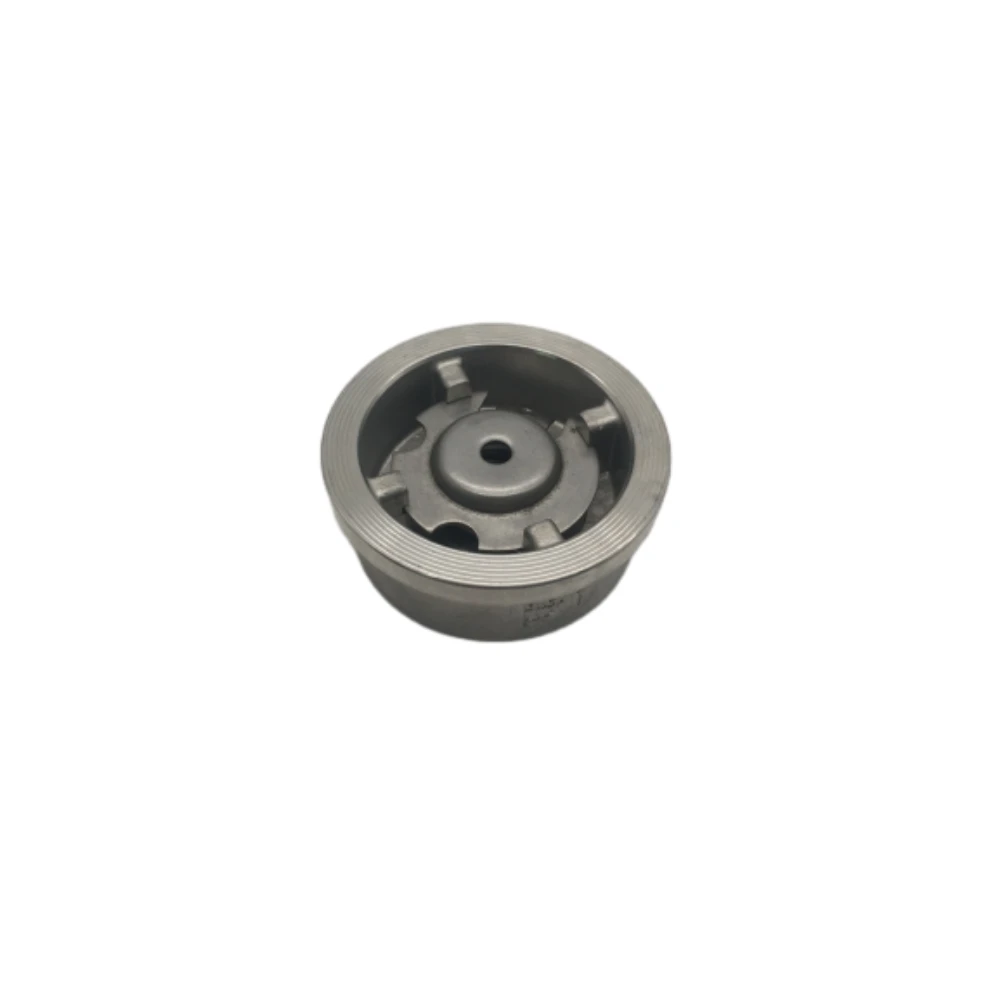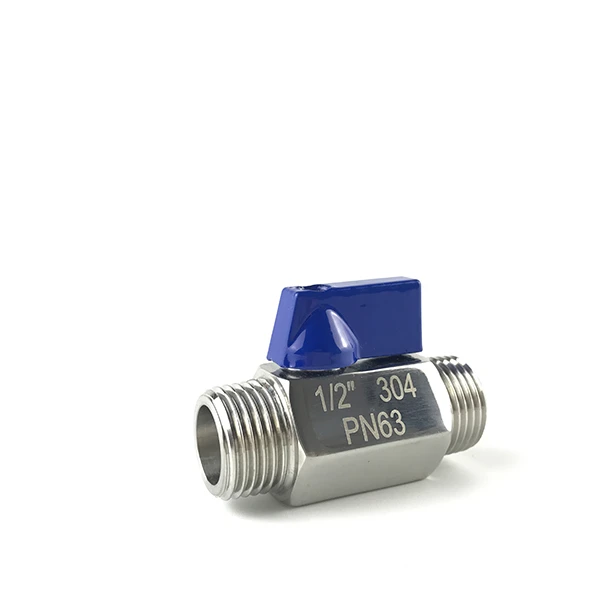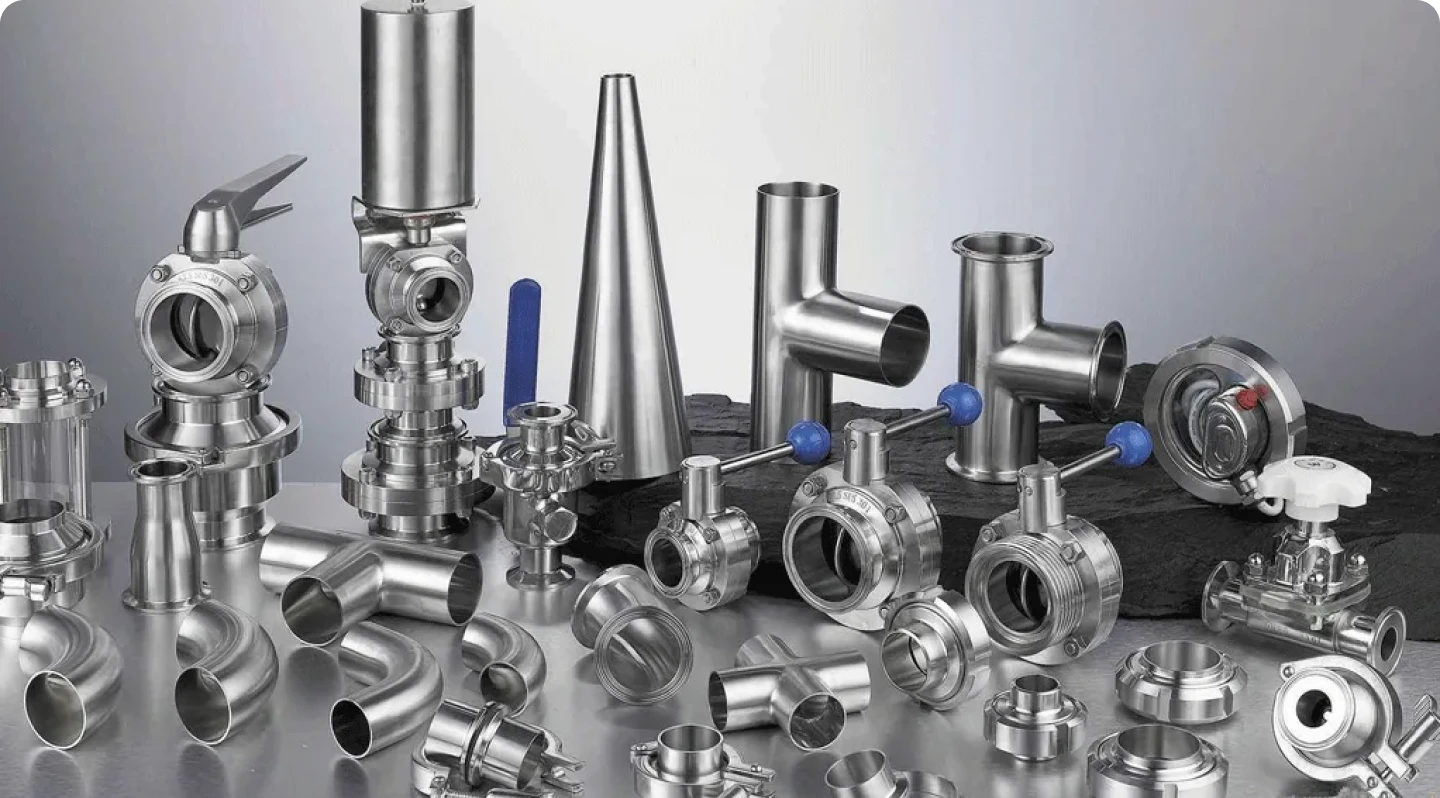
In industries like petroleum, chemical, and food processing, corrosive fluids wage a constant war on equipment—eroding metal, compromising seals, and causing costly downtime. The frontline defense against this battle? The ball valve. A well-engineered ball valve doesn’t just control flow; it resists corrosion, ensuring systems run safely and efficiently for years. For Cangzhou Houde Stainless Steel Products Co., Ltd., this battle has been central to their mission since 2010. As a professional enterprise specializing in stainless steel valves, Houde has turned ball valve manufacturing into a science of resilience, crafting tailored ball valves types—including the versatile 3 way ball valve—that thrive in the harshest corrosive environments. From their base in Cangzhou, Hebei Province, Houde’s ball valves have become trusted allies for global industries, proving that with premium materials, precision engineering, and customer-centric service, even the toughest corrosion challenges can be overcome.
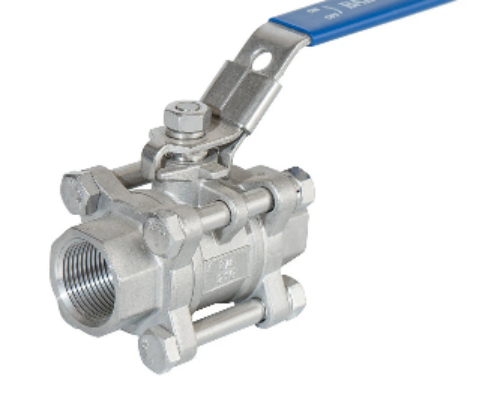
Houde’s Ball Valve Legacy: Building Resilience Since 2010
Cangzhou Houde Stainless Steel Products Co., Ltd. emerged in 2010 with a clear goal: to solve the industry’s biggest pain point—ordinary valves failing in corrosive conditions. Unlike generic manufacturers, Houde focused exclusively on stainless steel products, leveraging the material’s natural resistance to rust and chemical attack to craft durable ball valves. From the start, the company invested in advanced production equipment—including investment casting machines that create seamless, defect-free ball valve bodies—and assembled a top-notch technical team with decades of experience in valve design. This commitment to quality quickly set Houde apart as a leading stainless steel valve manufacturer, with their ball valves finding homes in petroleum refineries, chemical plants, and food processing facilities worldwide.
Houde’s success isn’t just about making ball valves—it’s about understanding their customers’ unique battles. For example, a chemical plant handling nitric acid needs a ball valve that resists acidic erosion; a food factory requires one that’s easy to clean and won’t leach contaminants. Houde’s team works closely with clients to tailor ball valves to these needs, whether adjusting materials (like using 316L stainless steel for extra corrosion resistance) or modifying designs (such as full-port openings for unobstructed flow). This customer-centric approach has turned first-time buyers into long-term partners, with many clients relying on Houde for all their ball valve needs.
Beyond production, Houde stands out for its after-sales support—a critical part of winning the corrosion battle. The company offers free technical training for customer personnel, teaching them how to install, maintain, and troubleshoot ball valves to maximize lifespan. For parts damage outside the warranty period, Houde only charges cost for replacements; even if damage is due to human error, they keep repair costs low. This level of service eliminates the “what if” worries for customers, ensuring their ball valves keep performing when it matters most.
Ball Valves Types: Tailored Tools for Every Corrosion Battle
Not all corrosive environments are the same—and neither should ball valves be. Houde’s strength lies in its diverse range of ball valves types, each engineered to address specific challenges. Whether a project needs simple on/off control, flow diversion, or high-pressure resistance, Houde has a ball valve designed for the job, all built with stainless steel to fight corrosion.
Let’s break down the key ball valves types Houde offers and their ideal uses:
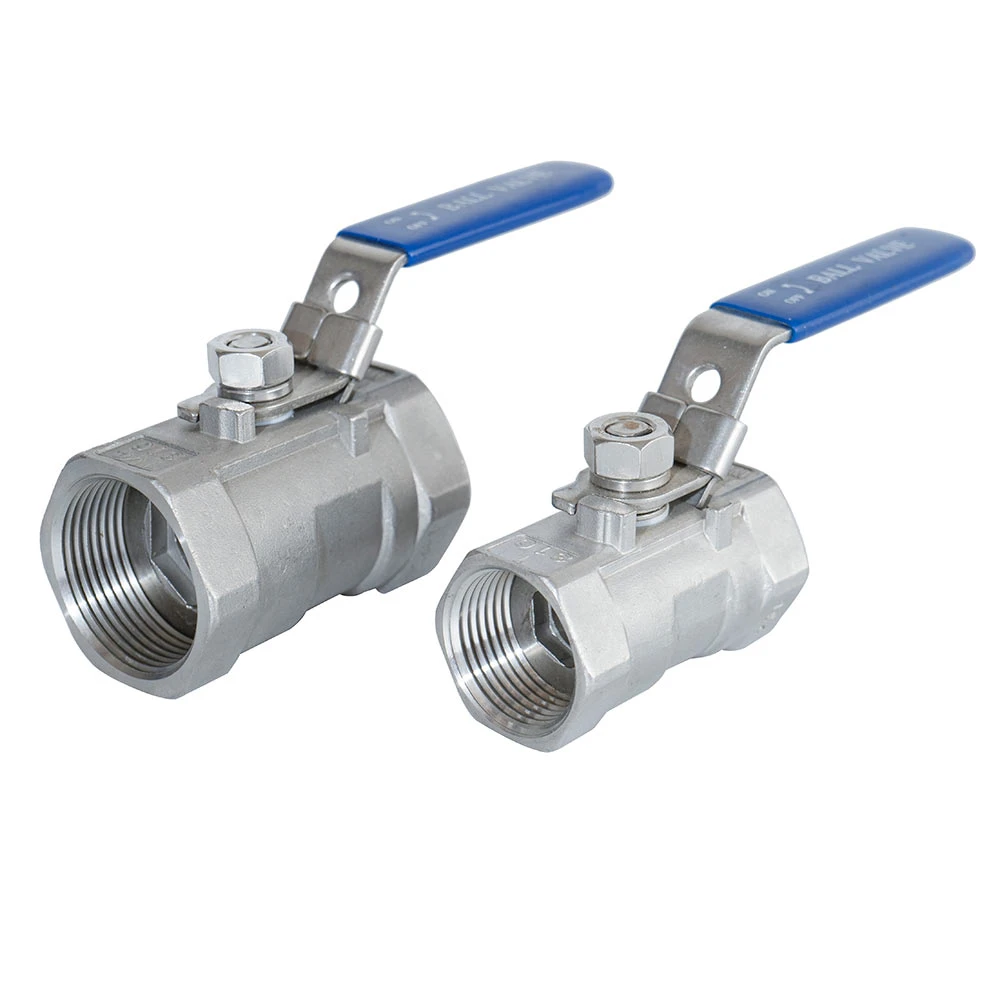
- Full-Port Ball Valves: These have a bore (opening) matching the pipeline diameter, allowing unobstructed flow and easy cleaning. Perfect for food processing (where residue buildup can cause bacterial growth) and chemical plants (where corrosive fluids need to move without stagnation). Houde’s full-portball valves use investment casting to avoid welds—common weak points where corrosion starts.
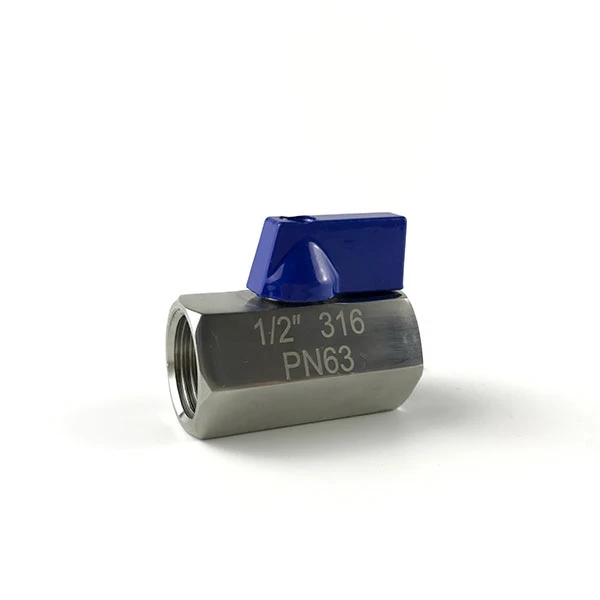
- Reduced-Port Ball Valves:More compact with a smaller bore, these are ideal for low-flow applications like laboratory equipment or small-scale reactors. They use the same corrosion-resistant stainless steel as full-port models but take up less space, making them great for tight installations.
- Two-Way Ball Valves:The most common type, these control flow in a single direction (open/close). They’re used in nearly every industry, from water treatment (resisting chlorine) to oil and gas (withstanding hydrocarbons). Houde’s two-way ball valves include a blow-out proof stem—an extra safety feature that prevents the stem from being forced out under high pressure, avoiding leaks of corrosive fluids.
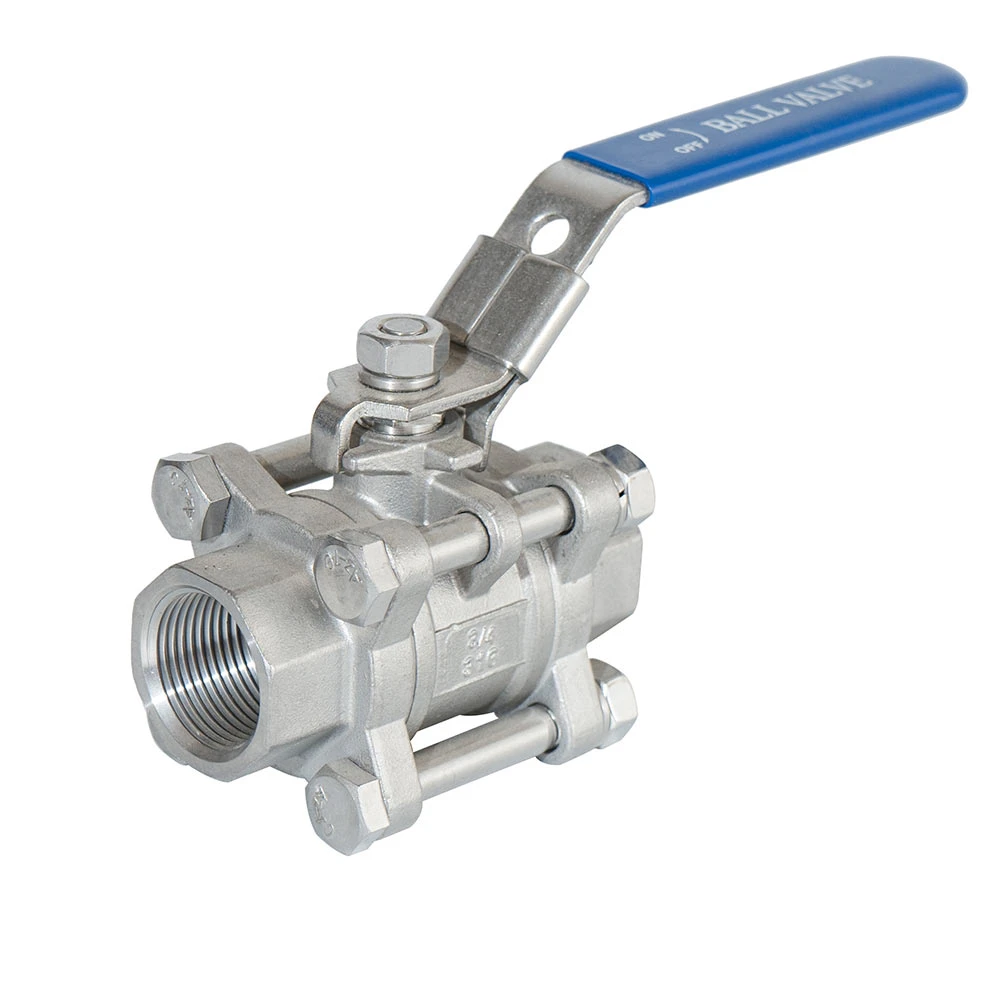
- 3 Way Ball Valves: For projects that need to divert or mix flow (e.g., a chemical plant routing fluid to two different tanks), Houde’s3 way ball valve is the solution. Its three ports eliminate the need for multiple valves, reducing complexity and potential leak points—both critical for fighting corrosion.
What unites all these ball valves types is Houde’s commitment to quality. Every ball valve undergoes strict testing, from material purity checks (ensuring stainless steel meets industry standards) to pressure and leak tests (following global norms like API598). This rigor ensures that no matter which type a customer chooses, their ball valve will stand up to corrosion.
3 Way Ball Valve: Houde’s Versatile Corrosion Fighter
Among Houde’s lineup, the 3 way ball valve with direct mounting pad is a standout—designed for the most complex corrosion battles where flow needs to be diverted or mixed. This valve isn’t just versatile; it’s built to last, with every parameter optimized for durability and performance. Below is a detailed breakdown of its specifications, showing how each feature contributes to fighting corrosion:
|
Parameter |
Specification |
Benefit for Corrosive Environments |
|
Size |
1/4" - 2" (inches) |
Covers small to medium pipelines, ideal for laboratory reactors, food processing lines, or chemical mixing systems. |
|
Pressure Rating |
1000PSI/PN63 |
Handles high-pressure applications (e.g., petroleum pumping) without leaking or failing. |
|
Flow Design |
Full Port |
Prevents fluid buildup (a major cause of corrosion) and allows easy cleaning with caustic agents. |
|
Manufacturing Process |
Investment Casting |
Creates a seamless body with no welds or seams—eliminating weak points where corrosion can start. |
|
Stem Design |
Blow-out Proof Stem |
Prevents stem ejection under pressure; coated in corrosion-resistant material for smooth operation. |
|
Certifications |
PED97/23/EC(0036), AD2000-W0 |
Meets strict European safety/quality standards, validating compatibility with global industrial systems. |
|
End Connections |
Threaded End, Socket Weld Ends |
Ensures leak-free fitting to existing pipelines, preventing corrosive fluid seepage. |
|
Thread Standards |
ASME B1.20.1 (NPT), BS21.0, DIN2999/259, etc. |
Compatible with international pipeline systems, avoiding mismatches that cause leaks. |
|
Inspection Testing |
API598, EN12266 |
Rigorous leak and pressure tests guarantee the valve withstands corrosive fluids long-term. |
The 3 way ball valve’s direct mounting pad is a game-changer for efficiency: it allows easy installation of electric or pneumatic actuators, automating flow control. This reduces manual handling of corrosive fluids, keeping workers safe and minimizing human error. For example, a pharmaceutical plant can program the valve to divert sanitizing solutions to different tanks automatically, ensuring consistency and reducing the risk of contamination.
Like all Houde ball valves, the 3 way model is built with stainless steel, but customers can request upgrades (like duplex stainless steel) for ultra-harsh environments. This flexibility makes it a go-to choice for industries where one wrong valve can shut down operations.
FAQs: Ball Valve, Ball Valves Types & 3 Way Ball Valve by Houde
Ball valve: Resists all corrosive fluids?
Houde’s ball valves resist most common corrosive fluids—acids (like sulfuric acid), bases, saltwater, and hydrocarbons—thanks to stainless steel construction. For extreme cases (e.g., molten salts), Houde can customize materials (like adding ceramic coatings) to enhance resistance. No valve is 100% immune, but Houde’s team will help you choose the right ball valve for your specific fluid, ensuring maximum lifespan.
Ball valves types: Which fits chemical plants?
For chemical plants, Houde recommends two ball valves types: full-port two-way valves (for high flow of corrosive chemicals) or 3 way ball valves (for diverting/mixing fluids). Both use 316L stainless steel and full ports to prevent fluid buildup, and can be automated via direct mounting pads—critical for chemical safety and efficiency.
3 way ball valve: Handles high pressure?
Yes! Houde’s 3 way ball valve has a 1000PSI/PN63 rating, making it ideal for high-pressure corrosive applications (e.g., petroleum pumping). Its blow-out proof stem and investment-cast body ensure it won’t leak or fail under pressure, even with repeated use.
Ball valve: How to maintain corrosion resistance?
To keep Houde’s ball valve fighting corrosion: 1) Clean it regularly with compatible fluids (avoid abrasives); 2) Lubricate the stem annually (use Houde’s recommended lubricant to prevent seizing); 3) Inspect seals every 6 months (replace at cost if worn). Houde’s free training covers all this in detail.
Why choose Houde for ball valves?
Choose Houde for ball valves that win the corrosion battle. They offer tailored ball valves types (including 3 way ball valves), use premium stainless steel, provide free training, and keep repair costs low. Their strict quality control (API598 testing) ensures reliability—so you can focus on your project, not valve failures.
Houde’s ball valves aren’t just products—they’re partners in the fight against corrosion. With a legacy of quality, diverse ball valves types, and unmatched service, the company continues to prove that when it comes to protecting systems from corrosive damage, there’s no better ally than a Houde ball valve.