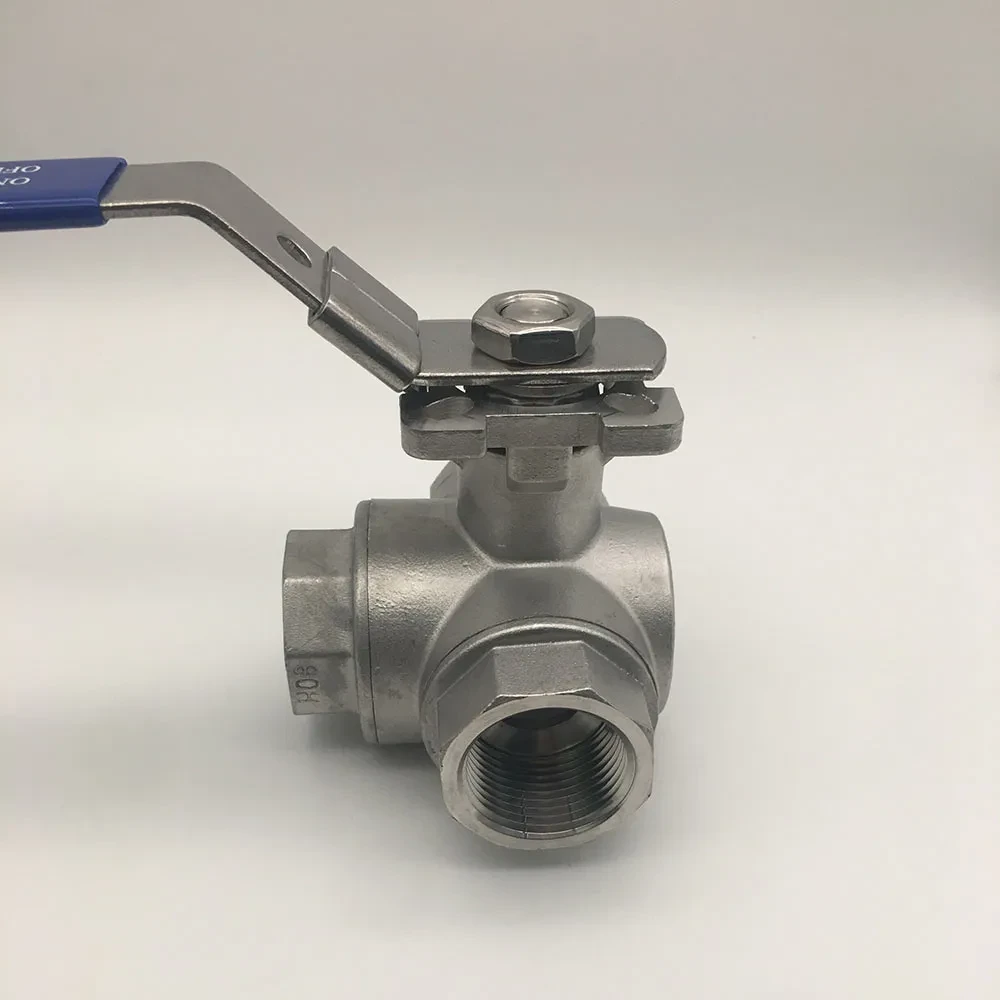
Y Strainer Factory: An Insider’s Take on Quality & Performance
Working in the industrial equipment sector for over a decade, I’ve had my fair share of experiences with y strainers. Oddly enough, despite being something you probably don’t think twice about, these simple yet crucial devices play a massive role in keeping pipes and machinery safe from debris.
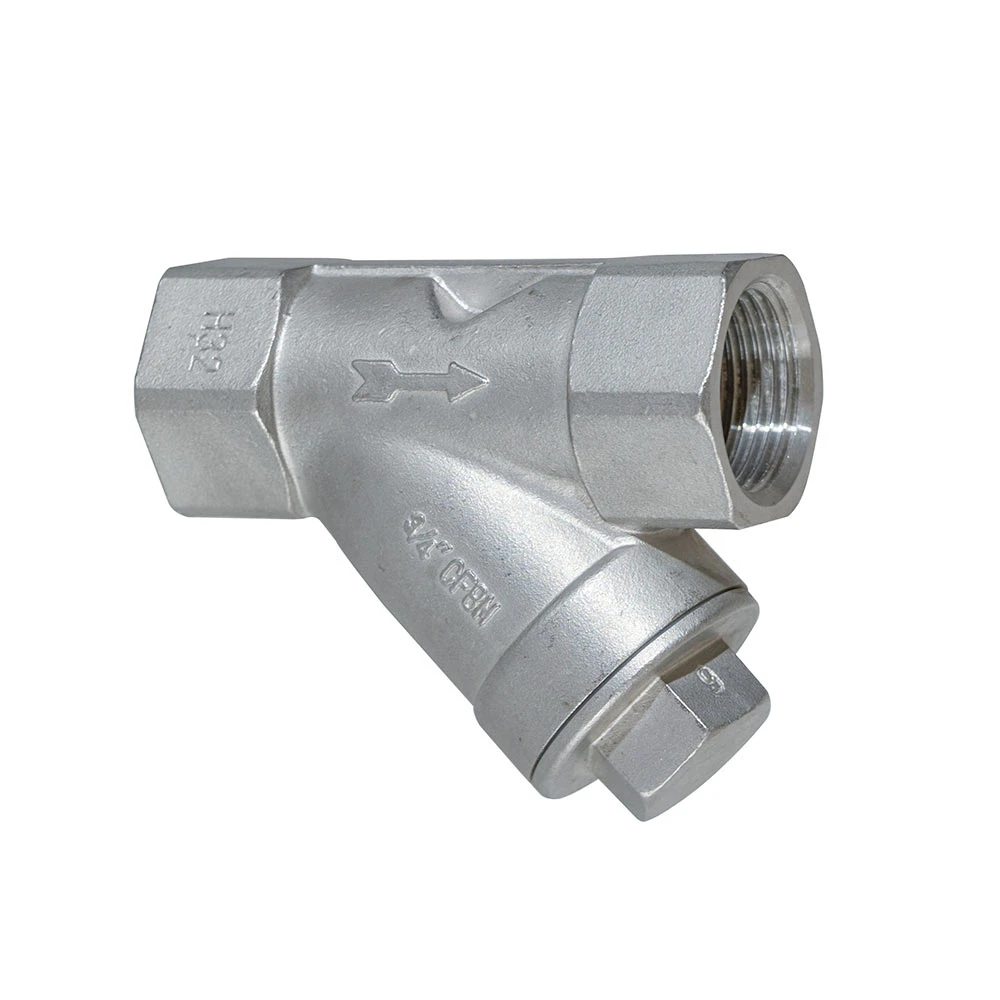
In real terms, a y strainer is a type of filter used in pipelines to catch unwanted particles, and it’s shaped like a “Y” – hence the name. What I’ve found, especially after visiting some factories, is that the design and material quality vary a lot, and that really affects both lifespan and performance.
The core of a y strainer is its mesh screen. Most factories use stainless steel screens, but the grade can range from 304 to 316, with the latter generally better suited for corrosive environments. Frankly, you want a strainer that will hold up under pressure and random surges, especially when you’re dealing with industrial fluids that aren’t exactly kind.
One factory I toured recently emphasized customization—tailoring the mesh size, body materials, and pressure ratings to customer specs. That’s something I appreciate, because frankly, no two systems are quite alike, and a one-size-fits-all approach doesn’t cut it here.
Another point worth mentioning is the testing protocols. Reliable manufacturers test for leak tightness, pressure drop, and material durability. I noticed a lot of factories perform hydrostatic tests up to specific bar ratings—usually up to 16 or 25 bars depending on the product line. It’s a detail that might escape your eye until something fails unexpectedly.
Product Specifications at a Glance
| Parameter | Typical Range | Notes |
|---|---|---|
| Material Body | Cast Iron, Carbon Steel, Stainless Steel | Depends on application |
| Mesh Screen | Stainless Steel 304/316 | Fine mesh up to 200 mesh available |
| Pressure Rating | 1.0 to 25 bar | Varies with design |
| Temperature Range | -20°C to 400°C | Based on materials |
| Connection Types | Threaded, Flanged, Welded | Industry standard |
Now, I should mention that picking the right y strainer vendor can be a bit like navigating a minefield. You want quality, yes, but also timely delivery, after-sales support, and genuine understanding of industrial challenges—because those small details save you headaches down the line.
Comparing Top Y Strainer Vendors
| Vendor | Material Options | Pressure Range | Customization | Typical Lead Time |
|---|---|---|---|---|
| Houde Valve | Carbon Steel, SS304/316 | 1.0 - 25 bar | Full mesh and material customization | 4–6 weeks |
| Vendor B | Cast Iron, SS304 | 1.0 - 16 bar | Limited customization | 6–8 weeks |
| Vendor C | Carbon Steel Only | Up to 10 bar | No customization | 3–5 weeks |
I remember a project with a mid-sized chemical plant where the engineers insisted on a very fine mesh strainer. Many thought it would clog frequently, but within months, that system was running smoothly without a hitch. The trick was a heavy-duty stainless steel mesh from a trusted factory, paired with precise manufacturing tolerances — a combination you don’t find everywhere. Those nuances shaped my respect for manufacturers like Houde Valve.
In summary, picking a y strainer isn’t just about slapping something in the pipeline. It’s about anticipating what could go wrong, factoring in the medium’s nature, temperature, pressure, and then finding a supplier who understands that balance. Frankly, cheap components can turn into costly downtime. So I always advise investing a little more time upfront to get the right fit.
So, next time you come across a y strainer on your specs list, it’s worth remembering: this small “Y” is a silent guardian of your whole system.
References:
- Industry Materials Handbook, 2023 Edition
- Hydrostatic Testing Procedures Manual, API Standard
- Personal factory visits and supplier audits, 2018-2023