Finding the Right y strainer suppliers for Industrial Success
After more than a decade working alongside industrial equipment pros, I can honestly say: picking a y strainer supplier isn’t just about ticking boxes. It’s about reliability, material quality, and knowing someone’s got your back when a line blocks up unexpectedly. Frankly, small details can blow up into major headaches down the line, so trusting the right supplier makes all the difference.
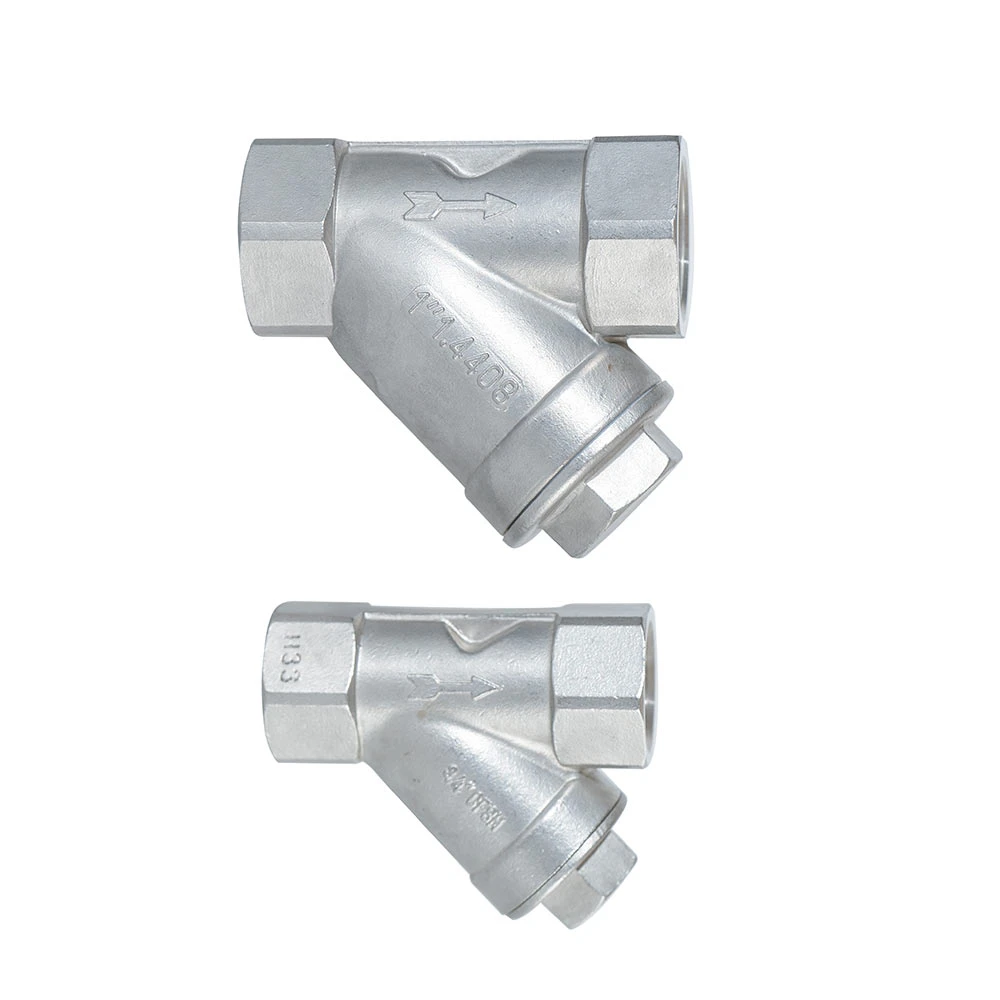
Now, y strainers — those nifty devices that filter debris from pipelines, often in steam, water, or oil lines — might seem straightforward, but they’re a subtle art form. Oddly enough, the difference between a cheap screen and a well-made one can mean longer equipment life or costly shutdowns. I noticed years ago how many engineers swear by stainless steel mesh screens for corrosion resistance, especially in harsher environments.
The trend, as I’ve seen it, leans toward more durable materials like cast iron or carbon steel bodies fused with stainless steel screens. Some suppliers even offer custom configurations — say, reinforced welds or special mesh sizes — tailored to your system’s grit and grit-size. That adaptability is gold, especially when your specs don’t fit “off the shelf.”
Key Product Specifications
| Spec | Typical Range | Notes |
|---|---|---|
| Body Material | Cast Iron, Carbon Steel, Stainless Steel | Depends on fluid compatibility & pressure |
| Screen Type | Stainless Steel Mesh, Perforated Plate | Mesh size varies, finer for delicate filtering |
| Pressure Rating | 150 to 300 psi | Check supplier specs carefully |
| Connection Types | Flanged, Threaded, Welded | Customization depending on system |
| Temperature Range | Up to 400°F (204°C) | Depends on materials |
Speaking of suppliers, I’ve worked with a handful over the years, and their offerings can differ more than you'd expect. Some put a lot of effort into quality testing — like hydrostatic or pressure endurance. Others might leave you wondering if their ratings are more marketing spin than hard data. It’s worth digging, frankly.
Comparing Top Y Strainer Suppliers
| Supplier | Material Options | Customization | Testing & Certifications | Lead Time |
|---|---|---|---|---|
| Houde Valve | Cast Iron, Carbon & Stainless Steel | High; custom mesh & pressure ratings | API, ISO 9001 Certified | 4-6 weeks |
| Supplier B | Carbon Steel, Stainless Steel | Medium; standard options only | Third-party testing on request | 3-5 weeks |
| Supplier C | Cast Iron only | Low; limited screen sizes | Basic QA checks | 2-4 weeks |
One time, a customer approached me with a steam system that kept clogging just two months after installation. We suspected the strainers weren't up to spec. After switching to higher-grade mesh from the folks at Houde Valve, the problem disappeared. It really drove home for me how the supplier — and their product’s integrity — can make or break your operation.
So, if you’re hunting for a y strainer supplier, look beyond the price tag. Ask about materials, quality controls, and customization capabilities. And, if it feels like your supplier knows your system’s quirks, you might just be onto something good. I suppose that’s part of why experienced engineers never underestimate the humble y strainer — it’s the frontline defender in many systems.
Anyway, perhaps you recognize some of these points yourself. Sharing a few years in the trenches taught me that even the simplest tool needs respect — and a good partner behind it.
Remember, a solid filtration strategy today can save headaches months down the line.
References:
- API Standards for Industrial Valve Testing
- ISO 9001: Quality Management in Manufacturing
- “Y Strainer Efficiency in Industrial Systems,” Journal of Mechanical Engineering, 2021