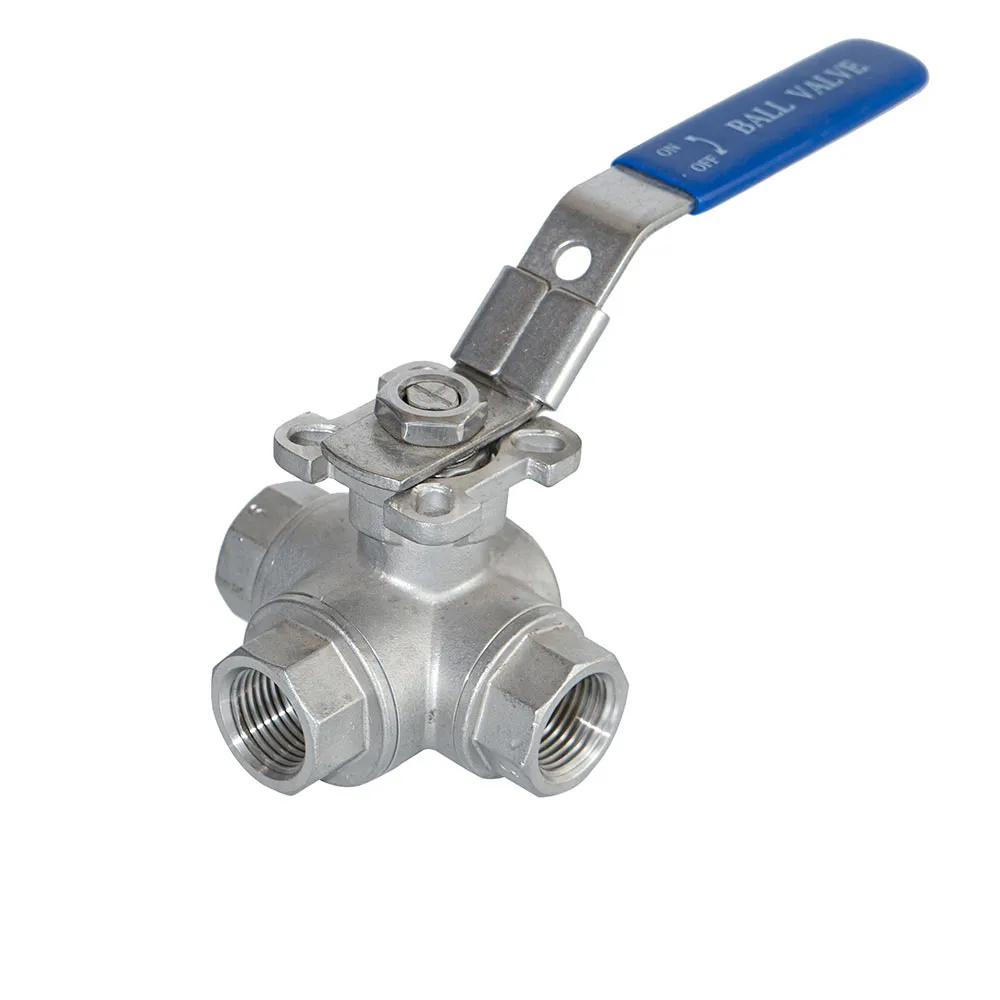
Understanding the 3 Way Ball Valve: Why It Matters Globally
If you've ever dealt with fluid control systems—whether in water treatment plants, oil refineries, or even simple irrigation setups—you've likely come across the term "3 way ball valve." But why should this particular valve capture our attention on a global scale? Well, for starters, the growing complexity of industrial processes and the urgent needs in humanitarian infrastructure mean these valves are quietly underpinning critical systems worldwide.
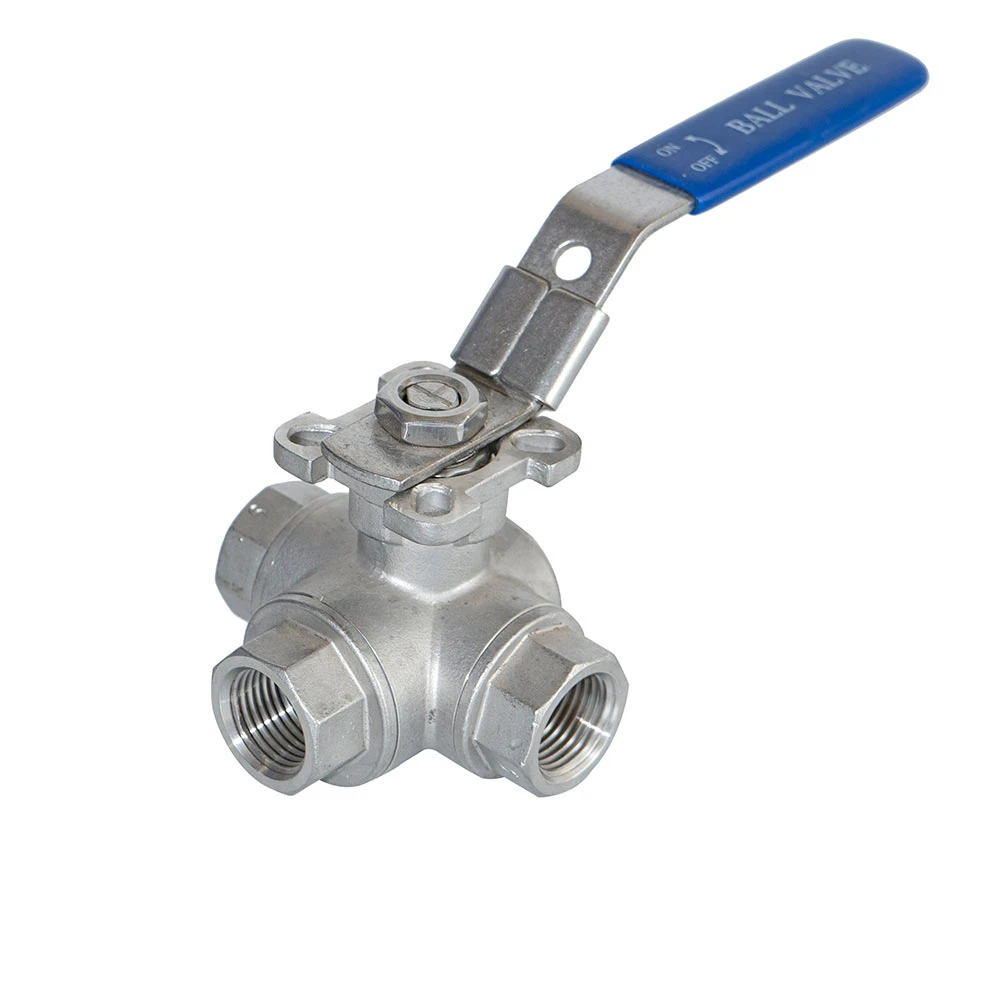
The 3 way ball valve is a valve with three ports that allows fluid to flow in one or two directions, or to divert flow completely. Its design might seem straightforward, but its versatility is what makes it a silent hero. Properly understanding and selecting the right 3 way ball valve can drastically improve system efficiency, reduce downtime, and ultimately save lives—especially in areas relying on safe water delivery or chemical processing.
To put it into perspective: industries are increasingly pushing for sustainable and reliable components. According to the International Organization for Standardization (ISO), components like valves account for a huge portion of operational reliability in pumping and flow control setups (ISO 14313:2019). And in humanitarian circles, valves serve in everything from rugged relief water systems to fuel distribution for generators after disasters.
What Is a 3 Way Ball Valve Anyway?
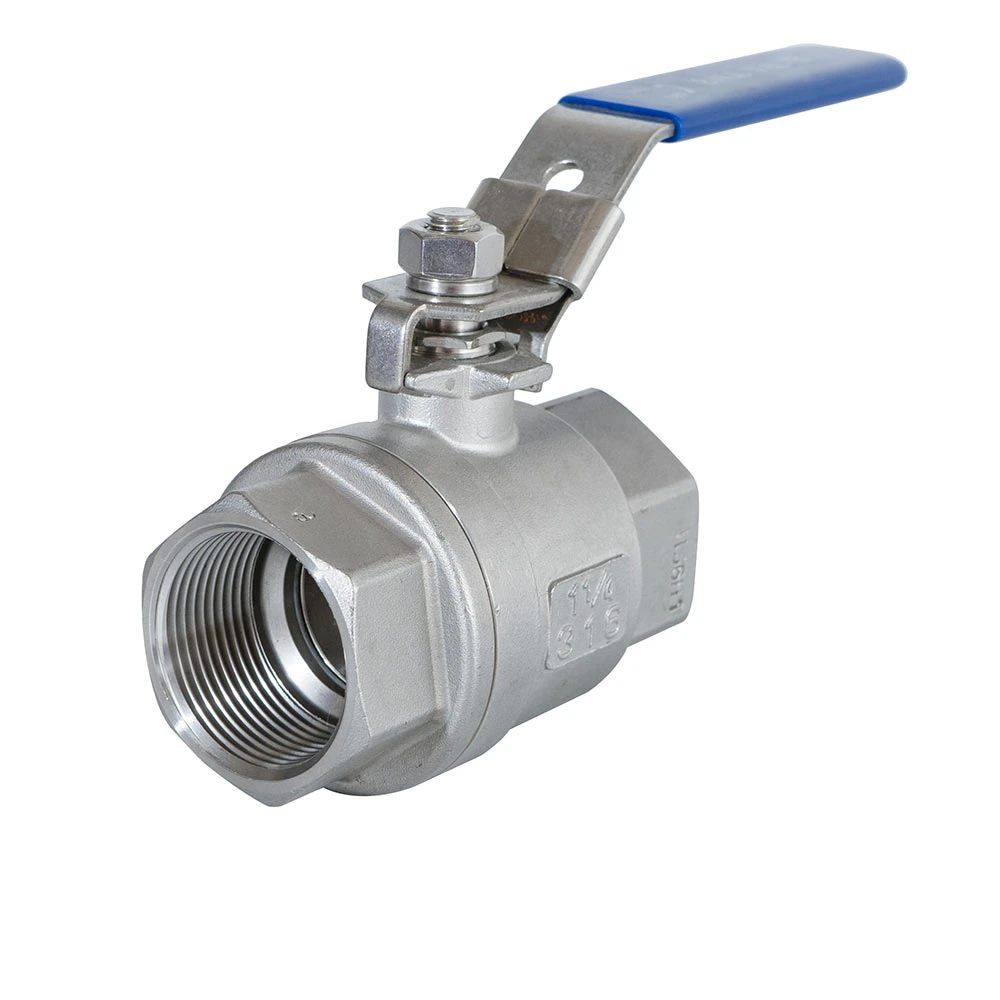
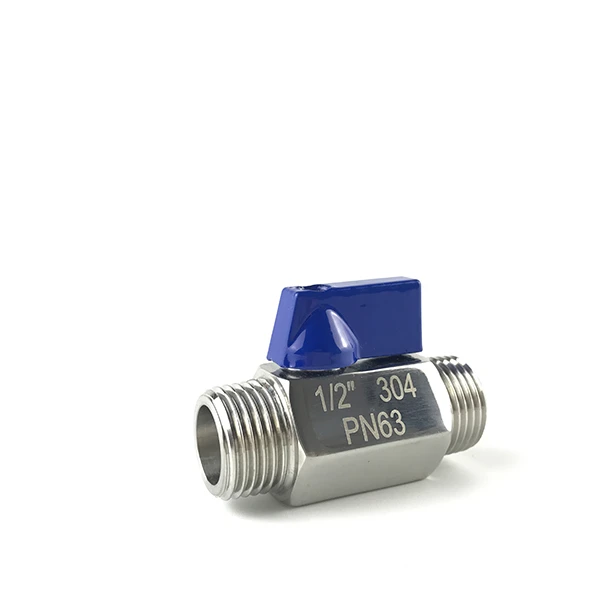
In the simplest terms, a 3 way ball valve is a quarter-turn valve with a spherical ball inside that controls flow through three separate ports. Imagine it as a junction for fluids—liquids or gases—that lets you direct flow in different ways with a twist of the valve handle.
Unlike its 2 way counterpart, the 3 way valve can mix or divert flows without needing multiple valves in a system. This compact flexibility is a boon in complex piping where space, cost, and maintenance time are critical. It’s especially relevant in modern industries like chemical processing, pharmaceuticals, and even food & beverage manufacturing.
From a humanitarian view, these valves find their way into water purification setups and field generators—where reliable flow control literally supports lives.
Core Features That Make 3 Way Ball Valves Stand Out
Durability
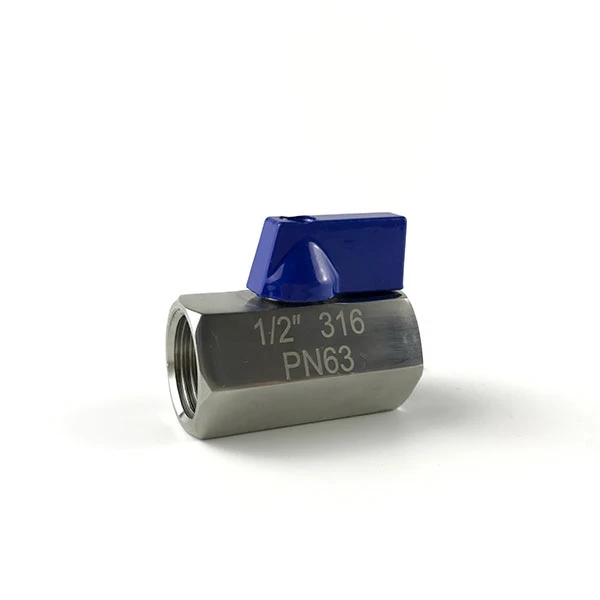
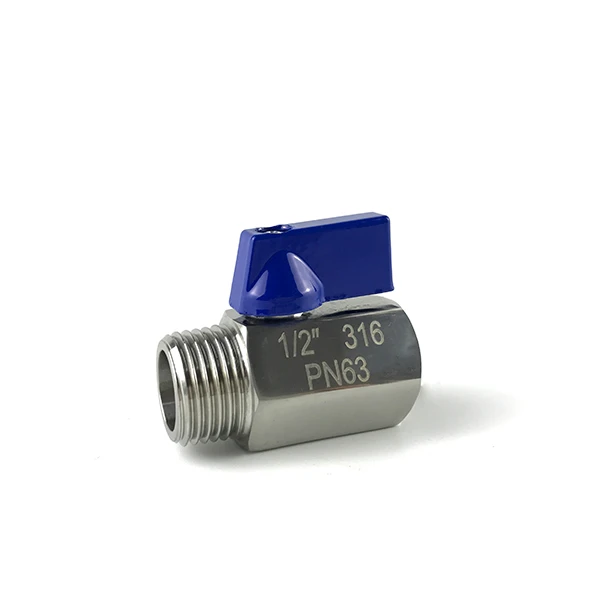
Many engineers swear by stainless steel and brass variants for their corrosion resistance. Depending on the application—salty seawater, abrasive chemicals, or just plain old water—choosing the right material drastically extends valve life.
Flow Versatility
The valve’s main perk? It handles different flow patterns: diverting one input to two possible outputs or mixing two flows into one. This flexibility translates into fewer valves, scaled-down piping complexity, and leaner maintenance routines.
Compact Size
Space is at a premium in many industrial setups. The 3 way ball valve’s design condenses functionality without bulky add-ons. It’s a nod to smart engineering that prioritizes efficiency.
Cost Efficiency
Fewer components, less maintenance, and longer life cycles add up to real savings. Companies report savings not only in capital but in operational expenditures—a compelling reason to invest in quality valves.
Ease of Automation
Many modern 3 way ball valves can be outfitted with electric or pneumatic actuators, lending themselves well to automated processes and remote-control operations essential in hazardous environments.
Where Are These Valves Making a Difference Globally?
Think about sprawling industrial hubs in Asia, water treatment facilities in Scandinavia, or remote mining operations in South America. The 3 way ball valve finds itself embedded in all these places. Take, for example, the oil & gas fields in the Middle East: precise flow control improves safety during chemical injection phases.
In humanitarian efforts—disasters like floods or earthquakes—the rapid deployment of clean water systems often includes these valves, ensuring water routes can be isolated or redirected without interrupting whole systems.
Another interesting usage is in renewable energy plants, like solar thermal systems, where fluids must be directed efficiently to different heat exchangers or storage tanks. In Europe, green policies have pushed manufacturers to adopt sustainable valves, boosting the 3 way ball valve’s popularity.
Why Investing in 3 Way Ball Valves Makes Sense Long-Term
- Reliable Performance: Reduced leak risks and consistent operation enhance safety and cut costly downtime.
- Sustainability: Longer-life components mean less waste and lower environmental footprint.
- Economic Savings: Lower installation costs plus minimal maintenance mean you keep more budget for other critical investments.
- Human Safety & Comfort: Accurate flow control helps maintain vital water and energy supplies, supporting human dignity and well-being.
In short, it’s an investment that pays off not only financially but also morally—ensuring systems remain robust, adaptable, and eco-friendly.
Emerging Trends and Innovations in the 3 Way Ball Valve Scene
Manufacturers are embracing digital transformation. Smart valves equipped with sensors that monitor pressure, temperature, and valve position in real-time are starting to hit the market. Imagine identifying leaks before they cause damage—saving both money and morale.
Materials are evolving too. We’re seeing biocompatible and sustainable polymers entering valve bodies, alongside enhanced alloys with better corrosion resistance.
Green energy pushes automation and precision, so valves are becoming finer instruments controlled via IoT. This trend means less human exposure to hazardous zones and more efficient processes — a future-proof step many clients find irresistible.
Common Challenges and Smart Solutions
Valve leakage, especially under extreme temperatures or chemical exposure, remains a challenge. But many vendors have introduced advanced sealing technologies—PTFE seats, double O-rings, and metal-to-metal sealing—that significantly improve reliability.
Another hurdle? Compatibility with corrosive fluids. Selecting the right material for the job is crucial. Often, it pays to consult manufacturers on custom solutions rather than settling for off-the-shelf products.
Finally, installation in tight or complex pipelines requires careful planning — modular designs and compact actuator options help here.
Product Specifications at a Glance
| Specification | Typical Values | Description |
|---|---|---|
| Size Range | 1/2" – 6" | Standard sizes for most industrial applications |
| Material | Stainless steel 316, Brass, PVC | Materials suited for varied chemical resistance needs |
| Pressure Rating | 150 psi – 1000 psi | Suitable for low to moderately high pressure systems |
| Temperature Range | -20°C to 180°C | Covers most industrial temperature requirements |
| Operation | Manual, Pneumatic, Electric | Versatile operation modes for diverse automation needs |
Comparing Top Vendors for 3 Way Ball Valves
| Vendor | Material Options | Price Range | Delivery Time | Extras |
|---|---|---|---|---|
| Houde Valve | 316 Stainless Steel, Brass, PVC | $$$ (mid-range) | 2–4 weeks | Custom sizes, Actuator compatibility |
| GlobalValve Inc. | Carbon Steel, Stainless Steel | $$$$ (premium) | 3–5 weeks | Smart valve tech, Extended warranty |
| ValveTech Solutions | PVC, Brass | $ (budget) | 1–2 weeks | Quick delivery, Standard models only |
Frequently Asked Questions About 3 Way Ball Valve for Sale
- Q: What are the main differences between a 3 way ball valve and a 2 way ball valve?
- A: A 3 way ball valve features three ports and allows fluid to be diverted or mixed, while a 2 way ball valve only controls flow between two points. The 3 way design reduces the need for multiple valves, saving space and cost in complex systems.
- Q: Can 3 way ball valves be automated for industrial use?
- A: Yes, many 3 way ball valves are compatible with pneumatic or electric actuators, making them ideal for integration into automated or remote-control systems often encountered in hazardous or hard-to-reach environments.
- Q: What materials are best for corrosive applications?
- A: Stainless steel 316 is commonly used for its excellent corrosion resistance. In some cases, special coatings or plastics like PVC are chosen to handle specific chemical exposures. Always consult with your valve supplier about your particular application.
- Q: How can I ensure the valve matches my piping setup?
- A: Measurements of pipe size, pressure, and temperature ratings must be matched carefully. It’s wise to request technical specs from sellers and get expert advice, especially for custom or critical applications.
- Q: Where can I buy reliable 3 way ball valve for sale?
- A: Trusted industrial suppliers like Houde Valve offer a range of 3 way ball valves tailored to both industrial and humanitarian needs, backed by quality assurance and technical support.
Wrapping Up: Why the 3 Way Ball Valve Is Worth Your Attention
After looking at its benefits—versatility, durability, and cost-effectiveness—it’s clear the 3 way ball valve deserves a spot on your procurement list. It’s not just a valve; it’s an enabler of reliable, streamlined fluid control across industries and humanitarian efforts alike.
Interested? You’re invited to browse and purchase a quality 3 way ball valve for sale to elevate your system’s efficiency. Whether you’re upgrading an existing setup or designing something new, getting the valve right is a step you don’t want to skip.
In the end, it feels good to know a small component like this plays such a big role...