Understanding Ball Valve and Check Valve: Vital Components in Fluid Control
In industries ranging from water treatment to oil and gas, the humble ball valve and check valve play an outsized role. Although they might sound like basic hardware to some, understanding these components is key to grasping how pipelines stay safe, efficient, and functional worldwide. This isn't just an engineer's concern; reliable valves impact everything from humanitarian aid delivery to the energy grids powering our homes. Let’s peel back the layers on what these valves do and why they matter globally.
Why Global Relevance Matters
According to the International Organization for Standardization (ISO), valves control the flow and pressure within piping systems in nearly every sector imaginable — utilities, manufacturing, healthcare, and beyond. The global industrial valve market was valued at over $68 billion in 2023, and it's expected to keep growing. What’s the big deal? Well, malfunctions or inefficiencies in valve systems can lead to environmental hazards, costly downtime, or even safety incidents. That’s precisely why advancements in ball valve and check valve designs are crucial to tackle challenges like leak prevention, fluid contamination, and operational reliability.
Definition and Meaning of Ball Valve and Check Valve
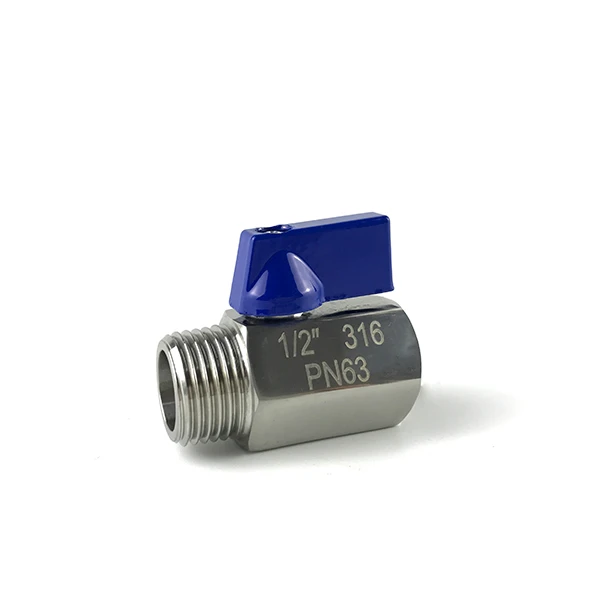
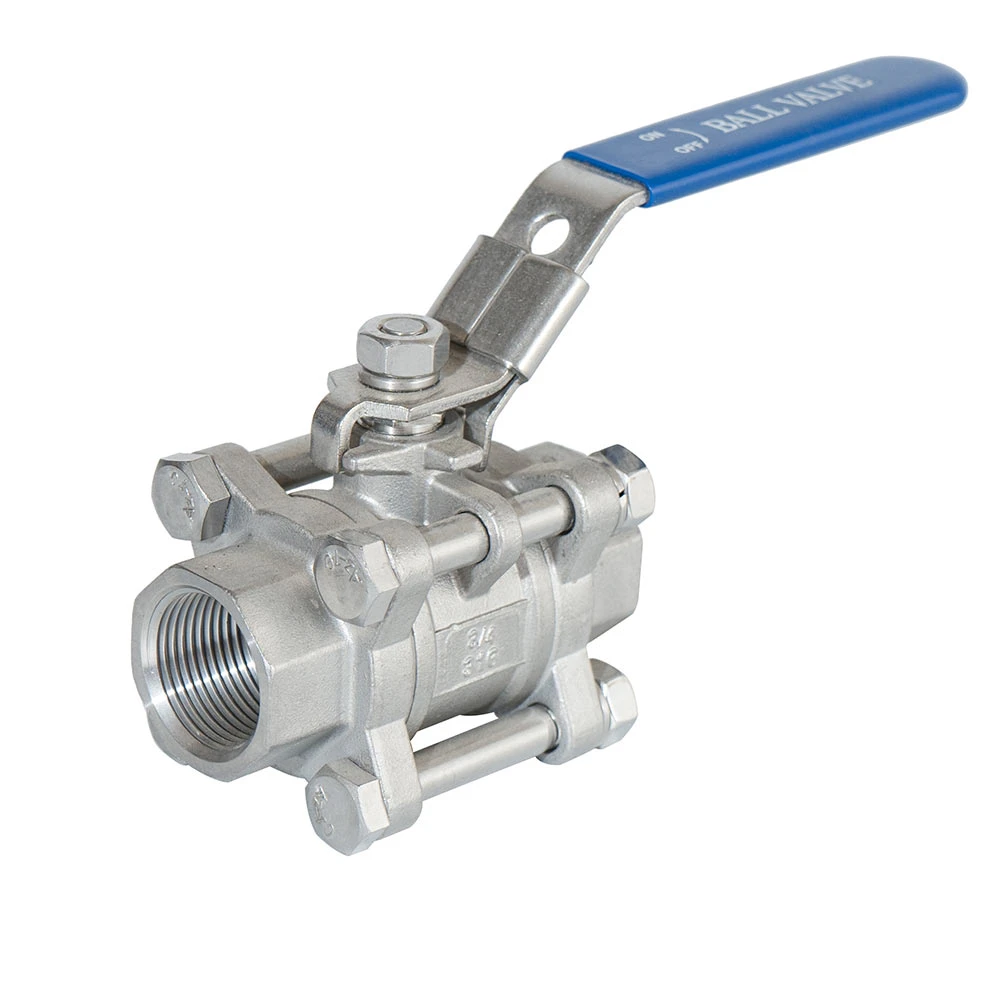
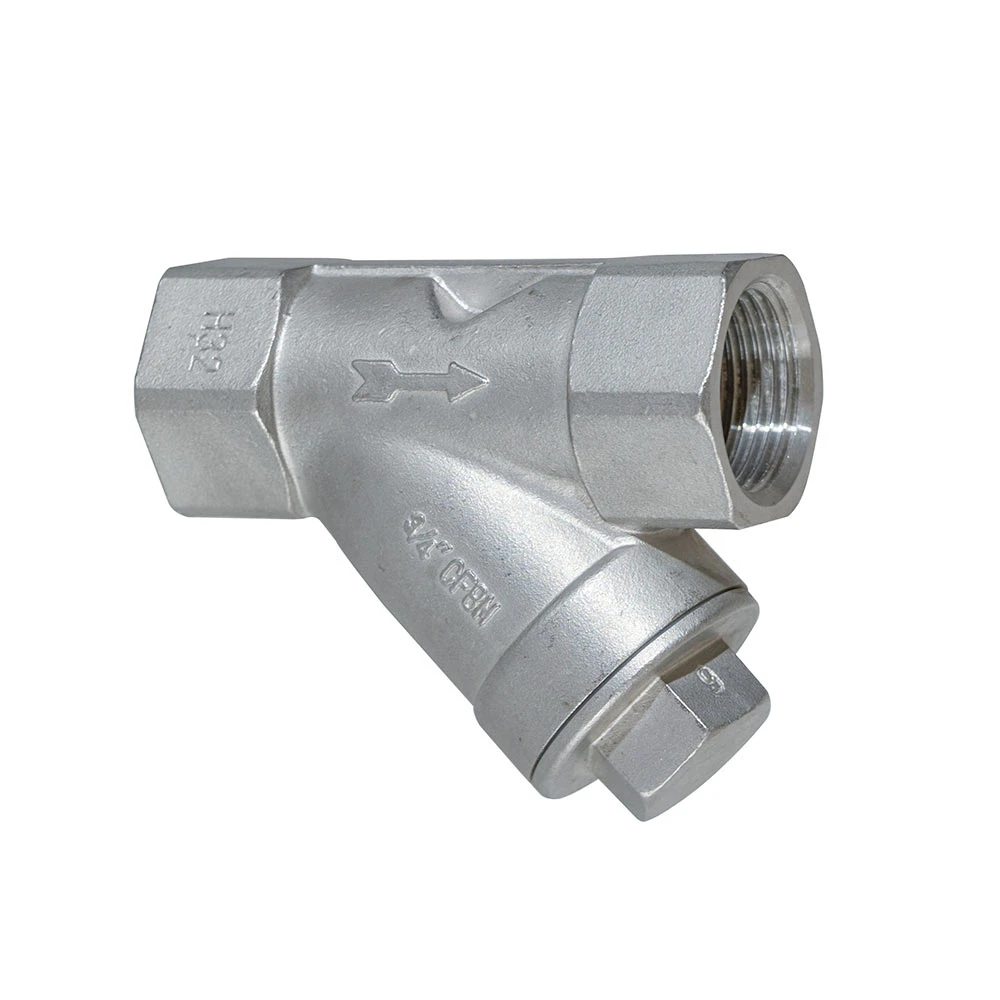
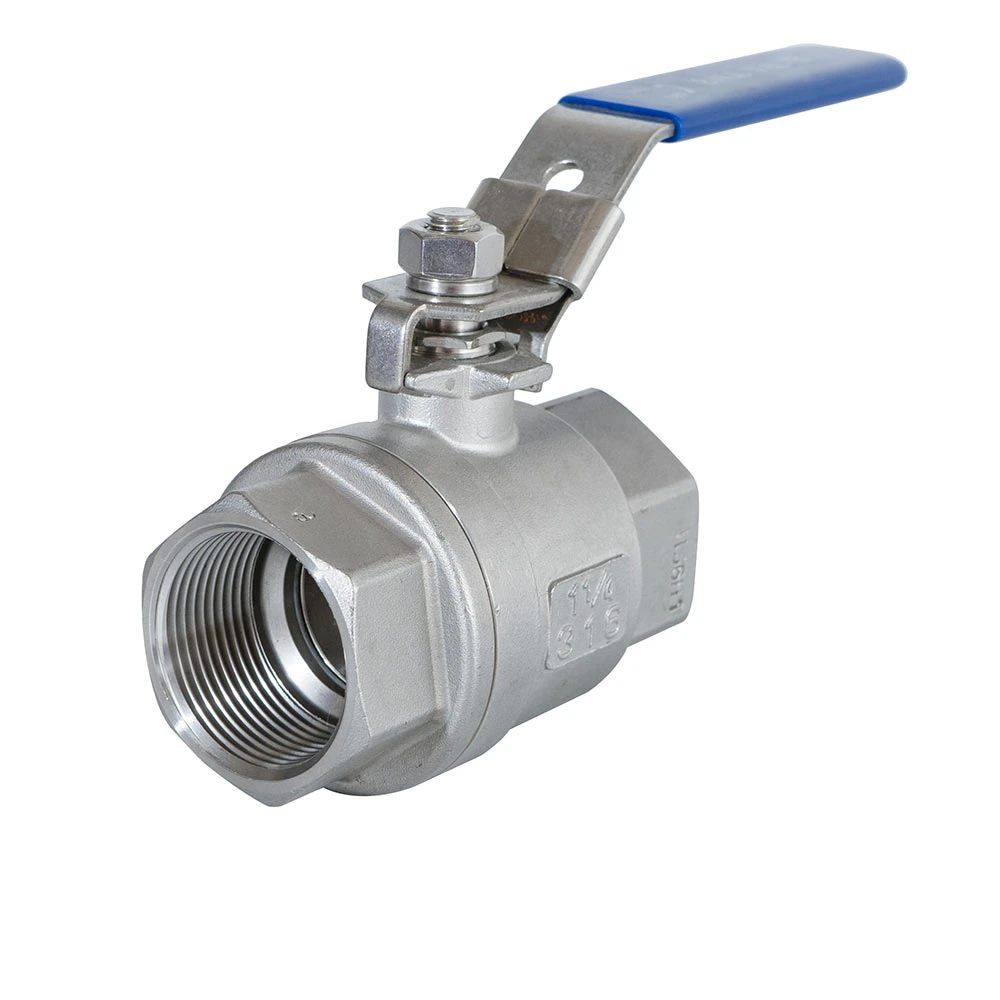
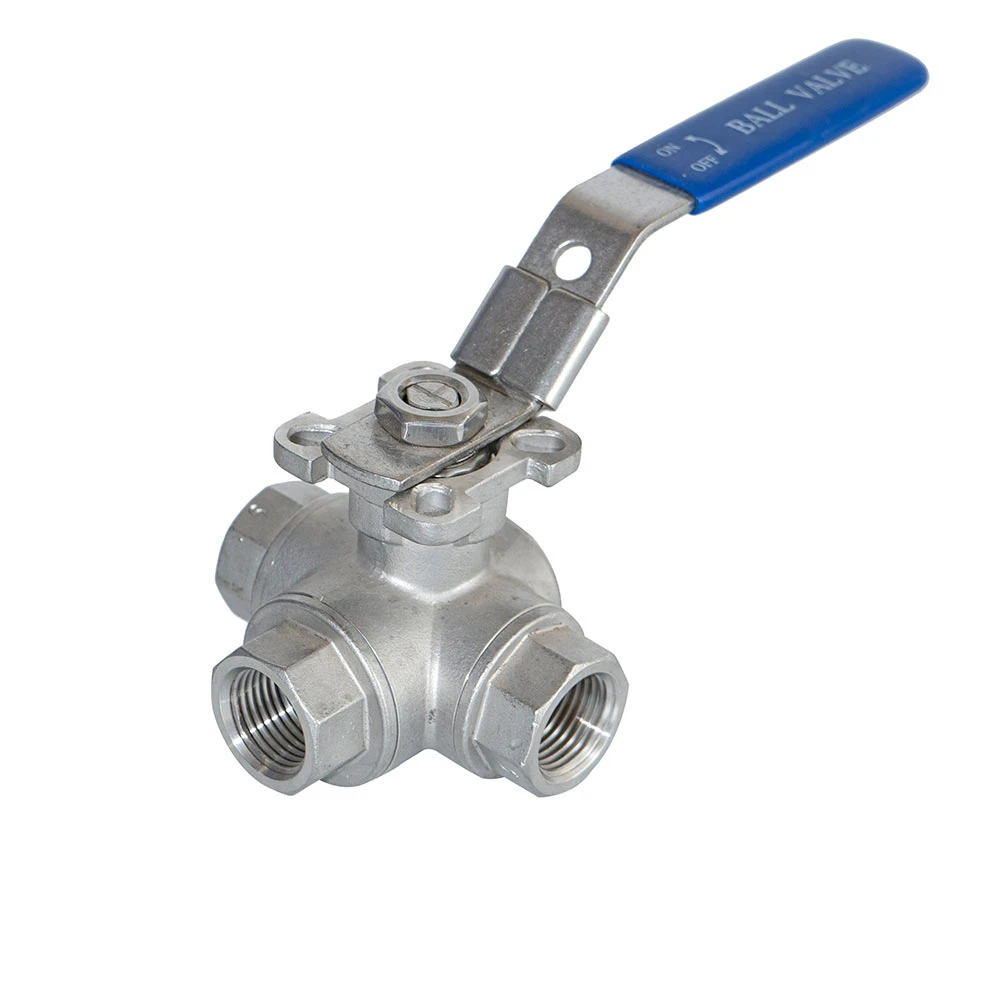
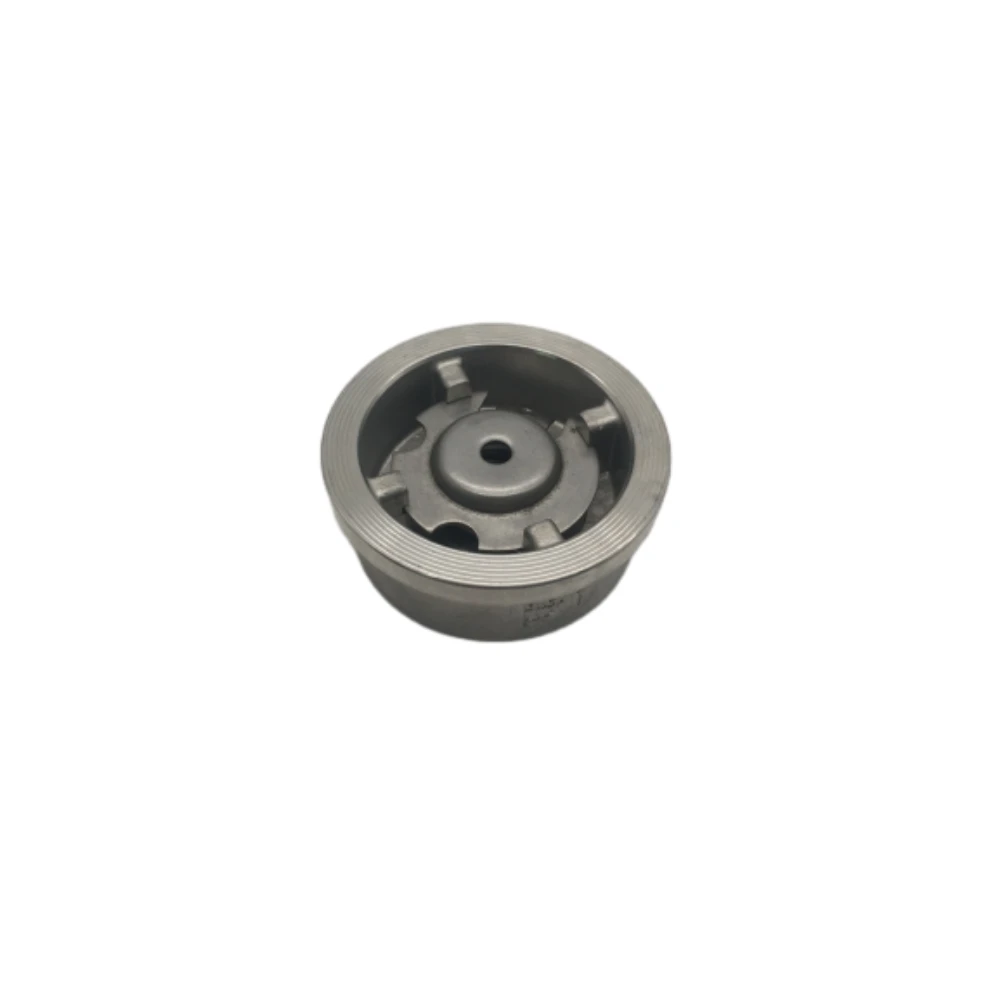
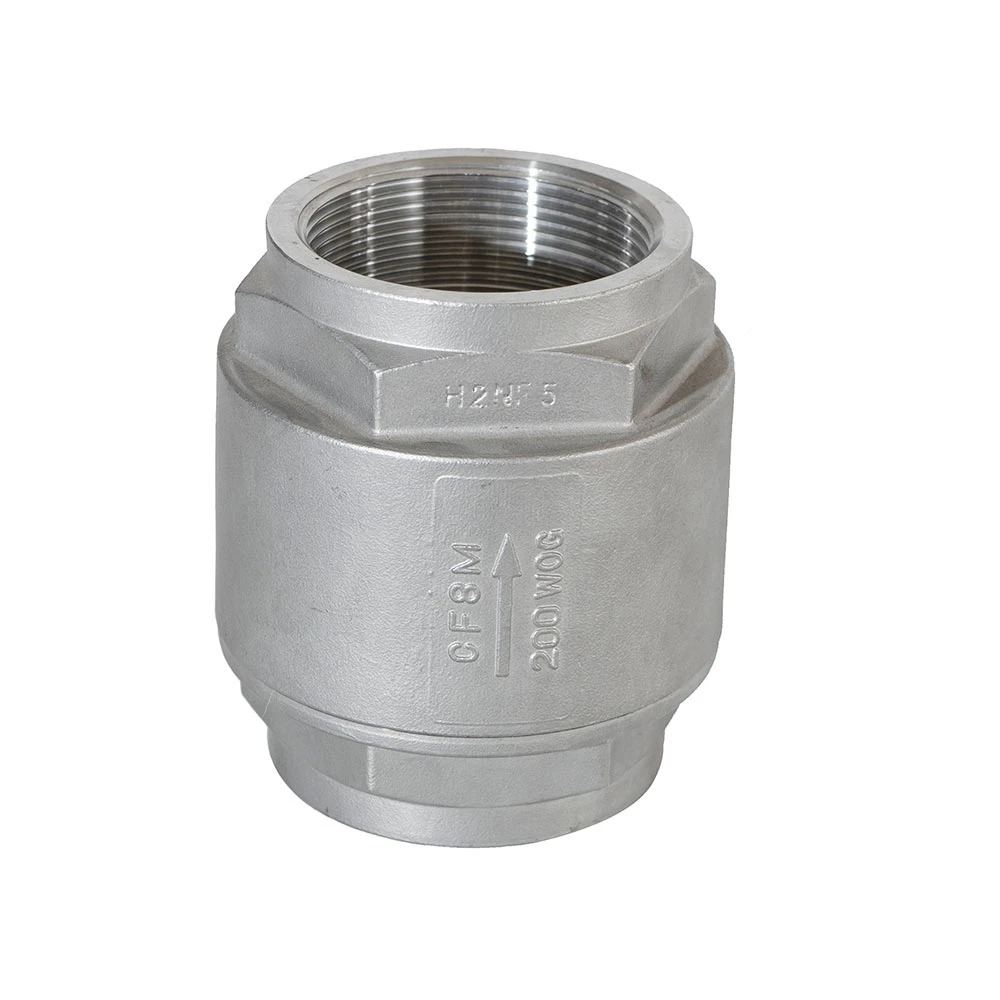
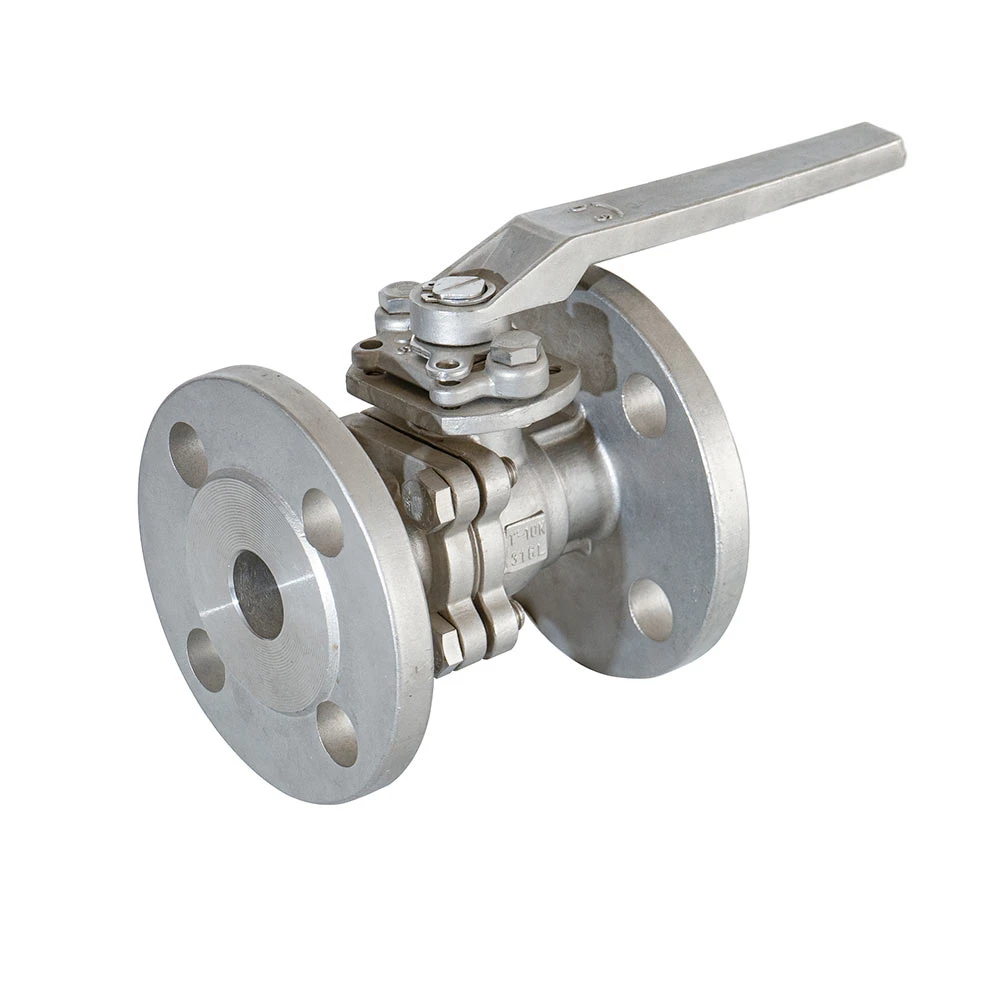
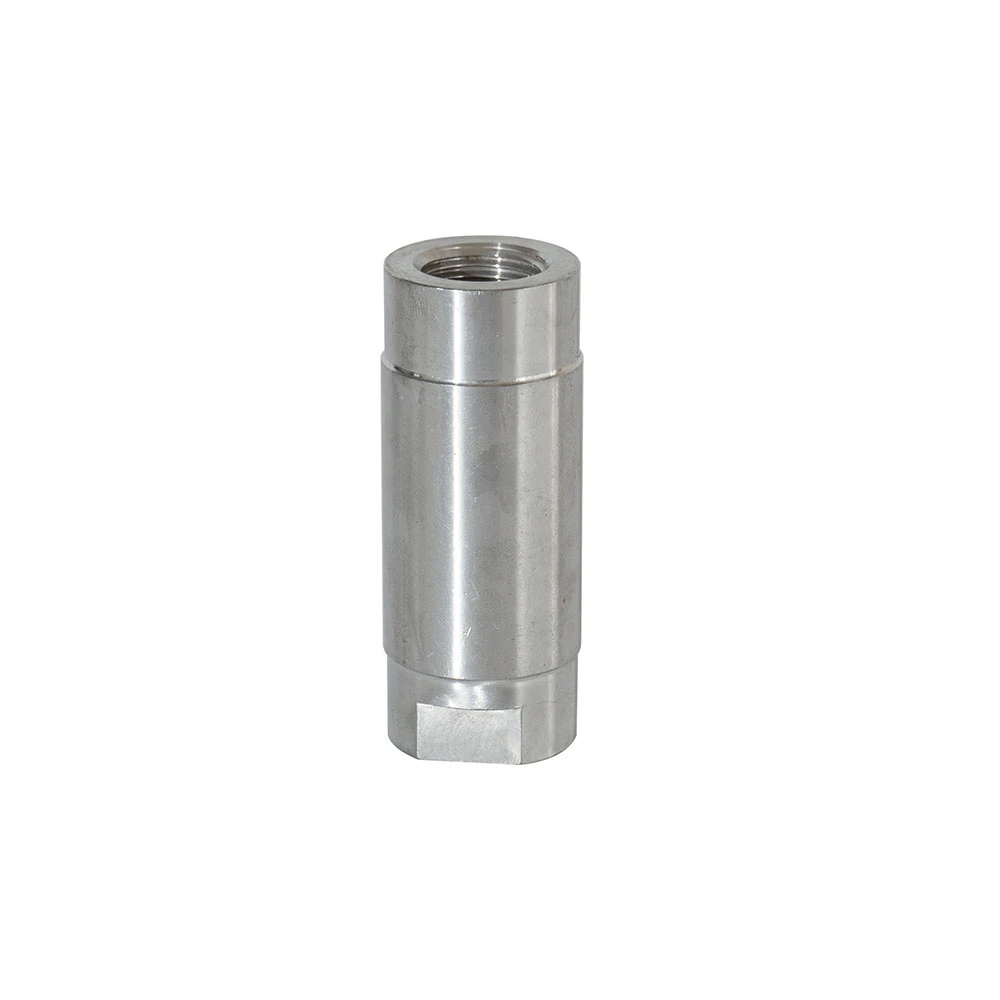
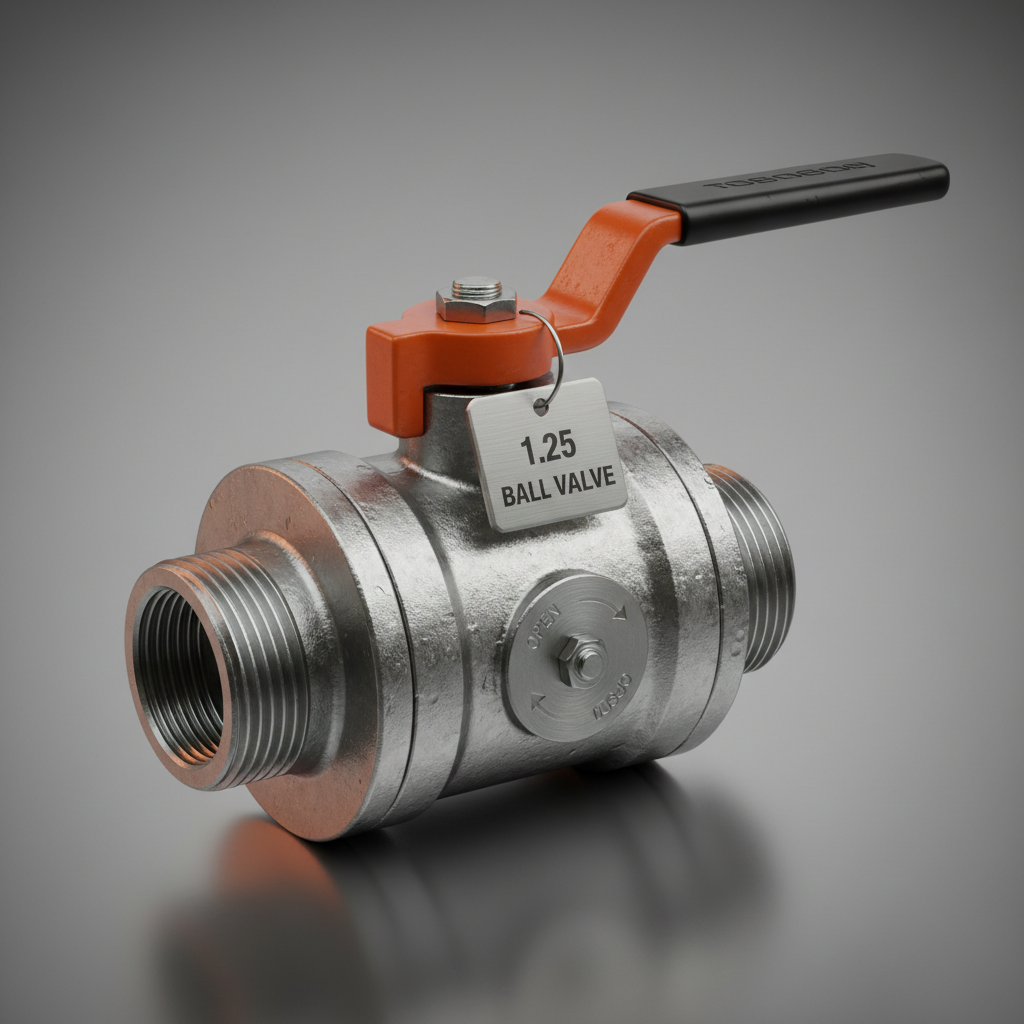
Simply put, a ball valve is a valve that uses a rotating spherical ball to control fluid flow. When the ball’s hole aligns with the pipe, fluid flows freely; turn it 90 degrees, and the flow stops. It’s the kind of valve that offers quick shut-off and excellent seal integrity. On the other hand, a check valve (sometimes called a non-return valve) allows fluid to flow only in one direction, preventing backflow that could disrupt operations or damage equipment.
In real terms, ball valves often serve as the "gateway" valves—controlling flow actively—while check valves are the "guards," silently ensuring fluids don’t reverse course. This symbiotic relationship becomes essential in modern industry and even humanitarian contexts where clean water delivery or fuel safety are priorities.
Core Components and Key Factors of Ball Valve and Check Valve
1. Durability and Material Selection
Materials range from stainless steel and brass to specialized polymers — the choice depends largely on the fluid type, temperature, and pressure. For example, in corrosive environments, engineers often pick stainless steel ball valves due to their excellent corrosion resistance. Check valves tend to have components like springs or discs made of resilient materials that withstand repeated opening and closing without wear.
2. Seal Integrity and Leak Prevention
A well-engineered seal is what stops leaks. Ball valves use PTFE seats that provide tight seals even after years of service. Check valves rely on their disc (or wafer) valves to prevent backflow effectively. The smoother and tighter the seal, the longer the valve’s lifecycle and the less downtime for repairs.
3. Scalability and Size Options
Ball valves and check valves come in sizes ranging from tiny fractions of an inch for instrumentation lines up to meters in diameter for municipal water lines. This scalability means they’re equally at home in small lab setups and large infrastructure projects — a versatility that’s quite impressive when you stop to think about it.
4. Cost Efficiency Over Lifecycle
While the initial cost of high-spec valves might seem steep, their longevity leads to reduced maintenance and replacement expenses. Plus, the downtime costs avoided thanks to reliable operation can be huge—especially in critical sectors like oil and pharmaceuticals.
5. Ease of Operation and Maintenance
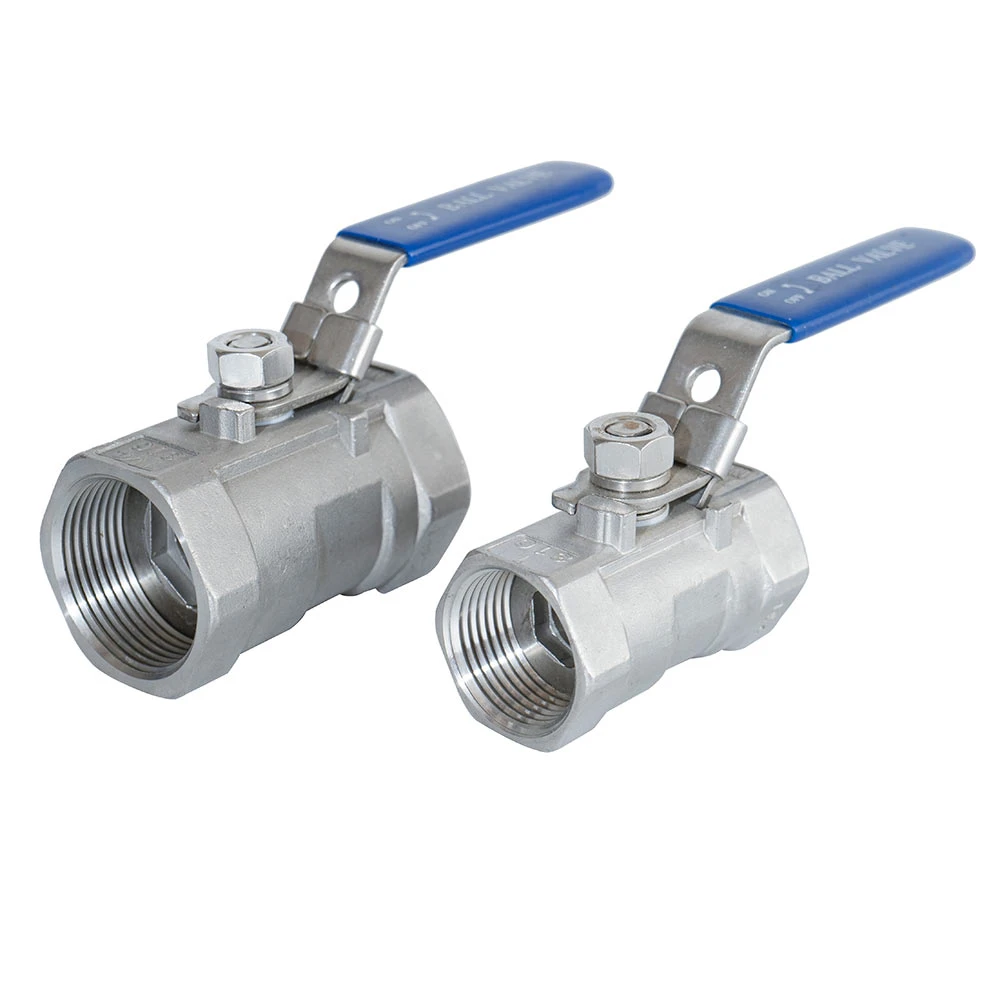
Many ball valves feature lever handles that allow quick manual operation, while some come with automation options like electric or pneumatic actuators. Check valves tend to be simpler in design and almost maintenance-free, though periodic inspections are recommended.
Practical Applications & Real-World Use Cases
Ball valves and check valves are everywhere — more often than most realize. They play critical roles in:
- Water and sanitation systems: Cities rely on ball valves to isolate pipelines during maintenance, while check valves prevent sewage backflow that could contaminate drinking water.
- Oil and gas: From offshore rigs in the North Sea to refineries in the Middle East, valves control petroleum flow and prevent hazardous backflows.
- Pharmaceutical manufacturing: Sanitary ball valves keep sterile conditions by allowing precise fluid control without contamination.
- Disaster response and humanitarian aid: In areas hit by floods or earthquakes, portable water filtration units utilize ball valves and check valves to ensure safe water delivery — a literal lifeline.
- Renewable energy: Solar thermal plants and hydroelectric systems depend on durable valves to maintain operational efficiency.
For instance, in remote mining operations in Australia, ball valves equipped with special coatings resist abrasive slurry flows, extending maintenance intervals. In flood-prone Bangladesh, check valves in pumping stations prevent reverse flows that could bring contaminants upstream.
Specification Table: Typical Ball Valve vs. Check Valve Features
| Specification | Ball Valve | Check Valve |
|---|---|---|
| Function | Manual or automated on/off flow control | Prevents backflow (non-return function) |
| Typical Sizes | 1/4” to 24” (standard) | 1/2” to 36” (varies by design) |
| Materials | Stainless steel, brass, PVC | Cast iron, steel, bronze |
| Seal Type | PTFE seats for tight shutoff | Metal or rubber disc or swing type |
| Pressure Range | Up to 1000 psi in some models | Typically up to 600 psi |
| Common Uses | Flow isolation, throttling | Prevent reverse flow, protect pumps |
Comparison of Leading Vendors in Ball Valve and Check Valve Markets
| Vendor | Specialization | Global Presence | Innovation Focus |
|---|---|---|---|
| Houde Valve | High-performance ball and check valves | Asia, Europe, Americas | Eco-friendly materials, automation-ready |
| Emerson | Industrial valves and instrumentation | Worldwide | Smart valve solutions, IoT integration |
| Kitz Corporation | Wide range of valves including check valves | Asia-Pacific, Americas | Advanced sealing tech, lightweight alloys |
Advantages and Long-Term Value of Reliable Valve Systems
Well-designed ball valve and check valve setups aren’t just about operational necessity. They embody crucial values:
- Cost Savings: Minimized downtime, reduced repairs.
- Sustainability: Low leak rates translate to less environmental harm.
- Safety: Preventing backflow stops hazardous substances from causing accidents.
- Innovation and Trust: Users can rely on valves that integrate effortlessly with modern automation.
- Dignity: In humanitarian contexts, ensuring safe water means preserving human health and dignity.
It all boils down to valves quietly doing their job day and night — a kind of unsung hero in infrastructures and fields worldwide.
Future Trends in Ball Valve and Check Valve Technology
What’s next on the horizon? Well, manufacturers are focusing heavily on digital transformation. Smart valves equipped with sensors can alert operators before issues arise. Material science advances bring stronger, lighter, and more corrosion-resistant alloys, improving both lifespan and environmental footprint.
Green energy sectors are pushing demand too. For example, with hydrogen becoming a contender in clean energy, valves must handle new challenges like embrittlement and high purity. Also, modular valve units that are easier to retrofit or replace on-site are gaining traction.
Challenges and How Experts Are Tackling Them
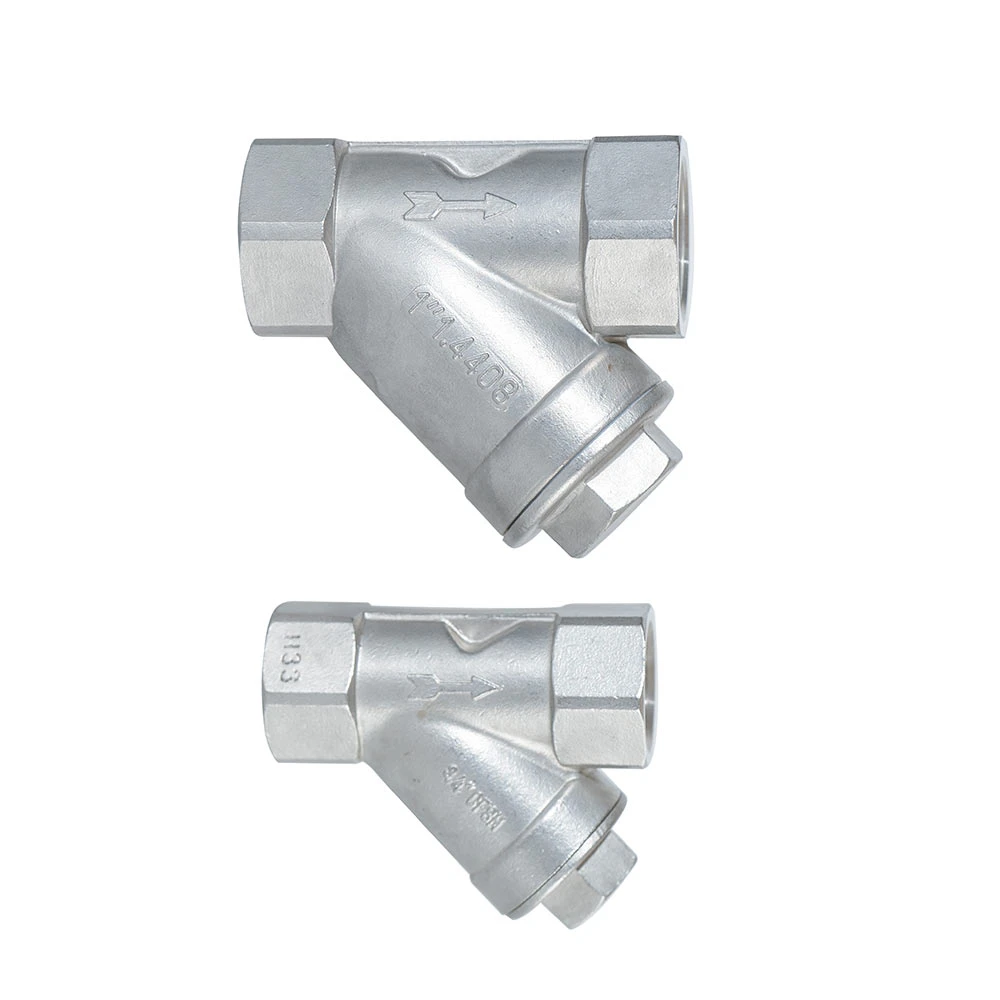
Even with all the innovation, ball valve and check valve markets face challenges. One major one is handling abrasive or contaminated fluids that wear down components quickly — lost productivity isn’t cheap. To combat this, some filter technologies paired with valves help prolong service life. Also, standardizing valve sizes and certifications like ISO 9001 help ensure compatibility and quality globally.
Automation introduces complexities — sometimes things break or lose sync — but the trend is toward smarter maintenance that prevents those issues. In short, industry experts remain optimistic and pragmatic.
Frequently Asked Questions About Ball Valve and Check Valve
- Q1: What are the key differences between a ball valve and a check valve?
- A ball valve controls fluid flow manually or automatically by rotating a ball, allowing for on/off operation. A check valve, however, works automatically to allow flow only in one direction, preventing backflow. Both are essential but serve different control functions.
- Q2: Can ball valves be automated for large-scale industrial systems?
- Absolutely. Many ball valves are designed with actuators (electric, pneumatic) allowing remote, automated operation. This integration helps improve process control in large facilities.
- Q3: How do materials affect valve selection for corrosive fluids?
- Material compatibility is critical. For corrosive fluids, stainless steel or specially coated valves are recommended to resist degradation and prevent leaks, ensuring safety and longevity.
- Q4: Are check valves maintenance-heavy?
- Generally no, check valves tend to be simple devices requiring only periodic inspection. However, in harsh conditions, regular checks can prevent blockage or wear.
- Q5: Where can I find reliable suppliers of ball valve and check valve products?
- Vendors like Houde Valve offer a wide range with strong global distribution, combining innovation with quality certifications.
Conclusion
At the end of the day, ball valve and check valve technologies quietly protect and manage some of the world’s most precious flows — whether fuel, clean water, or chemicals. Their long-term value resonates across cost-efficiency, sustainability, and safety, which is why a solid understanding of these components is crucial for engineers, planners, and even policy makers worldwide.
Feeling curious? Don’t just take my word for it — explore the latest offerings and innovations firsthand at Houde Valve. It’s worth diving into a world where such “small” parts make huge impacts.