Understanding the 1 1 2 Y Strainer: Essential Insights for Industry and Beyond
At first glance, a 1 1 2 y strainer might just seem like another piece of industrial hardware, but it plays a surprisingly vital role across many sectors worldwide. Whether in water treatment plants, oil refineries, or even humanitarian aid projects where clean fluid flow is critical, knowing what these devices do can translate to safer systems and reduced downtime. Plus, if you’re in maintenance or procurement, understanding their specs and nuances can save serious time and money down the line.
Global Relevance of the 1 1 2 Y Strainer
Globally, the demand for reliable fluid filtration continues to surge. According to the International Organization for Standardization (ISO), industrial filtration market growth is projected at over 6% CAGR through 2027.1 This is not just about making machines run smoothly; it’s about protecting infrastructure and, in many cases, public health. Filters like the 1 1 2 y strainer combat the buildup of debris that can clog pipelines and degrade equipment efficiency—challenges faced everywhere from emerging remote industrial regions in Southeast Asia to large-scale petrochemical complexes in the Middle East. Oddly enough, even humanitarian organizations tackling water scarcity in parts of Africa rely on similar technologies to ensure particulate matter doesn't disrupt critical delivery systems.
Defining the 1 1 2 Y Strainer
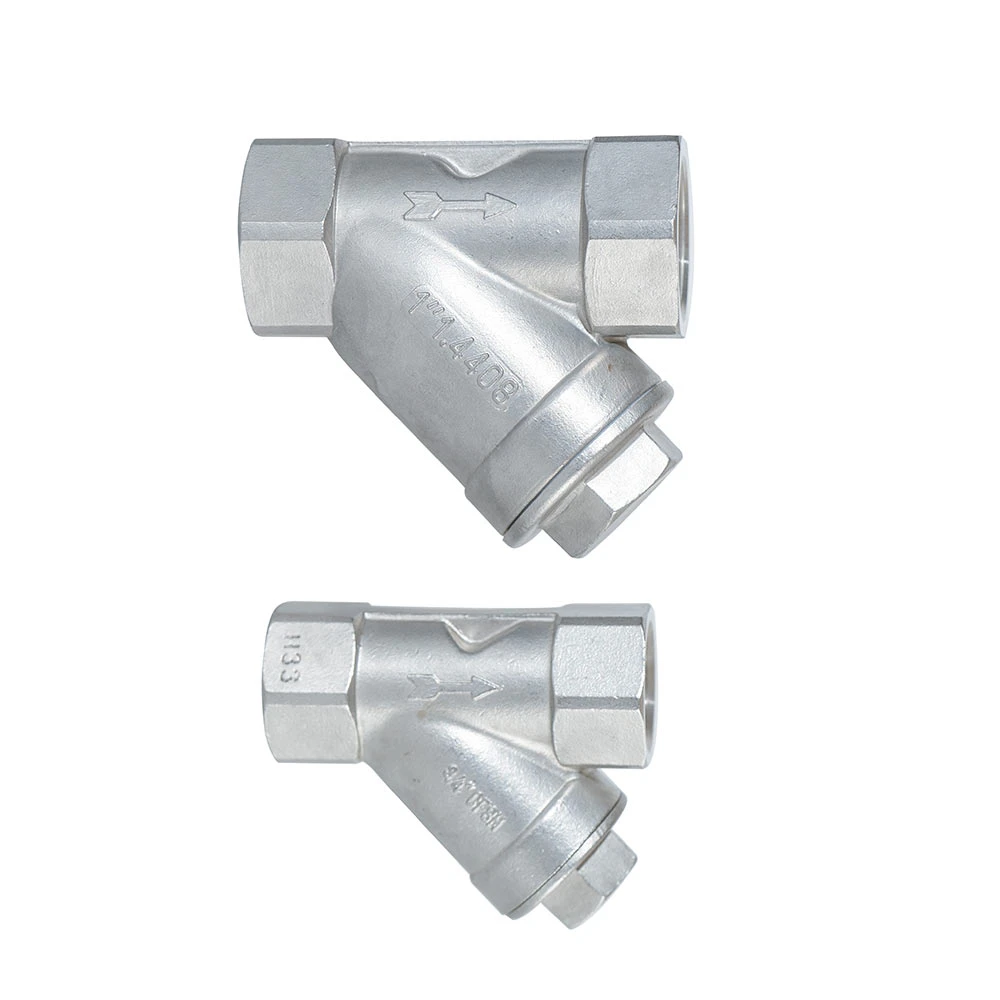
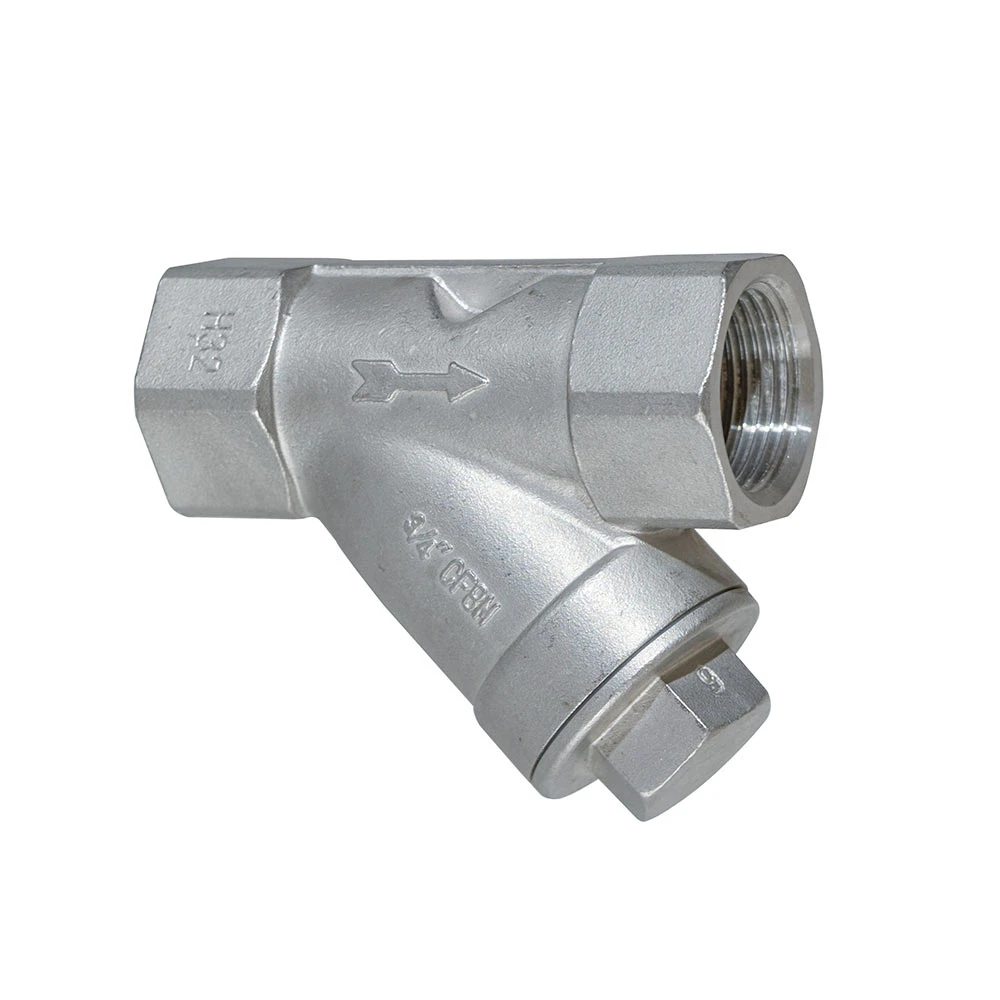
A y strainer, often named for its “Y”-shaped body, is a mechanical device designed to remove unwanted solids from liquids or gases flowing in pipelines. The “1 1 2” refers to the nominal pipe size—one and a half inches—that it is built to fit. It works by diverting the flow through a mesh or perforated basket, capturing sediment and debris before they reach sensitive components like pumps, valves, or meters.
In modern industry, y strainers are crucial in preserving equipment integrity and prolonging service intervals. I suspect you might not realize how integral such modest gadgets are to, say, chemical manufacturing plants or municipal water treatment. Without them, costly repairs and hazardous failures can become daily concerns.
Key Attributes of the 1 1 2 Y Strainer
- Durability: Usually constructed from stainless steel or cast iron, these strainers withstand corrosive environments and high pressures. This longevity makes them indispensable where maintenance opportunities are limited.
- Ease of Maintenance: The 'Y' shape facilitates easy removal and cleaning of the filter basket without disrupting system flow significantly, saving downtime.
- Versatility: Compatible with various piping materials and fluid types, including water, steam, oil, and chemicals.
- Cost Efficiency: By preventing damage to major equipment, strainers reduce repair costs and production losses.
- Pressure Handling: Many models support pressures up to 300 psi, fitting a broad range of industrial settings.
Each factor intertwines with practical application. For example, if your plant deals with abrasive fluids, a stainless steel y strainer provides superior corrosion resistance, reducing replacement frequency.
Product Specifications: Typical 1 1 2 Y Strainer
| Specification | Details |
|---|---|
| Size | 1 1/2 inch (DN40) |
| Material | Stainless Steel 304 / Cast Iron |
| Pressure Rating | 150–300 psi (PN10–PN20) |
| Mesh Size | 20–1000 microns (customizable) |
| Connection Type | Threaded / Flanged |
Global Industry Vendors: A Quick Comparison
| Vendor | Material Options | Price Range (USD) | Lead Time | Certifications |
|---|---|---|---|---|
| Houde Valve (1 1 2 y strainer) | Stainless Steel, Cast Iron | $150–$300 | 2–4 weeks | ISO 9001, API |
| GlobalFiltra Inc. | Carbon Steel, Stainless | $120–$280 | 3–6 weeks | ISO 14001 |
| PipelineTech | Polypropylene, Steel | $100–$250 | 1–3 weeks | None |
Real-World Uses of 1 1 2 Y Strainers
One could say these strainers quietly keep countless systems humming. In the petrochemical industry of the Gulf, for instance, they prevent contaminants from fouling turbine blades, which would otherwise cause costly outages. Meanwhile, water utilities in Europe use them to protect advanced metering infrastructure. Oddly enough, I encountered a case where an NGO set up portable water filtration systems in post-disaster Haiti—integrating these strainers ensured pumps weren't damaged by suspended sediments, proving critical during relief operations.
Why the 1 1 2 Y Strainer Matters Long-Term
- Cost Savings: Less equipment wear means fewer repairs and replacement parts.
- Operational Reliability: Continuous, smooth flow maintains consistent production or service delivery.
- Environmental Impact: Reducing fluid contamination reduces waste and hazardous downtime.
- Safety & Trust: Reliable filtration protects workers and communities depending on clean fluids.
There's also an emotional component here—trusting that equipment won’t unexpectedly fail lends peace of mind to operators who, frankly, have enough on their plates already.
Innovations Shaping the Future of Y Strainers
Looking ahead, several trends are shaping how y strainers evolve. Materials science is pushing for composites that resist corrosion but weigh less, ideal for offshore and mobile systems. Digital monitoring is another breakthrough: integrating sensors that detect clogging can pre-empt maintenance, saving costly unplanned shutdowns. And with sustainability front and center, manufacturers are designing strainers that can be recycled or refurbished, aligning with circular economy principles.
Challenges & Their Fixes
Of course, no solution is perfect. Sometimes strainers clog rapidly in heavy sediment environments, requiring frequent cleaning that interrupts operations. One creative fix: automated self-cleaning baskets coupled with smart alerts—something you increasingly see in higher-end systems. And material incompatibilities in aggressive chemical situations can cause early failure, so choosing the right body and mesh material is paramount. That’s where expert consultation—including input from vendors like Houde Valve—really helps.
Frequently Asked Questions About the 1 1 2 Y Strainer
- What types of fluids can a 1 1 2 y strainer handle?
- They typically handle liquids like water, oil, chemicals, and even steam or gases, depending on the material and mesh size. Always confirm compatibility with your specific fluid.
- How often should the strainer basket be cleaned?
- Cleaning frequency depends on debris load but generally ranges from weekly in heavy sediment conditions to monthly or longer in cleaner systems.
- Can these strainers be customized for special industries?
- Yes, manufacturers offer custom mesh sizes, materials, and connection types tailored to industries like food processing, petrochemicals, or pharmaceuticals.
- Are 1 1 2 y strainers suitable for high-pressure pipelines?
- Many models support pressures up to 300 psi, but always check manufacturer specs for your precise application to ensure safety.
- Is installation complicated?
- Not usually. The threaded or flanged ends allow relatively straightforward fitting into existing pipe networks, but professional installation is recommended for pressure-critical systems.
Wrapping Up
In sum, understanding the 1 1 2 y strainer gives you a leg up in keeping complex fluid systems fluid — pun intended. Its humble design masks profound impact in reliability, efficiency, and safety, across industries globally. Whether you’re sourcing parts or managing operations, giving this unassuming device some thought ensures your system's longevity and trustworthiness.
For more detailed product info and expert advice, I’d definitely recommend checking out Houde Valve’s offerings—they’ve got solid experience here.
Takeaway: Sometimes, it’s the simplest components that keep the world’s most complex systems turning smoothly.
References:
1. International Organization for Standardization, Market Forecast Reports – ISO.org
2. Water Environment Federation, Filtration in Water Treatment – WEF.net
3. Occupational Safety and Health Administration, Process Safety Management Guidelines – OSHA.gov