Understanding the 1 Y Strainer: Essential Filtration for Global Industrial Systems
Oddly enough, despite being one of those components often overlooked in complex piping systems, the 1 y strainer plays a pivotal role worldwide. Essentially a device designed to filter out debris and particles from fluid systems, it improves equipment longevity, reduces maintenance costs, and ensures uninterrupted processes across countless industries. From petrochemical plants sprawling across the Gulf Coast to water treatment facilities powering emerging cities, knowing why and how the 1 y strainer fits into these applications isn’t just helpful — it’s critical.
This article explores the meaning, applications, and future potential of these humble yet mighty strainers. By the end, you’ll appreciate why engineers and operators alike swear by them and how understanding the nuances around 1 y strainers can save money, time, and headaches globally.
Global Context: Why the 1 Y Strainer Matters
According to data from the International Organization for Standardization (ISO) and the World Bank, industrial fluid systems around the world suffer downtime due to clogging or equipment damage worth billions annually. A key contributor? Infiltration of particulate matter like rust, scale, and sediment. The 1 y strainer addresses this head-on — by capturing unwanted solids before they can wreak havoc.
Considering the push for sustainability and resource efficiency, minimizing operational disruptions is crucial. The 1 y strainer plays quietly yet effectively within oil refineries, food processing plants, HVAC systems, municipal water supplies, and beyond. It’s one relatively simple piece of technology reducing waste and improving safety standards. Without it, filters, pumps, and valves downstream face premature failure — a problem that’s far more expensive and environmentally damaging.
What Is a 1 Y Strainer?
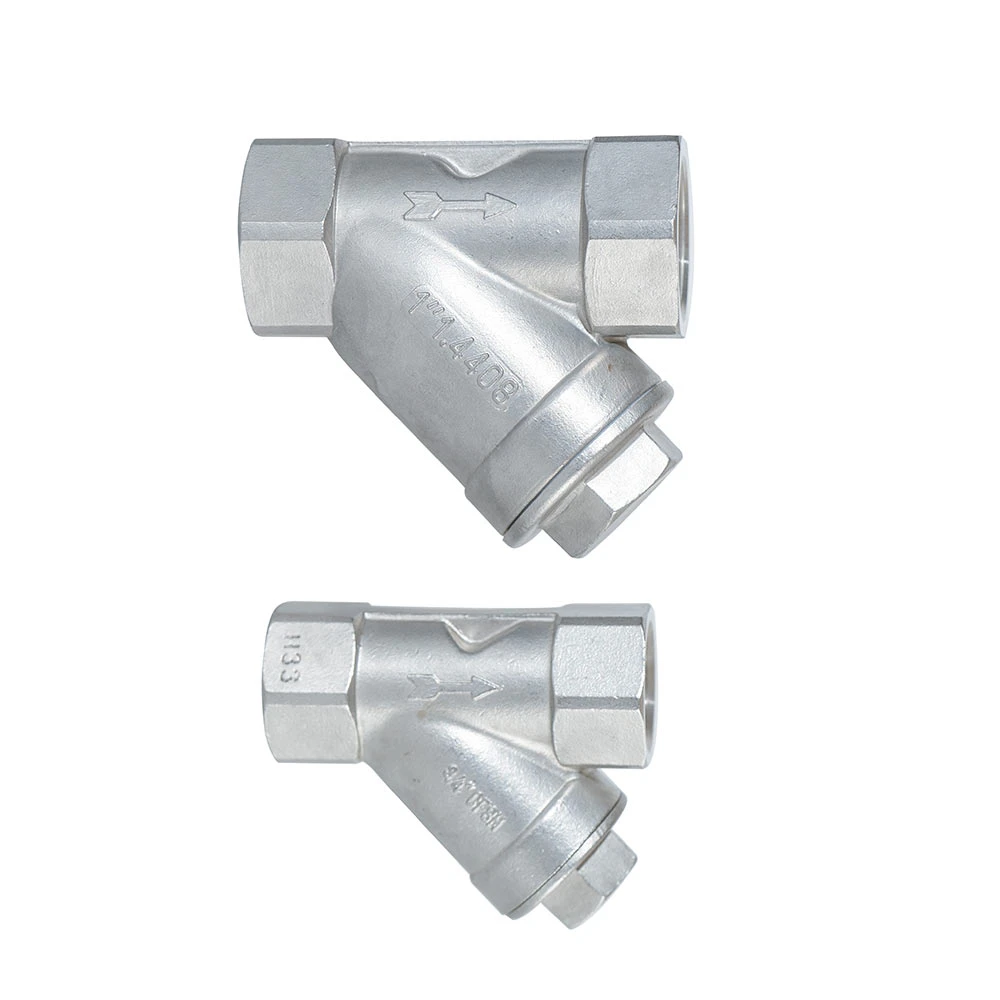
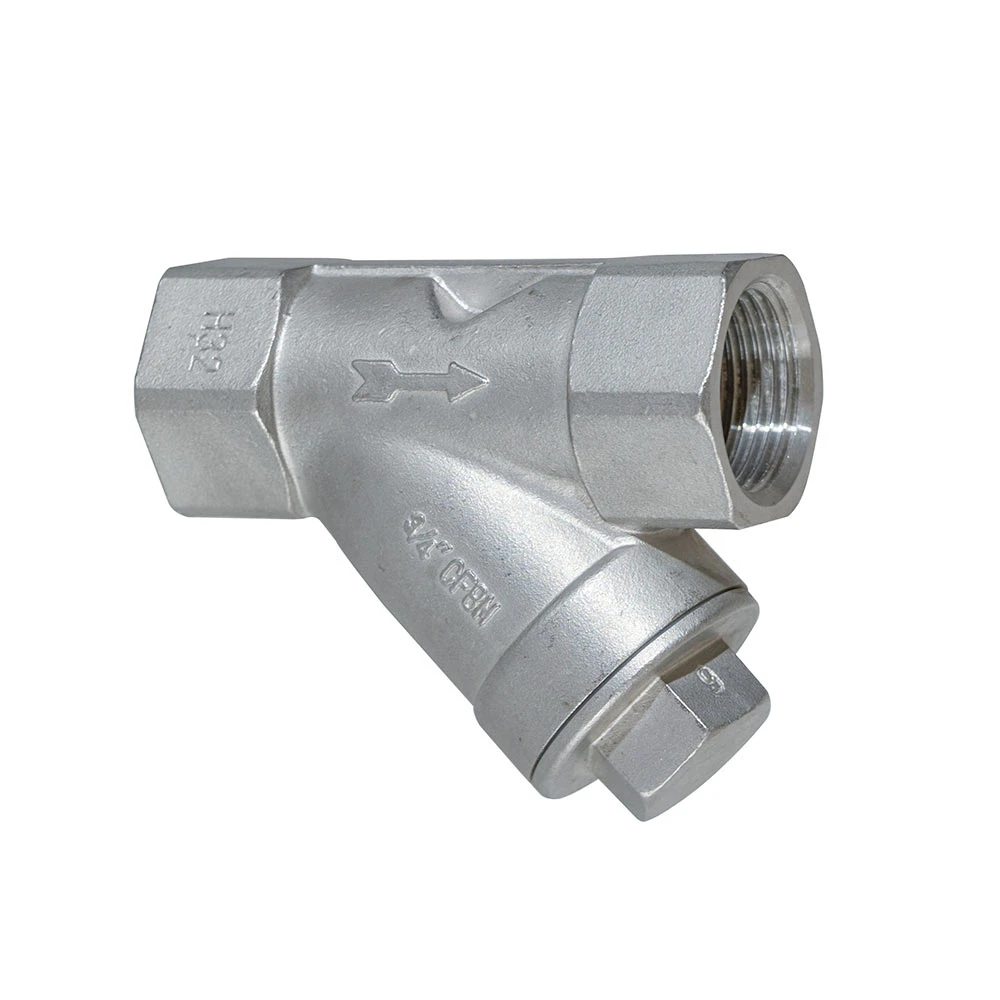
In simplest terms, a 1 y strainer is a Y-shaped pipeline filter equipped with a mesh or perforated screen to catch solid debris within fluids. The "1" typically refers to the nominal pipe size (1 inch), while "y" describes the strainer’s characteristic angled shape—allowing particulates to collect in the leg of the “Y” without blocking overall flow.
This basic design is elegant in its simplicity, combining low pressure loss with easy accessibility for cleaning. It’s not just an industrial relic, either; humanitarian organizations use them in water treatment units post-disaster to ensure clean distribution, underscoring their versatility.
Key Features of the 1 Y Strainer
Durability
Most 1 y strainers are made from stainless steel, carbon steel, or cast iron to withstand harsh conditions. Corrosion resistance and mechanical strength vary by material but generally provide robust service life even under turbulent flows.
Mesh Size and Filtration Precision
The mesh inside can range from coarse (removing large debris like rust flakes) to fine (trapping micro-particles less than 100 microns). Selecting the right mesh rating depends heavily on the system’s requirements—too fine, and flow rate suffers; too coarse, and your equipment downstream is vulnerable.
Ease of Maintenance
Because of their "Y" leg design, these strainers allow for straightforward removal and cleaning without dismantling entire systems—meaning less downtime and maintenance effort in real terms.
Cost Efficiency
Compared to more complex filtration units, the 1 y strainer is relatively inexpensive, making it ideal for both startup projects and retrofits.
Compatibility & Scalability
Available in various sizes and pressure classes, these strainers fit in a wide array of industrial piping systems, from small-scale municipal utilities to massive chemical processing plants.
Corrosion and Temperature Resistance
Many models are rated for temperatures up to 400°C and can handle corrosive fluids, expanding their application possibilities.
| Attribute | Specification | Notes |
|---|---|---|
| Size | 1 inch (nominal) | Other sizes available |
| Material | Stainless Steel, Carbon Steel, Cast Iron | Depends on application |
| Pressure Rating | 150 to 300 psi | Varies by model |
| Temperature Range | -10°C to 400°C | Material dependent |
| Mesh Size | 10 - 2000 micron | Customizable |
| Connection Types | Threaded, Flanged, Socket Weld | Industry standard |
Where and How Are 1 Y Strainers Used Globally?
Industries across continents rely on these strainers, from steel mills in Asia to desalination plants in the Middle East. For example:
- Oil & Gas Sector: Used extensively to protect sensitive pumps and valves by filtering impurities in piping networks.
- Water Treatment: Municipalities in Europe use 1 y strainers as a first-line defense in water filtration plants to maintain water quality standards.
- Food and Beverage: Ensures purity by removing solid residues in liquid ingredient processing steps.
- Disaster Relief Efforts: Portable water filtration units equipped with 1 y strainers have been deployed in recent natural disasters to ensure safe potable water, showcasing their humanitarian value.
In fact, NGOs implementing emergency water systems often turn to these strainers for their simplicity and durability in difficult environments. It feels like a small but mighty piece of equipment — the silent guardian of fluid systems worldwide.
Advantages & the Long-Term Value of 1 Y Strainers
- Cost-Effectiveness: They reduce wear and tear on expensive downstream equipment, thus lowering maintenance costs.
- Operational Reliability: Minimizing clogs and backups contributes to uninterrupted workflow, which is priceless in critical industries.
- Sustainability: By preventing premature equipment failures, they help reduce waste and extend service life — beneficial both economically and environmentally.
- Safety: Cleaner fluids mean fewer hazards related to equipment malfunctions or contamination — critical in sensitive sectors like pharmaceuticals or food.
Looking Ahead: Future Trends & Innovations in 1 Y Strainers
The humble 1 y strainer is not stagnant. New materials such as high-grade polymers and coated metals enhance chemical resistance, while digital sensor integration allows real-time monitoring of clogging status remotely — something many engineers find exciting.
Plus, the global push toward greener, more energy-efficient systems means strainers are being designed with minimal pressure drop in mind, helping reduce pumping power and carbon footprint. In the world of automated process industries, even such “simple” devices are evolving.
Challenges & Solutions
Of course, these strainers are not without their quirks. Choosing the wrong mesh size can cause flow restrictions or insufficient filtration. Plus, in highly abrasive or corrosive fluid systems, material degradation is a risk.
To address these, many businesses rely on expert consultation for customization and scheduled maintenance programs, ensuring strainers perform optimally over their lifespan.
| Feature | Houde Valve | ABC Industrial | Global FlowTech |
|---|---|---|---|
| Material Options | Stainless Steel, Carbon Steel | Cast Iron, Stainless Steel | Various Alloys |
| Customization | Yes — Mesh & Pressure Class | Limited Options | Standard Only |
| Lead Time | 2 - 3 weeks | 4 - 6 weeks | 3 - 5 weeks |
| Price Range | $$ | $ | $$$ |
| Customer Support | Technical & After-Sales | Basic | Limited |
FAQs About 1 Y Strainer
- What size mesh should I select for my 1 y strainer?
- The choice depends on the fluid characteristics and sensitivity of downstream equipment. For example, a filtration rating of 100-200 microns is typical for protecting pumps, but finer meshes may be required where clean fluids are critical. Consulting system specs helps avoid flow issues or inadequate filtration.
- How often should a 1 y strainer be cleaned or maintained?
- Maintenance frequency varies with service conditions but generally ranges from monthly to quarterly. Visual inspection and pressure drop monitoring can guide timing. Easy access to the strainer basket helps simplify this routine.
- Can the 1 y strainer handle corrosive fluids?
- Yes, but material selection is key. Stainless steel grades like 316 or special alloys improve corrosion resistance. For highly aggressive chemicals, polymer-lined strainers may be necessary.
- Are 1 y strainers suitable for high-pressure systems?
- They can be rated for pressures up to 300 psi or more depending on construction. Always verify vendor specifications to match system requirements safely.
- Where can I find reliable 1 y strainers for industrial use?
- Manufacturers like Houde Valve specialize in customizable solutions meeting industry standards. Their online catalogs and technical support make selection and ordering straightforward.
Wrapping It Up
The 1 y strainer is one of those quietly essential components that, frankly, you want on your side — protecting valuable equipment and preventing costly downtime globally. Whether in hard-hitting oil fields or clean water plants, they deliver dependable filtration with minimal fuss. As materials improve and monitoring tech integrates, their role only grows more vital.
Interested in exploring 1 y strainers further? Visit our website at https://www.houdevalve.com for detailed specs, customizations, and expert advice.
Mini takeaway: Sometimes, it’s the simple, well-designed things — like a modest 1 y strainer — that make the biggest difference.