Understanding 1 1/4" Stainless Steel Ball Valves
1 1/4" stainless steel ball valves are critical components in many industrial and commercial applications requiring precise flow control. Known for their durability, corrosion resistance, and tight shut-off, these valves are ideal for handling a wide range of fluids. This article will delve into their features, applications, materials, installation, and benefits, providing a comprehensive guide for engineers, procurement specialists, and anyone involved in fluid handling systems. Selecting the right stainless steel ball valve is essential for ensuring operational efficiency and safety.
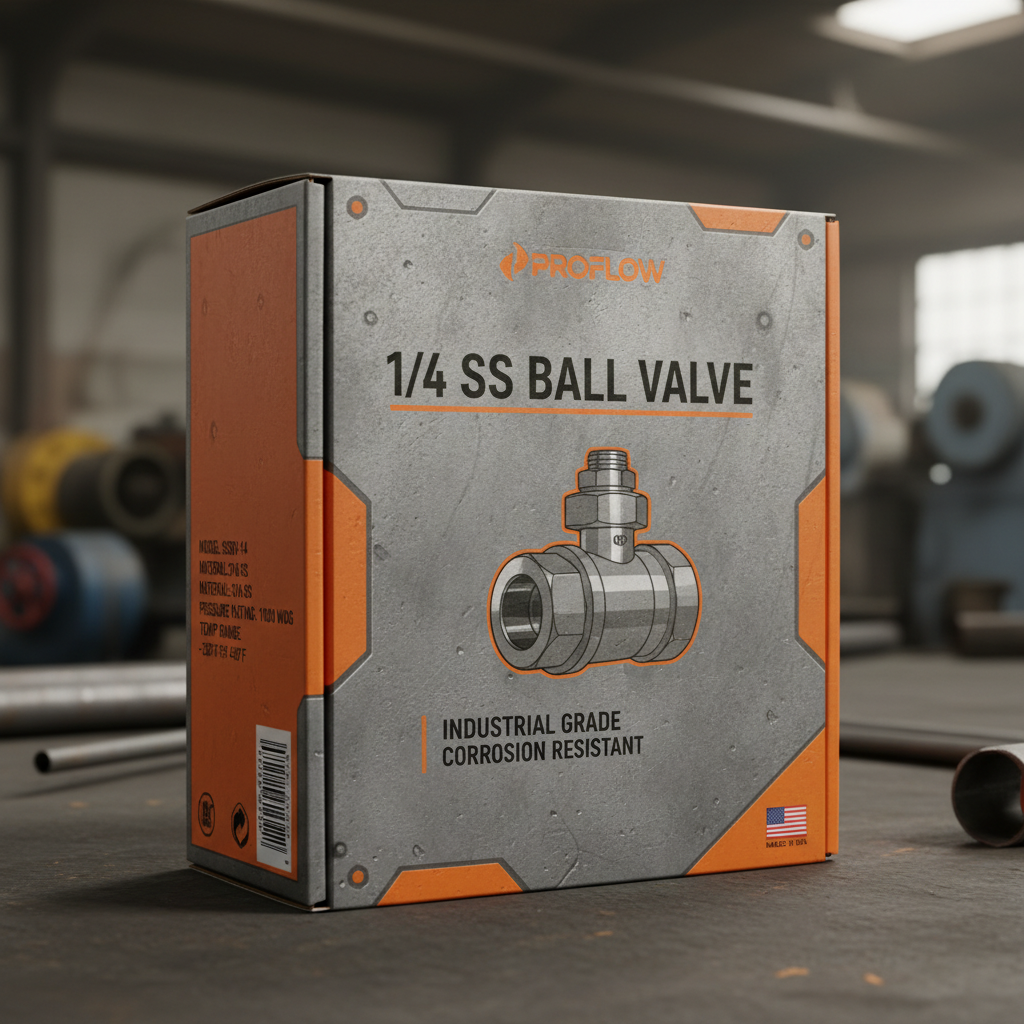
Key Features of 1 1/4" Stainless Steel Ball Valves
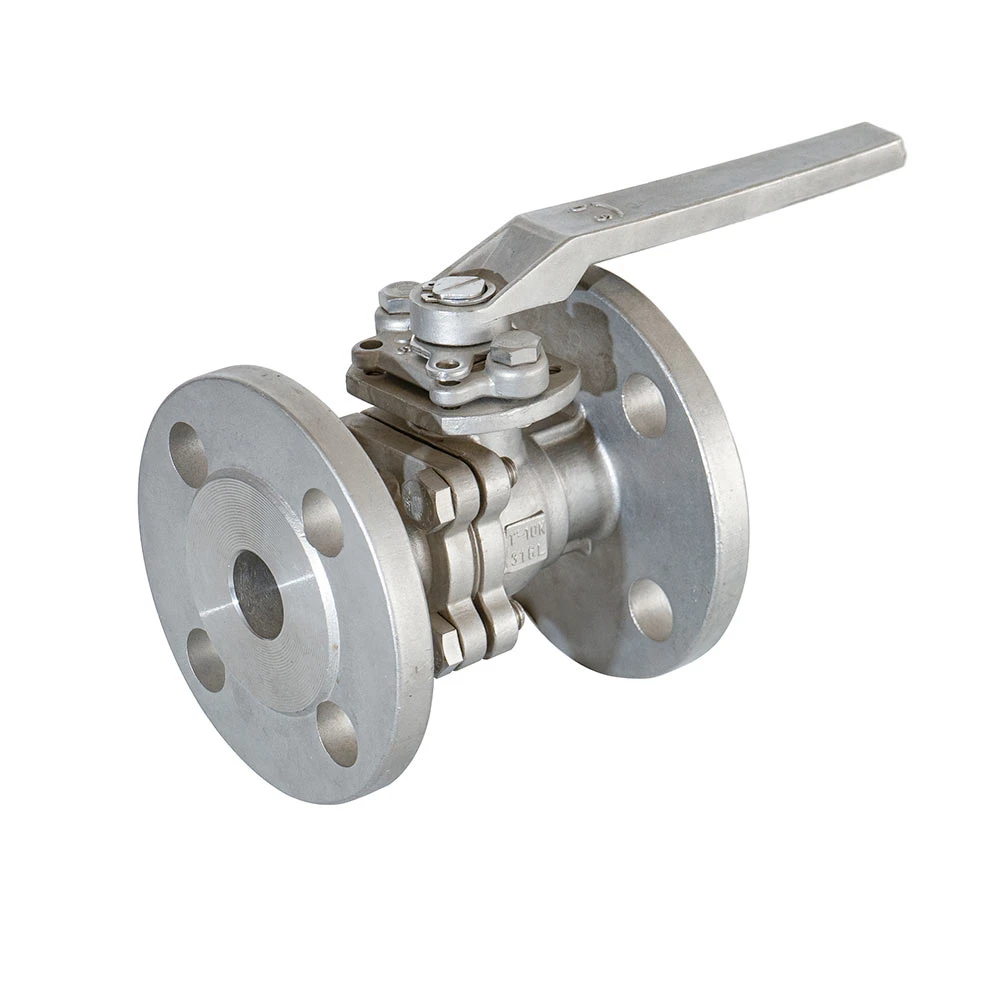
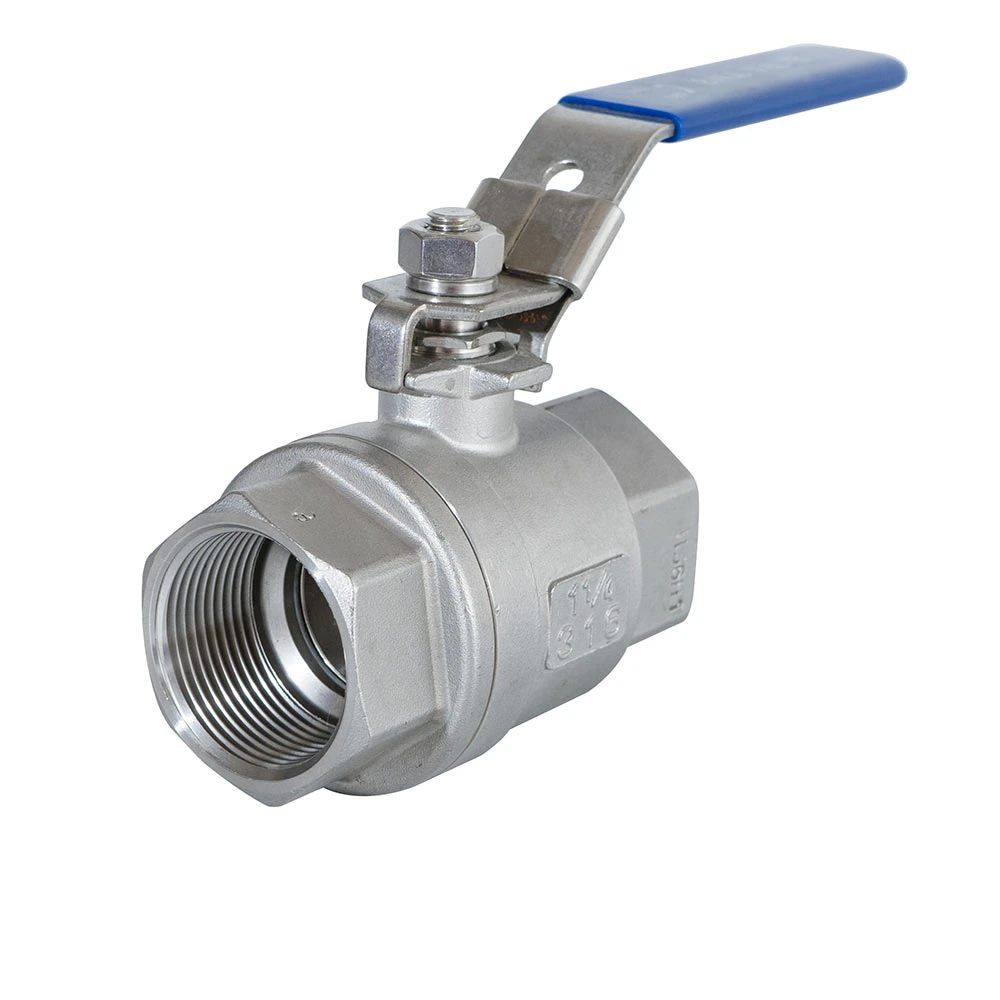
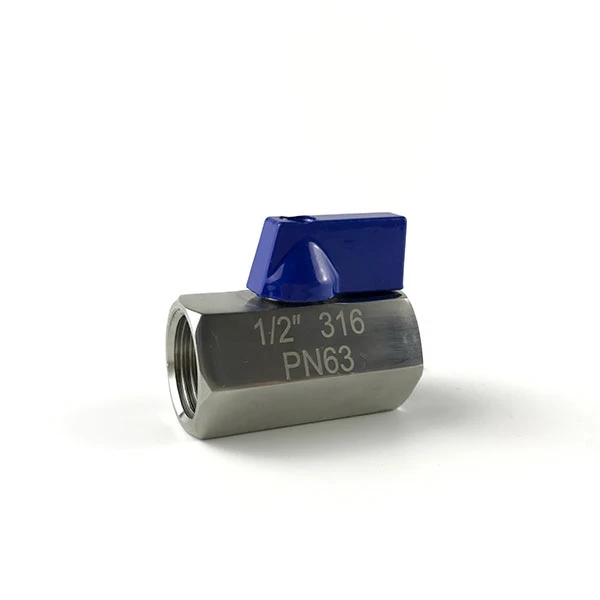
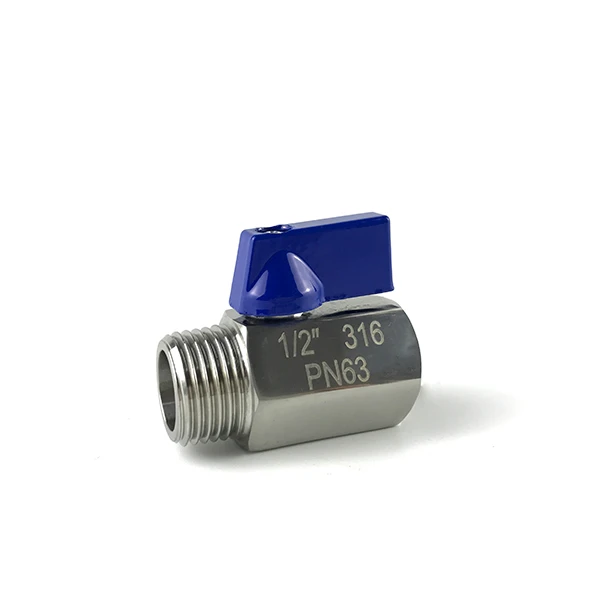
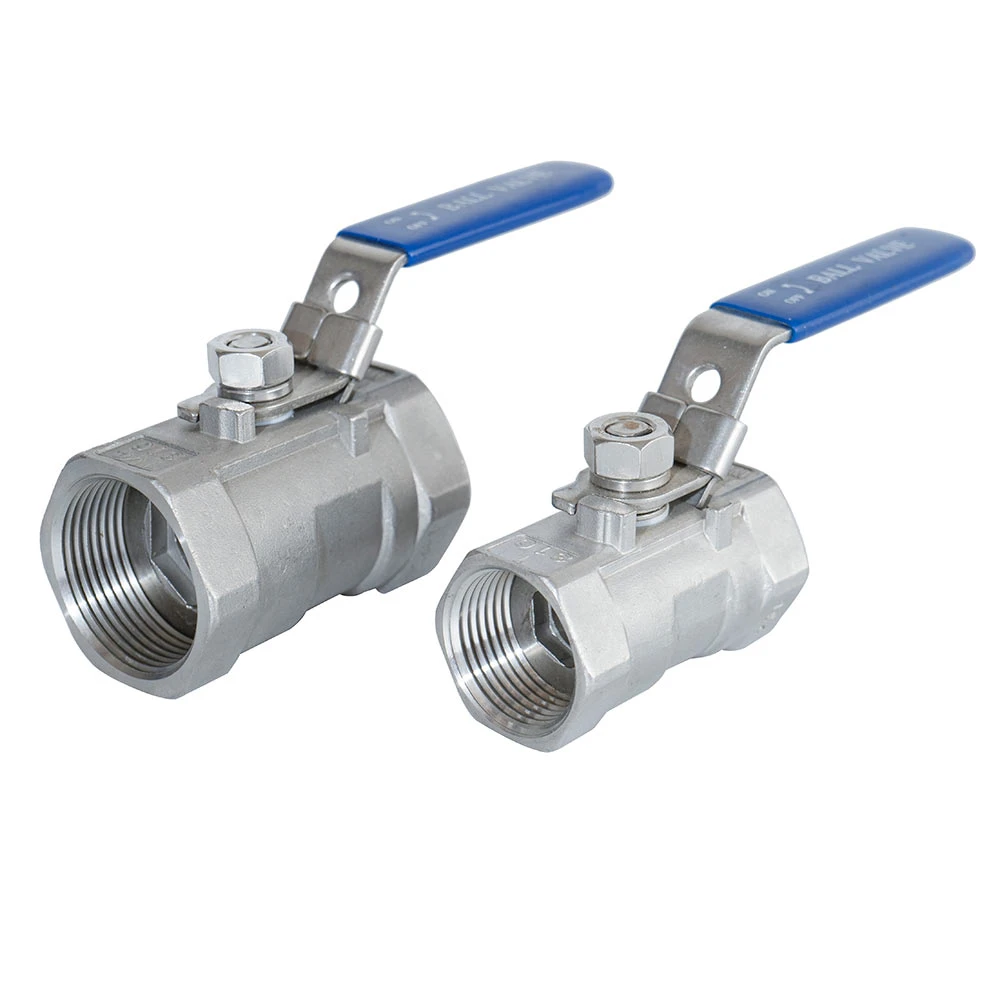
The defining characteristic of a 1 1/4" stainless steel ball valve is its use of a spherical ball with a bore through the center to control fluid flow. When the ball's bore is aligned with the valve's inlet and outlet, fluid passes through. Rotating the ball 90 degrees closes the valve, providing a tight seal. The ‘1 1/4”’ refers to the nominal pipe size, indicating the valve is designed to connect to 1.25 inch diameter pipes. Constructed from stainless steel, typically 304 or 316, these valves offer exceptional resistance to corrosion, making them suitable for aggressive media. They are also known for their quick quarter-turn operation, allowing for rapid on/off control.
Key Highlights: Quick quarter-turn operation, exceptional corrosion resistance, tight shut-off, and suitable for high-pressure applications.
Materials and Grades of Stainless Steel
The stainless steel grade used significantly impacts the valve's performance and lifespan. 304 stainless steel is a common choice, providing excellent corrosion resistance in many applications. However, for more corrosive environments, particularly those involving chlorides, 316 stainless steel is preferred due to its molybdenum content. This molybdenum enhances its resistance to pitting and crevice corrosion. Other materials used in the construction include PTFE (Teflon) seats and seals for tight shut-off and compatibility with various fluids, and stainless steel stems for durability. Houdevalve provides a full range of material options.
Stainless Steel Grade Comparison:
• 304 Stainless Steel: Excellent corrosion resistance in general applications.
• 316 Stainless Steel: Superior corrosion resistance, especially against chlorides.
• PTFE: Excellent chemical resistance and low friction.
1 1/4" SS Ball Valve Applications
These valves are incredibly versatile and find application in diverse industries. Chemical processing utilizes them for handling corrosive fluids. Food and beverage industries rely on their sanitary properties and ability to handle viscous liquids. Pharmaceutical manufacturing benefits from their high purity and cleanability. Water treatment facilities employ them for controlling water flow. Heating, ventilation, and air conditioning (HVAC) systems utilize them for modulating coolant flow. And finally, oil and gas industries use them for critical pipeline applications.
Installation and Maintenance Considerations
Proper installation is crucial for ensuring long-term performance. Always use appropriate thread sealant to prevent leaks. Tighten the valve securely, but avoid over-tightening, which can damage the threads. Regular inspection and maintenance, including lubrication of the ball and stem, are essential. Periodically check for signs of corrosion or wear and replace the valve if necessary. Following the manufacturer's instructions, available from Houdevalve, will maximize the valve's lifespan.
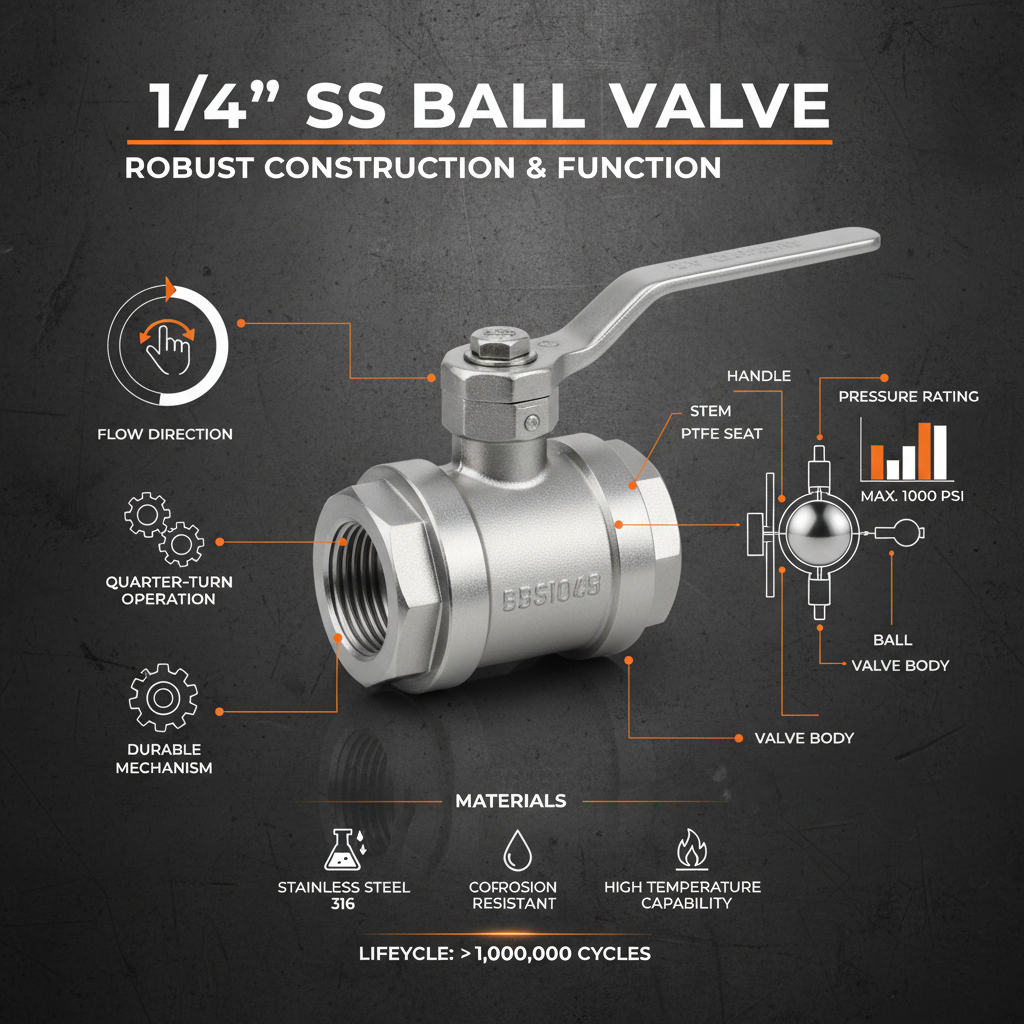
Product Specifications and Comparison
Understanding the specifications and how they compare to other valve types is essential. Here's a typical specification sheet. It's crucial to ensure the valve meets the specific pressure, temperature, and fluid compatibility requirements of your application.
Conclusion: Choosing the Right 1 1/4" Stainless Steel Ball Valve
Selecting the appropriate 1 1/4" stainless steel ball valve is a vital decision for any fluid handling system. Consider the fluid type, pressure requirements, temperature, and environmental conditions. Houdevalve offers a comprehensive range of high-quality valves, along with expert support to help you make the best choice for your application. Investing in a reliable valve ensures efficient operation, minimizes downtime, and enhances safety.
Frequently Asked Questions (FAQs)
What is the difference between 304 and 316 stainless steel ball valves?
The key difference lies in corrosion resistance. 316 stainless steel contains molybdenum, which significantly enhances its resistance to chloride corrosion, making it ideal for marine environments or applications involving saltwater. 304 stainless steel is suitable for general applications with less aggressive media. The cost of 316 is typically higher than 304. Choosing the appropriate grade depends on the specific fluid being handled and the operating environment.
How do I determine the correct pressure rating for my application?
The pressure rating of the valve must exceed the maximum operating pressure of the system. Consider both static and dynamic pressures, including pressure surges. Always factor in a safety margin. Consulting with a qualified engineer or referring to system design specifications is crucial for determining the correct pressure rating. Using a valve with an insufficient pressure rating can lead to catastrophic failure.
What are the advantages of using a ball valve over other types of valves?
Ball valves offer several advantages, including a quick quarter-turn operation, tight shut-off, minimal pressure drop when fully open, and relatively low maintenance requirements. They are also versatile and can handle a wide range of fluids and temperatures. Compared to gate valves, they provide faster operation. Compared to globe valves, they offer lower pressure drop.
Where can I find more detailed specifications and technical drawings?
Detailed specifications, technical drawings, and material certifications are readily available on the Houdevalve website. You can also contact their technical support team for assistance with specific application requirements or custom valve configurations.