Understanding the 1 4 Y Strainer: Its Role and Benefits in Industrial Filtration
If you’re navigating the world of industrial fluid handling, you’ve probably encountered the term 1 4 y strainer. Though it might sound like a technical footnote, this small but mighty component is crucial for protecting equipment by filtering debris from pipelines. From massive water treatment plants to delicate chemical processing lines, an efficiently designed Y strainer often keeps complex systems running smoothly without costly downtime.
Globally, industries continue to lean on devices like the 1 4 y strainer for optimizing performance and reducing maintenance costs. Understanding how this component works, its key features, and where it’s applied can save operators time, money, and headaches — quite literally preventing breakdowns before they happen.
Global Context: Why the 1 4 Y Strainer Matters Worldwide
The industrial filtration market was valued at over USD 30 billion in 2023 and is projected to grow steadily. According to ISO standards governing fluid filters and strainers (ISO 2942 and ISO 16889), reliable filtration is foundational for maintaining safety and efficiency. One challenge industries face is contaminant-induced damage, which can cost tens of thousands of dollars per hour in lost productivity.
Across water treatment, oil & gas, pharmaceuticals, and food processing sectors, the demand for effective filtration solutions is immense. The 1 4 y strainer addresses this by providing a simple yet durable method for physically separating particulates from operational fluids, preventing clogging or equipment wear downstream.
What Exactly Is a 1 4 Y Strainer?
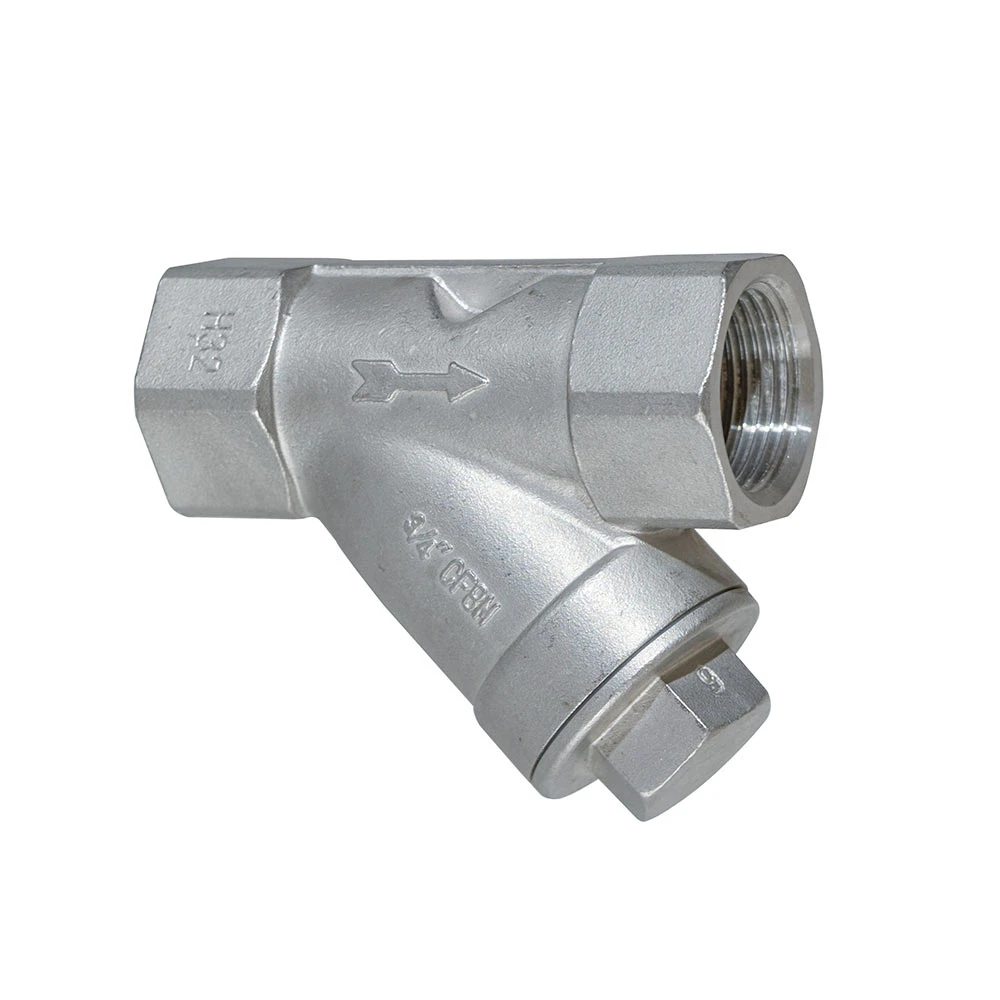
In straightforward terms, a 1 4 y strainer is a pipeline filter device shaped like a “Y” that uses a mesh screen to trap solids while fluids pass around it. The “1 4” typically refers to its nominal pipe size — one-quarter inch — which is on the smaller end, suited for precise or compact applications. Its angled design facilitates easy cleaning by allowing debris collection in a side chamber.
Despite its small size, the Y strainer fits into modern industrial and humanitarian workflows — particularly where fluid purity is key but space or weight must be minimized. Think field hospitals, mobile water systems, or smaller-scale chemical instrument lines. Without it, pumps, valves, or meters could jam or fail prematurely.
Key Components & Characteristics
- Durability: Usually constructed with stainless steel or brass, 1 4 y strainers resist corrosion and high pressure, making them suitable for various fluids and environments.
- Scalability: Although small, 1 4 sized strainers fit into larger assemblies or modular designs, enabling easy upgrades or replacements.
- Ease of Maintenance: Its Y shape means operators can clear the mesh screen without extensive disassembly, maintaining uptime.
- Cost Efficiency: Compared to more complicated filtration systems, Y strainers offer a budget-friendly way to protect critical devices.
- Versatility: Effective in both liquid and gas pipelines, suitable for industries from HVAC to chemical processing.
- Pressure Handling: Depending on material and build, they can operate under pressures up to 400 PSI or beyond.
Mini takeaway: The 1 4 y strainer strikes a nice balance between robustness and simplicity, delivering protection where it’s needed without overcomplicating the system.
Specifications at a Glance
| Parameter | Specification |
|---|---|
| Pipe Size | 1/4 inch (Nominal) |
| Material | Stainless Steel, Brass |
| Maximum Pressure | Up to 400 PSI |
| Temperature Range | -20°C to +150°C |
| Mesh Size Options | 40 to 200 microns |
Comparing Top Vendors for 1 4 Y Strainers
| Vendor | Material Options | Price Range | Lead Time | Special Features |
|---|---|---|---|---|
| Houde Valve | Stainless Steel, Brass | $$ | 2-3 weeks | Custom mesh sizing, pressure rating test |
| ValveMaster Co. | Brass only | $ | 1-2 weeks | Standard mesh sizes |
| PureFlow Systems | Stainless Steel | $$$ | 3-4 weeks | High-temp tolerance, corrosion-resistant coating |
Global Applications and Use Cases
The sweet spot for the 1 4 y strainer is its adaptability. In industrial zones across North America and Europe, they’re part of water filtration assemblies ensuring sediment doesn’t clog pumps. In harsh, remote oil fields, they filter sand and grit out to protect expensive valves.
Oddly enough, humanitarian engineers working in disaster relief also leverage small-scale Y strainers as part of mobile water purification kits. Clean water is literally lifesaving, and a compact strainer like the 1 4 y variant prevents debris from clogging up portable irrigation or water supply systems in drought-stricken regions.
Regions like Southeast Asia and Sub-Saharan Africa are increasingly adopting such simple filtration solutions in municipal water stations, ensuring better health outcomes. It’s that mix of low-cost, reliability, and ease-of-use which makes the 1 4 y strainer timeless.
Advantages and Long-Term Value
- Cost-Effective Prevention: Avoiding damage to pumps and valves saves on costly repairs.
- Improved Safety and Reliability: Fluid systems run cleaner without surprise blockages.
- Environmental Sustainability: By reducing waste caused by equipment failure, systems support green energy and resource efficiency goals.
- Enhanced Trust: Operators gain confidence from knowing their pipeline integrity is supported by tried-and-tested hardware.
Emotional aspect? There’s a comforting reliability in such humble components — they do their job day-in, day-out, quietly protecting bigger systems.
Emerging Trends Shaping the Future
Industry experts are excited about innovations like nanostructured mesh materials that provide even finer filtration without sacrificing flow. Automation integration means these strainers will soon connect to IoT sensors, offering real-time clog notifications, predictive maintenance, and smarter supply chain planning.
Eco-friendly manufacturing methods for stainless steel and brass are also trending, reducing carbon footprints. With digital transformation, you might soon order a tailor-made 1 4 y strainer with embedded sensors directly from a vendor website—making 1 4 y strainer acquisition easier than ever.
Challenges & Practical Solutions
A common issue with small Y strainers is clogging if mesh selection doesn’t match fluid contaminants. However, solutions exist: modular mesh stacks, backflushing designs, and easy-access chambers help maintenance teams keep filters clean and operational.
Material compatibility with aggressive fluids can also be tricky, but recent grades of stainless steel alloys resist corrosion better. Expert advice? Always evaluate fluid specs carefully and consult vendor data sheets before installation.
FAQ: Common Questions About the 1 4 Y Strainer
- What pipe size does a 1 4 y strainer fit?
- It connects to a nominal pipe size of 1/4 inch, making it ideal for small pipelines or instruments needing precise filtration.
- How often should I clean the mesh screen?
- Cleaning frequency depends on fluid contamination levels; in dirty environments, weekly checks are advised, while cleaner fluids might require monthly or quarterly maintenance.
- Can the strainer handle hot fluids?
- Yes, typical 1 4 y strainers handle temperatures up to around 150°C, depending on material, but always verify specs for your application.
- Is it possible to customize mesh size to filter finer particles?
- Absolutely. Vendors often supply removable and replaceable mesh screens with a variety of micron ratings to suit specific needs.
- Where can I buy a reliable 1 4 y strainer?
- Reputable suppliers like Houde Valve offer quality products with options for customization and test certifications.
Conclusion: Why the 1 4 Y Strainer Remains Essential
To wrap up, the 1 4 y strainer may be a modest piece of kit, but its impact on the safe, efficient, and cost-effective operation of fluid systems is undeniable. Whether you’re managing industrial pipelines or supporting mobile water systems in remote regions, this simple device could be your unsung hero.
Want to see which model fits your needs? Visit Houde Valve for comprehensive options and expert support. Reliable filtration starts here — don't let debris dictate your downtime.
In the big picture, sometimes small components like these hold the key to long-term operational success.
Mini takeaway: The 1 4 y strainer is a small part with outsized influence — key to clean fluids, reduced maintenance, and smoother industrial operation.
References:
1. ISO Standards on Fluid Filters and Strainers (ISO 2942, ISO 16889)
2. Global Industrial Filtration Market Report, 2023
3. Wikipedia: Y-strainer