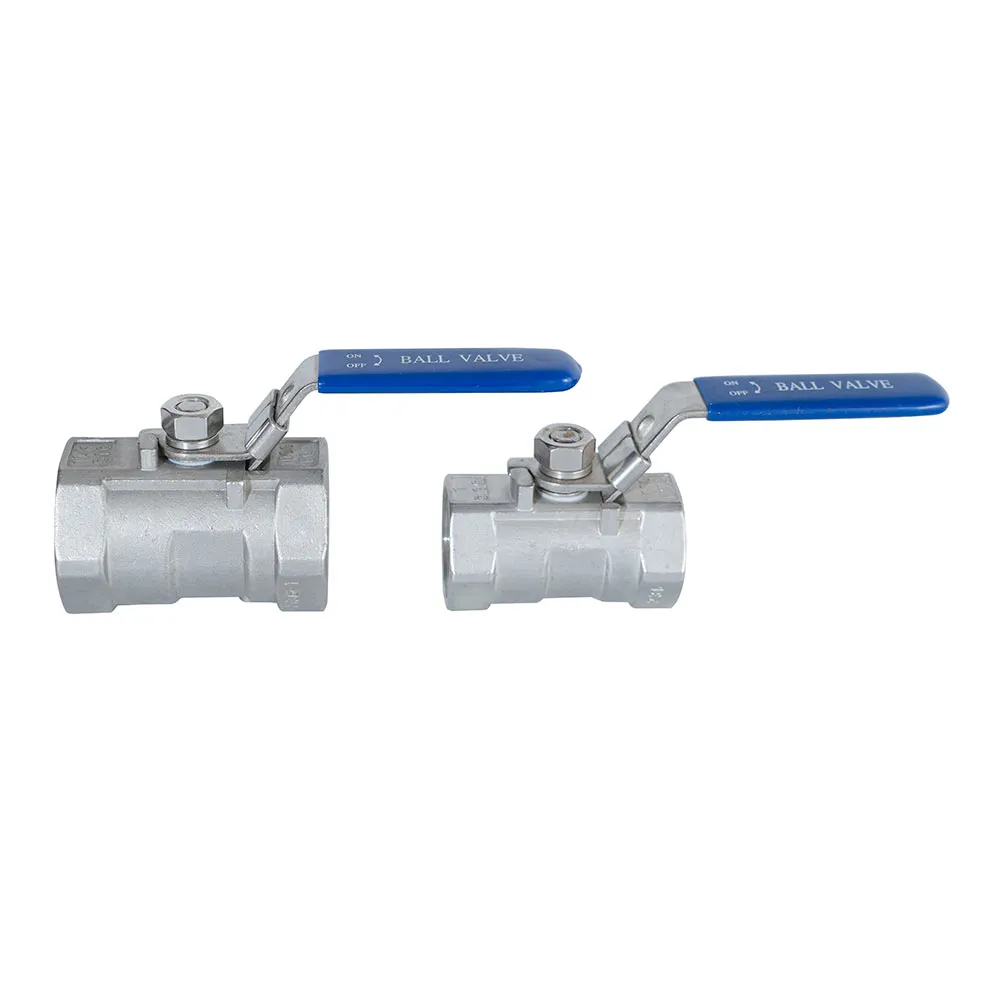
Understanding the 3 8 Y Strainer: Why It Matters Globally
Before we dive into the nuts and bolts, let's pause for a moment and consider why a simple device like the 3 8 y strainer actually plays a surprisingly vital role worldwide. It might sound mundane, but these compact, cleverly designed components serve to protect pipelines and machinery by filtering out debris and impurities. This isn’t just about keeping machines happy — it’s about reducing downtime, preventing costly repairs, and supporting industries critical to economies as well as humanitarian efforts.
Globally, industries from water treatment to oil refining rely heavily on such strainers. According to a recent ISO report on pipeline maintenance, proper filtration devices decrease unexpected shutdowns by up to 40%. That’s massive when you consider the cascading effects downtime can have across supply chains, especially in fragile infrastructure zones or remote industrial sites.
Mini takeaway:
- The 3 8 y strainer might be small but is essential for pipeline protection worldwide.
- It contributes to operational efficiency, making a tangible global impact.
What is a 3 8 Y Strainer?
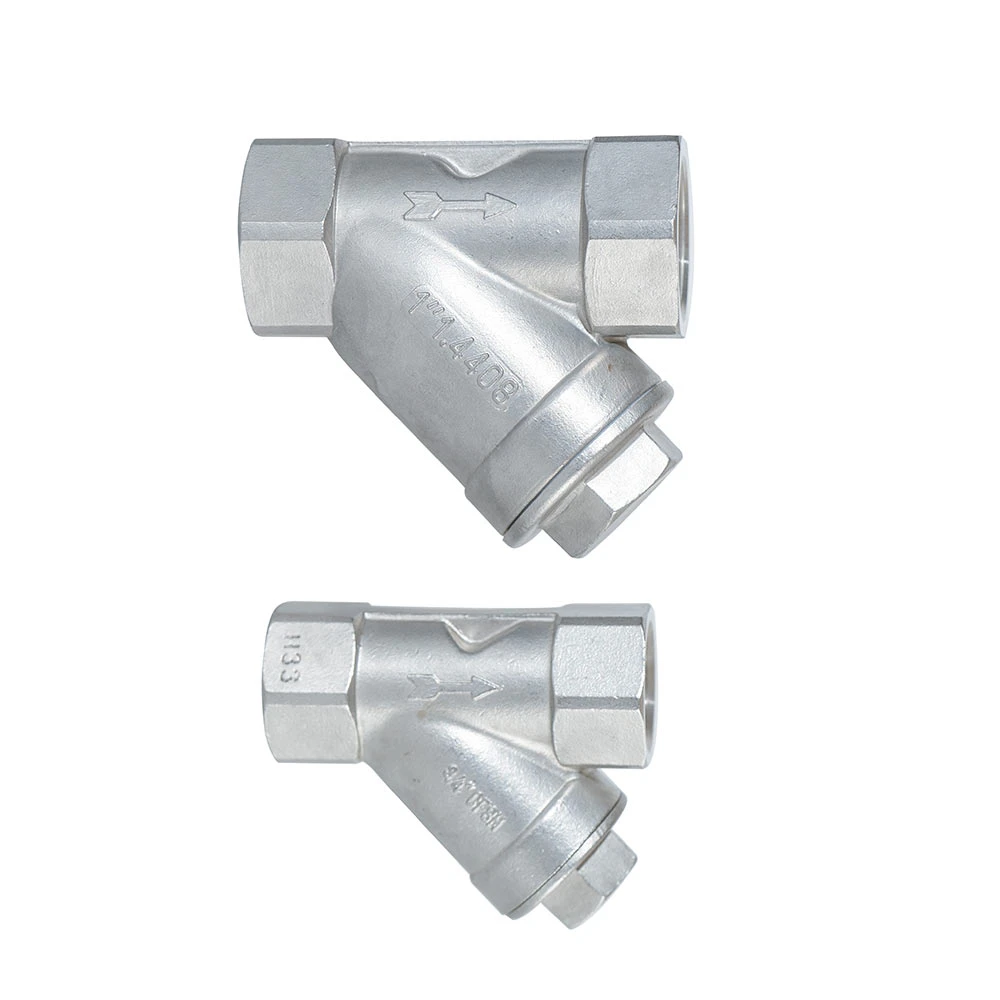
Simply put, a 3 8 y strainer is a type of pipeline filter designed in a “Y” shape, connecting inline within piping systems, and sized typically at 3/8 inch or variants thereof. Its main job? To catch and remove solid debris like rust particles, scale, and other impurities before they cause damage downstream.
Think of it as a tiny but mighty guardian, protecting pumps, valves, and meters from getting clogged or damaged. It has become a cornerstone in modern industrial and municipal water processing, ensuring smoother flow and longer equipment life. Water sanitation projects and oil & gas platforms alike swear by these strainers to maintain reliability...
Core Components and Key Features of the 3 8 Y Strainer
Durability
Many 3 8 y strainers are crafted from robust materials such as stainless steel or cast iron, designed to withstand harsh environments. Durability is critical, especially in chemical plants or marine applications where corrosion resistance is vital.
Mesh Size and Filtration Efficiency
The inner screen mesh varies, commonly rated between 20 to 150 microns, enabling precise filtration. Fine mesh screens trap smaller particles but need more frequent cleaning, a trade-off many engineers monitor carefully.
Ease of Maintenance
The “Y” design allows for ease of cleaning and replacement without dismantling entire pipelines, minimizing operational disruptions. This is a real advantage in high-demand environments where downtime costs a premium.
Versatility
These strainers suit a wide range of fluids — from water and steam to oils and gases. This flexibility makes them indispensable across industries.
Cost Efficiency
Given their simplicity, 3 8 y strainers offer an economical filtration solution compared to more complex systems, providing good ROI over time.
Mini takeaway:
- Durability and material quality are key for long-term reliability.
- Filtration mesh choice balances cleaning frequency and filtration precision.
- Compact “Y” shape enables easy maintenance.
Technical Specifications of a Typical 3 8 Y Strainer
| Specification | Details |
|---|---|
| Size | 3/8 inch nominal pipe size |
| Material Options | Stainless steel, cast iron, bronze |
| Pressure Rating | Up to 250 PSI (varies by material) |
| Mesh Size | 20–150 microns |
| Connection Type | NPT or flange |
Global Applications & Use Cases
Oddly enough, you’ll find 3 8 y strainers playing critical roles from the deserts of the Middle East to the rainforests of South America. Industries such as oil and gas, chemical manufacturing, HVAC, and municipal water systems depend on these devices. For example:
- In Post-Disaster Relief Operations: Portable water treatment units use 3 8 y strainers to ensure quick deployment of clean water supplies.
- Remote Industrial Zones: In offshore drilling platforms, these strainers reduce the risk of expensive equipment failure caused by contaminated fluids.
- Municipal Infrastructure: Many cities use them in water distribution networks to safeguard pumps and reduce maintenance costs.
Among NGOs dealing with clean water access, the reliability of the 3 8 y strainer is a quiet hero.
Mini takeaway:
- The 3 8 y strainer’s lightweight, compact design suits diverse, global industries.
- Its role in humanitarian water projects highlights its social importance.
Vendor Comparison: Leading 3 8 Y Strainer Manufacturers
| Vendor | Material Options | Price Range | Typical Lead Time | Notable Feature |
|---|---|---|---|---|
| Houde Valve | Stainless Steel, Cast Iron | $50–$100 | 2-3 weeks | Customization options, robust corrosion resistance |
| ABC Strainers Co. | Bronze, Stainless Steel | $60–$110 | 3-4 weeks | Wide mesh size variety |
| GlobalFilter | Cast Iron, Carbon Steel | $40–$90 | 1-2 weeks | Quick delivery, affordable pricing |
Advantages & Long-Term Value
Let’s be honest — who wouldn’t want equipment that’s reliable, easy to maintain, and kind on the budget? The 3 8 y strainer fits those demands like a glove. Beyond the obvious monetary savings from fewer repairs and downtime, there’s a sustainability angle too. Less wasteful replacements mean a smaller environmental footprint, something more industries are keenly aware of nowadays.
On an emotional level, knowing your machinery is safeguarded by these guardians fosters peace of mind, especially for operators in critical infrastructure. Innovation often feels like the next shiny gadget, but sometimes, it’s the humble 3 8 y strainer quietly supporting your entire operation.
Future Trends & Innovations
There’s a quiet revolution brewing with smart filtration tech. Imagine strainers outfitted with sensors alerting you when cleaning is due—far better than guesswork. Also, new materials like advanced composites are emerging, enhancing corrosion resistance and reducing weight.
Greener processes are pushing demand for eco-friendly designs that minimize waste and energy use. Digital transformation means these traditional devices are about to get smart; automated cleaning, remote monitoring, integrating with Industry 4.0 — it might sound futuristic, but it’s just around the corner.
Challenges & Solutions
No product is perfect, and the 3 8 y strainer does face some hurdles. For instance, fine meshes require frequent cleaning, which can be a hassle in continuous operations. Also, improper sizing can cause pressure drops or inadequate filtration.
Experts recommend routine maintenance schedules, proper sizing based on flow rates, and in some cases, pairing with backflushing systems for self-cleaning capabilities. In short, a bit of planning and tech-savvy adjustments can overcome these drawbacks.
FAQ: Frequently Asked Questions About 3 8 Y Strainers
- Q: What is the ideal mesh size for a 3 8 y strainer in water applications?
A: Typically, a mesh size between 50 to 100 microns balances filtration efficiency and ease of maintenance in most water applications. Finer mesh captures smaller particles but requires more frequent cleaning. - Q: How often should the 3 8 y strainer be cleaned?
A: Cleaning frequency depends on contamination levels but generally ranges from weekly to monthly. In high debris environments, daily inspections might be necessary to prevent clogging. - Q: Can the 3 8 y strainer handle corrosive fluids?
A: Yes, if made with corrosion-resistant materials like stainless steel or bronze. Material choice is critical for compatibility with fluid chemistry. - Q: Is it possible to customize the 3 8 y strainer for specific industrial needs?
A: Absolutely. Vendors like Houde Valve offer customized mesh sizes, materials, and connection types to suit particular applications.
Conclusion: Why the 3 8 Y Strainer is a Small Component With Big Impact
In summary, the humble 3 8 y strainer is much more than a pipe accessory. It’s a pivotal safeguard that enhances equipment longevity, operational efficiency, and sustainability across countless industries worldwide. From disaster relief water projects to complex industrial plants, its value is proven time and again.
If you’re curious to learn more or want to explore top-quality products, I recommend visiting Houde Valve for detailed solutions tailored to your needs.
Come to think of it, it’s comforting that some of the most effective solutions come in such simple packages...
References: