Understanding the 2 1/2 Inch Ball Valve: A Comprehensive Guide
When it comes to fluid control in various industries, the 2 1/2 inch ball valve is a crucial component. Known for its reliability, durability, and efficient shut-off capabilities, it's widely used in applications ranging from irrigation and water treatment to oil and gas. This article will provide an in-depth look at the features, applications, material options, and benefits of these valves. We'll also explore how to select the right valve for your specific needs, ensuring optimal performance and longevity.
What is a 2 1/2 Inch Ball Valve?
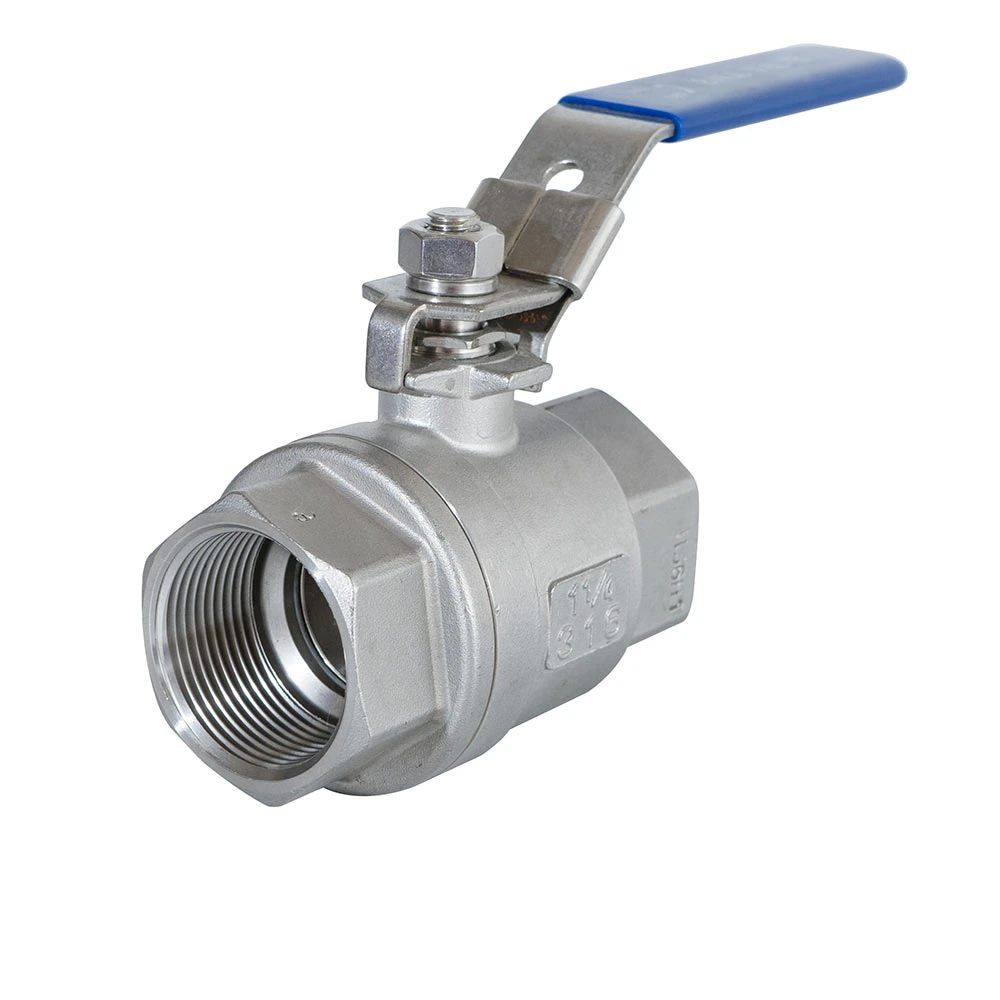
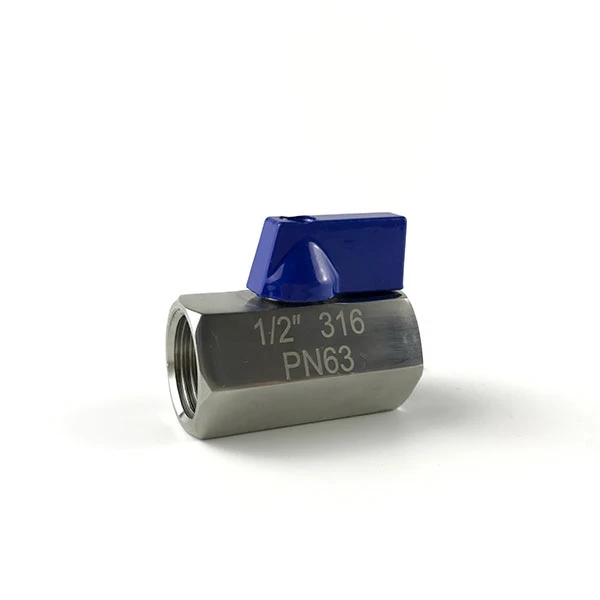
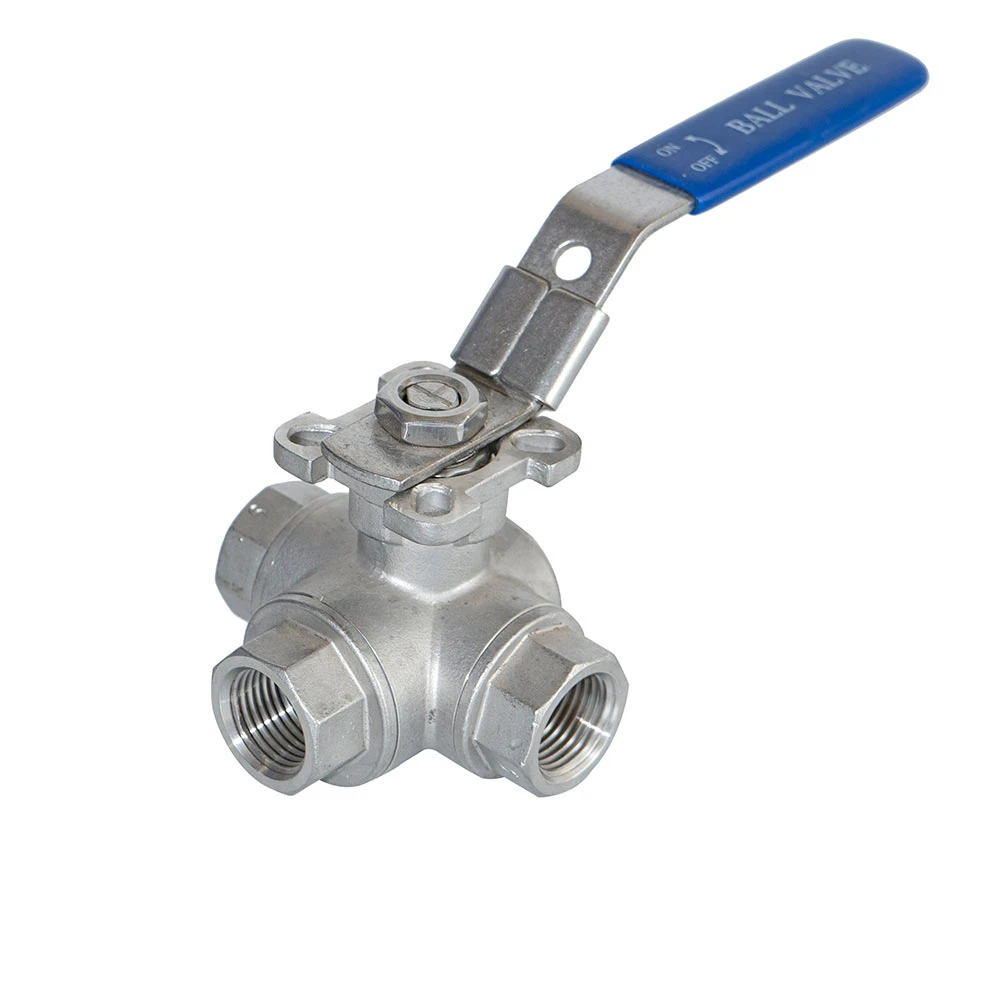
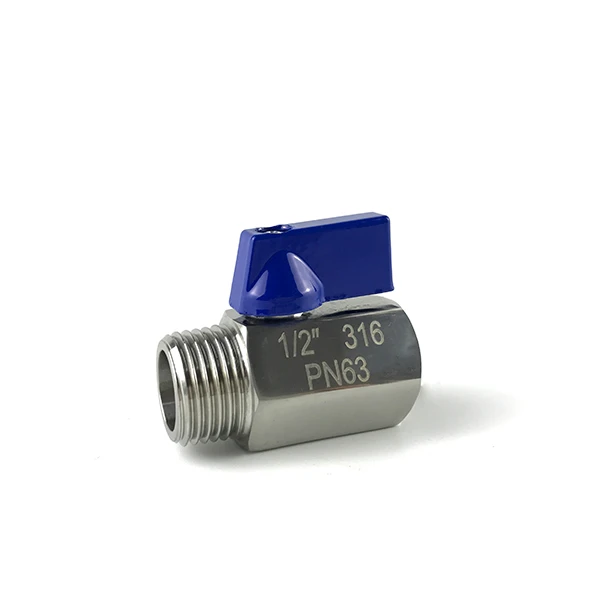
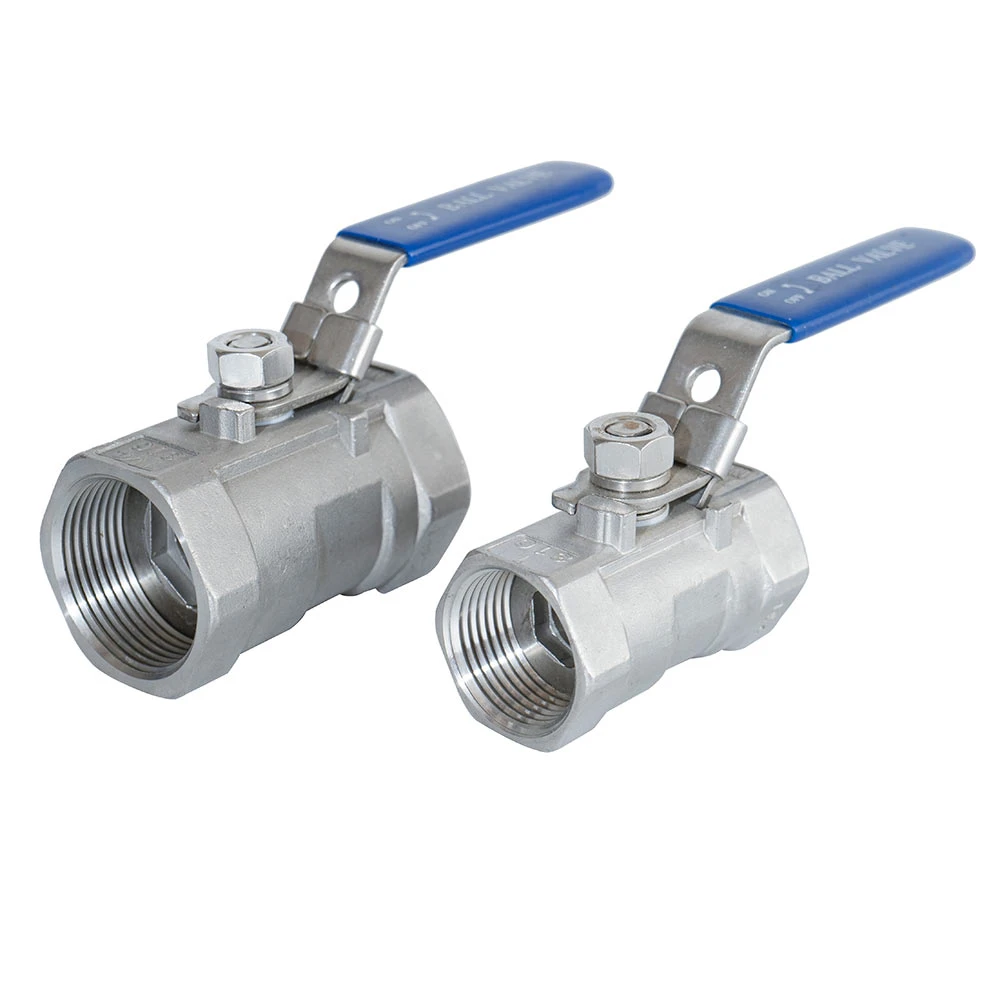
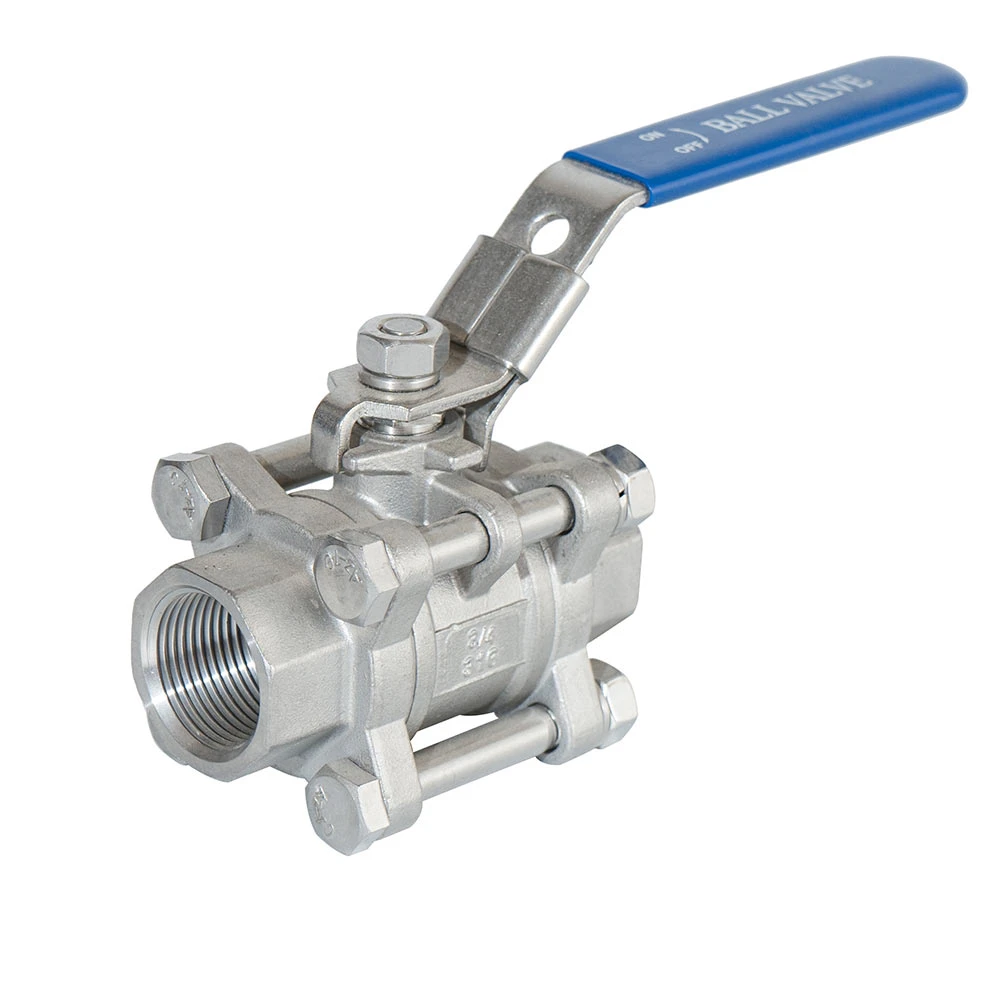
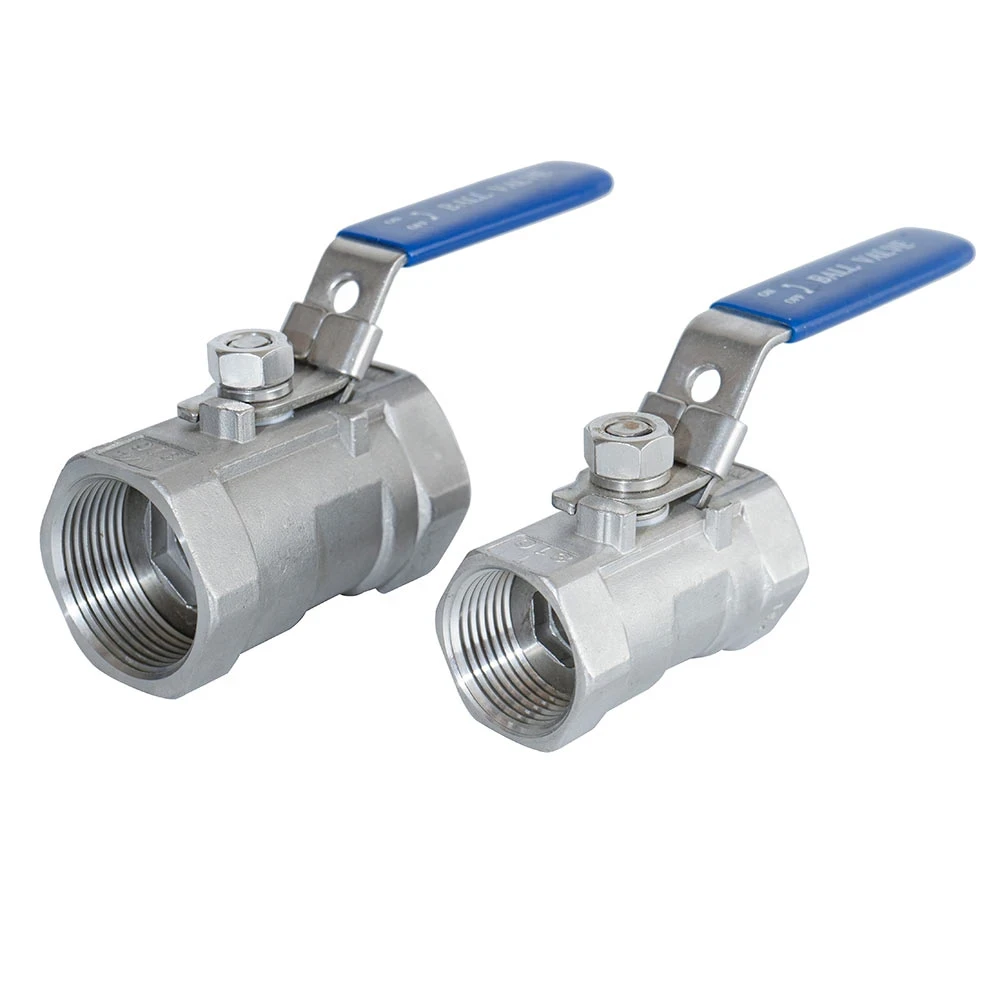
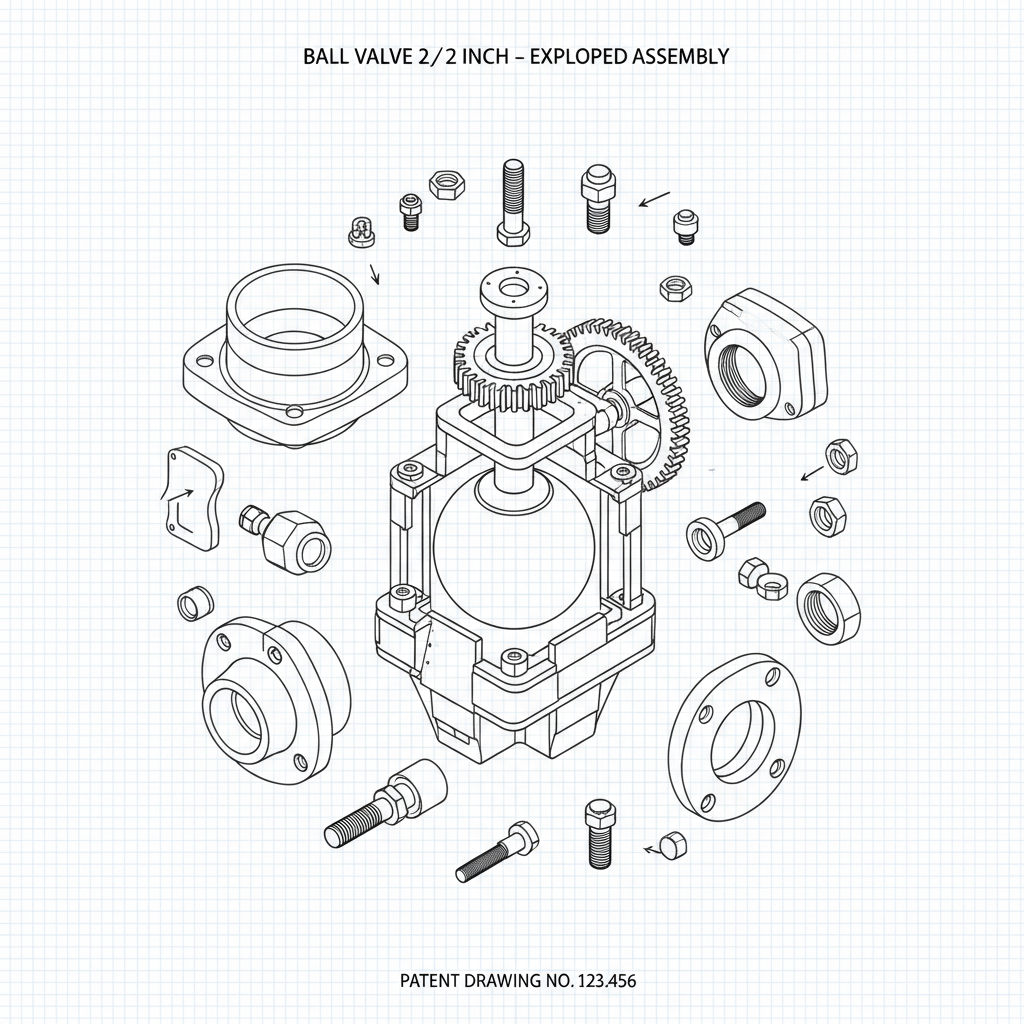
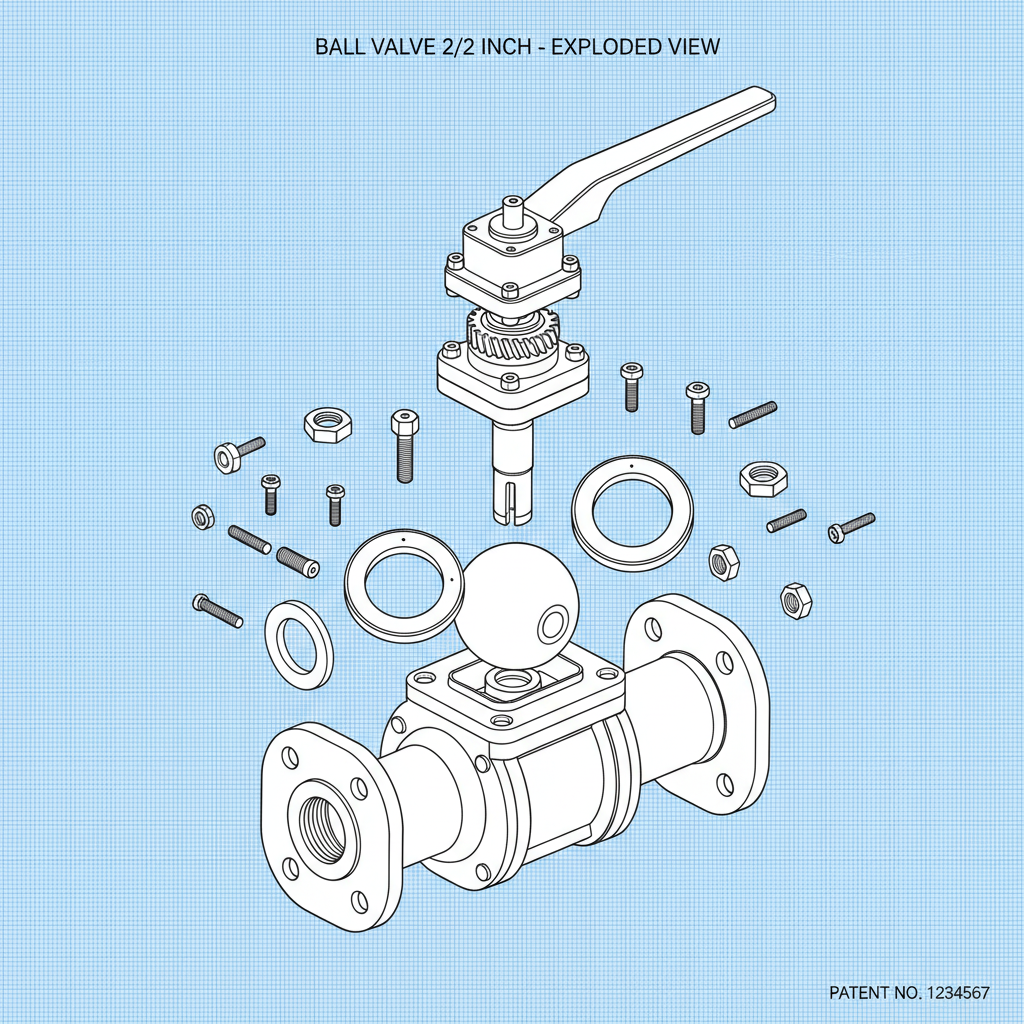
A 2 1/2 inch ball valve is a type of quarter-turn valve that utilizes a hollow, perforated, and pivoting ball to control fluid flow. The valve is “on” when the ball’s hole aligns with the flow, and “off” when it is quarter-turned, blocking the passage. The ‘2 1/2 inch’ designation refers to the nominal pipe size the valve is designed to accommodate. These valves are favored for their quick operation, tight shut-off, and minimal pressure drop when fully open. Houde Valve provides a wide range of these valves suited for various applications.
Key Features: Quick operation, tight shut-off, minimal pressure drop, durable construction, versatile applications.
Common Applications of 2 1/2 Inch Ball Valves
The versatility of a 2 1/2 inch ball valve allows it to be implemented in a diverse array of industries. Common applications include: water distribution systems, irrigation, chemical processing, oil and gas pipelines, fire protection systems, and general plumbing. They are particularly valuable in situations demanding rapid isolation of fluid flow. Because of their robust construction, they're also well-suited for handling abrasive fluids and high-pressure applications.
Application Benefits:
• Rapid flow isolation
• Suitable for high-pressure systems
• Durable for abrasive fluid handling
• Versatile for various industrial processes
2 1/2 Inch Ball Valve: Material Options and Comparison
Selecting the right material for your 2 1/2 inch ball valve is critical for ensuring compatibility with the fluid being controlled and the operating environment. Common materials include: Brass, Stainless Steel (304, 316), PVC, CPVC, and Carbon Steel. Each material offers unique advantages and disadvantages. For example, stainless steel offers excellent corrosion resistance, while PVC is a cost-effective option for non-corrosive applications.
Choosing the Right 2 1/2 Inch Ball Valve for Your Application
When selecting a 2 1/2 inch ball valve, consider several key factors. First, the type of fluid being controlled is paramount. Corrosive fluids require corrosion-resistant materials like stainless steel. Second, the operating temperature and pressure must be within the valve’s specifications. Third, the end connection type (e.g., threaded, flanged, socket weld) should match your existing piping system. Finally, the actuation method (manual, pneumatic, electric) should be chosen based on the required level of automation. You can explore the wide range of options available at Houde Valve.
Understanding Ball Valve Standards and Certifications
Ball valves are often manufactured to meet industry standards such as API 6D, ensuring quality and reliability. Certifications like ISO 9001 demonstrate a commitment to quality management systems. These certifications assure customers that the valve has been tested and meets specific performance criteria. When sourcing a 2 1/2 inch ball valve, it’s essential to verify that it complies with the relevant standards for your application. Houde Valve is dedicated to providing valves that meet and exceed industry standards.
Conclusion: Investing in a Quality 2 1/2 Inch Ball Valve
The 2 1/2 inch ball valve is a vital component in numerous industries, offering reliable and efficient fluid control. Choosing the right valve based on material, application, and standards ensures optimal performance and longevity. By investing in a high-quality ball valve from a reputable manufacturer like Houde Valve, you can minimize downtime, reduce maintenance costs, and ensure the safe and efficient operation of your systems.
Frequently Asked Questions (FAQs)
What is the typical lifespan of a 2 1/2 inch ball valve?
The lifespan of a 2 1/2 inch ball valve varies depending on factors like material, usage, and the nature of the fluid it controls. Generally, with proper maintenance and under normal operating conditions, a ball valve can last between 5 to 20 years. Regular inspection for leaks, corrosion, and wear is essential. Valves handling abrasive fluids or operating under extreme temperatures may have a shorter lifespan. Selecting a high-quality valve from a reputable manufacturer like Houde Valve can significantly extend its longevity.
What are the common end connections for a 2 1/2 inch ball valve?
Common end connections include threaded (NPT, BSP), flanged (ANSI, DIN), socket weld, and butt weld. The choice depends on the piping system and pressure requirements. Threaded connections are suitable for lower-pressure applications and are easy to install. Flanged connections are ideal for higher-pressure systems and offer a more secure seal. Socket and butt welds provide a permanent, leak-proof connection, often used in critical applications. Houde Valve offers a wide variety of end connection options.
How do I properly maintain a 2 1/2 inch ball valve?
Regular maintenance is crucial for ensuring the long-term reliability of a ball valve. This includes periodic inspection for leaks, corrosion, and damage. Lubricate the valve stem and ball periodically to ensure smooth operation. Avoid over-tightening the valve, as this can damage the seats. If the valve is used in a harsh environment, protect it from exposure to corrosive substances. Following the manufacturer's recommendations, such as those provided by Houde Valve, is essential.
What is the difference between a full port and reduced port ball valve?
A full port ball valve has an internal diameter equal to the pipe size, providing unrestricted flow and minimal pressure drop. A reduced port valve has a smaller internal diameter, which can create some resistance to flow. Full port valves are preferred for applications where maximum flow capacity is required, while reduced port valves are often used when throttling flow is necessary. The valve specifications provided by Houde Valve will indicate whether a valve is full port or reduced port.