You know, lately everyone’s talking about Industry 4.0, smart factories, and all that jazz. Seems like every other manufacturer wants to bolt on sensors and call it “intelligent.” To be honest, a lot of it feels like lipstick on a pig. They forget the fundamentals, the stuff that actually matters on a construction site. We’ve been seeing a huge push for more automation, of course, but people are still relying on solid, reliable components. And that's where 3 piece ball valve manufacturers come in. Been working with these things for… well, let's just say a long time.
It's funny, you design something on a computer, thinking it’s perfect, then you get out to a real job site and realize... it's not. Have you noticed how many designs overlook simple things like accessibility for maintenance? Engineers love to make things compact, which is fine, but then you need a contortionist to get a wrench on a valve. We’ve learned the hard way – accessibility always wins. And don't even get me started on thread types. Mixing imperial and metric… it’s a nightmare.
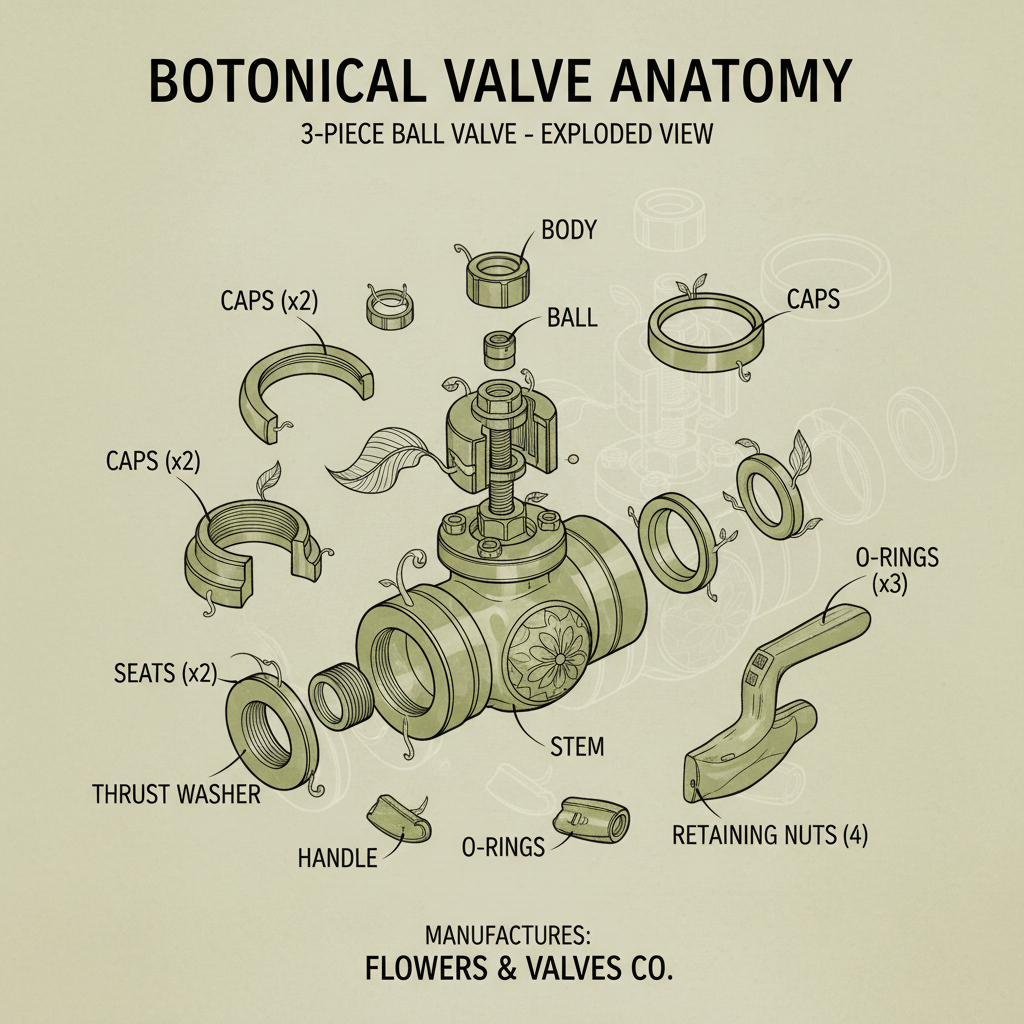
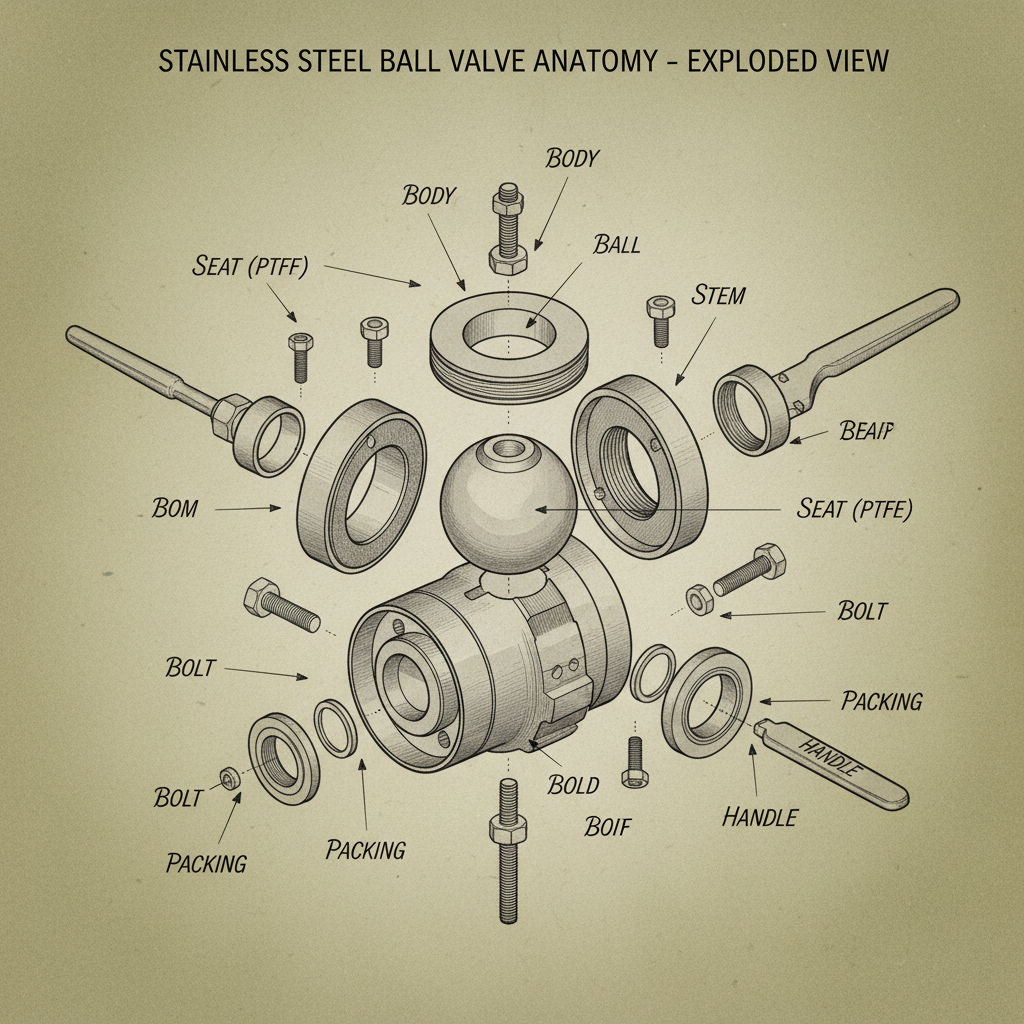
These 3 piece ball valve manufacturers, they're usually made with a carbon steel body, sometimes stainless steel depending on the application. The carbon steel ones… you can smell 'em, that metallic tang. Feels solid, weighty. The stainless, it's cleaner, colder to the touch. The seals are usually PTFE - Teflon, basically. That stuff has a distinct odor when it heats up, a slightly sweet, chemical smell. Important to know, because if you smell that, something’s not right. It means friction, and friction means failure. Anyway, I think solid construction is key.
Introduction to 3 Piece Ball Valve Manufacturers
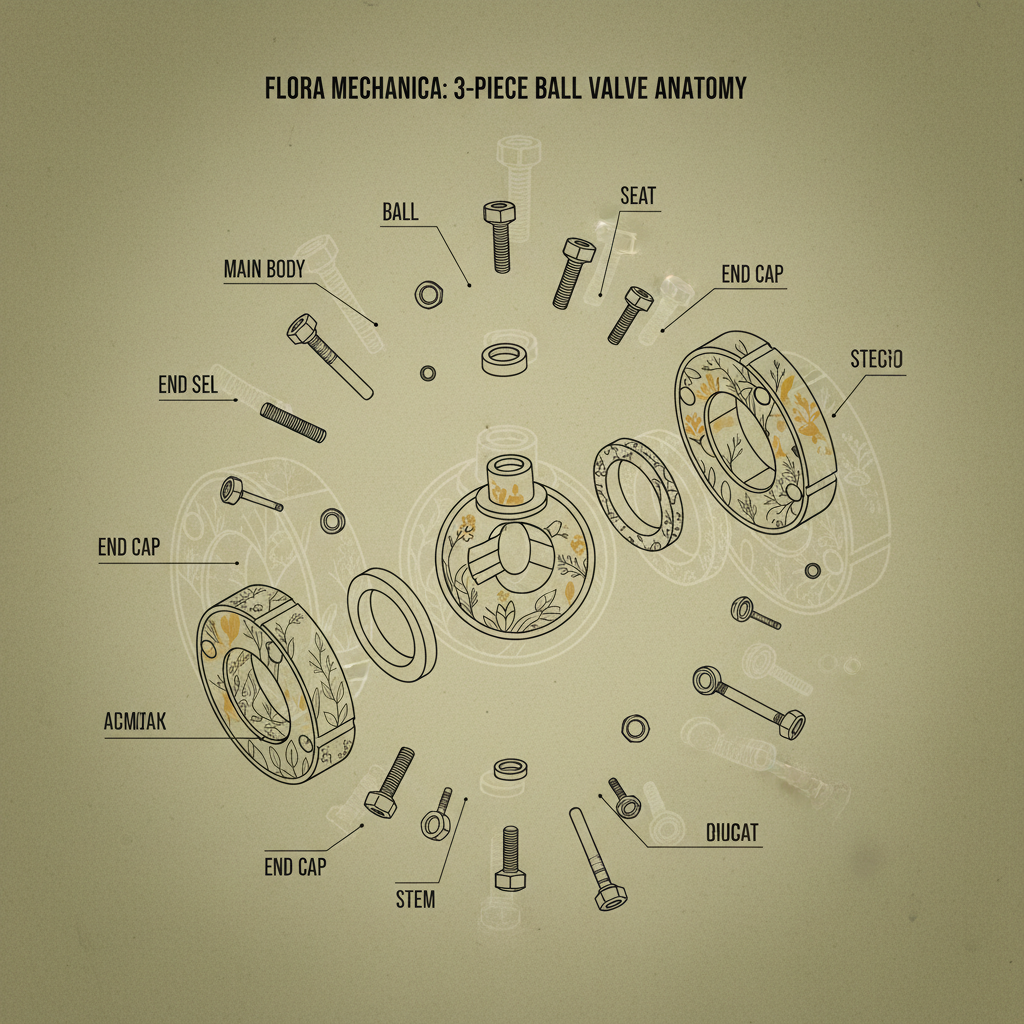
These aren't new, you know? 3 piece ball valve manufacturers have been around for decades. But they’re the workhorses of fluid control. What sets them apart is the three-piece design - it makes maintenance a breeze. You don’t have to disconnect the whole system to work on the valve itself. Strangely enough, some people still prefer the two-piece, probably because they're used to it. But I’ve seen too many projects delayed because of that stubbornness.
They're used everywhere. Chemical plants, oil refineries, water treatment facilities, even your local brewery. Anywhere you need to reliably start and stop the flow of liquids or gases. The demand's steady, always has been. We work with a lot of manufacturers around the globe – China, Taiwan, Italy… and you really see the differences in quality.
Key Design Considerations
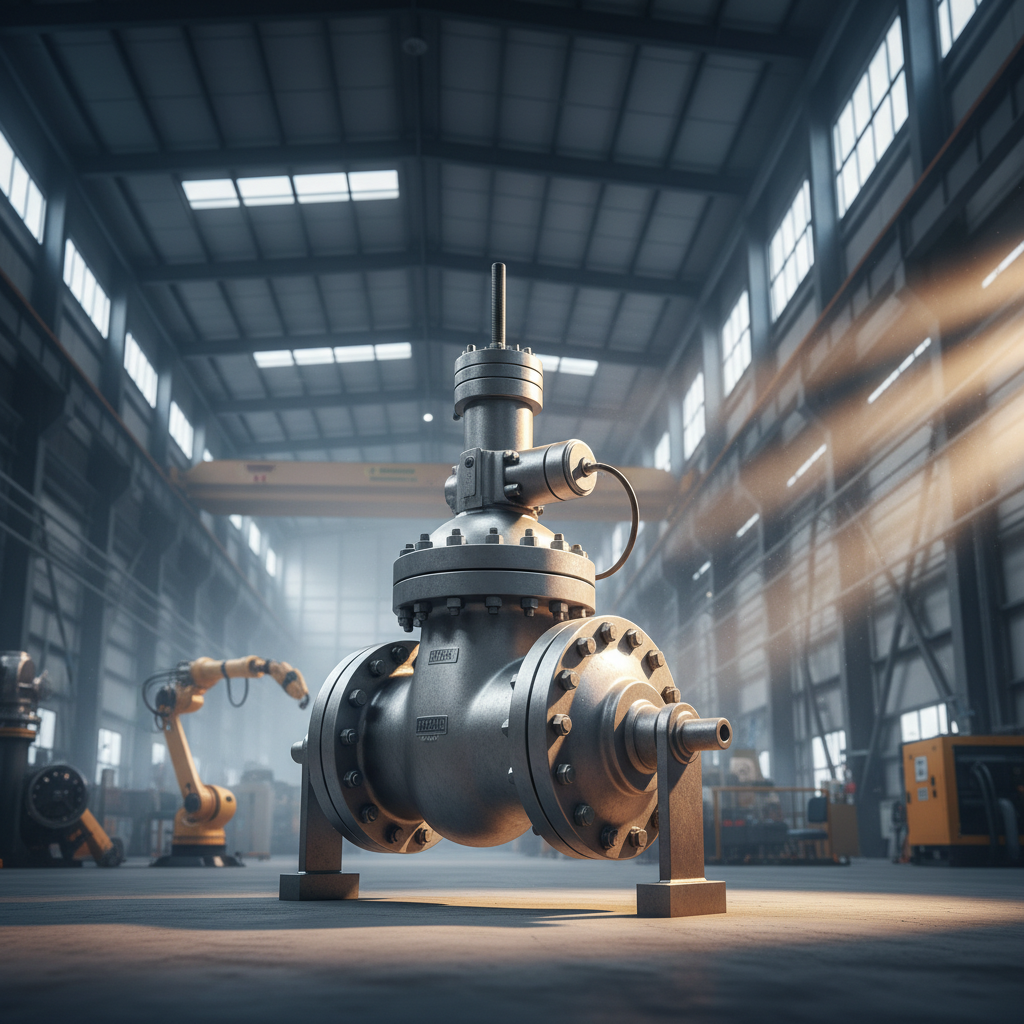
The bore size is critical. Too small, and you get pressure drop. Too large, and you lose control. It's a balancing act. I encountered this at a petrochemical plant in Texas last time – they’d oversized the valves, thinking bigger was better. Ended up with cavitation and erosion. Messy business. Then there’s the actuation – manual lever, pneumatic, electric… each has its pros and cons. Pneumatic is great for remote operation, but you need a compressed air supply. Electric is convenient, but can fail if the power goes out.
The end connections are also important - threaded, flanged, welded. Threaded are the easiest to install, but they're also the most prone to leaks. Flanged are more secure, but require more time and skill to install. Welded are permanent, which is good for some applications, but makes maintenance a pain.
And the body material! That impacts corrosion resistance, pressure rating, and temperature range. You gotta know your media. Acidic fluids require different materials than alkaline fluids. Simple as that.
Materials & Handling
As I mentioned earlier, carbon steel is common, but stainless steel – 304, 316 – is preferred for corrosive environments. Sometimes you'll see exotic alloys like Hastelloy or Inconel, but those are expensive. And then there’s plastic – PVC, CPVC, PP – for low-pressure, low-temperature applications. Those plastic ones… they feel cheap, to be honest. They flex too much.
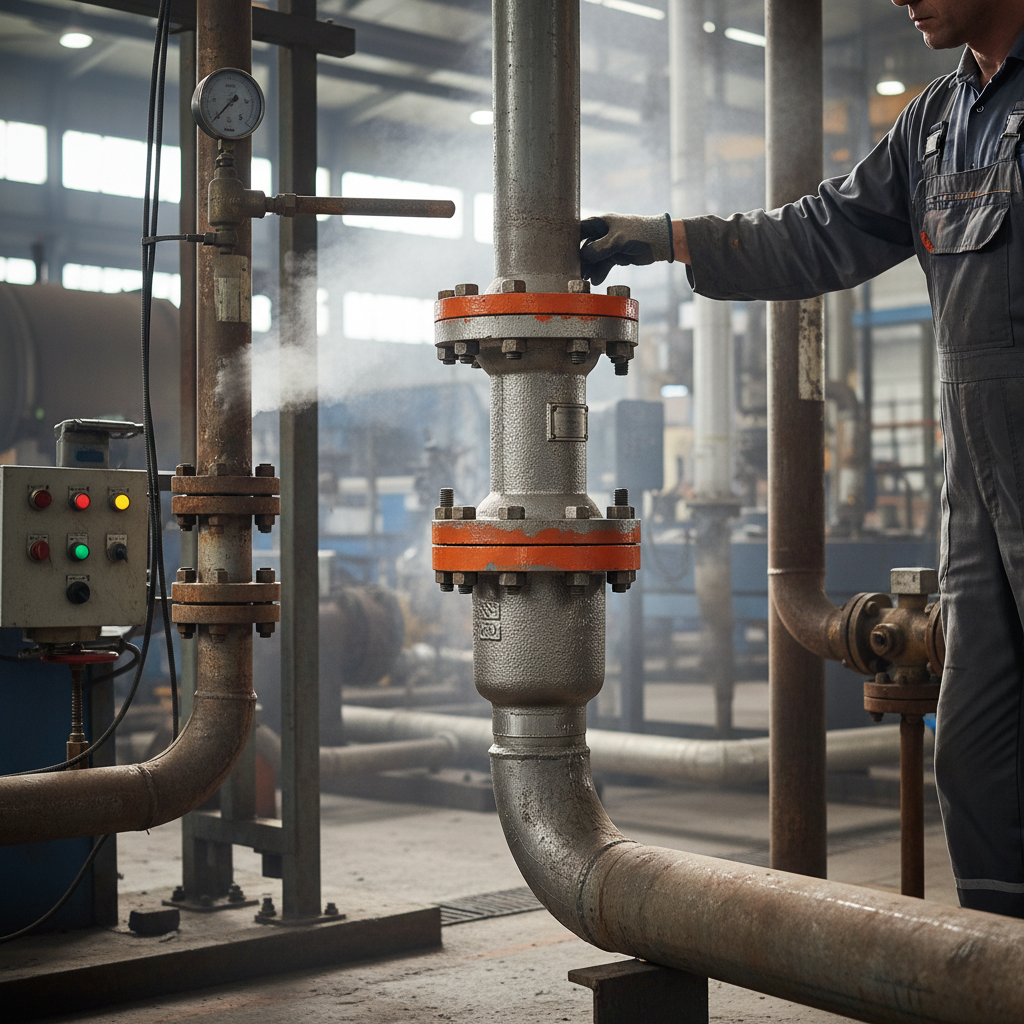
Handling these things on site, you gotta be careful. Carbon steel can rust if it’s exposed to moisture. Stainless steel is more durable, but it can still get scratched. And dropping one… well, that’s never a good day. We always make sure they're properly stored, covered, and protected from the elements. And the workers, they should wear gloves. These surfaces can be rough.
You also get different coatings. Epoxy, PTFE, even some with specialized ceramic linings. Those ceramic ones are tough, but brittle. You gotta handle them gently.
Real-World Testing & Validation
Forget those fancy lab tests. They're useful, sure, but the real test is on the job site. We pressure test everything before installation, obviously. But we also look for things like ease of operation, tightness of the seal, and how well the valve holds up to vibration. Later… forget it, I won’t mention the time we found a valve that leaked under vibration because someone used the wrong sealant.
We've started doing more field testing, working directly with the end-users. We'll install a valve, monitor its performance for a few weeks, and then get feedback. It's much more effective than relying on theoretical calculations. We’ve had good results with thermal cycling too, exposing the valves to extreme temperatures to check for warping or cracking.
3 Piece Ball Valve Manufacturers - Performance Metrics
Practical Applications & User Behavior
You’d think people would follow the manufacturer’s instructions, right? Wrong. I’ve seen guys use these valves as makeshift hammers, or try to tighten them with a pipe wrench. It’s… frustrating. They also tend to over-tighten them, stripping the threads. We try to provide clear instructions and training, but it doesn’t always stick.
A lot of times, these valves are installed in hard-to-reach places, so maintenance gets neglected. And that’s when problems start. Corrosion builds up, seals degrade, and eventually, you have a leak. And a leak in a chemical plant… that's a whole different story.
Advantages, Disadvantages & Customization
The big advantage is ease of maintenance, as I said before. And they're relatively inexpensive. But they're not ideal for high-flow applications. The ball creates some resistance. And they’re not the best choice for slurries or fluids with solids. Those can clog the valve and damage the seal. They also have limitations regarding temperature.
Customization is possible, though. Last month, that small boss in Shenzhen who makes smart home devices insisted on changing the interface to – yeah, for a ball valve. Said it was for “future-proofing.” It was a pain to get done, and I still think it was a waste of money, but we made it happen. Anything's possible if the customer's willing to pay.
Case Study: Shenzhen Smart Home Manufacturer
So, this guy, Mr. Li, runs a small factory in Shenzhen making smart water heaters. He wanted a customized ball valve for his new product, something that could integrate with his IoT system. He insisted on the connector, claiming it would allow for remote control and diagnostics. I tried to explain that a ball valve is a mechanical device, and a USB port isn't going to magically make it smarter, but he wouldn't listen.
We ended up building the valve, of course. It took weeks, and it was expensive. And guess what? The port was never used. It was just a gimmick. He said it was for “marketing purposes”. Go figure. But the valve itself worked perfectly, and his water heaters are selling well.
Ultimately, he was happy, and that's what matters. But it's a reminder that sometimes, customers don't know what they want.
Table summarizing common 3 piece ball valve manufacturer issues and solutions.
| Issue |
Root Cause |
Severity (1-10) |
Recommended Solution |
| Leakage |
Worn or damaged seals |
8 |
Replace seals, check for surface damage |
| Corrosion |
Incompatible material with fluid |
7 |
Use corrosion-resistant alloy |
| Valve Sticking |
Build-up of debris or scale |
6 |
Regular cleaning and lubrication |
| Excessive Torque |
Over-tightening during installation |
5 |
Use a torque wrench, follow instructions |
| Cavitation |
Pressure drop across the valve |
9 |
Increase valve size, optimize flow rate |
| Erosion |
High-velocity flow containing particles |
7 |
Use hardened materials, install filters |
FAQS
That’s a good question. It really depends on the application and the media. But generally, you're looking at 5-10 years. With regular maintenance – lubricating the seals, checking for corrosion – you can easily get 10+ years out of a good quality valve. But neglect it, and you’ll be replacing it sooner. It's a case of preventative care. We’ve seen some valves last 20 years, but those are the exception, not the rule.
This is crucial. You gotta know your chemical compatibility. Stainless steel is good for a lot of things, but it's not immune to everything. Acids, bases, chlorides… they can all attack stainless steel. For highly corrosive fluids, you might need something more exotic, like Hastelloy or Teflon-lined steel. It's always best to consult a materials engineer or a reputable valve supplier. Don’t just guess! It will save you money in the long run.
Full port means the bore of the valve is the same size as the connecting pipe. Reduced port means it’s smaller. Full port gives you higher flow capacity and lower pressure drop. But it’s also more expensive. Reduced port is fine for most applications, but if you need maximum flow, go with full port. It really comes down to your specific requirements.
It depends on the material. Carbon steel is generally limited to around 200°C. Stainless steel can handle higher temperatures, but you need to choose the right grade. Some exotic alloys can go even higher. But the seals are often the limiting factor. PTFE seals start to degrade at higher temperatures. You might need to use a different type of seal, like a graphite seal. Always check the manufacturer’s specifications.
Good question. It really depends on the application. But as a general rule, you should inspect them at least once a year. Check for leaks, corrosion, and any signs of damage. Lubricate the seals regularly. And if you notice any problems, address them immediately. Regular maintenance can prevent costly downtime and extend the life of the valve. Don't ignore the small stuff!
Absolutely. You can add an actuator – pneumatic, electric, or hydraulic – to automate them. Pneumatic actuators are common, but you need a compressed air supply. Electric actuators are more convenient, but require power. Installation can be tricky, so it’s best to have a qualified technician do it. And you’ll need to make sure the actuator is compatible with the valve.
Conclusion
So, 3 piece ball valve manufacturers aren’t glamorous, but they’re essential. They're the quiet workhorses that keep things flowing in countless industries. The key is to choose the right valve for the application, install it correctly, and maintain it regularly. Forget the bells and whistles, focus on the fundamentals.
Ultimately, whether this thing works or not, the worker will know the moment he tightens the screw. If it feels solid, reliable, and easy to operate, you’re in good shape. If it feels flimsy or loose, you’ve got a problem. And that, my friend, is the bottom line. Check out our range of valves at houdevalve.com.