Understanding 1.5 Ball Valves: A Comprehensive Guide
When selecting a ball valve for your fluid control system, the size is critical. A 1.5 ball valve is a popular choice for various applications due to its balance of flow capacity and manageable size. This article will provide a comprehensive overview of 1.5 inch ball valves, covering their features, applications, materials, and factors to consider when making a purchase. We'll explore why choosing the right ball valve is crucial for the efficiency and safety of your operations.
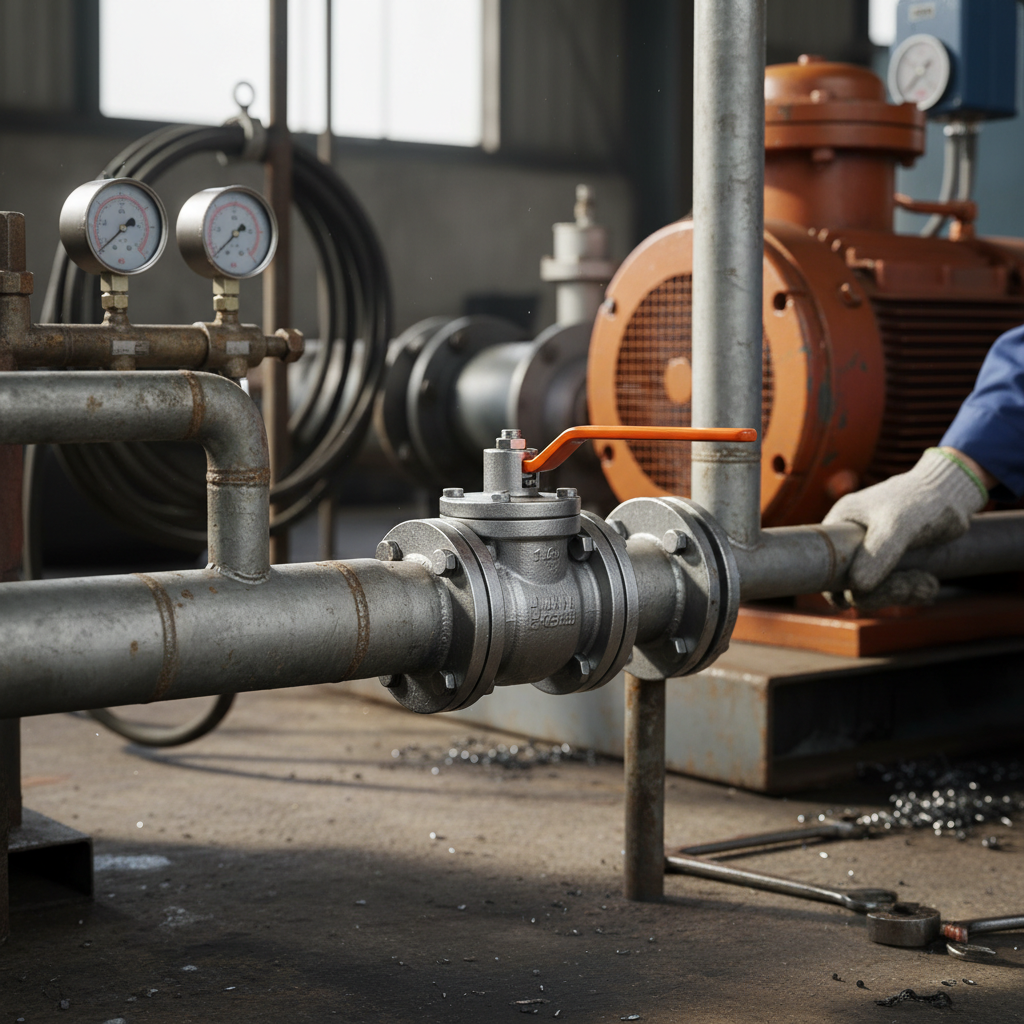
What is a 1.5 Ball Valve and How Does it Work?
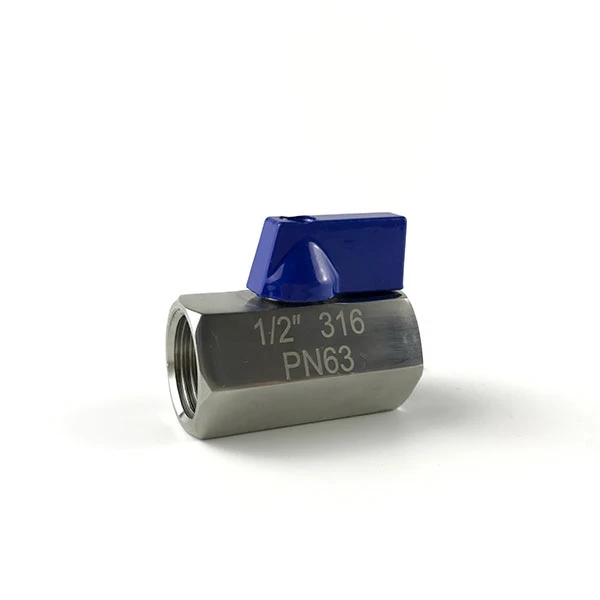
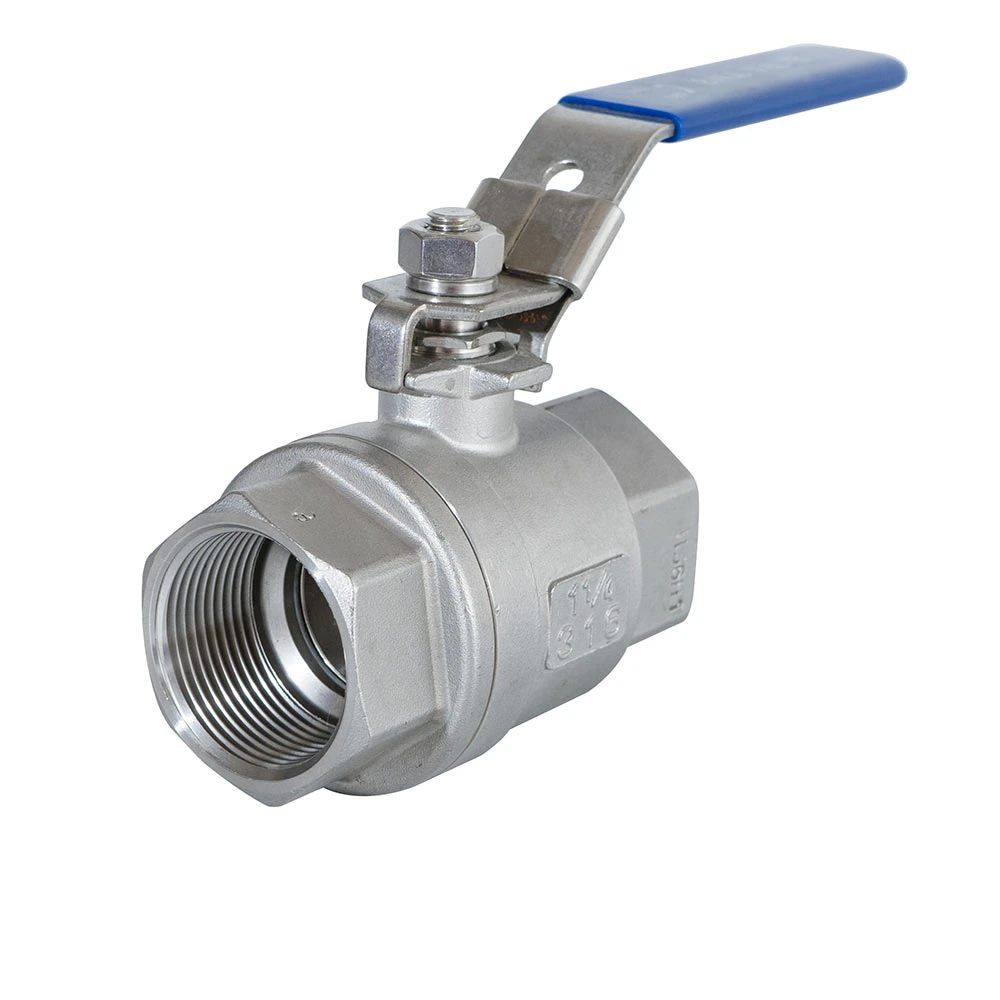
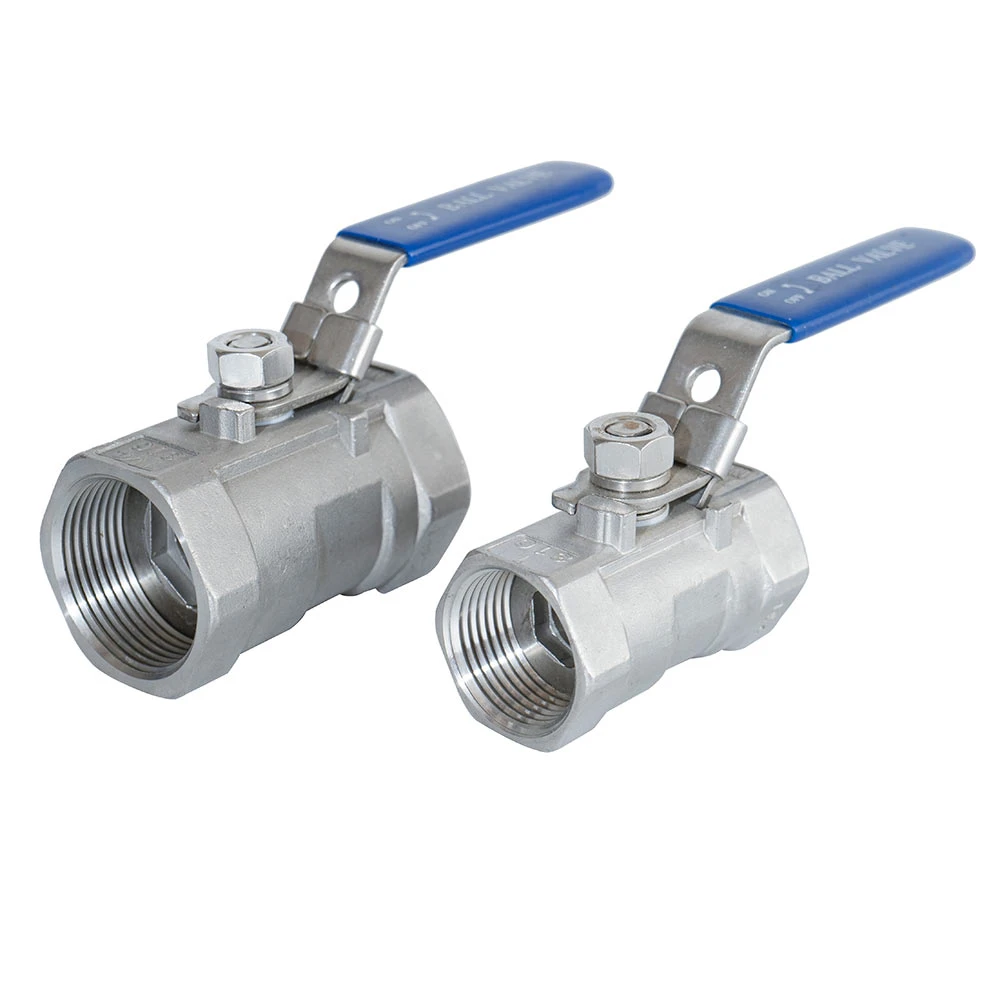
A 1.5 ball valve utilizes a hollow, perforated, and pivoting ball to control fluid flow. The '1.5' refers to the nominal pipe size, meaning it's designed to connect to 1.5-inch pipes. When the ball’s hole is aligned with the pipe, flow occurs. Rotating the ball 90 degrees closes the valve, blocking the flow. This simple yet effective mechanism makes ball valves reliable and efficient. They are known for their quarter-turn operation – a quick and easy maneuver to fully open or close the valve. Houde Valve specializes in providing high-quality 1.5 inch ball valves for a range of industries.
Key Benefits: Quarter-turn operation, tight shut-off, durable construction, minimal pressure drop when fully open.
Applications of 1.5 Inch Ball Valves
1.5 ball valves are incredibly versatile and find application in numerous industries. Common uses include: water supply lines, irrigation systems, gas lines (with appropriate certification), oil and gas pipelines, chemical processing, and HVAC systems. Their robust design and tight shut-off capabilities make them ideal for applications requiring reliable flow control. In residential settings, they are frequently used for shut-off valves under sinks and for controlling water flow to appliances. The Houde Valve range caters to diverse applications, ensuring optimal performance and longevity.
Common Application Areas:
• Water Supply & Distribution
• Irrigation Systems
• Oil & Gas
• Chemical Processing
• HVAC Systems
1.5 Ball Valve Materials: Choosing the Right Fit
The material of a 1.5 ball valve significantly impacts its performance and suitability for specific applications. Common materials include:
- Brass: Ideal for water and low-pressure gas applications. Cost-effective but may not be suitable for corrosive fluids.
- Stainless Steel: Offers excellent corrosion resistance and is suitable for a wider range of fluids, including chemicals and corrosive liquids.
- PVC: Lightweight and corrosion-resistant, often used for irrigation and low-pressure water systems.
- Carbon Steel: Strong and durable, suitable for high-pressure applications. Often coated to prevent corrosion.
The choice of material should be based on the fluid being controlled, the pressure and temperature conditions, and any potential for corrosion. Houde Valve offers 1.5 inch ball valves in a variety of materials to meet your specific needs.
1.5 Ball Valve Types: A Comparison
Several types of 1.5 ball valves cater to different requirements. Understanding the differences is crucial for selecting the best valve for your application.
Factors to Consider When Purchasing a 1.5 Ball Valve
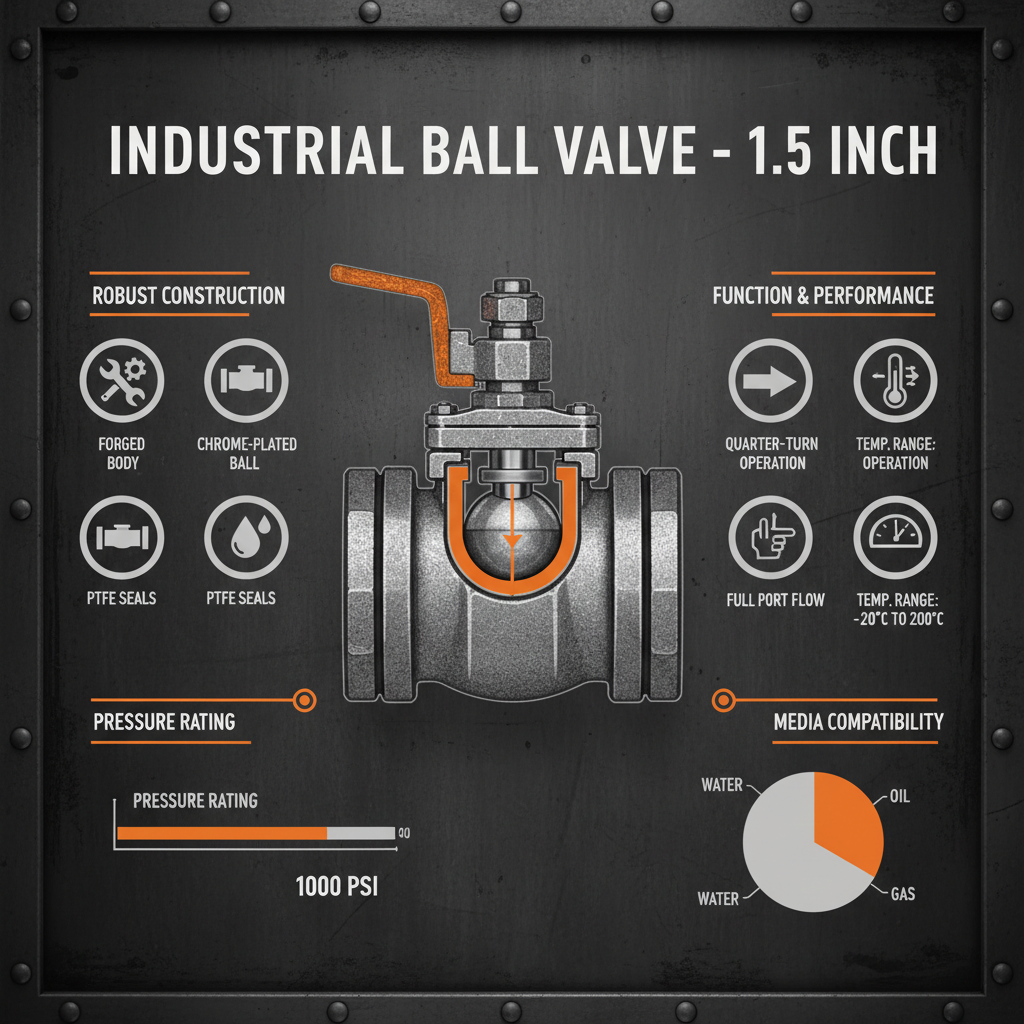
Before purchasing a 1.5 ball valve, consider the following factors: pressure rating, temperature range, compatibility with the fluid, connection type (threaded, flanged, welded), and any specific industry certifications required. Ensure the valve meets the necessary safety standards and regulations for your application. It’s also crucial to consider the valve’s actuation method—manual, pneumatic, or electric—based on your operational needs. Selecting a reputable supplier like Houde Valve ensures you receive a quality product with reliable performance.
Conclusion: Choosing the Right 1.5 Ball Valve
Selecting the appropriate 1.5 ball valve is vital for maintaining efficient and safe fluid control in a wide range of applications. Consider the material, type, and specifications carefully to ensure compatibility with your system. Investing in a high-quality valve from a reputable supplier like Houde Valve will provide long-lasting performance and reliability.
Frequently Asked Questions (FAQs)
What is the pressure rating of a typical 1.5 ball valve?
The pressure rating of a 1.5 ball valve varies depending on the material and construction. Common pressure ratings range from 150 PSI to 600 PSI. It’s crucial to select a valve with a pressure rating that exceeds the maximum pressure of your system to ensure safety and prevent failure. Always check the valve's specifications before installation. Using a valve with an inadequate pressure rating could lead to leaks or catastrophic failure.
Can a 1.5 ball valve be used with potable water?
Yes, but only if the valve is specifically certified for potable water use. Brass and stainless steel ball valves are often suitable, but they must meet relevant standards such as NSF/ANSI 61. These standards ensure that the valve materials do not leach harmful contaminants into the water. PVC valves may also be suitable, provided they are manufactured from food-grade materials and certified for potable water applications.
What is the difference between threaded and flanged connections for 1.5 ball valves?
Threaded connections are easier to install and are suitable for lower-pressure applications. They involve screwing the valve onto threaded pipes. Flanged connections, on the other hand, are more robust and designed for higher-pressure systems. They require bolting the valve to flanged pipes, creating a more secure and leak-proof seal. Flanged connections are also easier to disassemble for maintenance.