Understanding the Steel Y Strainer: An Industrial Essential
If you’ve ever wondered how industries keep their fluid systems clean and efficient, the steel y strainer plays a surprisingly vital role. Globally, as manufacturing, water treatment, and oil and gas sectors continue expanding, protecting pipelines against debris becomes essential — and that’s where steel y strainers come in. They act as the first line of defense, filtering out unwanted particles to ensure smooth operations. Diving into what these devices are, why they matter, and where their benefits lie can really add value whether you’re an engineer, procurement specialist, or just curious about industrial fluid management.
Global Context: Why Steel Y Strainers Matter Now More Than Ever
Worldwide industrial output continues to rise, with the World Bank reporting over a 3% annual growth in manufacturing sectors. Alongside this growth, pipeline infrastructure is under increasing pressure to deliver reliability. Steel y strainers directly address this by preventing equipment failure due to contamination, which often causes costly downtime.
Oddly enough, in regions like Southeast Asia and the Middle East, where water scarcity and environmental challenges loom large, ensuring clean flow in treatment plants is critical for sustainability. According to ISO standards (ISO 9001 for quality management, ISO 14001 for environmental), consistent filtration helps organizations meet strict compliance requirements — saving money and the planet.
What Exactly is a Steel Y Strainer?
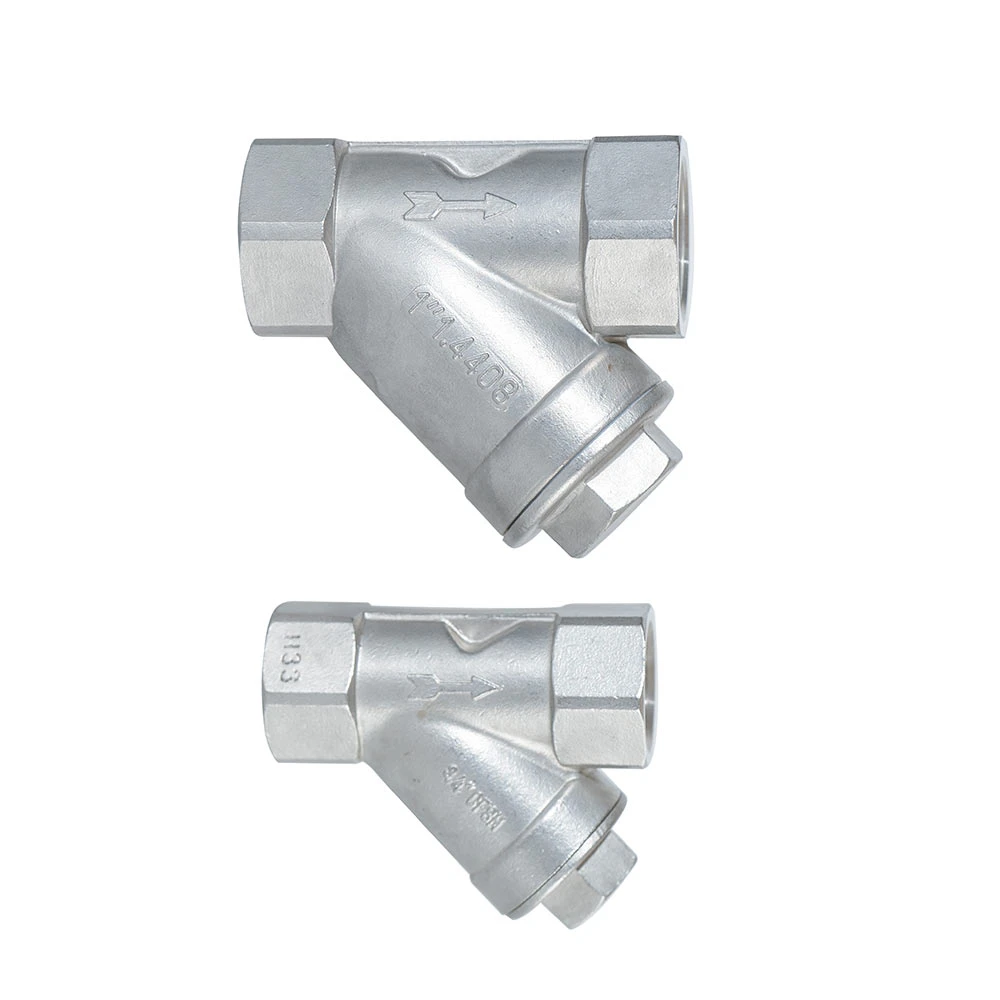
At its core, a steel y strainer is a type of inline filter shaped roughly like the letter 'Y'. Constructed from strong materials such as carbon steel or stainless steel, it’s placed directly in piping systems where it catches unwanted debris through a perforated or mesh screen inside. This prevents particles—from dirt to rust flakes—from damaging expensive pumps, valves, and other components down the line.
They are simple yet ingenious devices — no complex electronics or moving parts, just dependable mechanical filtration. And frankly, their straightforward design makes them suited not only for heavy industries but humanitarian uses too, like water distribution in remote areas where maintenance opportunities are limited.
Key Features of Steel Y Strainers
- Durability: Made with high-grade steel alloys, they withstand high pressures and temperatures, performing reliably in harsh environments.
- Ease of Maintenance: The “Y” shape allows convenient access to the straining screen without dismantling pipes entirely.
- Cost Efficiency: They offer a cost-effective solution preventing expensive equipment failures and unplanned shutdowns.
- Versatility: Suitable for liquids, gases, and steam applications across multiple industries.
- Scalability: Available in a wide range of sizes to fit various piping standards and flow rates.
Each feature contributes to their widespread adoption and enduring popularity — especially in industries like petrochemical processing, HVAC systems, and municipal water treatment.
Steel Y Strainer Specifications at a Glance
| Specification | Details |
|---|---|
| Material | Carbon Steel, Stainless Steel 304/316 |
| Connection Types | Flanged, Threaded, Socket Weld |
| Pressure Ratings | 150 psi up to 3000 psi |
| Mesh Sizes | 10 to 300 mesh (customizable) |
| Temperature Range | -40°C to 450°C (-40°F to 842°F) |
Mini takeaway: Robust and flexible, steel y strainers offer tailored filtration options to suit a wide array of industrial demands — a staple feature in fluid systems worldwide.
Where Are Steel Y Strainers Used? Real-World Applications
From bustling refineries in Texas to water plants in India, steel y strainers help maintain operational integrity. In post-disaster relief operations, mobile water treatment units rely on these harsh-environment survivors to rapidly cleanse debris-laden sources, ensuring safe potable water distribution. Meanwhile, in remote industrial zones like mining sites in Australia, they protect costly machinery from abrasive particles that could cause breakdowns.
Even HVAC systems turning buildings green depend on these strainers to keep chillers and heat exchangers running smoothly. Large-scale power plants also use them extensively when handling steam and cooling fluids — failures in filtration could mean catastrophic losses.
Vendor Comparison: Leading Steel Y Strainer Manufacturers
| Vendor | Material Quality | Custom Options | Global Reach | Typical Lead Time |
|---|---|---|---|---|
| Houde Valve | Premium stainless steel (304/316) | Extensive customization including mesh size and flanges | Strong Asia-Pacific and Middle East presence | 4-6 weeks |
| Vendor B | Carbon steel standard, options for stainless | Limited customization | Primarily North America | 6-8 weeks |
| Vendor C | Stainless steel only, mid-grade quality | Moderate customization | Global but limited stock availability | 8-10 weeks |
Steel y strainer providers like Houde Valve combine quality materials with global distribution, making them a top contender in the filtration market.
Benefits That Extend Beyond the Pipeline
Using steel y strainers leads to significant cost savings by avoiding premature equipment repairs or replacements. Their reliability inspires trust — a pipeline operator I spoke to recently said it feels like having an unseen guardian watching over their system’s health.
On the sustainability front, improved filtration reduces waste and energy consumption by maintaining optimal flow and preventing blockages. The social impact is also noteworthy: clean water access projects become more dependable, protecting public health. All in all, it’s a small device delivering big dividends.
The Future of Steel Y Strainers: Trends to Watch
We’re seeing innovations like finer mesh options for nano-filtration, corrosion-resistant coatings extending lifespan, and even digital sensors integrated to monitor clogging in real-time — bringing these humble strainers into Industry 4.0. Green manufacturing processes and recycled materials are also pushing the envelope, reflecting global sustainability goals.
Addressing Common Challenges
Like any mechanical product, steel y strainers can face clogging if not properly maintained. But easily removable strainers and expanded mesh varieties help mitigate this. Experts recommend routine inspection and using strainers matched carefully to flow conditions to reduce wear and maximize efficiency.
FAQs About Steel Y Strainers
- Q: How do I select the right mesh size for my system?
A: Consider the particle size you want to filter against and the fluid type; smaller mesh catches finer debris but may reduce flow rate. Consult manufacturer specs for recommendations. - Q: Can steel y strainers handle high-temperature steam applications?
A: Yes, especially stainless steel models rated for elevated temperatures, commonly up to about 450°C, make them suitable for steam systems. - Q: What maintenance does a steel y strainer require?
A: Regular cleaning of the mesh screen, typically by removing the strainer cap or plug, is recommended. Frequency depends on system conditions. - Q: Are custom sizes available?
A: Many suppliers, such as Houde Valve, offer custom designs to fit specialized piping and operational needs.
Conclusion: Why Investing in Steel Y Strainers Pays Off Long-Term
In real terms, a steel y strainer is more than just a filter — it’s an investment in reliability, safety, and sustainability that pays dividends across industries and geographies. From protecting expensive infrastructure to supporting clean water efforts in vulnerable regions, its value is broad and enduring.
If ensuring your fluid systems’ longevity and performance matters to you, consider the proven solutions offered by trusted manufacturers like Houde Valve. Their expertise in steel y strainers makes them an excellent partner for lasting quality.
Reflecting on how such a straightforward component underpins so many complex operations is a reminder: sometimes the smallest parts keep everything moving.